



Today we’d like to introduce you to Brock Isbell.
Alright, so thank you so much for sharing your story and insight with our readers. To kick things off, can you tell us a bit about how you got started?
I grew up in Little Rock, Arkansas as a punk kid who cared way more about skateboarding than homework. Like a lot of skaters, I fell in love with filming—mostly skate videos at first, then comedy skits with friends once we realized a camera could turn boredom into something creative. That camera flipped a switch for me early. Being behind it didn’t feel like a hobby; it felt like where I was supposed to be.
I leaned into that instinct and pursued a filmmaking degree at the University of Central Arkansas. After graduating, I got the opportunity to move to Atlanta in 2016 and took it immediately—which turned out to be perfect timing with Georgia’s film boom just getting into full swing. A few weeks later, I landed my first job as a production assistant, doing what every PA does best: getting coffee and trying not to screw anything up.
Being on my first film set changed everything. Watching camera operators and the DP work up close made the path feel real and attainable. My mindset was simple—if they’re doing it, why can’t I? From there, it became about showing up, learning fast, and slowly earning trust. That curiosity I had as a kid filming skate videos never went away; it just got sharper, more technical, and way more caffeinated.
No matter the role or the size of the project, I bring the same energy to everything I touch. Big show or small shoot, I’m always trying to elevate the visuals, solve problems creatively, and make the work better than it was when I walked on set—ideally with a little humor and a lot of intention.
Would you say it’s been a smooth road, and if not what are some of the biggest challenges you’ve faced along the way?
Like most careers in film, it’s been anything but smooth. Early on, the biggest challenge was just getting on set – long days, short sleep, inconsistent work, and constantly having to prove yourself on every new set. You’re only as good as your last call sheet, and sometimes that call never comes when you think it should. Building relationships and making a name for yourself is huge in this industry. It’s tough to get the ball to roll but the bigger your network gets and the better you do on set, the more momentum that ball gets.
There were plenty of moments of doubt especially early on—jobs that didn’t pan out, stretches where the phone was quiet, and the pressure of trying to move up while still paying rent. Questioning if I do the right thing my moving and switching careers. Every step forward came with a learning curve, whether it was stepping into a new role, taking on more responsibility, or figuring out how to lead a crew instead of just being part of one.
That said, the struggle is also what sharpens you. It forces you to work harder, stay curious, and keep a sense of humor when things go sideways—which they always do. Rarely on set do things go exactly as planned, and learning to adapt, stay calm, and still deliver is what separates the people who last from the people who burn out
Alright, so let’s switch gears a bit and talk business. What should we know about your work?
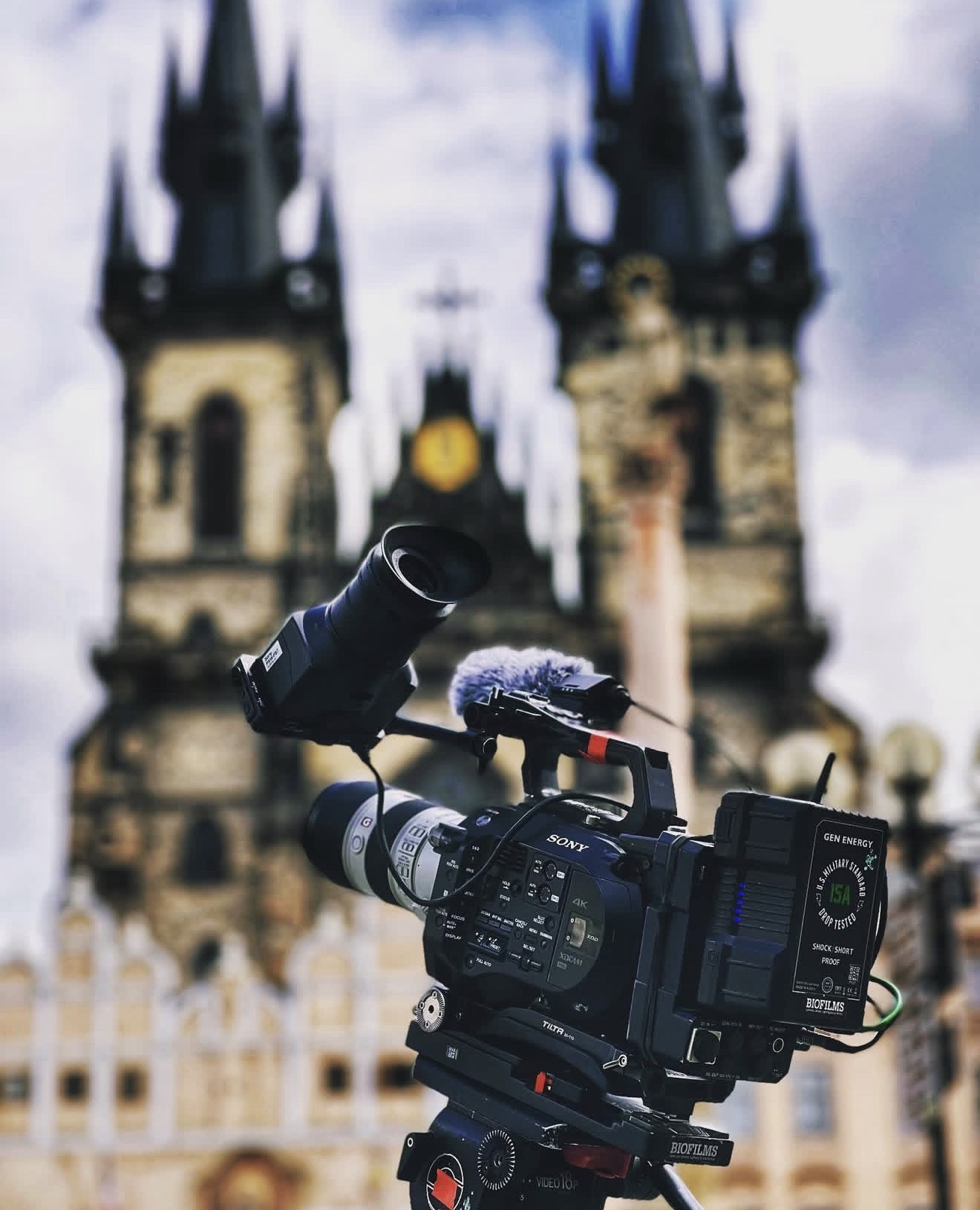
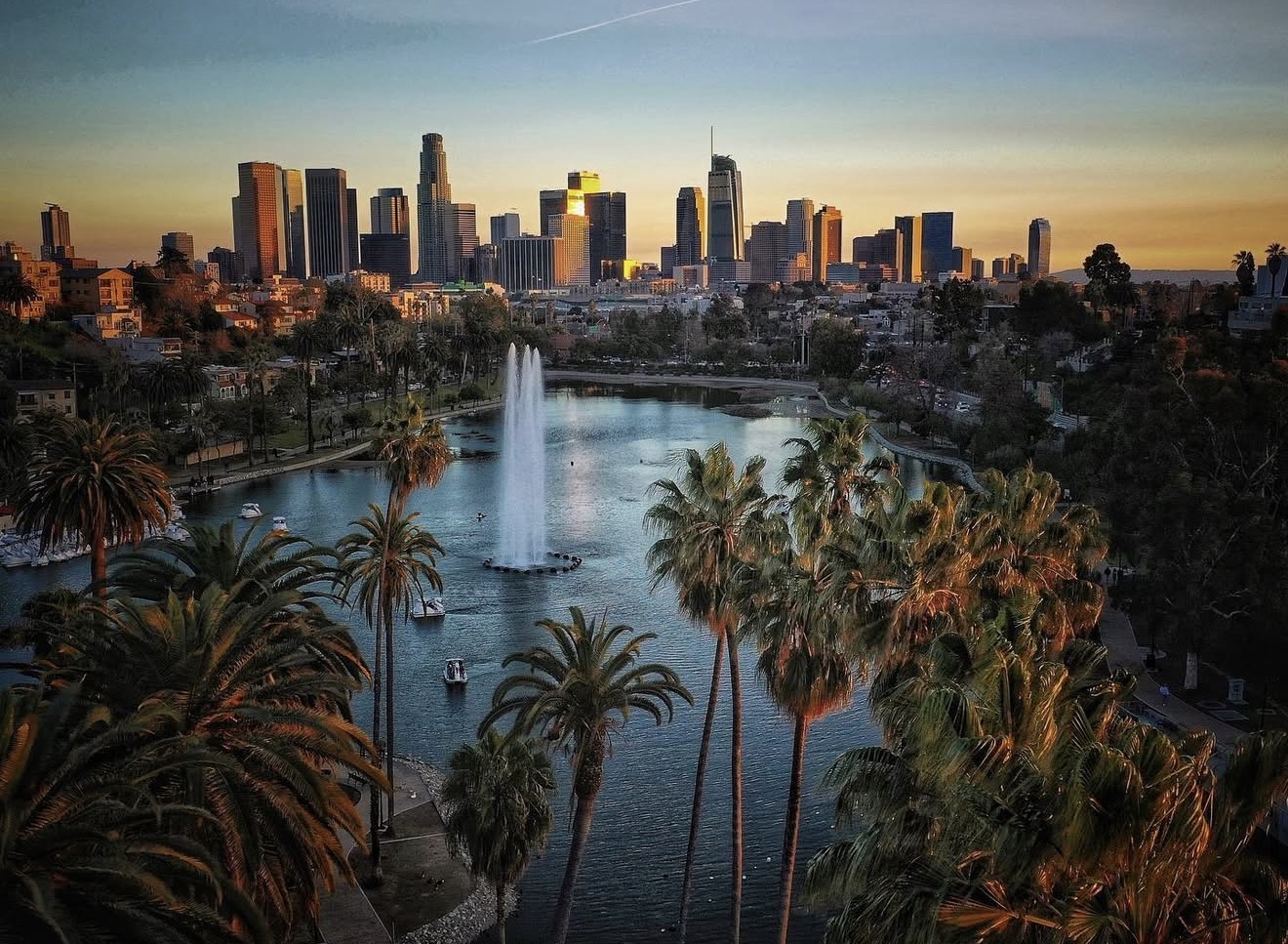
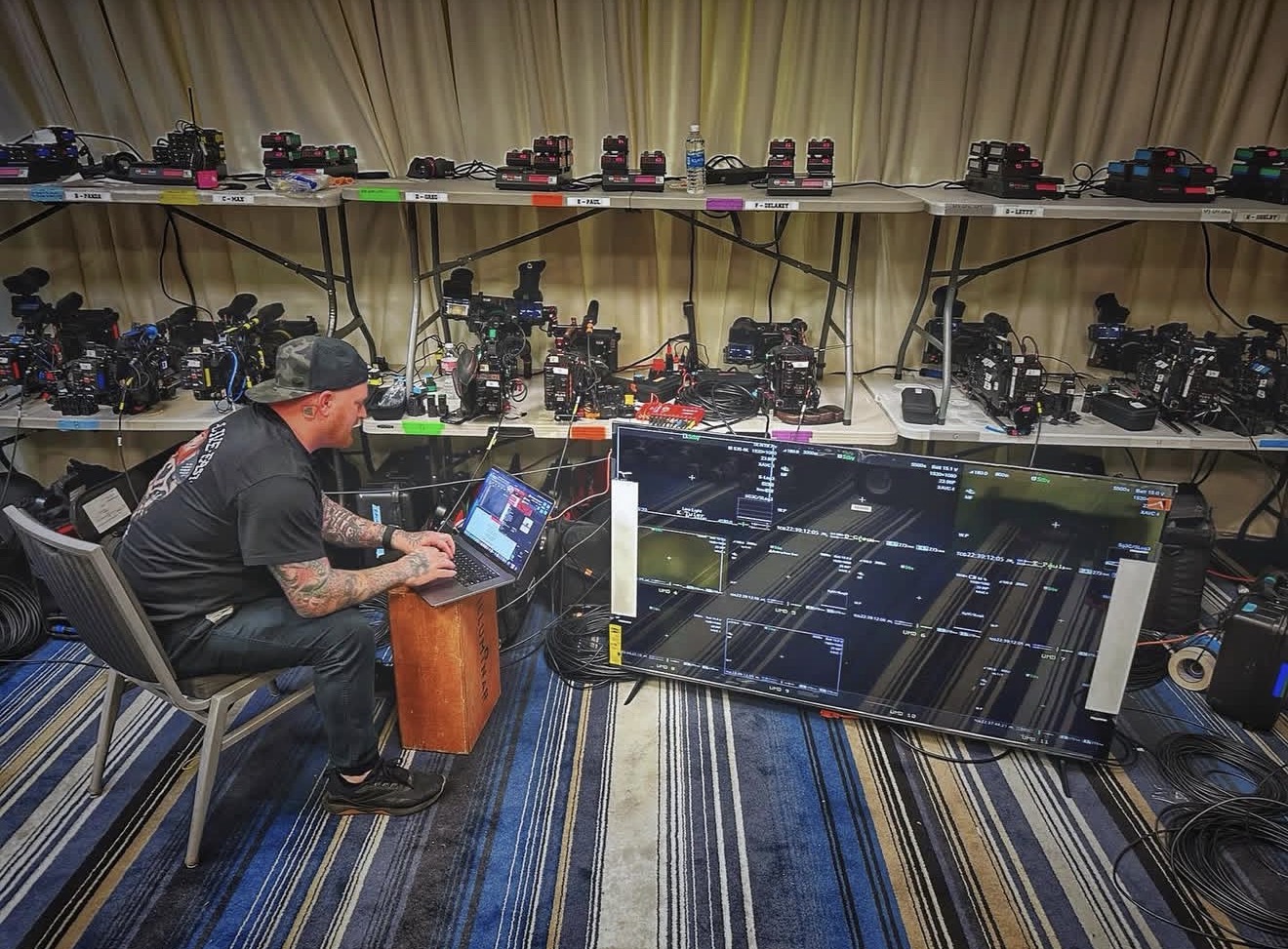
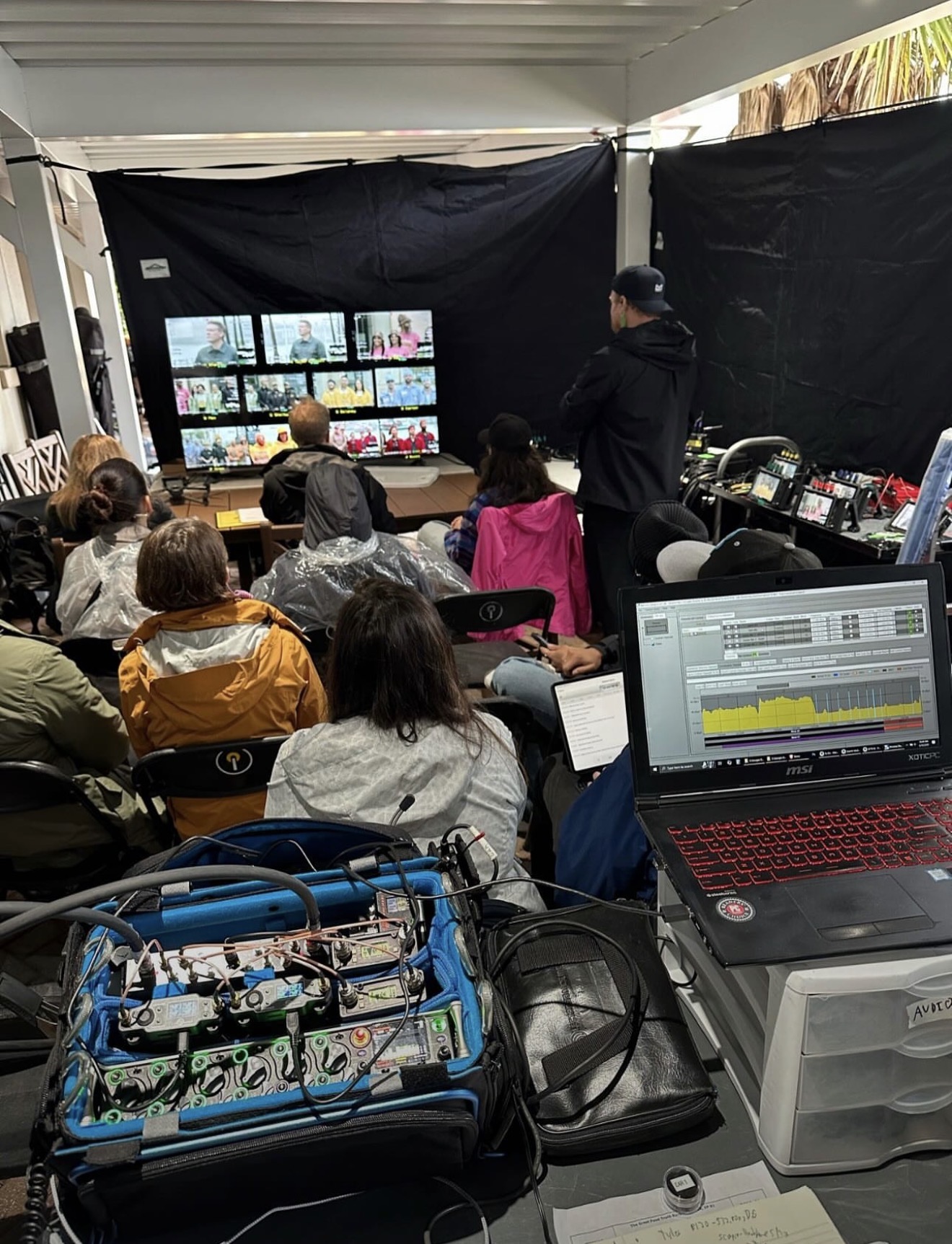
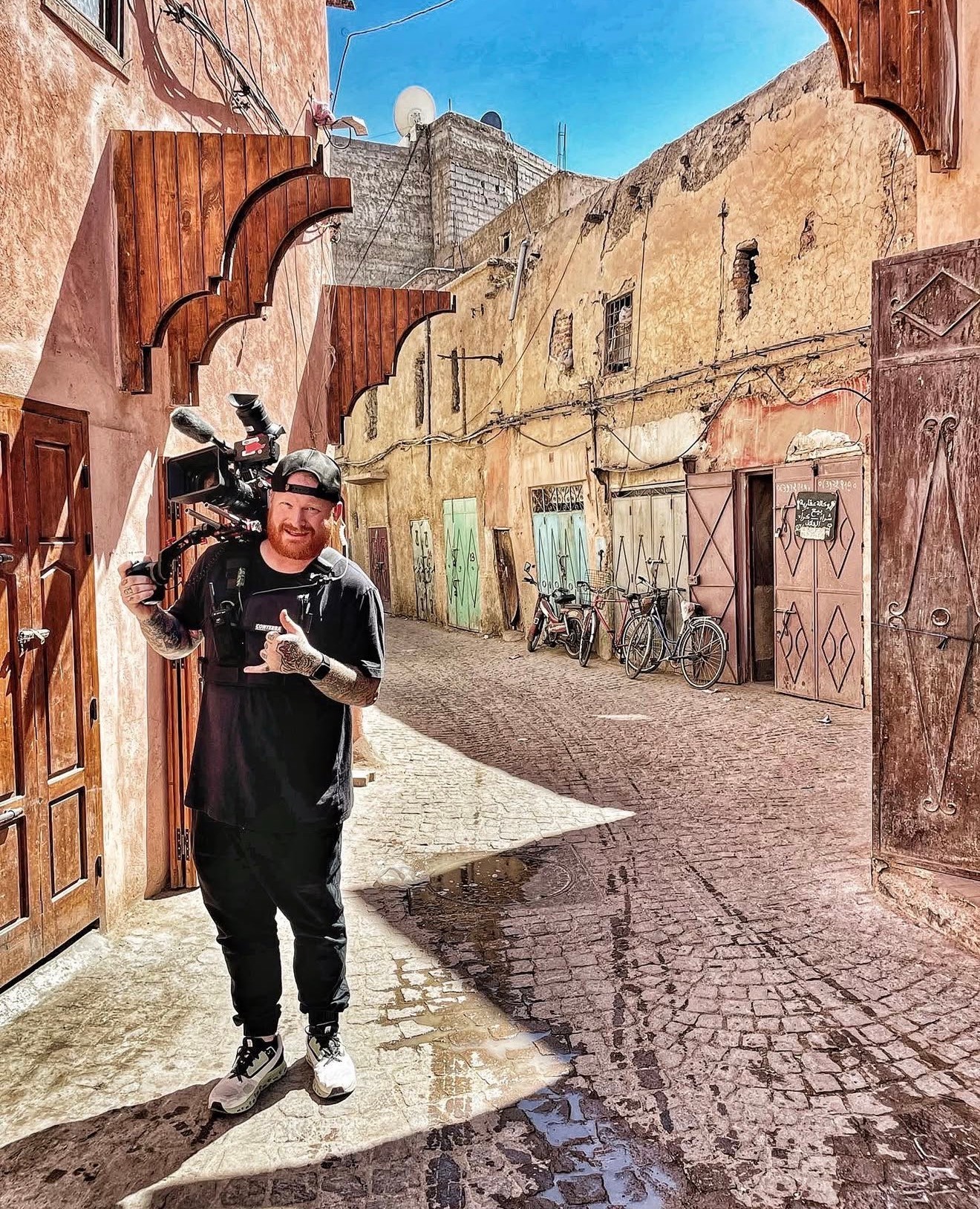
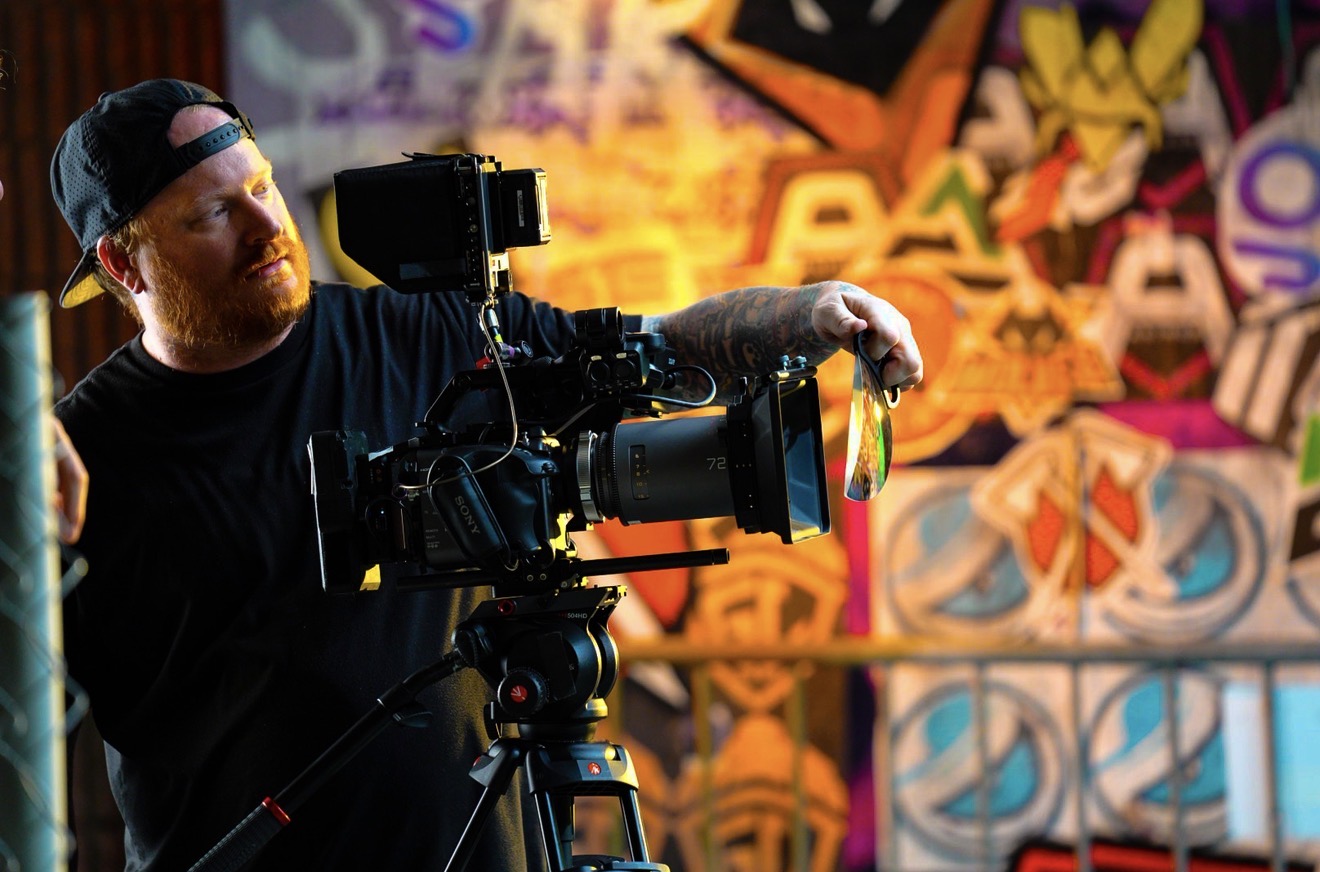
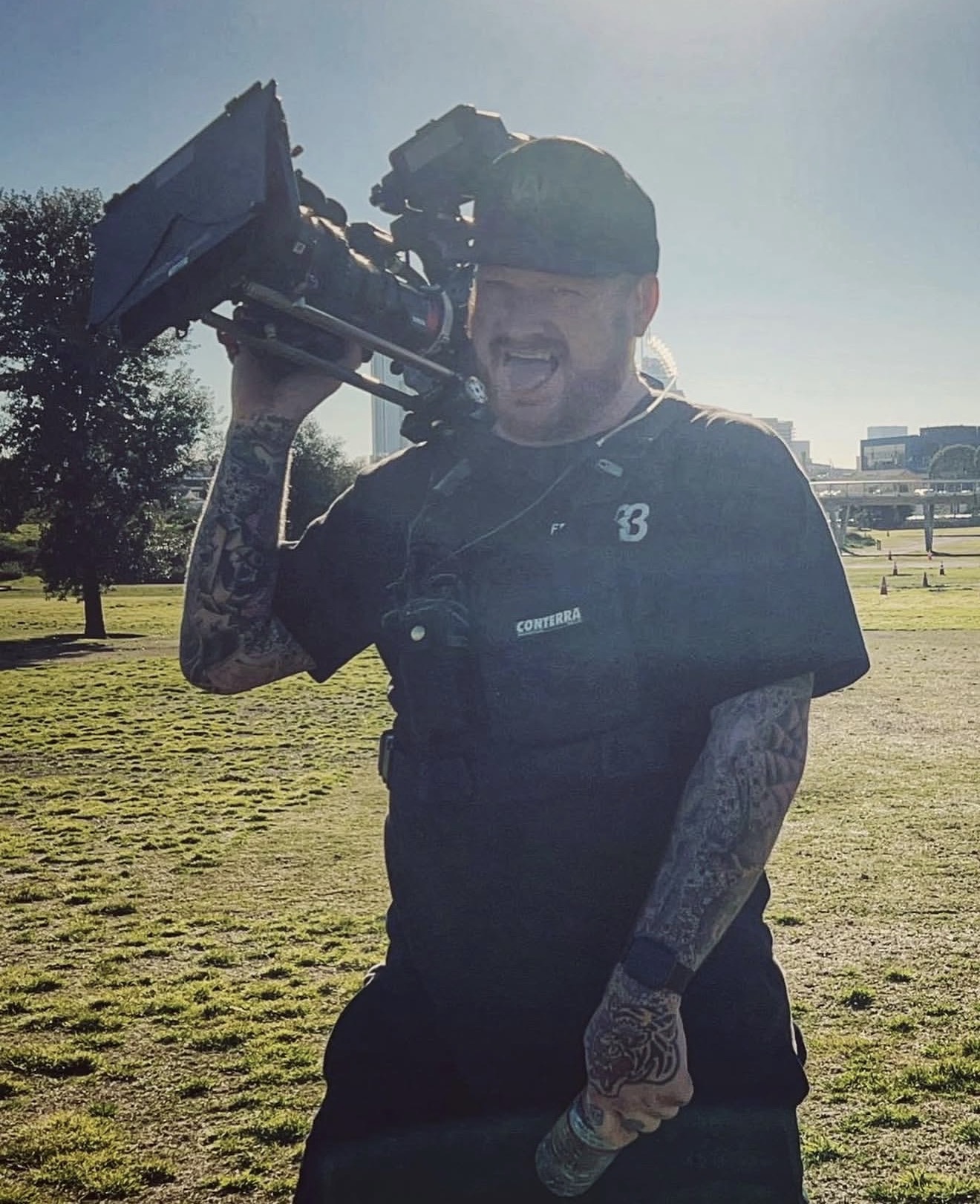
At my core, I’m a visual storyteller. I work as a Director, director of photography, camera operator, and drone pilot. I’ve moved through just about every step of the camera department along the way. That progression is important to me—it means I understand the job from the ground up, whether I’m operating, flying a drone, or leading a crew.
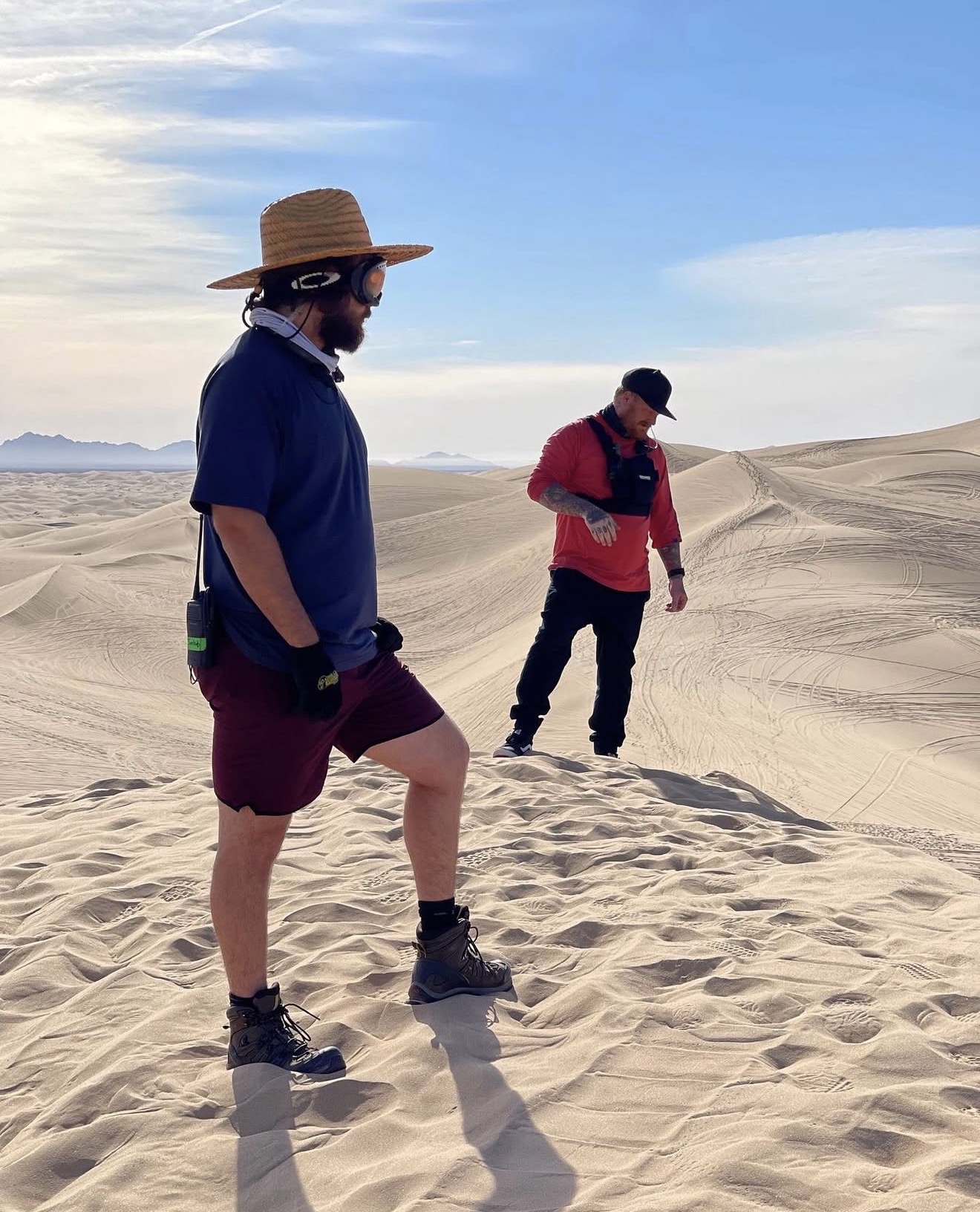
I specialize in cinematic, story-driven visuals that feel intentional but never overworked. A lot of my background comes from documentary, stage shows, and unscripted television, where you don’t get second chances and instinct matters. You learn to anticipate moments, move fast, and still make things look polished under pressure. I’m known for being adaptable on set, calm when things inevitably go sideways, and for elevating projects visually no matter the scale.
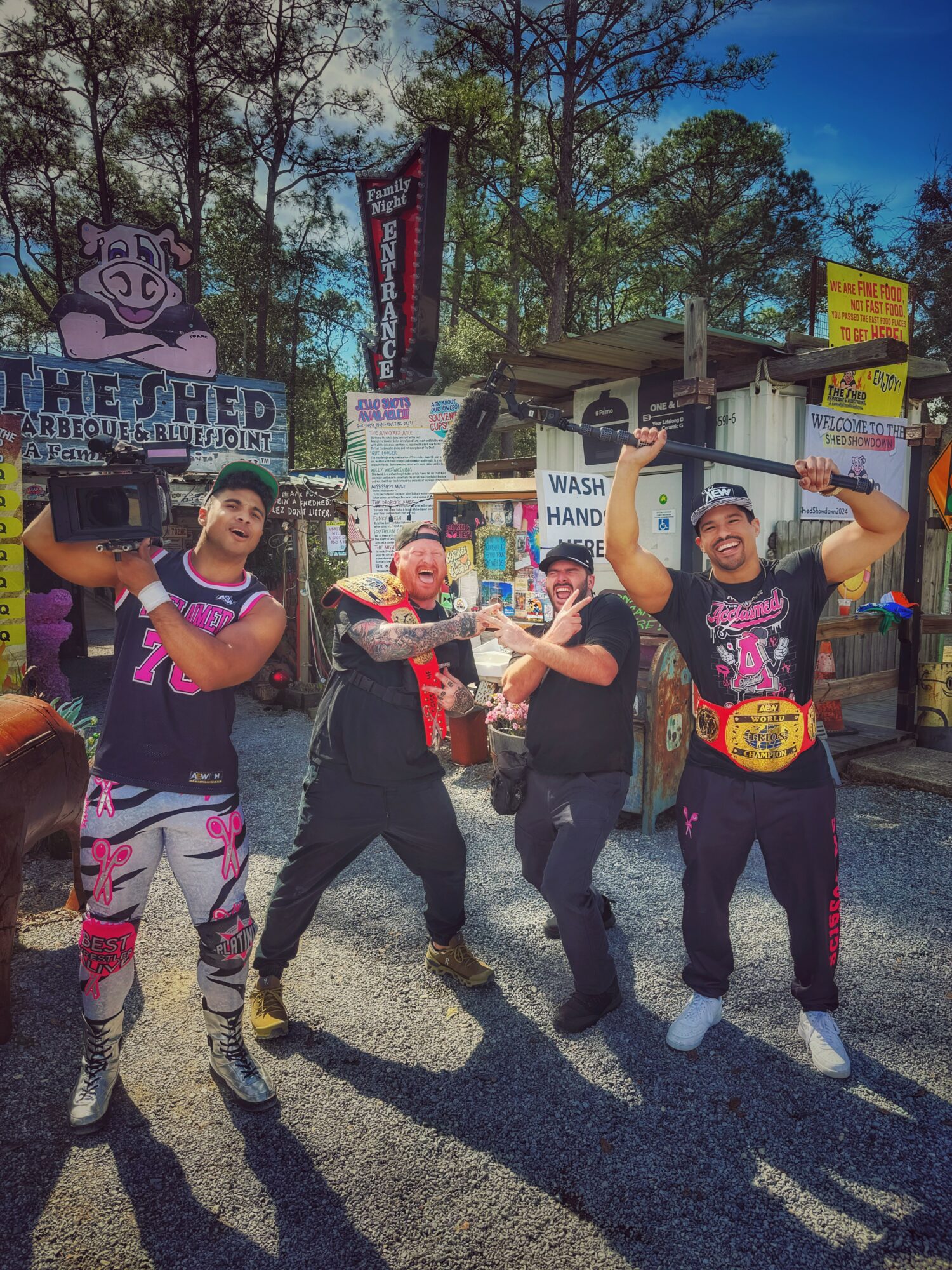
What I’m most proud of is the range of work I’ve been able to do while staying true to my instincts. I’ve had the opportunity to work on large network shows and smaller passion projects, and I treat both with the same level of care. Big budget or tiny crew, the goal is always the same: make it look better than it has any right to. I’m also very proud of the leader I became. I’ve taken bits and pieces from directors I’ve worked for in my career and I know how I liked to be treated vs how I didn’t, and I formed my own leadership style to make everyone on set have a great time and shoot pretty images. Leaders set the vibes on set and negativity spreads fast so I also try to spread positivity and laughter amongst my crew to make sure every long day on set is a great day. Taking care of my crew is top priority for me.
What sets me apart is that I never lost the curiosity that got me into this in the first place. I still approach projects the way I did when I was filming skate videos—always looking for a better angle, a more interesting move, or a visual that feels alive. That, paired with a deep respect for the crew and the process, is what I bring to every set
We’d be interested to hear your thoughts on luck and what role, if any, you feel it’s played for you?
Luck has definitely played a role, but I’ve learned that in this industry, luck usually shows up after you’ve already been putting in the work. Moving to Atlanta in 2016 right as the film scene was taking off was good luck. Being on the right set, meeting the right people, or getting a call at the right time—all of that matters.
That said, I’ve also seen plenty of “bad luck”: jobs falling through, opportunities that almost happened, or stretches where things went quiet for no obvious reason. Early on, that can feel personal, but over time you realize it’s just part of how this business works and it’s not a personal vendetta.
What I’ve found is that luck favors people who are prepared, reliable, and easy to work with. When an opportunity does appear—sometimes last minute, sometimes completely unexpected—you only get one shot to turn it into something more. Showing up ready, staying calm, and delivering consistently is what turns a lucky break into a real career step.
So yes, luck matters—but consistency, curiosity, and relationships are what keep it from being temporary
Contact Info:
- Website: https://m.imdb.com/name/nm5014396/
- Instagram: https://www.instagram.com/ayethatsmyshot
- Other: https://Shopbadtake.com