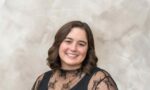



Today we’d like to introduce you to Liya Endale.
Hi Liya, thanks for joining us today. We’d love for you to start by introducing yourself.
I’m the founder and executive director of Global Education Foundation (GEF), which grew directly from my personal story and sense of responsibility to community—both here in the United States and abroad.
I moved to the U.S. in first grade and am originally Ethiopian. For much of my life, I felt like I existed in the dash between African and American. Over time, I reframed that experience not as an in-between, but as a bridge—and much of my work now centers on building and strengthening that bridge between Africa and the diaspora.
One of my deepest inspirations is a school my grandfather helped start in a rural community in the Great Rift Valley in Ethiopia’s northern highlands. Most of my aunts and uncles, as well as a cousin, attended that school, and as I grew older, I felt a strong responsibility to give back to the place and people who helped shape my family’s story. At the same time, I’ve been held and supported by an incredibly loving community in the United States, and I spent years thinking intentionally about how to honor and give back to both.
That reflection became the foundation of GEF. Through the organization, we create education-centered programs in the U.S., in Ethiopia, and across both contexts. Our work includes globally focused curricula, community-centered initiatives, and immersive trips to Ethiopia that are designed to build authentic, mutually beneficial relationships. The goal is not extraction or charity, but connection—bringing communities together through education, shared learning, and sustainable development.
At its core, GEF is about making the bridge real. Education is the heart of everything we do, and we believe that when communities learn with one another, rather than about one another, everyone grows stronger.
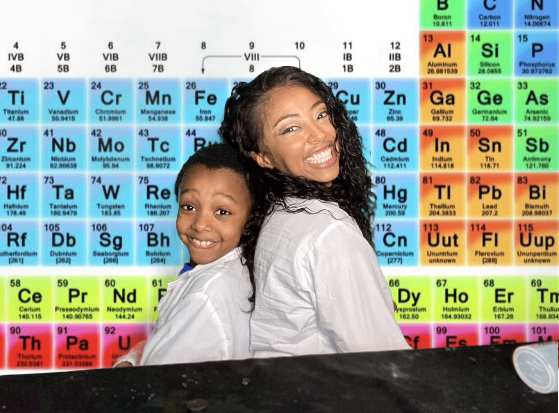
EZ Science Kids, our local community outreach program, started at home, very organically. Starting at 3 year old, my son EZ became fascinated with YouTube videos that simply listed elements on the periodic table along with their atomic numbers. I remember thinking the videos were incredibly dry—but when I started asking him about what he was watching, he began asking me questions in return.
Those conversations quickly turned into shared learning. I found myself looking up answers, revisiting science concepts, and eventually working through material as advanced as high school chemistry together using Khan Academy. I let EZ lead our “activities” at home—I’ve always believed in keeping kids busy, curious, and intellectually stimulated—and he consistently wanted to do science experiments.
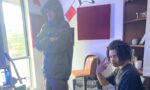
Before long, our garage turned into a makeshift science lab, complete with beakers, test tubes, a Bunsen burner, lab coats, goggles, a fire extinguisher, and even a green screen wall. We started making fun, informal science videos for Instagram, and EZ was very clear about his mission: he wanted to show kids around the world that science is fun and not hard if you break it down. His philosophy was simple—everything is science, so if you like anything, you really like science.
What began as family learning grew into hosting virtual science experiments with kids across the country, and eventually into EZ Science Kids with his friends. As that original group grew older—and, in their words, “cooler”—the program evolved. Today, those students serve as EZ Science Kids Ambassadors, designing and leading experiments for a new, younger cohort we call Explorers. We’re now working to bring a cohort to Ethiopia this summer to engage in a youth STEM program at a university as part of a junior Visiting Scholars program.
What started as a pandemic curiosity has grown into a youth-led STEM program rooted in joy, confidence, and the belief that when kids are trusted to lead, they rise to the occasion.
Would you say it’s been a smooth road, and if not what are some of the biggest challenges you’ve faced along the way?
The road has definitely not been smooth. In fact, many of our biggest challenges came all at once. When the pandemic hit, I had just received a Fulbright Program Alternative award to travel to Ethiopia and build out the very programs that later became part of Global Education Foundation. Overnight, those plans were paused, and like so many educators, I was suddenly balancing remote teaching, doctoral studies, parenting, and community programming during a global crisis.
At the same time, Ethiopia was experiencing significant unrest. During that period, the school my grandfather helped start in a rural community in the northern highlands was bombed. That loss was deeply personal and incredibly discouraging. While still in school, teaching, and running EZ Science Kids during the pandemic, our focus shifted to something urgent: fundraising to rebuild the school.
That season was exhausting and emotionally heavy. There were moments when it felt like everything I was building—across continents—was being tested at once. But what sustained us was community. Supporters showed up with generosity, care, and trust. Through collective effort, we were able to successfully rebuild the school, and today its facilities are stronger and better than they were before.
Looking back, that time was both one of the hardest and most meaningful chapters of this work. It reminded me that while programs and plans can be disrupted, community endures. The love, solidarity, and shared belief in education carried us through, and that experience continues to shape how we lead—grounded in gratitude, resilience, and the understanding that nothing meaningful is ever built alone.
Thanks for sharing that. So, maybe next you can tell us a bit more about your work?
My work is grounded in the belief that learning should feel possible, visible, and joyful—no matter where a student starts or where they come from. I’m an educational psychologist, full-time assistant professor at Morris Brown College, and nonprofit executive director, and my work lives at the intersection of learning science, youth development, and community-centered education, both locally and globally.
Across everything I do, I focus on how confidence, curiosity, and representation shape learning—especially in spaces where young people have historically been underestimated or excluded. That philosophy shows up clearly in EZ Science Kids, which is built on three core pillars: accessibility, representation, and fun. We design science experiences that meet families where they are, often using everyday household items or modest budgets, and we intentionally reduce barriers through grants, shared resources, and community support. The goal is to make it clear that meaningful science learning doesn’t require elite spaces or expensive equipment.
Representation is not an afterthought—it’s foundational. Our cohorts reflect the communities we serve, and young people get to see themselves leading, teaching, and explaining science with confidence. Those moments quietly but powerfully reshape what children believe is possible for themselves.
What I’m most proud of is the way joy and rigor coexist in this work. Whether through EZ Science Kids or our broader global education initiatives, we create learning spaces that affirm identity while building real skill. What sets my work apart is that it’s deeply research-informed, legacy-driven, and community-rooted. We don’t just teach content—we help young people claim their place as capable learners, leaders, and contributors to the world around them.
Can you share something surprising about yourself?
Something that often surprises people is that much of my work started quietly, at home, without a long-term plan. EZ Science Kids wasn’t born from a strategic roadmap—it grew out of everyday conversations, curiosity, and a desire to keep my child engaged and learning. I’m very comfortable letting ideas unfold organically and allowing community, timing, and intuition to guide growth rather than forcing expansion before it’s ready.
People are also often surprised to learn how much I value creativity alongside scholarship. I play the violin, I sing, and I see those practices as deeply connected to how I think about learning. In fact the fundraiser that helped rebuild the school in Ethiopia was my EP release where I wrote the songs and engineered much of the music myself with various instruments (violin, viola, guitar). Creativity teaches patience, listening, and expression—skills that show up just as much in science and education as they do in music, and it brings people together.
At my core, I’m less interested in building a brand and more interested in building spaces where people feel seen, capable, and connected. That grounding keeps the work joyful and sustainable, even as it grows.
Pricing:
- Juneteenth Journey to Ethiopia is from June 16- June 27 and $5,800 for all transportation, boarding, full itinerary of events, all lunches and dinners
Contact Info:
- Website: https://www.globaleducationfoundationinc.org
- Instagram: @EZScienceKids
- LinkedIn: https://www.linkedin.com/in/liya-endale-ph-d-07aa90170/
- Youtube: @EZScienceKids
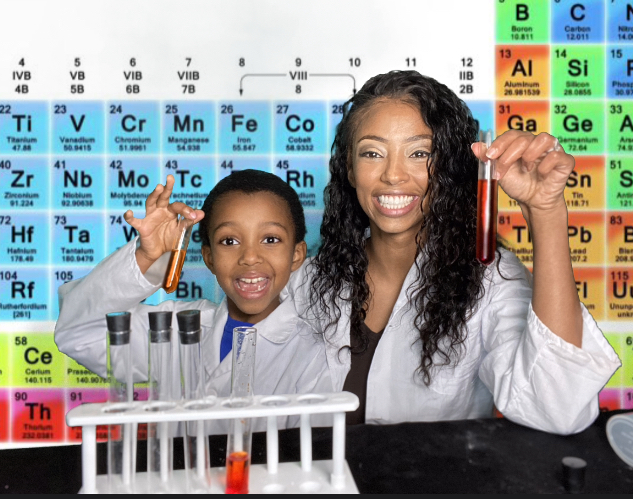
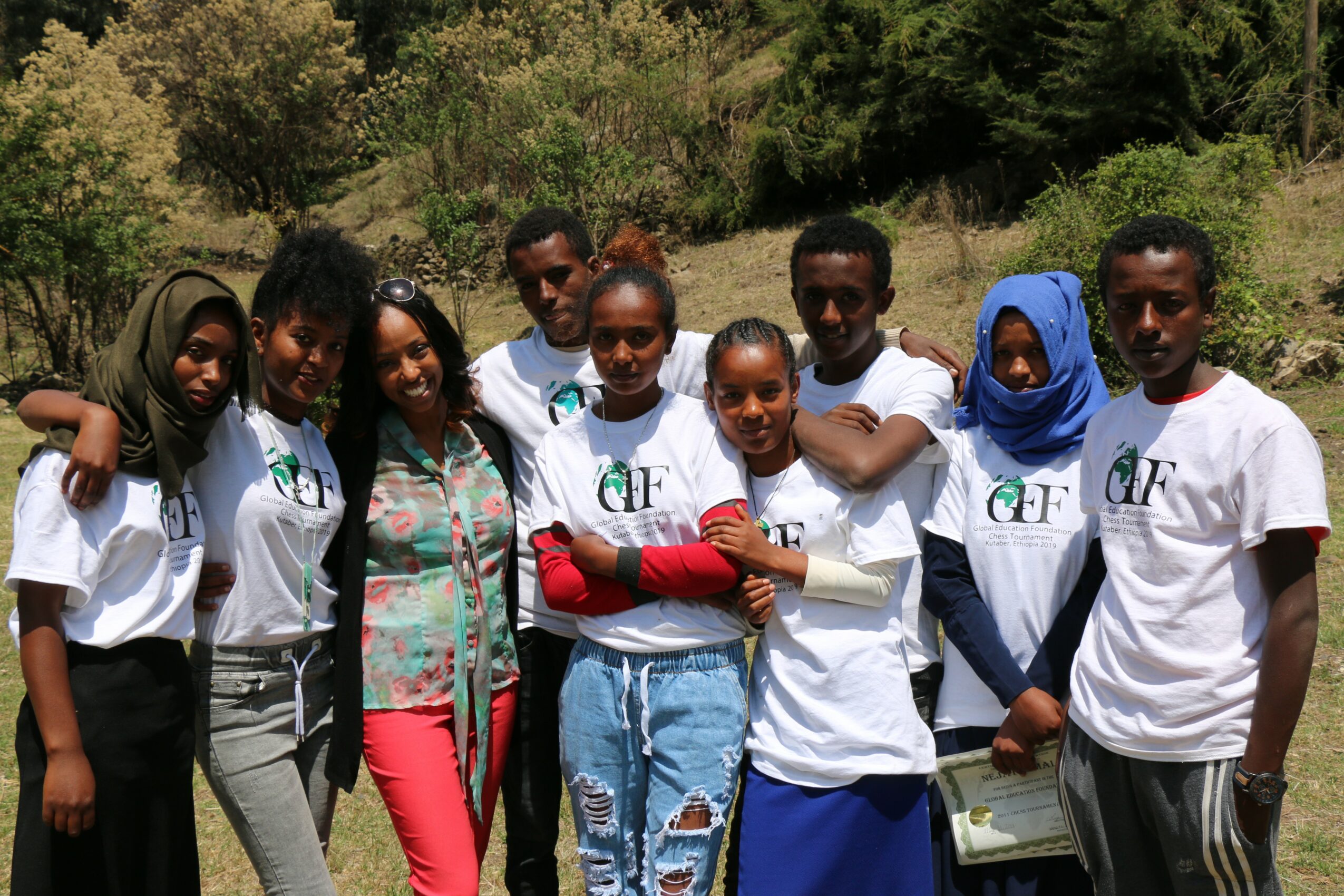
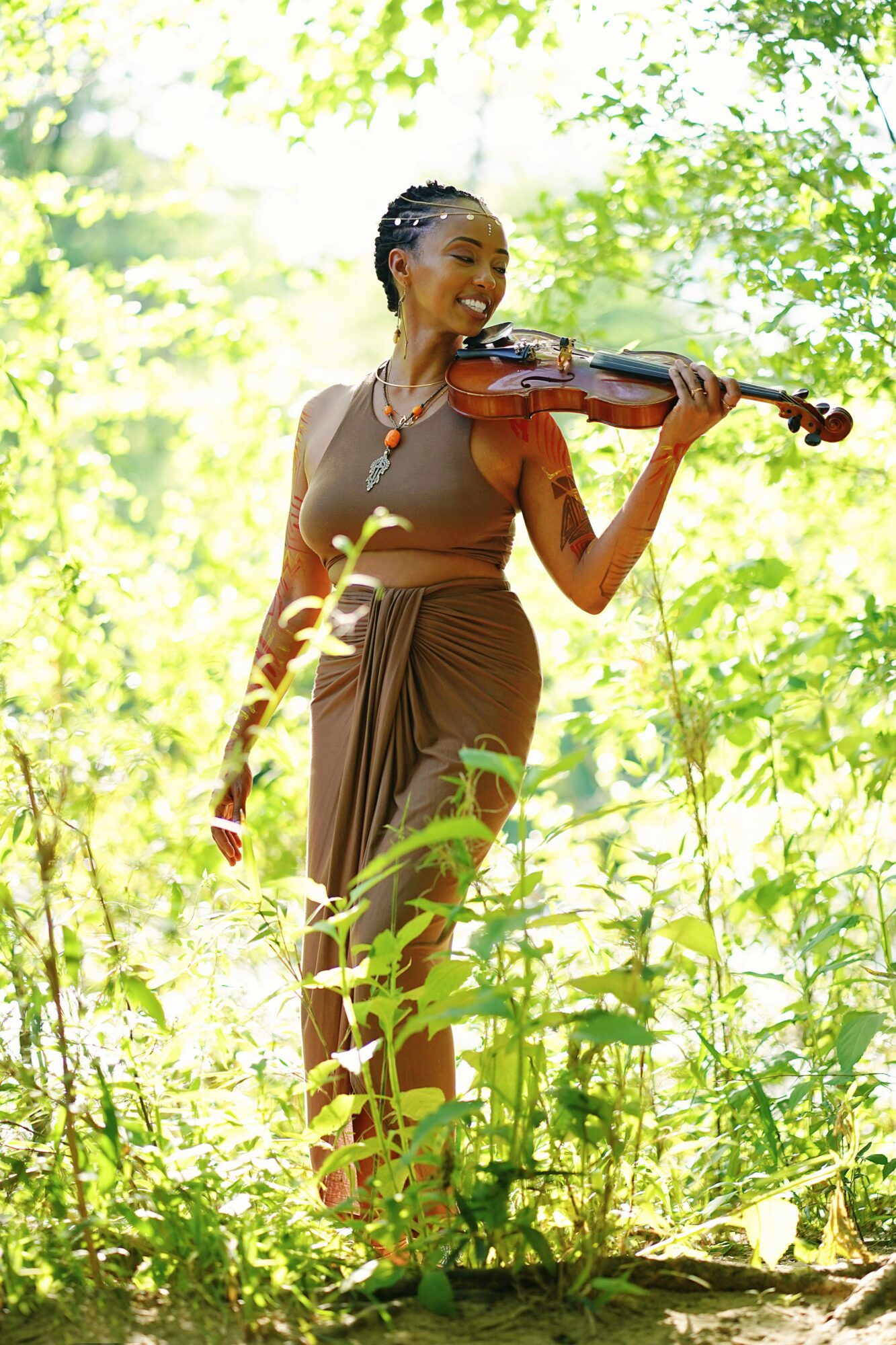
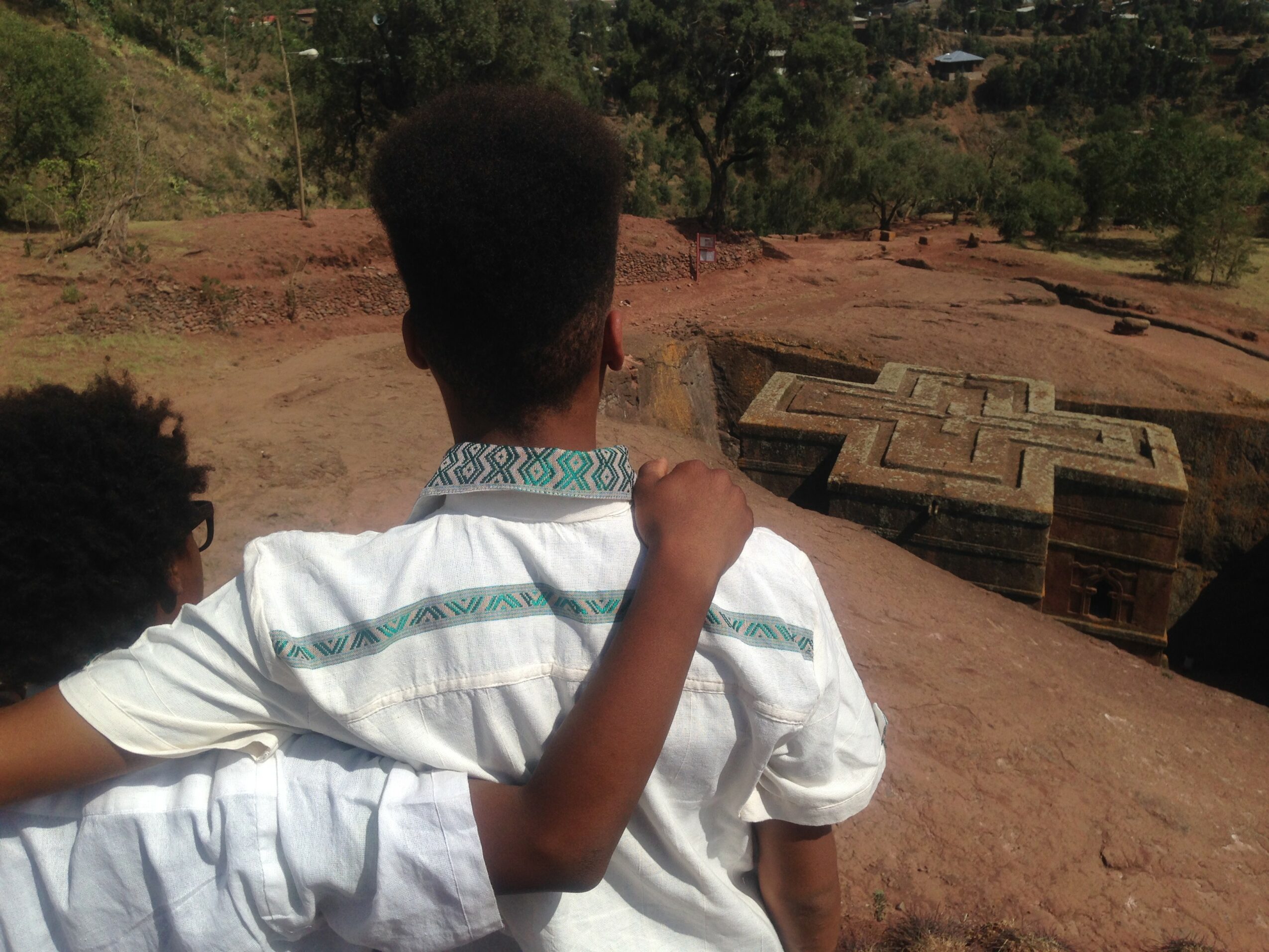
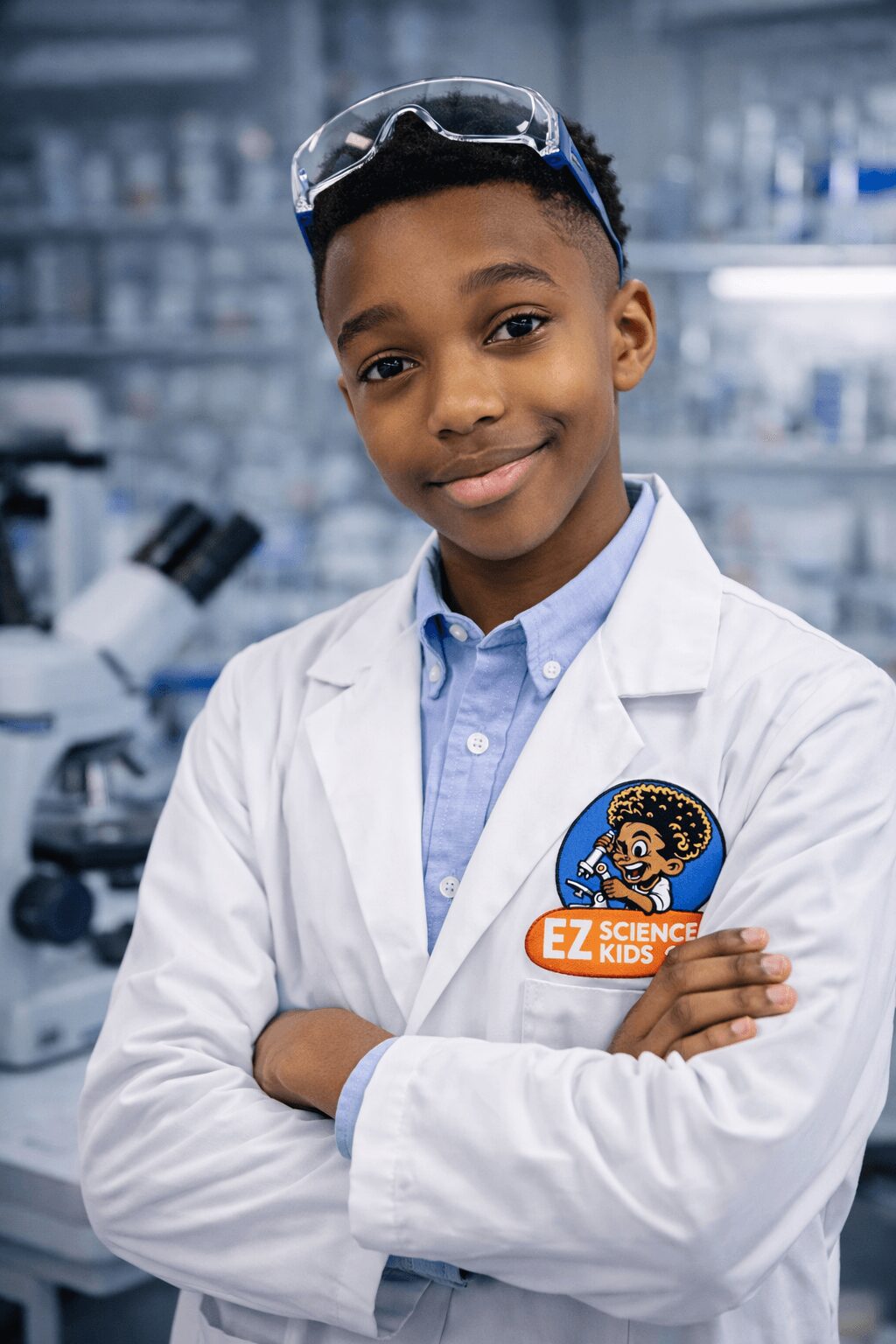
Image Credits
Liya Endale
Crystal Furlong
Heather Jacobs