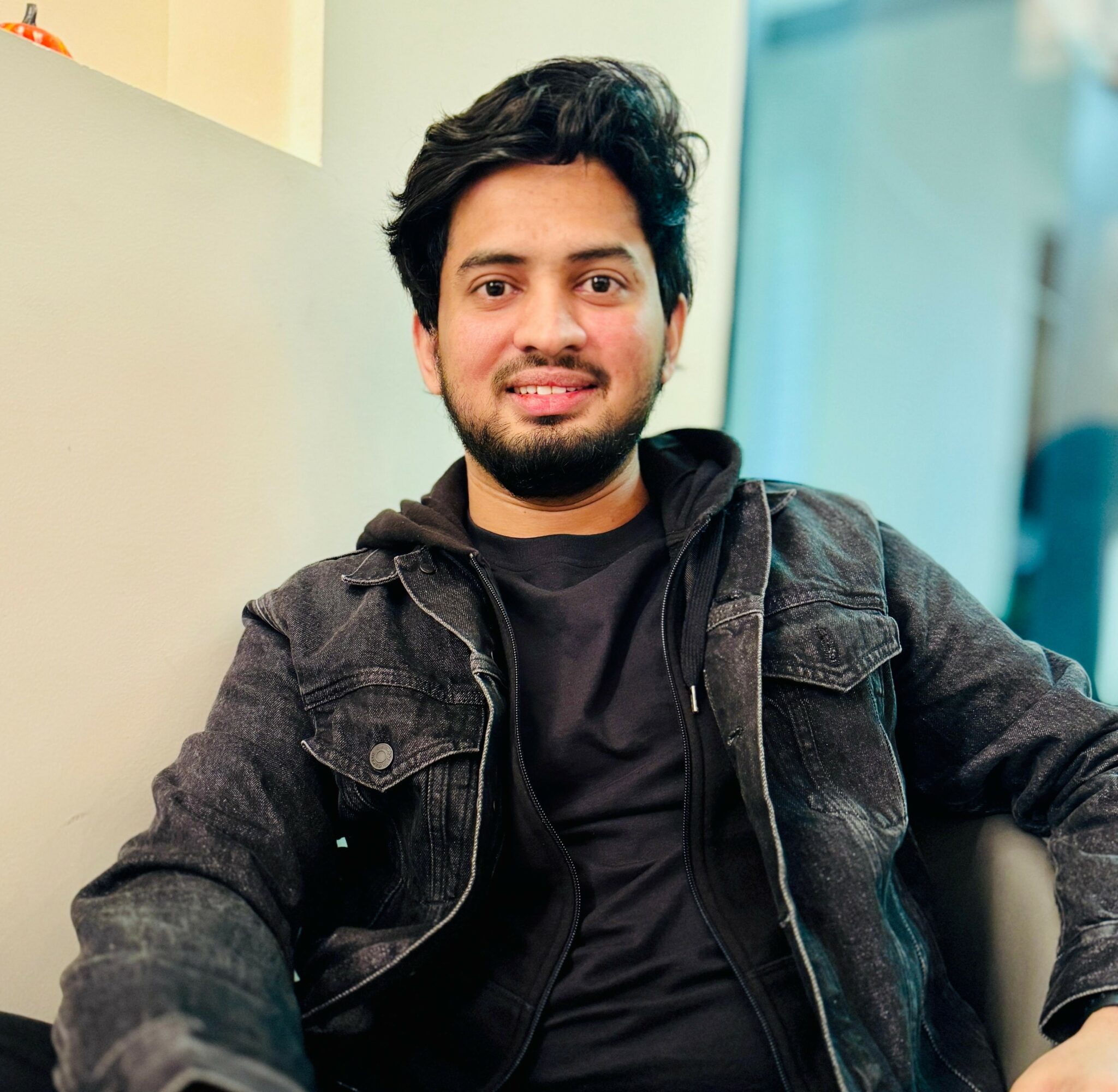






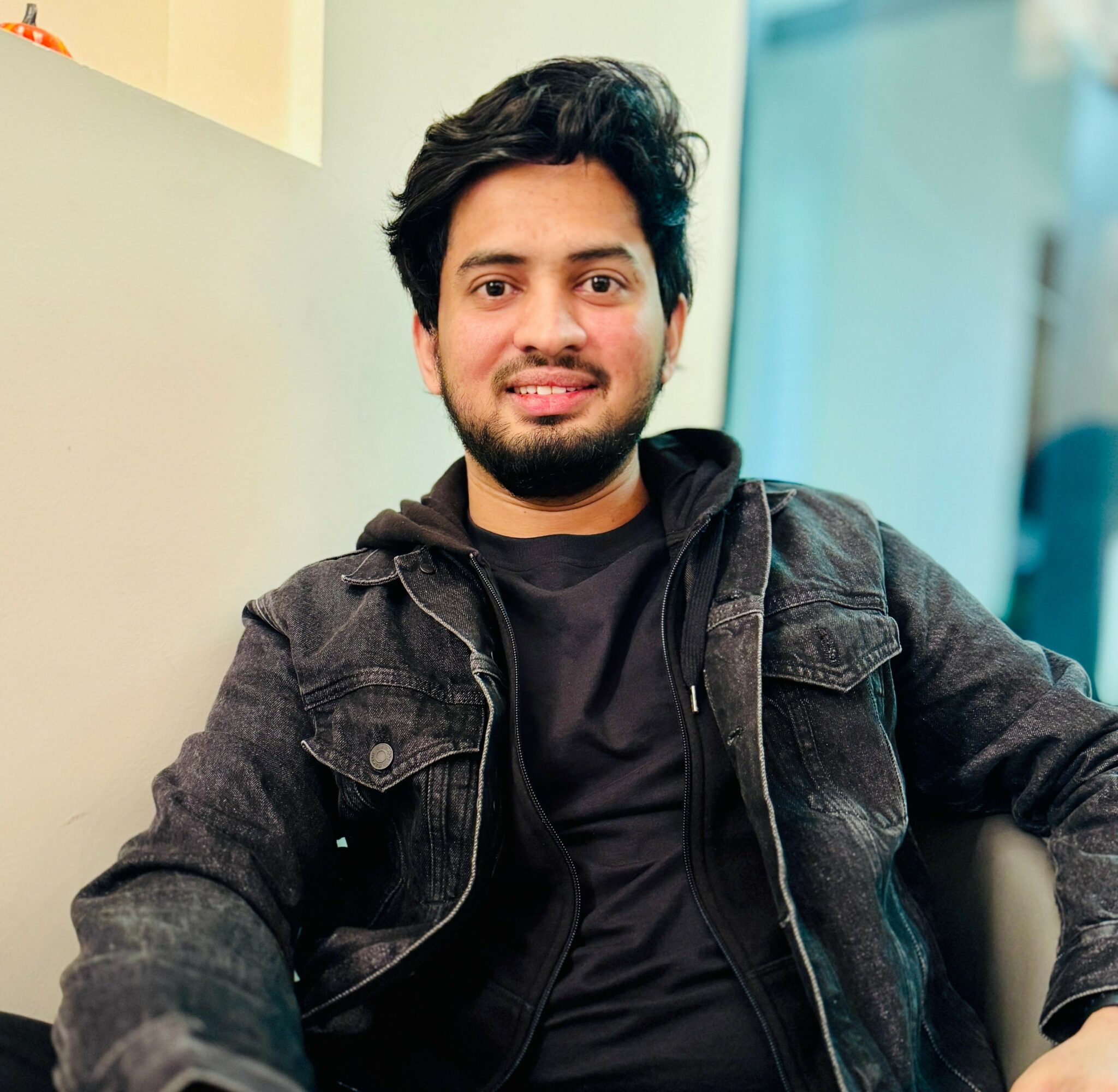
Today we’d like to introduce you to Malik Naik Mohammed.
Hi Malik Naik, thanks for sharing your story with us. To start, maybe you can tell our readers some of your backstory.
I started coding back in middle school, not because I planned a career in tech, but out of pure curiosity. At around 14, I built my first Windows desktop application using C++ and the Win32 API, a simple Notepad-style editor. That moment sparked my interest. I wasn’t just consuming technology anymore, I was creating it.
From there, coding became a constant in my life. I taught myself by breaking things, reading documentation, contributing to forums, and building projects that genuinely interested me. Over time, that curiosity evolved into discipline. During my undergraduate studies in Computer Science, I leaned heavily into backend systems, performance optimization, and large-scale application design. I was especially drawn to problems where engineering decisions had real-world impact.
A major turning point came through open-source work. I became deeply involved with communities like Drupal and WordPress, eventually contributing core fixes, building widely used plugins, and participating in Google Summer of Code. That experience taught me how production software is built collaboratively, reviewed critically, and maintained responsibly. It also gave me global exposure early in my career.
During my master’s degree in Computer Science with a specialization in AI, my focus expanded into machine learning and research. I worked as a Graduate Research Assistant and published peer-reviewed research on privacy-preserving federated learning for healthcare applications. At the same time, I was competing in hackathons, building ML-powered systems under tight deadlines, and mentoring other developers. Those experiences sharpened both my technical depth and my ability to lead.
Professionally, I’ve worked across startups, research labs, and product-driven companies, building everything from high-performance medical imaging systems to large-scale logistics integrations. One project I’m especially proud of involved building an in-house medical data platform from the ground up that reduced response times from over a minute to just a few seconds.
Today, I work at Natera, Inc. as a Software Engineer focused on machine learning, backend engineering, and MLOps. My work sits at the intersection of healthcare, data, and AI. I train and deploy custom machine learning models, build cloud-native infrastructure on AWS, and integrate large language models to extract insights from complex medical data. While the work is deeply technical, what motivates me most is knowing that these systems ultimately support real patients and clinicians.
Looking back, my journey has been anything but linear. I have been a student, open-source contributor, researcher, engineer, and mentor. The common thread throughout has always been curiosity and impact. I have never chased titles. I have chased hard problems. And I am still doing exactly what I started doing in middle school, learning, building, and trying to make things better through technology.
Alright, so let’s dig a little deeper into the story – has it been an easy path overall and if not, what were the challenges you’ve had to overcome?
It definitely hasn’t been a smooth road. Early on, I had to figure most things out on my own, learning through trial, error, and a lot of failed attempts. That process was frustrating at times, especially when progress felt slow and there wasn’t a clear path forward.
As my work became more advanced, the challenges changed. Moving into large-scale systems and machine learning meant higher expectations, steeper learning curves, and more pressure to get things right. Balancing school, work, and open-source contributions often meant long hours and sacrificing personal time. There were also moments of self-doubt, particularly during big transitions between academia, startups, and industry roles.
Those struggles ultimately shaped how I work today. They taught me resilience, patience, and how to stay focused through uncertainty. Looking back, the difficult parts were just as important as the wins in getting me to where I am now.
Can you tell our readers more about what you do and what you think sets you apart from others?
I work as a Software Engineer focused on machine learning, backend systems, and MLOps, primarily in healthcare. A big part of my role is designing end-to-end systems that turn complex data into reliable, production-ready solutions. That means everything from data pipelines and model training to deployment, monitoring, and cloud infrastructure.
While ML is a major part of what I do, I don’t see myself as limited to one lane. I’ve always enjoyed working across the stack. Outside of work, I contribute to open-source projects, build mobile apps as a hobby, and run a homelab where I experiment with new technologies, infrastructure, and tooling. That hands-on experimentation keeps me sharp and helps me bring practical ideas back into my professional work.
What I’m most proud of is my ability to take ownership of difficult problems and carry them from idea to execution. I’ve built systems from scratch, significantly improved performance and reliability, and delivered work that had real impact beyond just shipping features.
What sets me apart is range and curiosity. I’m comfortable moving between backend, full-stack, machine learning, and infrastructure, and I genuinely enjoy learning how things work at a deeper level. For me, engineering isn’t just a job. It’s something I’ve been building, breaking, and improving for years, both professionally and in my own time.
Do you have any advice for those just starting out?
Focus on fundamentals and stay consistent. Technologies change fast, but understanding how systems work and how to debug problems will always matter.
Don’t worry about knowing everything early on. Real growth comes from asking questions, making mistakes, and sticking with it. Build things that genuinely interest you, even if they’re small or imperfect. Those projects will teach you more than any tutorial.
Most importantly, don’t compare your starting point to someone else’s progress. This field rewards patience, curiosity, and persistence far more than speed.
Contact Info:
- Website: https://maliknaik.me/
- LinkedIn: https://www.linkedin.com/in/maliknaik/