





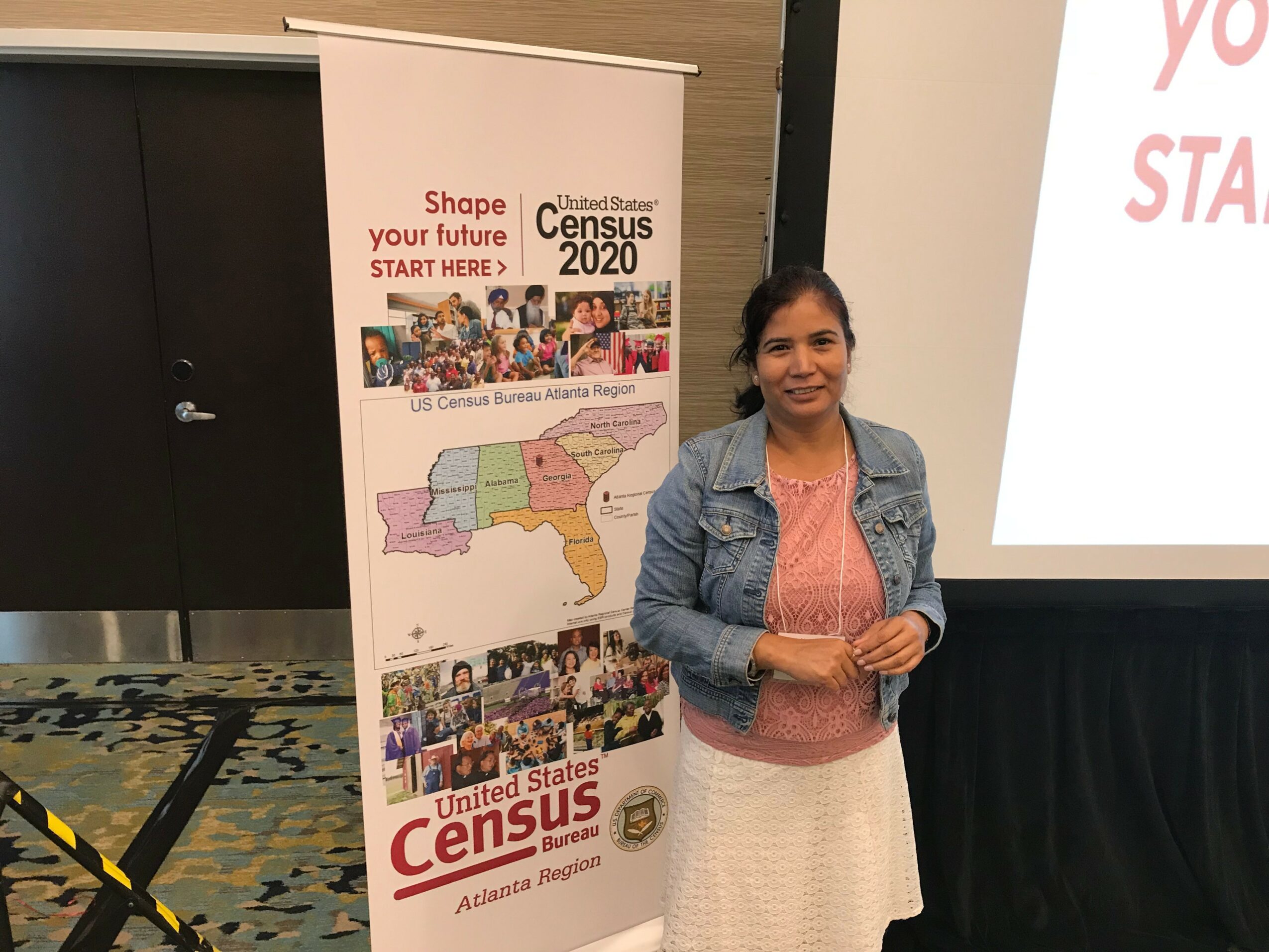
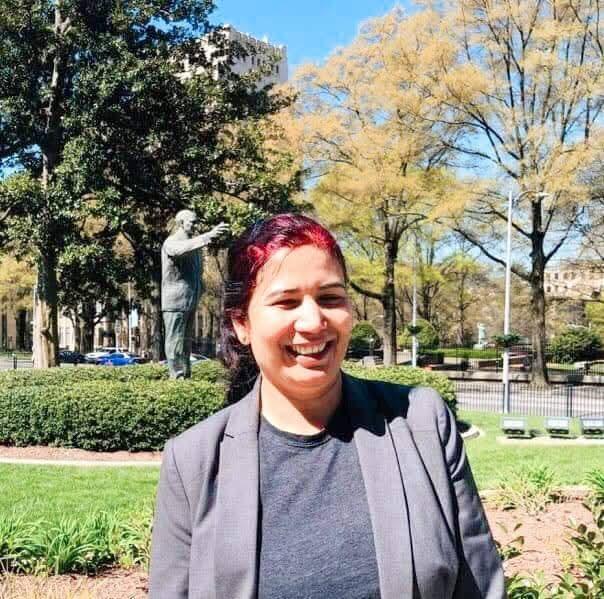
Today we’d like to introduce you to Pabitra Poudyel.
Hi Pabitra, so excited to have you with us today. What can you tell us about your story?
My story begins in Bhutan in the early 1990s. As a teenager, I was forced to leave my home and spend nearly fifteen years as a refugee in Nepal. Those years were challenging, but they shaped my resilience and deepened my commitment to community service.
When I arrived in the United States—just as the resettlement of nearly 100,000 Bhutanese refugees began in 2008—I found myself in a position to help others navigate a completely new environment. My volunteer experience in the refugee camps had given me a strong understanding of my community’s needs, strengths, and struggles.
Like many newcomers, I worked wherever opportunities arose: gas stations, restaurants, housekeeping. While working at the Center for Pan Asian Community Services (CPACS), I also served at Refugee Family Services (RFS) as a school liaison, using my teaching skills to support newly arrived families and help their children adjust to the school system.
In 2010, I formally joined CPACS, where I served as a coordinator and later advanced to Refugee Program Manager. In 2021, I became the Director of the Refugee Program, a role I held until I left CPACS in 2022. I then continued my commitment to community empowerment by joining Refugee Women’s Network (RWN) as the Social Adjustment and Leadership Program Manager.
It has been a deeply meaningful and gratifying journey—one marked by challenges, but also by purpose, growth, and the privilege of serving others.
Alright, so let’s dig a little deeper into the story – has it been an easy path overall and if not, what were the challenges you’ve had to overcome?
The road has not been smooth, but every challenge has shaped who I am and how I serve my community. Leaving Bhutan as a teenager and spending nearly fifteen years in a refugee camp in Nepal meant growing up with uncertainty, limited resources, and constant change. Those years taught me resilience, but they also came with emotional and practical hardships that stayed with me long after resettlement.
When I arrived in the United States, the transition was far from easy. Like many refugees, I had to start from the ground up—working in gas stations, restaurants, and housekeeping while learning a new culture, a new system, and a new way of life. Balancing survival with the desire to support my community was often overwhelming.
Professionally, stepping into leadership roles brought its own challenges. Working in refugee services means navigating complex systems, limited resources, and the emotional weight of community trauma. At CPACS and later at RWN, I often found myself advocating for families who were facing the same barriers I once faced. It was meaningful work, but it required patience, persistence, and emotional strength.
Despite these struggles, each step has been deeply rewarding. The challenges pushed me to grow, to lead, and to stay committed to helping others find stability and hope. My journey has not been easy, but it has been purposeful—and that has made all the difference.
Can you tell our readers more about what you do and what you think sets you apart from others?
My work focuses on helping refugees and immigrant families navigate the systems that shape their daily lives—education, healthcare, employment, and access to essential resources. Over the years, I’ve developed a specialization in community outreach, culturally responsive service coordination, and program leadership. Whether I’m guiding a family through school enrollment, connecting someone to healthcare, or helping a newcomer find their first job, my goal is always to make the path forward clearer and less overwhelming.
I’m known as a strong communicator and a persistent problem solver. I don’t give up easily, especially when someone’s stability or well‑being is at stake. My colleagues and community members often describe me as results‑oriented—someone who follows through, finds solutions, and stays committed until the work is done.
What I’m most proud of is the trust my community places in me. Having lived the refugee experience myself, I understand the challenges on a personal level. That lived experience, combined with years of professional leadership—from school liaison to coordinator, program manager, and eventually Director of the Refugee Program at CPACS—allows me to serve with empathy, clarity, and determination.
What sets me apart is the combination of resilience, cultural insight, and long-term dedication. I don’t just understand the journey of resettlement—I’ve walked it. And I’ve devoted my career to making that journey a little easier, a little more hopeful, and a lot more empowering for those who come after me.
Can you talk to us about how you think about risk?
I’ve never thought of myself as a traditional “risk‑taker,” but when I look back, my entire life has been shaped by decisions that required courage, uncertainty, and trust in the future. Leaving Bhutan as a teenager, living in a refugee camp for nearly fifteen years, and starting over in a new country—those were risks I didn’t choose, but they taught me how to face the unknown with resilience.
In the United States, the risks became more intentional. Taking on new roles, stepping into leadership positions, and advocating for families in difficult situations all required me to push beyond what felt comfortable. When I joined CPACS, and later when I accepted the responsibility of becoming the Director of the Refugee Program, I knew I was stepping into roles where the expectations were high and the challenges were complex. But I also knew that my community needed strong, steady leadership, and that gave me the confidence to move forward.
Contact Info:
- Website: https://refugeewomensnetworkinc.org
- Instagram: @refugeenetwork
Popular
-

Choosing Impact Over Control: Susana’s Intentional Evolution of Fro Butter
-
Where Faith, Code, and Soul Converge
-

Breaking Cycles, Answering the Call Forward
-

Leadership Rooted in Dignity and Continuity
-

Healing as Leadership: How LaCora Monet Is Redefining Sustainable Success
-

Returning to Herself: How Thalorah Is Building Veloria™ as a Sanctuary for Feminine Sovereignty