





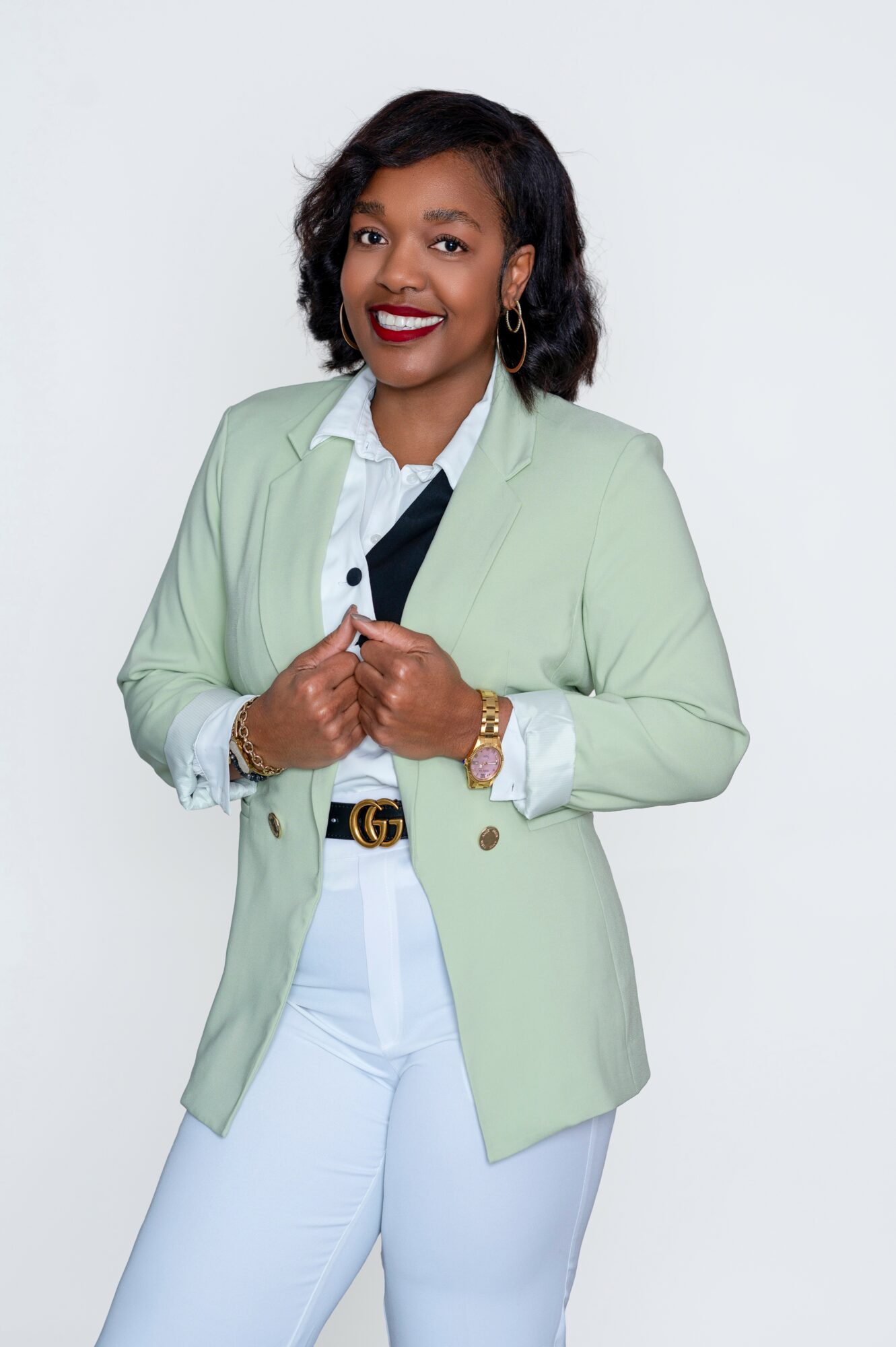
Today we’d like to introduce you to Sharon Sellers.
Hi Sharon, we’re thrilled to have a chance to learn your story today. So, before we get into specifics, maybe you can briefly walk us through how you got to where you are today?
Education is my second career. My work began as a program specialist with TRiO programs, and the work was so impactful that I decided to pursue my MEd in School Counseling. Working directly with students and families as a graduation coach, then as a school counselor, gave me a front-row seat to the hopes, pressures, and decisions that shape their lives after high school. I worked with many incredibly capable students who had talent and ambition, but I also noticed that opportunities were not always distributed evenly.
Over time, I started to see a pattern. The challenge wasn’t usually a lack of effort on the part of students or educators. In most cases, everyone was working very hard. What was often missing were systems, clear structures that helped schools identify opportunity gaps early and ensure every student had access to meaningful postsecondary pathways. And I want to be intentional with that language. I say opportunity gaps, not learning gaps.
Learning gaps assume the problem lives inside the student. Opportunity gaps reveal when the system never created clear pathways, tracking structures, or access points for students who were capable but unnoticed.
That realization changed the direction of my work. I began to focus more on the systems that shape student outcomes rather than just on the individual experiences within them. Today, through my consulting practice, I partner with school and district leaders to help strengthen the structures that support college and career readiness, ensuring that capable students are seen, supported, and connected to opportunity before graduation.
Alright, so let’s dig a little deeper into the story – has it been an easy path overall and if not, what were the challenges you’ve had to overcome?
One of the biggest challenges has been helping educators shift their thinking from individual effort to system design. In education, many dedicated professionals work hard for students. Suggesting that outcomes are shaped by systems rather than effort can sometimes feel uncomfortable at first.
Once leaders begin to see how structures influence access and opportunity, it becomes empowering. Instead of feeling overwhelmed by the scope of the challenges students may face, they begin to see that thoughtful system design can create meaningful change.
That shift from reacting to problems to designing systems that prevent them is one of the most rewarding parts of the work.
Can you tell our readers more about what you do and what you think sets you apart from others?
My work focuses on helping schools ensure that students graduate with clear, realistic pathways into college, careers, or other postsecondary opportunities. Through that work, I developed a strong interest in how schools organize the systems that guide those decisions.
I specialize in helping schools strengthen the structures that support postsecondary readiness. Things like how students are identified for opportunities, how readiness indicators are monitored, and how counseling programs ensure that every student is intentionally prepared for life after graduation.
I am known for helping schools shift their culture around opportunity. In many places, advanced opportunities tend to revolve around the same small group of students, often those who have been informally “grouped” into higher tracks as early as middle school. My work helps schools widen that lens by building systems that surface capable students who may not have been part of those conversations initially. When schools begin tracking readiness more intentionally, new pathways open. I have seen students who were never included in scholarship or college-planning conversations ultimately earn full funding for college and move through programs such as nursing with little to no debt. Outcomes such as this become possible when schools intentionally expand who gets recruited into opportunities.
Is there anyone you’d like to thank or give credit to?
I would first give credit to my parents. As an only child, I was raised in a home where curiosity and exploration were encouraged, even when it occasionally led to what felt like an epic failure. My parents believed that trying, falling short, and trying again were all part of learning. At the same time, they emphasized responsibility and work ethic. I was given the freedom to explore, but I was also expected to follow through and do my best. That balance of encouragement and accountability has shaped how I approach both leadership and service today.
I also credit the students and families I have worked with throughout my career. Many of them place an incredible amount of trust in educators as they navigate decisions about college, careers, and futures that may be unfamiliar territory for their families. Being trusted to help guide those conversations is something I take very seriously. Their questions and challenges have shaped how I think about opportunity, access, and the role schools play in helping young people move confidently into life after graduation. Those experiences continually push me to think more intentionally about how school systems can either open doors or unintentionally leave capable students unseen.
Finally, I am grateful for the educators and mentors who modeled what it means to advocate for students with both compassion and high expectations. Their leadership helped shape the perspective and values that guide my work today.
Contact Info:
- Website: https://www.educounselingconsulting.com/
- Instagram: @EduCounseling_Consulting
- LinkedIn: https://www.linkedin.com/in/educctheboldway/
Image Credits
Courtesy DSI Photography