






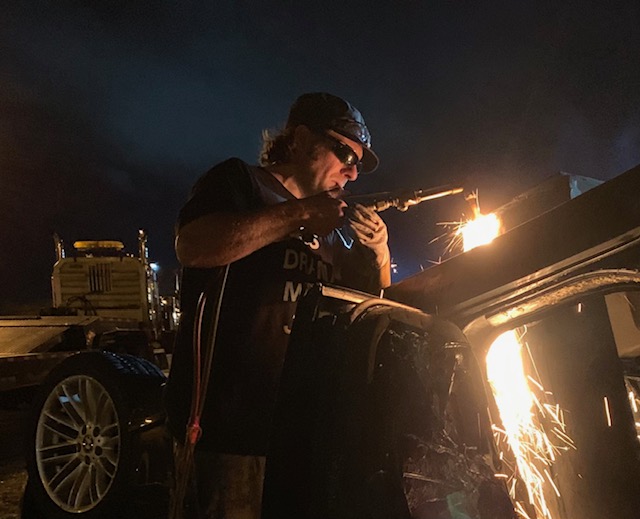
Today we’d like to introduce you to Jeremy Farlow.
Hi Jeremy, can you start by introducing yourself? We’d love to learn more about how you got to where you are today?
I was born and raised in Atlanta (literally a Piedmont Hospital baby) and I’ve been making and breaking things for as long as I can remember. As a kid it was bikes and motorcycles, and that naturally grew into cars and anything mechanical I could get my hands on. I was always more interested in how things worked than in following instructions, which probably explains a lot.
I went to Miami University in Ohio, where I finally got to dig into real metal fabrication. That’s where everything clicked for me: working with steel and aluminum, learning how to build things that actually had to function, last, and solve real problems. After school, I came back to Atlanta and started doing metalwork for trade shows and large events, which eventually led me into the film industry.
For many years, I worked on film projects and large-scale builds, along with some pretty wild and highly technical jobs. Everything from special effects to government work, including projects for the NSA. It was fast-paced, demanding, and taught me how to build under pressure with zero margin for error. But after a long time in that world, I realized I wanted more control over my work and the kinds of projects I took on.
That’s when I decided to branch out on my own and start JF Fabrication in 2024. I wanted to use the skills I’d spent years developing and apply them to a wider range of project, basically anything challenging that someone else didn’t want to touch. Today, I own my facility in Lithonia, a 7,000-square-foot shop that lets me take on everything from small custom jobs to large, complex builds.
At this point, I’ve probably built something at some point far more complicated and strange than most people can imagine, and that’s exactly what I enjoy about the work. If a project is difficult, unusual, or needs real problem-solving, that’s where I’m at my best.
Alright, so let’s dig a little deeper into the story – has it been an easy path overall and if not, what were the challenges you’ve had to overcome?
Absolutely not, it hasn’t been a smooth road at all. Not every step has been a disaster or anything, but it definitely hasn’t been easy or predictable either. The economic swings of the last few years haven’t helped, and running a fabrication business means you feel those changes immediately.
One of the biggest challenges is that I’ve always prioritized delivering the best possible work for my clients over chasing the biggest margins. That mindset has led to some incredibly interesting, challenging projects, but it doesn’t always translate into more zeros in the bank account. I’m okay with that, but it’s still a balancing act.
More recently, material pricing has been chaotic. Steel and aluminum prices can change fast, and when you’re working on projects that take time to design, quote, and finalize, it can be tough to budget accurately. You’re constantly adjusting and problem-solving before you ever strike an arc.
Another challenge is that a lot of the work I do has never been done before. Nearly everything that comes through the shop is fully custom or starts as a blank-slate prototype. There’s no playbook, no previous example to reference. You’re engineering, fabricating, and testing in real time. That’s exciting, but it also adds pressure because the responsibility to get it right is entirely on you.
And finally, there’s the personal side of it. When you’re doing high-stakes, one-off work with no precedent, it can become all-consuming. There are times when I’ve missed out on family time because a project needed more attention than planned. That’s something I’m constantly working to improve, figuring out how to keep the quality high without letting the work take over everything else.
Alright, so let’s switch gears a bit and talk business. What should we know about your work?
At its core, JF Fabrication is a custom fabrication shop, and that’s really all we do. Almost everything that comes through the door is a one-off project. We can handle limited production runs when it makes sense, but for the most part, it’s one of something that doesn’t exist yet.
I specialize in solving unusual problems primarily with metal. That might be a small, highly specific piece, or it might be a large, complex build. We work in steel and aluminum and take on projects where there usually isn’t a template or a previous example to follow. A lot of the work starts as a blank slate, and we build it from the ground up.
What we’re known for is responsiveness, communication, and delivering finished products that exceed expectations. I take customer service seriously. People come to us with complicated, sometimes stressful projects, and I make sure they know where things stand and that the end result is worth it. I’m proud of the quality of the work that leaves the shop and the trust clients put in us to get it right.
One thing that really sets us apart is how we approach each project. I don’t just look at a job and think about how much money it puts in my pocket. I try to take a holistic view and do what’s actually best for the project. Sometimes that means fabricating something from scratch. Other times, it means telling a client that repairing something doesn’t make sense and recommending a replacement instead. The goal is always the best outcome, not just the biggest invoice.
I’m most proud that I am really only limited by the client’s imagination. On one end, that might be something like a removable roll cage for a VW dune buggy. On the other, it could be a run of PIT training vehicles for a local police department. I’m most proud of the fact that we can move comfortably between those extremes and deliver the same level of care and craftsmanship every time.
Is there any advice you’d like to share with our readers who might just be starting out?
There won’t be nearly enough space on the page to list all the things I wish I’d known when I was starting out. If I had waited until I felt like I knew everything, I never would have started at all. My best advice is not to get stuck in that mindset. You don’t need to have every answer before you begin. Most of what actually matters comes from doing the work: making mistakes, solving problems, and learning through experience. Starting is the hardest part, but it’s also how the real knowledge shows up. If you’re willing to put in the time, stay curious, and take responsibility for the outcome, the rest tends to fall into place as you go.
Contact Info:
- Website: https://www.jf-fabrication.com
- Instagram: https://instagram.com/JF_FABRICATION
- Facebook: https://www.facebook.com/p/JF-Fabrication-LLC-61565472553612/
- Yelp: https://www.yelp.com/biz/jf-fabrication-lithonia-2
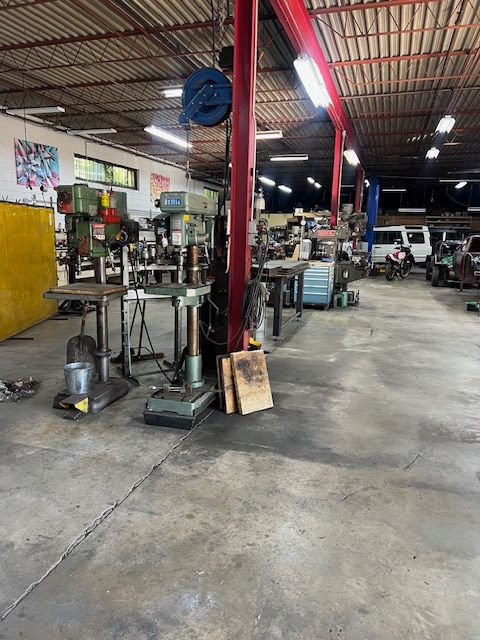
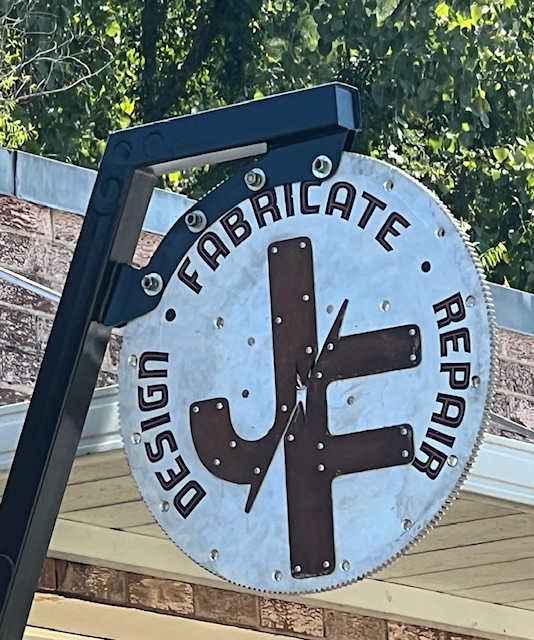
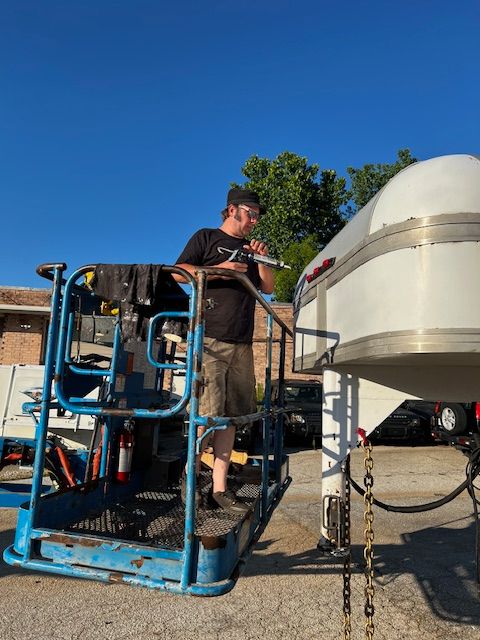
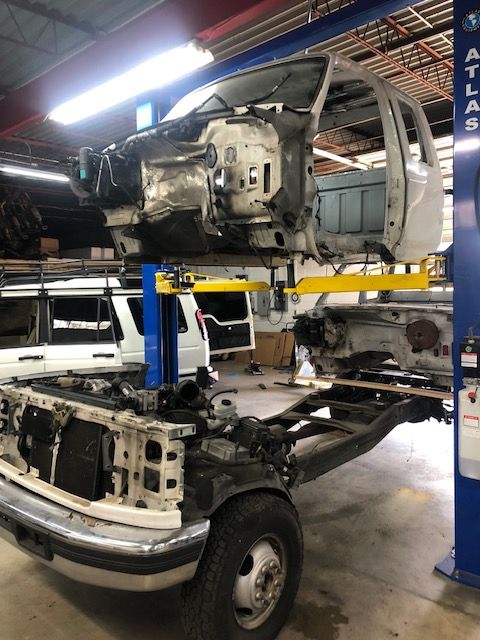
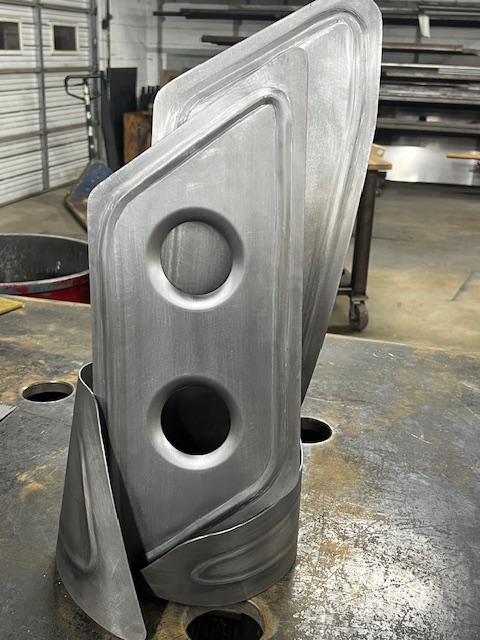
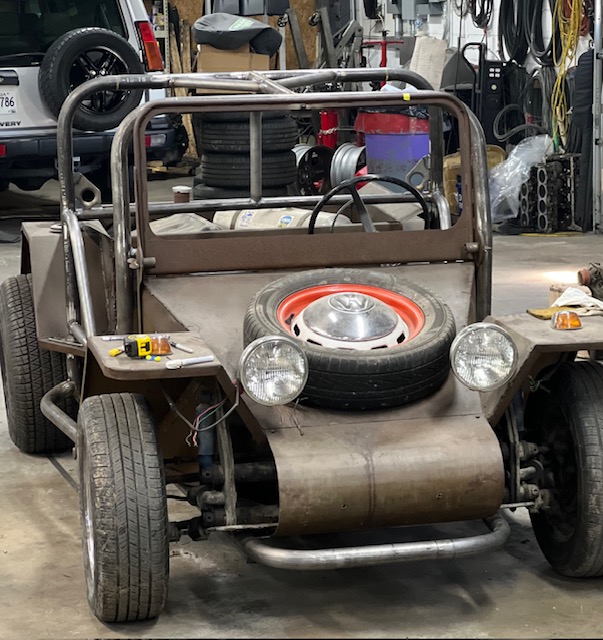
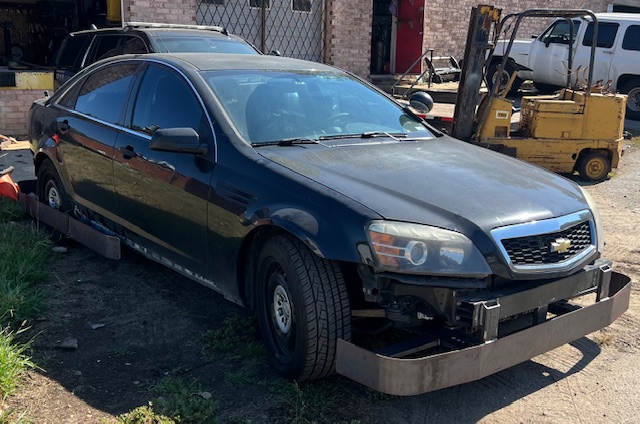
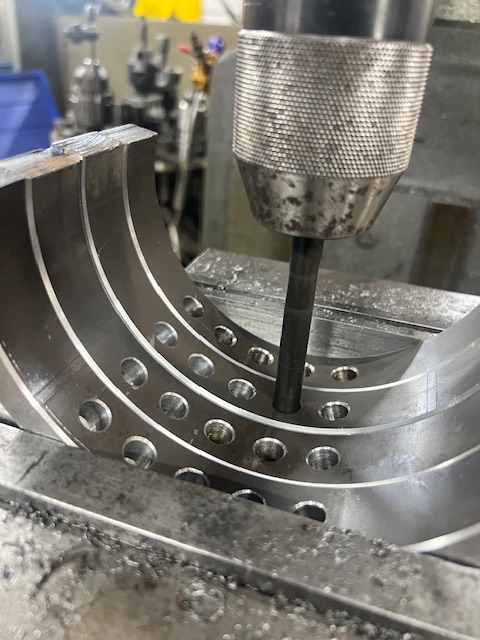
Image Credits
All personal pictures