






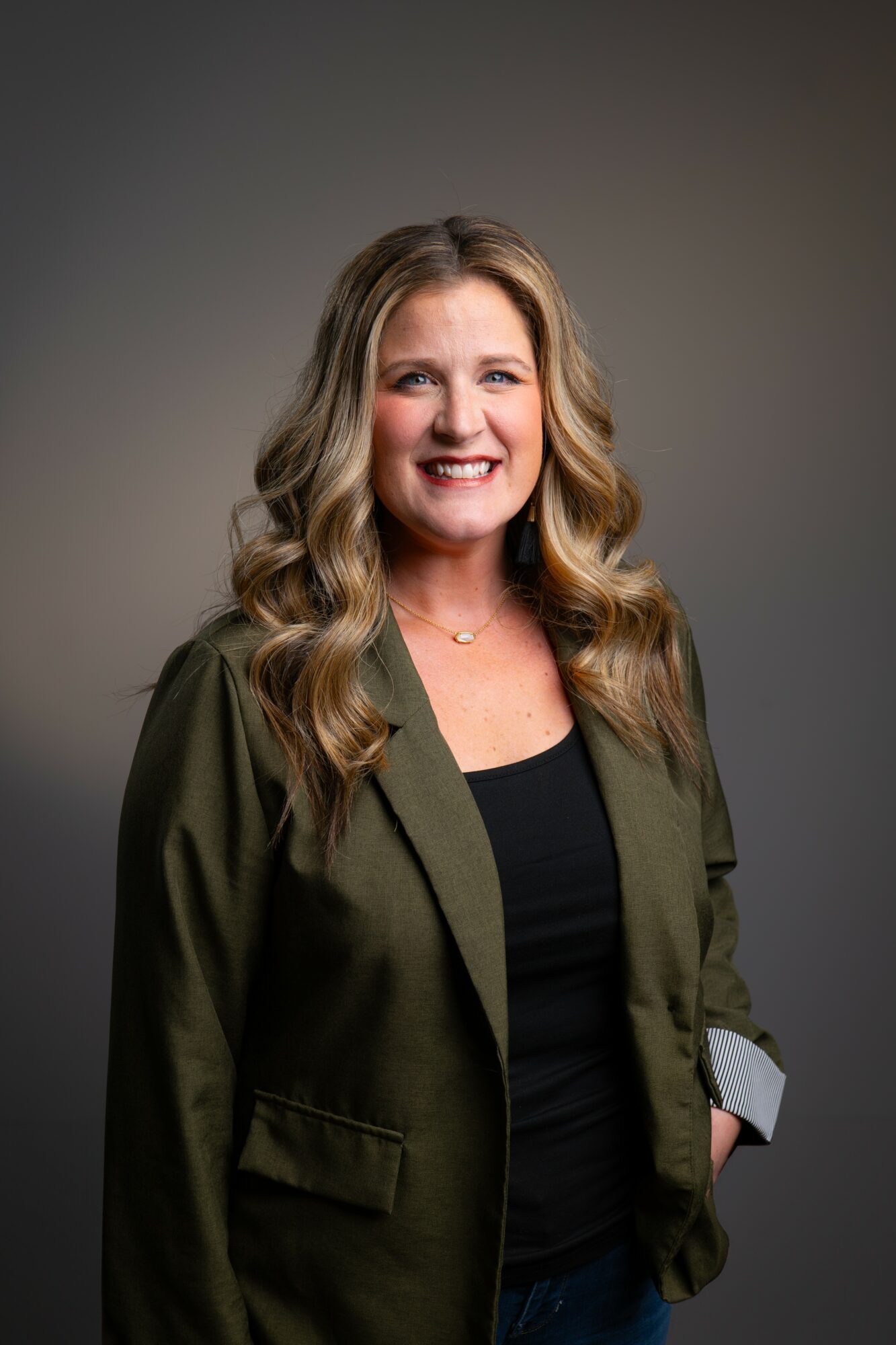
Today we’d like to introduce you to Kayla Whittle.
Hi Kayla, please kick things off for us with an introduction to yourself and your story.
My path has been shaped by a deep curiosity about people’s stories and how adversity shapes who we become. I spent the first part of my career working in education and school counseling, where I had the privilege of walking alongside children and families navigating complex emotional and social challenges. Those years gave me a front-row seat to how early experiences, relationships, and environments influence the way people understand themselves and the world.
Over time, that work grew into a broader calling toward counseling and pastoral care. I began pursuing additional training in counseling and eventually stepped into leadership roles that allowed me to integrate mental health, faith, and community care. Today I serve as the Director of LifeBack Counseling, where we focus on helping individuals and families find healing, resilience, and meaning through both Christian counseling and faith-informed care.
Along the way, I also returned to school to pursue my doctorate in community care and counseling. My research focuses on resilience and how people make meaning of adversity across the lifespan, particularly in later adulthood. That academic work has deepened the same question that has followed me throughout my career: how do people endure hardship and still grow, hope, and move forward?
At the center of everything I do (whether counseling, teaching, or writing) is the belief that every person carries a story that matters. When people are given space to reflect on their experiences with honesty and compassion, those stories can become powerful sources of healing, purpose, and resilience.
Can you talk to us a bit about the challenges and lessons you’ve learned along the way. Looking back would you say it’s been easy or smooth in retrospect?
Like most meaningful journeys, it definitely hasn’t been a completely smooth road. Much of my work centers around walking with people through difficult seasons, and that means I’ve had to learn how to navigate my own challenges along the way as well.
One of the biggest lessons has been learning how to hold responsibility for others while also recognizing my own limitations. When you care deeply about people and the work you’re doing, it’s easy to carry too much. Over time, I’ve had to grow in understanding that resilience isn’t just something I teach or research—it’s something I have to practice in my own life through boundaries, faith, and learning to trust God with outcomes that are beyond my control.
There have also been the normal challenges that come with building something meaningful—balancing leadership, family life, doctoral studies, and the realities of running a counseling center. None of those roles exist in isolation, and learning how to steward them well has required a lot of growth, humility, and support from the people around me.
At the same time, those challenges have shaped the very work I care about most. Experiencing adversity personally has deepened my empathy and strengthened my belief that people are capable of incredible resilience when they have support, purpose, and a framework for making meaning of their experiences.
Alright, so let’s switch gears a bit and talk business. What should we know about your work?
I serve as the Director of LifeBack Counseling, where our team provides pastoral and biblical counseling to individuals, couples, and families. Our counselors are credentialed through the American Association of Christian Counselors (AACC), which means our work is grounded both in sound psychological principles and in a Christian worldview. Much of what we do involves helping people navigate challenges like anxiety, trauma, relationship struggles, and life transitions while also integrating faith as a meaningful part of the healing process.
What sets our work apart is the intentional integration of psychology and theology. We believe people are shaped by their mind, body, relationships, and spiritual life, so we approach counseling holistically. Rather than separating mental health from faith, we help individuals explore how their beliefs, experiences, and emotional patterns interact and influence one another.
One of the things I’m most proud of is the opportunity to build a counseling space where people feel safe to bring both their psychological struggles and their spiritual questions. Many people feel like they have to choose between clinical support and faith-based guidance, and our goal is to offer a place where both can be honored with wisdom, compassion, and care.
What sort of changes are you expecting over the next 5-10 years?
Over the next 5–10 years, I think we’ll continue to see mental health conversations become more open and normalized, which is a very positive shift. People are more willing than ever to talk about anxiety, trauma, grief, and emotional well-being, and that openness creates opportunities for healthier communities and stronger support systems.
Within Christian counseling specifically, I believe there will be a growing emphasis on integrating sound psychological research with biblical wisdom. For many years those two worlds were sometimes viewed as separate, but more leaders and counselors are recognizing that caring for people well often requires both spiritual guidance and an understanding of how the brain, relationships, and life experiences shape our emotional health.
I also expect trauma-informed approaches to become even more central in ministry and counseling spaces. Churches, schools, and community organizations are increasingly realizing that behavior often reflects deeper experiences of pain or adversity. Learning how to respond with both truth and compassion will be an important part of the future of pastoral care.
Ultimately, I hope the field continues moving toward a more holistic view of people—recognizing that mental health, relationships, faith, and personal meaning are deeply connected and should be cared for together.
Pricing:
- $75/session
Contact Info:
- Website: https://www.lifebackcounseling.com