





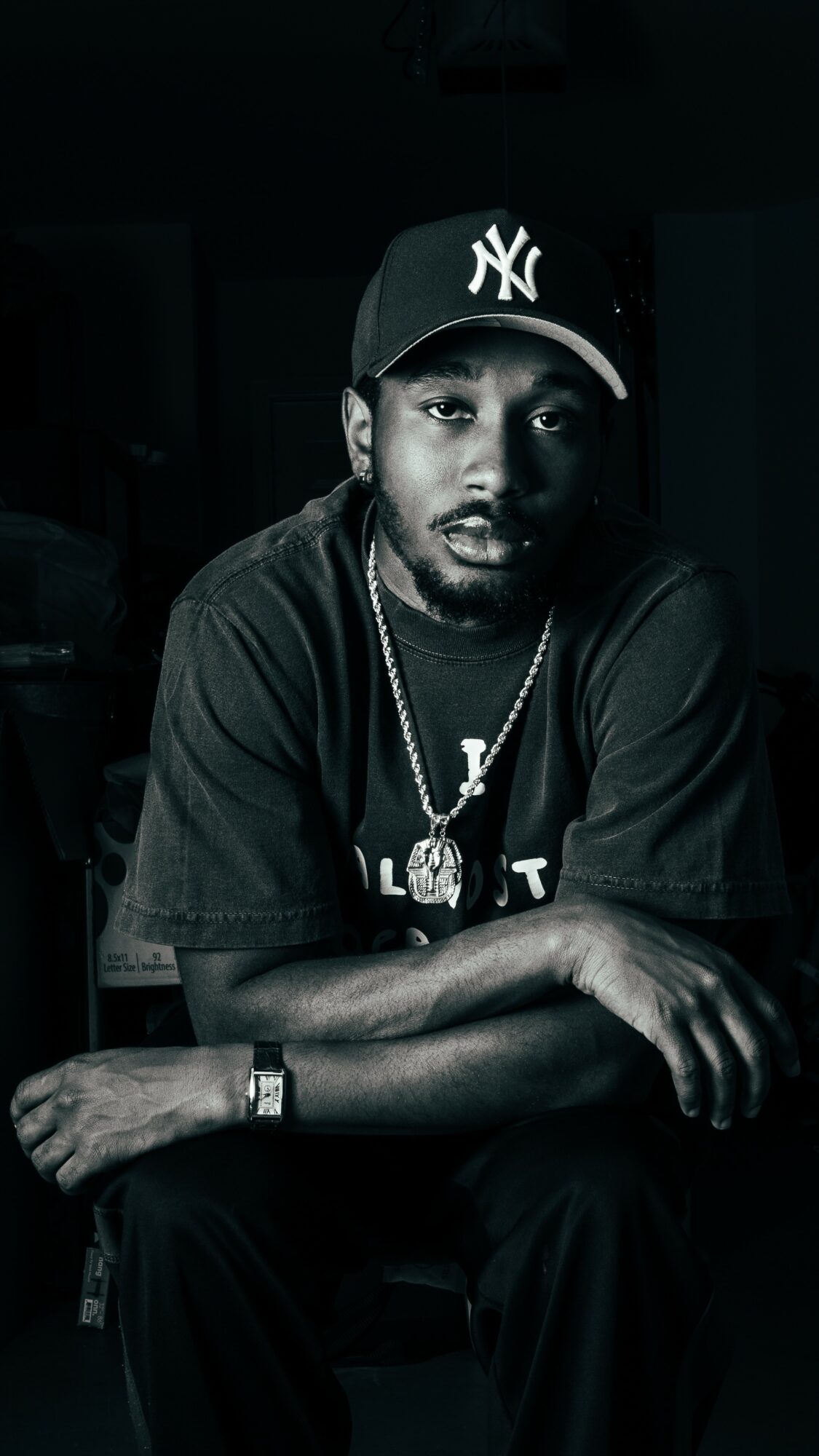
Today we’d like to introduce you to Mekhi Taylor.
Hi Mekhi, thanks for joining us today. We’d love for you to start by introducing yourself.
When I look back at my beginnings, I realize nothing about who I am today is new. Everything I’m building as a young adult is rooted in the same passions I had as a kid — I just finally have language for it.
I wasn’t supposed to be a filmmaker or photographer; I was just a kid borrowing my sister’s brand-new Canon Rebel T100 — the one she got for Christmas — and running outside to shoot photos, film skits, and turn the neighborhood into my own movie set. I couldn’t have been older than 11, but the fire was already there.
Storytelling was my first language. I was freestyling for older cousins, memorizing my favorite artists’ lyrics and rapping them like they were mine, practicing delivery before I even knew what cadence meant. And before all of that, I wrote a book in the 3rd or 4th grade — The Adventures of Tiny Mekhi — that ended up being entered in a citywide contest between elementary schools. I didn’t understand it at the time, but that was my first moment as an author, a world-builder.
Creativity was never a hobby for me. It was how I made sense of myself.
I didn’t have the gear my idols had. I didn’t have a studio. I didn’t have resources.
But I had intuition, imagination, and this feeling that I had something to say. So I used whatever was in front of me. That became the blueprint long before I knew the word “blueprint.”
And that mindset followed me into adulthood.
Today, that same principle — use what you have to create what you imagine — is the core of YoungCreatorZ, the multimedia production company I’m building with my brother and partner, Caleb Phillips. What started as two kids figuring it out has become a growing creative house rooted in storytelling, authenticity, and resourcefulness.
In a way, nothing has changed: the cameras got better, the productions got bigger, but the mission is the same.
I’m still that kid with the Canon Rebel… just with a clearer vision and a bigger stage.
I’m sure it wasn’t obstacle-free, but would you say the journey has been fairly smooth so far?
Smooth roads are for people traveling paths that already exist. Nothing about my journey has been smooth because I’m not following a road — I’m building one. I’m the architect, the one laying the concrete, the one figuring out the terrain as I go. For a long time, I didn’t understand why things felt so hard mentally, why every step came with a new challenge. But it’s because I’m creating something that’s never been done before in my circle. When you’re the first to do something, you’re also the first to face the problems.
My early struggles taught me that.
With the very first podcast I produced and starred in, all I had were two Canon G7Xs, my phone, and an iPad. Cameras would overheat mid-episode, audio would cut out, and since there were eleven of us in the room, the mics never picked up everyone’s voice. But I kept going because that’s all I had, and stopping wasn’t an option.
When I moved into college and launched The Almost Dropouts, things didn’t magically get easier. I had to run circles around campus to borrow equipment from the school, reserve spaces to shoot, and work around schedules and policies just to make an episode happen. And even then, I messed up a good handful of episodes on the production side — wrong settings, bad lighting, corrupted audio — but that was part of the process. I was learning in real time, with no safety net, and I wasn’t afraid to get it wrong.
I take pride in those struggles.
That’s where I was sharpened. That’s where I became wiser.
Every obstacle forced me to grow into the creator and leader I needed to become.
So no, the road hasn’t been smooth. But it’s mine — built by hand, mistake by mistake, breakthrough by breakthrough. And I wouldn’t trade that for anything.
Thanks – so what else should our readers know about your work and what you’re currently focused on?
I’m a storyteller at heart, and everything I do branches from that. I run YoungCreatorZ, a multimedia production company I co-built with my brother Caleb Phillips. We specialize in photography, videography, filmmaking, podcast production, and content creation. If it involves visuals, storytelling, or capturing the essence of a moment — that’s our lane.
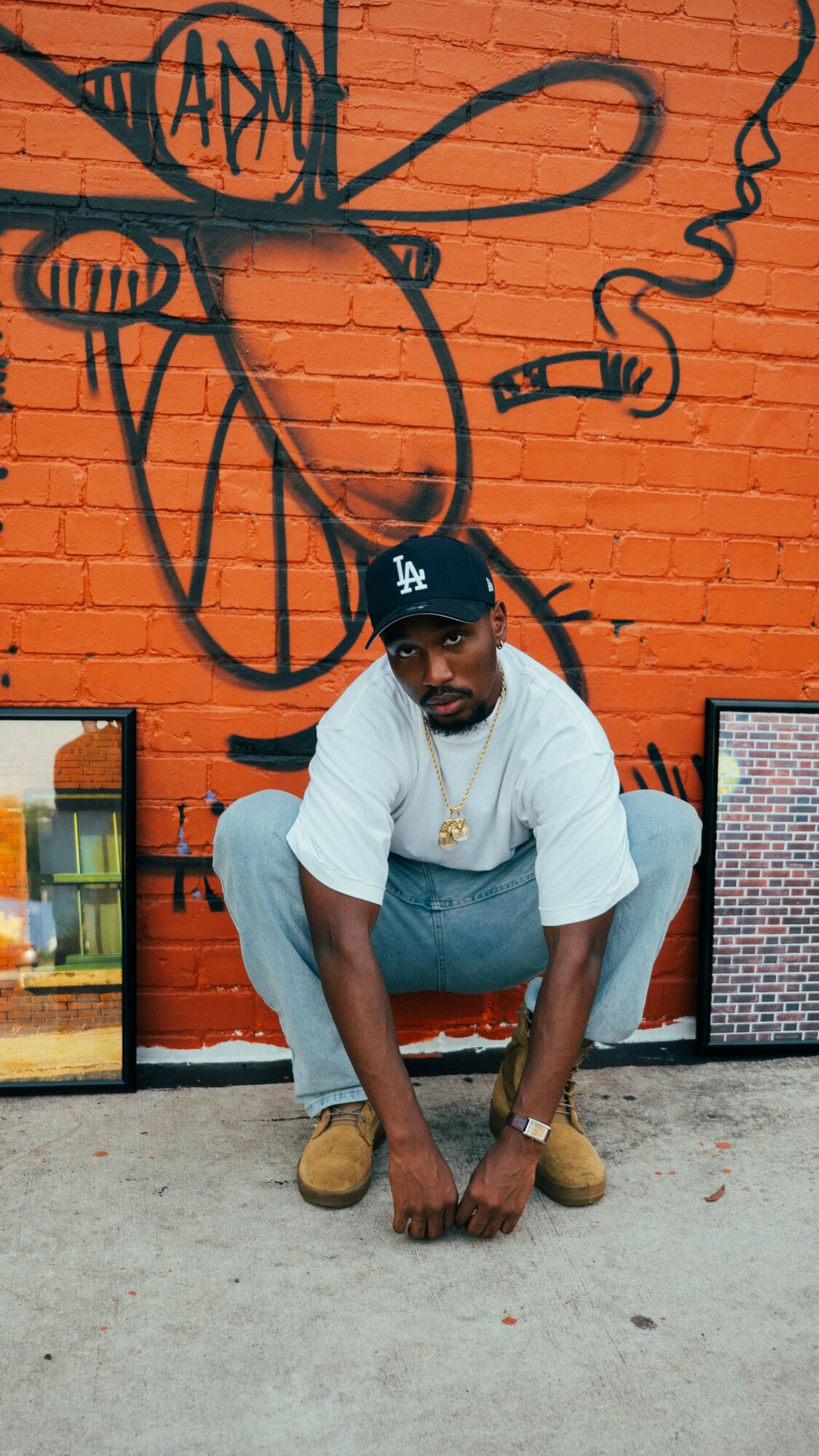
I’m known for being a creative who wears multiple hats, but each one connects to the same purpose: making people feel seen. Whether I’m behind the camera shooting portraits, directing a short film, building a concept for a new show, or producing a podcast episode, my focus is always on authenticity, intimacy, and emotion.
But I think what people feel most from my work is story — I don’t just create content, I craft moments.
Honestly? I’m proud of the ecosystem I’m building. Not just the content — the world. YoungCreatorZ is becoming a home for creatives, a space where ideas don’t die in group chats. The Almost Dropouts has brought real conversations into rooms that needed them. Photo:Sations turned the intimacy of a photoshoot into a whole new form of expression. My documentary work at Georgia State is helping preserve a creative era for students who won’t realize its importance until years later.
And I’m proud that I learned all this by doing it, failing, experimenting, trying again.
I’m also deeply personal with my work. I don’t treat projects like assignments. I treat them like living things.
And lastly, I think my biggest advantage is that I never stopped being that kid with the Canon Rebel and big imagination. I still approach everything with curiosity, intuition, and childlike creativity — just with grown-man discipline behind it now.
Is there any advice you’d like to share with our readers who might just be starting out?
One thing I always tell people is: don’t push your dreams further than your own reach. A lot of folks enter creative fields thinking the artform itself is where the magic lives, like photography, filmmaking, music, or poetry somehow carry some supernatural power on their own. But there’s nothing magical about the tools. The real magic is the person using them.
What makes art powerful is not the camera, the pen, the mic, or the software, it’s how well you’ve learned their language. Once you understand the fundamentals, you can articulate your deepest thoughts, your emotions, your inner world. That’s where the extraordinary comes from.
Most beginners think the practice is the magic.
It’s not. You are the magic. The practice is simply the vocabulary.
When you master the basics, then you can bend them, break them, remix them, and create something nobody’s ever seen before. That’s what I chase in everything I do, using the fundamentals to make something honest, powerful, and uniquely mine.
Contact Info:
- Website: https://www.youngcreatorsz.com/
- Instagram: https://www.instagram.com/yc.khi/
- Youtube: https://www.youtube.com/@khi25326
Popular
-

Hidden Gems: Local Businesses & Creatives You Should Know
-

ATL’s Most Inspiring Stories
-

Portraits of Atlanta
-

What’s a moment that really shaped how you see the world?
-

What’s a belief or project you’re committed to, no matter how long it takes?
-

What part of you has served its purpose and must now be released?