





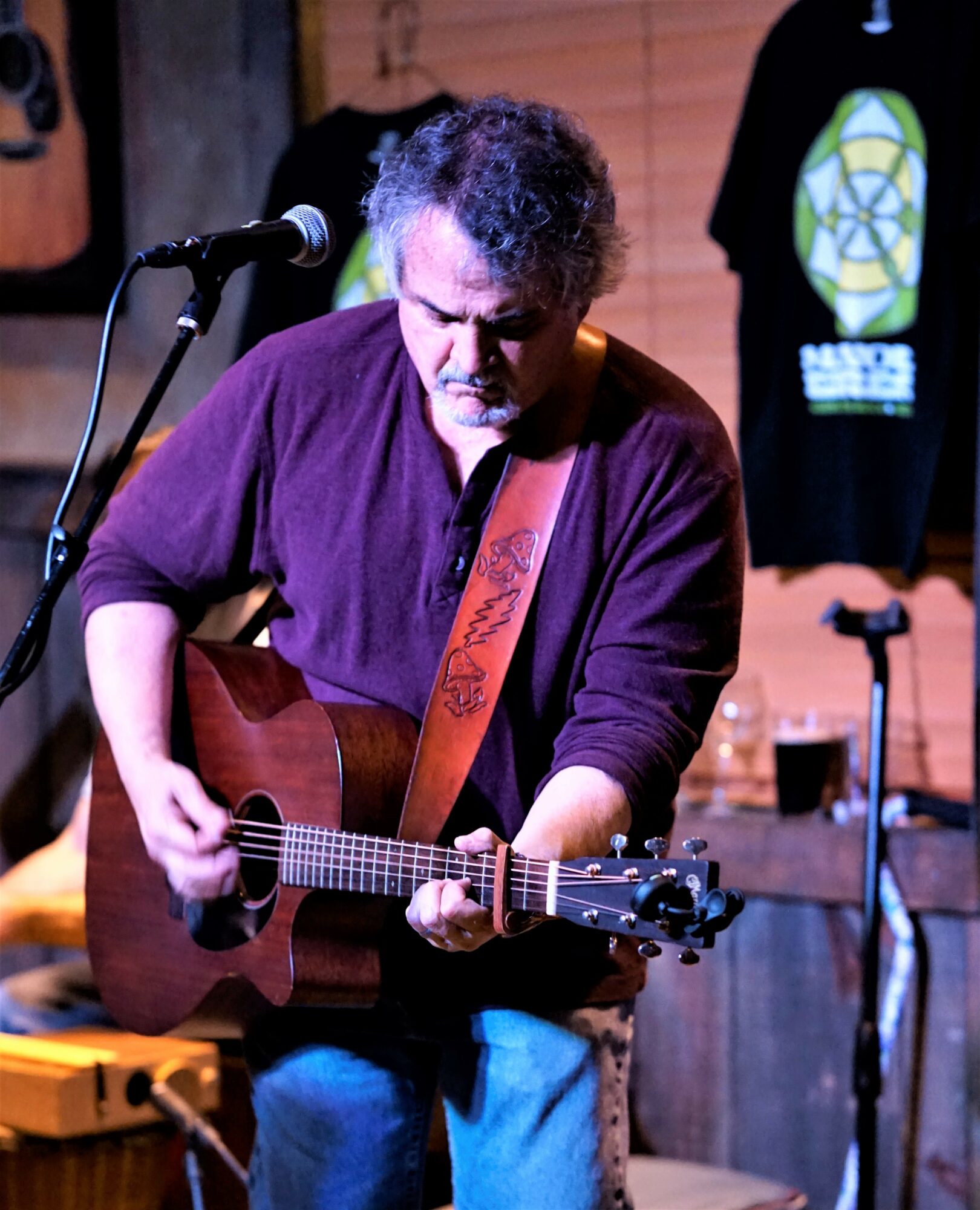
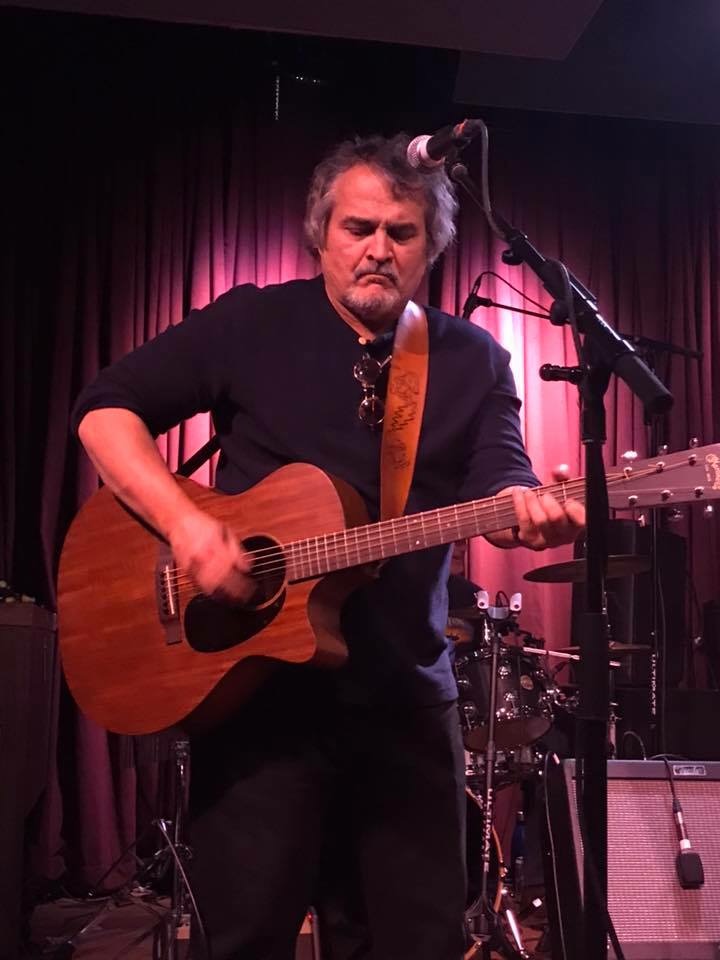
Today we’d like to introduce you to Russell Brown.
Hi Russell, so excited to have you on the platform. So before we get into questions about your work-life, maybe you can bring our readers up to speed on your story and how you got to where you are today?
I grew up in Atlanta. I fell in love with music after watching the Beatles on Ed Sullivan-just like millions of others in the day. I was thinking “I wanna do that too”. I got a guitar for Christmas in 1967 and soon realized that “it’s not as easy as it looks”. Eventually I graduated to electric guitar and played my first gig in 1969. I kept playing in bands throughout the 1970’s while at Ga Tech. I was in love with SOUTHERN ROCK at the time. I was social chairman of my fraternity so I could book all the music we had at social events. I also ran the Ga Tech Concert committee and we booked entertainment for GT students. We even did the first Ga Tech/Ga State joint concert-Atlanta Rhythm Section (when ARS was at its peak). I actually graduated GT hoping to be a concert promoter, but couldn’t get any traction, so I chose a safer route. I joined the Technology industry and never looked back. I was super successful, but always was playing music-not in a band, but at company events or sitting in w a band at a local bar or a company event. It was a safe choice. During college I also fell in love with The Grateful Dead and their unique improvisational sound….that opened the doors to all sorts of artists who improvise, but also those who stay true to a musical style. In 2004, I formed a band, The Flying Oatsmen. We played cover tunes-Allmans, Dead, Marshall Tucker, The Band. We played in bars and taverns around town with a few dates in places like Asheville and Charleston.
I was told by a mentor “the only music you can play as you get older and be taken seriously is jazz and blues”. I would add “bluegrass//country” to that statement. That led me to move on from rock into more acoustic music-but also to KEEP the improvisational element going
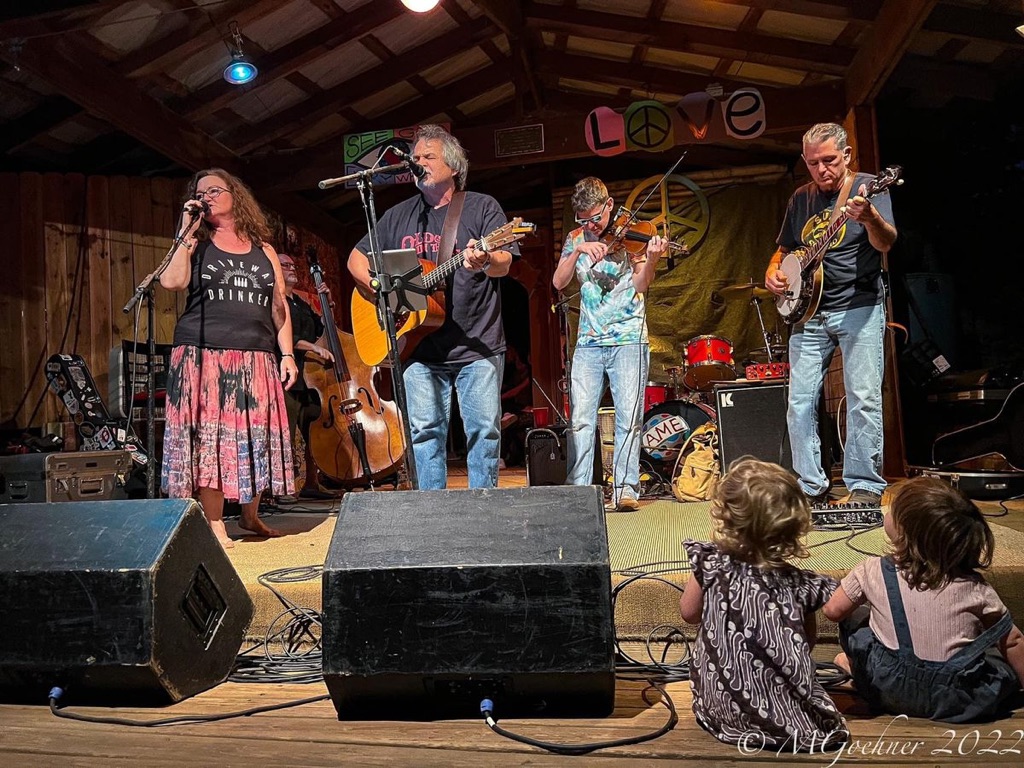
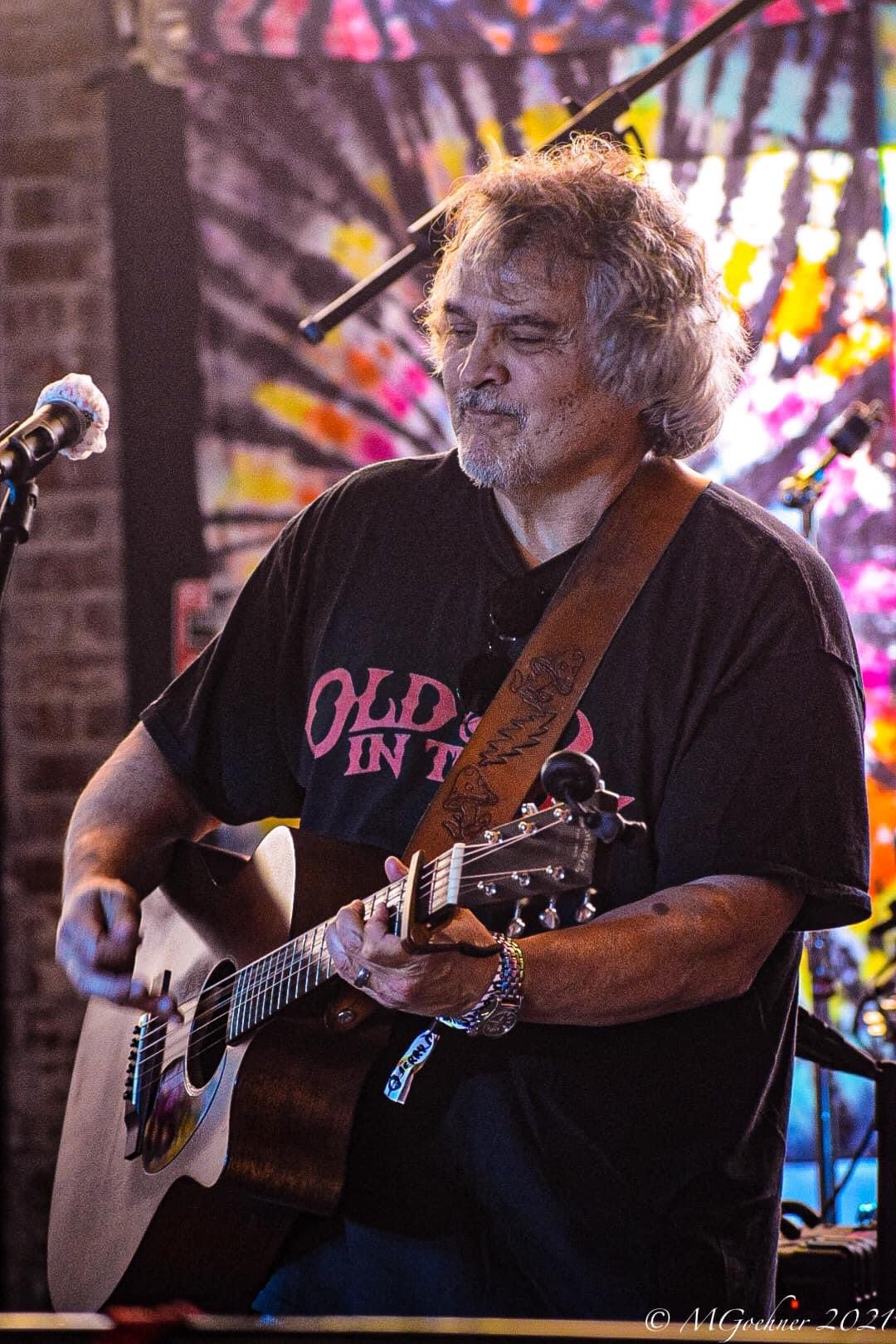
.I was approached about playing JAMGRASS music around 2015. I had never played bluegrass before (only songs that Jerry Garcia has played), but it was cool and I had a knack for it. We formed a band called HoneyWood which evolved into Magnolia Express in 2019. Honeywood released an album of original material which included one of my original songs. I then started writing music with a lyricist friend, Larry Thomas and we were off. Larry and I started writing songs-many of which we’ve recorded over 3 album projects by Magnolia Express. We continue to play all over Atlanta in one of the few americana/jamgrass bands in Atl.
In summary, my journey has fulfilled by initial ambitions to make music. I took the “safe route”, had a career in business first and that has allowed me to take “musical risks”. My goal of “being taken seriously” in music have been achieved, but there are always more goals to achieve.
Alright, so let’s dig a little deeper into the story – has it been an easy path overall and if not, what were the challenges you’ve had to overcome?
In the beginning we all want to be rock stars and then “life happens”, and you have to make choices. After a divorce, I was able to focus on business AND music. I could do both, but it’s hard when you have family responsibilities.
.
“Building a band and keeping it going” are constant challenges-even today. You have to find the musicians that have a “shared musical vision” and life situations. I see many young musicians who, like me, started a family or are early in a career, and can’t fit “a band” into their life.
Another constant challenge is “PLACES TO PLAY”. There are not so many places for a band like ours to play, compared to rock music. So many people and bar owners want a “FILL IN THE BLANK” cover band. That is just not us, so we focus on places that are open to acoustic and original music. Bands are still getting paid today, what they were paid 10 years ago. Kinda frustrating, but we love the music, so we keep playing it.
Alright, so let’s switch gears a bit and talk business. What should we know about your work?
Having had an amazing career in technology and having been involved in several start ups that went public, I was able to retire at age 55. I’ve been able to focus on music ever since. The sales and management skills I developed have helped in a big way as we make music. Selling the Band, Managing the Band, How to motivate the band. It’s all about your goals and having a plan to achieve.. Even now, I spend time each week-selling the band to someone. I had a mentor that wrote a book called “HOPE IS NOT A STRATEGY”. It’s a slogan that has helped me achieve personal but also musical goals
Can you talk to us about how you think about risk?
Some risks you have to take or are forced on you, others can be analyzed.
In my early career, I had chances to leave “the mother ship, big company” to join something very small-whose success is not guaranteed. I did all my research and did REALISTIC pros/cons. I made a couple of moves that worked out great. A couple that didn’t, but you must learn/understand WHY something didn’t work, so you don’t make the mistake again.
Sometimes it is just luck. Ive been smart AND lucky in my life.
A risk relating to music-the band falls apart and you need to “start” new. If we wanted to continue playing music, we had to push forward. Getting “out there” with a new band or new music is always a risk, but it’s fun to take the “calculated” risk and see where it takes you. It always helps however, to have the financial security that I created for myself from my business career. I know many musicians that are amazing, but don’t have financial security and that’s tough.
Pricing:
- not sure I understand your question here
Contact Info:
- Website: https://www.magnoliaexpressmusic.com
- Instagram: https://www.instagram.com/magexmusic
- Facebook: https://www.facebook.com/magnoliaexpress/
- Youtube: https://www.youtube.com/@MagnoliaExpress
- Other: https://open.spotify.com/artist/3jVGtdmrn8JSYmOMEMY9h5
Popular
-

What are you being called to do now, that you may have been afraid of before?
-

What are the biggest lies your industry tells itself?
-

Was there ever a time you almost gave up?
-

Is the public version of you the real you?
-

If you could say one kind thing to your younger self, what would it be?
-

Local Highlighter Series