





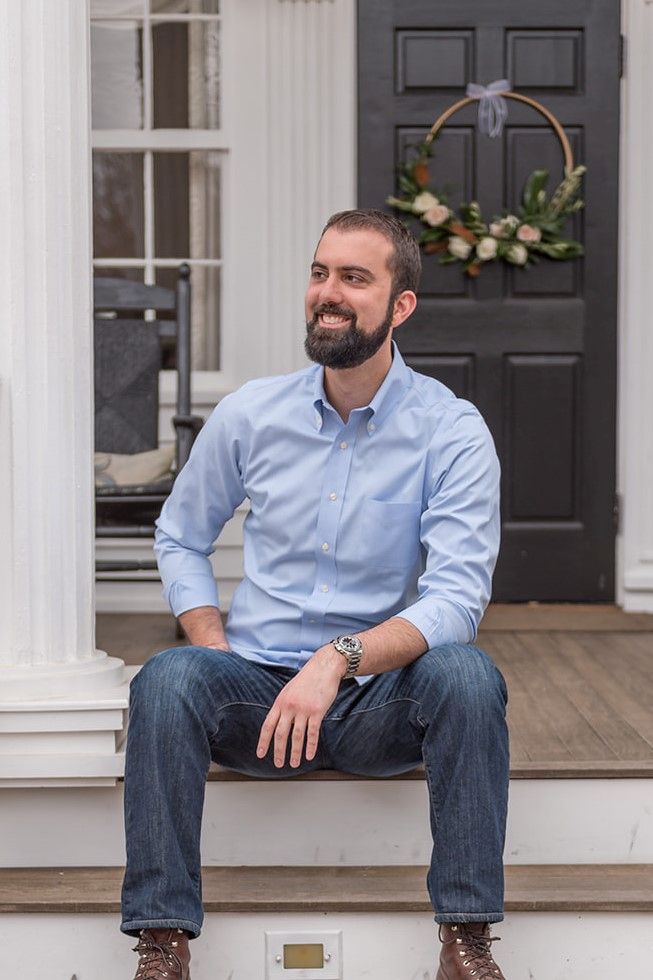
Today we’d like to introduce you to Ryan Pernice.
Hi Ryan, it’s an honor to have you on the platform. Thanks for taking the time to share your story with us – to start maybe you can share some of your backstory with our readers?
I grew up in Roswell, and my path into restaurants started quite early. I worked in kitchens through high school, quickly becoming attached to the pace, the teamwork, and the dynamic of a dining room when everything clicks in place. Even at 14 years old, I knew I wanted to build restaurants of my own.
That interest took me to Cornell’s School of Hotel Administration and later to New York City, where I worked with Danny Meyer’s Union Square Hospitality Group at a new restaurant called Maialino. Those experiences shaped how I think about restaurants, not just as vehicles to deliver food and service but also as systems where every decision, from menu design to floor layout, affects how guests and employees feel.
At 25, I moved back to Roswell and opened Table & Main in 2011 with the goal of creating a true “neighborhood clubhouse.” Over time, that philosophy expanded with Osteria Mattone, allowing us to explore a different style of elevated dining while maintaining the same focus on consistency, care, and craft.
After 15+ years of operating our restaurants and navigating through growth and disruption, I’ve become increasingly focused on helping other operators do this work well. That led to R.O. Hospitality, our management company, beginning to offer advisory services for other operators wrestling with sales forecasting, budgeting, kitchen design, and operational planning. It’s a natural extension of what I’m passionate about: building restaurants that are thoughtful, integrated with their community, and built to last.
Would you say it’s been a smooth road, and if not what are some of the biggest challenges you’ve faced along the way?
Not at all! Restaurants are complex machines, and the learning curve is steep, especially early on.
Many of the biggest challenges have been maintaining financial discipline, building and keeping the right team, and learning when to step in versus when to step back, especially as we grow.
Of course, the most difficult period was the pandemic. It forced us to rethink how we operate and how we show up for our team and community. It was painful, but it clarified our values and ultimately made the business more resilient.
As the restaurants mature, the challenges shift from survival to sustainability, building systems that scale, protecting culture, and staying engaged without burning out. Those lessons now inform both how I operate and the consulting work we do through R.O. Hospitality, helping other operators anticipate challenges rather than react to them. I hope they learn from our mistakes!
Thanks for sharing that. So, maybe next you can tell us a bit more about your work?
As a restaurateur, my passion is for building lasting restaurants that are community leaders. We operate two neighborhood-driven concepts, Table & Main and Osteria Mattone, that are grounded in warm, welcoming hospitality and a clear point of view. I’m known for focusing on the “whole product” of a restaurant, from food and service to financial discipline, layout, and the systems that shape how guests experience a space.
I’m most proud of our restaurants’ commitment to excellence across our long tenure. Restaurants are fragile ecosystems, and they require enormous amounts of work to stay on top. Remaining relevant year after year requires adaptability, attention to detail, and constant vigilance. That we’re still scoring such high marks for guest satisfaction decades in speaks volumes. Not to mention external accolades like Chef-Partner Woody Back leading Table & Main to receive back-to-back Michelin Bib Gourmands. Or that Osteria Mattone, under Operating Partner, Daniel Pernice’s leadership, has earned 10 Wine Spectator Awards in a row.
What has been the most important lesson you’ve learned along your journey?
The most important lesson I’ve learned is that restaurants succeed through alignment across hundreds of small decisions more so than any one big idea. Guests feel the impact of these many decisions long before they ever get the bill at the end of their meal. For example, how you treat your team absolutely shows up in the guest experience. When the internal culture is healthy, the rest tends to follow. But the guest never sees the vast majority of those decisions.
That knowledge guides both how I operate my restaurants and advise our consulting clients. Everything is linked.
Contact Info:
- Website: www.rohospitality.com
- Instagram: https://www.instagram.com/rohospitality/
- Facebook: https://www.facebook.com/rohospitality
- Linkedin: https://www.linkedin.com/company/ro-hospitality
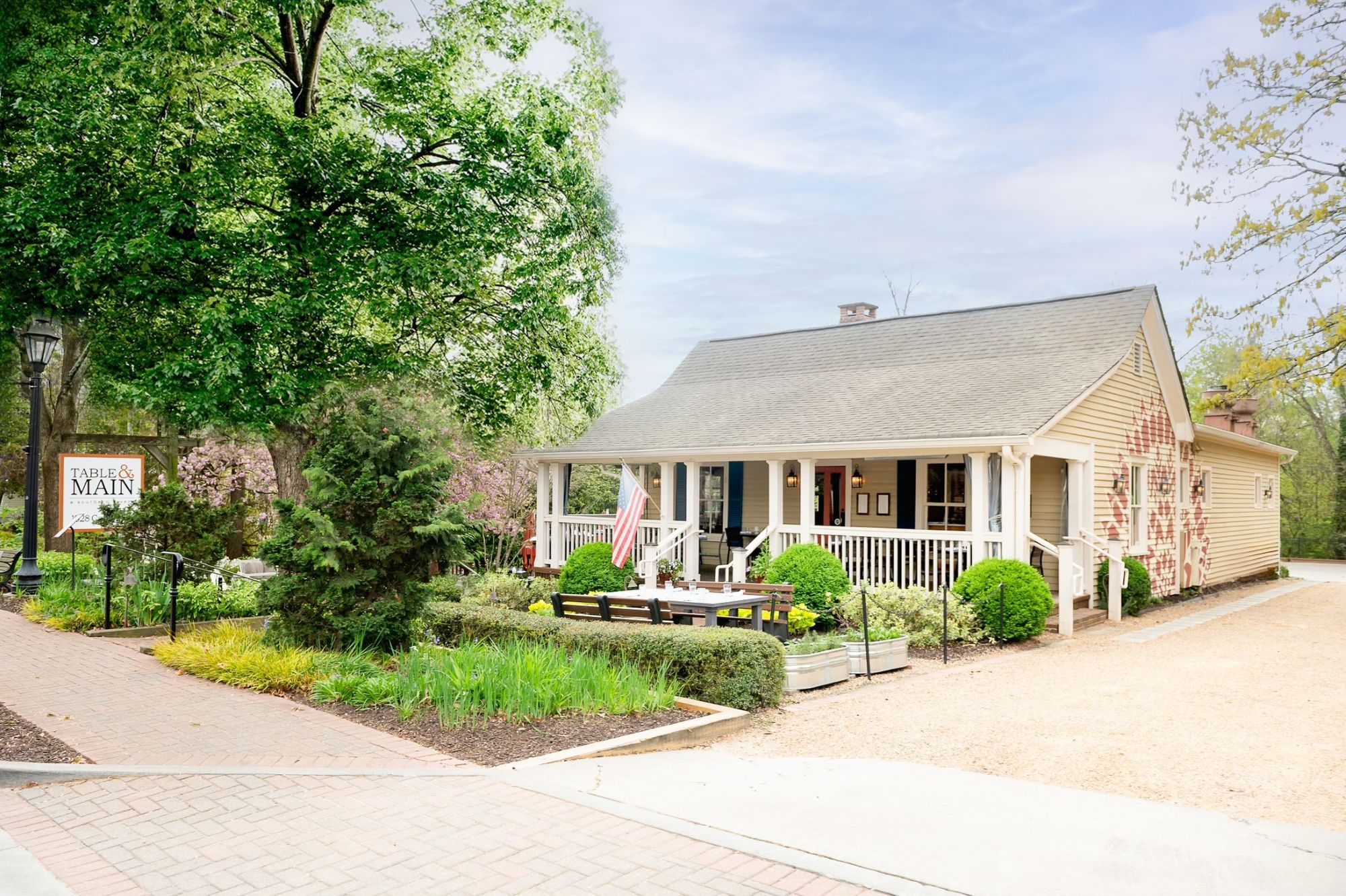
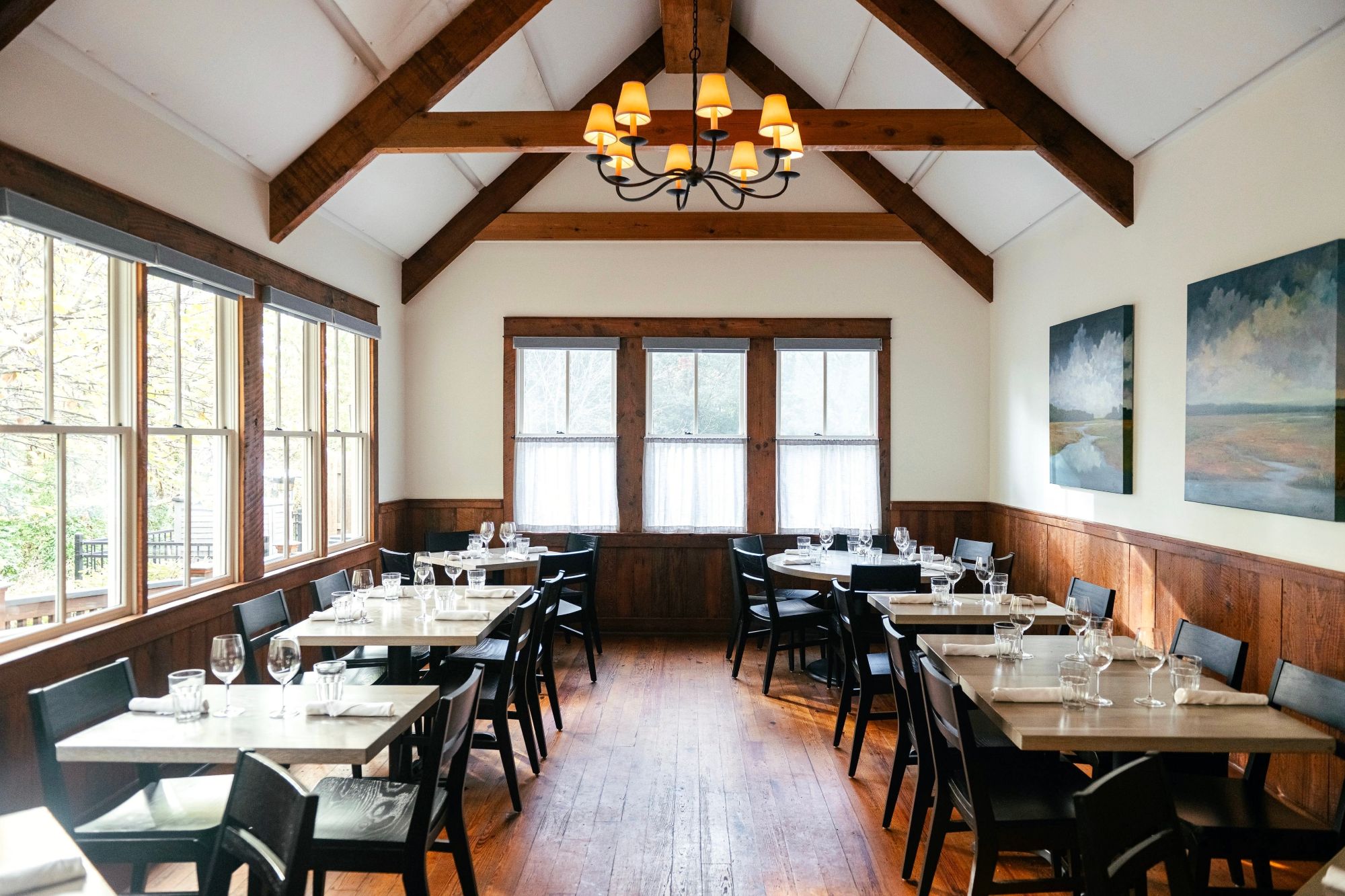
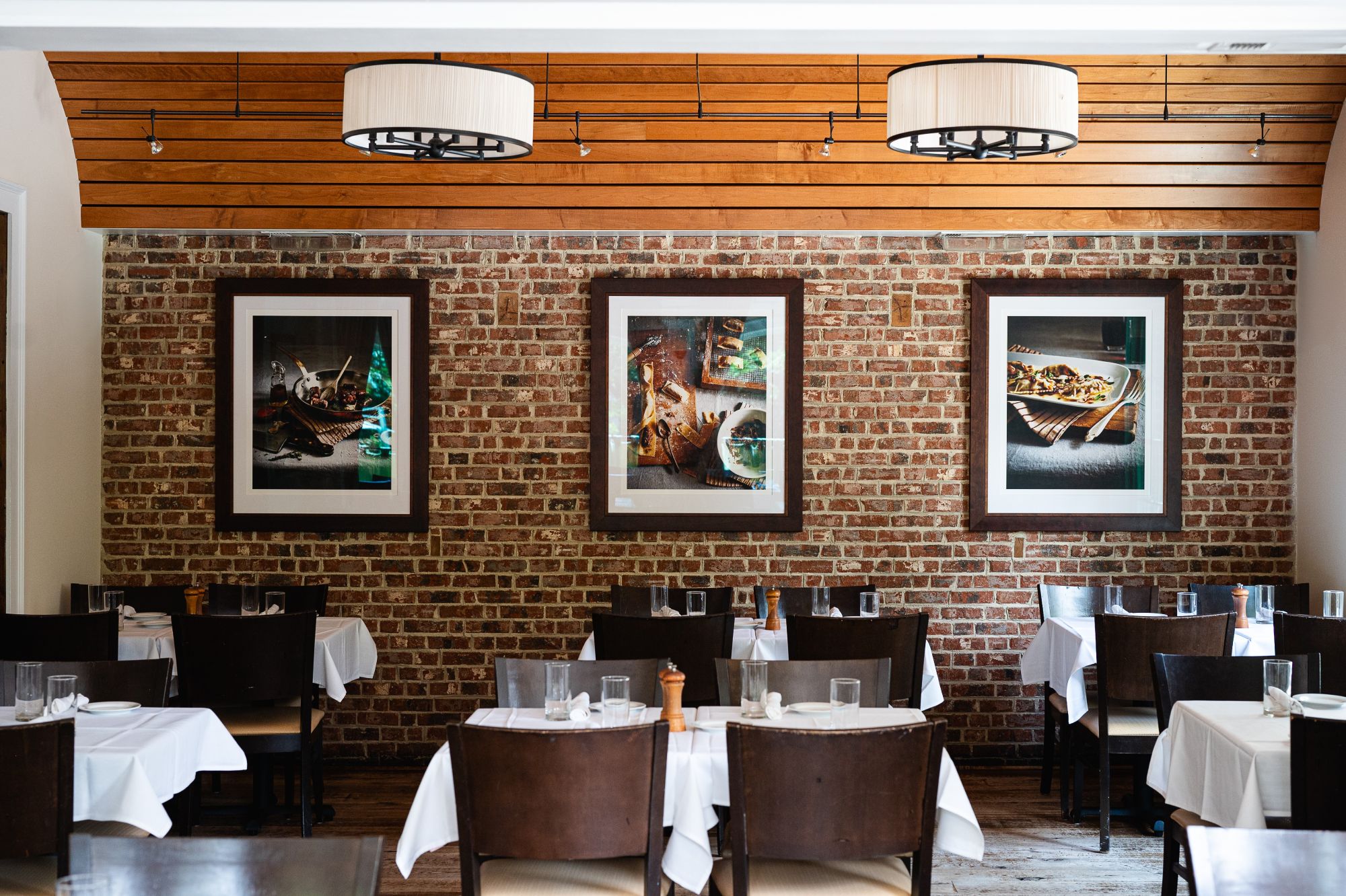
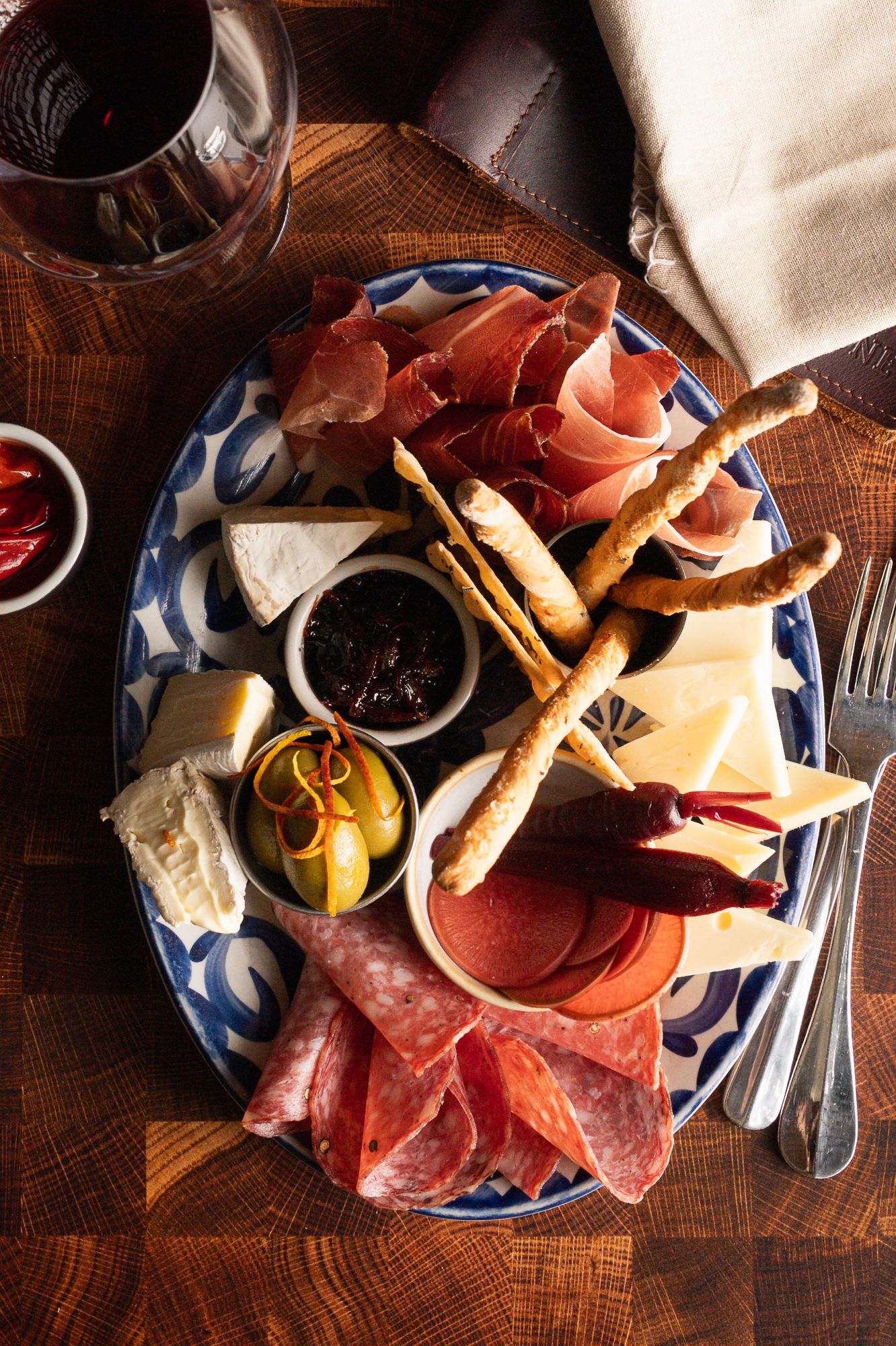
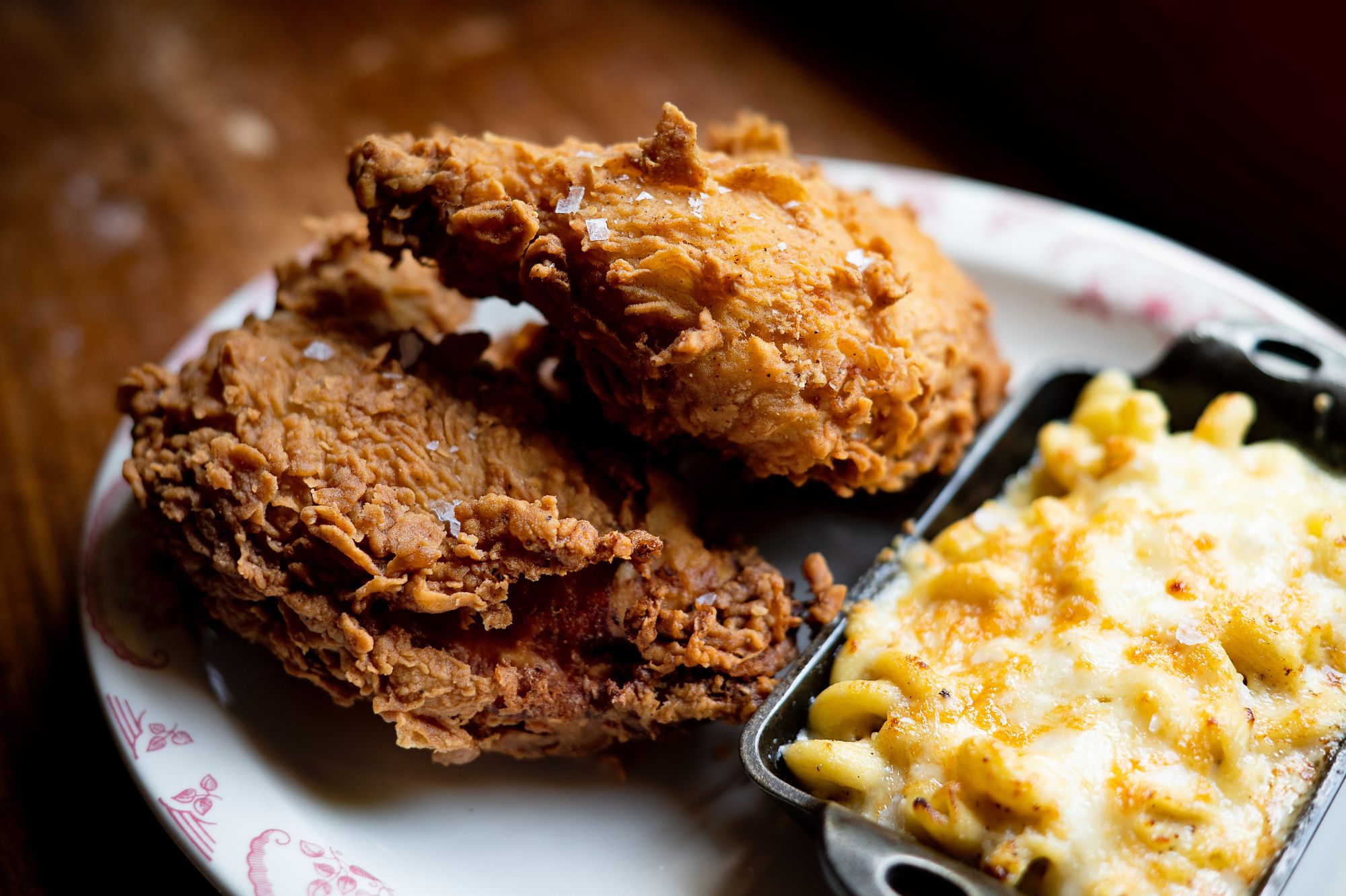
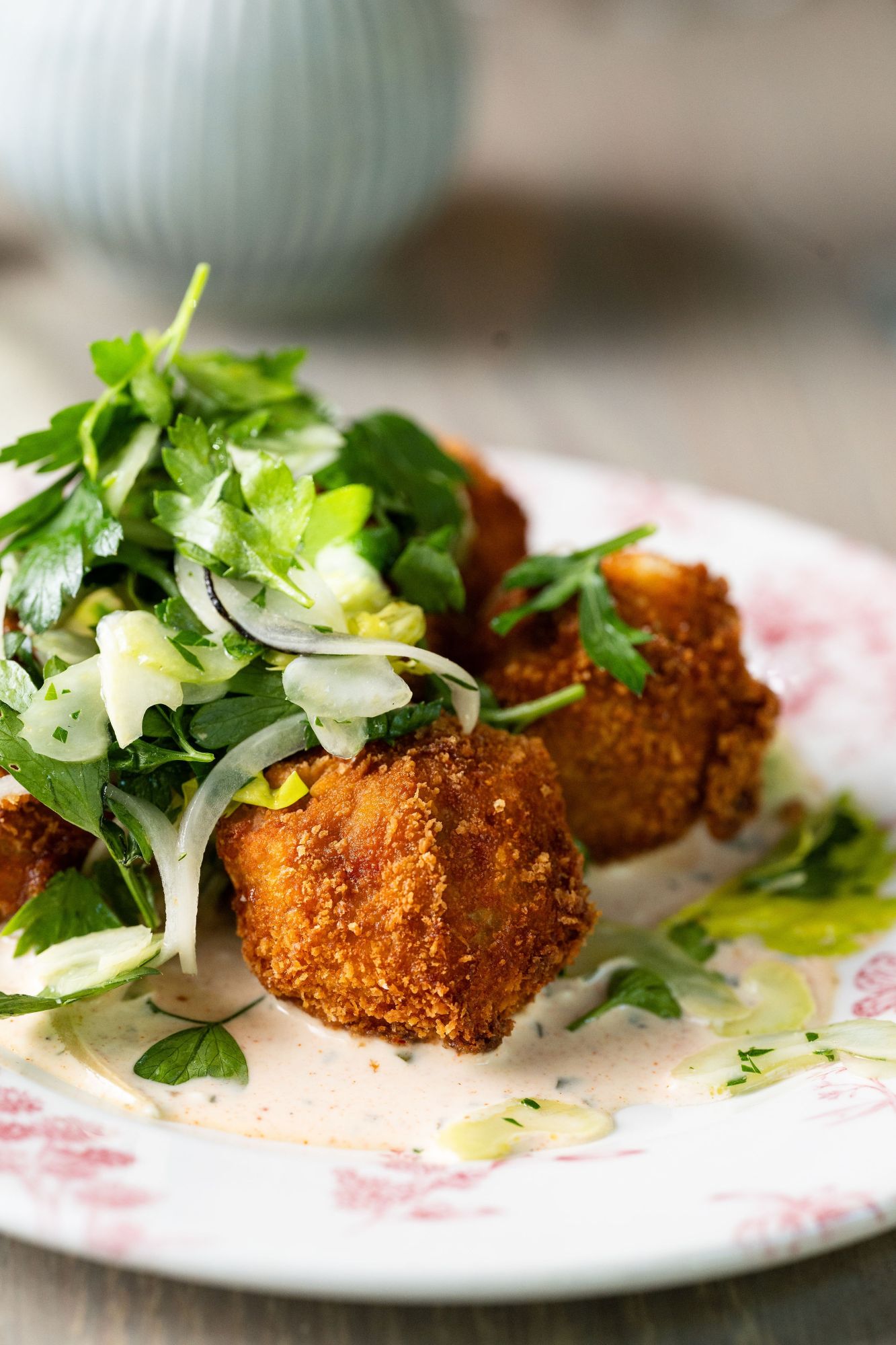
Image Credits
Randi Curling (all images)