






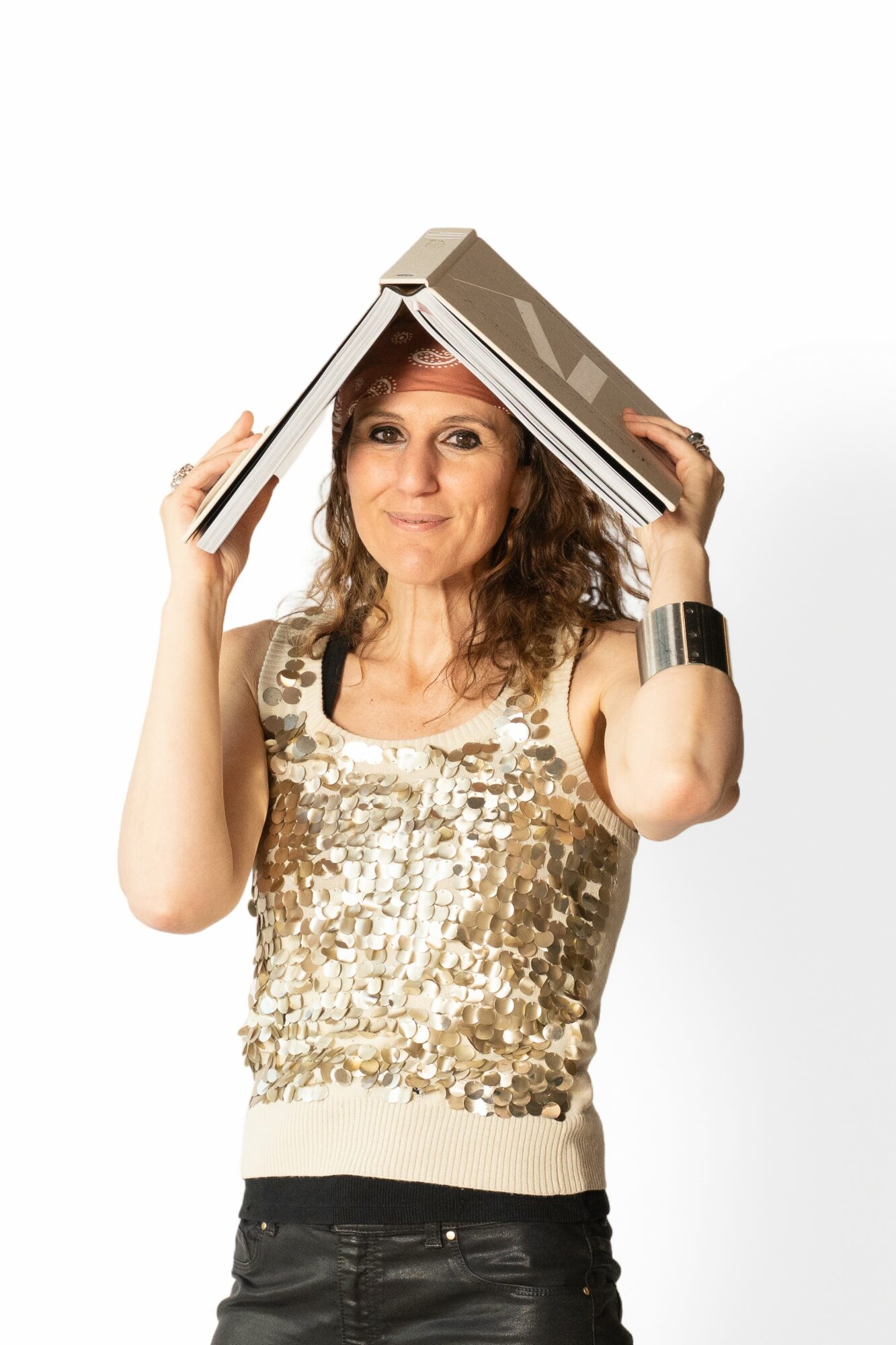
Today we’d like to introduce you to Stephanie Scher.
Hi Stephanie, it’s an honor to have you on the platform. Thanks for taking the time to share your story with us – to start maybe you can share some of your backstory with our readers?
I didn’t come into interior design through a straight line or a formula. I came through experience—and observation.
My mother was an interior designer early in her career. She was formally educated in design, but long before DIY became a trend, she was already doing it. Our home wasn’t styled to fit a category. It was a mix of styles, art, and objects that worked together because they were chosen with intention—and that’s what made it timeless. She trusted her eye, mixed pieces without apology, and created spaces that felt personal, layered, and lived-in.
My parents were also serious art collectors. I grew up surrounded by original work—artists like Jim Dine and Robert Rauschenberg—so living with art wasn’t aspirational, it was normal. Art wasn’t decoration; it had presence and weight. That early exposure trained my eye and still shapes how I think about space, proportion, and restraint.
My own path unfolded through fine art, hands-on work, and years of being deeply involved in the making of spaces—learning how things are built, how they function, and how people actually live inside them. I didn’t set out to replicate a look. I learned by doing, by paying attention, and by working closely with clients, builders, and architects.
Over time, I realized what mattered most to me wasn’t decorating, but seeing. Understanding who a client is, how they live, what they want to keep, and where there’s room to push. That philosophy is what ultimately led me to build my studio—one grounded in collaboration, clarity, and helping clients trust their own point of view.
Today, my work sits at the intersection of creative vision and real-world execution. I’m involved from early concepts through final details, creating spaces that feel bold but livable, elevated but personal and reflective of the people who live there.
I’m sure it wasn’t obstacle-free, but would you say the journey has been fairly smooth so far?
No—this hasn’t been a smooth or linear road, and I don’t think it’s supposed to be.
One of the biggest challenges along the way was learning how to build the right structure around my work. I partnered with someone incredibly talented, and in many ways it was a valuable experience. But ultimately, the partnership wasn’t aligned in the long term. We had different rhythms, priorities, and ways of working—and that matters more than people like to admit.
Walking away from something you’ve invested in creatively and emotionally isn’t easy. It forced me to get very clear about what I need in order to do my best work—how I collaborate, how decisions are made, and where my strengths really live. That period came with uncertainty, but it also brought clarity.
The struggle wasn’t failure—it was refinement. It pushed me to trust my instincts more deeply, to build a studio that reflects how I actually work, and to value alignment as much as talent.
Looking back, I wouldn’t change it. It shaped my perspective, strengthened my boundaries, and ultimately led me to a more focused, grounded practice—one that feels sustainable, intentional, and true to who I am today.
Thanks for sharing that. So, maybe next you can tell us a bit more about your business?
My studio, Design & Style by Scher Studio, is built around the idea that good design starts with seeing—not styling.
We work primarily on residential projects, often new builds and large-scale renovations, but our involvement goes far beyond finishes. I specialize in shaping the overall vision of a home early on—working alongside architects and builders to influence layout, proportion, materials, and flow before anything becomes cosmetic. From there, we move through cabinetry, millwork, lighting, finishes, and ultimately the way a space is lived in and layered.
What I’m known for is helping clients clarify their point of view. Many people come to me overwhelmed—by choices, by Pinterest, by what they think their home should look like. My role is to edit, refine, and push where necessary, while still honoring who they are and how they live. I’m not interested in imposing a signature look. I’m interested in creating homes that feel personal, confident, and timeless because they’re rooted in intention.
What sets my work apart is the balance between creative vision and real-world execution. I’m deeply involved in the technical side of projects—how things are built, detailed, sourced, and installed. I believe in understanding the family, or the couple or the individual who I am working with. Everyone is different. My hands-on approach allows the design to stay strong all the way through, without losing integrity in the process. I also work closely with existing furniture and art, helping clients edit rather than erase, which creates spaces that feel collected instead of new-for-the-sake-of-new.
Brand-wise, what I’m most proud of is trust. Clients trust me to see things they can’t yet see, to be honest with them, and to guide them through decisions with clarity and confidence. The studio isn’t about trends or volume—it’s about thoughtful work, strong collaboration, and creating spaces that feel grounded, layered, and unmistakably lived in.
What I want readers to know is that this is a studio for people who value my perspective. People who want their homes to reflect who they are—not what’s only trending—and who understand that the best spaces are built over time, with intention and are collected.
Books surround me—at my studio and at home. I live with books and references constantly, and they help define my style and how I see. I live with all my favorite designers every day. While we use the latest technology for renderings and visualization, the ideas still come from looking deeply, studying, and living with work that has depth. The technology supports the vision—it doesn’t replace it. That balance—between reference and innovation—is where my work lives.
What would you say have been one of the most important lessons you’ve learned?
The most important lesson I’ve learned is that alignment matters more than momentum.
Early on, I believed that saying yes—moving fast, taking on more, building bigger—was the way forward. Over time, I realized that growth without alignment creates friction: in partnerships, in projects, and in creative work. When the people, process, and point of view aren’t aligned, even good opportunities can become draining.
I’ve learned to slow down enough to make clear decisions—about clients, collaborators, and scope—and to trust that clarity actually creates better outcomes. The work is stronger when expectations are defined, communication is honest, and everyone involved understands the vision.
That lesson has shaped how I run my studio today. I value thoughtful collaboration, clear boundaries, and doing fewer things exceptionally well. The result isn’t just better work—it’s a practice that feels sustainable, grounded, and true to how I want to work. I value working with contractors who I know will do exceptional work.
Pricing:
- Design services are customized based on scope, scale, and level of involvement
- Design is billed as a combination of flat fees and hourly consulting, determined after an initial consultation
- New builds and large renovations are priced based on phased design services, from early concept through execution
- Furniture, materials, and trade sourcing are handled separately and quoted transparently
- We work with a limited number of projects at a time to ensure hands-on involvement and design integrity
Contact Info:
- Website: https://sscherstudio.com
- Instagram: @iamstephaniescher
- Facebook: https://www.facebook.com/share/1AcyJ76EUQ/?mibextid=wwXIfr
- LinkedIn: https://www.linkedin.com/in/stephanie-scher-0547a610?utm_source=share_via&utm_content=profile&utm_medium=member_ios
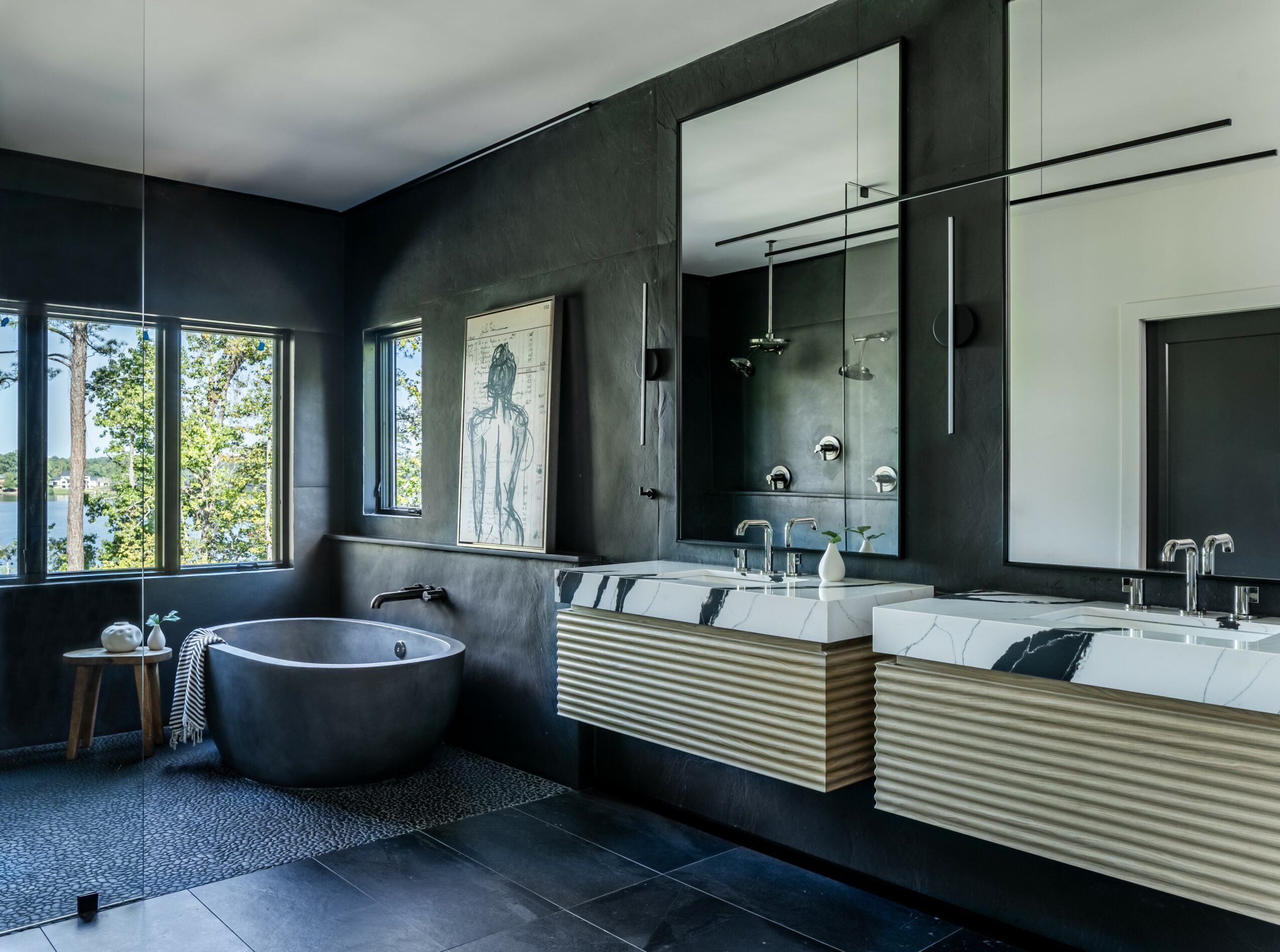
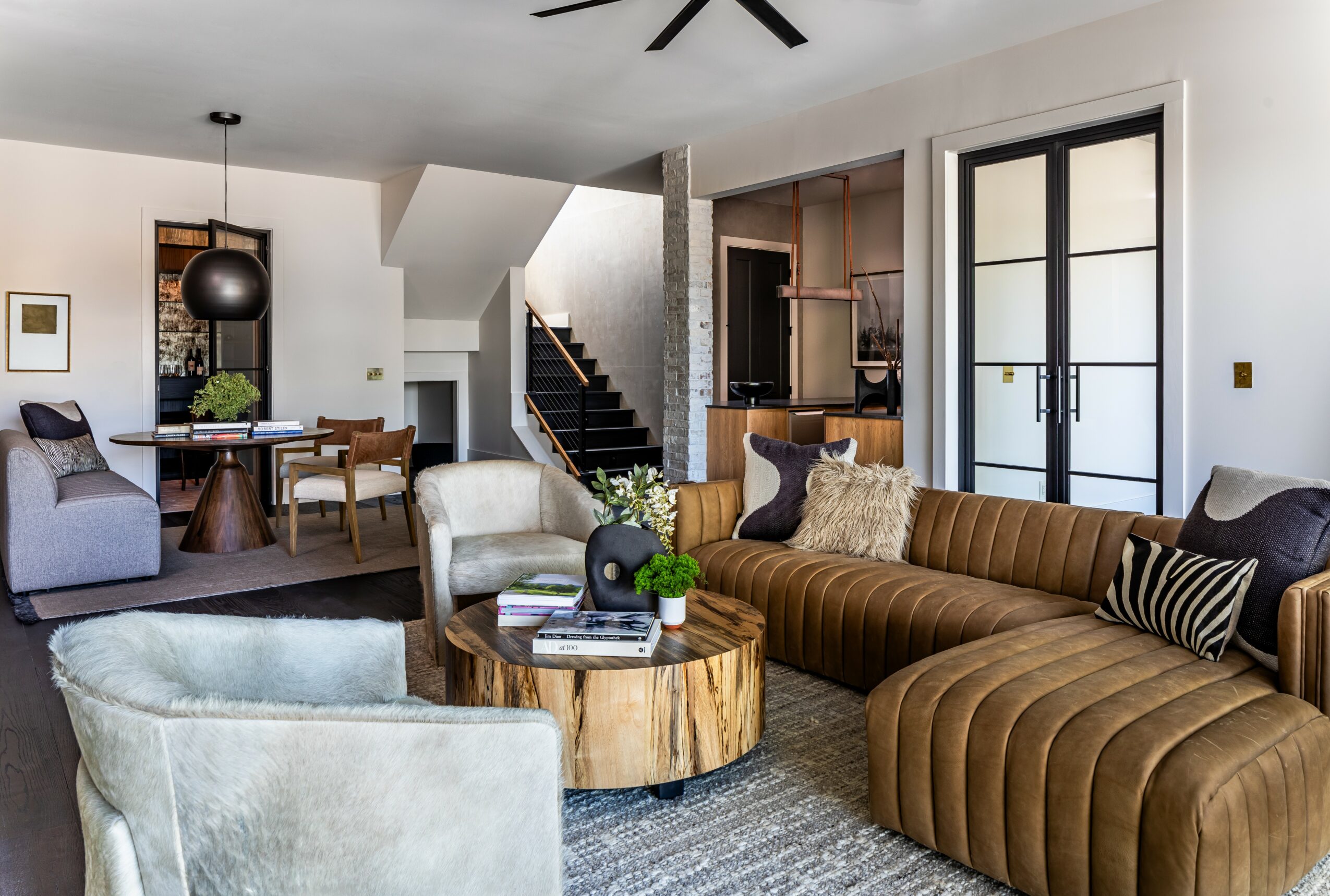
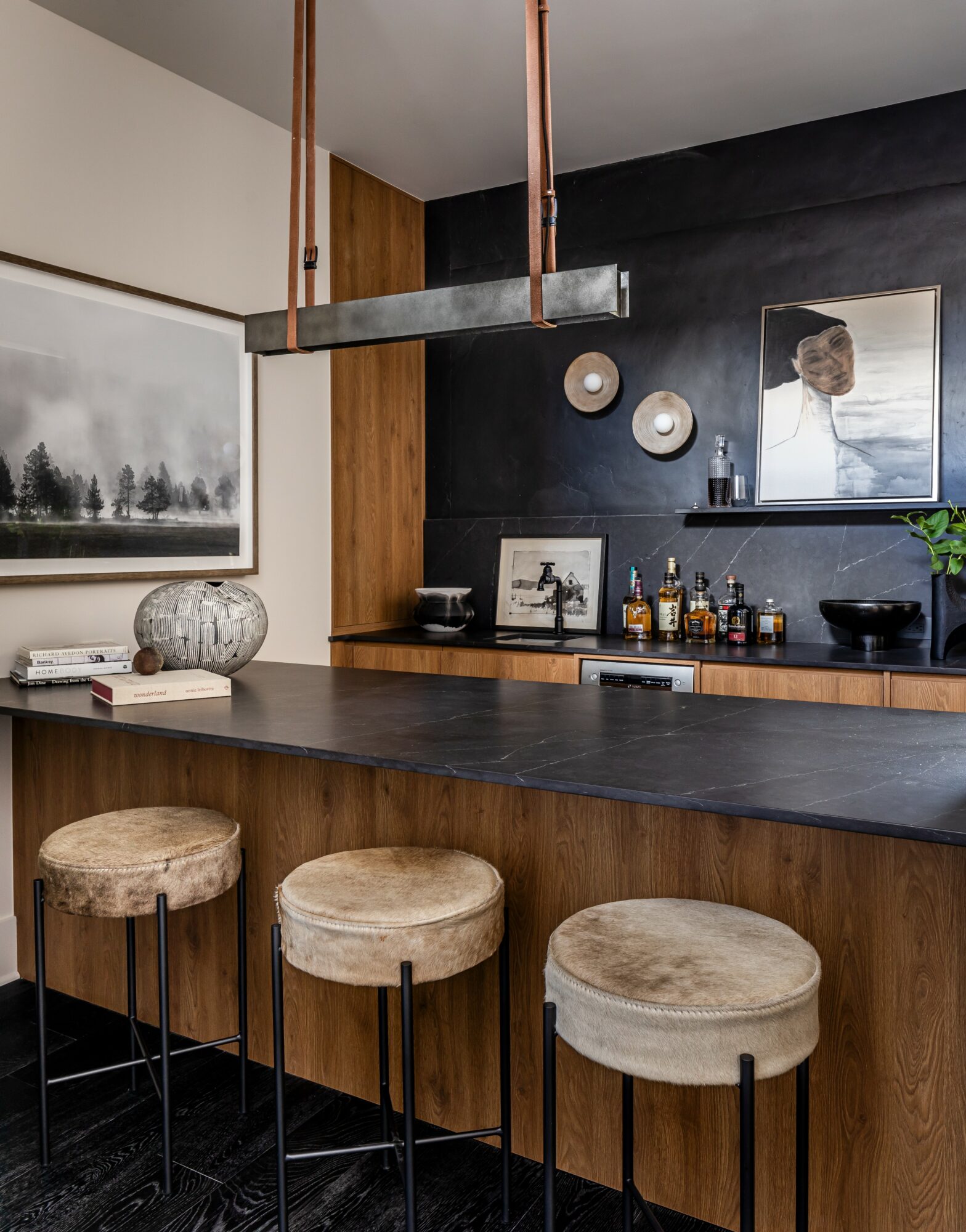
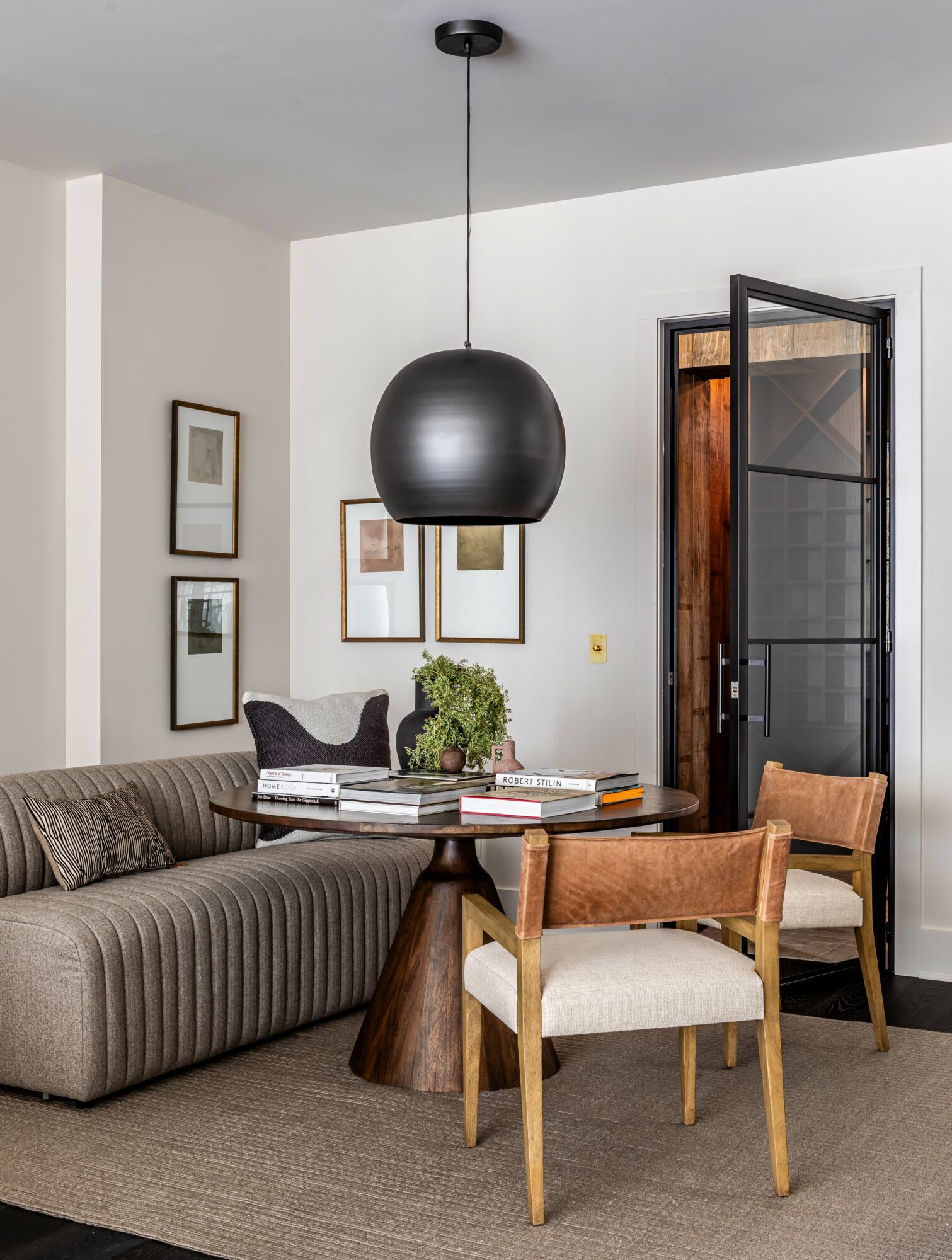
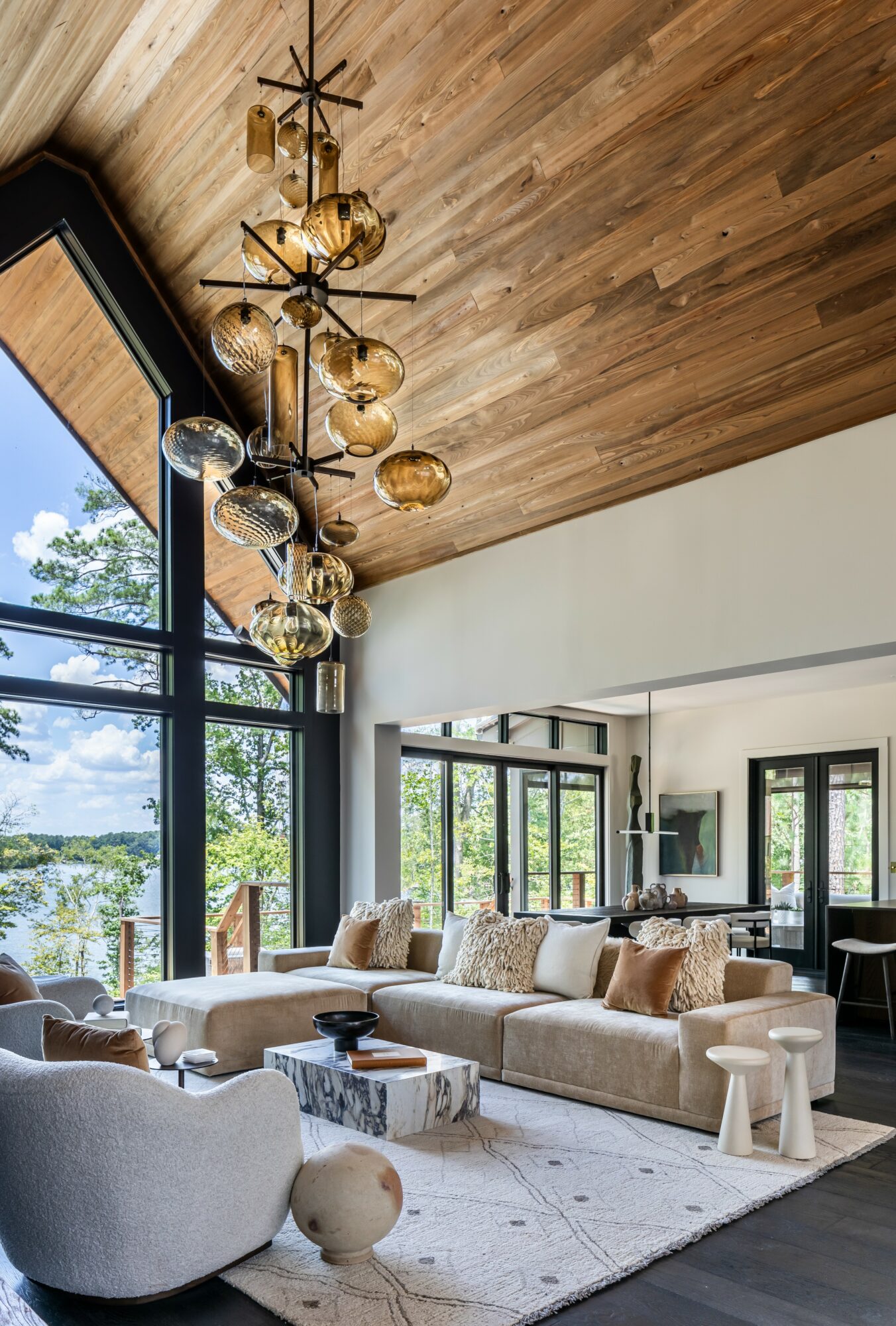
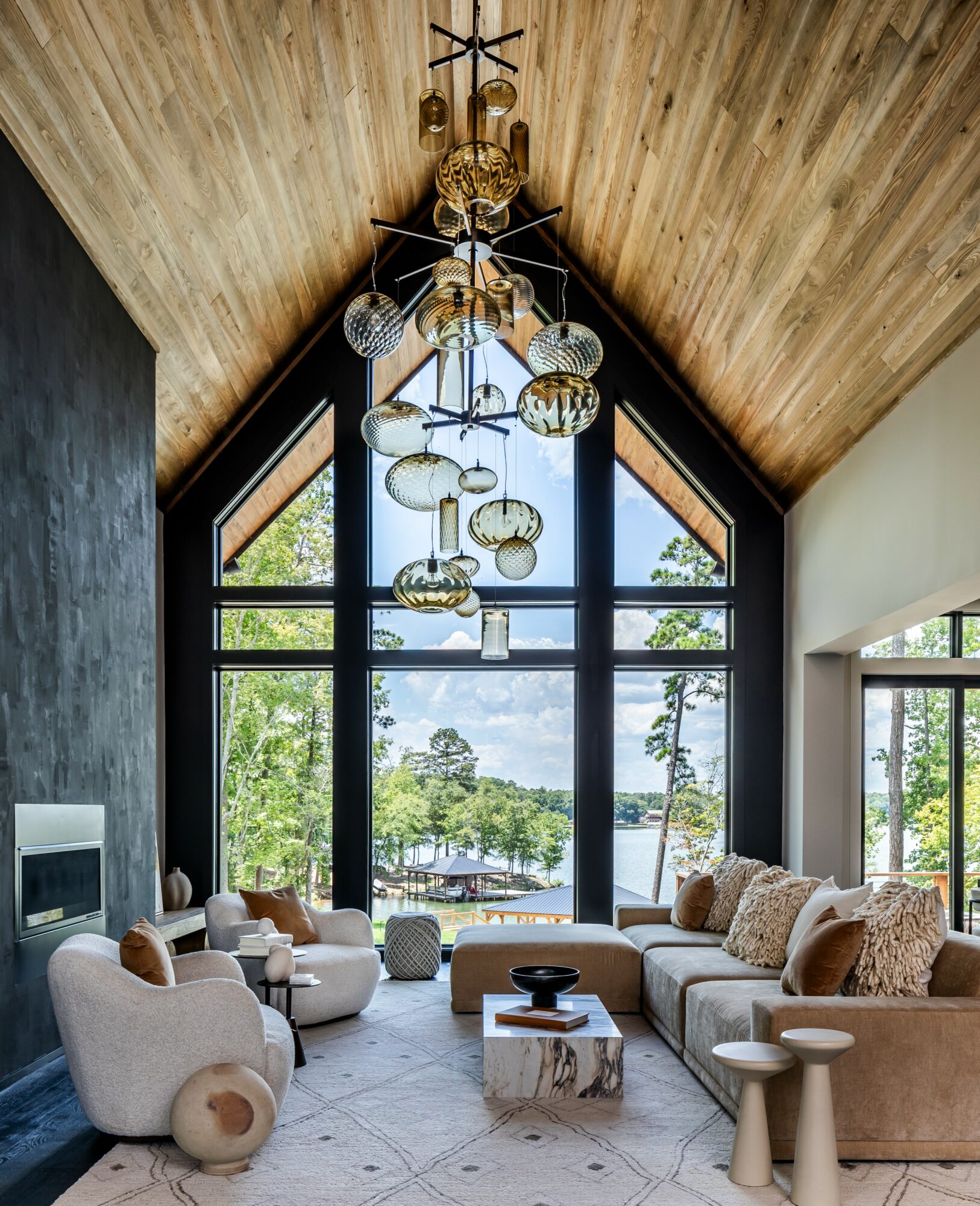
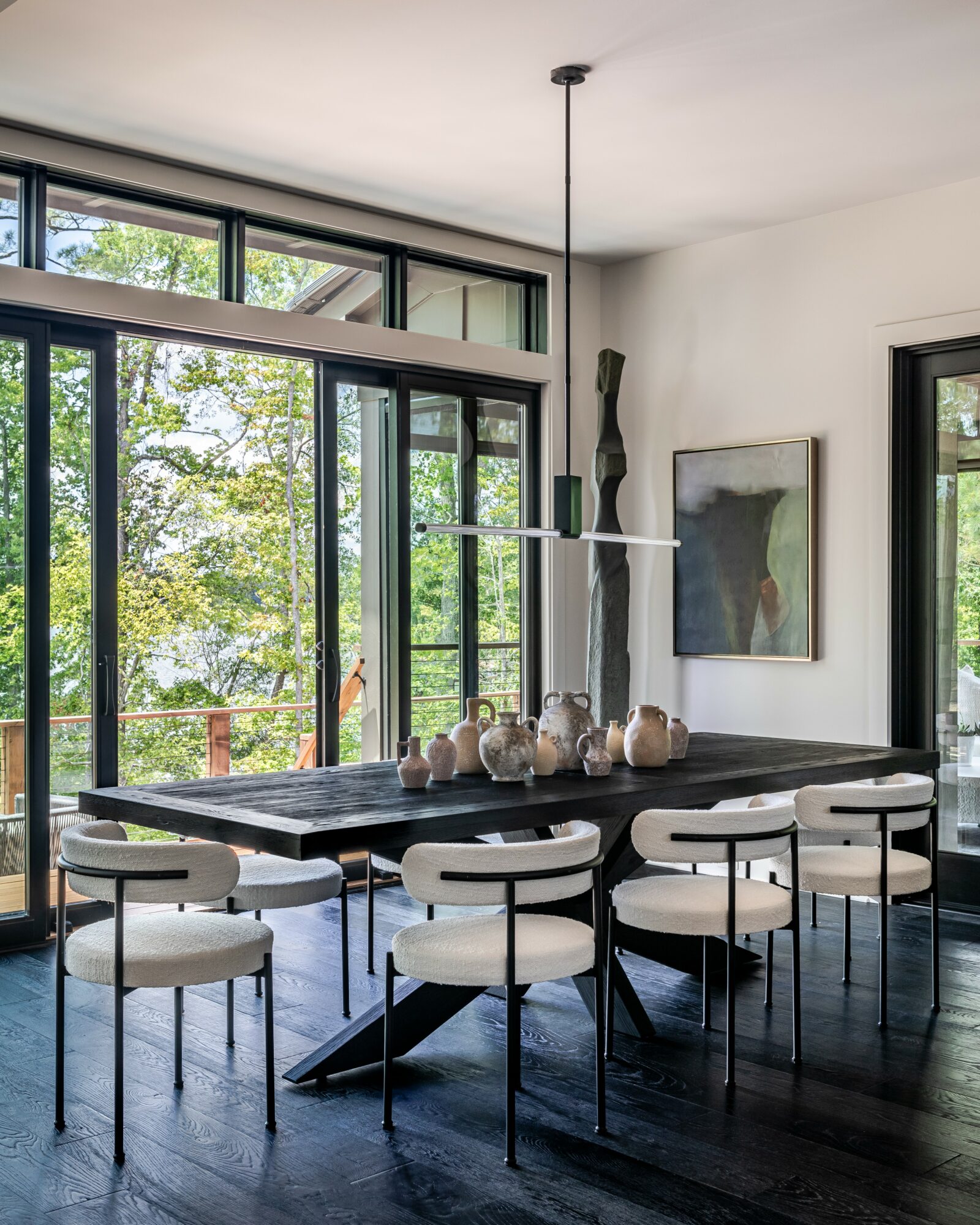
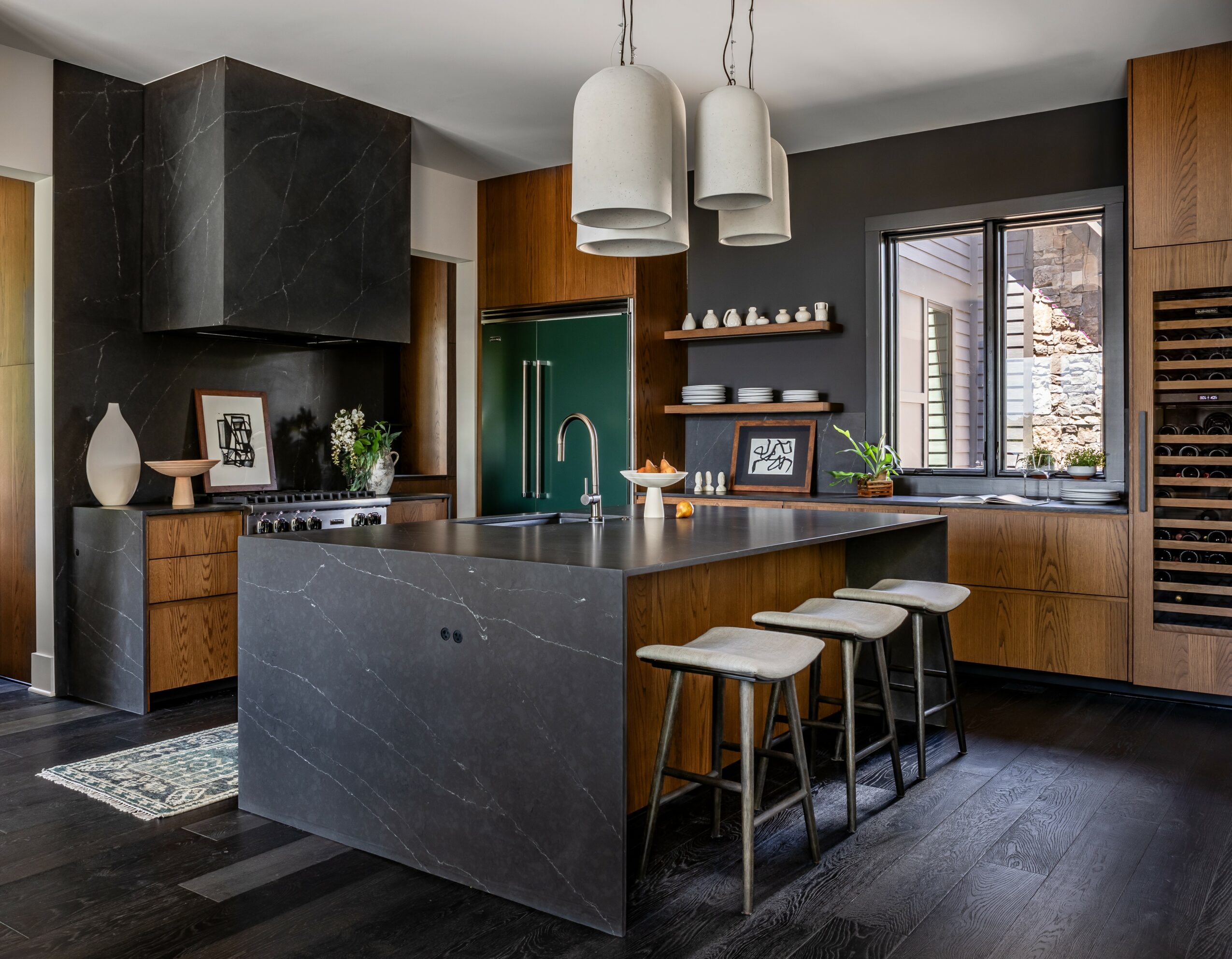
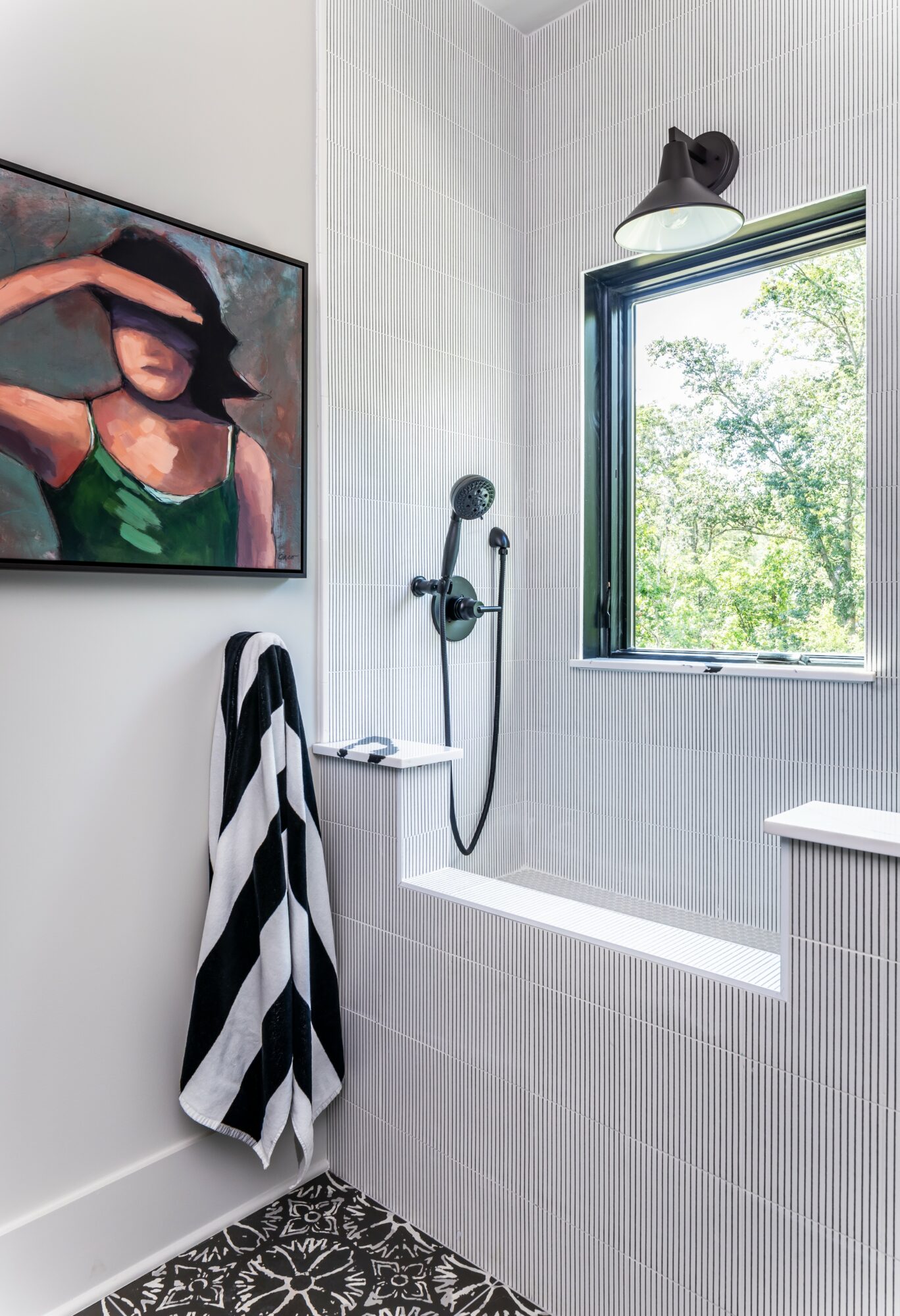
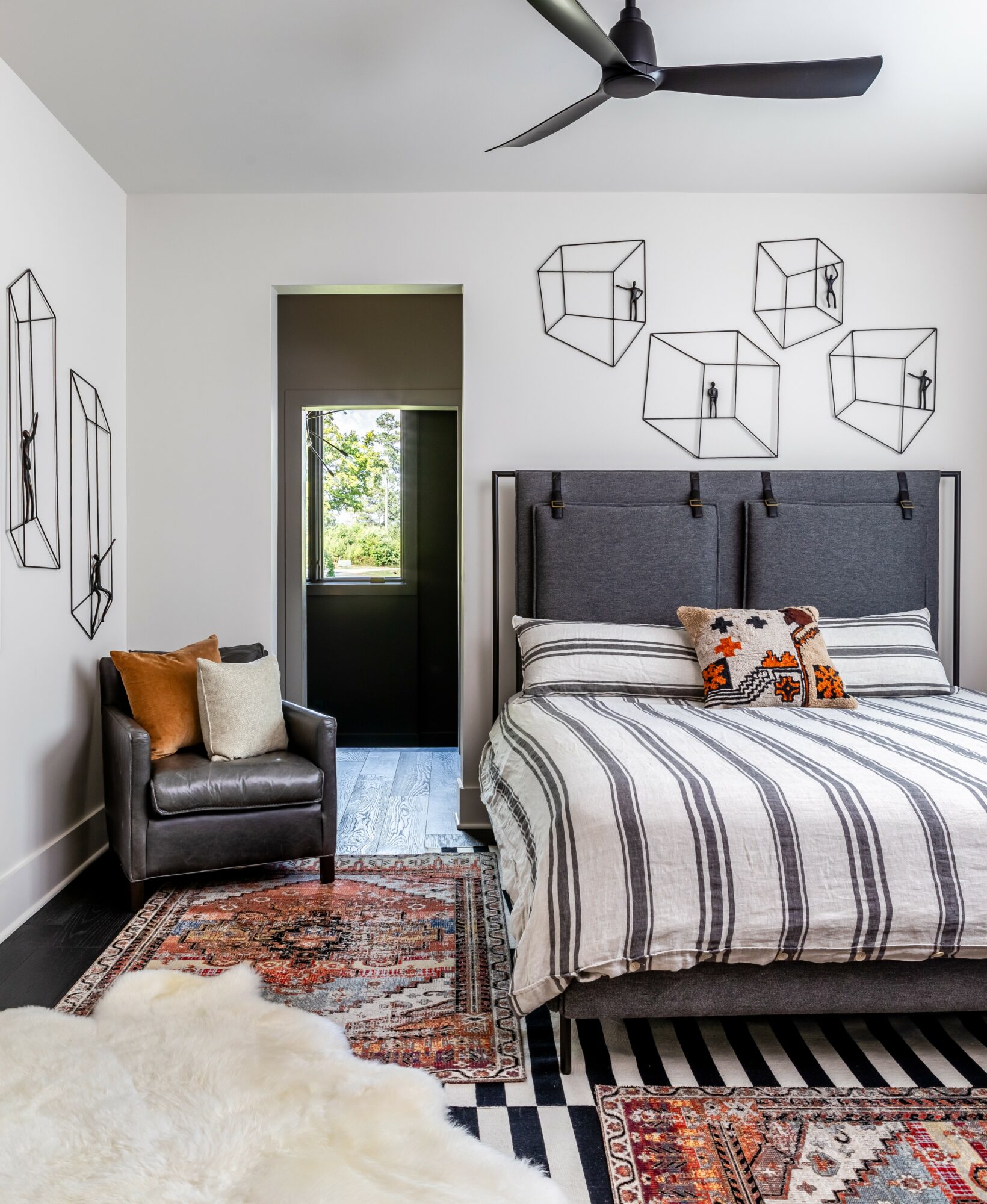
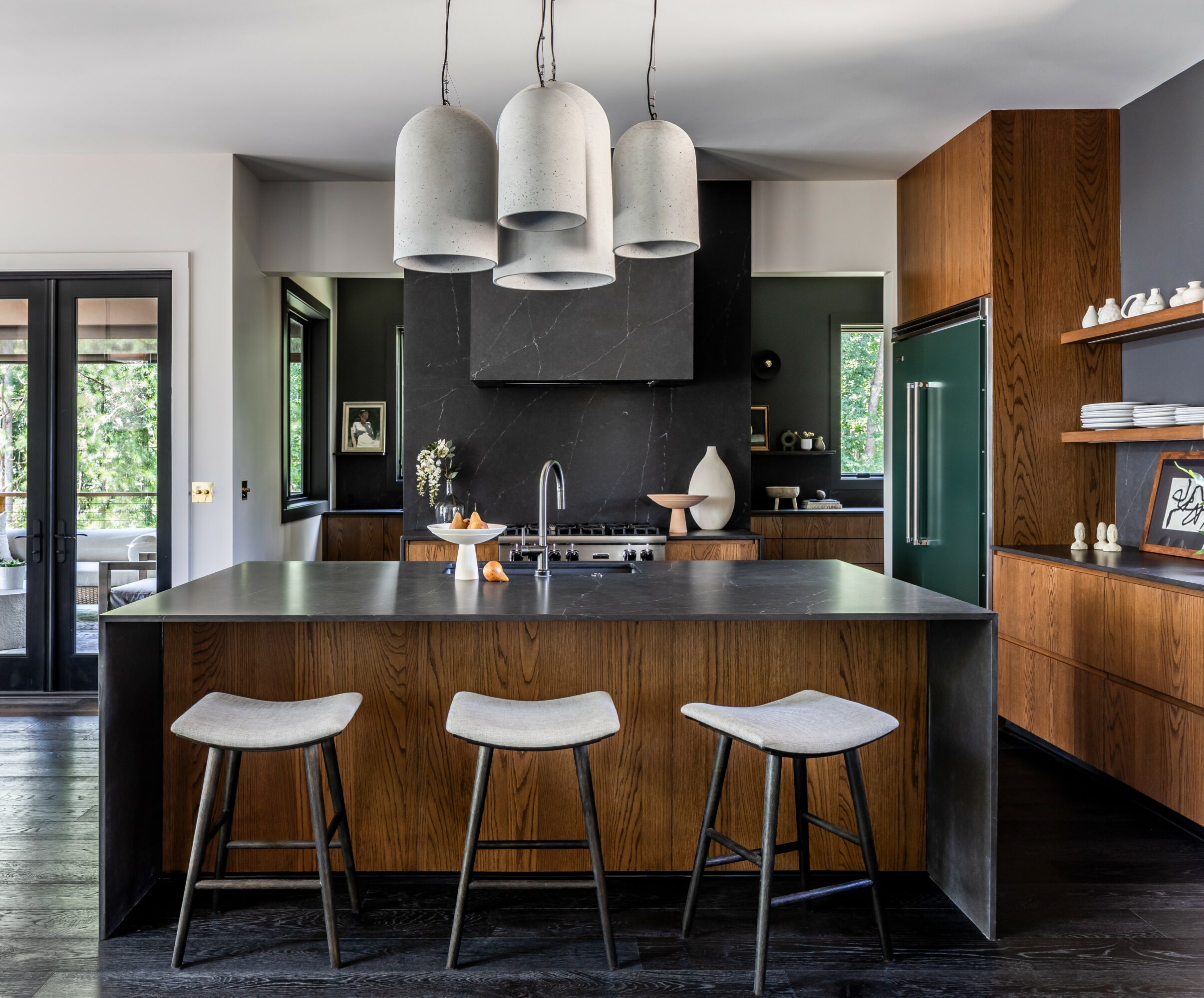
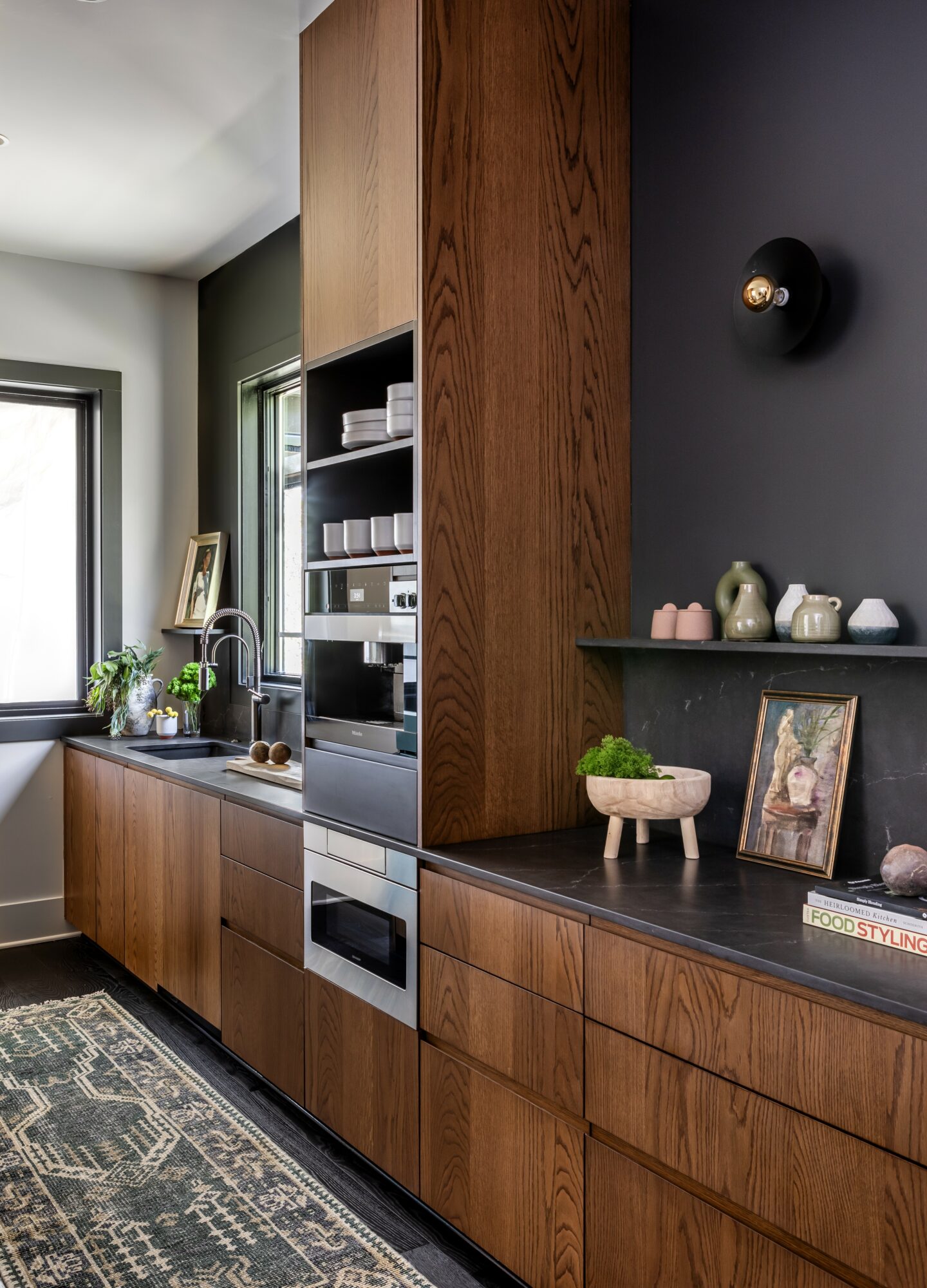
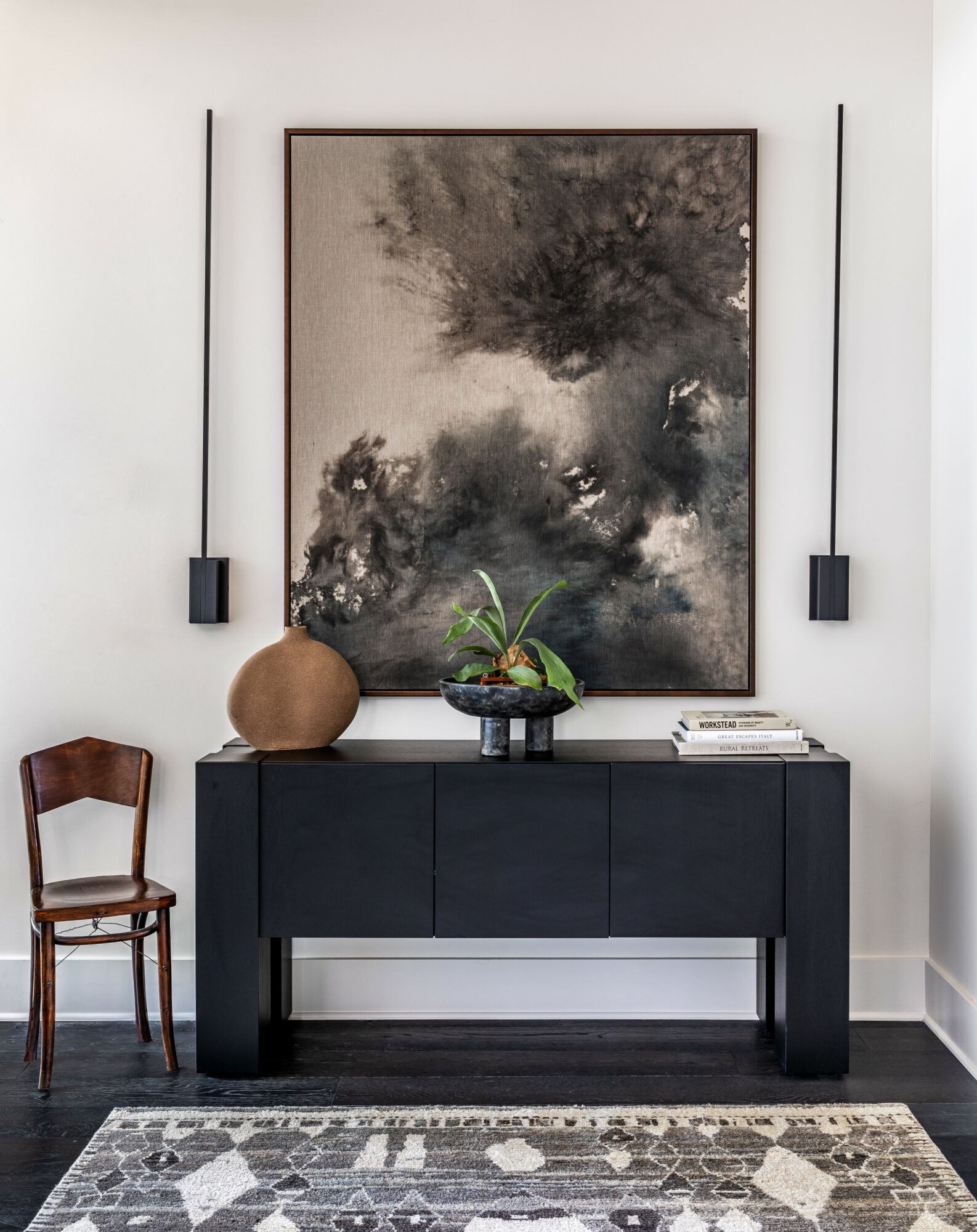
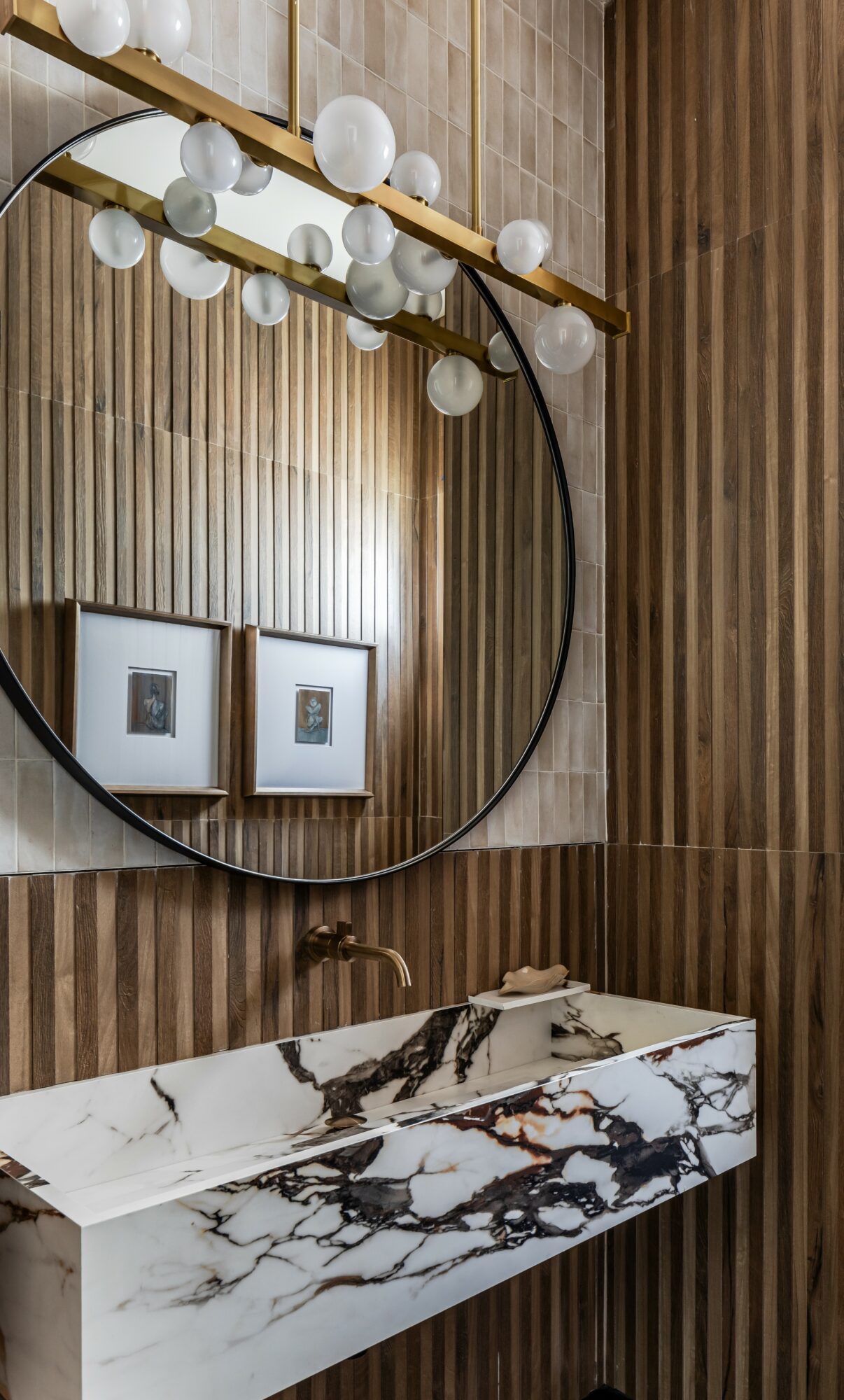
Image Credits
Jeff Herr
jphphoto@comcast.net
Popular
-

Choosing Impact Over Control: Susana’s Intentional Evolution of Fro Butter
-

Where Faith, Code, and Soul Converge
-

Breaking Cycles, Answering the Call Forward
-

Leadership Rooted in Dignity and Continuity
-

Healing as Leadership: How LaCora Monet Is Redefining Sustainable Success
-

Returning to Herself: How Thalorah Is Building Veloria™ as a Sanctuary for Feminine Sovereignty