




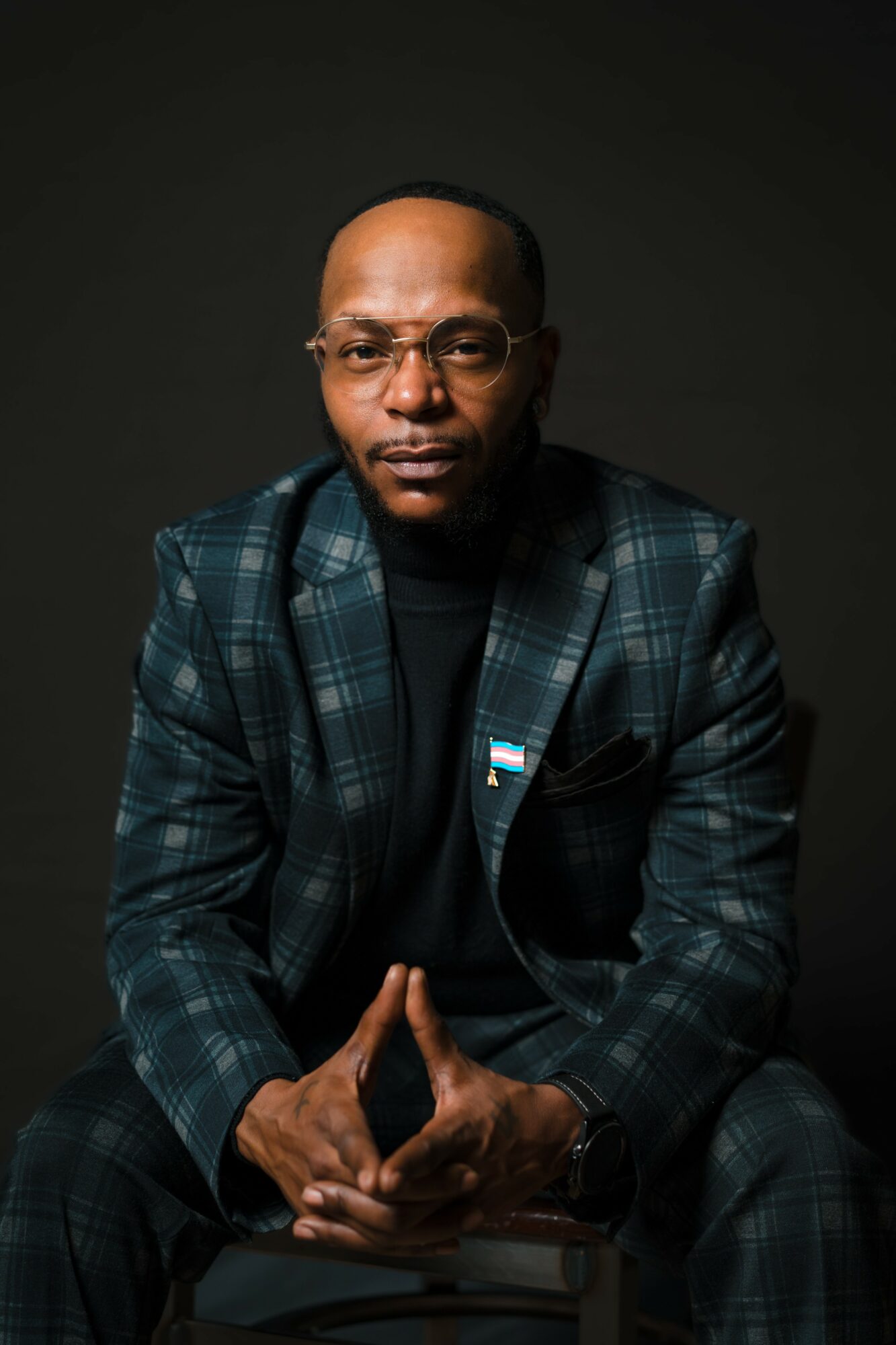
Today we’d like to introduce you to Sybastian Smith.
Sybastian, we appreciate you taking the time to share your story with us today. Where does your story begin?
Some people believe that being transgender is a new concept or way of existing. It should be no shock here, but frankly it is not new. Trans people have always existed! Most of that type of thinking comes from the sensationalism that happens in the media about who trans people are, a general lack of accurate knowledge about trans lives and of course the many attacks we are seeing from a government that is supposed to protect us ALL.
I begin MY STORY this way, because as an almost 45-year young human, my life has been riddled with transitions (you know..the kind that all people experience) and one of those transitions just happened to impact my gender expression.
I am from the capital city of Jackson, Mississippi, the home of the JSU Tigers and Thee Sonic Boom of the South. One of the most respected HBCUs in the deep south for not only academic success but also stellar athletic programs and a well-known college band. During my childhood years, I moved between Jackson and a small-town north of the capital city, Canton, MS. The vast majority of my life I lived with and was raised by my grandparents in this small town that is best known for being the place where the movie “A Time to Kill” was filmed. It is important to highlight exactly where I am from and grew up to acknowledge geography played a major role in how I have had to navigate life, as well as its impact on my lived experiences.
Parts of my story are no different than many of the stories of other trans people who share the same or similar lived experiences as mine. Especially those of us who are Black or POC and are from or live in the Southern part of the U.S. There are always racial dynamics that are in the background continuing to play on.
My social transition started long before I researched or sought out any medical interventions. As someone assigned female at birth (AFAB), most of my adolescence and teenage life was consumed with thoughts and expressions that were not traditionally congruent with what was on my birth certificate. So, just like most folks with similar feelings during that time (early to late 9o’s), I suppressed it. Suppression never really works though, right? Becoming a high school and collegiate multi-sport athletic standout, NJROTC Drill Team Captain (of the male team ironically) and then on to joining the military at a point in my life, actually helped with suppression though. These were all places that my masculinity was celebrated, I never had to explain it. Also, my military career began and ended during the “don’t ask, don’t tell” era. So, flying below the radar, sometimes, was physically much easier than the mental anguish I was enduring.
I had always been a masculine presenting kid and in my later teenage years came out as lesbian. At the time this is all the language I had that fit close enough to how I internally felt about myself. However, at some point, even the lesbian label never felt quite right, nor did it quiet the voice inside of me that still was not completely sure of who I was or how to describe how I felt. I also never really connected my sexual identity to my gender identity. The two are indeed separate and always have been for me. I was very confident in my attraction to others, but not as confident in my gender presentation at the time. So, as I dove headfirst into an openly queer identity and lifestyle, I joined a “rainbow family”, became a Drag King, performed (still to this day) all across the country and also won a few pageant titles and ballroom trophies along the way. The family, shows, balls and pageants were all outlets and places where I could fully, safely and freely express and be myself! These were also places where I began to learn more language that accurately told the story of who I was. Through meeting other trans and gender diverse humans, doing my own research and including therapy in my journey, I gained the confidence to walk in my own truth and shortly after moving to Atlanta I came out as trans.
I began my medical transition in 2009 and at that time the resources were still very few and far-in-between, especially if you were already marginalized in some way. After moving to Atlanta, also in 2009, I was so fortunate enough to be working as a MA at the clinic that provided gender affirming care to me and for many others like me. Being a Medical Assistant by trade, this position allowed me to have many conversations with trans men about their needs and experiences (across many cultures and racial demographics), as well as be a guide to help them navigate through medical decisions regarding their gender transition, reproductive and primary care.
Hearing their stories, comparing and contrasting them with my own, I felt there were still several gaps in health care, social and economic needs that had to be filled or at the very least talked about. Eventually, I began to have dual roles at this clinic. Not only did I manage the ambulatory medical suite, GYN clinic and staff, but I also became the Trans Health Initiative Coordinator. So, the very program that provided the gender affirming care I needed, I began to coordinate the same affirming care for others.
Realizing there were still many gaps that existed for trans people that were both unique and overlapping for this population, I again jumped headfirst into something, but this time it was advocacy for marginalized people. I started and continue to teach and speak to others about the overlap in issues concerning health and social justice issues/needs for vulnerable communities.
As my personal lived experiences also informs the work I do, while having the ability to speak to broad issues and solutions regarding marginalized people, I have also focused a lot on addressing things that specifically impact Black folks who are marginalized in any way. So, this includes trans women/femmes, trans men/masc, AFAB and AMAB nonbinary, intersex people, cisgender women, immigrants etc. It is my belief that there is more that connects humans than separates us, therefore cross-movement work and collaboration is at the core of my approach to this work. Therefore, I am on the board of many organizations, I am also a consultant who provides cultural competency trainings, professional development, mentorship and continue to speak publicly on trans topics and intersectional experiences. I also have deep experiences in HIV, reproductive and sexual health advocacy topics.
I continued my work specifically in the direct service side of the medical care for trans people up until 2021. In a time where political attacks on transgender people had increased, particularly attacks towards trans youth, I felt called to do more. So, I began to seek out policy advocacy positions at LGBTQI+ national organizations. I began this search during the height of the COVID pandemic. After several applications and interviews with some amazing organizations across the country I was hired as the National Organizer at the National Center for Transgender Equality (NCTE) in March of 2021.
I am currently working at this organization. Not only did I assist in building a new department, I have had a title change and we have also merged with another trans focused organization since my tenure. I am currently the Director of Organizing and lead our organizational, volunteer and community outreach and engagement activities with the assistance of an amazing staff. The Organizing Department is a new department that was created with the intention to make community outreach and engagement a priority at this national organization. We are now Advocates for Trans Equality (A4TE).
Advocates for Trans Equality fights for the legal and political rights of transgender people in America. Leveraging decades of experience on the frontlines of power, we shift government and society towards a future where we are no less than equal. A4TE was founded in 2024 as the National Center for Transgender Equality (NCTE) and Transgender Legal Defense and Education Fund (TLDEF), two long-time champions for the trans community, merged together as one organization. A4TE builds on their successes to boldly imagine a world where trans people live our lives joyfully and without barriers..
Over the years this work has come with many accolades, awards, appreciations and even a Fulton Co. Proclamation declaring Sept. 7th as Sybastian Smith Day in Atlanta. However, nothing means more than me than to be seen by my community and our allies and to also know that I am doing everything I can to help change this world and make it a safe and more affirming place for all of us!
Can you talk to us a bit about the challenges and lessons you’ve learned along the way. Looking back would you say it’s been easy or smooth in retrospect?
This road has been both smooth and rocky all at the same time! As mentioned in my story, the attack on trans people has been so present over the last few years. There have been years where we have had more affirming and helpful administrations that made some major changes on the federal level for trans and nonbinary people. This current attack has come with some major struggles and continues to put my community in harm’s way. The smooth parts of this road have been seeing the community still try to thrive in an environment that is not set up for our success. There are still some battles to be fought, some new and some we have faced before, but what I do know is trans and queer communities come from a fight and we will continue to fight for fair, equal and equitable rights!
Thanks – so what else should our readers know about your work and what you’re currently focused on?
The work I do spans across a few sectors or issue areas for marginalized communities. I am most proud of the work that I do and have done to advocate for the rights and livelihoods of transgender people.
As mentioned, my day job is the Director of Organizing at Advocates for Trans Equality. My role here allows me to not only build awareness so that trans people know what is happening with our rights nationally (state and federal) and also give them tools to fight back against anti-trans legislation, but I also build this same awareness and give the same tools to the general public and our allies.
I also participate in many community-based activities all across the country as well. I have attended, organized, presented workshop sessions/trainings, spoke at many conferences, town halls, convenings, marches and rallies here in the U.S. and internationally. This part of my work is some of what I am proud of. Directly sharing space and being “boots on the ground” with my community is what I really enjoy doing. This part of my approach to movement work is indeed what sets me apart from some others. To advocate effectively for any community, one must first speak the language of that community or at the very least respect and understand that language. I strive to do just that. To also be effective you must be approachable, knowledgeable and know how to listen to the very community you represent and/or are advocating for. No matter where I speak at or community activity I am a part of I ensure I am carrying the voices of trans people and talking about the direct experiences my community is having in a world that tries to erase us.
Where we are in life is often partly because of others. Who/what else deserves credit for how your story turned out?
Trans elders and those that have come before definitely deserve all the credit! Those of us who do advocacy work for trans communities stand on the shoulders of giants! Marsha P. Johnson, Miss Major, Silvia Rivera, Monica Roberts, Kylar Broadus, Louis Mitchell, Juan Evans, Jonathan Thunderword, Marcus Arana and many more like them. These folks are a few who not only started the movement for trans rights, but for queer rights as well. While some of the amazing folks listed above are no longer with us, those that are and those that we lost are continuing to guide my way as a leader in this movement. I have learned the lessons they taught and applied them to how I approach advocacy for trans and marginalized people.
Contact Info:
- Website: https://transequality.org/
- Instagram: https://www.instagram.com/transequalitynow/
- Facebook: https://www.facebook.com/TransEqualityNow/
- LinkedIn: https://www.linkedin.com/company/advocates-for-trans-equality/
- Other: https://bsky.app/profile/did:plc:ivb62ux4pkwamrwjjk5l4psj
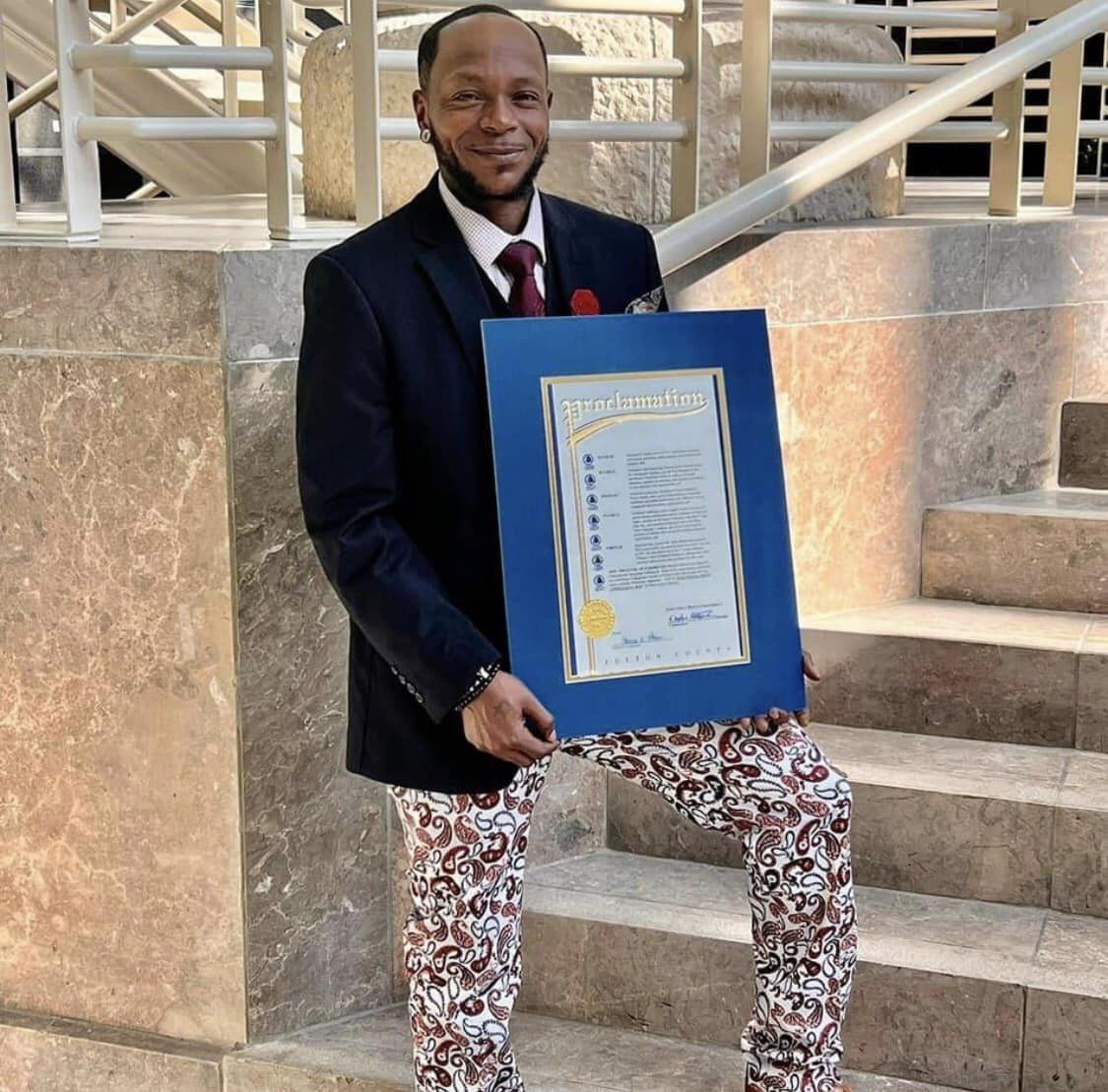
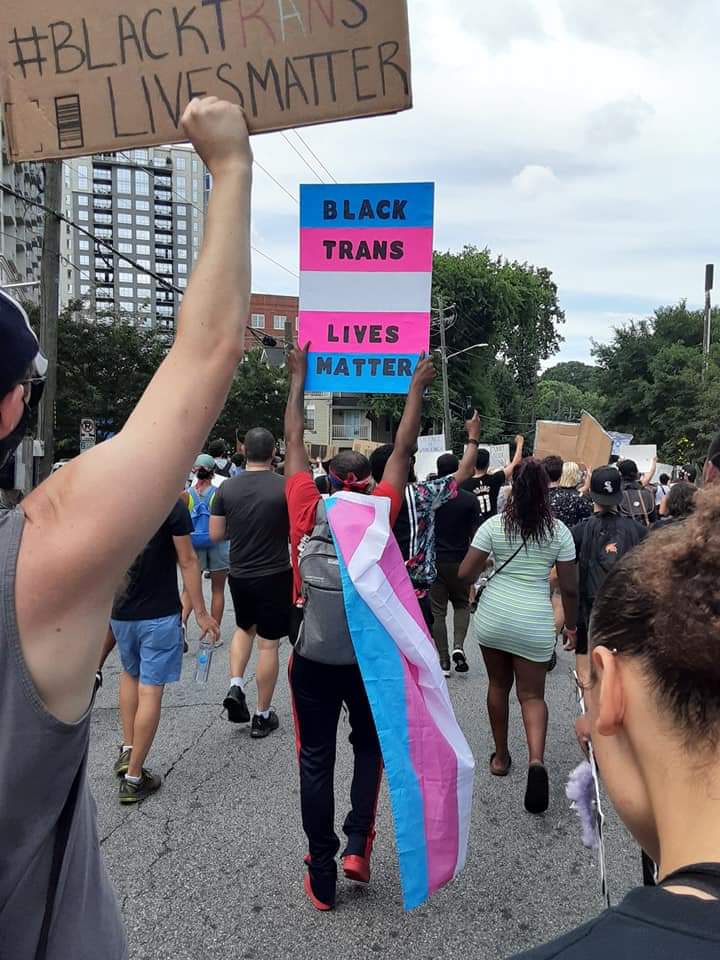
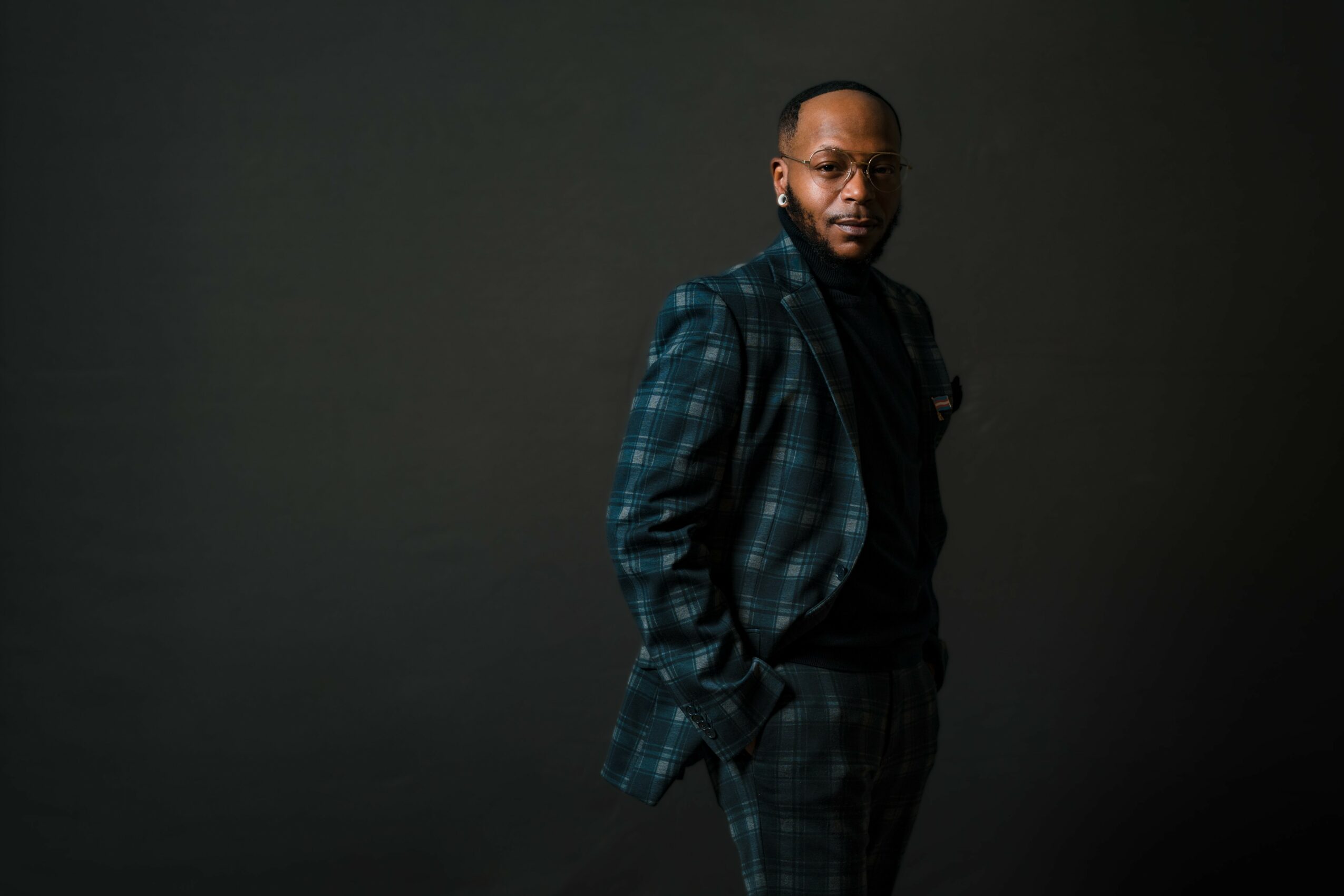
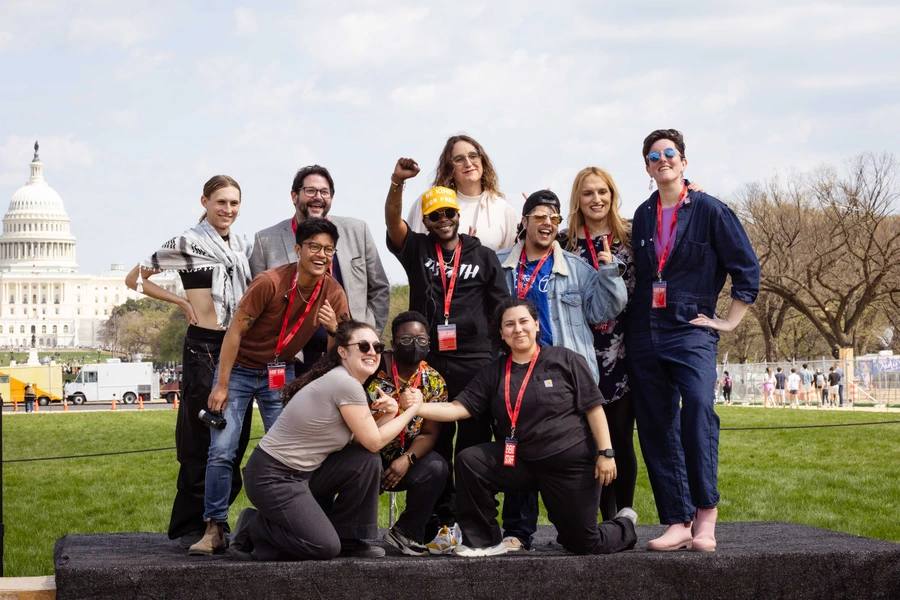
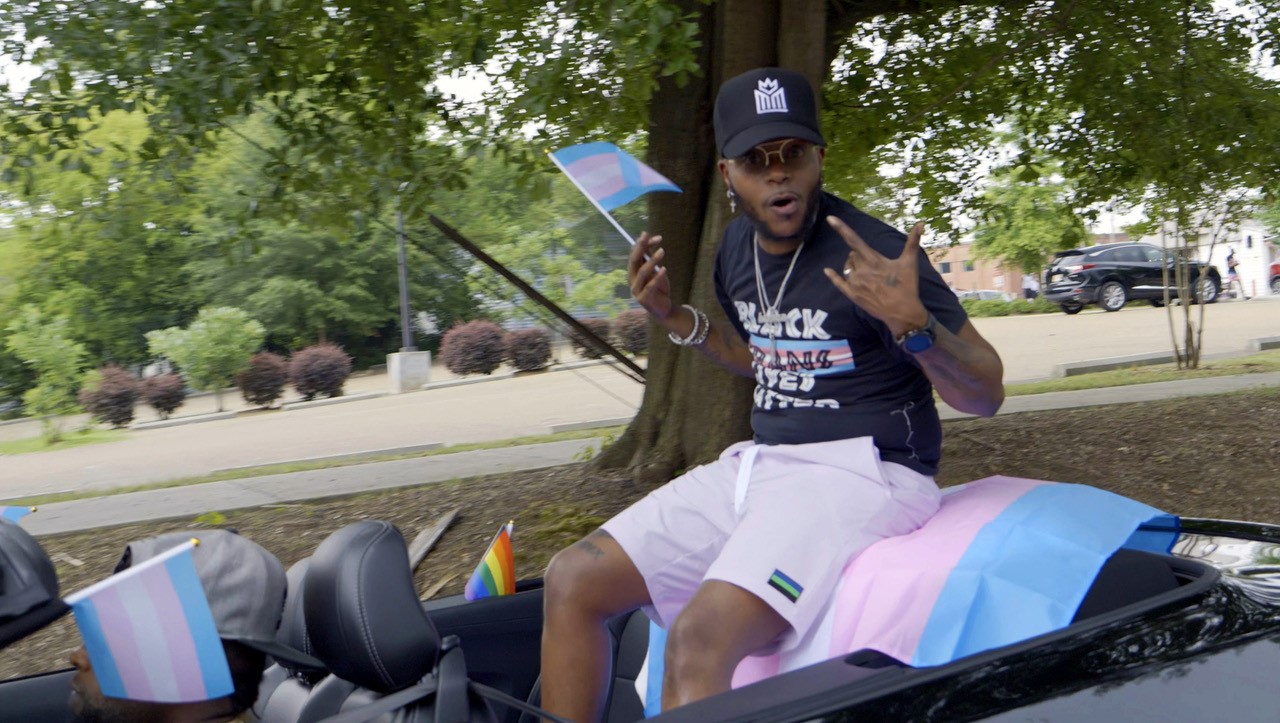
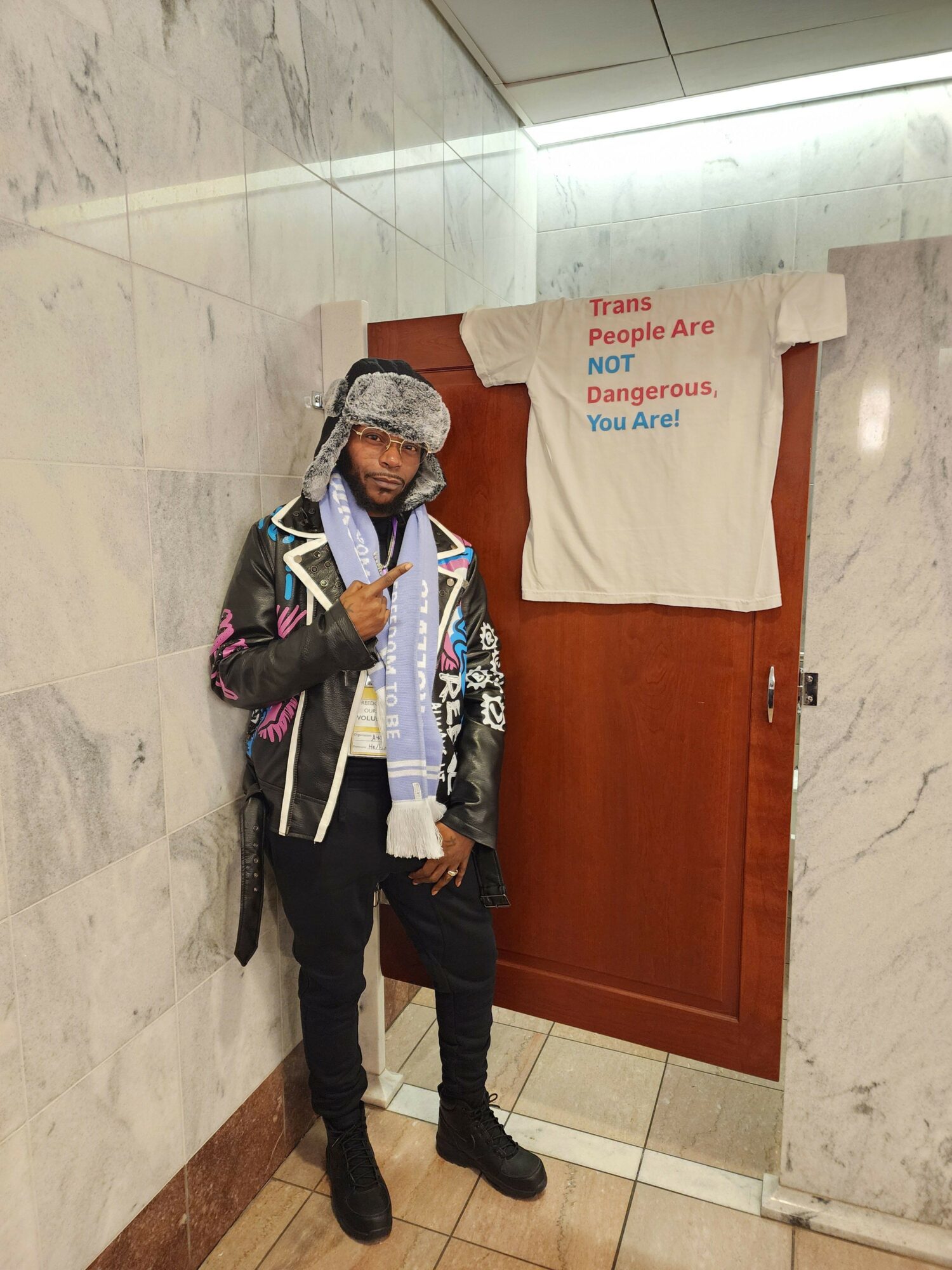
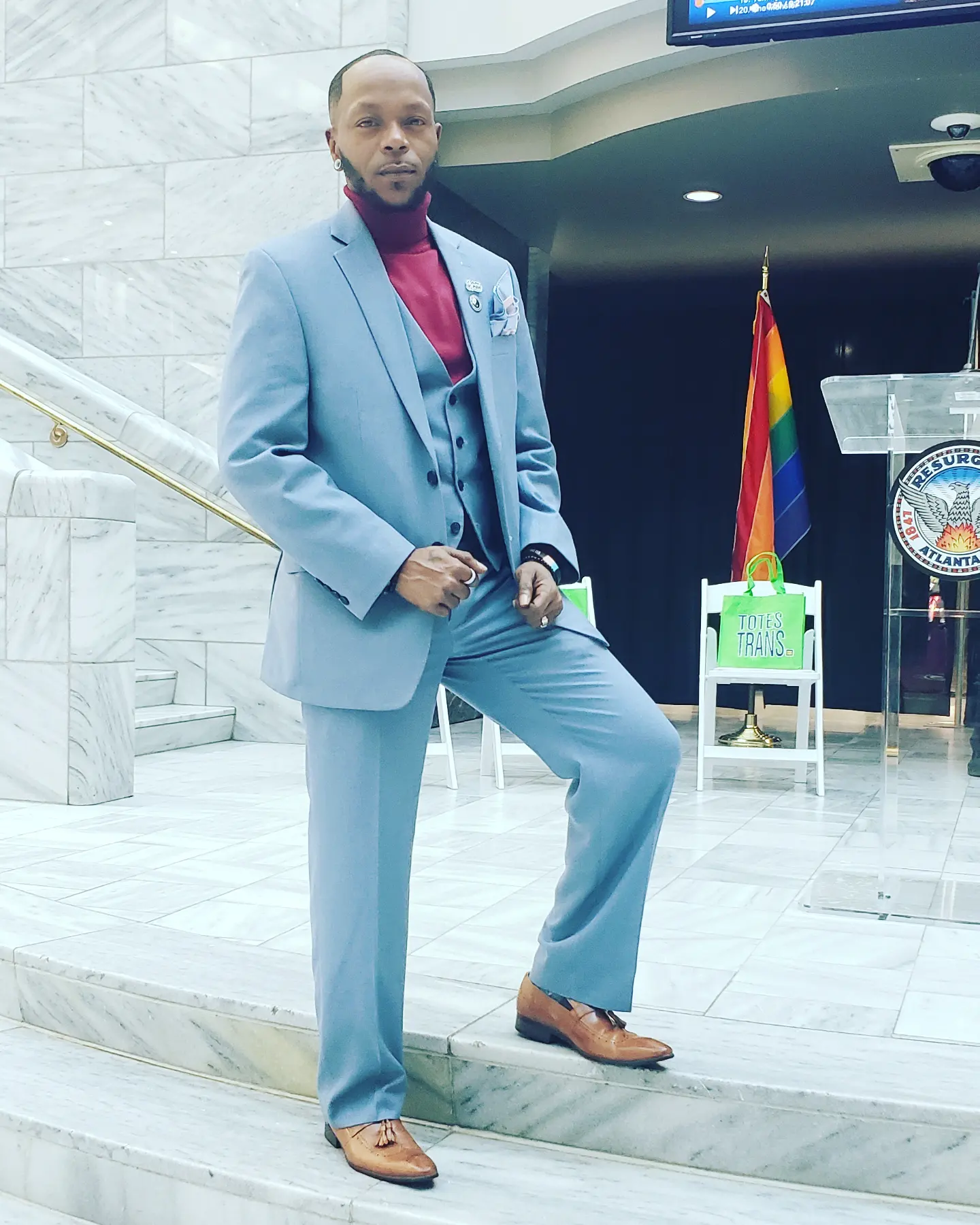
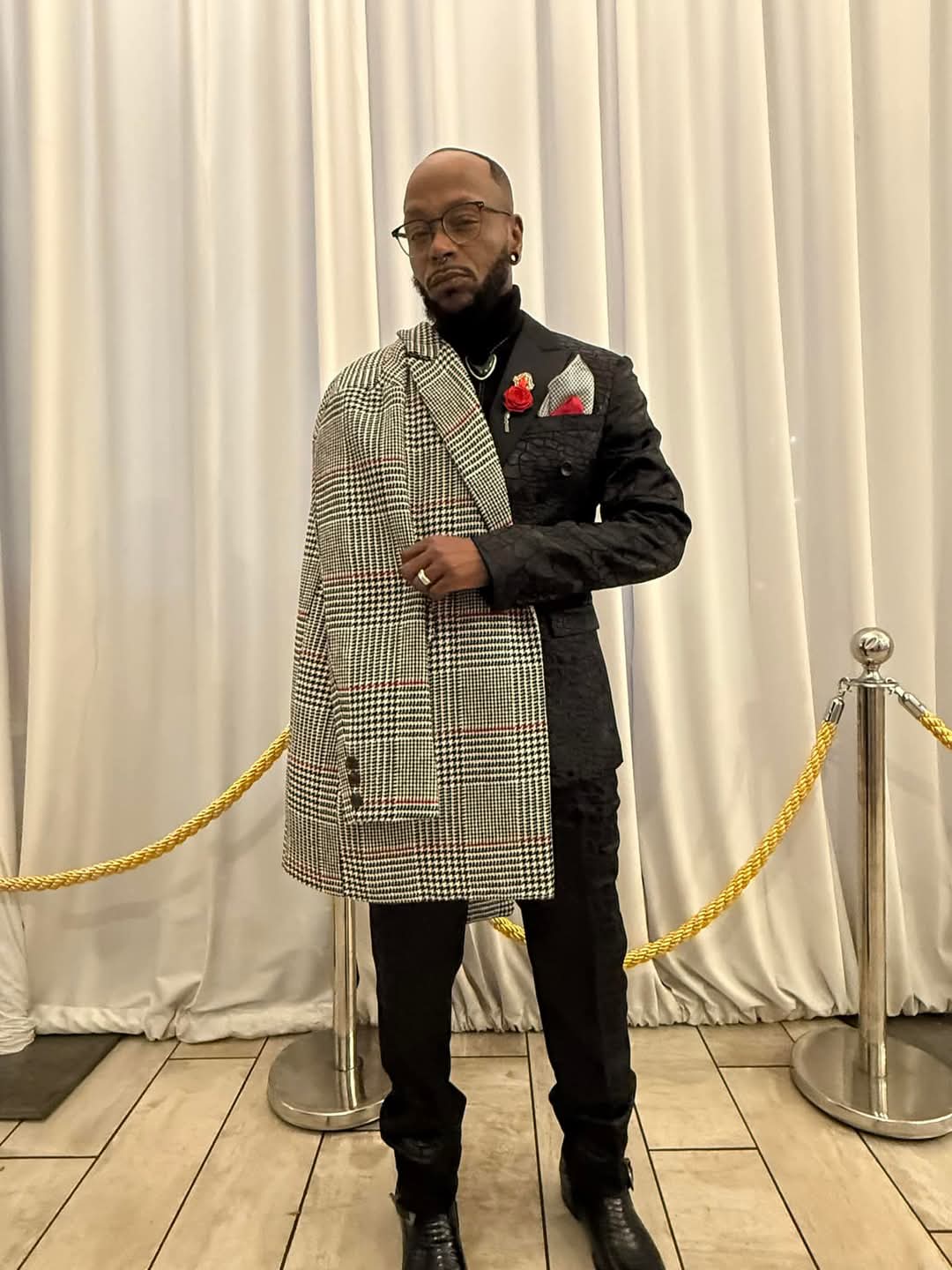
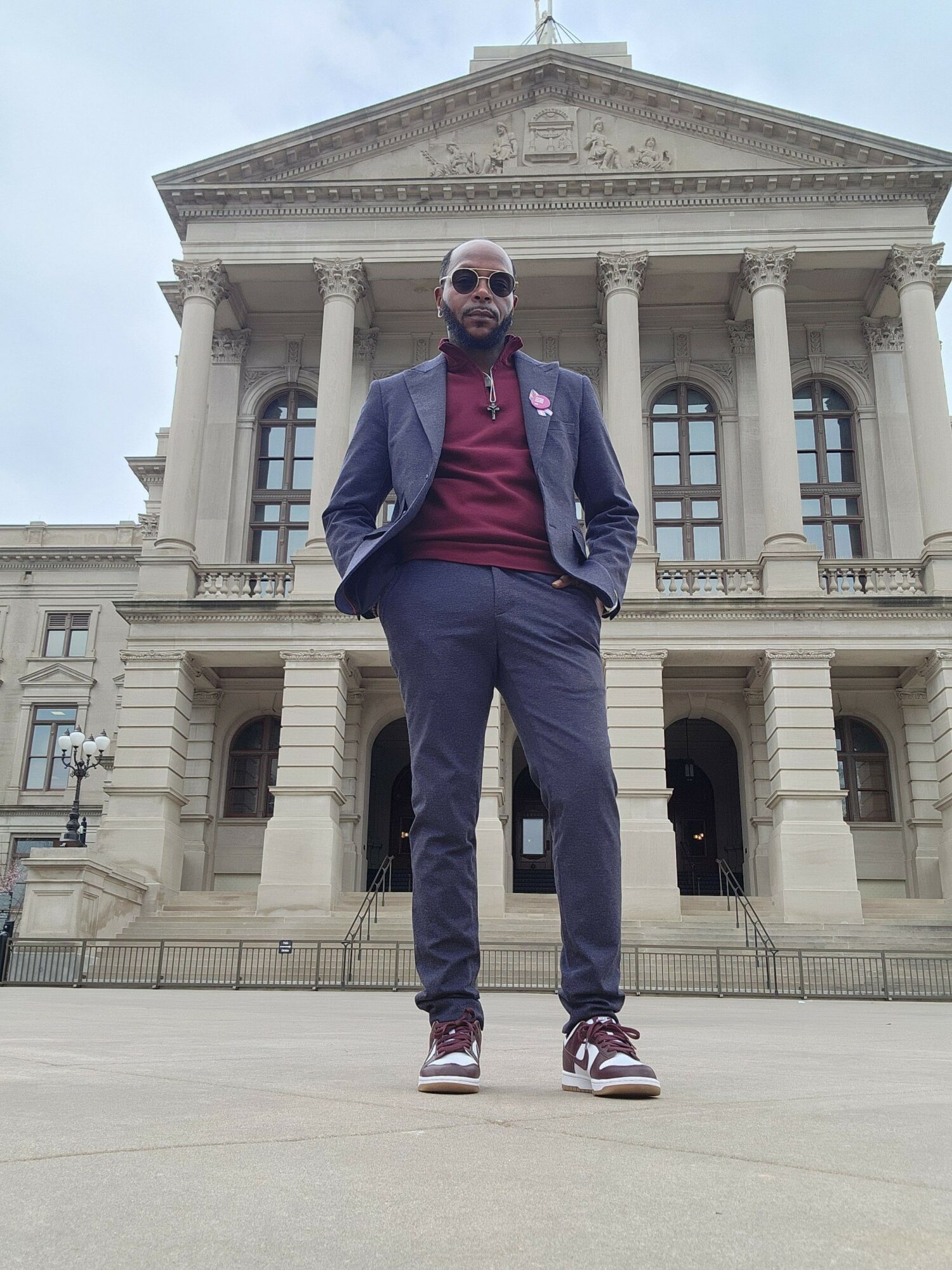
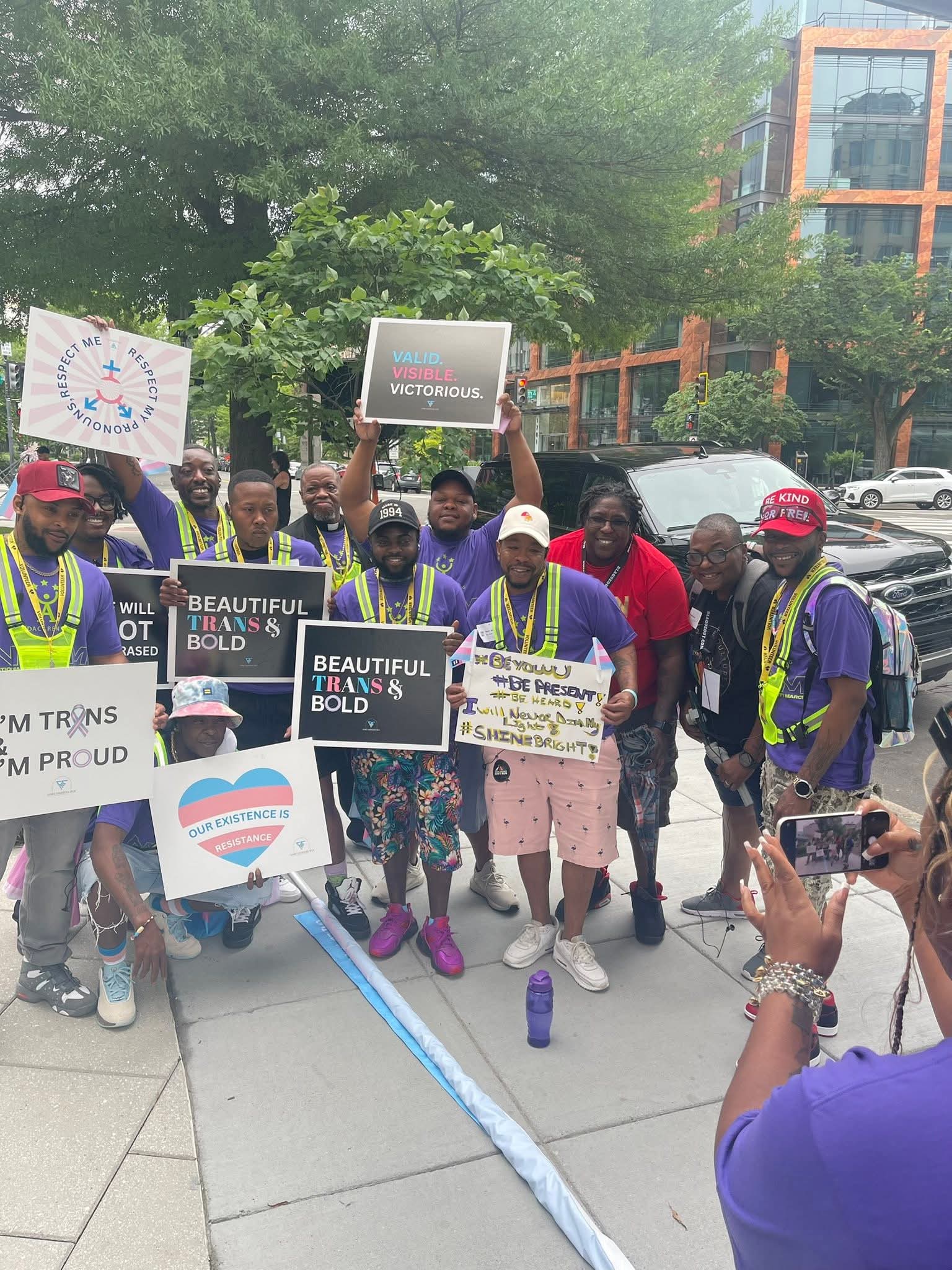
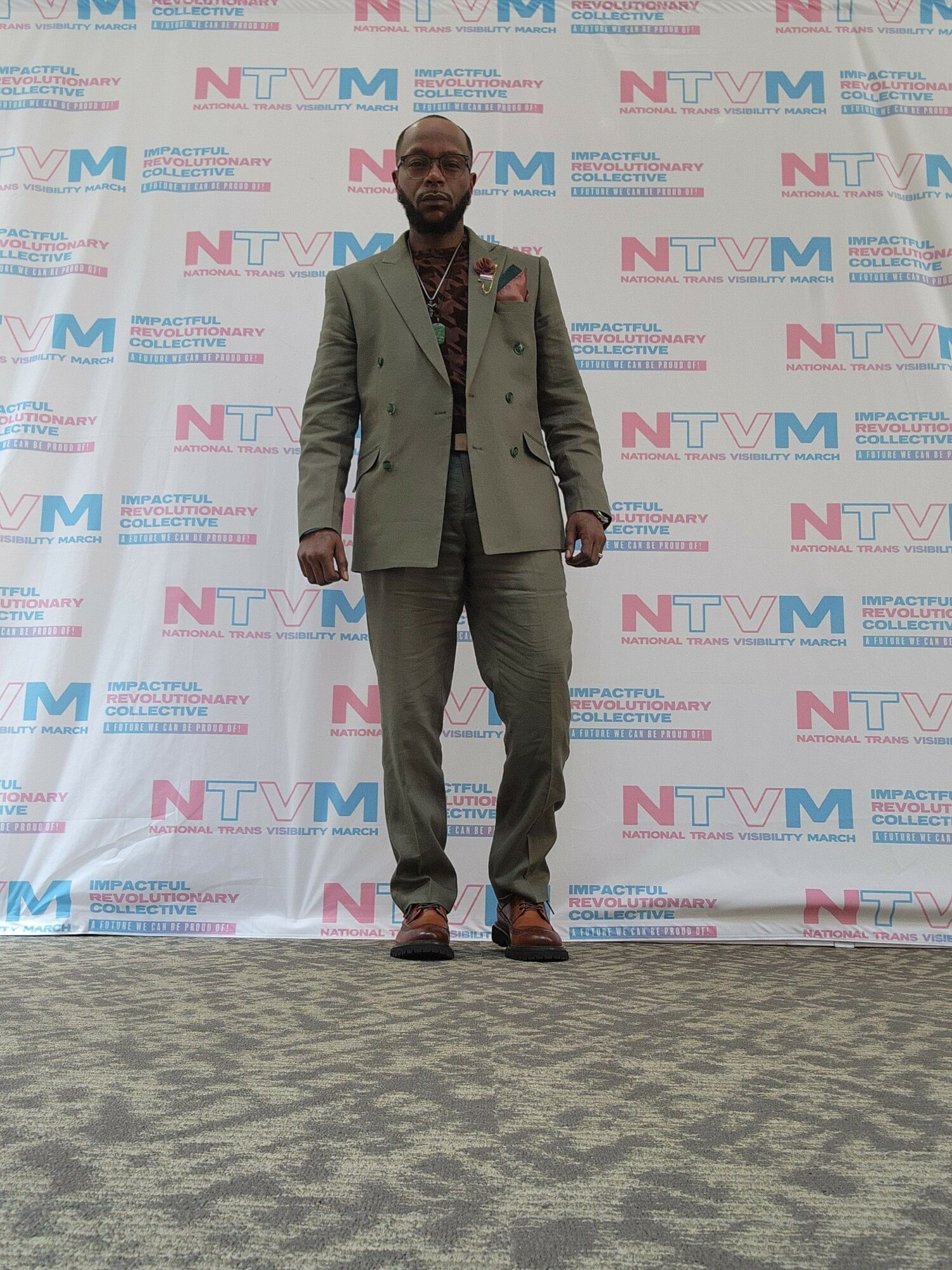
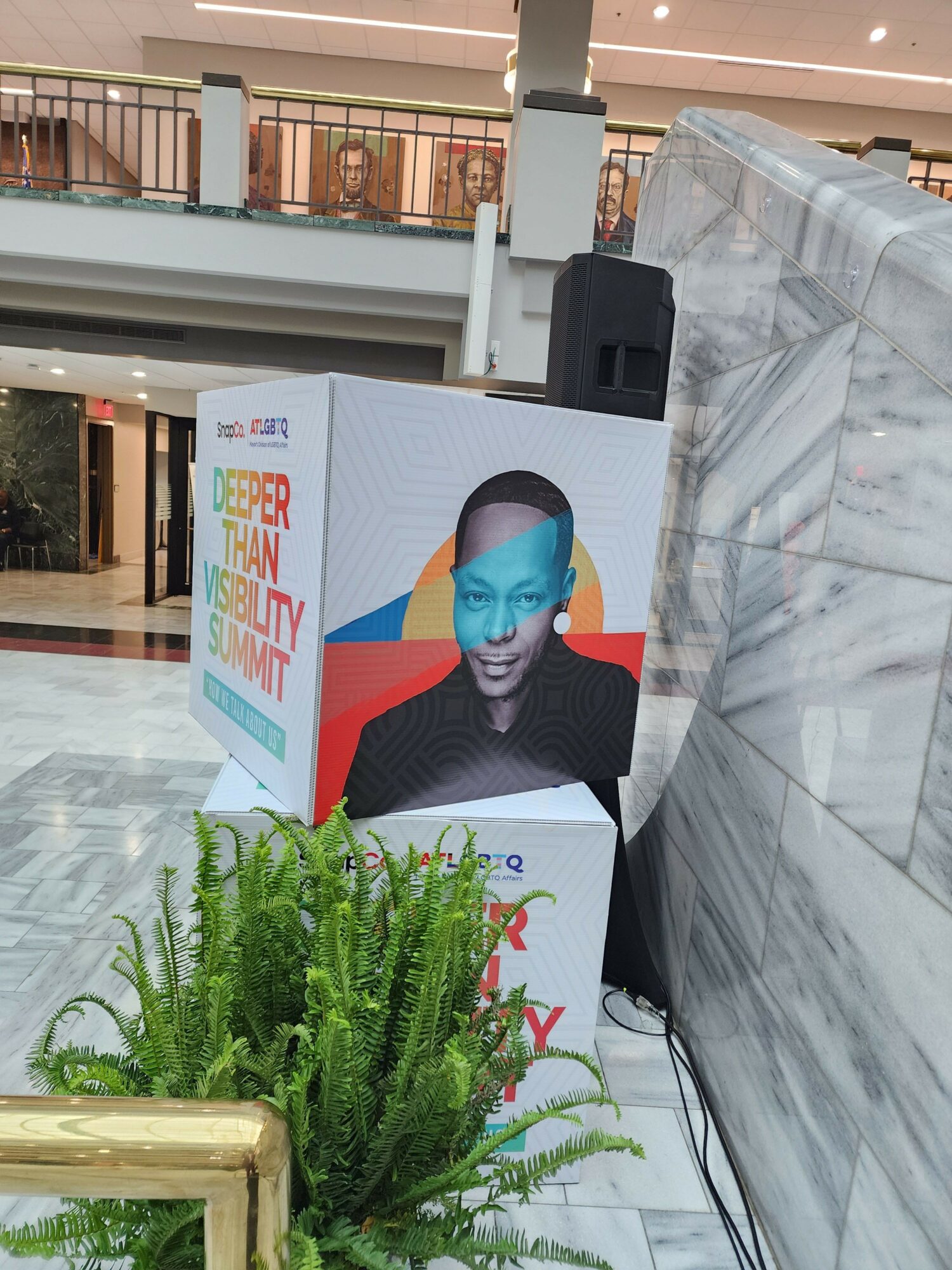
Image Credits
You can find one of the images at the link below and should be credited to Advocates for Trans Equality
https://transequality.org/what-we-do/organizing