






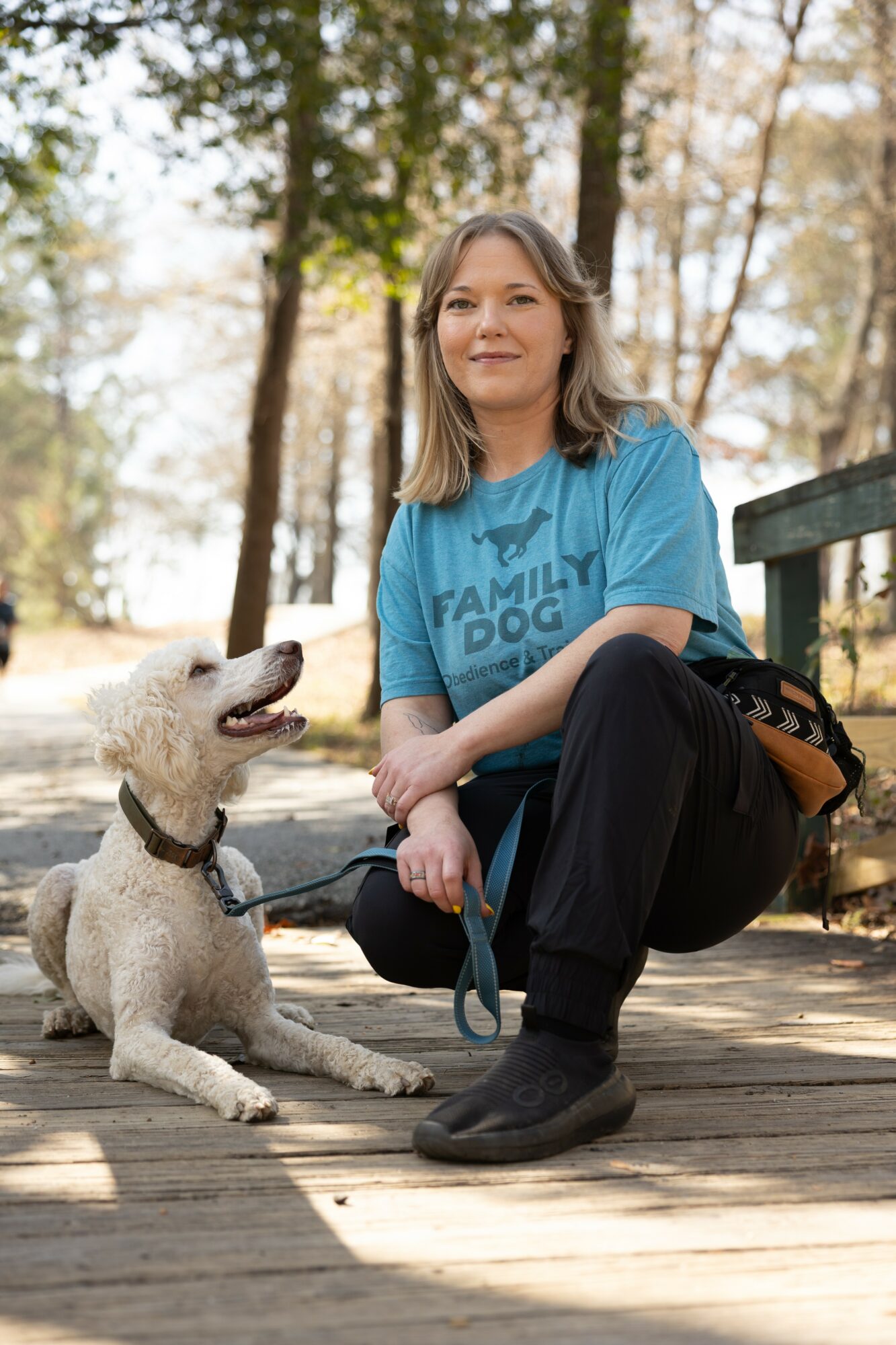
Today we’d like to introduce you to Abby Taylor.
Abby, we appreciate you taking the time to share your story with us today. Where does your story begin?
My story is really one of redemption, purpose, and a lifelong love for dogs. Some of my earliest memories are sitting on the floor at my Bobo and Granny’s house watching the AKC dog show, with his golden retriever Honey laying beside me. I was completely captivated by the dogs and the partnership between them and their handlers.
When I was eight years old, I got my first dog, a beagle named Mercedes. I spent hours playing with her in the yard, and one year my parents gave me a dog training session for my birthday. I still remember the pride I felt the first time I successfully taught Mercedes to sit. Looking back, those moments planted the very first seeds of what would eventually become my career.
Years later, life took a very different turn and I found myself struggling with addiction. During my recovery journey, my dog Charlie became one of the most important anchors in my life. He stood beside me through some of my darkest moments and gave me a sense of responsibility, stability, and unconditional support when I needed it most. I’m proud to say I now have over ten years in recovery, and Charlie played a huge role in helping me get there.
Through him, my childhood love for dogs deepened into something much more meaningful. I became fascinated with canine behavior, learning theory, and the incredible bond between humans and dogs. What started as curiosity quickly turned into a calling, and I dedicated myself to studying science-based training methods and gaining as much hands-on experience as possible.
Charlie passed away on September 6, 2023, but the impact he had on my life continues to shape everything I do today. That personal journey ultimately became my profession. Today I specialize in training service dogs and helping families build stronger, healthier relationships with their dogs. Every time I watch a dog gain confidence or see a service dog give someone greater independence, it reminds me why I chose this path. Charlie changed my life, and through my work I hope to help dogs change the lives of others as well.
I’m sure it wasn’t obstacle-free, but would you say the journey has been fairly smooth so far?
It definitely hasn’t been a completely smooth road. Like most small business owners, building something from the ground up came with a lot of uncertainty, long hours, and a steep learning curve. When you start your own business, you quickly realize you’re not just doing the work you love—you’re also learning marketing, accounting, scheduling, and everything else that keeps a business running.
There have also been emotional challenges that come with this profession. Many of the dogs and families who come to me are struggling when they reach out. Sometimes they’re overwhelmed, frustrated, or worried about their dog’s future. Carrying that responsibility can be heavy at times, because I care deeply about both the dogs and the people behind them.
Another difficult part of this work is that progress with dogs isn’t always linear. There are moments where things take longer than expected or where setbacks happen, and I have to stay patient and keep problem-solving. But those challenges are also what make the victories so meaningful.
Over time, those struggles have taught me resilience, adaptability, and the importance of staying committed to the dogs and families I serve. The road hasn’t always been easy, but every challenge has helped shape the trainer and business owner I am today.
As you know, we’re big fans of you and your work. For our readers who might not be as familiar what can you tell them about what you do?
I am a professional dog trainer who specializes in both pet dog training and service dog training. I work with families to help them build clear communication and reliable behavior with their dogs, while also training service dogs to perform specialized tasks that support their handlers in daily life.
I’m known for taking a thoughtful, science-based approach to training and using positive, evidence-based methods that prioritize the dog’s emotional wellbeing while still producing reliable results. My goal is always to help both the dog and the owner truly understand each other.
What I’m most proud of is watching the transformation that happens when a dog and their person begin to communicate clearly. Whether it’s bringing more peace and confidence into a home or helping a service dog provide greater independence to their handler, that moment when everything “clicks” is incredibly meaningful.
What sets my work apart is the level of care and individual attention that goes into every dog I train. Every dog and family is different, so the training is always tailored to their specific needs.
Before we let you go, we’ve got to ask if you have any advice for those who are just starting out?
If I could offer advice to someone just starting out, it would be to stay curious and never stop learning. Dogs are incredible teachers if you’re willing to slow down and truly pay attention. The more you study behavior, learning, and communication, the more you realize how much there is still to discover.
I would also encourage new trainers to give themselves patience and grace. True skill in this field isn’t built overnight. It comes from time, observation, mistakes, and a willingness to keep showing up and trying again. Every dog you work with teaches you something new if you’re open to listening.
One of the biggest lessons I learned along the way is that dog training isn’t just about training dogs—it’s about guiding people. Helping someone understand their dog, communicate clearly, and build trust with them is where the real transformation happens. That’s why honest, consistent communication with owners is essential—even when the conversations are difficult. Transparency builds trust, and trust is the foundation of good training.
I would also encourage new trainers to stay above the noise that can sometimes exist within the industry. Focus on the dogs, the people, and the work itself. Remain ethical even when it’s the harder choice, and never lower your standards. Your reputation and integrity will always matter more than short-term approval.
And perhaps most importantly, remember that training is supposed to be fun. Keep it fun. Anyone who tells you different is wrong.
Contact Info:
- Website: https://Www.FamilyDogTrain.com
- Instagram: https://www.instagram.com/familydogobediencetraining
- Facebook: https://www.facebook.com/familydogobedienceandtraining
- Youtube: @FamilyDogTrain
- Other: Abby@familydogtrain.com
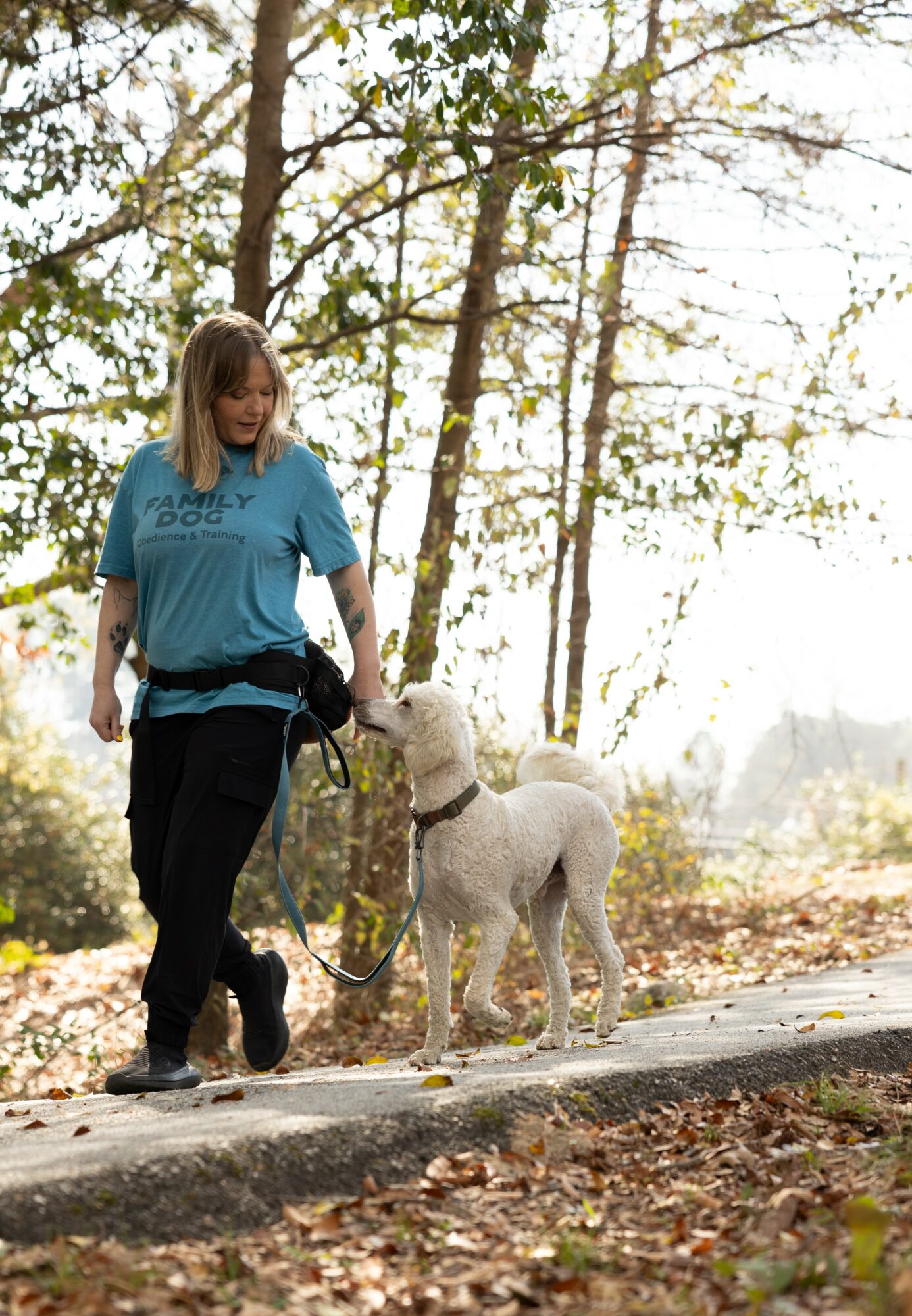
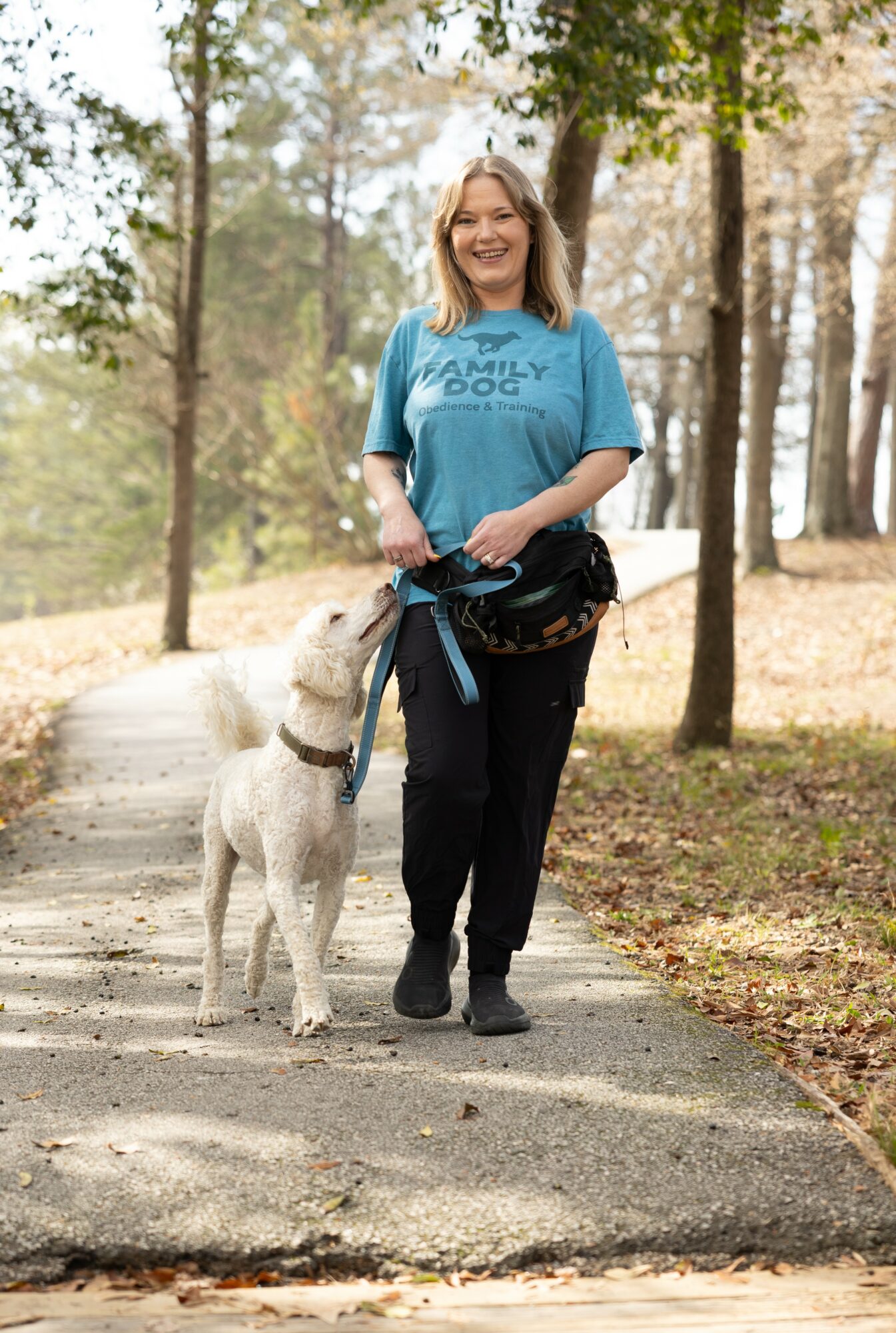
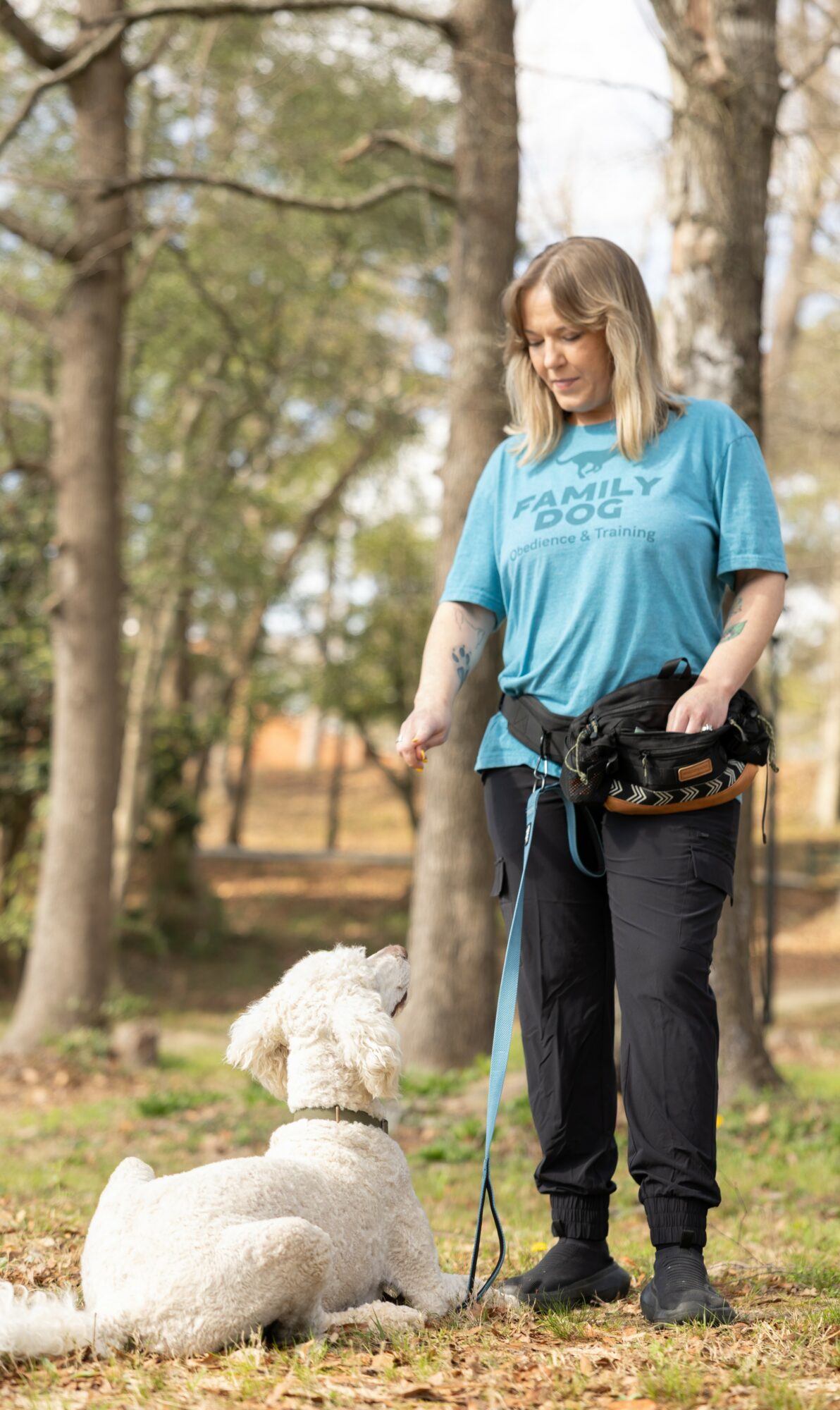
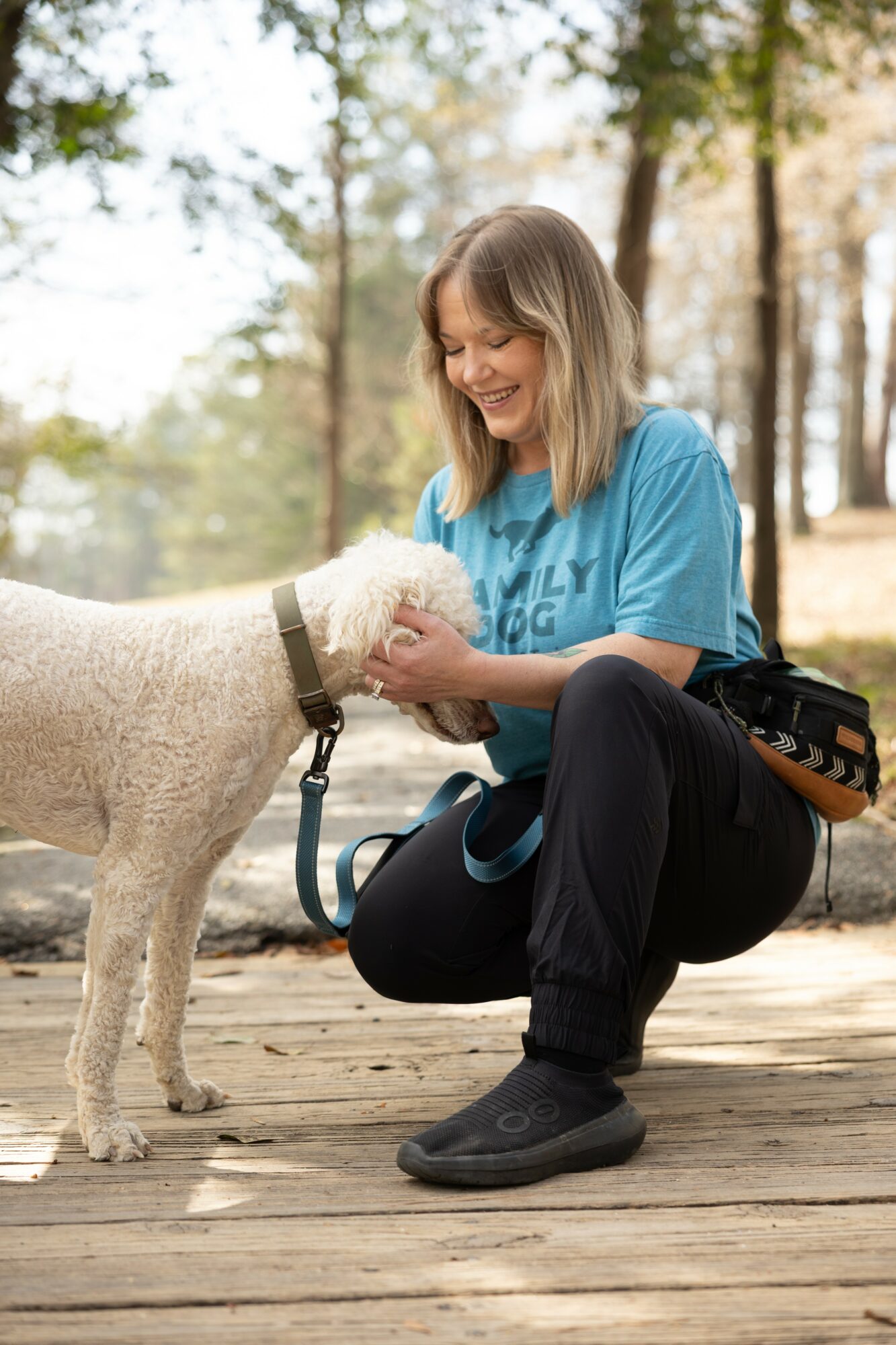
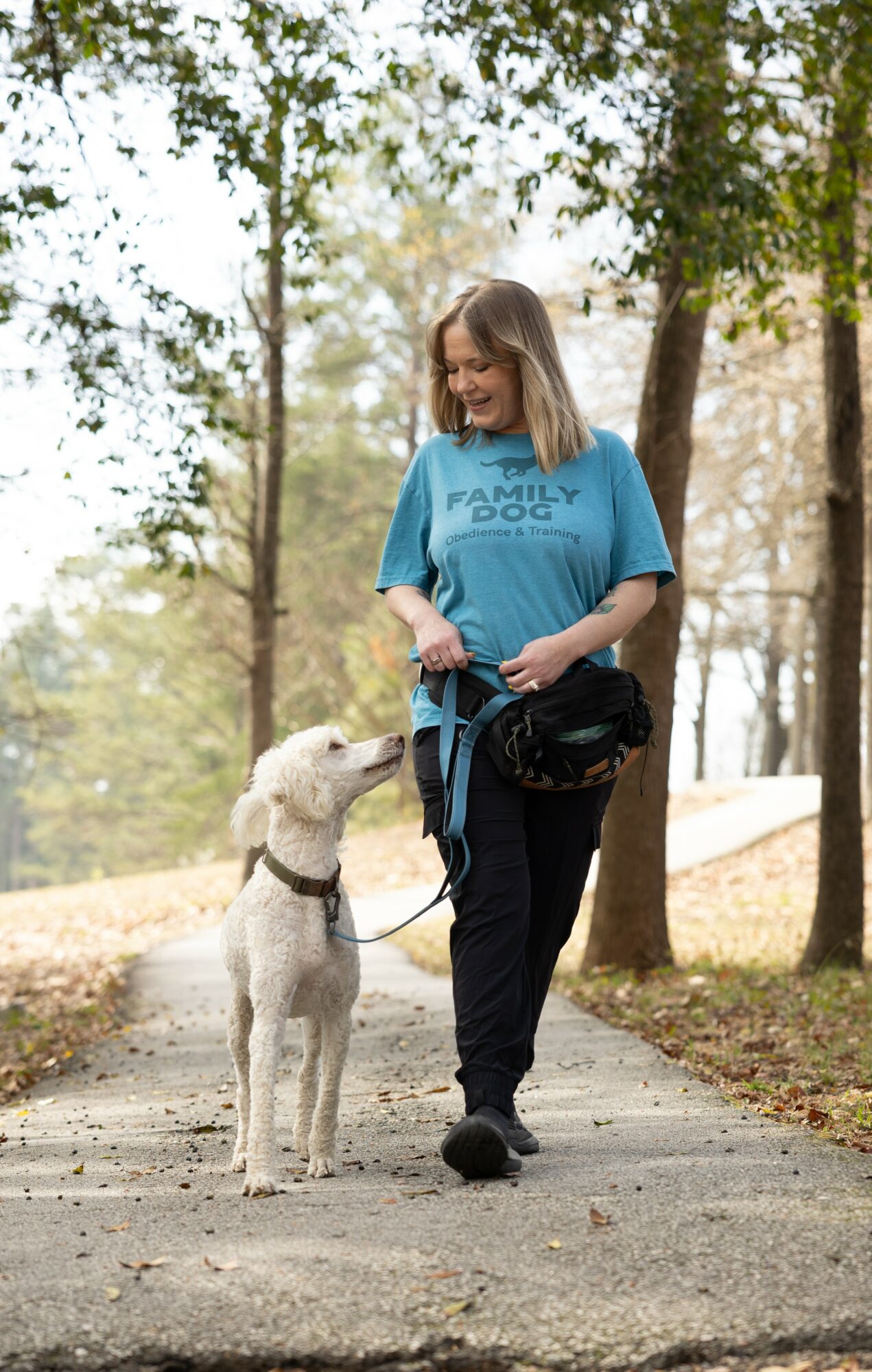
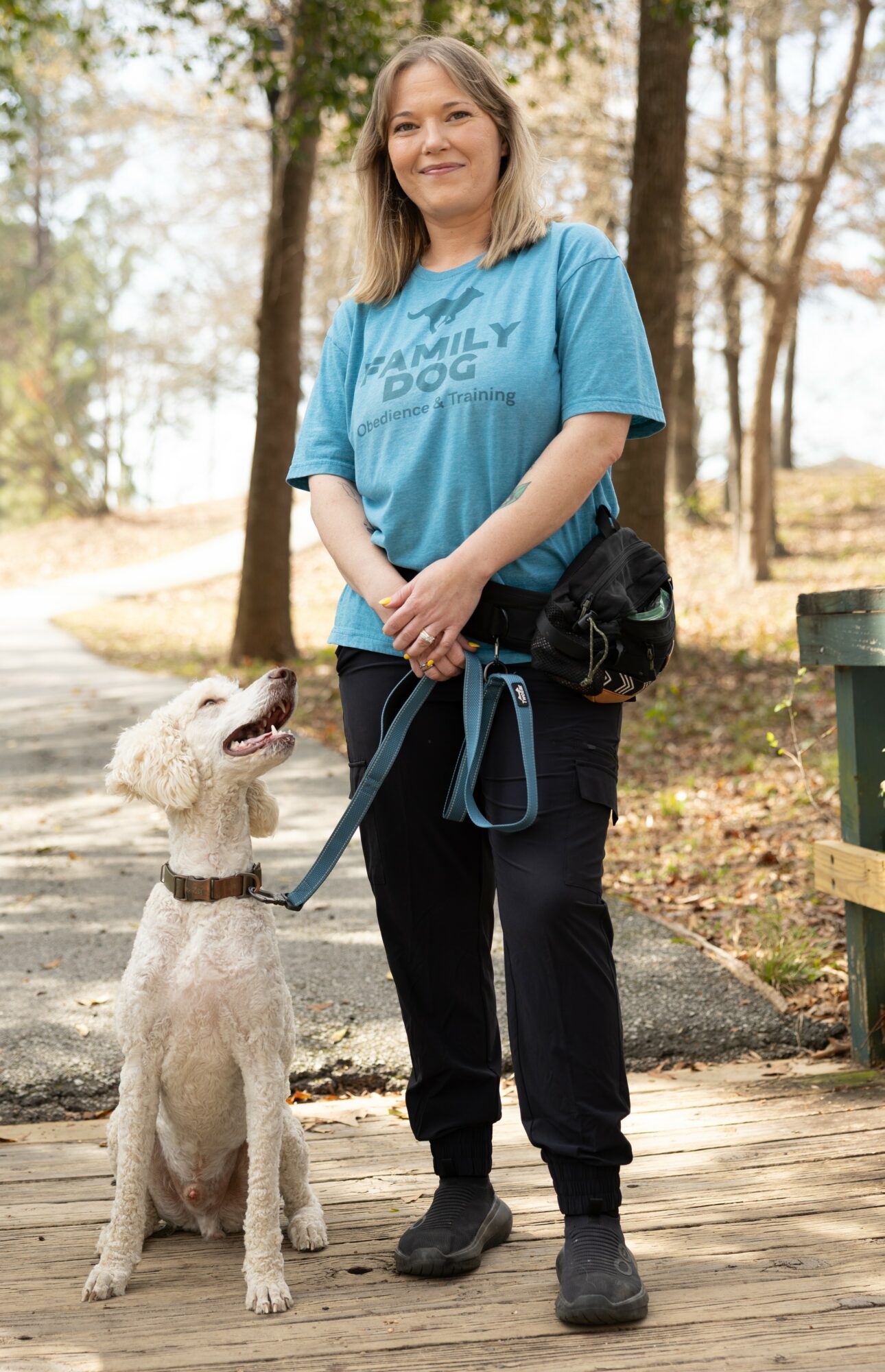
Image Credits
Lexie Garrett photography