





Today we’d like to introduce you to Alejandra Torres-Galindo.
Hi Alejandra, we’d love for you to start by introducing yourself.
I was born in Bogotá, Colombia, in 1997. Growing up, stories of Colombia’s internal armed conflict were still very present — in conversations at home, in the news, and in the silences people carried. Even though Bogotá, as a capital city, could sometimes feel disconnected from the most visible forms of violence, those stories shaped how my generation understood fear, memory, and responsibility. Coming from a family of extremely independent, strong women gave me both the freedom to pursue unconventional paths and a deep awareness of gender equality and social justice.
When it came time to choose a career path in 2015, I knew I was drawn to the arts but also felt the need to ground my creative instincts in critical thought. I enrolled in a Design program that allowed me to move between scriptwriting, art direction, installation, and graphic design, while also pursuing a double major in History. Studying history was essential for me — it gave me tools to understand power, conflict, and collective memory, and reinforced my belief that art is not only about aesthetics, but also about questioning, healing, and social transformation.
That belief deepened through my work at Colombia’s Truth Commission, where I was part of a team investigating enforced disappearances and helping design a digital archive of victims’ testimonies. Working closely with survivors, archives, and processes of remembrance shaped my understanding of ethics, responsibility, and storytelling. In parallel, my involvement in feminist organizations and activist spaces further clarified how personal experiences are inseparable from political structures.
This combination of academic training, activism, and professional work ultimately led me to be awarded the Fulbright Scholarship, which allowed me to pursue graduate studies in film in the United States. Moving to a new country and academic system pushed me to find my own ways of working, build new frameworks, and often work twice as hard to keep my commitments and interests intact.
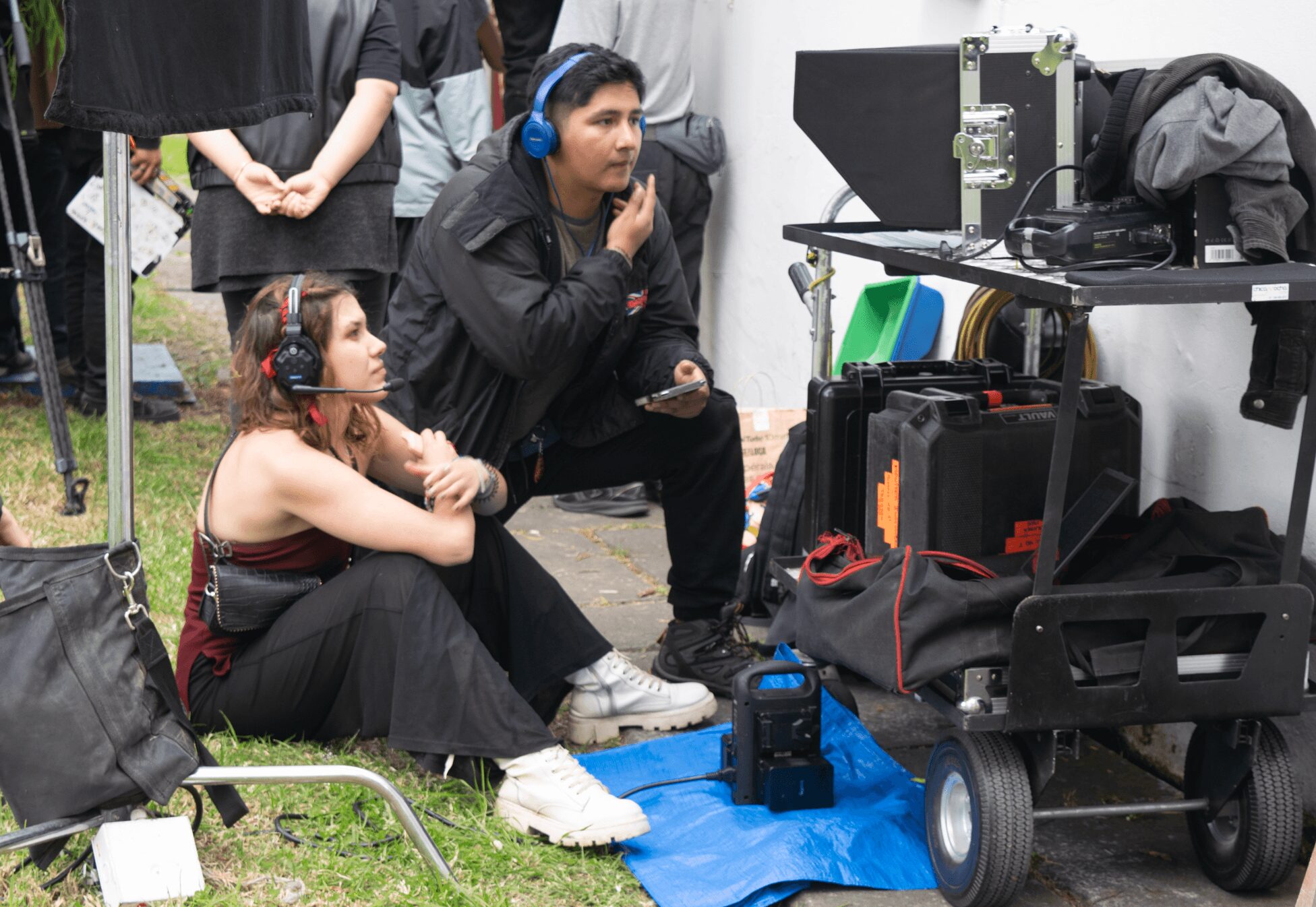
During this period, I directed Chefátl 106, which was later nominated for a Student Emmy. I also co-directed a documentary about kidnapping in Colombia with a classmate, which was nominated as well. Between academic quarters and classes, I continued traveling back to Colombia — organizing auditions for my thesis film, shooting the documentary, and eventually returning again over the summer to shoot my thesis film in Colombia.
Shooting my thesis there was something I had promised Fulbright, but more importantly, it felt like a personal and ethical duty. As someone deeply committed to building historical memory, I felt responsible for telling these stories from within my own country and context. My thesis film is now in its final stages and represents the culmination of years of research, activism, and creative work.
It was demanding and often hectic, but passion, strong beliefs, and a clear sense of purpose are what made it possible — and they continue to define how and why I tell stories today.
Can you talk to us a bit about the challenges and lessons you’ve learned along the way. Looking back would you say it’s been easy or smooth in retrospect?
From early on, choosing an unconventional path came with challenges. Pursuing a double major in Design and History required a lot of discipline and determination, especially because it didn’t fit neatly into a predefined academic track. Balancing creative exploration with rigorous historical research was demanding, but it taught me how to sustain long-term projects and stay committed to complex ideas.
My time at Colombia’s Truth Commission was also deeply challenging on an emotional level. The stories I listened to were often haunting, and working in a context of political upheaval made the work even heavier. At one point, a coworker was forced to go into exile, which made the risks of working with memory, truth, and human rights very real and personal. That experience reinforced the ethical responsibility I feel toward the stories I tell, but it also required resilience and care.
Moving to the United States added another layer of difficulty. I had to adapt my beliefs and my strong devotion to Latin American cinema to a new cultural and academic context without losing what mattered to me. That wasn’t always easy, but I was fortunate to find an incredible community — particularly teachers and peers — who encouraged me not to dilute that perspective, but to deepen it and continue making Latin American cinema from where I stand.
More recently, the political climate in the U.S. has created additional tension for international students, especially when you are traveling back and forth between countries multiple times a year and making films that engage directly with political themes such as state violence and historical memory. Navigating visas, borders, and institutional pressures alongside creative work has been stressful at times.
What has made all of this possible is passion, a clear sense of purpose, and the support of the people around me — mentors here, my mother, and friends back home in Colombia. In moments of doubt or exhaustion, returning to the reasons why I do this work has been essential. Those struggles haven’t slowed me down; they’ve clarified my commitment.
Can you tell our readers more about what you do and what you think sets you apart from others?
I primarily work as a director. Most of my work sits at the intersection of fiction, documentary, and historical research, and is deeply informed by my background in History, activism, and memory work. I’ve directed narrative and documentary projects such as Chefátl 106, Cambuche (a documentary), and Home, my thesis short film, as well as other narrative shorts that engage with women’s rights, bodily autonomy, and generational trauma.
I also write, though I see myself as a director first. Writing is something I’m actively learning and finding challenging — especially now, as I develop the feature-length version of Home. It’s an intimidating process, but one I approach with humility, research, and a willingness to keep learning.
My work has been recognized with nominations for the Student Emmy Awards: Chefátl 106 received a Student Emmy nomination, and Cambuche, the documentary I co-directed, was nominated as well. While I’m grateful for that recognition, what I’m most proud of is the impact the work has had beyond awards.
Home, in particular, opened deeply meaningful conversations with families affected by Colombia’s armed conflict and state violence. Some people who had lost parents or loved ones in the 1980s brought personal objects — belongings of relatives who were disappeared or killed — so they could be used as props in the film. They described the experience as painful and emotional, but also healing. Being trusted with that level of memory and intimacy is something I consider a profound responsibility.
What sets me apart is my ethical approach to filmmaking. Every project is grounded in rigorous research, interviews, and long conversations, shaped by feminist principles and an ethics of care. I don’t separate aesthetics from responsibility, and I approach fiction with the same integrity as documentary or academic work. For me, cinema is not about ego or recognition — it’s about creating spaces where difficult truths can be shared, processed, and remembered.
If my work contributes, even in a small way, to building historical memory or fostering a more just and empathetic society, then I feel I’m doing what I set out to do.
What do you like best about our city? What do you like least?
What I like most about Atlanta is the sky. The sunsets here are truly unforgettable, especially in the winter — the colors feel almost unreal, lilac, orange and bright pink. I also love the city’s diversity. I’ve met people from all over the world, and there’s an openness and curiosity that makes Atlanta feel welcoming. The community is incredibly supportive and kind, and there’s a sense of humor here that really reminds me of Bogotá — sharp, warm, and a little self-aware.
What I like least? I’d say the nightlife could use a stronger techno scene. Atlanta has great house music and amazing energy, but I’m still waiting for more consistent, harder techno. I’m hopeful — the city has the creativity and the people for it, so I see it more as a wish than a complaint.
Contact Info:
- Instagram: https://www.instagram.com/alejitatheycallme/
- LinkedIn: https://www.linkedin.com/in/alejandratgalindo
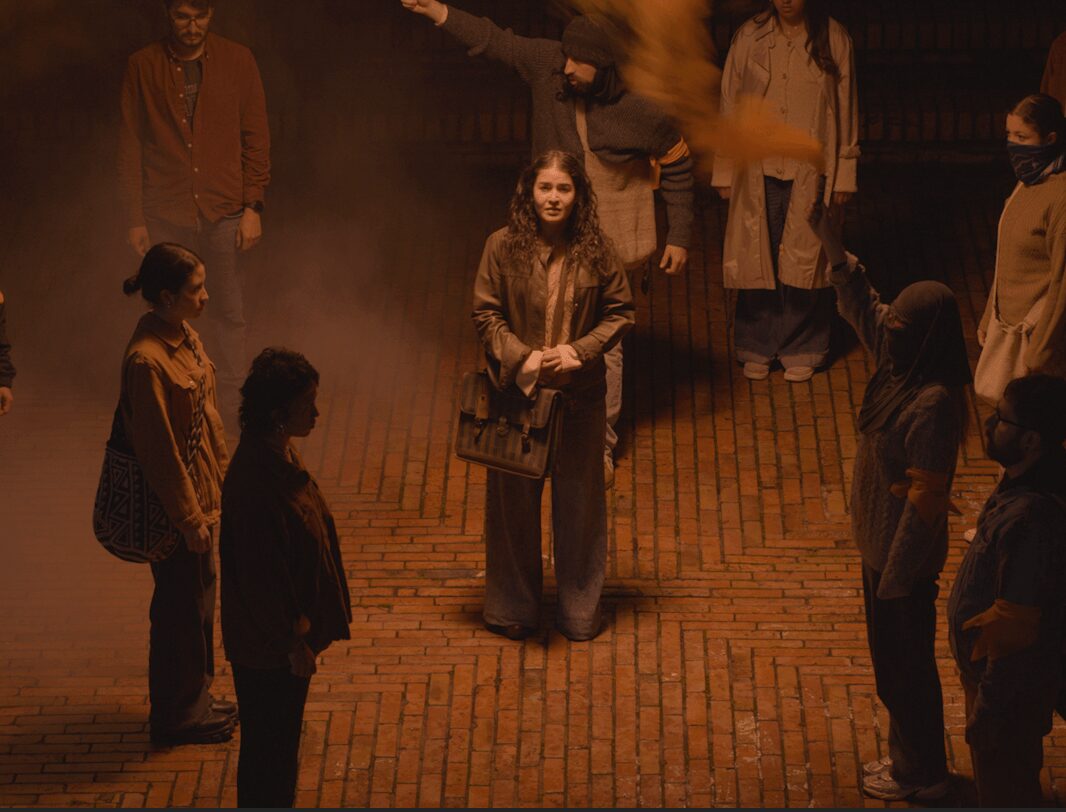
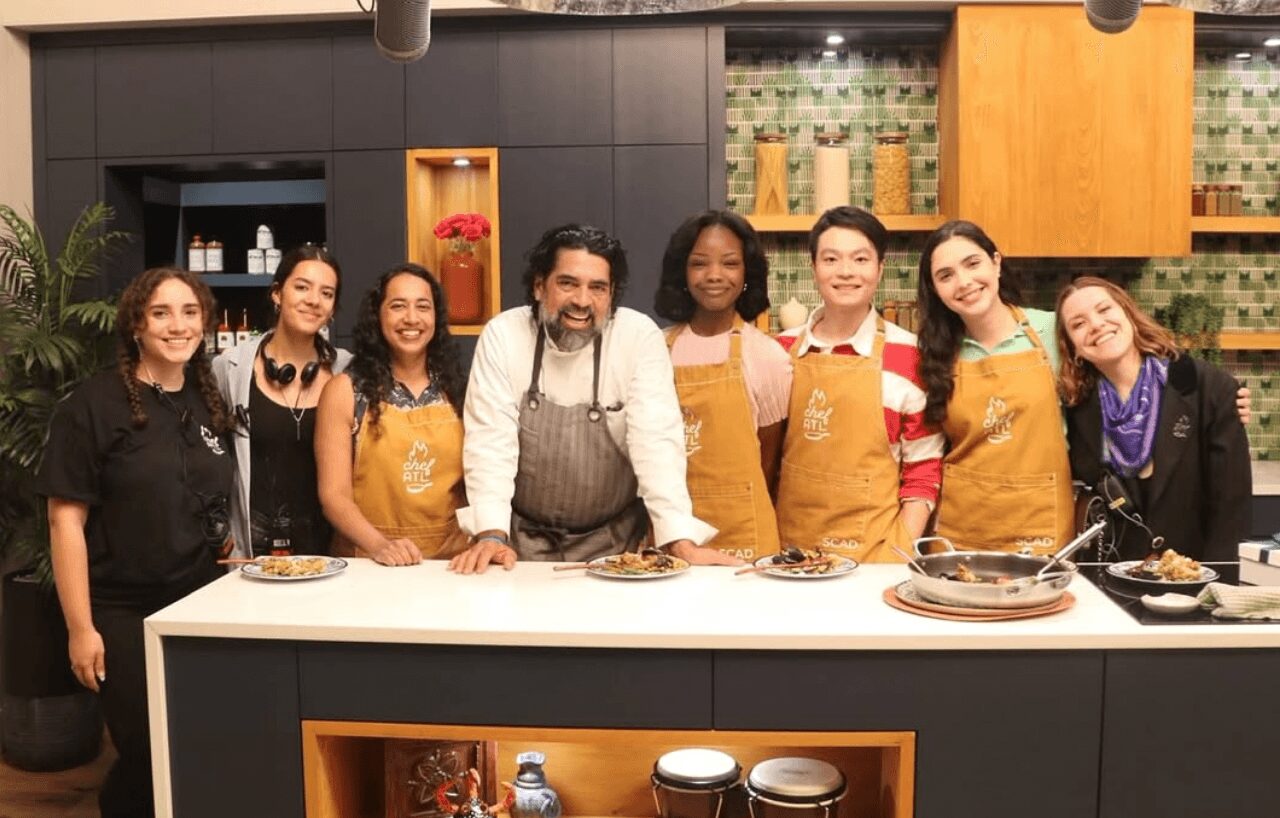
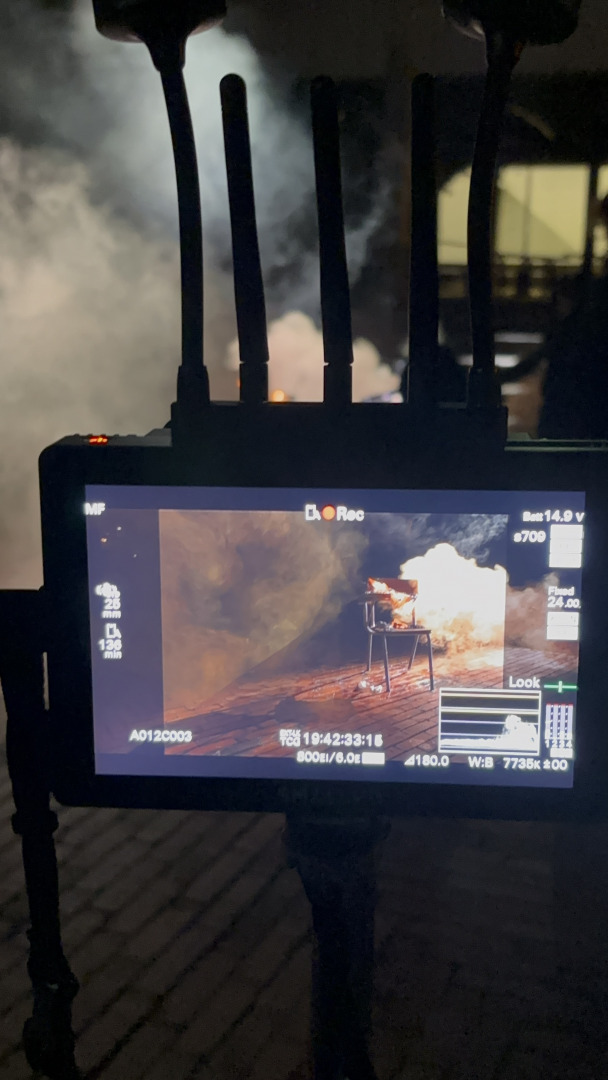
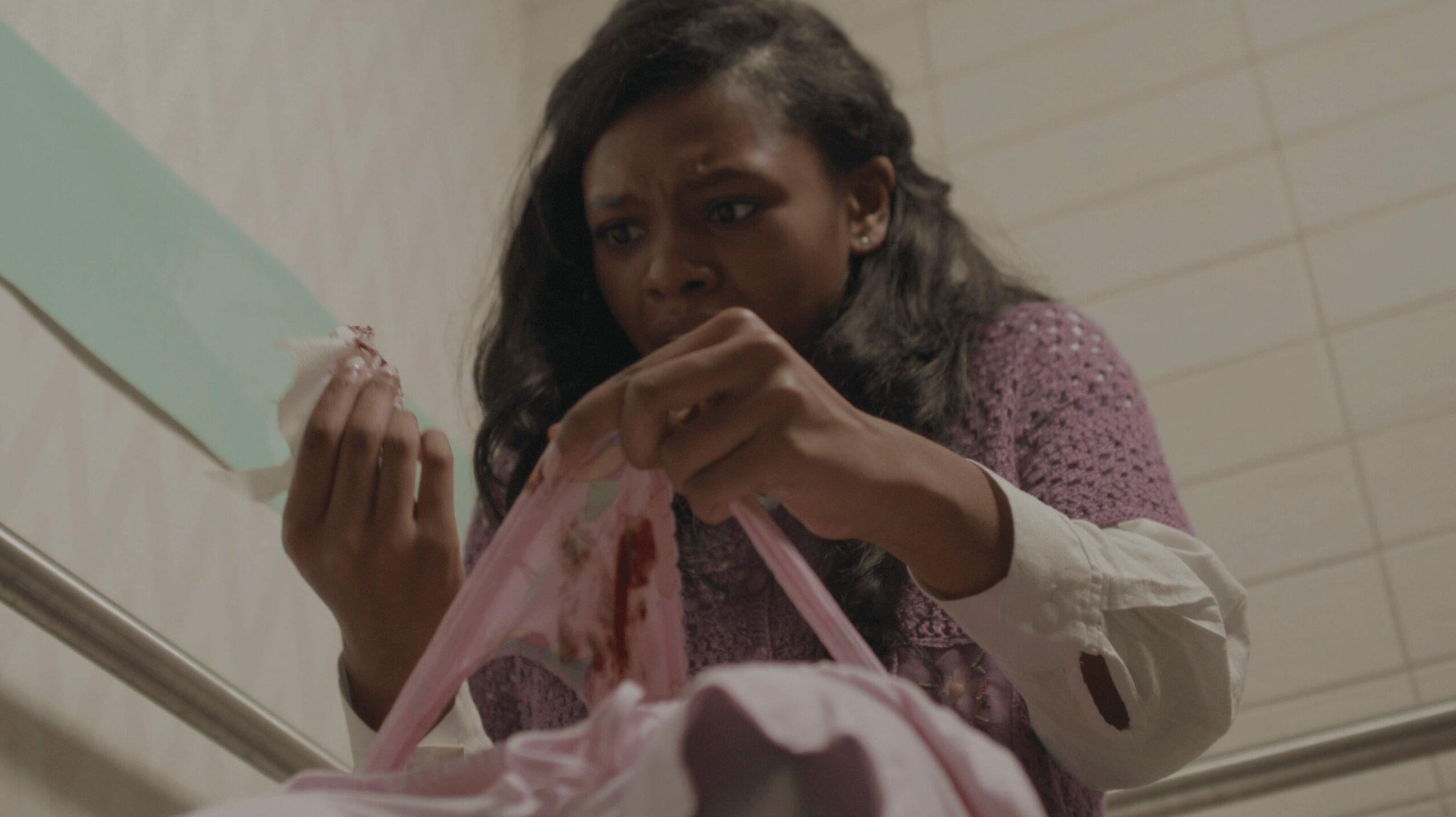
Image Credits
Juan Diego Moreno Zapata, Annel Sosa, Niranjana K. Arunkumar.