




Today we’d like to introduce you to Chika Unigwe.
Hi chika, so excited to have you with us today. What can you tell us about your story?
I was born and raised in Nigeria and even as a child, I was a voracious reader. I read books I understood and some I wouldn’t understand for many years. I read inscriptions on passing trucks, I read newspapers and bread labels. I have always loved reading, and a natural extension of that passion was that, for as long as I can remember, I have also been
writing. My journey began as a young girl in Enugu, Nigeria, , crafting one-paragraph stories and poems in an old journal my parents gave me, and receiving their loving praise for everything I wrote. They later
sponsored the publication of a poetry collection I wrote as an undergraduate. However, my entry into traditional publishing truly began after I moved to Belgium. I entered a short story contest for young, unpublished writers, and my story was one of the ten winners. A publisher reached out, asking if I had a novel they could consider, so I wrote one. That novel became the first work of fiction published in the country in Dutch by a (naturalized)
Belgian of African origin.
We all face challenges, but looking back would you describe it as a relatively smooth road?
I have been really fortunate to have always had a community of family and friends willing to help me create the space to write. when my children were young,I could go away for weeks at a time to writing residencies to work. I have also had the good fortune of having good agents who believed in my work. There are journals I haven’t published short stories in that I’d love to publish in, and so I am speaking that into the universe and hope that it manifests in 2026
Thanks for sharing that. So, maybe next you can tell us a bit more about your work?
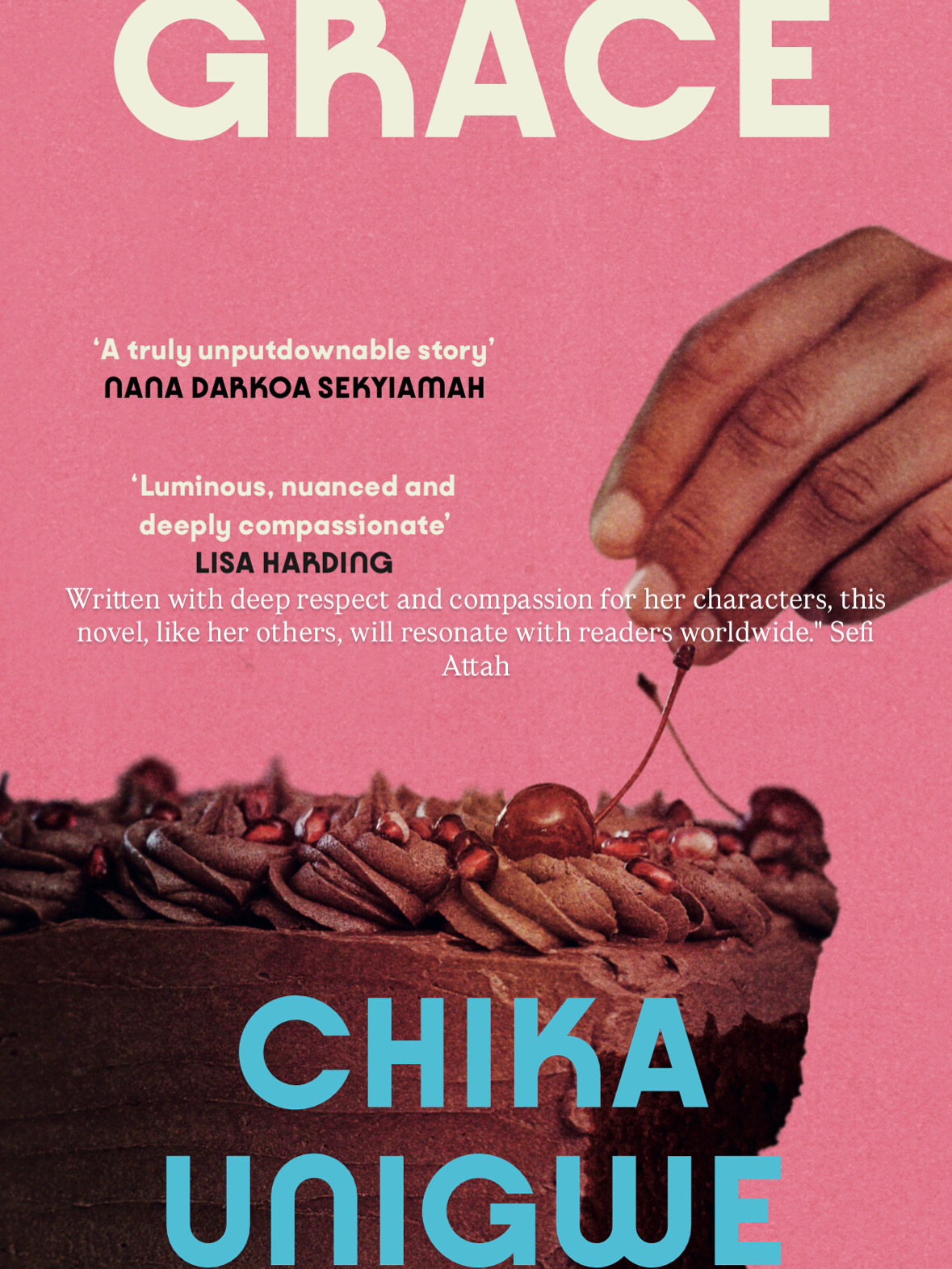
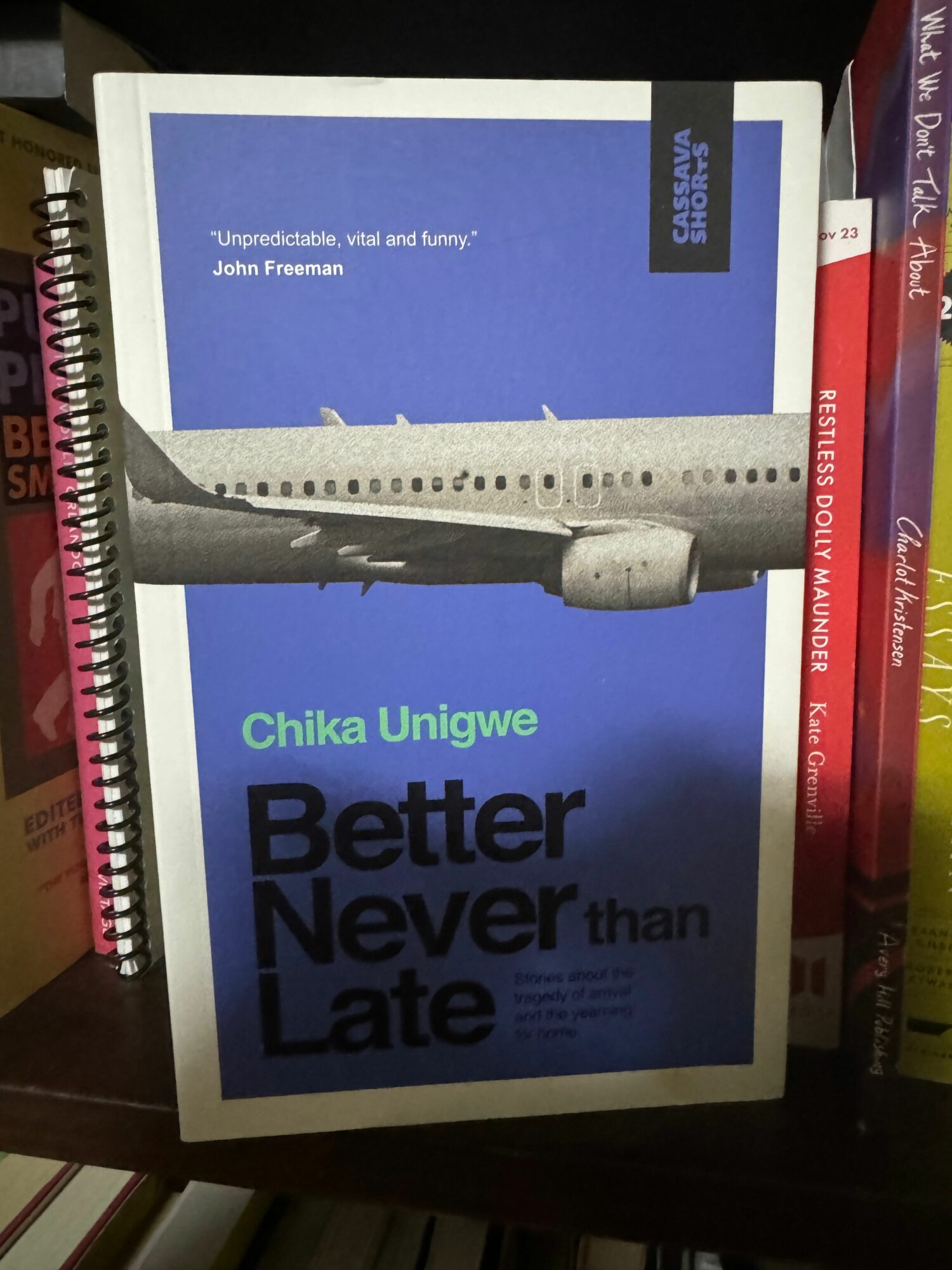
I write literary fiction and teach writing at Georgia College in Milledgeville. I write to make sense of the world—to explore and answer questions that haunt me—and as a result, my stories often focus on lives lived at the margins.
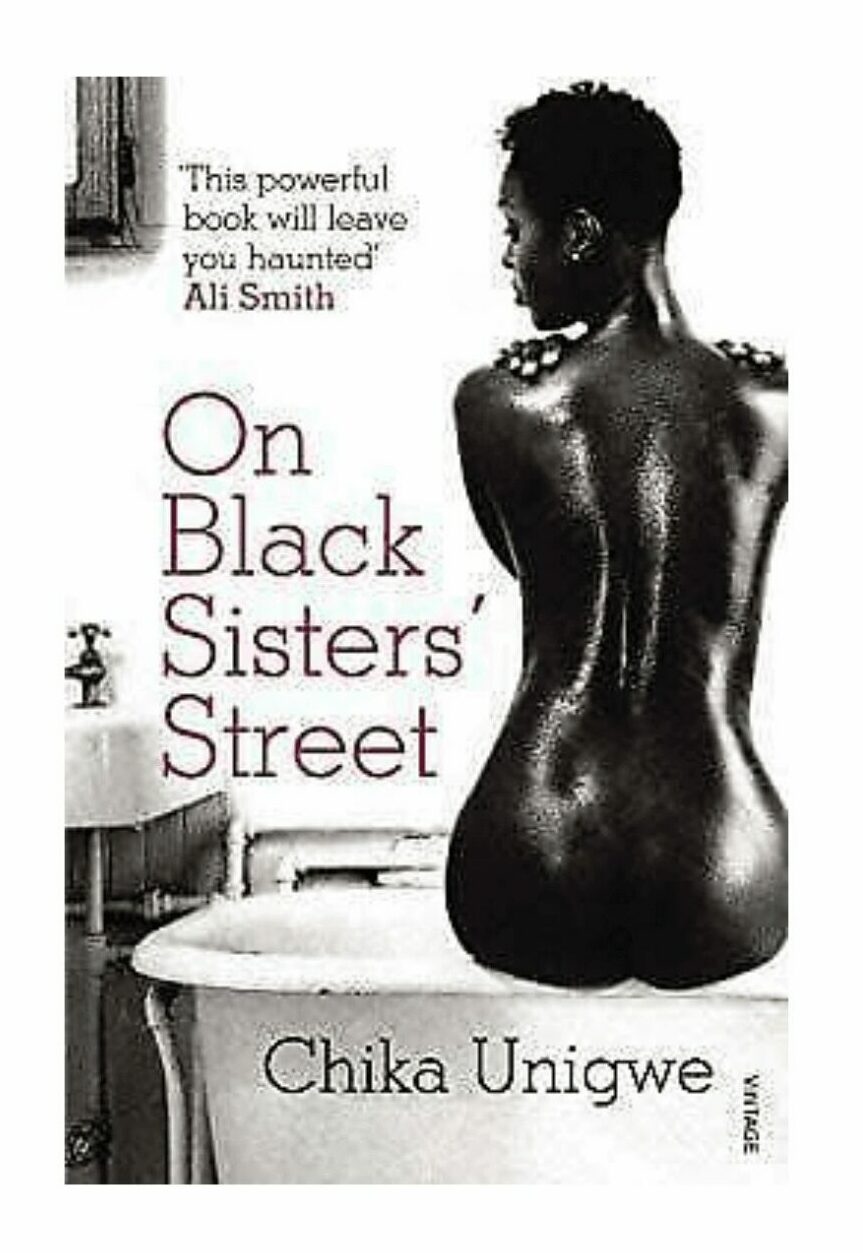
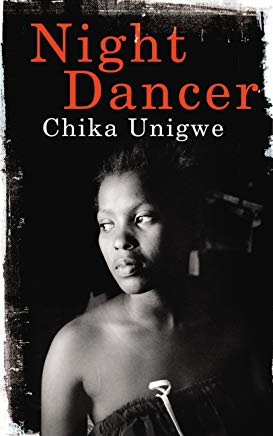
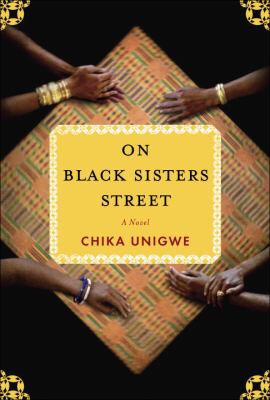
When I moved to Belgium, one of the greatest cultural shocks I experienced was encountering sex work so openly: women displayed behind windows whenever I took the train into Brussels. I had never imagined that a legal red-light district could exist. In Nigeria, I knew sex workers existed, but they were almost invisible—you never saw them, yet you knew they were there. When I later discovered that many of the African sex workers in Antwerp were Nigerian, I felt compelled to understand that world more deeply. That research eventually led to On Black Sisters’ Street.
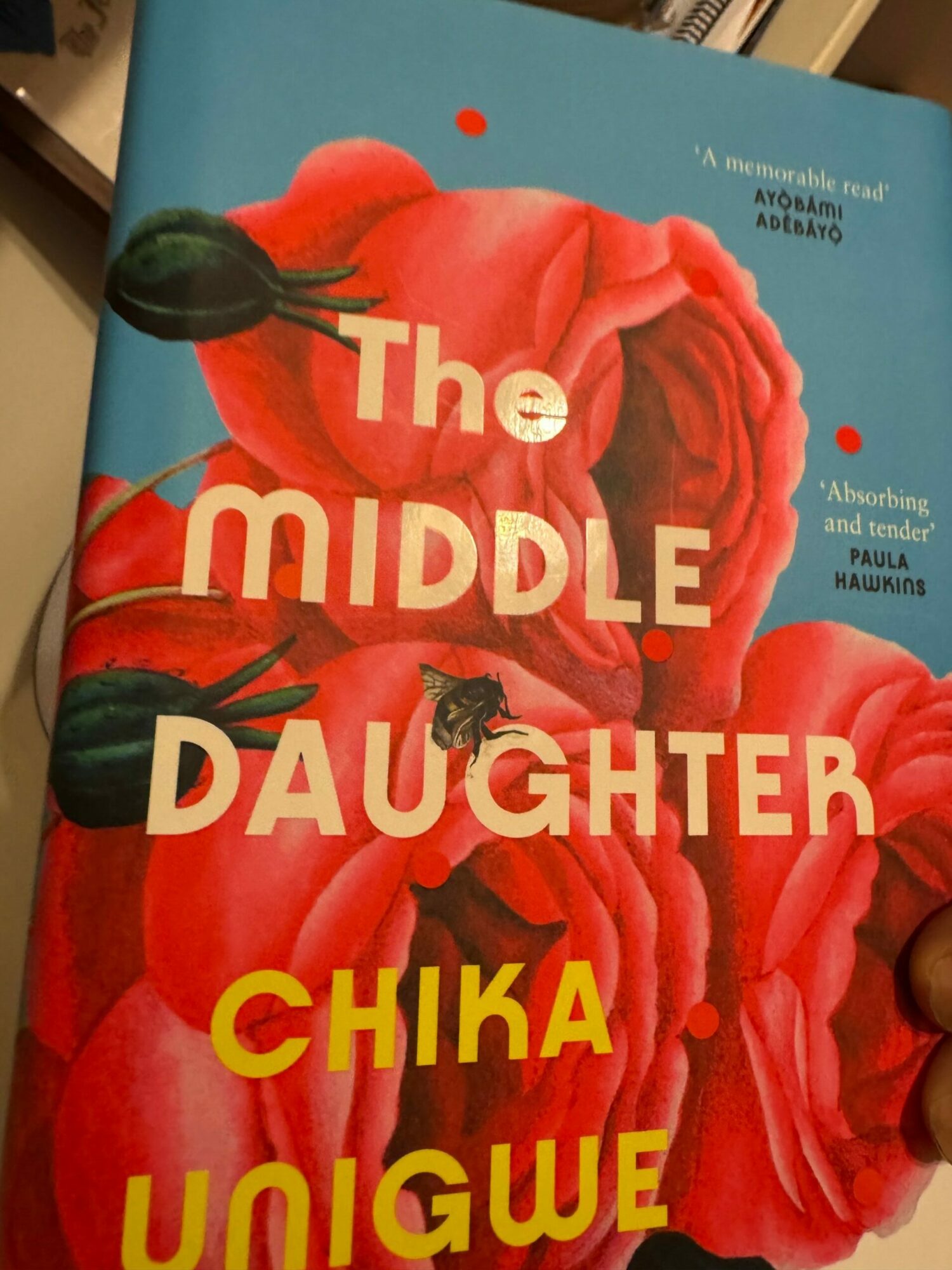
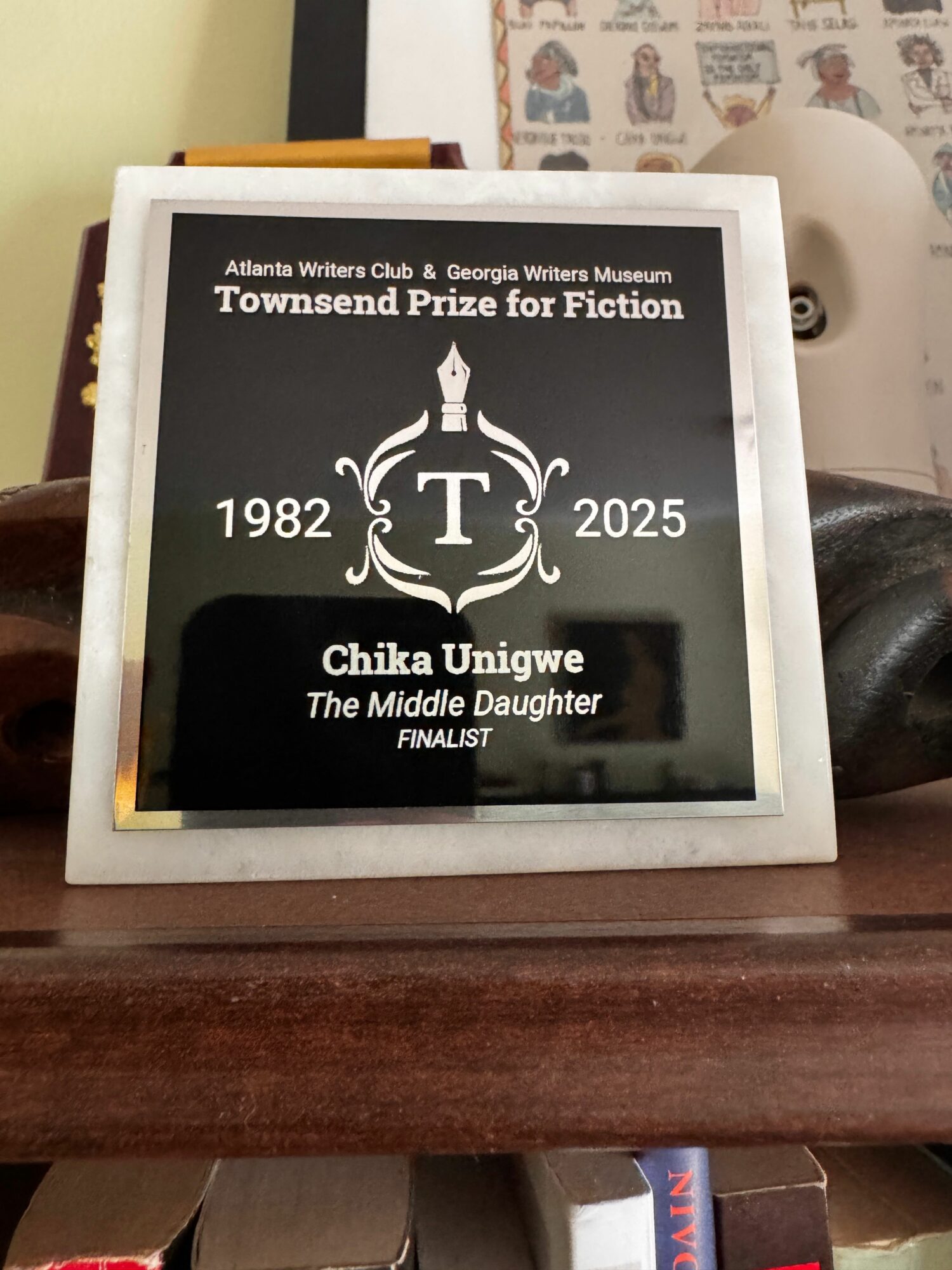
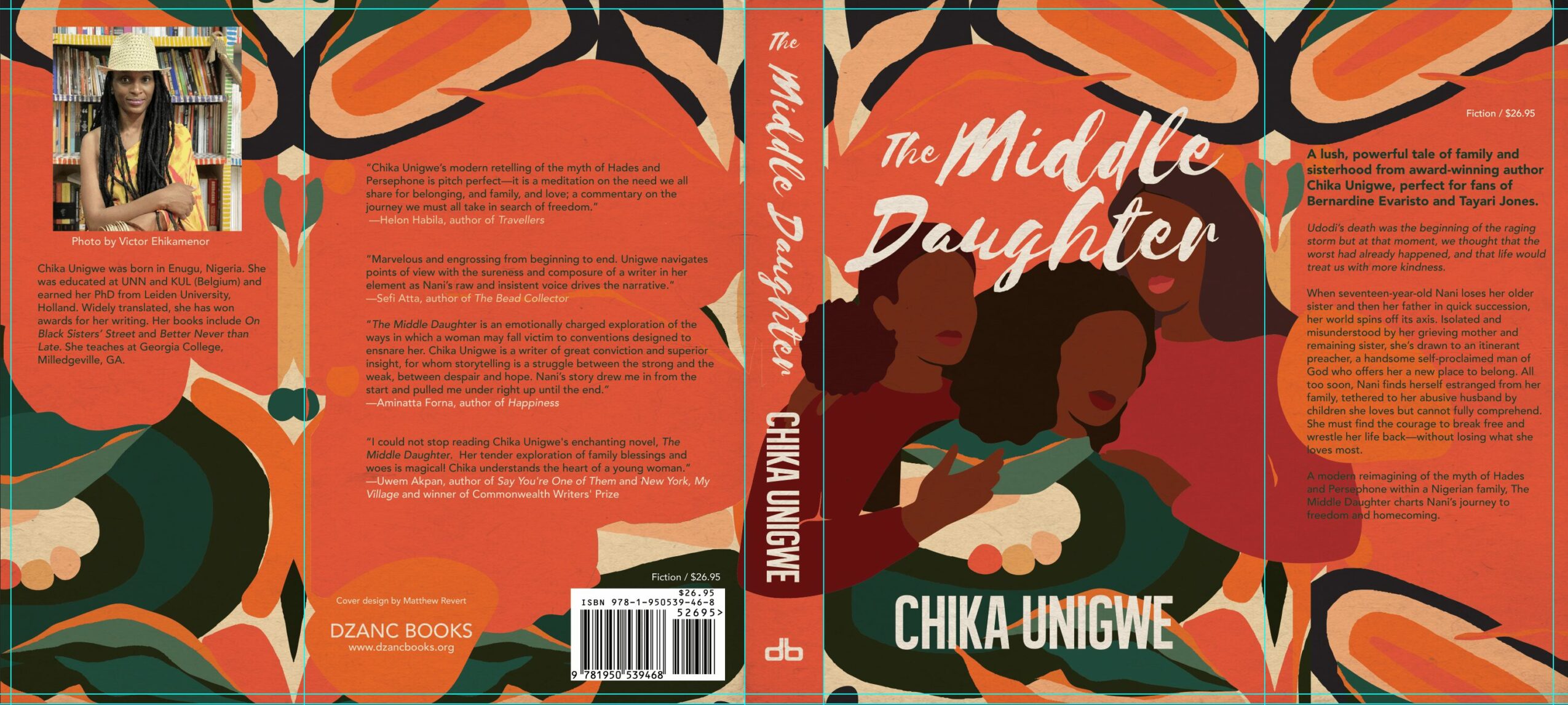
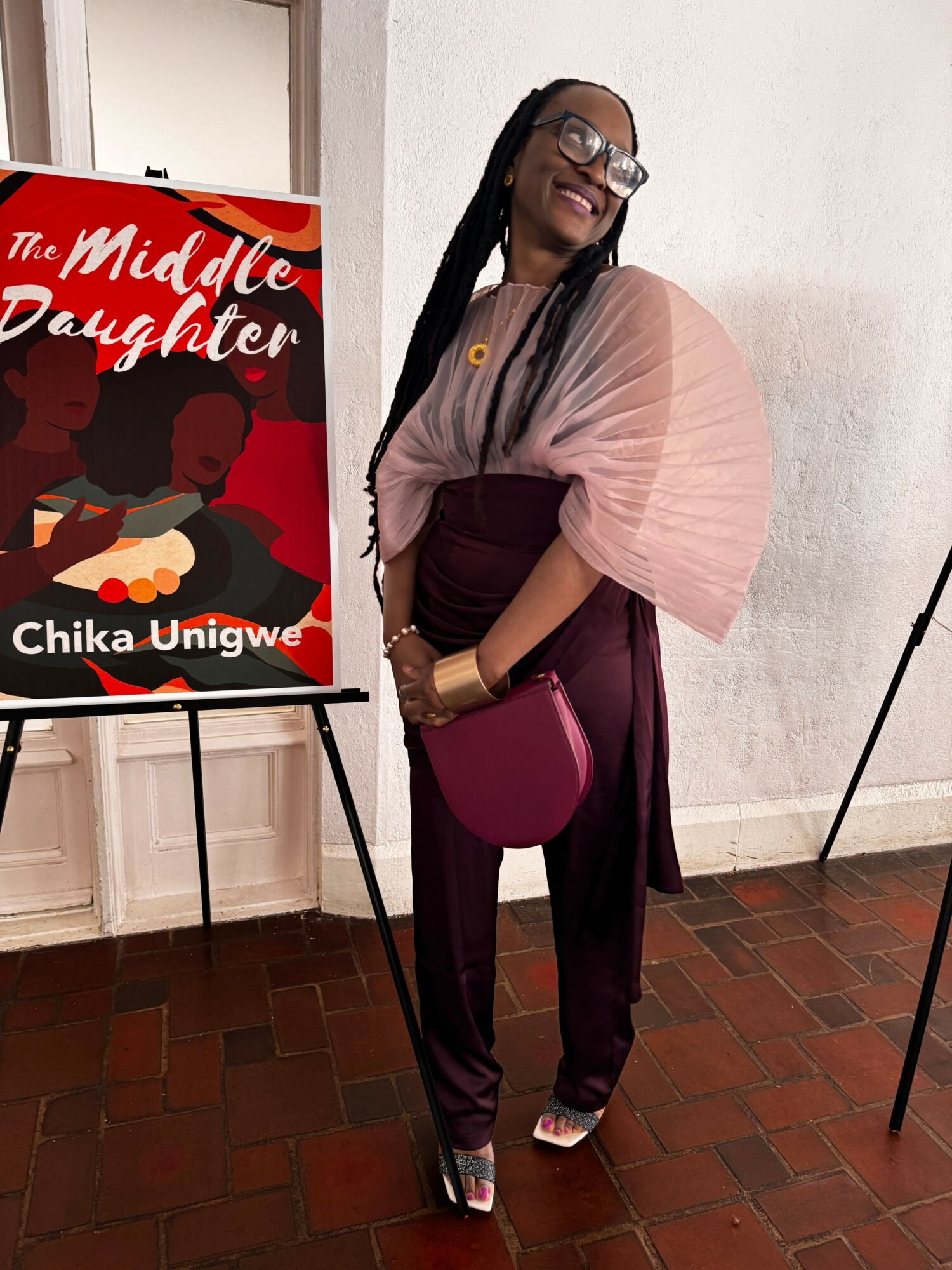
I am also deeply interested in how culture shapes the ways we love and parent, and my work explores these dynamics as well. I am especially drawn to stories that travel across cultures and time. In The Middle Daughter, for instance, I reimagine the Greek myth of Hades and Persephone through a Nigerian lens. I relished the challenge of preserving the myth’s framework while making it culturally specific, weaving in Igbo mythology and reconfiguring the Greek chorus as a dead character—an ancestor—who speaks from beyond the grave.
We’d be interested to hear your thoughts on luck and what role, if any, you feel it’s played for you?
Luck, destiny, fate, and grace all play a role in our lives. This is not to discount the importance of hard work. I was fortunate to strike up a conversation with a top agent at the Caine Prize ceremony; he later became my first agent, but I also had to have something for him to sell. However, I know that not everyone with a good book has the good fortune of being published and read.
Contact Info:
- Instagram: https://www.instagram.com/chikaunigweauthor/
- Facebook: https://www.facebook.com/chika.unigwe/
- Twitter: https://x.com/chikaunigwe