


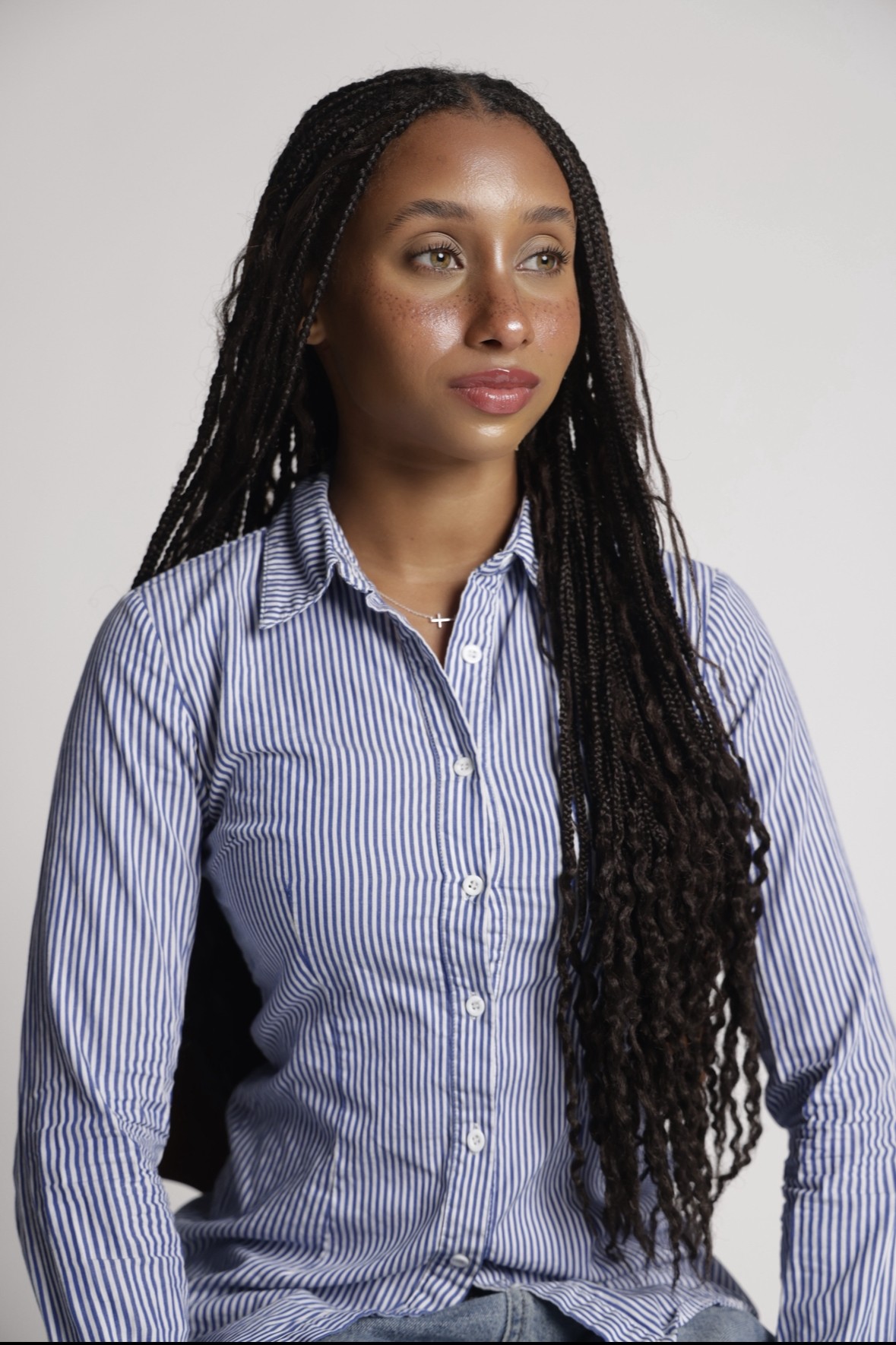
Today we’d like to introduce you to Dayna Murray.
Hi Dayna, we’re thrilled to have a chance to learn your story today. So, before we get into specifics, maybe you can briefly walk us through how you got to where you are today?
At the beginning of my film career, I always knew that one of my deepest purposes in life was to share with the world the rich beauty and vibrant culture of my people. Growing up in Trinidad and Tobago has shaped me in ways I’m still uncovering today, and I’ve long felt that the world deserves to experience even a fraction of what I was fortunate enough to grow up around. From an early age, I carried a constant vision to create films and media that delve into the history, culture, and emotional landscape of Trinidad and Tobago—stories rooted in truth, movement, color, and spirit.
Trinidad is like nowhere else on earth. It is a place where culture doesn’t just exist—it lives, breathes, and moves through you. It is an island built on diversity: Indian, African, Chinese, Indigenous, Middle Eastern, and European influences blending into a cultural mosaic that feels both effortless and intentional. Growing up surrounded by this richness taught me that storytelling isn’t a hobby for us—it’s a way of life.
But Trinidad isn’t a paradise in a postcard-perfect sense. What makes it extraordinary is the contrast—the coexistence of beauty and hardship, joy and challenge, chaos and unity. I grew up witnessing both the magic and the complexity of a nation still defining itself. The divides—between class, social status, and race—were real, and they shaped the perspective through which I view the world. Yet even in those divides, there was resilience. There was a community. There was the unspoken understanding that no matter how tough life became, Trinbagonians know how to find light, humor, and connection in the most unexpected places. That duality is what makes our culture incomparable, and it’s a truth I feel compelled to capture on screen.
As I got older, I realized that the experiences that molded me weren’t just memories. They were living, breathing pieces of art. And I wanted the world to see that. I wanted people who may never get to experience a vibrant Carnival weekend or enjoy a mandatory mango chow on their way to the North Coast to still feel the pulse of the island in their hearts.
That has become the driving force behind my work. My mission is to curate films that honor Trinidad’s soul—films that highlight our beauty, unpack our complexities, and preserve our stories with authenticity and reverence. I want audiences to understand that Trinidad is not just scenic; it is alive with emotion, rhythm, and history. It is layered, textured, and endlessly surprising. Through storytelling, I hope to transport people into the world that raised me, allowing them to feel the same wonder, pride, and connection that shaped my own identity.
Today, as I continue building my career, I carry Trinidad with me in everything I create. My work is a love letter to the place that made me who I am—a celebration of a culture like no other—and a commitment to ensuring that our stories take up the space they have always deserved.
We all face challenges, but looking back would you describe it as a relatively smooth road?
It definitely hasn’t been a smooth road, and in many ways the challenges I’ve faced have shaped both my creative voice and my determination. Growing up in Trinidad, I was surrounded by indescribable beauty and culture, but I also grew up navigating a landscape filled with real obstacles—some personal, some systemic.
One of the biggest challenges was learning to find my voice in a place where storytelling is abundant, but not always taken seriously as a career. For many people around me, pursuing film felt unconventional or even unrealistic. I had to carve out my own sense of direction, trust my instincts, and stay committed to a path that didn’t always come with a roadmap. That meant making mistakes, watching peers follow more “traditional” careers, and constantly reminding myself why I started in the first place.
And then there are the societal challenges—growing up in a country that is vibrant and diverse, but also deeply divided at times. The social and cultural complexities of Trinidad taught me resilience, but they also exposed me to the harsher realities of inequality, colorism, class divides, and community violence. These experiences weren’t easy, but they deepened my understanding of people and gave me an emotional lens that I now bring into every story I tell.
Lastly, navigating the industry itself has been a challenge—and that journey became even more complex when I made the decision to move to the United States on my own. Leaving Trinidad, the only home I had ever known, and stepping into an entirely new country was one of the biggest leaps of faith I’ve ever taken. Moving to Atlanta to attend Savannah College of Art and Design was both exciting and intimidating. I was suddenly in a space where everything was unfamiliar—the culture, the pace, the expectations—and I had to learn how to stand on my own in every way.
I had to build a community from scratch, find my footing in a new environment, and figure out how to navigate a city and an industry far larger and more competitive than what I grew up around. But those challenges strengthened me. They taught me independence, discipline, and the importance of trusting myself even when the path ahead wasn’t clear. Building a career in film requires persistence, thick skin, and a willingness to keep going even when things don’t unfold the way you hoped. There were setbacks, rejections, and projects that fell through—but each one taught me something, refined my vision, and pushed me to grow both creatively and personally. And doing all of this while adjusting to a new country only made those lessons more impactful.
Through all of these obstacles, what has kept me grounded is the place I come from. The same culture that raised me also taught me unwavering resilience. Trinidadians have a way of finding joy in difficulty, improvising with what they have, and pushing forward with humor and heart. Those traits carried me from my little island to a new country, and they continue to guide me as I carve out my path in this industry. No matter where I go, Trinidad and Tobago stays with me—in the way I work, the way I create, and the way I overcome.
As you know, we’re big fans of you and your work. For our readers who might not be as familiar what can you tell them about what you do?
In my work as a filmmaker, I specialize in directing and visual storytelling that is deeply rooted in emotion, and authenticity. My focus is on crafting stories that feel lived-in and honest—narratives that highlight the beauty, complexity, of the human experience. Whether I’m directing or working as a First AC, I approach every project with a combination of creative intuition and technical precision, ensuring that each frame serves both the story and the emotional truth behind it.
As a director, I’m known for my distinct visual eye, strong sense of composition, and ability to create intimate worlds that resonate with audiences. My storytelling blends cinematic aesthetics with cultural specificity, drawing from my upbringing and my own lived experiences. I gravitate toward stories that challenge expectations, spark conversation, and broaden representation—particularly narratives exploring identity, belonging, and the realities of marginalized and culturally diverse communities. My most recent short film, Skinny Brittle Bones, continues this focus and is currently available to watch on YouTube.
One of the things I am most proud of is my ability to bridge the technical and creative sides of filmmaking. Working as a First AC has sharpened my understanding of cameras, lenses, and visual language, and that technical foundation strengthens my work as a director. It allows me to communicate with clarity, anticipate challenges, and lead with both vision and practicality.
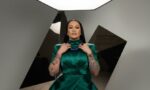
When I am not directing, I also work as a model. This experience deepens my understanding of performance, physical storytelling, and the relationship between lens and subject—skills that translate directly into how I collaborate with actors and shape the emotional tone of a frame.
At the heart of my work is a commitment to the raw truth. I aim to represent people and places with honesty, compassion, and respect. I’m proud to be emerging as a filmmaker who not only creates visually compelling work, but who also uses film as a platform to preserve culture and expand representation and my upcoming capstone film, Sol and Isla directed by myself, Dayna Danielle, co-written by Emma Clayton and produced by Kylie Jacobs embodies that mission. The film follows two young women from Trinidad and Tobago whose love is tested by deeply ingrained cultural expectations and generational beliefs. As they face these pressures, their bond wavers yet endures. The tone is dreamlike but grounded—blending the island’s beauty with the harsher truths beneath it. Visually, the world appears idyllic, with moments of oppression revealed through shifts in color, composition, and scale. The film embraces contrasting moods—rebellious yet joyful, romantic yet tragic—mirroring the emotional duality within many real Caribbean stories.
I am fully aware that telling a story as bold and culturally sensitive as Sol and Isla within my home islands will come with challenges. But this film is my passion and my purpose, and the support I’ve received from both my family, along with the encouragement of my creative community, underscores why projects like this matter: they preserve culture, confront silence, and open doors for stories that deserve space. Supporting films like Sol and Isla help ensure that culturally specific, emotionally resonant, and underrepresented narratives continue to find their place in the world. It affirms the importance of diverse voices in cinema and helps bring to life stories that hold the power to spark connection, healing, and understanding.
Is there any advice you’d like to share with our readers who might just be starting out?
My biggest advice is to trust your gut. Your intuition is often sharper than you think, especially when it comes to the stories you want to tell and the people you choose to work with. Don’t dilute your voice trying to fit into someone else’s idea of what your work should be.
At the same time, stay open to criticism. Not every note will resonate but learning how to listen—really listen—without taking feedback personally will make you stronger. The right critiques don’t change your vision; they sharpen it.
And above all, just start. Don’t wait for the perfect moment or the perfect equipment. Build, experiment, fail forward, and find your community. The journey makes the artist, not the other way around.
Contact Info:
- Instagram: https://www.instagram.com/nattydredzz/
- LinkedIn: https://www.linkedin.com/in/dayna-murray-071783251/
- Youtube: https://www.youtube.com/@daynadanielle
- Other: https://www.instagram.com/solandisla/
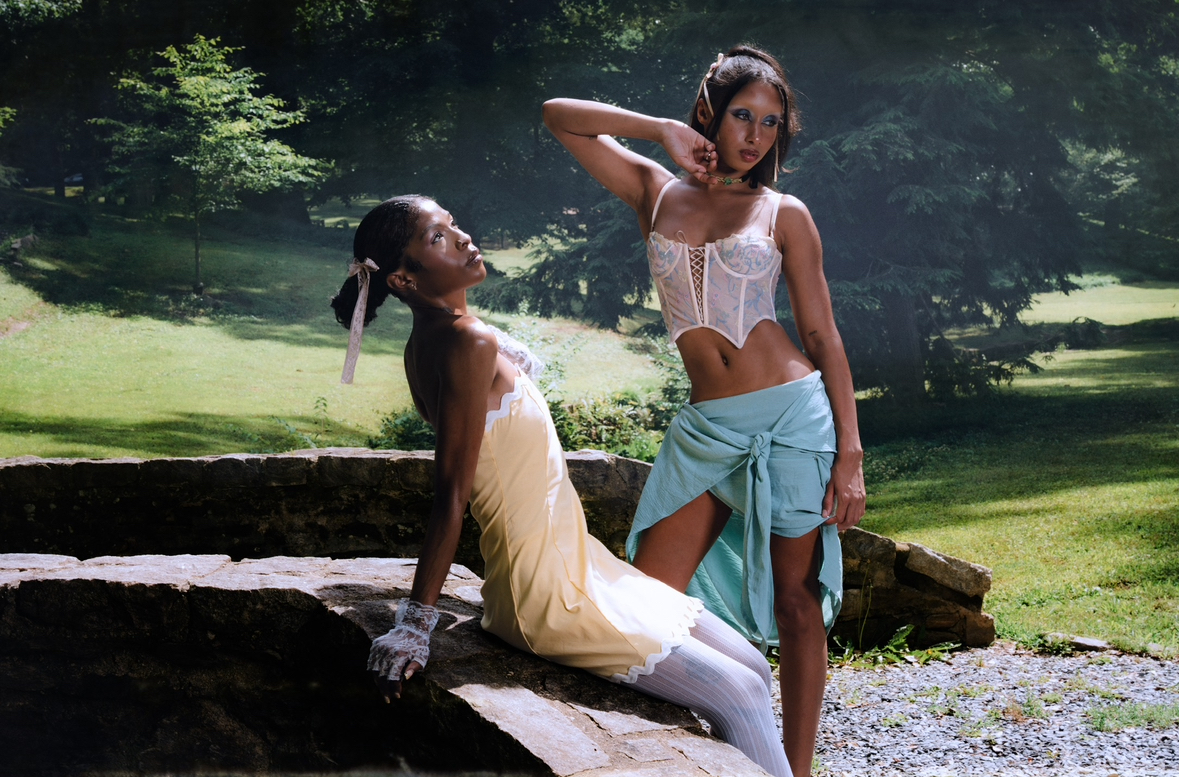
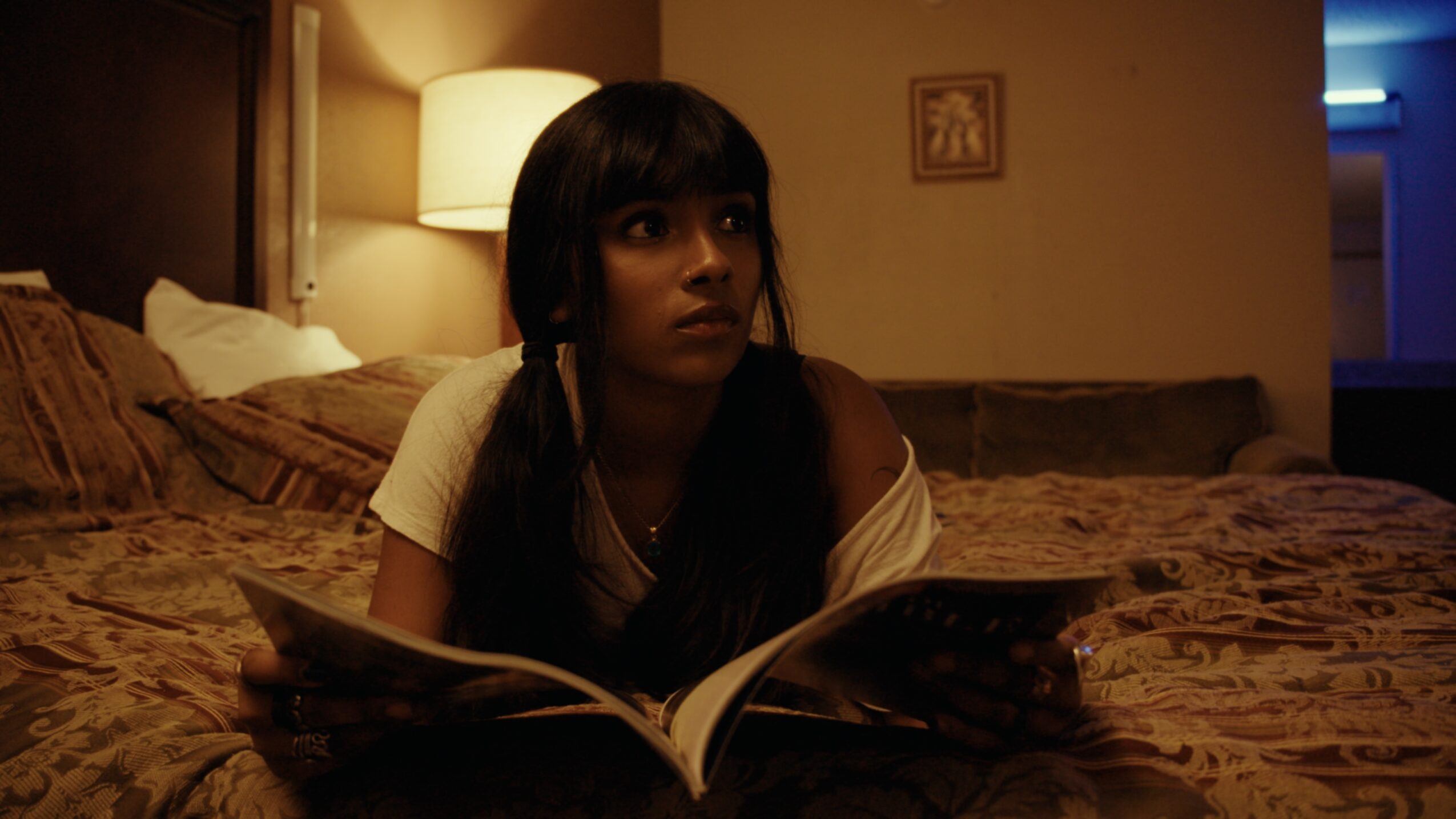
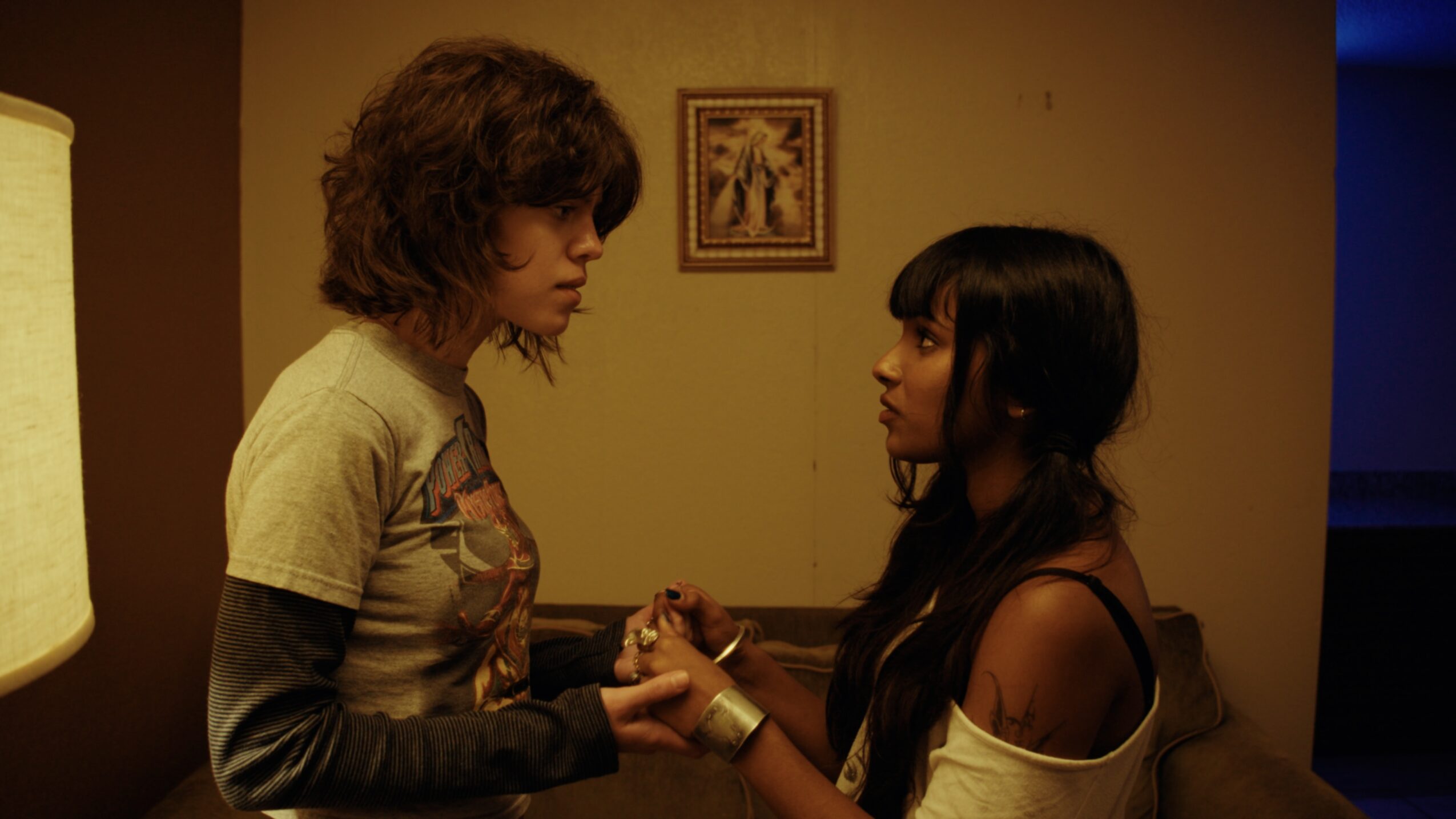
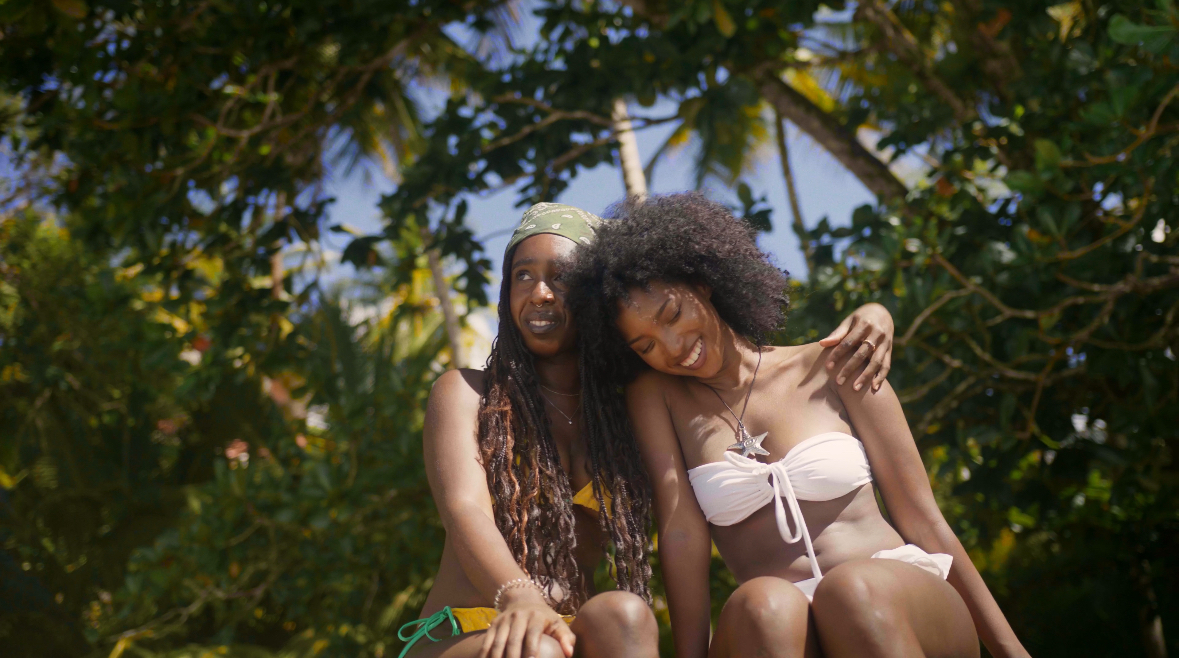
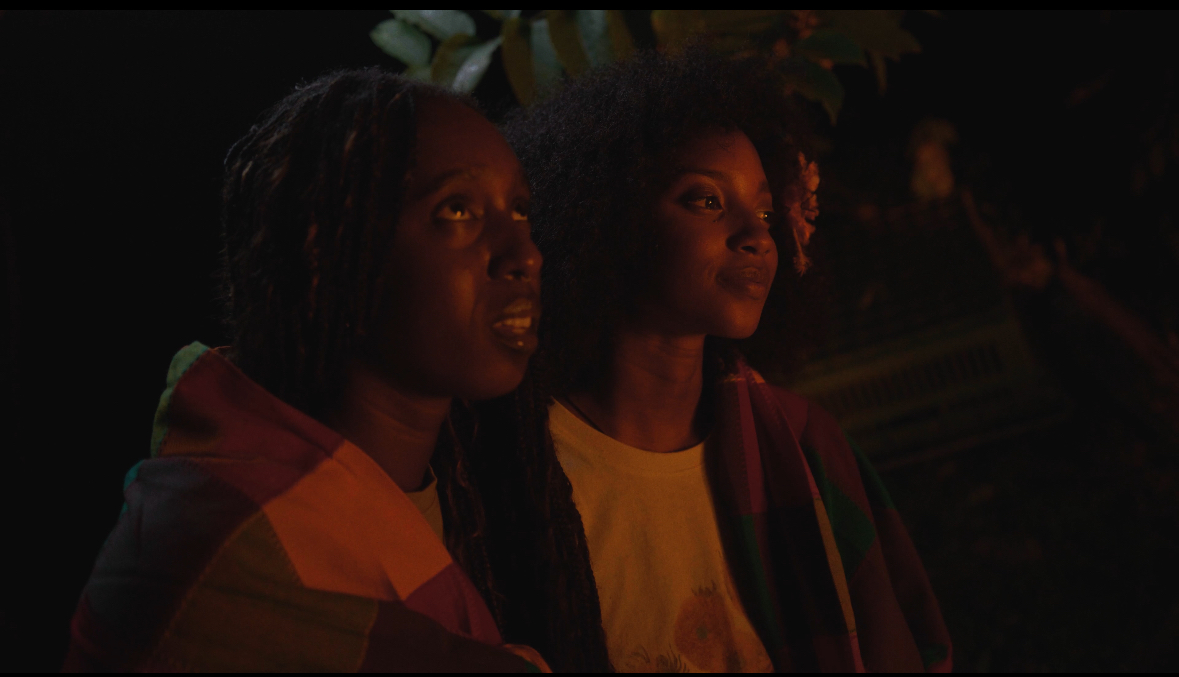
Image Credits
Director of Photography: Ryan Figuera
Cast: Kayla Alexander and Kamie
Director of Photography: Enoch Leung
Cast: Kashish Jain and Addison Haylett
Photographer: Azalea Cox
Photographer: Alita Swanson