






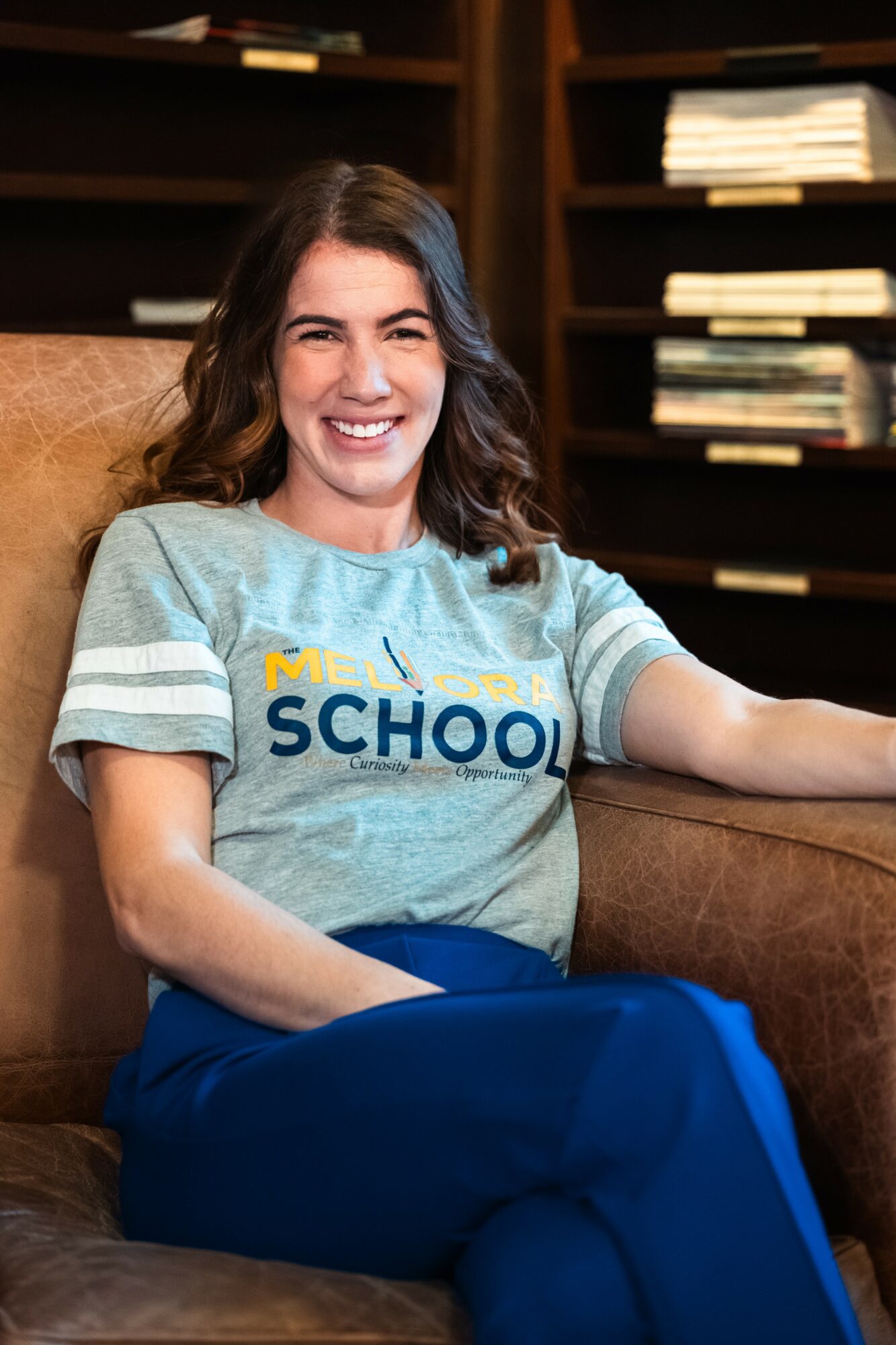
Today we’d like to introduce you to Dr. Christine “Chrissy” Keck.
Hi Dr. Christine “Chrissy”, thanks for joining us today. We’d love for you to start by introducing yourself.
I didn’t come to education because I had a perfect school experience. I came because I knew what it felt like when school didn’t quite fit—even when, on paper, everything looked like it should.
I grew up in Erie, Pennsylvania, in a stable, loving, and privileged environment. I went to the same public high school my dad attended, the same one my four older siblings went to, and even my aunts before them. School was familiar. Expected. Safe. From the outside, there was no reason to believe I would struggle.
But I did.
I was often described as capable but inconsistent. I worked hard, but not in ways that were always visible or rewarded. I wasn’t diagnosed with a learning disability until high school, and by then I had already learned to carry the belief that I simply needed to try harder. That quiet shame—the feeling that something about you is being missed—stays with you.
In 2013, I joined Teach For America as a Corps Member in Mississippi. During my first year of teaching, I was immersed in classrooms where students were brilliant, curious, and far more capable than the opportunities placed in front of them. After that summer, I completed an internship at the Mississippi Charter School Association and that became a turning point for me.
During that internship, Mississippi approved its first charter school. For the first time, I saw what school choice could actually mean—not as a policy conversation, but as a real possibility for families who had never been offered one. At the same time, I was teaching students who were sharper than I was, more creative than I was, and working twice as hard with far fewer resources. The inequity wasn’t about ability—it was about access.
That contrast stayed with me.
I spent two years working in Mississippi as a Corps Member, teaching and learning alongside students and educators whose brilliance was often underestimated. Even in a short time, I saw how frequently schools asked students to adapt to rigid systems instead of designing systems around students. That experience sharpened my belief that the problem was not learners—it was design.
Over the years, my work took me across the country. I taught, helped found schools, led turnarounds, and served as a principal in very different communities. Moving often gave me perspective. The settings changed, but the patterns didn’t. Everywhere, families wanted their children to be known. Educators wanted to do meaningful work without burning out. Students wanted school to feel relevant, challenging, and humane.
When I became a principal, I led with those lessons in mind. I slowed things down. I centered trust and sustainability. I took care of adults so they could take care of kids. As a result, we retained every teacher year after year, and students thrived in a school where the people around them were steady and supported.
Still, the same question stayed with me: what would school look like if it were designed for learners who are complex—brilliant and struggling, confident and uncertain—at the same time?
That question became The Meliora School.
Meliora exists because no learner should feel unseen or misunderstood simply because school wasn’t built for them. It exists because mastery matters more than speed, because strengths deserve space, and because young people should leave school knowing they can build a life—not just pass a test.
Just as importantly, Meliora was built with community at the center. Before there was approval, there were living rooms, town halls, listening sessions, and long conversations. Families shared their hopes and frustrations. Students talked honestly about what school felt like—and what they wished it could be. Community members showed up month after month to help shape the vision, gather support, host events, and hold us accountable.
Meliora is not a school brought into a community. It is a school built with one.
In 2025, after years of shared work and trust-building, The Meliora School was approved by the State Charter Schools Commission of Georgia and will open in Gwinnett County in Fall 2026.
Founding this school isn’t about innovation for me. It’s about repair. It’s about responsibility. It’s about building the kind of place I needed, the kind my students deserved, and the kind communities have been asking for all along.
We all face challenges, but looking back would you describe it as a relatively smooth road?
No, it hasn’t been a smooth road. And as a founder, there’s always a new challenge waiting—just as soon as you solve the last one.
I founded The Meliora School while working full time, which meant building a school in the margins—early mornings, late nights, weekends, and long stretches of exhaustion. I heard “no” often: from systems, from gatekeepers, and from people who questioned why this kind of school was necessary or told me it would never happen. Navigating politics, facilities, and complex approval processes required patience and a thick skin, especially when progress felt slow and uncertain.
There were moments when I nearly didn’t submit the application—not because I didn’t believe in Meliora, but because the process can wear you down. In those moments, people mattered. Christa Thomas helped keep me grounded in the purpose of the work, and Nandi Edouard provided steady encouragement to keep moving forward and submit, even when the outcome felt unclear.
This past year tested that resolve in very real ways. In October, while running the Chicago Marathon, I tore my knee. I kept training, kept running, and still managed to PR with the support of the Atlanta Run Club, before ultimately needing knee surgery later that month. Recovery happened alongside one of the most demanding stretches of the founding process, requiring me to adapt physically while staying fully engaged mentally.
At the same time, our petitioning year came with very limited funding. Without the resources many founders rely on, we had to be creative. We leaned on community—volunteers, donated time, shared spaces, and people willing to show up without guarantees. Momentum was built through relationships, trust, and persistence rather than capital.
None of this was smooth. But each challenge strengthened the work. It sharpened the vision, deepened the community around the school, and reinforced the resilience required to build something that lasts. Founding Meliora has been a constant practice in adapting, learning, and continuing forward—and that’s exactly the mindset the school itself is built to cultivate.
Thanks – so what else should our readers know about your work and what you’re currently focused on?
My work sits at the intersection of school design, community-centered leadership, and learner-centered systems change. I’m the founder of The Meliora School, a public charter school opening in Gwinnett County in Fall 2026, and my focus is on building schools that are rigorous, humane, and built to last.
I specialize in designing and leading mastery-based, learner-centered environments, particularly in complex, real-world conditions. My background spans teaching, school founding, turnaround leadership, state-level charter work, and coaching leaders across the country. I’m known for translating big ideas—like personalized learning, inquiry, and equity—into structures that actually work day to day for students, educators, and families.
I’m also known for my capacity to hold and manage many demanding commitments at once. Whether it’s founding a school while working full time, completing a doctorate, or training for and running marathons, I tend to operate at the intersection of endurance, discipline, and purpose. It’s not about doing everything—it’s about sustaining effort over time, prioritizing what matters, and continuing forward even when things are hard.
What really defines my work is how I build. I don’t design schools in isolation. I build alongside communities—through listening sessions, town halls, task forces, and honest feedback loops. I’ve learned that trust is not a communications strategy; it’s built through consistency, humility, and showing up even when things are hard. Meliora exists because families, students, and community members helped shape it from the beginning.
I’m also known for leading with sustainability and care. As a principal, I retained 100% of my teachers year after year—not by lowering expectations, but by centering trust, clarity, and support. I take seriously the idea that adult well-being is inseparable from student success, and that strong culture is a prerequisite for strong outcomes.
What I’m most proud of is not a single accomplishment, but the throughline of my work. I’ve stayed in the work long enough to learn, unlearn, and rebuild. I founded a school from the ground up while navigating limited funding, political complexity, personal setbacks, and doubt—without losing sight of why the work matters. Seeing Meliora approved after years of community effort is meaningful because it reflects collective belief and persistence.
What sets me apart is my ability to hold both vision and reality at the same time. I’m comfortable in ambiguity. I can navigate systems while still challenging them. I bring lived experience—as a learner who struggled in a system that appeared successful from the outside—and I pair that with operational rigor, empathy, and long-term thinking.
At the core, I’m known for building schools that are not just innovative, but intentional—places where learners are deeply known, adults are supported, and communities see themselves reflected in the work. That’s the work I do, and it’s the work I’m committed to continuing.
In terms of your work and the industry, what are some of the changes you are expecting to see over the next five to ten years?
Over the next 5–10 years, I see education continuing to move away from one-size-fits-all systems and toward learner-centered models, with both charter schools and microschools contributing meaningfully to that shift.
Charter schools are increasingly advancing mastery-based learning, flexible pacing, and real-world, applied experiences within a public, accountable framework. Microschools are also influencing the field by demonstrating what’s possible when learning environments are intentionally small, relational, and responsive. Together, these approaches are helping redefine what effective schooling can look like.
In the coming decade, I expect to see:
Mastery-based progression become more common, replacing seat-time as the primary measure of learning
Smaller learning communities, ensuring learners are deeply known by adults who support them over time
Authentic, real-world learning through entrepreneurship, technology, and project-based experiences
Broader definitions of success, honoring multiple postsecondary pathways beyond a single college-for-all narrative
Stronger community partnerships, embedding schools within the local contexts they serve
The most significant shift is not about school type, but about design. Families are asking for schools that are human, adaptable, and built around learners rather than systems. Charter schools and microschools alike are helping move the field toward that future by centering relationships, agency, and relevance.
Over the next decade, education will be shaped by models that intentionally design for the whole learner—academically, socially, and emotionally—while preparing young people for a rapidly changing world.
Contact Info:
- Website: https://www.themelioraschool.org
- Instagram: https://www.instagram.com/themelioraschool/
- Facebook: https://www.facebook.com/profile.php?id=61583087551303&sk=followers
- LinkedIn: https://www.linkedin.com/company/the-meliora-school/?viewAsMember=true
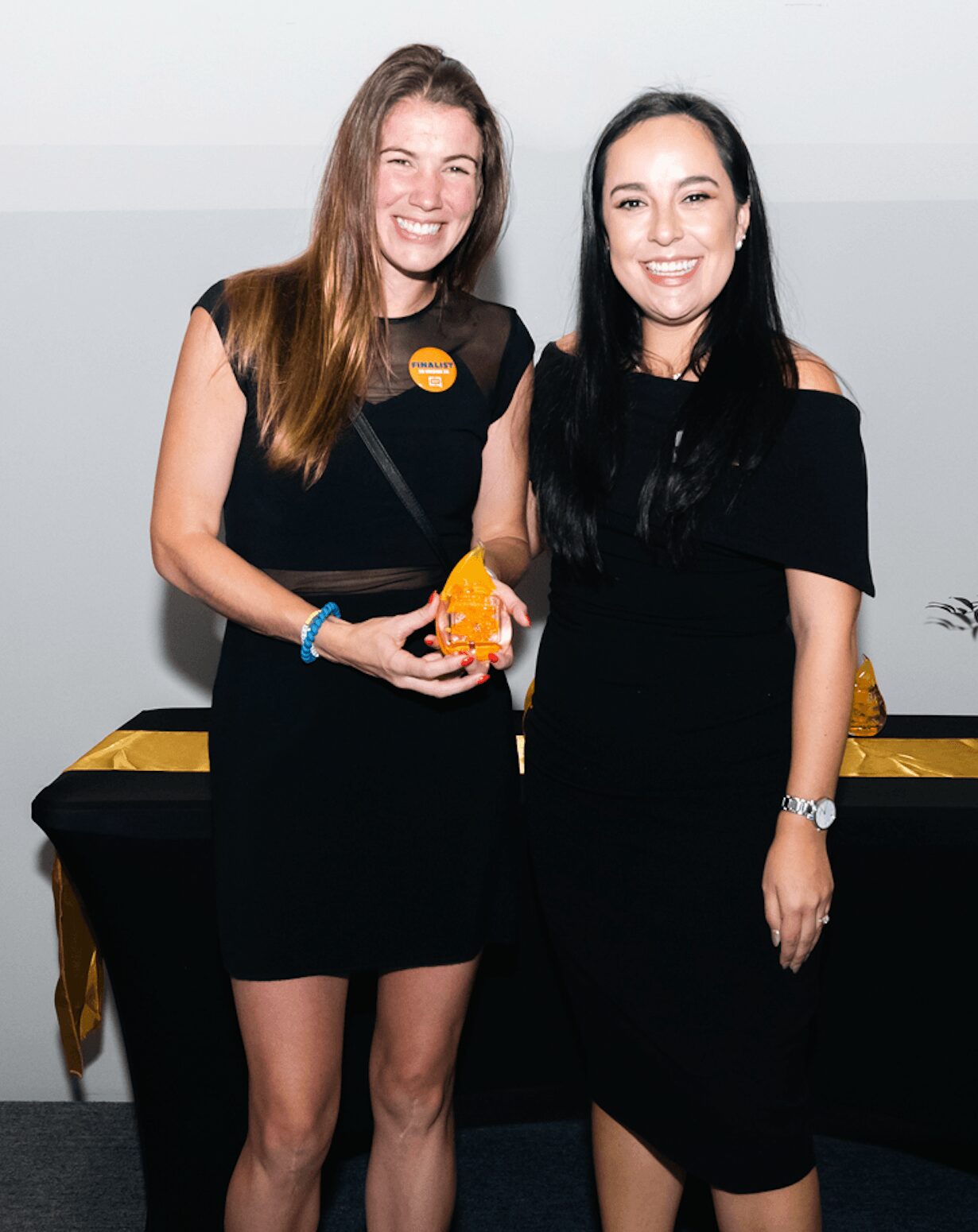
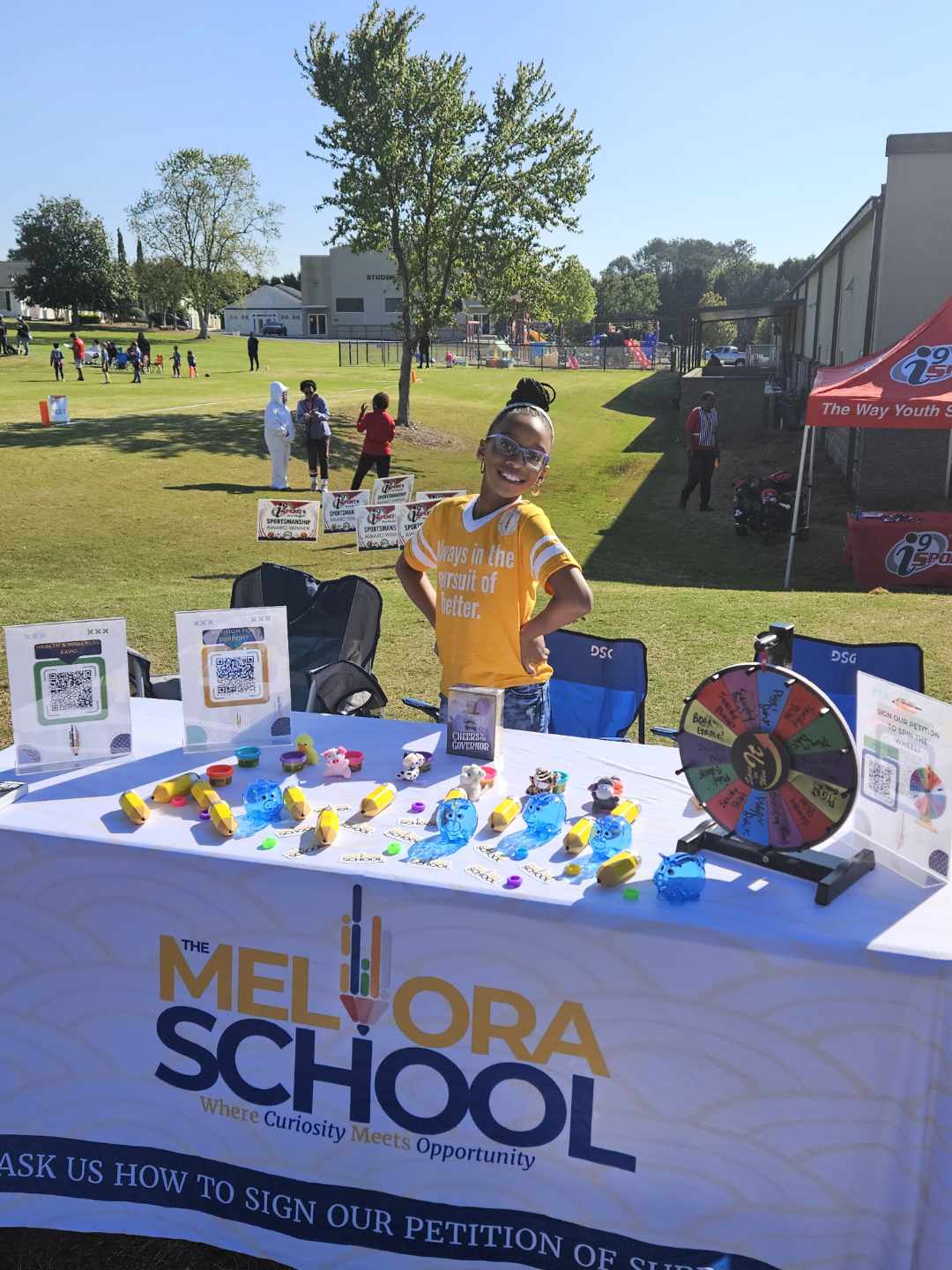
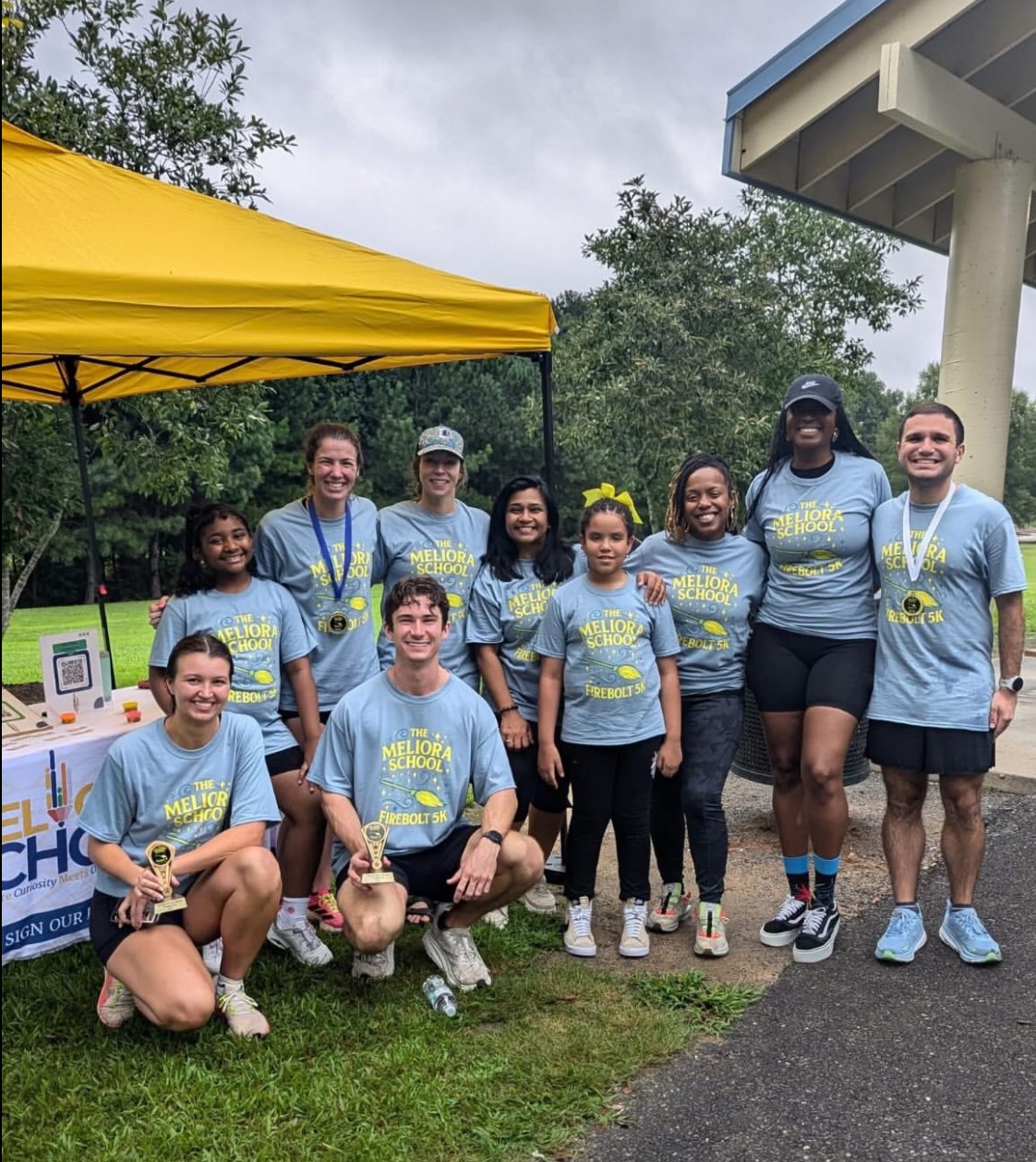
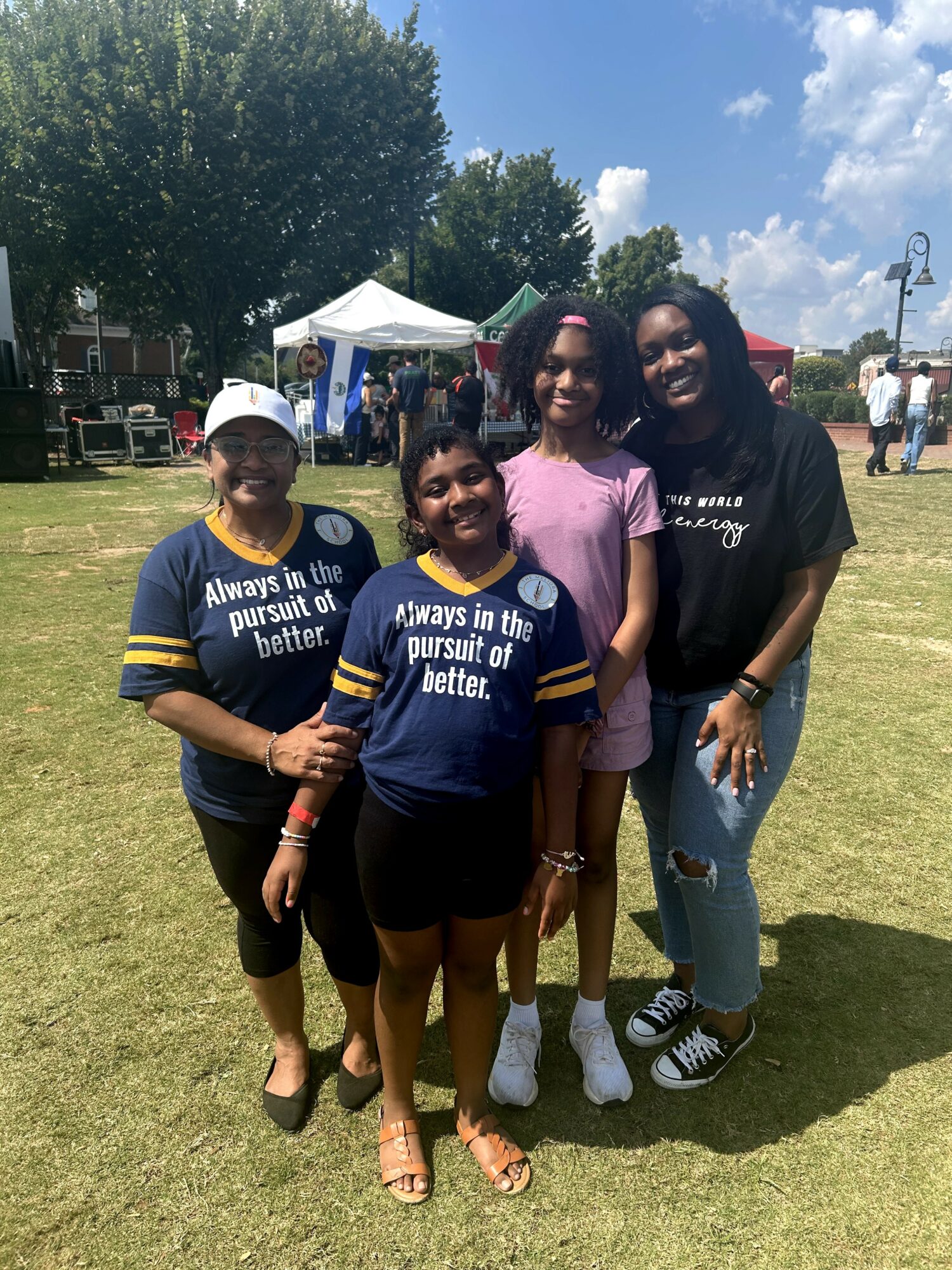
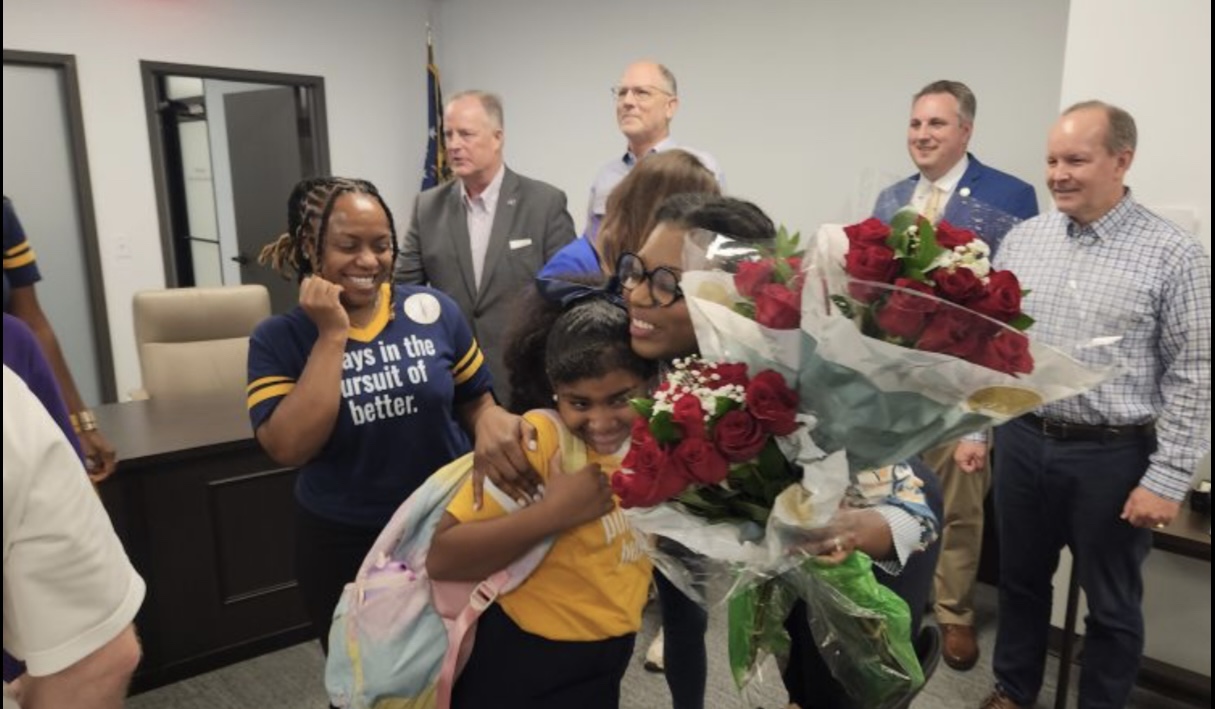
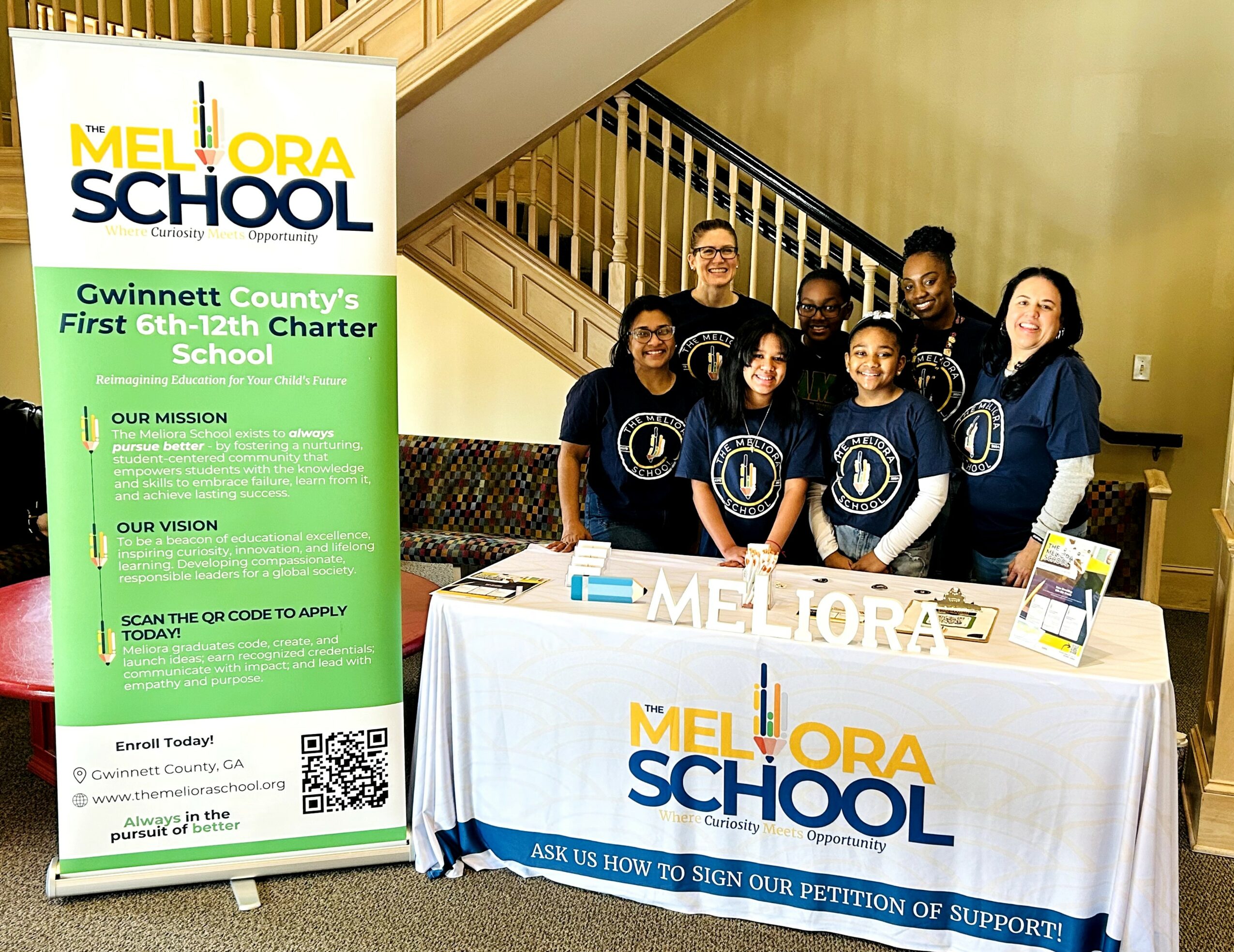
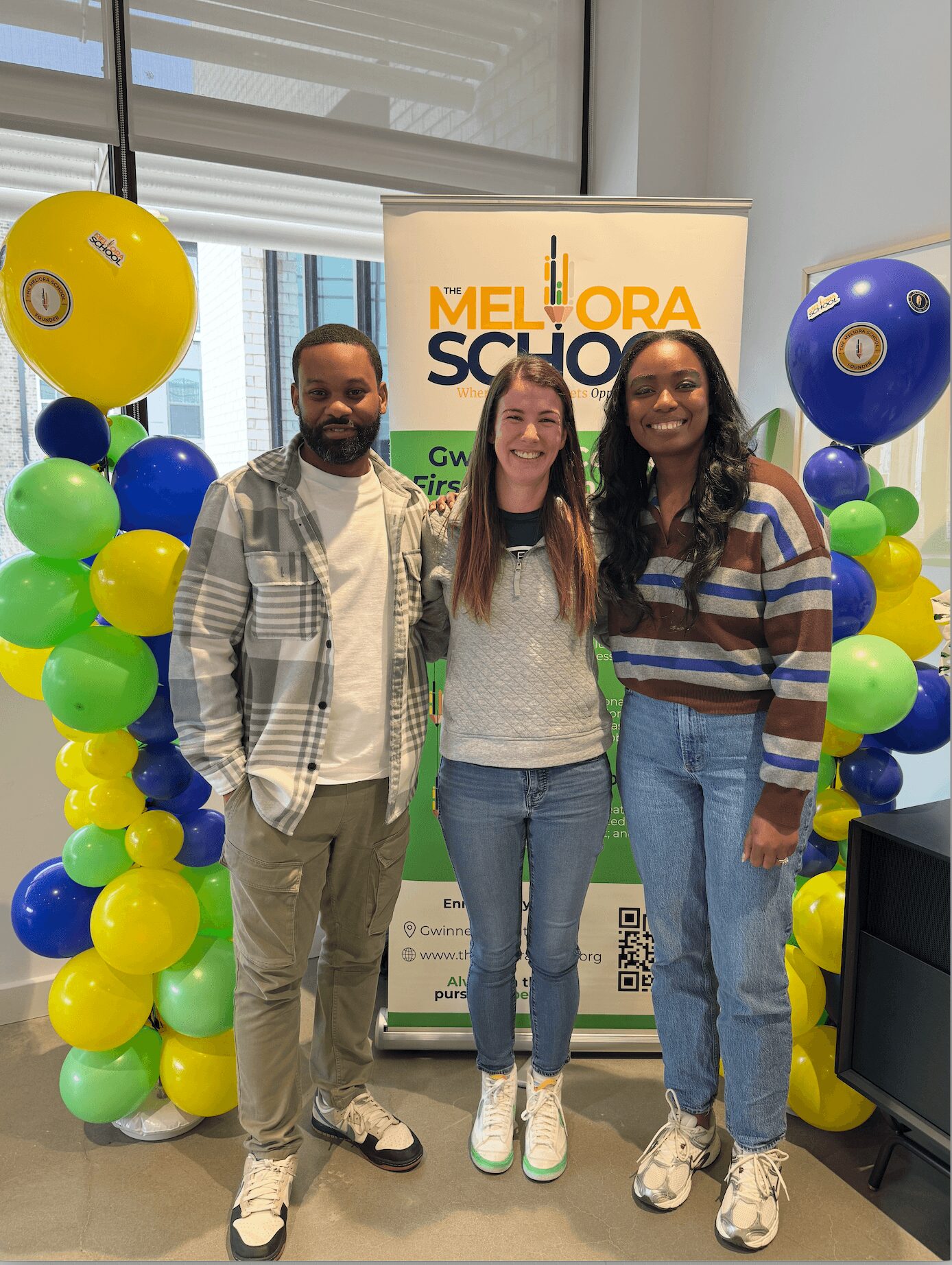
Image Credits
To the flowers picture – State Charter School Commission
Popular
-

Choosing Impact Over Control: Susana’s Intentional Evolution of Fro Butter
-

Where Faith, Code, and Soul Converge
-

Breaking Cycles, Answering the Call Forward
-

Leadership Rooted in Dignity and Continuity
-

Healing as Leadership: How LaCora Monet Is Redefining Sustainable Success
-

Returning to Herself: How Thalorah Is Building Veloria™ as a Sanctuary for Feminine Sovereignty