




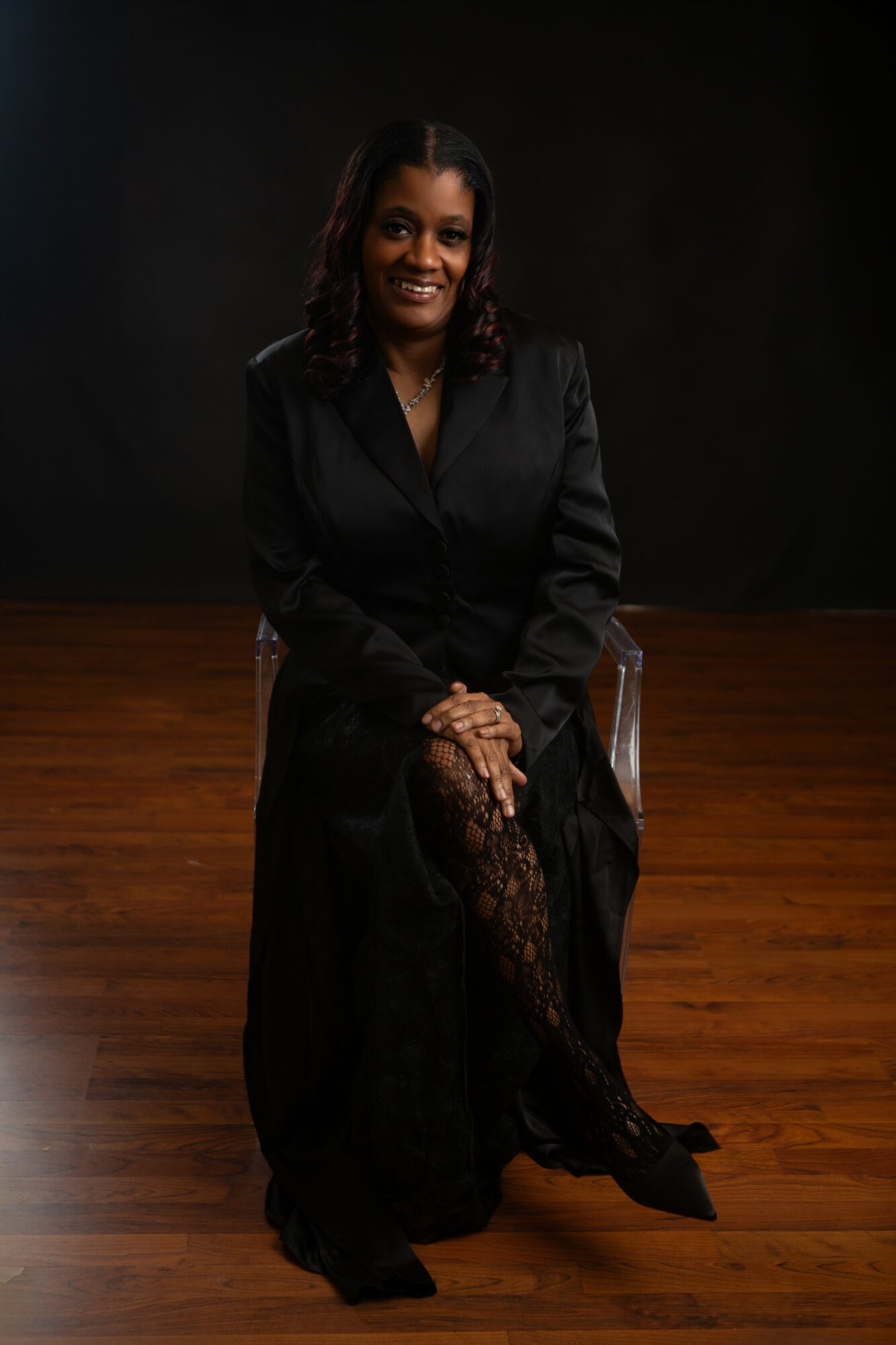
Today we’d like to introduce you to Dr. Susan Morgan Roberts.
Hi Dr. Susan Morgan , thanks for joining us today. We’d love for you to start by introducing yourself.
My story didn’t start with a mission. I started with awareness. I was raised by strong, steady parents who modeled resilience, responsibility, and integrity. What I learned early not because something was wrong, but because I was deeply observant is that children often feel things long before they have language for them. When a child doesn’t yet have the words for embarrassment, confusion, fear, or even complex joy, they don’t always announce it. They internalize it. Not to hide. Not to defy. But because vocabulary develops over time. Silence in childhood is often not concealment. It’s unfinished language. So sometimes children close the door quietly not to shut parents out, but because they don’t yet know how to open the conversation without feeling different or burdensome. I didn’t outgrow that awareness. I refined it. That quiet discernment followed me into adulthood. I became a nurse. I served in the United States Navy Reserve. I stood at bedsides where seconds mattered and witnessed how hesitation, dismissal, or silence could alter outcomes. That is when I realized something that would shape my life’s work: Silence is not neutral. In healthcare, silence can be deadly. From that realization, I independently developed CRUSH 33 – A Medical Emergency a structured accountability framework designed to interrupt hesitation and restore urgency in time-critical moments. It was not simply a call to action. It was a behavioral model built to change what happens in the first 33 minutes, when survival is decided. CRUSH 33™ became the foundation. As the work expanded beyond any single institution, I later developed Eyes of Sepsis Where Time Runs Out in Silence™, a global public health education movement focused on early recognition, teaching clinicians, families, and communities how to respond when symptoms whisper rather than shout. CRUSH 33™ addresses the moment of action. Eyes of Sepsis strengthens the moment of recognition. And underlying both is a simple philosophy:
If children close doors because they lack language, then adults must create doors that are easier to open. Doors that don’t require perfect sentences. Doors that invite half-formed thoughts. Doors that say, “You don’t have to explain it perfectly; just begin.” Because symptoms often whisper before they scream, and so do children. My life’s work has focused on helping people respond to these whispers before they turn into emergencies.
But my story is not only about medicine.
It is also about voice.
Because symptoms whisper before they scream. So do children. And my life’s work has been about helping people respond to whispers before they become emergencies. It extends to the living room. That same philosophy that silence is often unfinished language became the heartbeat behind Whimsky Works™,, a children’s book series and advocacy platform I created to give children words before they need armor. Through storytelling, I create the kinds of characters I needed when I was young—observant children, sensitive leaders, and quiet thinkers who learn that their inner world is not something to hide but something to honor. Whimsky Works™, teaches the principles of CRUSH 33™, and Eyes of Sepsis™, in healthcare: Recognition before crisis and language before escalation. This awareness inspired Whimsky Works™, a children’s book series and advocacy platform centered on sensitive, observant kids who are often misunderstood. Through my storytelling, I craft characters who discover that being quiet does not equate to being weak, and that speaking up can truly change a room.
In addition to these initiatives, I am currently completing a literary memoir titled *The Porch: When Endurance Stops Saving You*, which explores endurance, voice, and self-reclamation.
Today, my work exists at the intersection of public health, storytelling, and advocacy. Whether I am teaching clinicians, writing for children, or sharing my memoir, the underlying message remains the same: while silence may protect us for a time, it is our voice that ultimately transforms us.
We all face challenges, but looking back would you describe it as a relatively smooth road?
One of my earliest struggles was realizing that being “strong” often meant being silent. As a young girl, I internalized the belief that love and safety were earned through compliance and composure. This mindset followed me into adulthood—into my marriage, my military service, and my leadership roles. While I became highly capable, I also became accustomed to carrying burdens alone.
Professionally, I have faced institutional resistance, skepticism, and the unspoken expectation to endure rather than to question. Building Eyes of Sepsis™ and developing CRUSH 33™ required me to push against hesitation, bureaucracy, and, at times, dismissal. Advocacy is rarely welcomed at first, especially when it challenges the comfort of established routines. There were moments when speaking up cost me my peace, and times when staying quiet cost me sleep.
On a personal level, I have navigated seasons of instability, financial strain, self-doubt, and the lingering effects of childhood traumas for which I did not yet have language. Writing my memoir compelled me to revisit parts of my story that I had survived but never truly processed. This experience became its own form of reckoning.
Yet, every obstacle refined my mission, and each setback clarified my voice. I learned that endurance alone is not enough for transformation; reflection is essential. The road hasn’t always been smooth, but it has been purposeful. Every challenge has contributed to the work I now do: helping others understand that while silence may offer temporary protection, the truth is what ultimately frees you.
Thanks – so what else should our readers know about your work and what you’re currently focused on?
Professionally, I work at the intersection of public health, clinical education, and storytelling.
I am a registered nurse and hold a Doctor of Public Health (DrPH) with a specialization in epidemiology. My work focuses on early recognition and system accountability in time-sensitive medical emergencies, particularly S-E-P-S-I-S. After years at the bedside and in leadership, I recognized a dangerous pattern: patients were deteriorating not because people lacked compassion, but because hesitation and fragmented systems delayed action. That realization led me to found Eyes of Sepsis™, a global public-health education initiative designed to make early warning signs unmistakable and to equip both clinicians and families to act with urgency.
I later developed CRUSH 33™, a time-critical framework that emphasizes rapid recognition, accountability, and decisive response within the first 33 minutes of suspected S-E-P-S-I-S. What I am most proud of is not just creating a framework, but watching it become a teaching tool that empowers teams to move with clarity and confidence when lives are on the line.
What sets me apart is my ability to translate complex medical science into human language. I use analogies, storytelling, and visual teaching methods to make physiology understandable and actionable. I believe education should not intimidateit should equip. That philosophy extends beyond healthcare into my Whimsky Works™ children’s book series, where I write stories that help sensitive, observant children see their voice as strength rather than inconvenience.
Whether I am teaching clinicians, writing for children, or working on my literary memoir, my professional mission remains consistent: interrupt silence, restore clarity, and help people recognize the moment when action matters most.
Networking and finding a mentor can have such a positive impact on one’s life and career. Any advice?
I’ve learned that mentorship doesn’t always arrive with a title. Sometimes it looks like a supervisor who challenges you, a colleague who models integrity, or even a difficult situation that forces you to grow.
My advice is to look for alignment, not proximity. The right mentor isn’t just someone successful; it’s someone whose values you respect and whose character you would want to mirror under pressure. Skill can be taught; integrity must be observed.
Networking, for me, has never been about collecting contacts. It has been about cultivating consistency. I try to be the same person in every room, prepared, thoughtful, and reliable. Over time, that consistency builds trust, and trust builds opportunity.
I also believe in reciprocal mentorship. Even as you seek guidance, you should be developing your own voice and offering value where you can. Some of my most meaningful professional relationships began not with me asking for help, but with me showing up consistently and doing excellent work.
Finally, I encourage people to remember that mentorship is not rescue. It is refinement. A mentor can open doors, but you still have to walk through them with clarity and courage.
Contact Info:
- Website: Drsuejbooks.com & eyesofsepsis.com
- Instagram: Dr.robertssepsisslayer
- Facebook: @eyesofsepsiswheretimerunsoutinsilence
- LinkedIn: Susan Roberts
- Youtube: @eyesofsepsiswheretimerunsoutinsilence @drsuejbooks
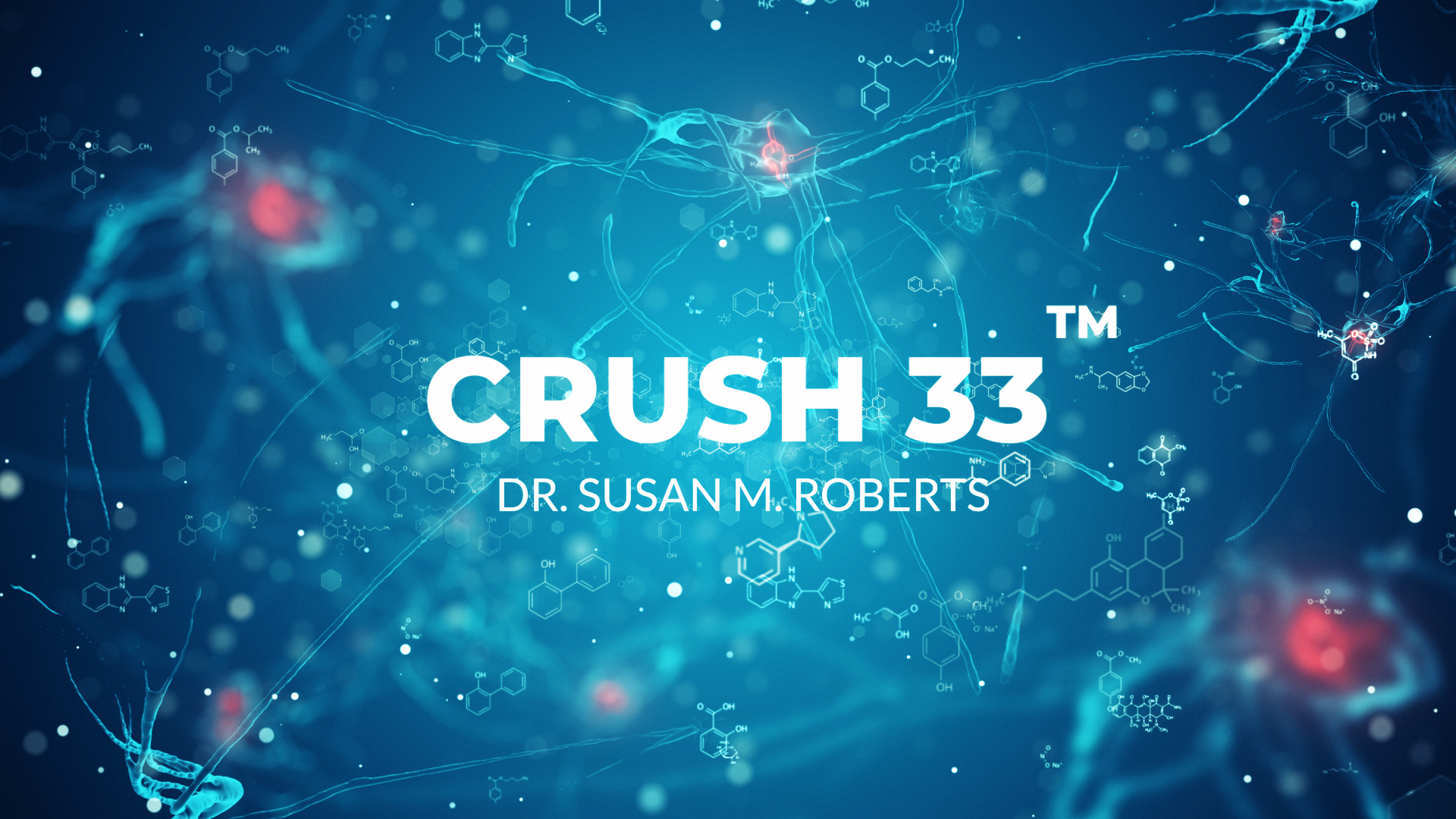
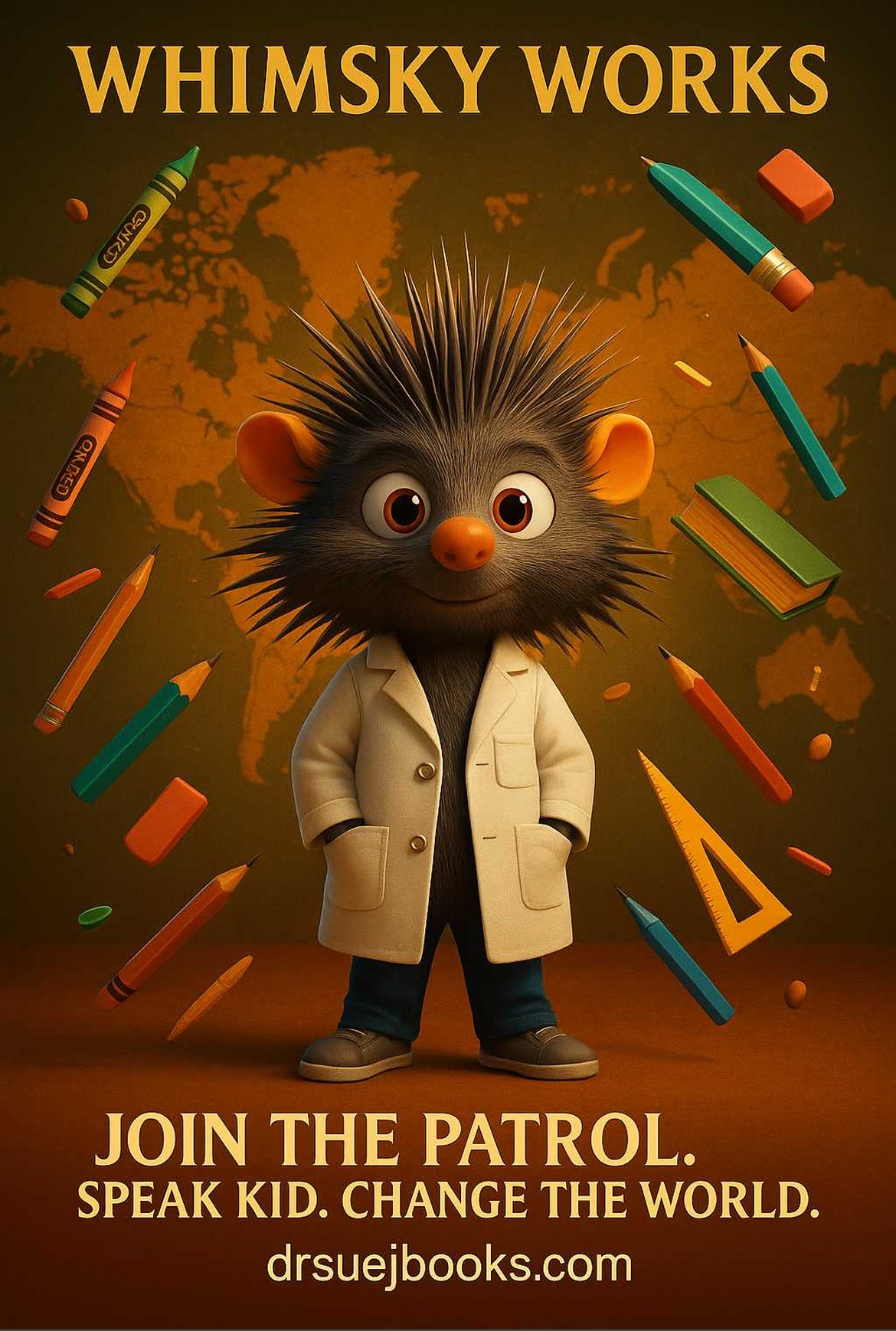
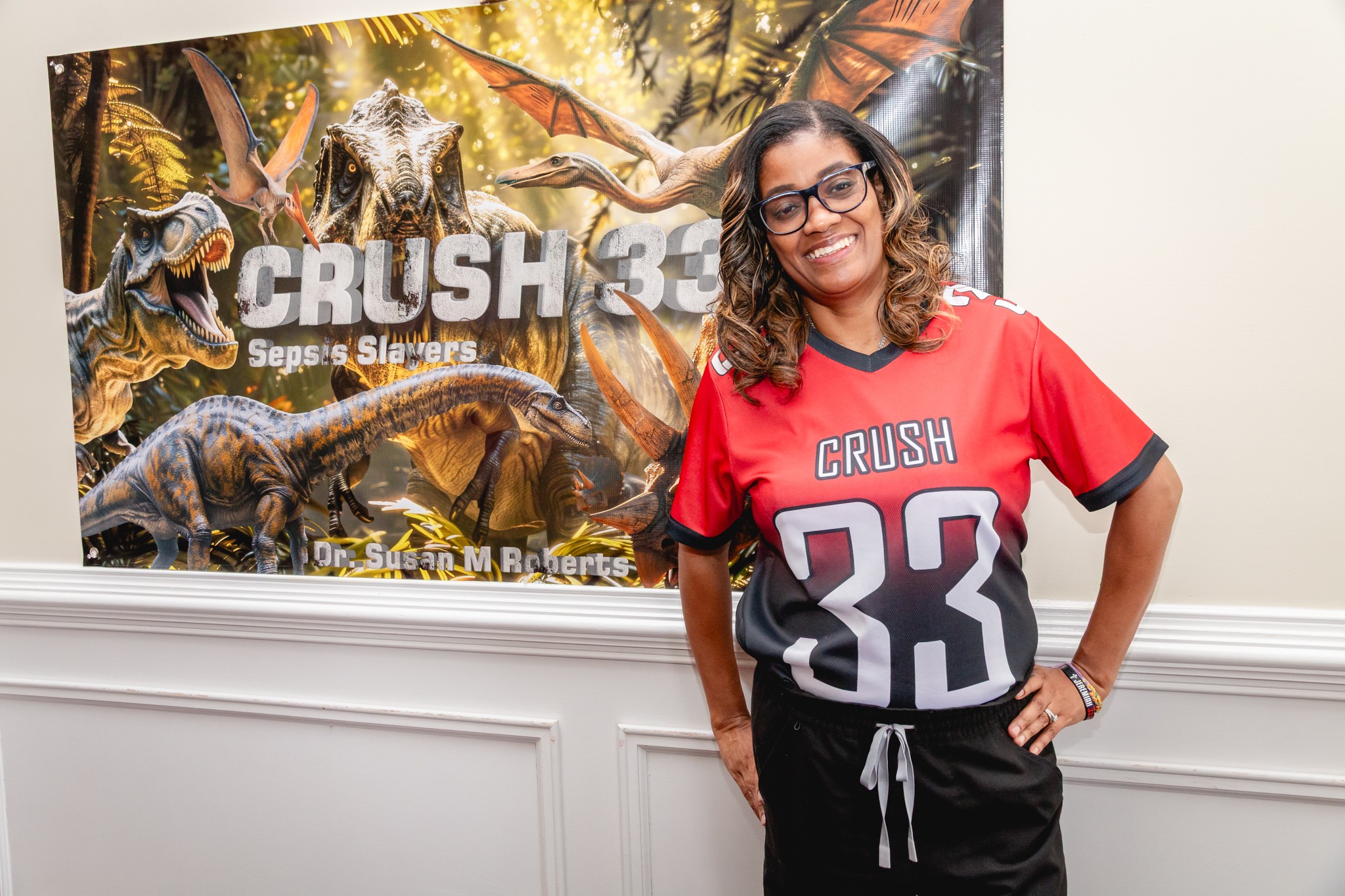

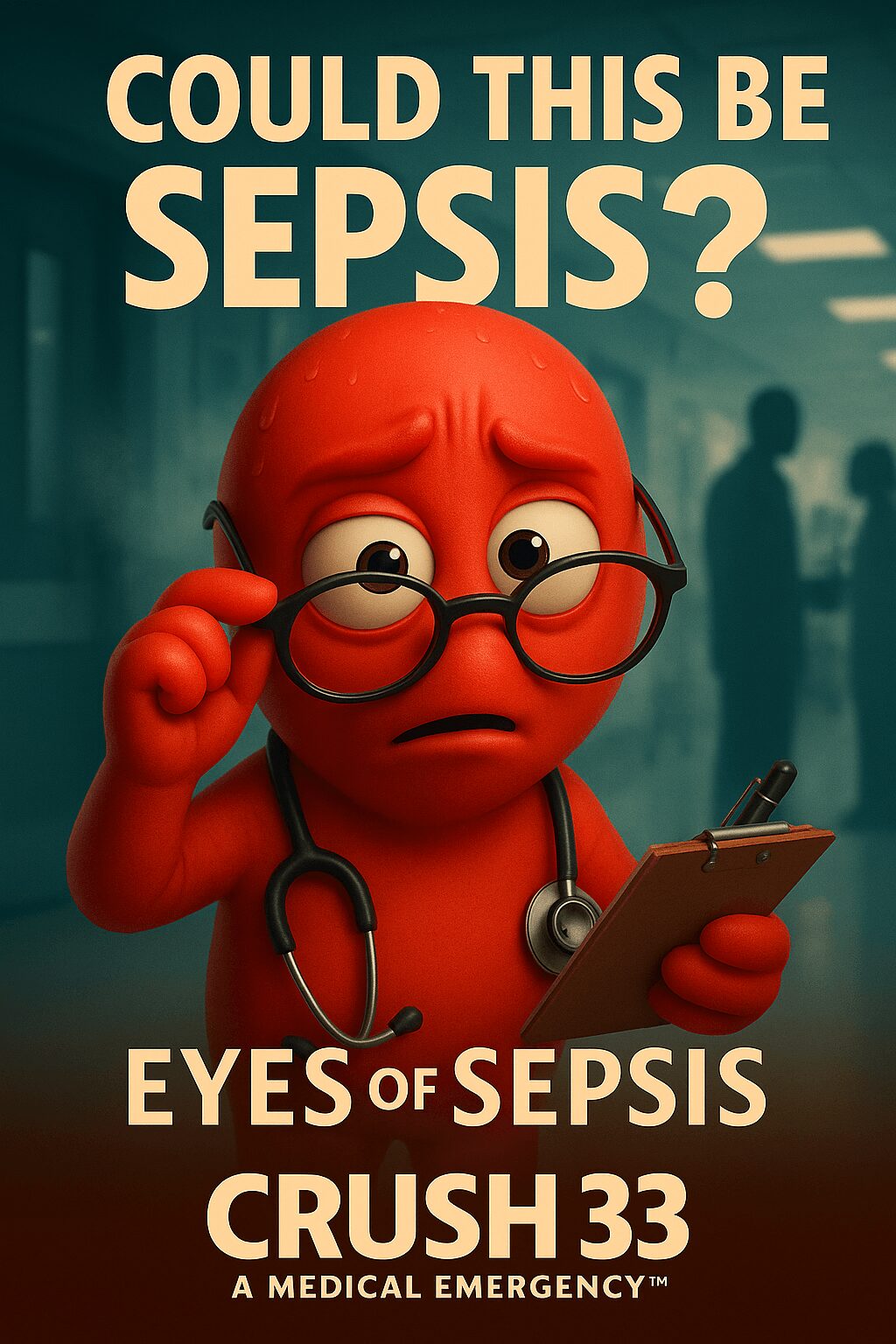
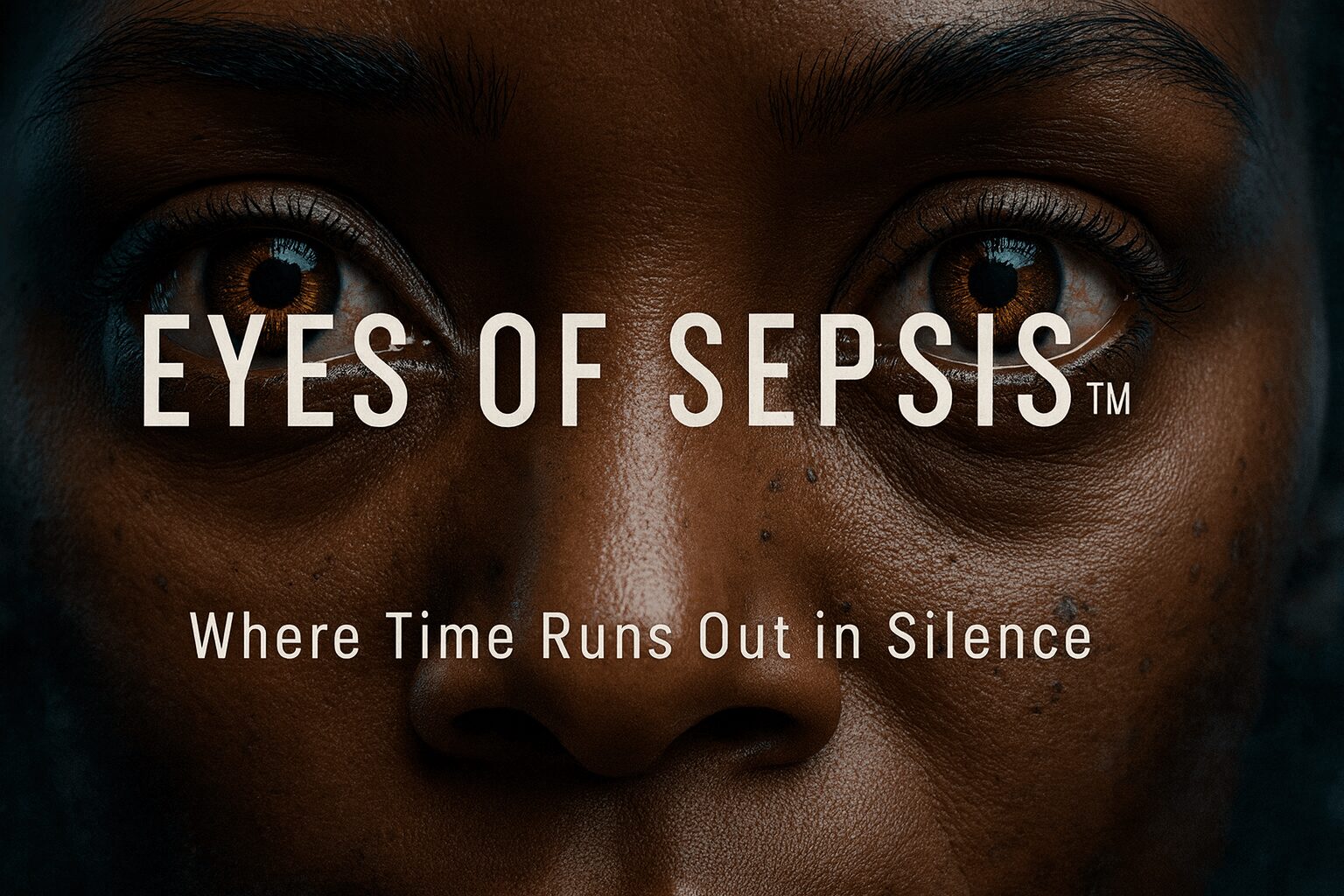
Image Credits
Photographer Nicole Barton