






Today we’d like to introduce you to Kelly Sherard.
Hi Kelly, so excited to have you with us today. What can you tell us about your story?
I didn’t come into fashion through a traditional pipeline—I came through curiosity, instinct, and my hands. I’ve always been a maker, drawn to understanding how things work and how they can be transformed. Long before labels or collections, I was cutting fabric, experimenting, and trusting my eye.
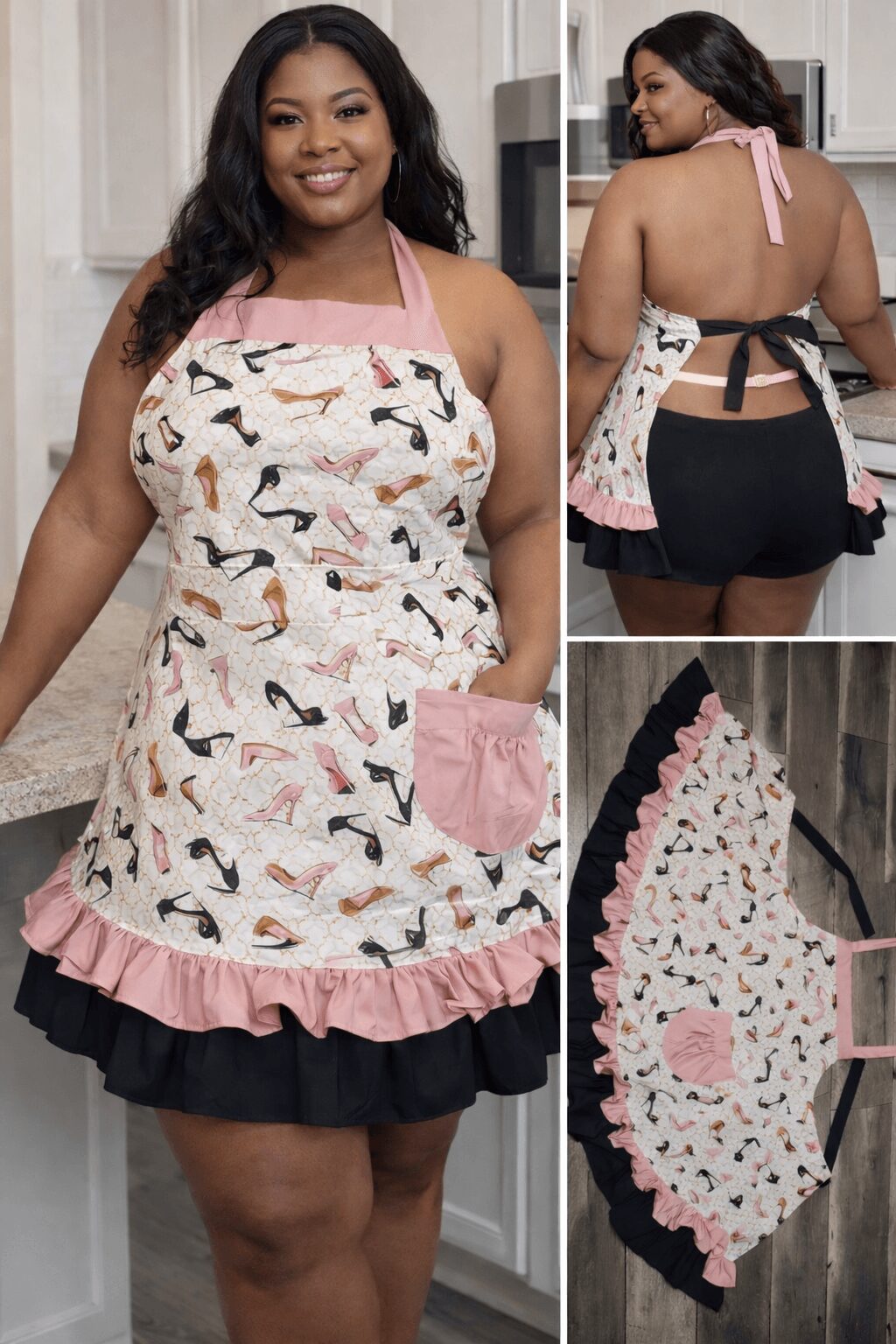
I jumped out on faith during a transitional moment in my life and opened my boutique while I was between jobs. I had time, conviction, and a clear understanding that I no longer wanted to spend long hours building someone else’s vision. The boutique launched successfully, but it quickly became more than retail. When certain pieces didn’t move, I began reimagining them—adding pockets, turning dresses into two-piece sets, and creating statement jabots to elevate otherwise simple looks. That instinct to problem-solve through design pushed me to formally learn how to sew, not as a hobby, but as a tool.
What started as necessity became direction. I realized I wasn’t just selling clothing—I was redesigning value. That experimentation created a new lane within my own business, where reconstruction, customization, and intentional design became central. Over time, this evolved into Sew Me Crazy Creations & Boutique, a space where handmade design, curated fashion, and community intersect. Alongside it, my work under Kay’She reflects my more editorial voice—limited pieces, reconstructed garments, and designs that sit between wearability and art.
My journey hasn’t been about chasing trends; it’s been about building skill, vision, and autonomy. I’ve learned by doing—through fittings, fabric mistakes, and listening closely to how people want to feel in their clothes. Today, I balance being a designer, educator, and business owner, creating fashion that is expressive, functional, and deeply personal. I’m still evolving, still experimenting, and still excited by the idea that clothing can transform not just how we look, but how we move through the world.
Can you talk to us a bit about the challenges and lessons you’ve learned along the way. Looking back would you say it’s been easy or smooth in retrospect?
It hasn’t been a smooth road, but it’s been a meaningful one. One of the biggest challenges was learning everything in real time—design, production, retail, pricing, and customer expectations—often all at once. I didn’t come from a system that handed me resources or a roadmap, so I learned by doing, adjusting, and sometimes rebuilding.
There were moments of financial uncertainty, creative doubt, and physical exhaustion. Teaching myself how to sew while running a boutique meant long days and even longer nights. I also had to learn how to value my work—how to price my time, my skill, and my vision without apology. That shift alone took growth.
What kept me grounded was adaptability. When something didn’t sell, I didn’t see it as failure—I saw it as information. I redesigned, reworked, and reframed. Those challenges forced me to develop a sharper eye, a stronger business instinct, and a clearer voice as a designer. The struggles didn’t slow me down; they refined me.
Alright, so let’s switch gears a bit and talk business. What should we know about your work?
My work sits at the intersection of design, reconstruction, and problem-solving. I am a designer, boutique owner, and creative educator, specializing in transforming garments—either from the ground up or by reimagining existing pieces—to create clothing that feels intentional, functional, and expressive.
I’m known for my ability to see potential where others see limitations. When a piece doesn’t work, I don’t discard it—I redesign it. That might mean adding structure, incorporating pockets, converting a dress into a two-piece set, or elevating a look with a statement element like my jabots. That approach has become a signature: thoughtful upgrades that extend the life and value of clothing while giving it a stronger point of view.
As my work evolved, I treated sewing like an investment, not a hobby. I enrolled in sewing classes to build a strong technical foundation, then continued learning through trial and error—testing, revising, and refining my process in real time. That combination of formal learning and hands-on experimentation allowed me to turn ideas into fully realized designs with confidence and precision.
What I’m most proud of is building a lane within my own business that didn’t exist before. By committing to the craft and embracing reconstruction, I shifted from retail into authorship. I didn’t just sell fashion—I began shaping it. That evolution opened the door to custom work, limited designs, and educational spaces where others can learn the value of making and modifying clothing with intention.
What sets me apart is adaptability. I design with intention, but I also listen—closely—to how people move, live, and want to feel in their clothes. My work is not trend-driven; it’s response-driven. Every piece is informed by function, fit, and feeling. At its core, my work is about transformation—of garments, of process, and of possibility.
Before we go, is there anything else you can share with us?
I want readers to know that growth doesn’t always arrive fully formed. Sometimes it shows up as curiosity, frustration, or the decision to try something before you feel ready. I jumped out on faith, invested in my craft, and allowed myself the space to learn in real time. That permission—to be both a student and a creator—changed everything.
Fashion, for me, is not just about aesthetics. It’s about autonomy, adaptability, and honoring the hands that make the work. I believe there is power in learning how things are constructed, in modifying what already exists, and in creating with intention rather than excess.
If there’s one thing I hope people take away, it’s that you don’t need to wait for validation to begin. Start where you are, use what you have, and let the work teach you who you’re becoming.
Contact Info:
- Website: https://www.sewmecrazyboutique.com
- Instagram: www.instagram.com/sewmecrazycreationsandboutique
- Facebook: https://facebook.com/sewmecrazycreationsandboutique
- Yelp: https://www.yelp.com/biz/sew-me-crazy-creations-and-boutique-douglasville


Popular
-

Opening Up to Move Forward: Diane Martinez on Vulnerability, Small Steps, and Getting Unstuck
-

Hidden Gems: Local Businesses & Creatives You Should Know
-

ATL’s Most Inspiring Stories
-

Portraits of Atlanta
-

Storytelling, Wellness, and Community: Dayana Preval on Finding Alignment Through Creative Expression
-

Rewriting the Rules of Publishing: How Jalisa Rose Ray Is Building an Author‑First Legacy with JRose Publishing