






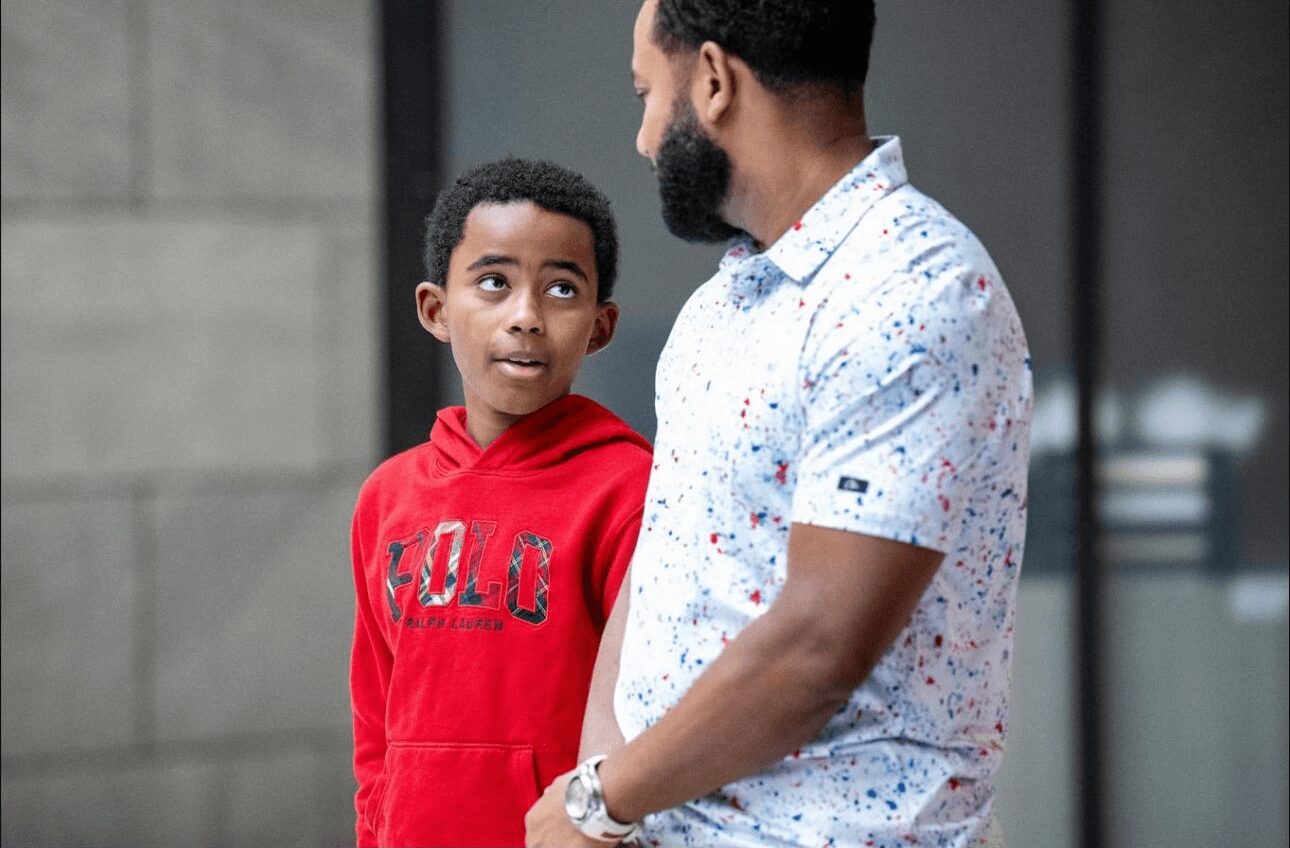
Today we’d like to introduce you to Kerrel McCrimons.
Kerrel, we appreciate you taking the time to share your story with us today. Where does your story begin?
My name is Kerrel McCrimons. I am a criminal defense, DUI, and personal injury attorney with Banks Weaver, LLC in Atlanta, Georgia. Beyond my legal practice, I am deeply committed to mentorship and community development. I co-lead “Our Space,” a mentoring group for young men ages 6–12 under Next Level Boys Academy, an innovative youth development organization based in Union City, Georgia. I am also a facilitator and active supporter of FatherMovement, a nonprofit dedicated to strengthening and supporting fathers throughout the metro Atlanta area.
I was born and raised in Atlanta—College Park to be exact. I am a proud product of Fulton County Schools and a 2004 graduate of Westlake High School. I went on to attend Georgia Southern University, where I was first exposed, in an academic setting, to the grim realities of the American criminal justice system. That exposure sparked a growing interest in mass incarceration, systemic inequities, and the role advocacy plays in shaping outcomes for marginalized communities.
One of the most formative experiences of my life occurred during a visit to Reidsville Maximum Security Prison. Standing face to face with young men—many my own age or younger—serving sentences of 20, 30, 40 years, and even life, was sobering. What struck me most was that the vast majority of them were Black. These were young men who looked like me but had found themselves on the other side of the proverbial wall. That moment gave me an itch—a belief that I could help change this reality. I decided then that I would pursue a career in law, and law school officially became the next step.
I was accepted into Howard University School of Law, where I was immersed in a rigorous and purpose-driven environment. Law school was challenging, but it was also irreplaceable. I was surrounded by driven individuals—both like-minded and different from me—who pushed themselves to the limit. I learned the value of work ethic, discipline, and committing fully to a goal. I joined organizations focused on criminal law, youth mentorship, and community outreach, participating in efforts that provided food, clothing, and support to those in need.
The most impactful part of my law school experience, however, was the real-world exposure. I interned with several judges in Fulton County, Georgia and Washington, D.C., where I observed trials, watched attorneys advocate fiercely for their clients, and saw firsthand how quickly freedom can be gained—or lost. I also interned with organizations dedicated to protecting the rights of individuals charged with and convicted of crimes. This was where I first began representing clients myself.
From the beginning, I understood that my decisions could have lifelong consequences. I took that responsibility seriously. I researched thoroughly, investigated relentlessly, and prepared obsessively—practicing arguments in the mirror, with friends, and anywhere I could. The results followed. I was able to keep incarcerated individuals from receiving additional time, prevent others from entering custody, and achieve meaningful outcomes for my clients. I knew then that criminal defense was not just a profession—it was my calling.
After law school, I began my legal career as a public defender in Lawrence, Massachusetts, where I gained invaluable courtroom experience and developed the skills necessary to survive and thrive in any courtroom. I later returned home to Atlanta and joined the Public Defender’s Office, where I continued to grow as an advocate.
Over time, I began noticing recurring patterns among my clients. Many came from single-parent households, and many lacked an active father or consistent male mentor. Around that same time, my son was born, and fatherhood became a central part of my identity. Although my own father was always present in my life, I had never fully reflected on the intentional role he played in shaping who I became.
That reflection deepened when I joined a fatherhood program led by a coworker. The experience strengthened my relationship with my father and reshaped my understanding of fatherhood. I also learned an important truth: contrary to popular narratives, many men deeply want to be involved in their children’s lives but face real and significant barriers.
My commitment to this space led me to FatherMovement, where I now co-facilitate weekly calls and support fathers throughout the metro Atlanta area. Around the same time, a client introduced me to a grassroots mentoring program for young men. This intorduction eventually lead to my involvement with Our Space. Much like my early experiences in criminal defense, the program was raw, authentic, and positioned to make a real impact. I bought in immediately and committed myself to its growth and success.
Today, I stand at the intersection of law, mentorship, and fatherhood advocacy. For more than a decade, my commitment to legal excellence and meaningful community impact has guided my work. Whether in the courtroom or the community, my goal remains the same: to help create better outcomes for individuals, families, and the next generation.
Would you say it’s been a smooth road, and if not what are some of the biggest challenges you’ve faced along the way?
The road has not been smooth. Being an attorney is not easy, and being a defense attorney is often even harder. There are challenges with judges, prosecutors who seem more focused on “winning” than on justice, and clients who sometimes struggle to stay out of their own way. The list goes on. More often than not, it can feel like I am the only person in the courtroom—and sometimes in the entire system—who truly cares about my client’s situation.
Oddly enough, that reality has become one of my greatest motivators. Knowing that I may be the only person fighting for my client’s rights gives the work meaning. I’ve adopted the mindset that if I don’t do this, it won’t get done. That responsibility pushes me to always put my best foot forward and to do everything within my power to secure the best possible outcome for every client. Over time, that consistency has helped shape my reputation as a true advocate—not an attorney simply looking to move cases quickly or take the path of least resistance.
That same commitment to consistency has carried over into my work with FatherMovement and Our Space. Our Space exists as an extension of an already successful mentoring organization, Next Level Boys Academy, which serves young men ages 12–24 and regularly fills the building with more than 100 participants each week. In contrast, there were times early on with Our Space when attendance was sparse—sometimes it was just my son and me. It was discouraging and, at moments, made me question whether my time and energy were being well spent.
After honest conversations with my co-facilitators, we reached a pivotal conclusion: consistency mattered more than numbers. It was better to be a steady, reliable presence than to chase attendance for appearance’s sake. Once I embraced the idea that the same energy, preparation, and intention would be present whether there was one child or one hundred, everything shifted. The focus moved from quantity to quality—from how many kids were in the room to the impact of the message being delivered.
That mindset has made all the difference. Whether in the courtroom or the community, I believe real change is built through showing up, doing the work, and remaining consistent—even when the results are not immediately visible.
Thanks for sharing that. So, maybe next you can tell us a bit more about your business?
I am a criminal defense, personal injury, and police misconduct attorney with a focus on cases involving drugs, firearms, and DUI. I have practiced law since 2012, beginning my career as a Public Defender and now serving as an Associate Attorney at BanksWeaver, LLC.
When I chose to pursue law, I didn’t have a blueprint. I wasn’t from a family of attorneys, and I had no built-in network to guide me. That absence could have been intimidating—but instead, it became fuel. I attended Howard University School of Law, where I was introduced to a quote by Charles Hamilton Houston that would define my career:
“A lawyer is either a social engineer or a parasite on society.”
I knew exactly which one I wanted to be.
As a Public Defender, I embraced the role many misunderstand but few truly know. An aggressive, committed Public Defender can change lives—and I intended to be one of them. I worked relentlessly. I took cases to trial. I filed motions. I visited jails. I investigated, wrote, researched, and advocated. I made mistakes. I learned. And most importantly, I fought. My clients knew they had someone in their corner who cared. That effort produced real results—dismissals, acquittals, favorable resolutions—but over time I noticed something unsettling.
The same people kept coming back.
I could win a case, but I couldn’t always change the trajectory that led someone into the system in the first place. I began to see patterns: young Black men, no father in the home, no diploma, no positive male role models. I realized that if my impact stopped at the courtroom door, then I was only solving half the problem.
That realization led me to mentorship.
I became involved with the Next Level Empowerment Center, also known as Next Level Boys Academy—a mentorship program for young men ages 13 to 24, many of whom were facing serious felony charges. In some cases, participation in Next Level was offered as an alternative to incarceration. I watched young men who once faced decades in prison enroll in college, trade school, start businesses and careers. They weren’t just staying out of prison—they were building futures.
I was hooked.
Eventually, I was asked to help lead Our Space, a Next Level program for boys ages 6 to 12—kids who hadn’t entered the system. Our mission was prevention: to set their trajectory early so they would never become defendants in the first place.
At first, the room was small. We considered shutting it down. But I refused to walk away because impact isn’t measured by attendance—it’s measured by lives changed. Whether we had one child or one hundred, the mission stayed the same.
We focused on discipline, decision-making, goal setting, self-reflection, consistency, reputation, and exposure. We introduced the young men to lawyers, entrepreneurs, athletes, technologists, farmers, drone pilots, public servants, military leaders, and more. We gave them the ability to see beyond what their environment had shown them. And we saw the results—in school, at home, and in how they carried themselves.
At the same time, I committed to FatherMovement, an organization dedicated to supporting fathers in all stages of parenthood. It has become a judgment-free space where men receive real guidance on custody, co-parenting, relationships, and fatherhood. We have watched men become better fathers—and better men—together. I include myself among them.
Both Next Level and FatherMovement are rooted in one belief: strong men build strong families, and strong families build strong communities.
What I am most proud of is not just the cases I’ve won, but the lives I’ve helped redirect. I have been able to merge my love for the law with my responsibility to reach back and pull others forward. The goal isn’t just justice—it’s legacy.
And I’m just getting started.
We’d love to hear about how you think about risk taking?
Risk-taking is essential. In my experience, real—sustainable—growth rarely happens without it. But the key distinction is that risk should be calculated, not reckless.
I’ve always believed in taking small, intentional steps toward larger goals. That philosophy is what kept me in public defense for more than a decade. I wasn’t there by accident or out of fear of change—I was there with a plan.
I wanted to have an impact.
I wanted to become an exceptional trial lawyer.
And I wanted to build a foundation that would translate seamlessly into private practice.
Public defense gave me something no classroom or training program ever could: real exposure. Motions, trials, investigations, jail visits, suppression hearings, appellate issues, high-stakes negotiations—I saw it all. I developed instincts under pressure. I learned how to read judges. I learned how prosecutors think. I learned how systems work when no one is watching.
But I also built something just as valuable: relationships and reputation.
Colleagues learned my work ethic.
Judges learned my credibility.
Opposing counsel learned that I was prepared and willing to fight.
So when the time came to leave public defense, the risk was real—but it was not blind. I had positioned myself. I had done the front-end work that allowed me to take a strategic leap instead of a desperate one.
That’s how I approach every opportunity.
There is always the possibility of failure in anything worth doing. That is the nature of risk. But research, preparation, and strategic positioning are how you manage that risk—and how you give yourself the best chance to win.
Growth doesn’t happen by accident. It happens by design.
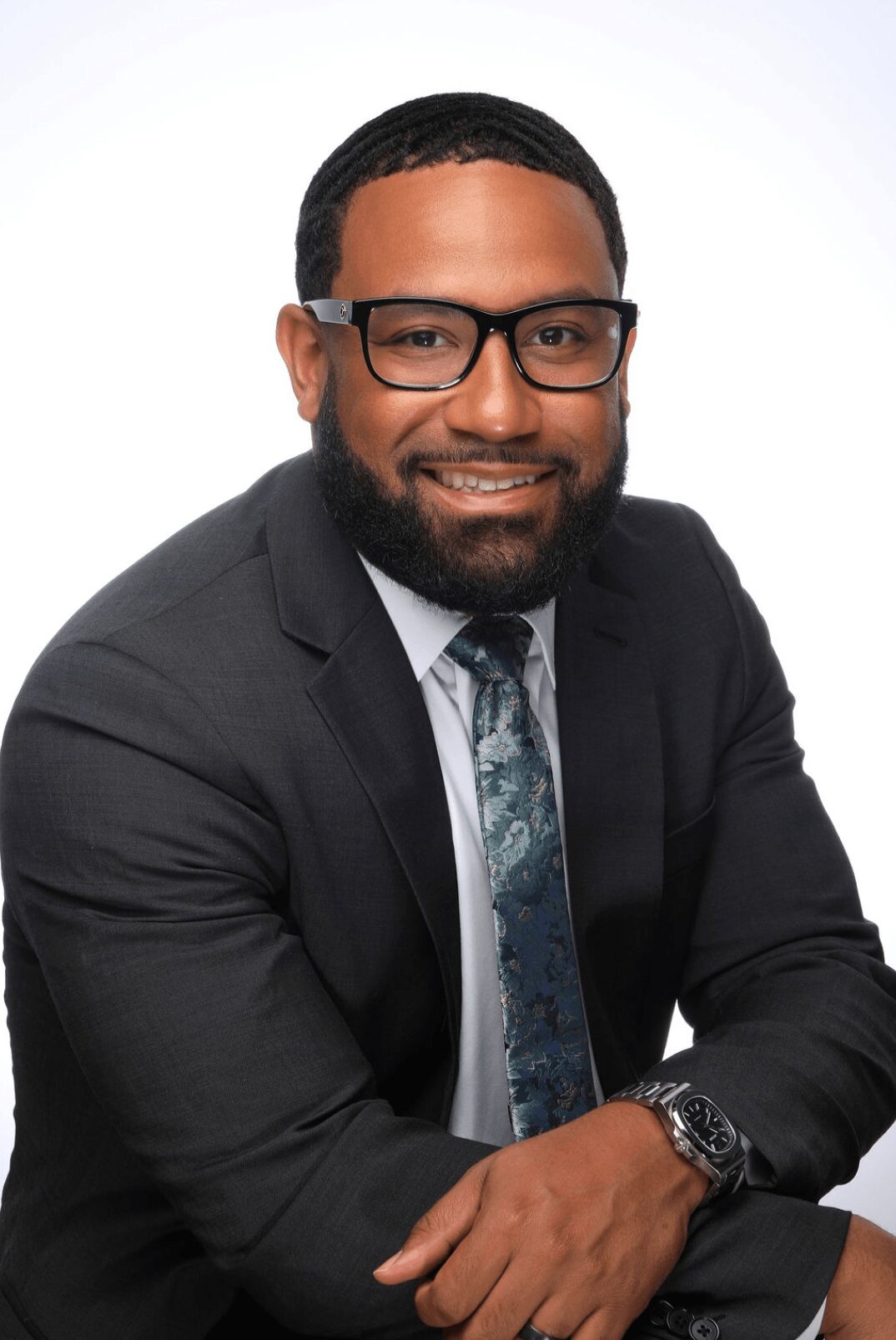
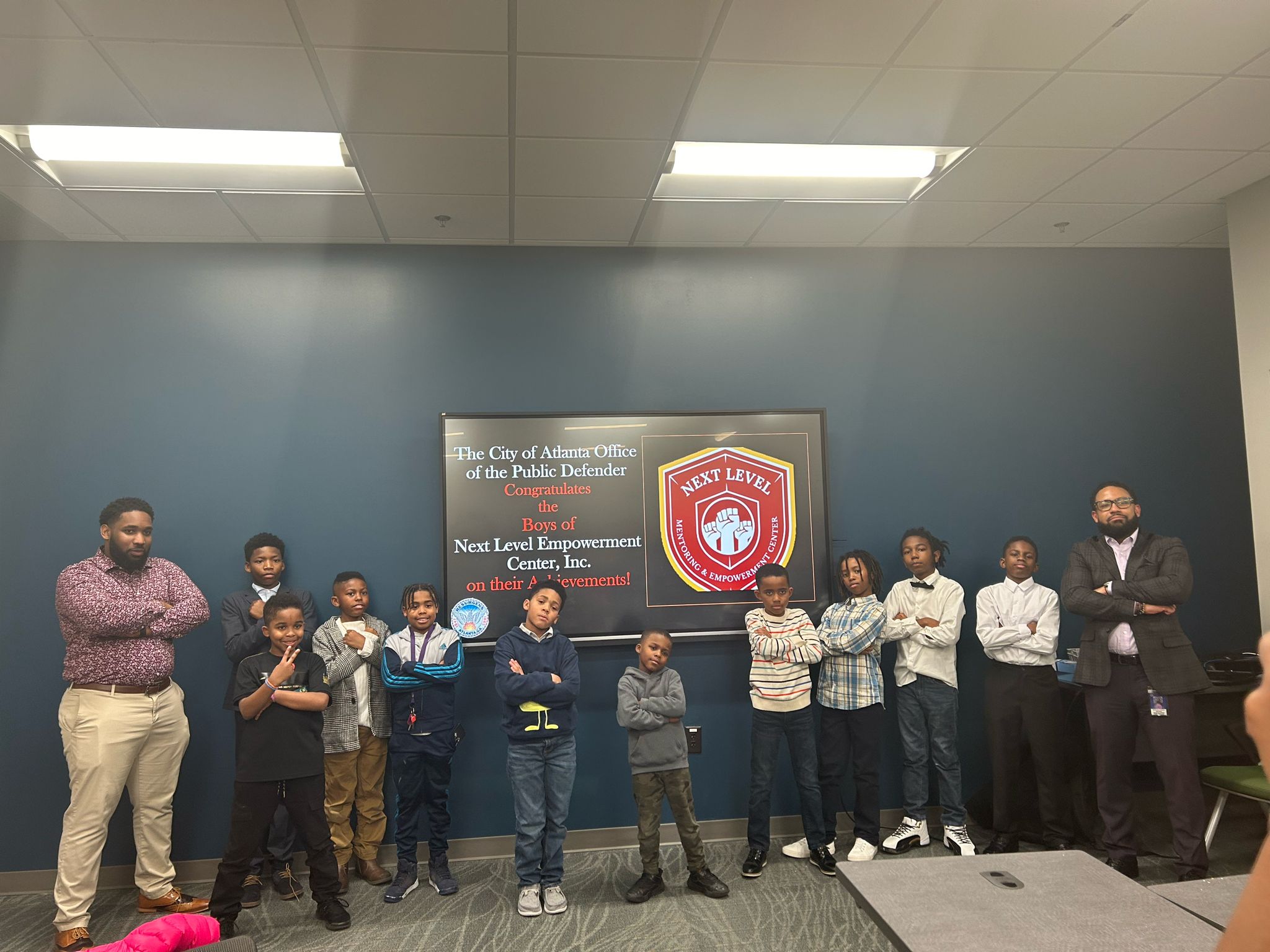
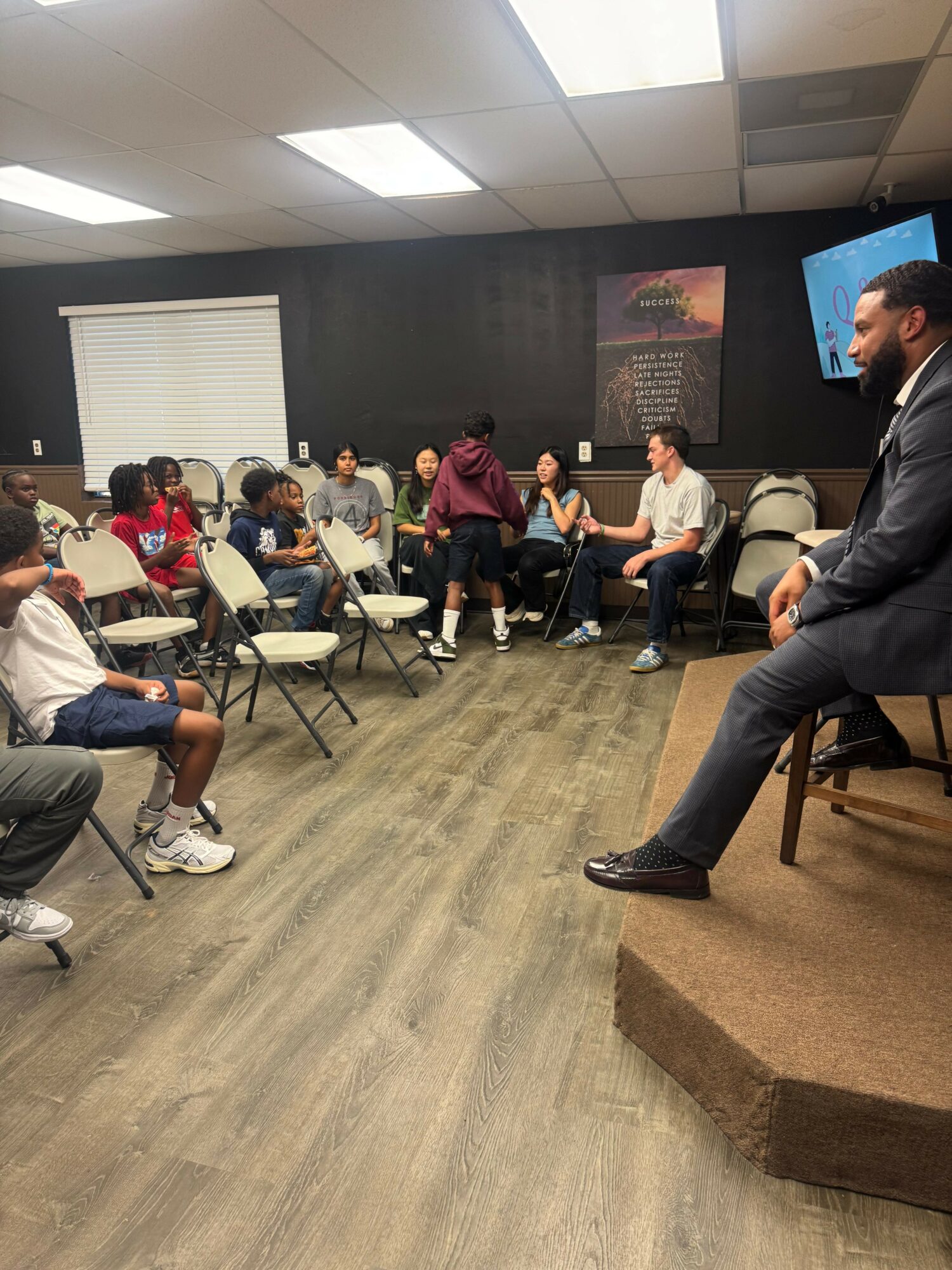
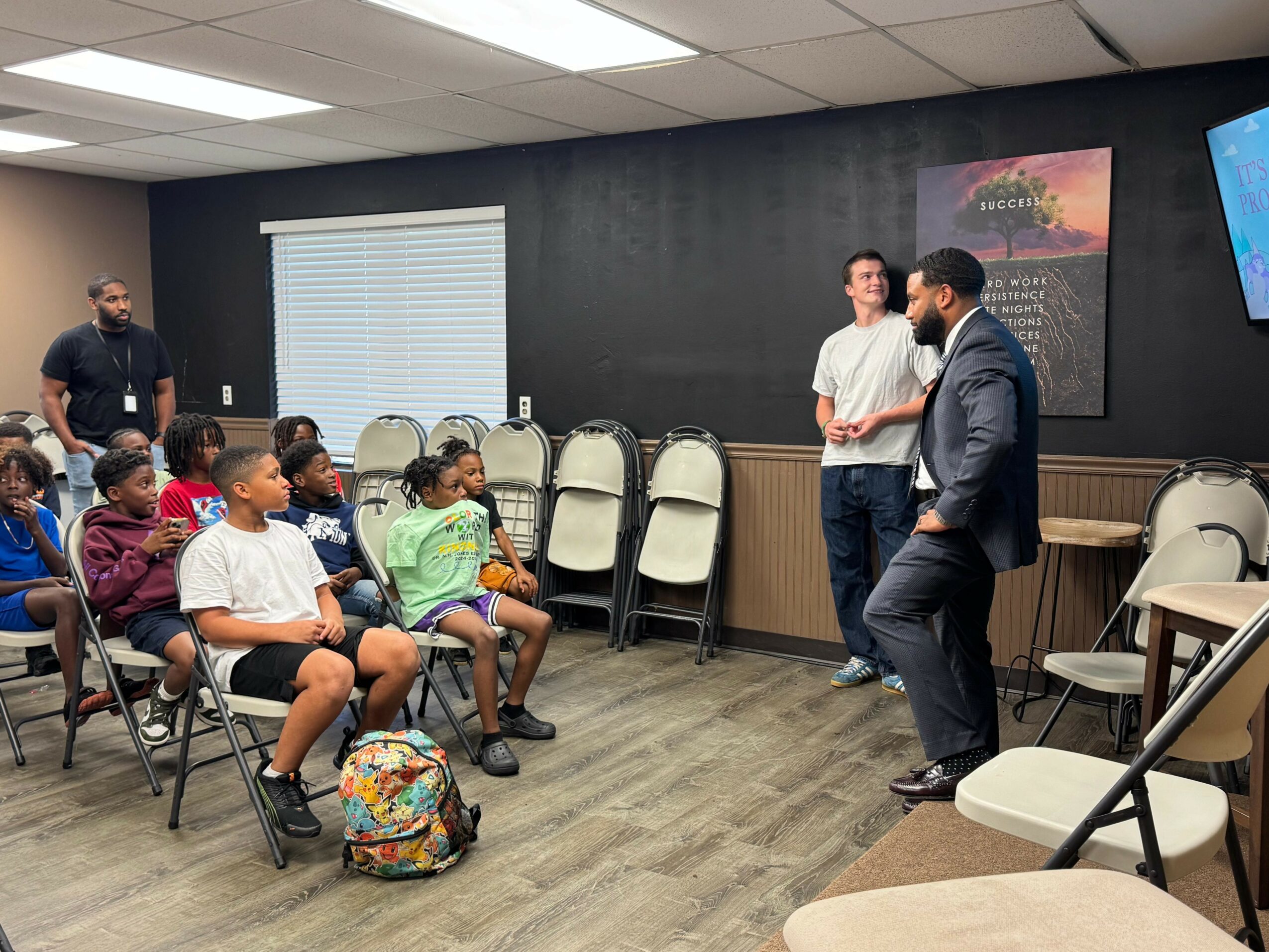
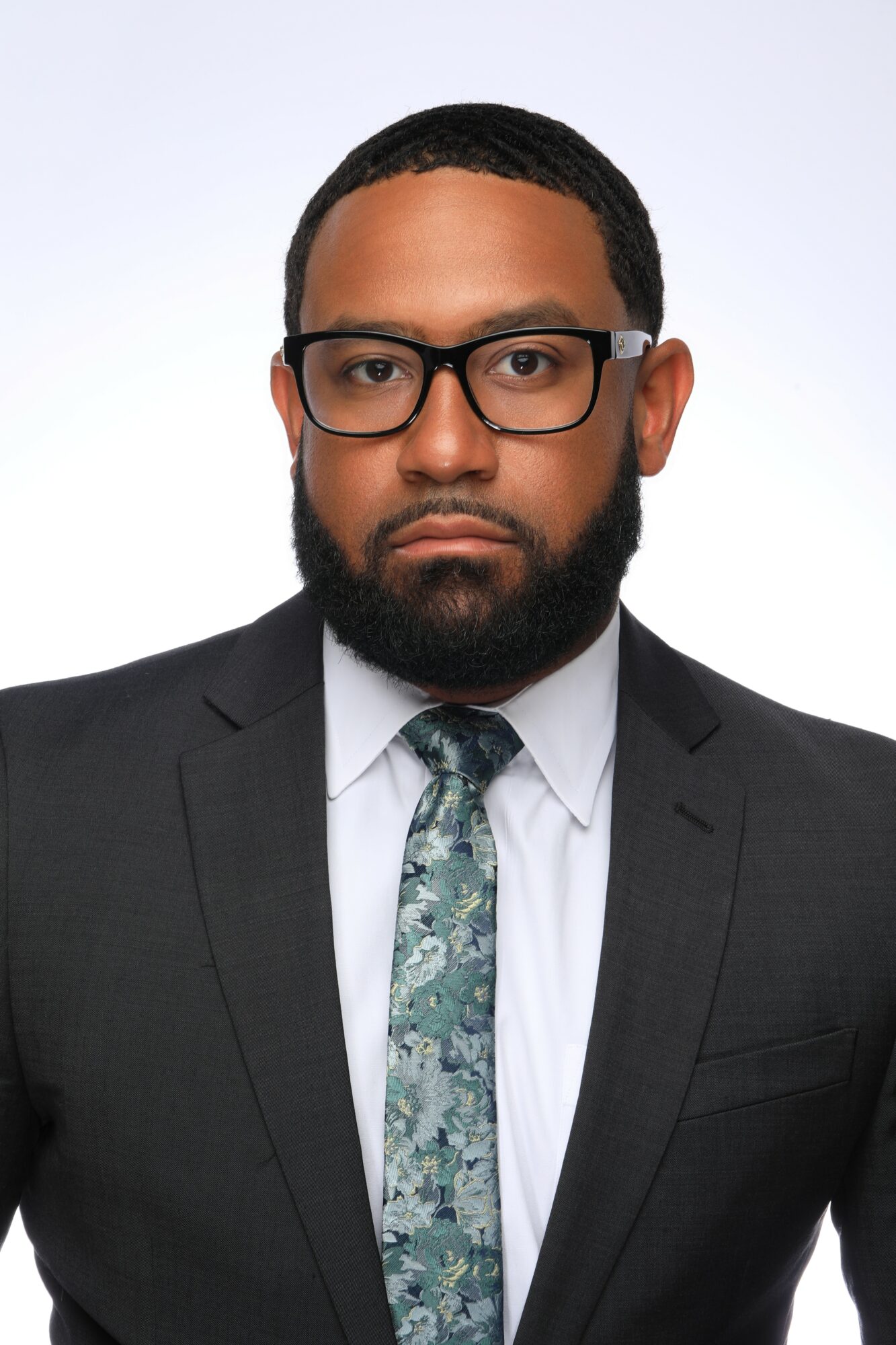
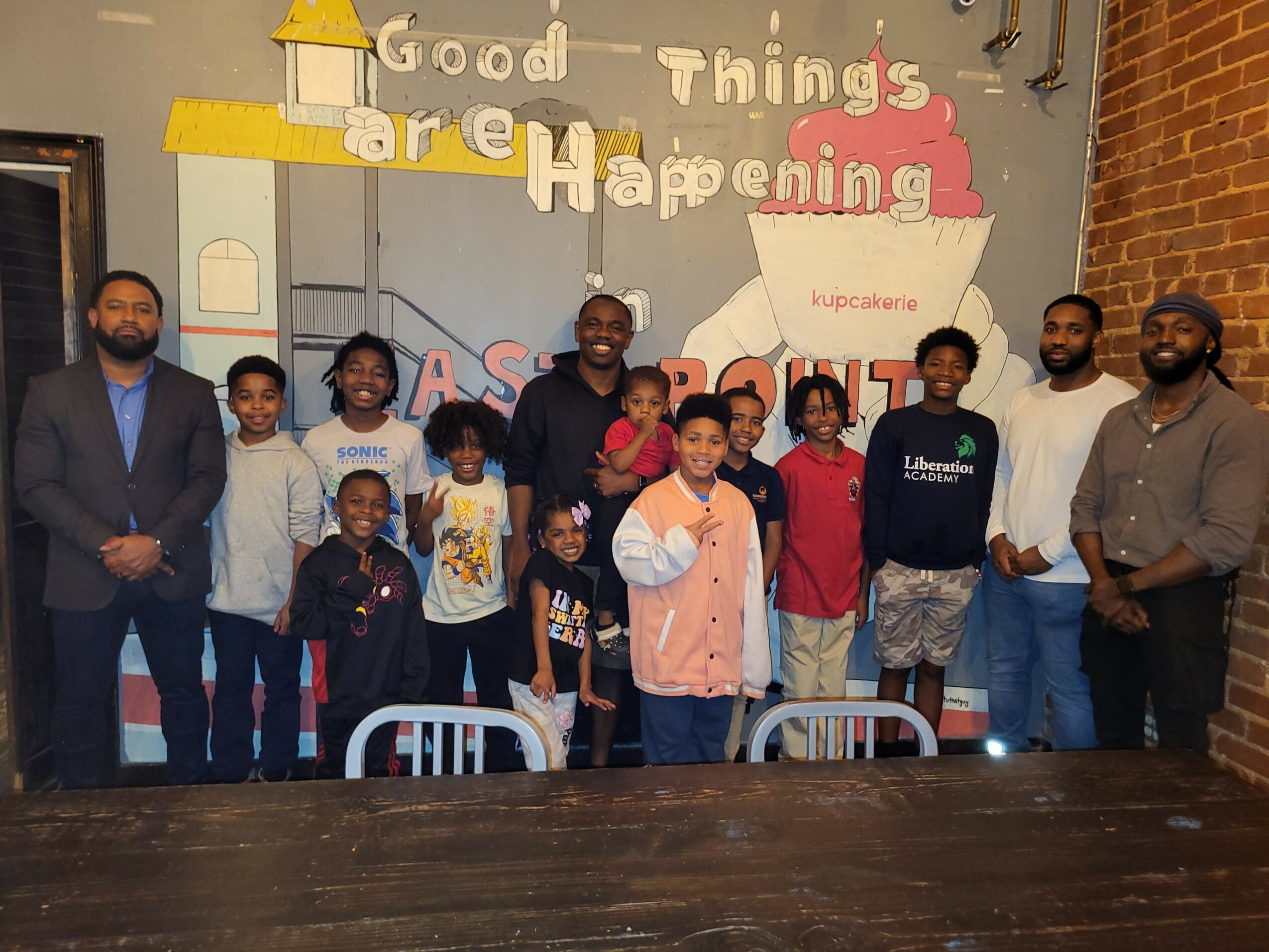
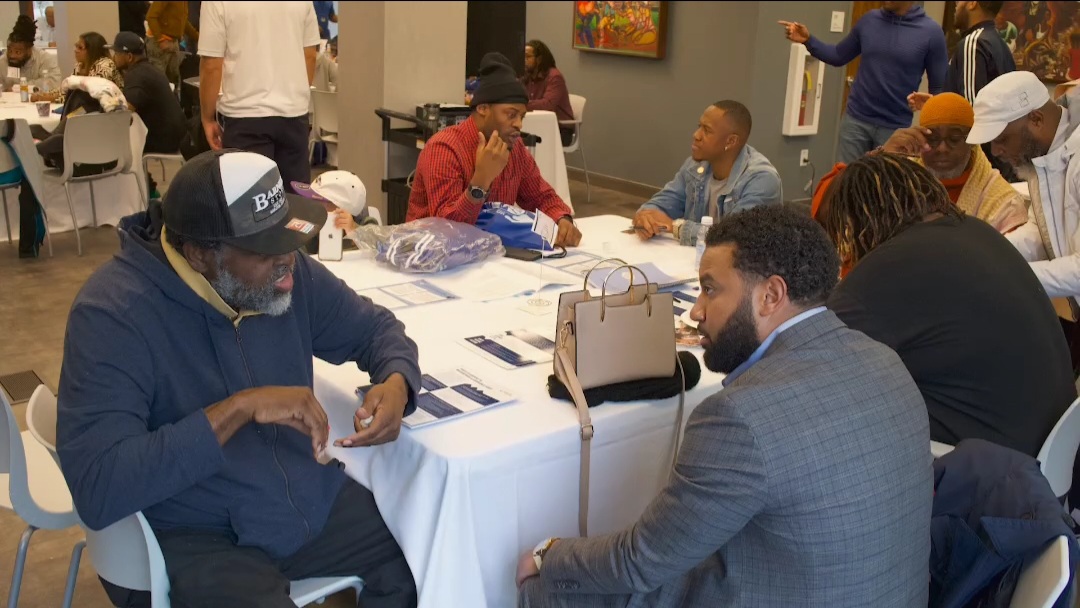
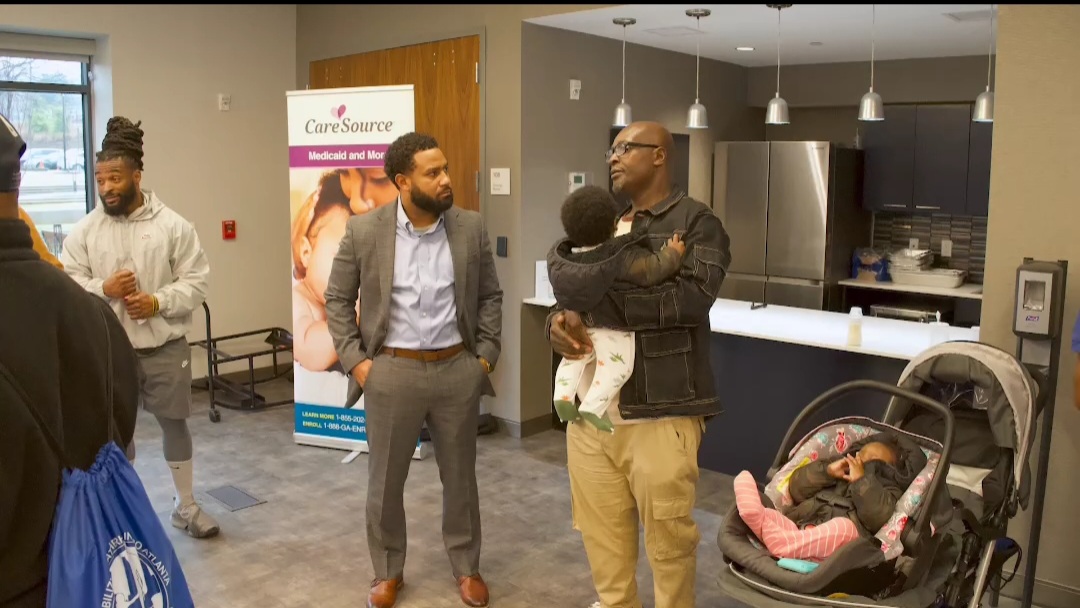
Image Credits
https://www.catharperphotography.com/ (Head Shots)
https://nextlevelboysacademy.com/
(Mentor Shots)
https://www.fatherm.org/ (Shots talking to fathers)
https://www.banksweaver.com/ (Business Card)