




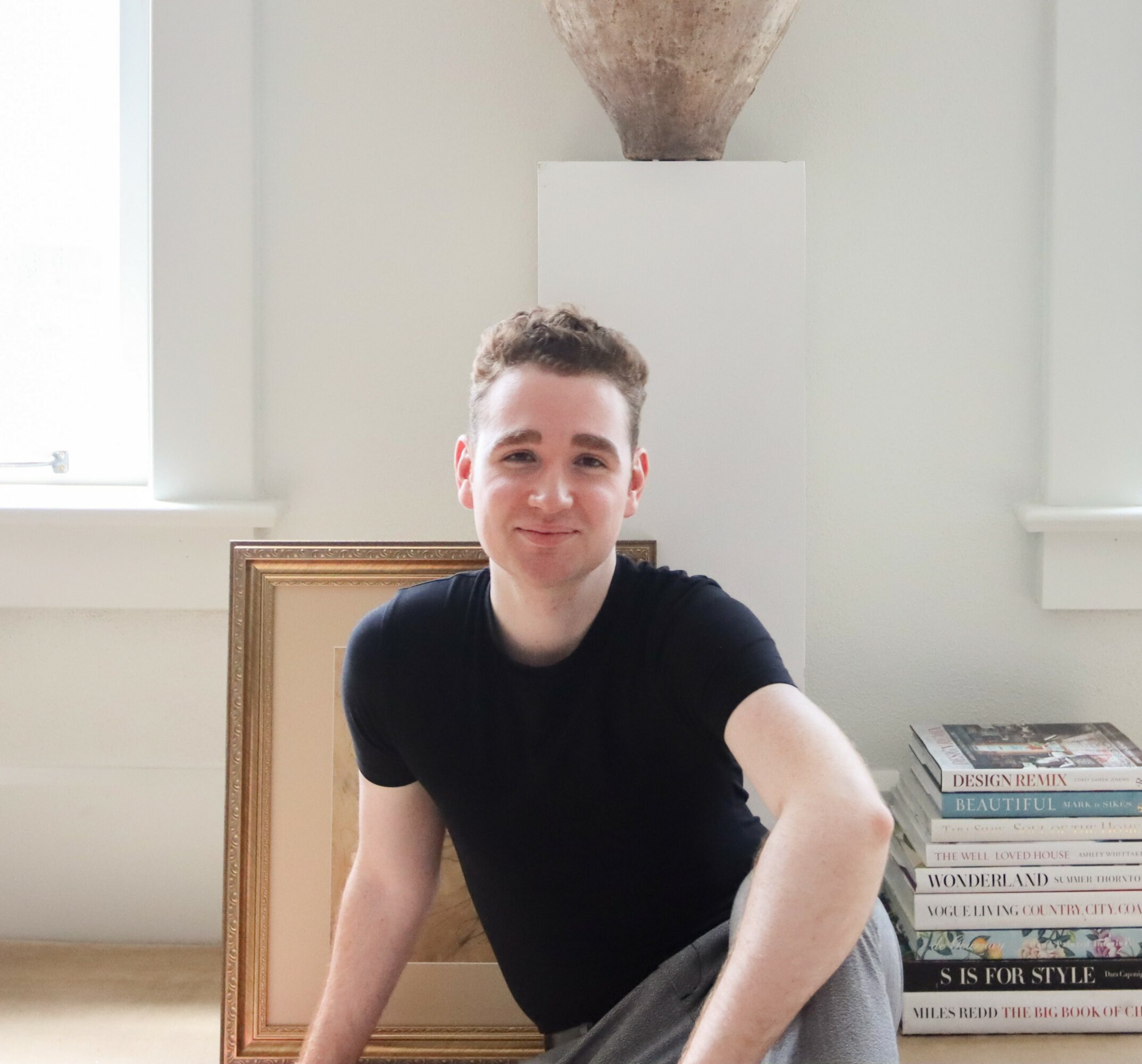
Today we’d like to introduce you to Matthew Shorten.
Hi Matthew, we’re thrilled to have a chance to learn your story today. So, before we get into specifics, maybe you can briefly walk us through how you got to where you are today?
Certainly! I was born in Wollongong, Australia, and began violin lessons when I was six, after begging my parents for the best part of a year to let me try it out. I quickly fell in love with it, and from that point onward, music really became the center of my life. I moved to the United States when I was twelve, which was a monumental change. Australia and the U.S. (almost) share a common language in speaking English, but the culture shock was profound, and I think somewhat exhilarating for me. Music was the true constant for me throughout that transition, and I was able to find a strong sense of community and belonging.
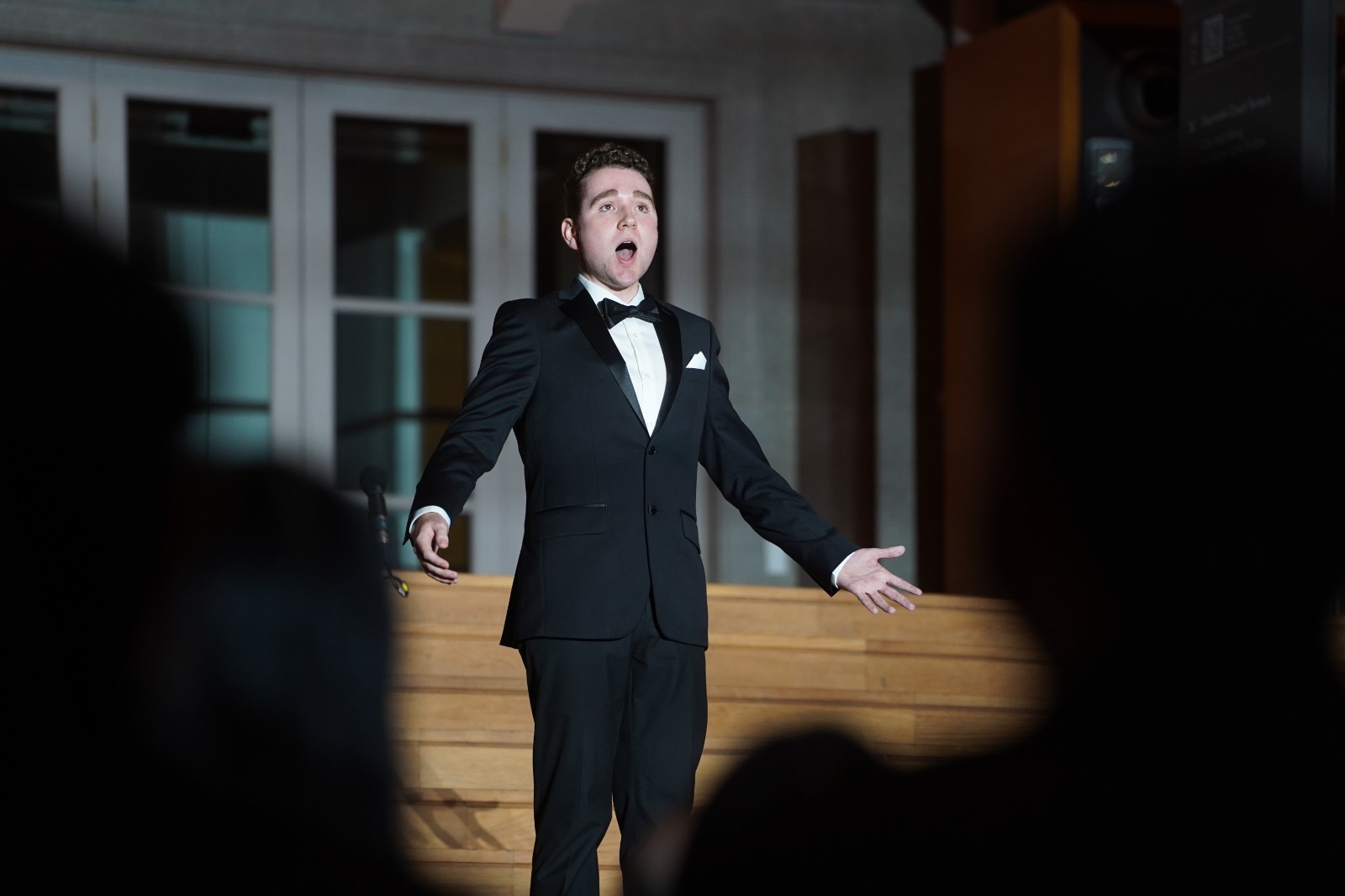
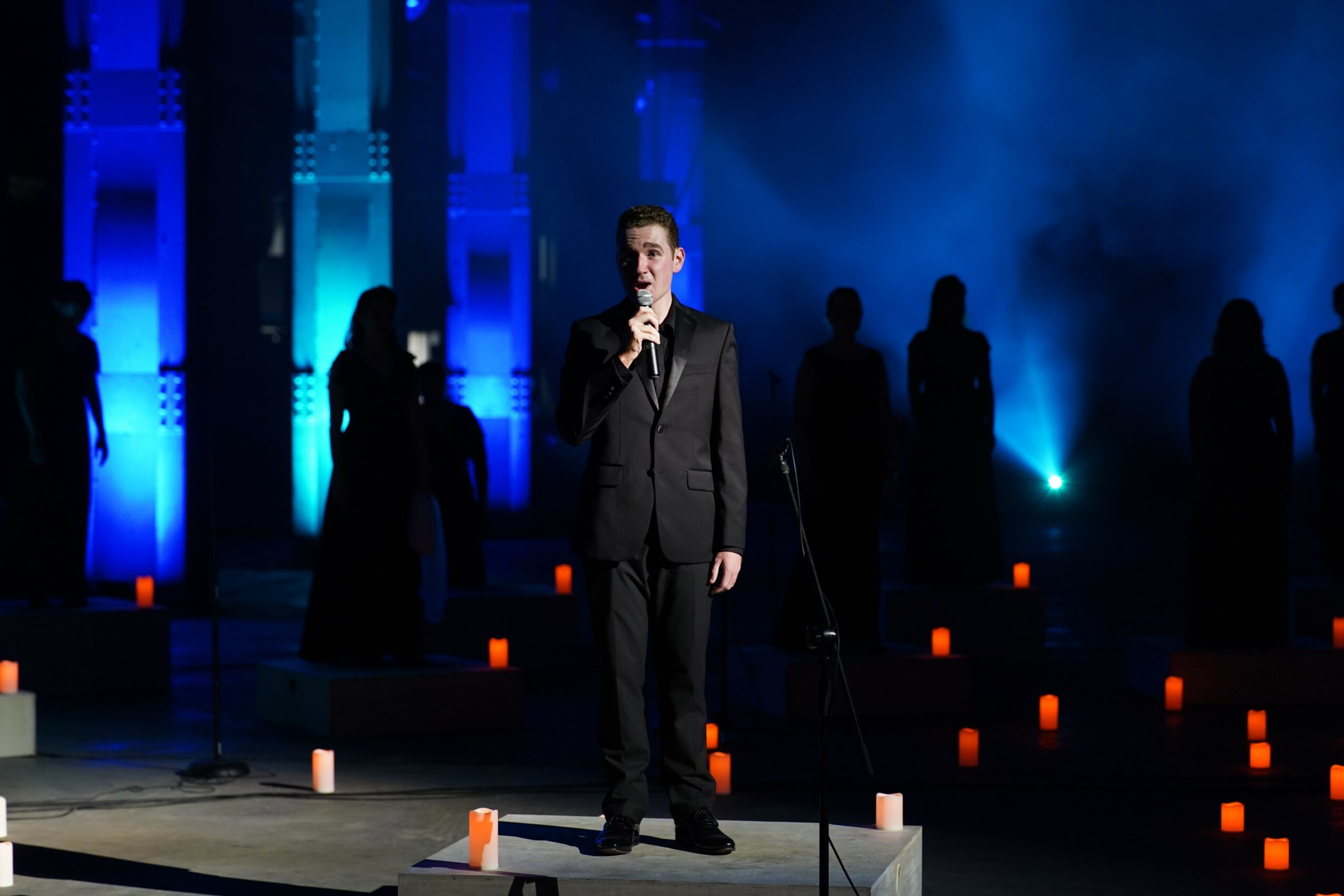
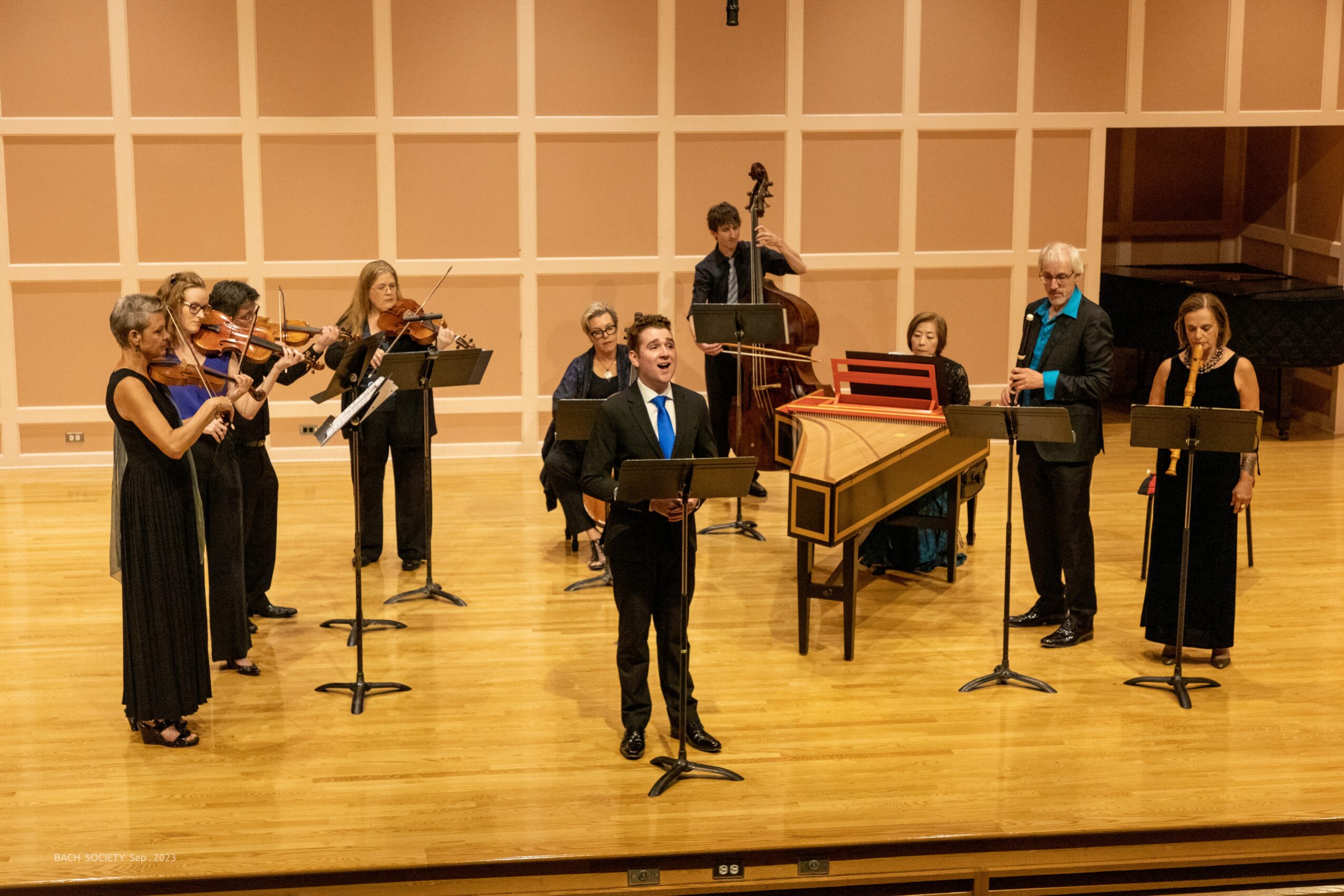
My life as a composer started when I was noodling around on my violin. At first I was just procrastinating from violin practice, but the impulse grew and became an insatiable desire to dream up my own music and tinker with new sounds. I studied throughout high school with the New Haven Symphony Orchestra and the faculty at Yale, before moving to Nashville for college. There, at the Blair School of Music at Vanderbilt University, I studied composition, and once my singing voice recovered from the ravages of puberty, I picked up minors in voice and violin performance, too. College was a whirlwind, but it taught me how to keep lots of plates spinning, and I learned quickly that I am most fulfilled when I’ve got irons in several fires. After graduating, and spending a couple of years as a Voces8 Scholar, I pursued singing full-time, specializing in early music and choral/ensemble singing, which is still very much my bailiwick.
Then, after a few years of doing music full-time, my additional life as an art historian began in earnest. In college, during those spare moments when I wasn’t absorbed in music, I became interested in art history, and particularly in East Asian art. I had, and still have, an enduring love of Japan—no doubt owing to my first visit there when I was eight, and the fact that Australians often study Japanese in school as I did. I took some art history courses as part of the liberal arts requirements for my degree, and after writing a paper about Chinese ink paintings, my professor told me to let her know if I ever wanted to pursue graduate studies. That opportunity came years later when I was offered a place at the Williams College Graduate Program, based at the Clark Art Institute, where I worked with all kinds of things including Japanese prints and folding screens, European paintings, ancient Chinese tombs, and Symbolist and Surrealist works on paper, to name a handful. It was a transformative time of reading and writing, archival research, curatorial projects, and travel to some of the best collections in Asia and Europe. It opened my eyes to the ways my career could unfold across disciplines, and gave me a robust foundation for the work I do now.
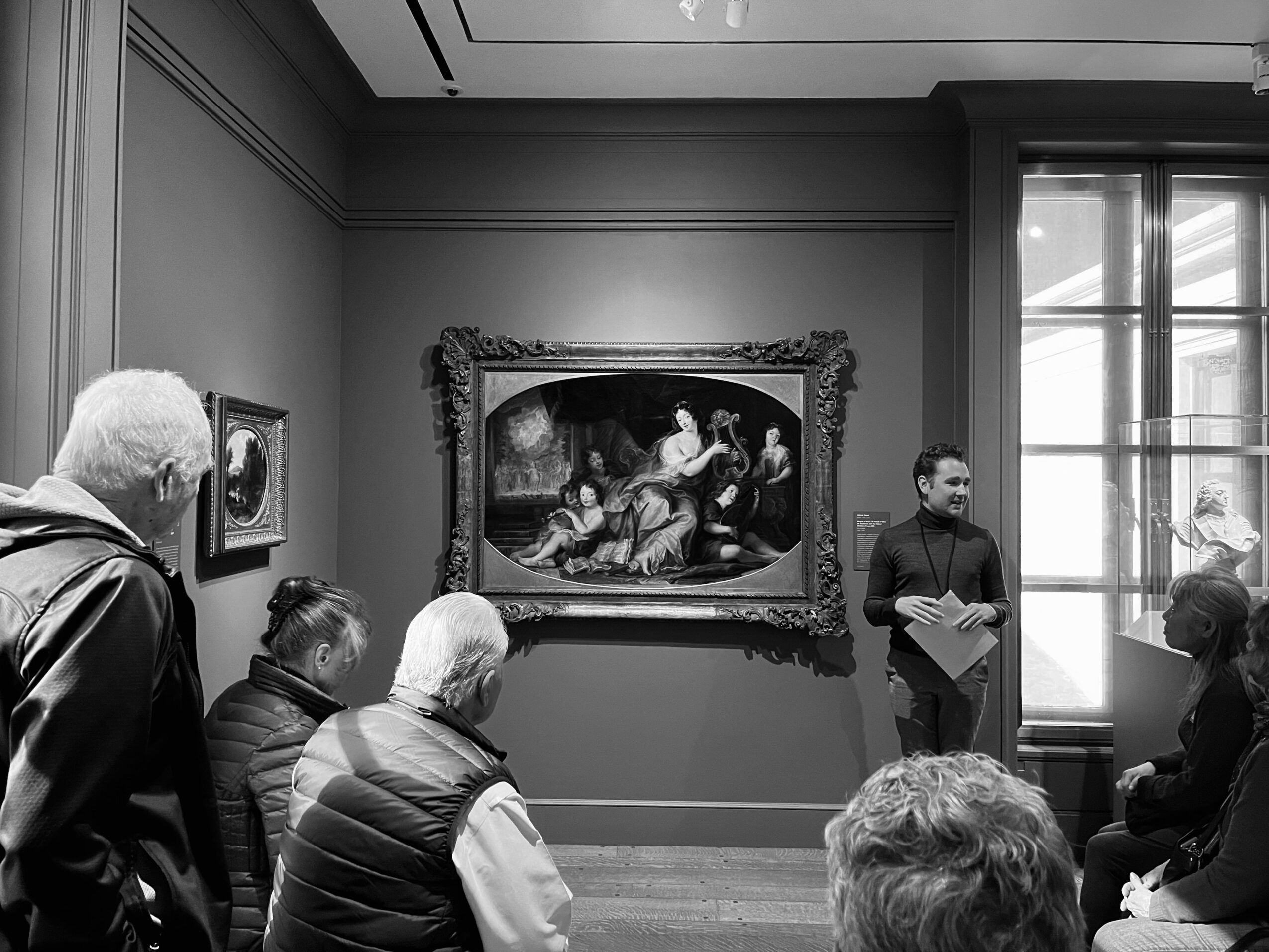
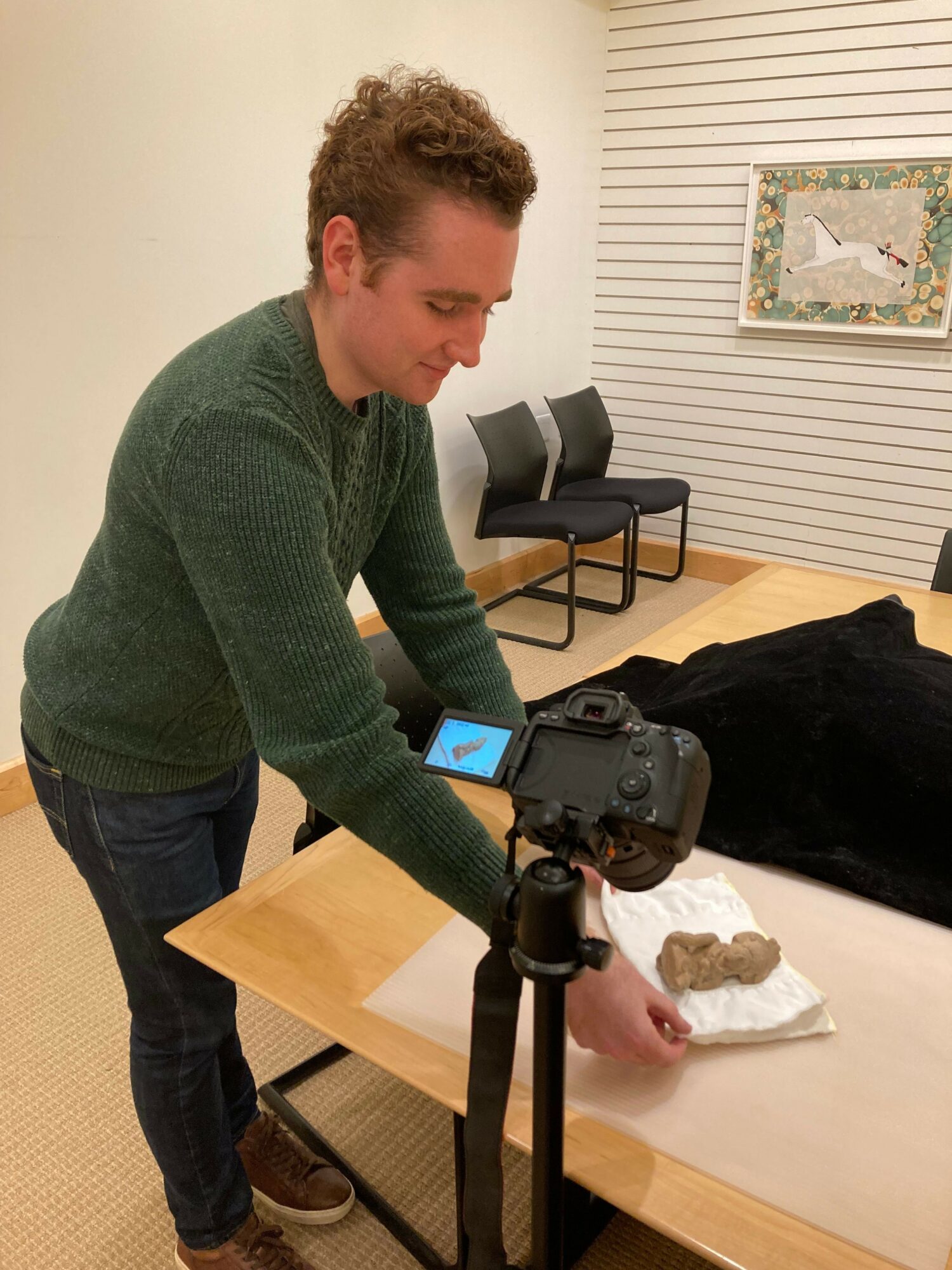
These days, in addition to my musical life as a composer and tenor, I work at the High Museum of Art, right in the heart of Atlanta! I’m based in the curatorial department, where I support and shape exhibitions, research the ever-growing range of works in the museum’s collection, and share the gems of the High with as many people as possible. It’s a busy, full life, spread across fields and art forms, but I love what I do.
Alright, so let’s dig a little deeper into the story – has it been an easy path overall and if not, what were the challenges you’ve had to overcome?
The journey has been a rollercoaster, no doubt about it. I would say, however, that a recurrent theme has been that life always has a much better plan in store than I could ever imagine, hope for, or plan for. For instance, I graduated from college in 2020, and so the pandemic made my last semester pretty awful, and made the transition to post-graduate life more challenging. But then, shortly after graduating, I was named a Henry Luce Scholar. This fellowship opportunity took me to Asia for a year of professional and linguistic immersion, and although navigating travel restrictions throughout Asia during that time was unbelievably difficult, I was able to enjoy chapters in Thailand, Singapore, and Japan—performing, conducting, composing, teaching, and building partnerships with all kinds of institutions and organizations. So, in a strange way, the traumatic cancellation of life during that period ultimately allowed me to consider paths I hadn’t before, and I received an opportunity I wouldn’t trade for anything.
I will say, I have chosen multiple career areas with high degrees of uncertainty, but have tried to do so with my eyes open to the realities of a life in the arts. One thing that has always helped to mitigate uncertainty is the idea of ‘planting seeds’ along the way, a metaphor passed down to me in undergrad. By making meaningful connections and always trying to do the very best work I can, for projects big and small, I’ve often had opportunities sprout up in unexpected ways. For example, in 2022, I was offered a job with Cantus, a vocal ensemble in Minneapolis, and this opportunity was only on my radar thanks to colleagues and friends I’d met years earlier. Similarly, I remember a creative dry spell when I didn’t really have any paid compositions to write, which filled me with the fear that I would never work again—a fear I’m reliably told we all live with, and one that never quite goes away. I was thinking about the kinds of music I would love to be writing, and then the next day, and I mean the very next day, I received a commission from an incredible ensemble for whom I had written a work five years prior. A week later, another seedling popped up, and an opportunity to write a new choral piece came my way, all thanks to work I had done nearly a decade beforehand. As it happens, I’m currently in the midst of a Bahlest Eeble Readings Fellowship at the Gabriela Lena Frank Creative Academy of Music, and this opportunity was only possible thanks to work I did back in college. (In fact, it was Gabriela herself who shared this sage advice of ‘planting seeds’ with me and changed my perspective on life in creative fields.)
I’ve always tried to remain patient, too. Many beautiful collaborations and dreams have been realized this way, and the surprises are often the best part! You can never quite predict which seeds will germinate, or when, but my ethos has been to say yes to as many things as I can, to pursue everything with vigor and enthusiasm, and to continue nourishing my craft and learning as much as I can every day.
As you know, we’re big fans of you and your work. For our readers who might not be as familiar what can you tell them about what you do?
I’ve always found it hard to specialize in just one thing at a time, ever since I was little. I now have three integrated yet distinct professional lives, all stemming from my multidisciplinary interests, and I find that all the projects I pursue become differently sized pieces of my life’s pie, so to speak. Depending on the season, sometimes it’s 75% music, other times it’s 60% art history, but simultaneously pursuing all the things that interest me is central to who I am.
That being said, within my constellation of passions, I have a particular fondness for composing works that integrate music and the visual arts. As a tenor, I spend the bulk of my time performing the music of Handel, Mozart, Bach, Lully, and Samuel Barber. In my art-historical life, I mostly research Japanese art of the Edo Period and European art of the 19th and 20th centuries, and am always finding new ways to connect my work as a composer, performer, conductor, researcher, and curator.
And if I may say so, since you’ve asked, I think I’m most proud of the way I throw the whole of myself into everything I do, and I’m really proud to have brought so many of my dreams to fruition. I hope I’m known for my enthusiasm, my authenticity, my consistency, my integrity, and my love for all the things I do and all the stellar people I get to collaborate with.
Networking and finding a mentor can have such a positive impact on one’s life and career. Any advice?
I think the best ‘networking’ is all about being authentic, doing great work that distinguishes you, and building lasting relationships. If you think about networking and mentorship transactionally, I think it’s a missed opportunity in so many ways, but if you center yourself in work you’re passionate about and think about how it can serve others, inspire others, and pave the way for collaborations and connections of all kinds, that’s a much better way of being.
I would also say it’s important not to let yourself be too intimidated or too shy to ask for help from those you admire and respect! Often the people with the careers we aspire to the most, even the busiest rockstars who appear to have 30 hours in a day, are the most generous and willing to help and support emerging artists and up-and-comers in their fields.
I also think mentors can be found everywhere—in great books, in works of art and music that resonate with you, in podcasts, in cherished colleagues and friends. One particularly revelatory and mentor-reminiscent read for me was “The Artist’s Way” by Julia Cameron. I made my way through this book during a really busy and stressful time, the final semester of my master’s degree (which I wouldn’t necessarily recommend!) but it was transformational. The book unfolds with 12 weeks of activities, rituals, and exercises. Working through the weekly chapters and grappling with the questions the author raises instilled tremendous clarity into my work and helped me recover a stronger sense of purpose. These days, the simple act of writing is an essential daily ritual for me. It’s wonderful to cover a blank substrate with words and markings and musings, especially in a world that loves nothing more than to rob us of our attention and precious time and space for ourselves. I’m far from perfectly consistent, and many sessions of ‘morning pages’ get missed due to a late start or a rushed beginning, but my belief in the importance and power of the method is unchanged. I tell anyone who will listen to me about this book and how valuable it has been for me in every domain of my life! I can only hope it will serve as a kind of mentor to the person reading this, too.
Contact Info:
- Website: https://www.matthewshorten.com
- Instagram: @matthewjshorten
- LinkedIn: https://www.linkedin.com/in/mattshorten/
- Youtube: https://www.youtube.com/@matthewshorten1161
- Soundcloud: https://soundcloud.com/mattshorten
Popular
-
What are you being called to do now, that you may have been afraid of before?
-

What are the biggest lies your industry tells itself?
-
Was there ever a time you almost gave up?
-

Is the public version of you the real you?
-

If you could say one kind thing to your younger self, what would it be?
-

Local Highlighter Series