



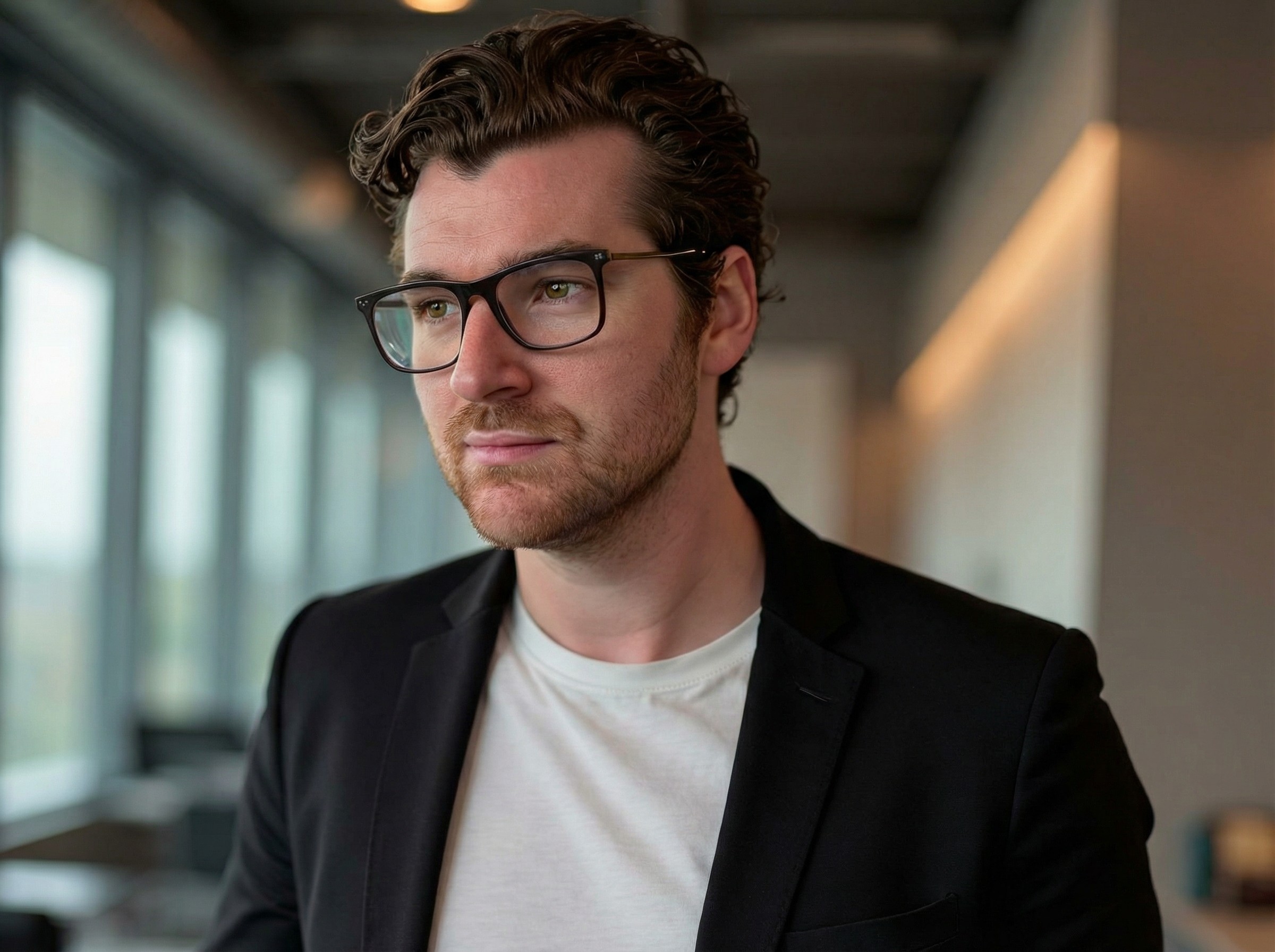
Today we’d like to introduce you to Nicholas Hixon.
Hi Nicholas, we’d love for you to start by introducing yourself.
I didn’t come to Atlanta in a straight line. I came by following a feeling I didn’t yet know how to explain. In 2011, that feeling brought me here for my first interior design job out of college. I was twenty-two, new to the city, still figuring out how to sound confident in rooms where everyone else seemed to know exactly what they were doing. Part of my role was managing our material library, which meant my days were filled with presentations: tile, carpet, wall covering, finishes laid out carefully across conference tables. At that stage of life, a thirty-minute presentation paired with a free lunch felt like a win. It was practical, familiar and it made the transition feel manageable. What I didn’t expect was how much those meetings would shape me.
Over time, a few of the material reps became regulars, people I actually enjoyed seeing. Lunch stretched longer, conversations drifted off agenda. We talked about projects, about Atlanta, about music and fashion and the places that made the city feel like home. During one of those lunches, without any buildup, she looked at me and said, “You should enter Dressed.” I nodded, pretending I knew exactly what she meant. I didn’t.
Dressed turned out to be an annual IIDA Atlanta fundraiser. A runway competition where interior designers reinterpret fashion using industry materials. When I started scrolling through photos and videos from past years, I was floored. Garments built from upholstery, tile, laminates, glass. They were bold, thoughtful, deeply conceptual, but something kept pulling my eye downward. Again and again, the shoes felt secondary. Bought off the shelf and decorated to match. They were an afterthought. That disconnect stayed with me longer than I expected.
In 2012, the theme was Time Periods of Architecture. My team was assigned American Colonial. While others focused on buildings, I kept circling back to furniture, the curves, the ornamentation, the way design meets the body. Most teams went after expected sponsorships with materials like fabric and scrim. I wanted the harder path, so we chose flooring materials instead. Which is how I found myself standing in a Home Depot aisle, holding a piece of crown molding, thinking, I could make a shoe out of this. Then saying it out loud, just to see if it sounded as unhinged as it felt.
A couple months later, it was show day. Nine-inch custom shoes hit the runway, paired with an entire look built from carpet, carpet backing, VCT tile, and rubber base. Our model stood seven-foot-three. She didn’t just walk, she claimed space. She was a monolith, part garment, part structure, part sculpture. It was our first year entering and we walked away with one of the three awards given that night.
But the real moment wasn’t the win. It was the quiet realization that followed. I had stopped thinking about shoes as accessories and started seeing them as architecture, objects that carry balance, weight, and intention in motion. Something in me shifted. I didn’t have language for it yet, but I knew I was starting to think slightly out of line.
I kept following that thread. In the years that followed, I experimented quietly, pulling shoes apart, rebuilding heels, sketching concepts that prioritized experience over convention. There was no master plan, just curiosity, and a need to see what would happen if I kept going.
In 2024, on a whim, I entered a global footwear competition I came across online. Incredibly, I was selected as one of six designers worldwide to attend a week-long master class in bespoke shoemaking with two industry legends. Two people who had shaped some of the most iconic designs for major fashion houses. It was humbling in the truest sense. Exacting and unforgiving. Millimeters mattered and there was nowhere to hide.
My concept, Laundry Day, pushed me in the opposite direction of how I usually design. Where my work tends to be controlled and methodical, this required intentional chaos. For the first time, I wasn’t experimenting around the edges. I was building a real shoe, properly, patiently, with respect for the craft. When I returned home, the design received an honorable mention at the Global Footwear Awards, but more importantly, I returned with clarity.
I had always assumed my life would be spent designing interiors; restaurants, retail spaces, hospitals. I never imagined I’d shift scale and find my truest expression at ground level.
Today, I own and operate ADELINE, a footwear brand built around the idea of being intentionally out of line. We design with experience, story, and perspective at the center, not trends or seasons. We don’t release traditional collections, we build constructs that evolve, adapt, and hold meaning from multiple points of view.
Our ready-to-wear pieces begin with something familiar, a classic silhouette then shift just enough to feel unexpected. Every pair is made to order. Nothing is pulled from a warehouse shelf. What matters most is connection: between object and wearer, intention and emotion.
Because sometimes, the thing that changes everything starts as a quiet feeling you almost ignore and sometimes, listening to it is how you finally find your way.
I’m sure it wasn’t obstacle-free, but would you say the journey has been fairly smooth so far?
Meaningful creative work is rarely smooth. If anything, it’s a continuous learning curve, equal parts exhilaration, discomfort, and uncertainty. I’ve learned that when I’m not being challenged creatively, my mind drifts. Friction, for me, is usually a sign I’m headed in the right direction.
I’ve been thinking about the stories shoes can tell for nearly fourteen years. Much of my career has been spent designing for others. Shaping ideas to fit brand guidelines and scaling concepts down until they felt safer in a client’s eye. With ADELINE, I get to be both the designer and the client. It’s my point of view, my story, my responsibility. That freedom is powerful, and it demands precision.
My background spans architecture, environments, fashion, and footwear. The design language overlaps, but the execution never does. Amsterdam sharpened the vision for ADELINE, but it also revealed something important: imagining bold ideas comes naturally to me, but building a brand requires an entirely different discipline. That shift from concept to company has been intentional. Legal structures, production timelines, supply chains. None of it was familiar at first, but I care deeply about doing this the right way. ADELINE is built on structure as much as creativity, so the work can stand on its own.
Finding the right manufacturing partner has also been one of the greatest challenges. It isn’t just about production, it’s about alignment. You’re looking for someone who respects my creative process, understands the fundamentals of the brand, and believes in craftsmanship as much as I do. For ADELINE, that alignment lives in Italy. Designed in Atlanta, crafted in Italy isn’t a slogan, it’s a balance between imagination and discipline.
Through this process I’ve learned, not every idea is meant to become a product. Some designs are shelved, revisited, or released entirely and I’ve learned when to let go. If a concept doesn’t carry enough energy to become a full experience, I don’t force it. Others arrive almost fully formed and grow through iteration into something larger. Both paths matter, and both leave their imprint on the work.
Appreciate you sharing that. What else should we know about what you do?
At its core, ADELINE is about individuality, designed with intention, not trend. It’s for people who don’t quite fit the mold and aren’t interested in forcing themselves into one. The brand lives in the in-between spaces: structure and chaos, familiarity and surprise, comfort and edge. That tension is where the most interesting things happen.
Everything we do starts with experience.
Before materials, before silhouettes, before sketches, we begin with conversation. Every service starts with a consultation because we want to understand you. How you see yourself, how you want to be seen, and what you’re hoping this piece will carry for you. Style isn’t just visual, it’s personal. Our role is to translate that into something you can step into. We offer three ways to do that.
The Palette Shift focuses on nuance. Clients start with an existing construct and transform it through material and color. The structure stays grounded while the expression shifts, subtle or bold, familiar or new, until the design aligns fully with your point of view.
The Design Vault grants access to unreleased designs drawn from our private sketchbooks. Created as future constructs, these concepts have never been produced, until now. Each serves as a foundation for customization, from heel height to hardware to monogrammed details. The result is a collaborative, custom piece designed with ADELINE. It’s distinctly yours, long before it becomes public.
Out of Line is where we let go of boundaries entirely. This service offers access to our most avant-garde concepts. Designs that have never moved beyond the sketch phase and will exist only once. One shoe. One client. One story. You’ll work directly with our creative director to design a bespoke piece that reflects exactly what you’re looking for, without compromise. A true one-of-one.
What sets ADELINE apart is a simple belief: confidence doesn’t come from conformity. These shoes are invisible capes, not meant to help you blend in, but to give you permission to show up exactly as you are. Not louder. Not safer. Just more yourself.
Before we go, is there anything else you can share with us?
If there’s anything else worth sharing for my fellow creatives, it’s this: my path has never been linear, and I’ve stopped trying to make it one. I’ve learned to trust curiosity, to follow the moments that feel slightly uncomfortable, and to keep moving even when the next step isn’t fully clear. Being “out of line” isn’t rebellion for its own sake. It’s about paying attention to instinct, to friction, to the quiet signals that tell you something matters. Those moments shape how I design, how I build, and how I show up and I don’t believe you need the entire map before you begin. You just need the willingness to take the next honest step. Everything meaningful I’ve built has come from that place. And I’m genuinely excited to see where this brand continues to lead me next.
Pricing:
- Fragment Construct, varies, current piece: The Magpie – $1800.00
- Foundation Constructs price range: $480 – $650
- Axis Constructs price range: $400-$585
- Our Experiences are also priced out on the website; personalization, customization and bespoke designs
Contact Info:
- Website: https://soadeline.com
- Instagram: https://www.instagram.com/soadelinedesigns
- LinkedIn: https://www.linkedin.com/in/nicholas-s-hixon-35127a22/
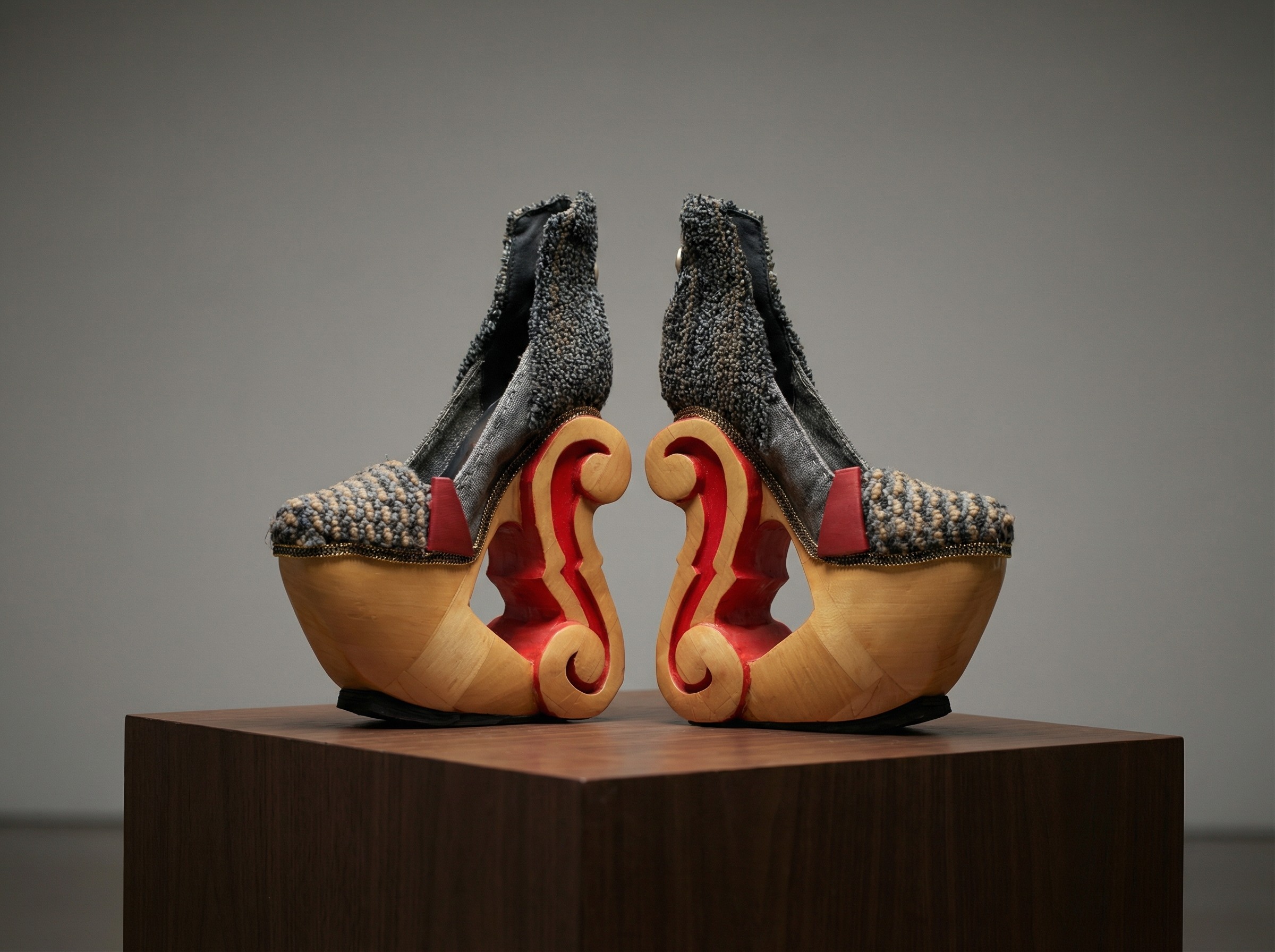
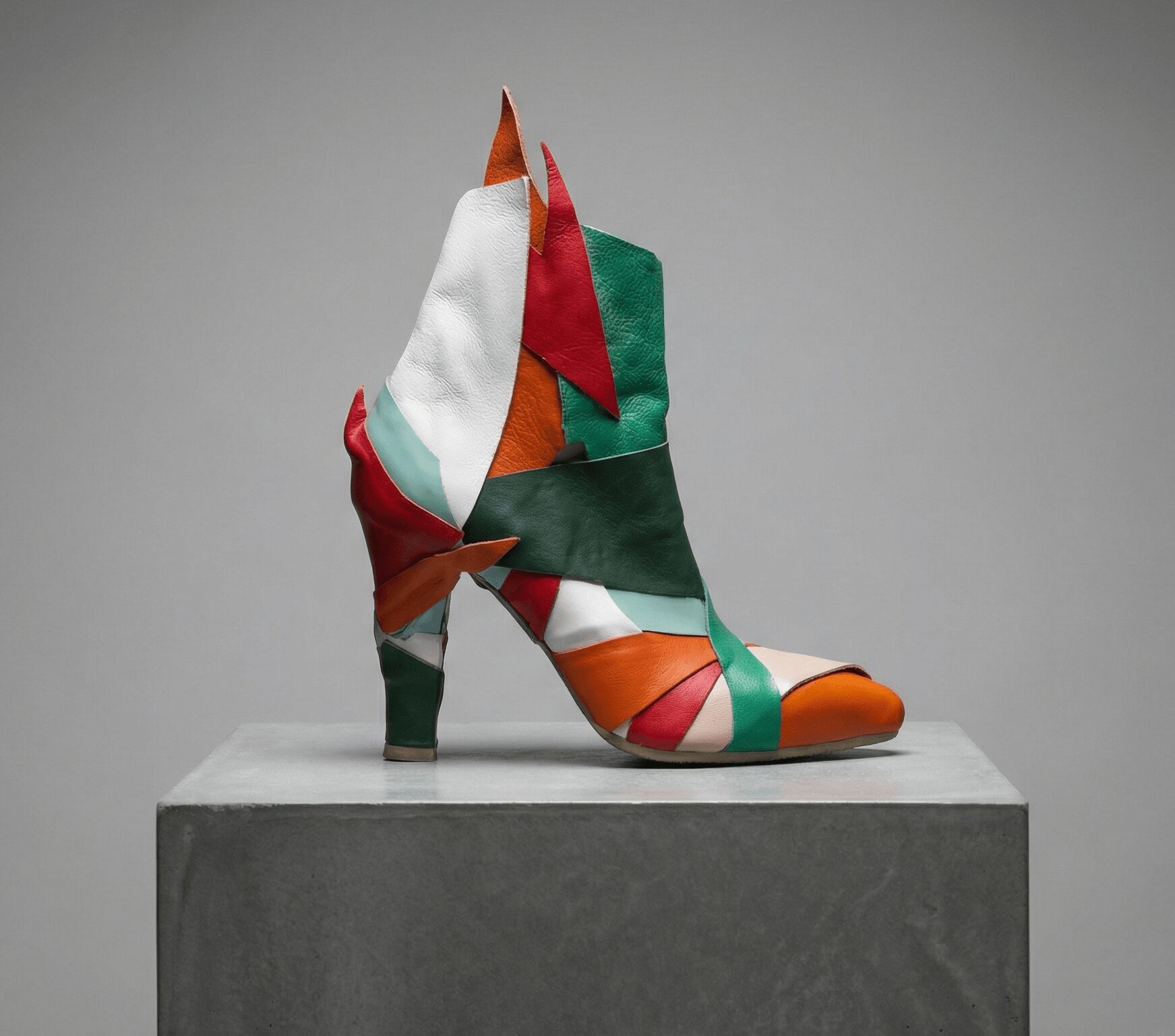
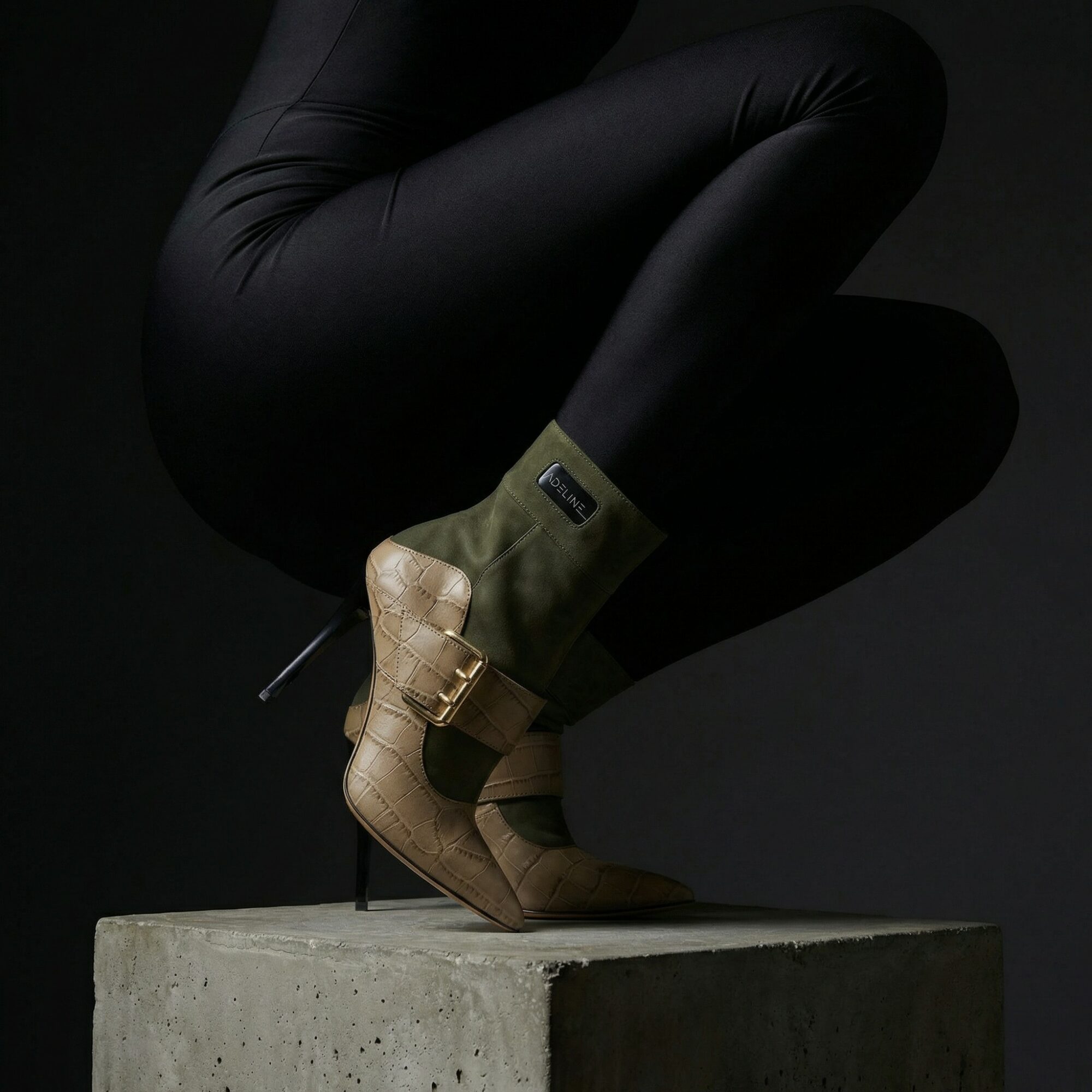
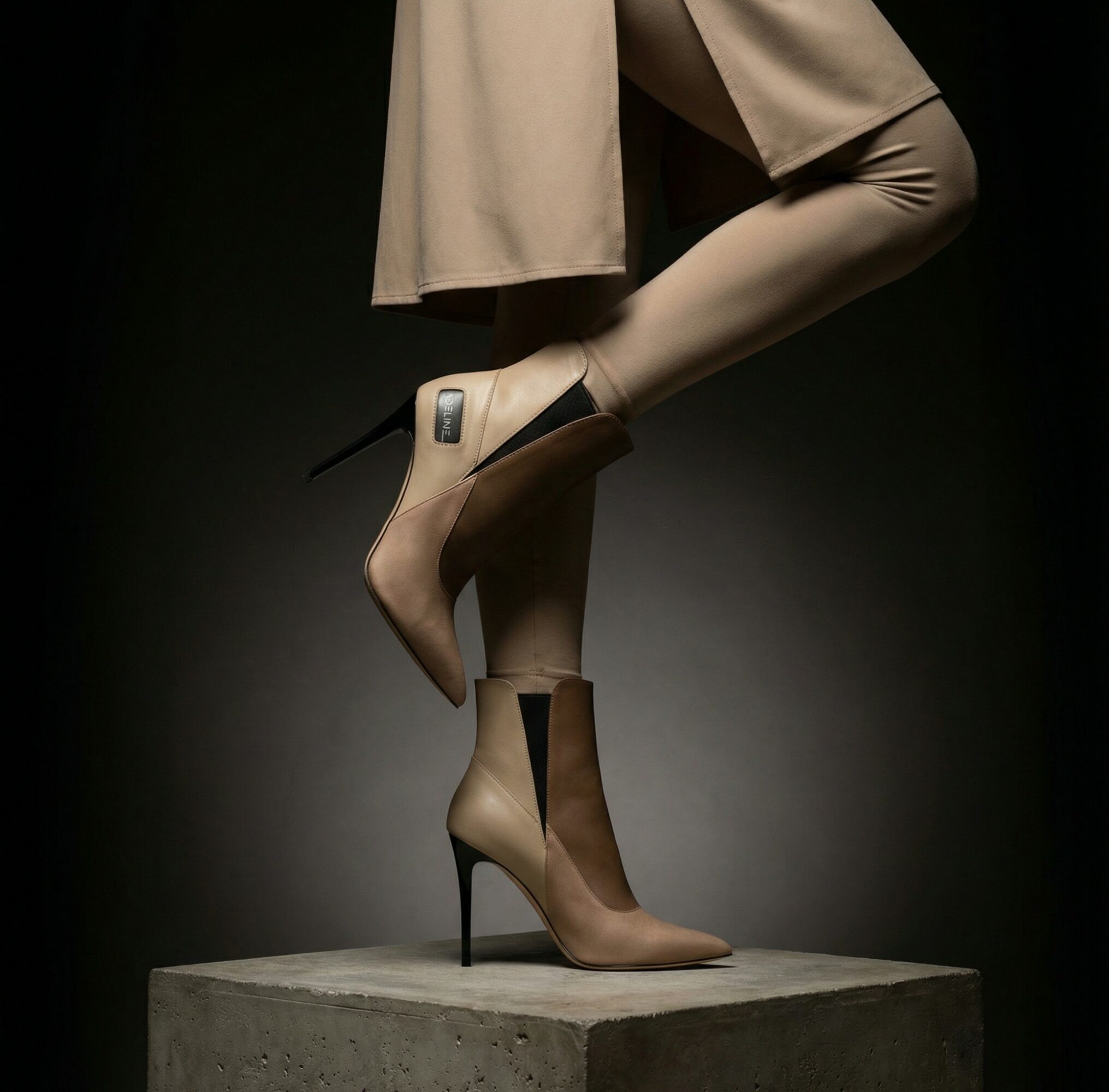
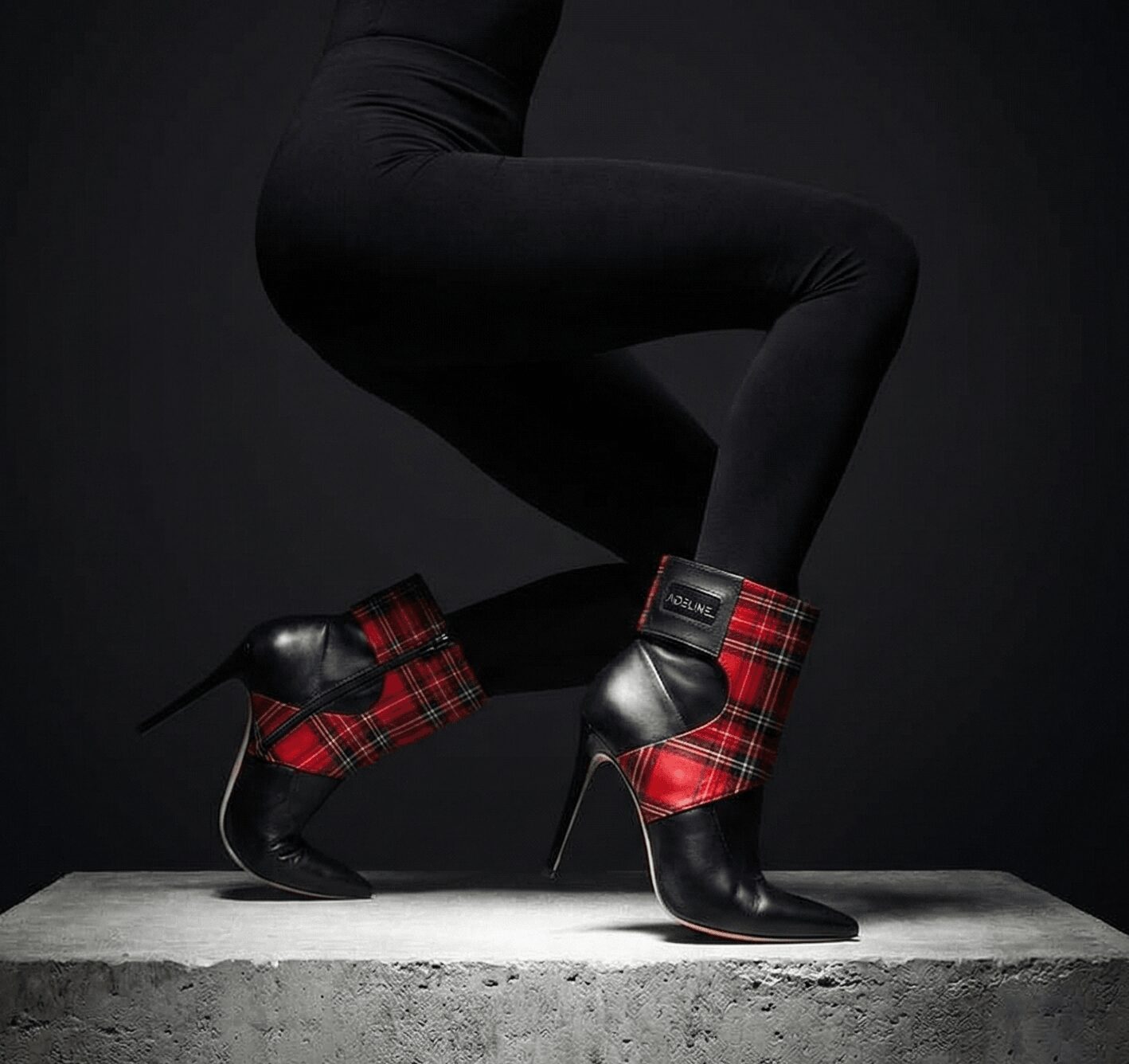
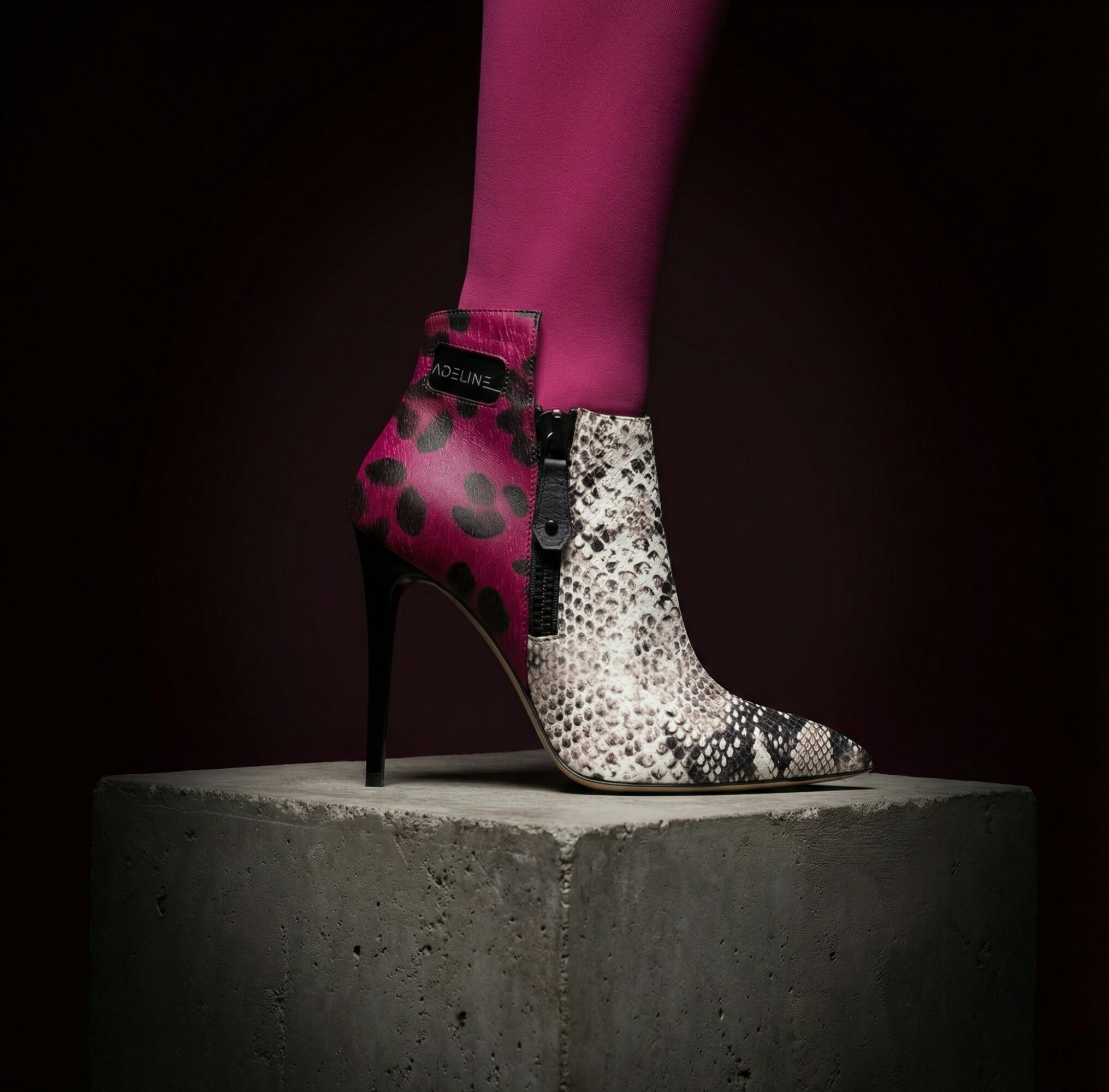
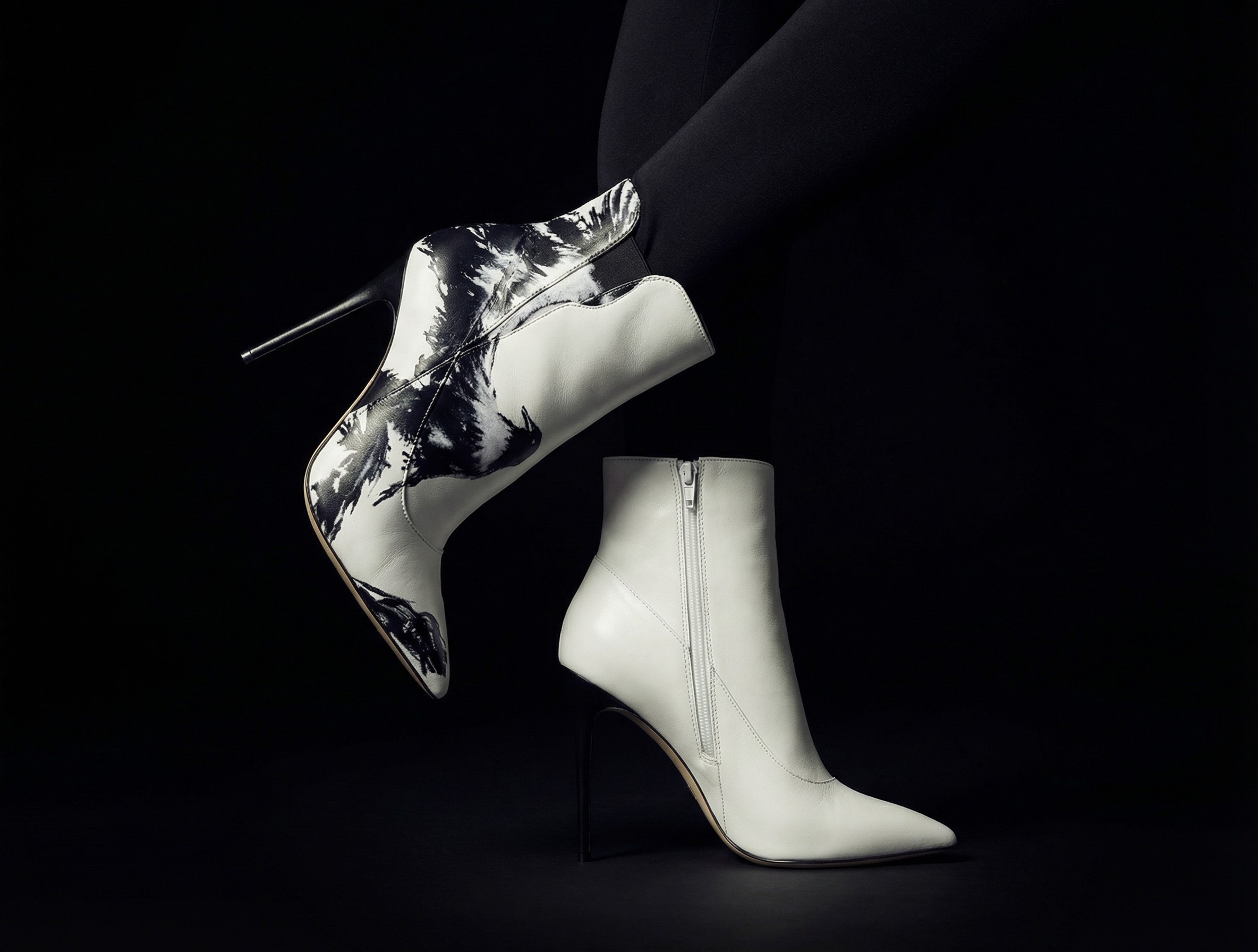
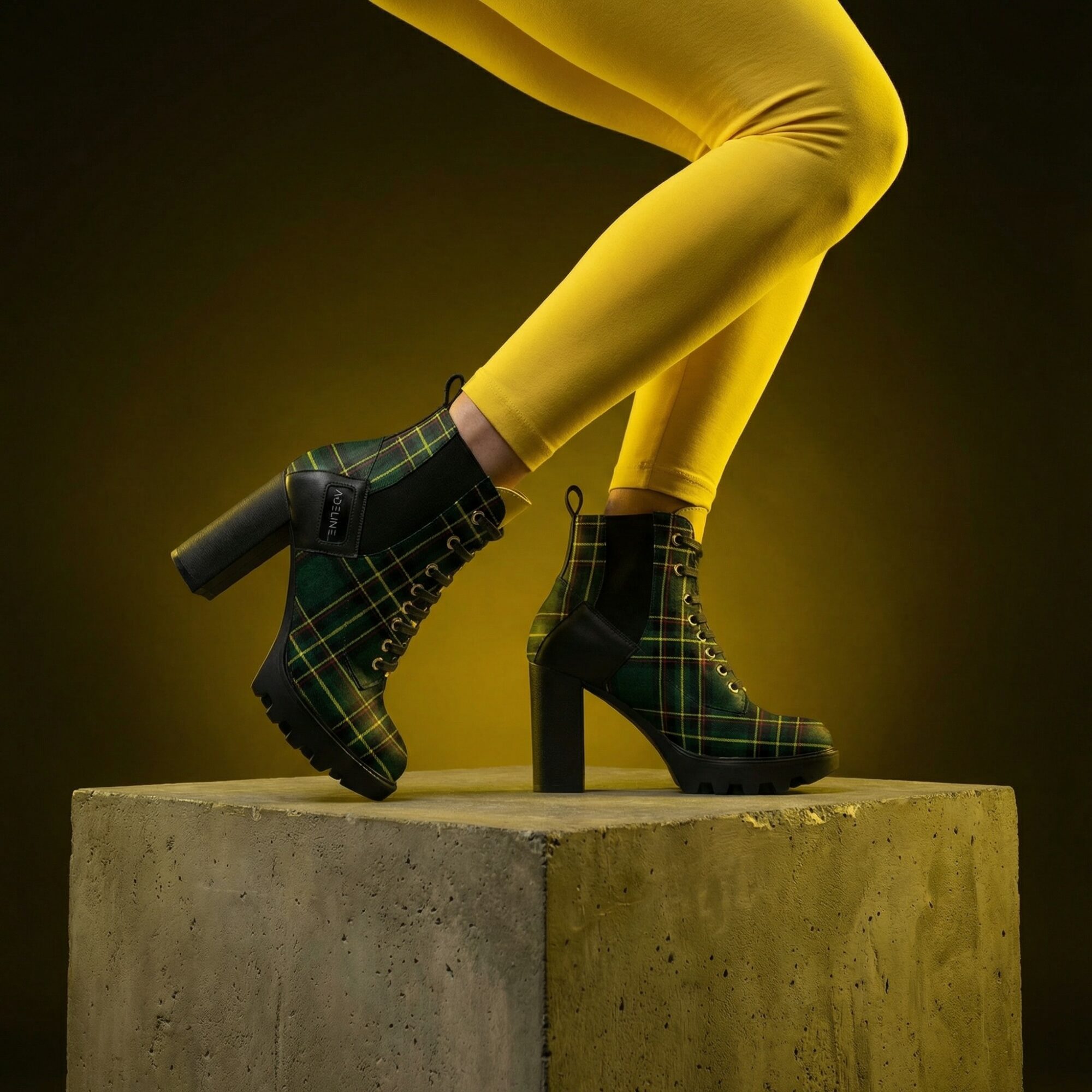
Image Credits
Images belong to ADELINE
Popular
-

Opening Up to Move Forward: Diane Martinez on Vulnerability, Small Steps, and Getting Unstuck
-

Hidden Gems: Local Businesses & Creatives You Should Know
-

ATL’s Most Inspiring Stories
-

Portraits of Atlanta
-

Storytelling, Wellness, and Community: Dayana Preval on Finding Alignment Through Creative Expression
-

Rewriting the Rules of Publishing: How Jalisa Rose Ray Is Building an Author‑First Legacy with JRose Publishing