





We’re looking forward to introducing you to splrssa. Check out our conversation below.
splrssa, a huge thanks to you for investing the time to share your wisdom with those who are seeking it. We think it’s so important for us to share stories with our neighbors, friends and community because knowledge multiples when we share with each other. Let’s jump in: Who are you learning from right now?
Right now, I’m learning a lot from Jeff Hardy. I’ve always related to him — the ups, the downs, the way he never hides the fact that he’s human. Seeing how he keeps creating through his struggles makes me feel less alone in mine. It pushes me to stay consistent and stay expressive.
Musically, I’ve been studying rock artists like Matchbox Twenty, The Killers, and Imogen Heap. They all hit emotionally in different ways. Imogen’s creativity and her wild melodic ideas really pull something out of me. I feel like I’m learning how to take that emotional weight and translate it into my own music.
Can you briefly introduce yourself and share what makes you or your brand unique?
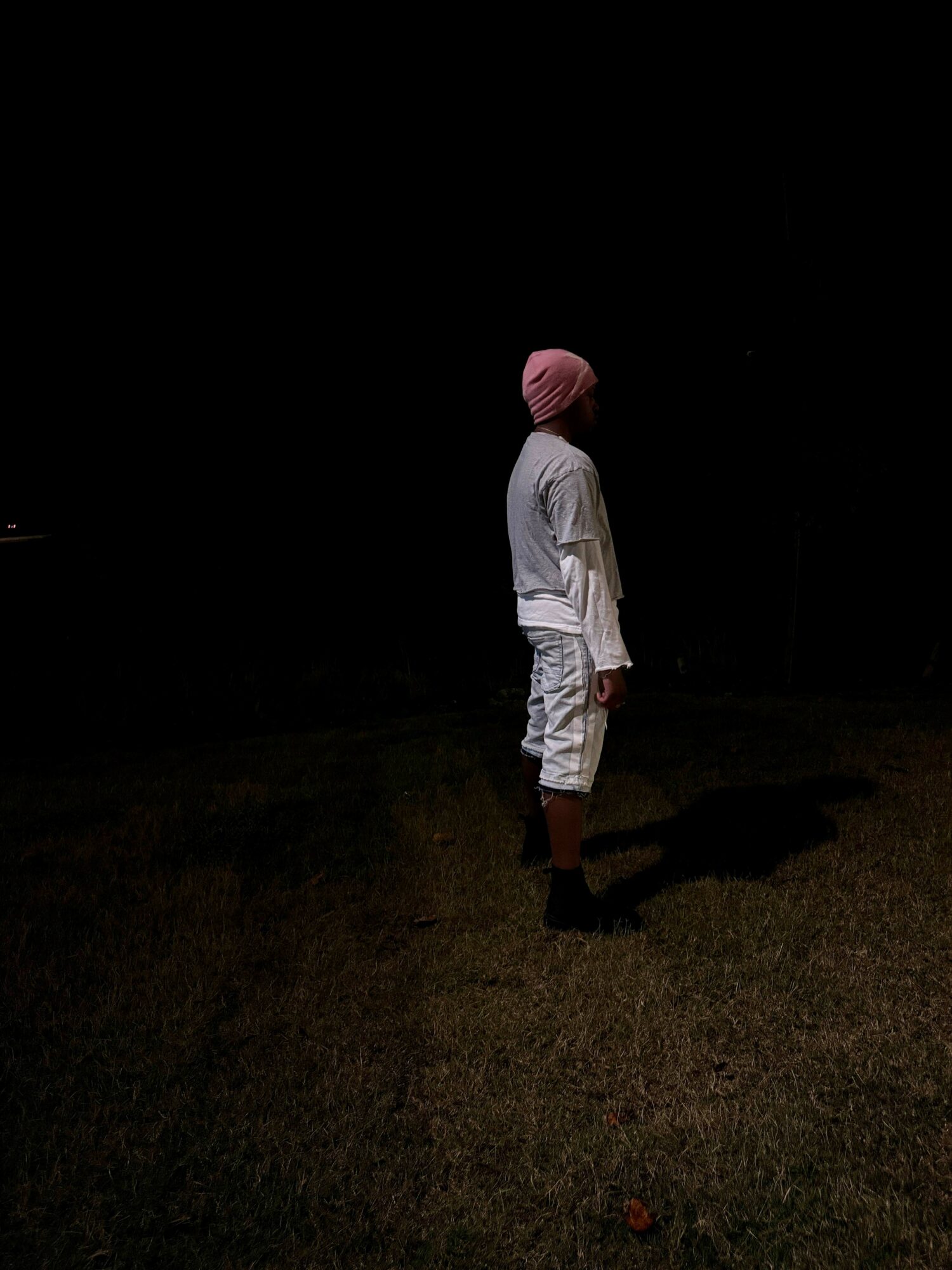
My name is Kamari, and I’m an independent artist building my own lane — something that lives somewhere between alt, rap, rock, and raw emotion. I’ve always been the type of creator who feels things deeply, and instead of hiding that, I try to turn it into something visual, something sonic, something alive. A lot of my inspiration comes from people like Jeff Hardy — artists who aren’t afraid to show their scars and still put on a performance that feels larger than reality. I relate to that a lot in my own journey.
I started as this quiet, behind-the-scenes kid who loved music but didn’t really know how to step into the light. Over time I realized the things I thought made me ‘different’ were actually the things that made my art stand out. My sound pulls from rock bands like Matchbox Twenty and The Killers, and super-creative artists like Imogen Heap. I’m blending all those influences into something that feels new but honest — something you can feel in your chest.
Right now I’m working on shaping my first major project and building a brand that represents resilience, color, and authenticity — the idea that you can go through darkness and still create something bright out of it. I’m still early in my journey, still underground, but my face is starting to get familiar in a few circles, and I’m grateful for that. My goal is to break through my shell and give people something real, something that looks and sounds like the version of me I used to be afraid to show.
Appreciate your sharing that. Let’s talk about your life, growing up and some of topics and learnings around that. What did you believe about yourself as a child that you no longer believe?
When I was a kid, I honestly believed something was wrong with me. I felt weird, out of place, like I didn’t fit in with anybody. Whenever I made mistakes — big or small — I used to let other people’s reactions define me. Even my own self-criticism made me think those moments were who I was as a person. I carried that for a long time.
As I got older, I realized that what I thought made me ‘weird’ was really just me being different in a way that was actually creative and valuable. The things I used to judge myself for ended up becoming the things that make my art unique. The mistakes weren’t my identity — they were just part of my growth.
Now I understand that standing out isn’t a flaw. It’s a superpower if you learn how to use it.
What’s something you changed your mind about after failing hard?
After failing hard a few times, I had to shift my whole mentality. I used to take it personal when something I put out didn’t do well, or when people criticized my work. But I realized you can’t be mad at the results if you’re not using them to learn. Failure isn’t a dead end — it’s data. It shows you what to sharpen, what to rethink, what to elevate.
I also stopped wanting yes-men around me. If everyone agrees with you all the time, you stay stuck in one version of yourself. Real growth comes from hearing the uncomfortable stuff — the critiques that push you outside your box. Now, instead of seeing failure as a hit to my confidence, I see it as a blueprint. It’s helped me evolve, both as an artist and as a person.
Sure, so let’s go deeper into your values and how you think. What important truth do very few people agree with you on?
One important truth that I believe — and that not everyone agrees with me on — is that God is real. That’s something I’ve held onto through a lot of ups and downs. I know people have different beliefs and perspectives, and that’s fine, but for me it’s a truth that’s helped me make sense of things, stay grounded, and keep going when life gets heavy. It’s not really something I try to argue or debate — it’s just a core part of how I move and how I understand the world.
Okay, so before we go, let’s tackle one more area. If immortality were real, what would you build?
if immortality were real, I’d spend forever building a creative universe — a place where music, visuals, colors, and emotion all connect. I’ve always felt like my ideas live in their own world, and with unlimited time, I’d expand that world into something people could step into and feel understood. Almost like a safe space for the kids who feel ‘different’ the way I did. A universe where art heals, speaks, and grows with you forever.
Contact Info:
- Website: https://linktr.ee/splrssaa?utm_source=linktree_profile_share<sid=07d6f444-5e8b-4b85-bb46-c6ce8e561a99
- Instagram: https://www.instagram.com/splrssa/
- Youtube: splrssa
- Soundcloud: splrssa on soundcloud
- Other: twitch : ssplrssa
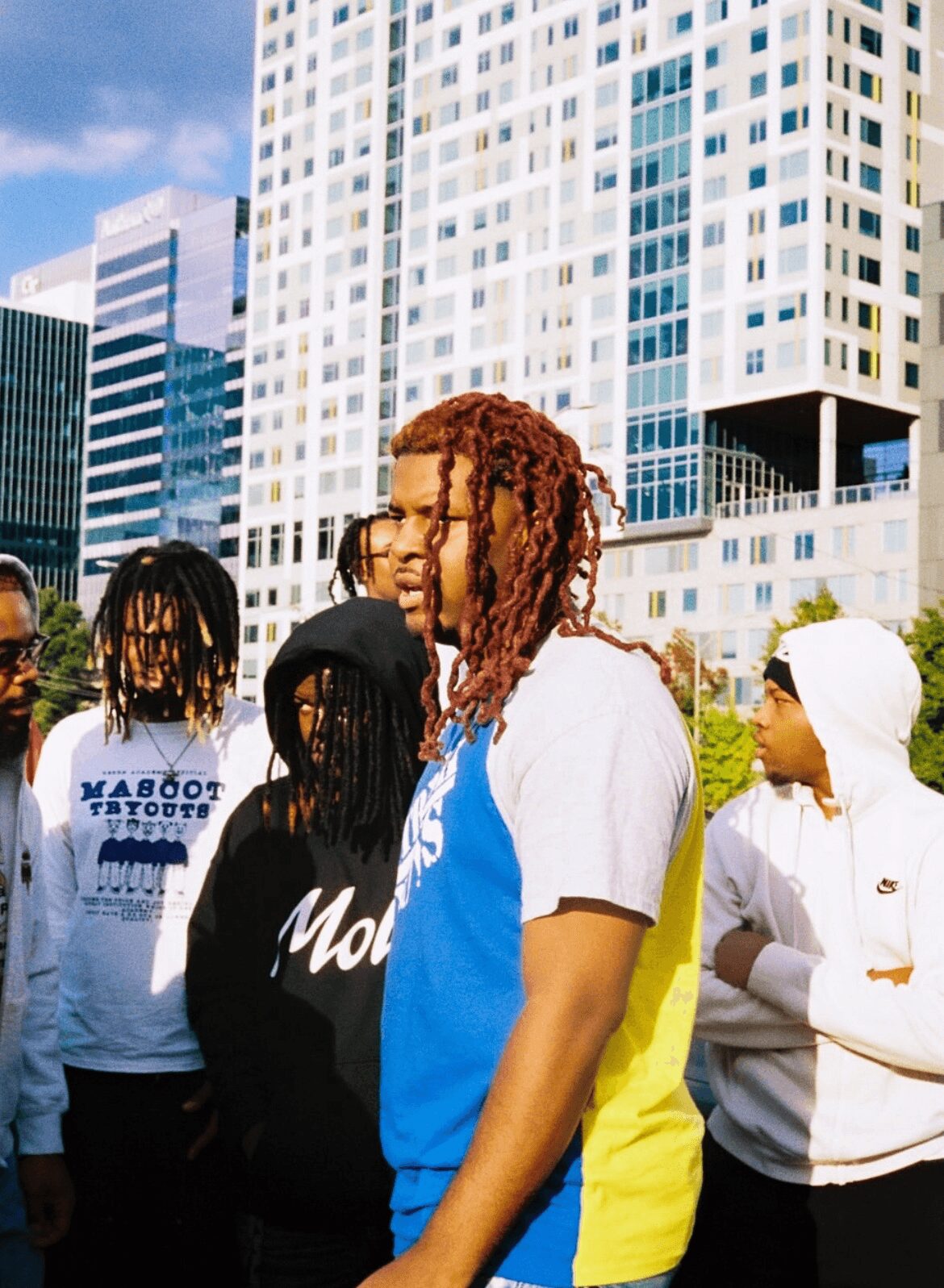
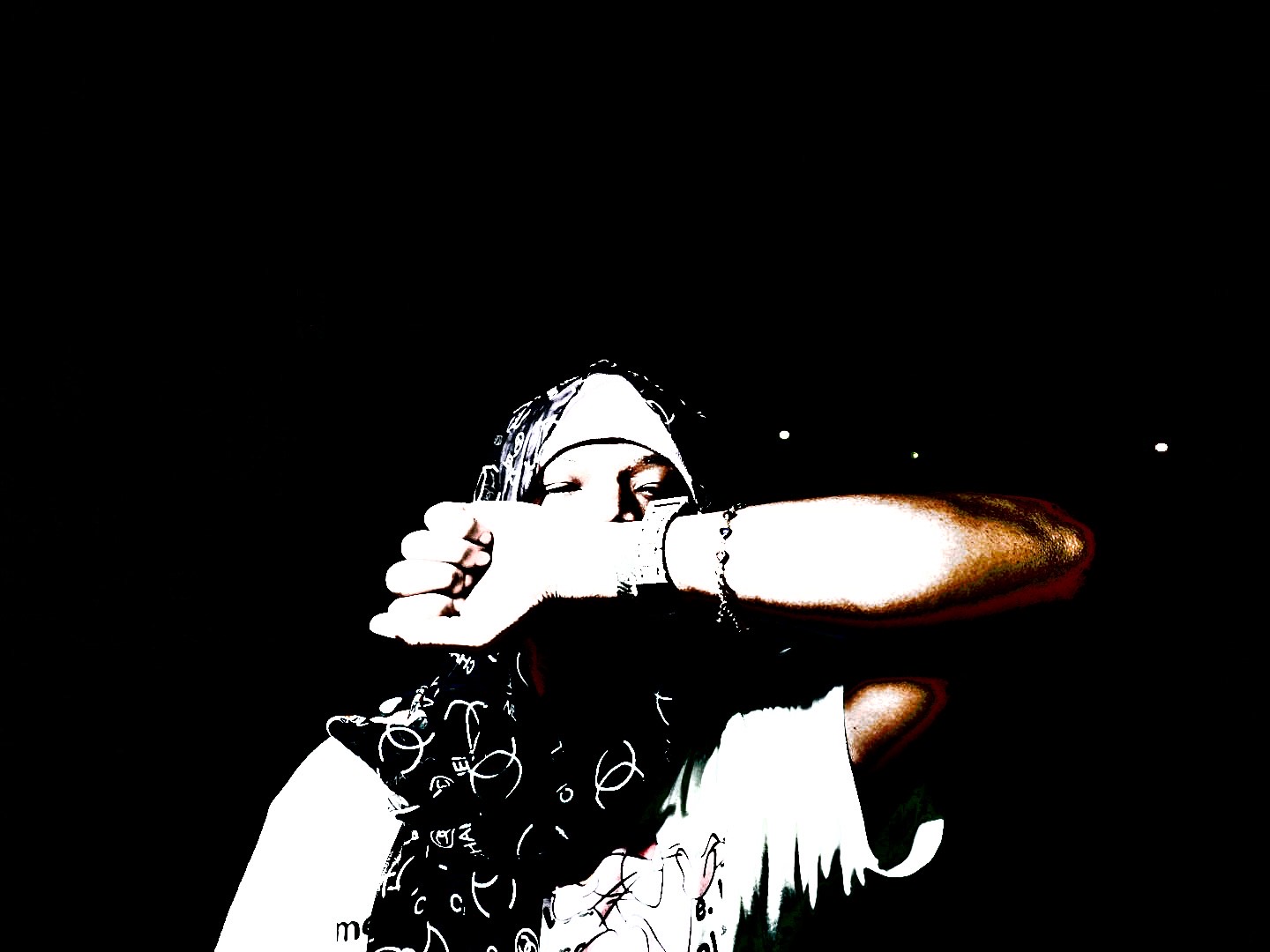
Image Credits
@brian.quetzel on ig
@abeflux on ig
Popular
-

Hidden Gems: Local Businesses & Creatives You Should Know
-

ATL’s Most Inspiring Stories
-

Portraits of Atlanta
-

Dr. Hildiah Martin-Suggs Is Building Second Chances for Youth Who Were Almost Lost in the System
-

From Showing Up to Seeing His Face on a Billboard: Anthony Green Is Just Getting Started
-

Wayne Smith Jr on Survival, Psychological Thrillers, and the Cost of Staying Alive