





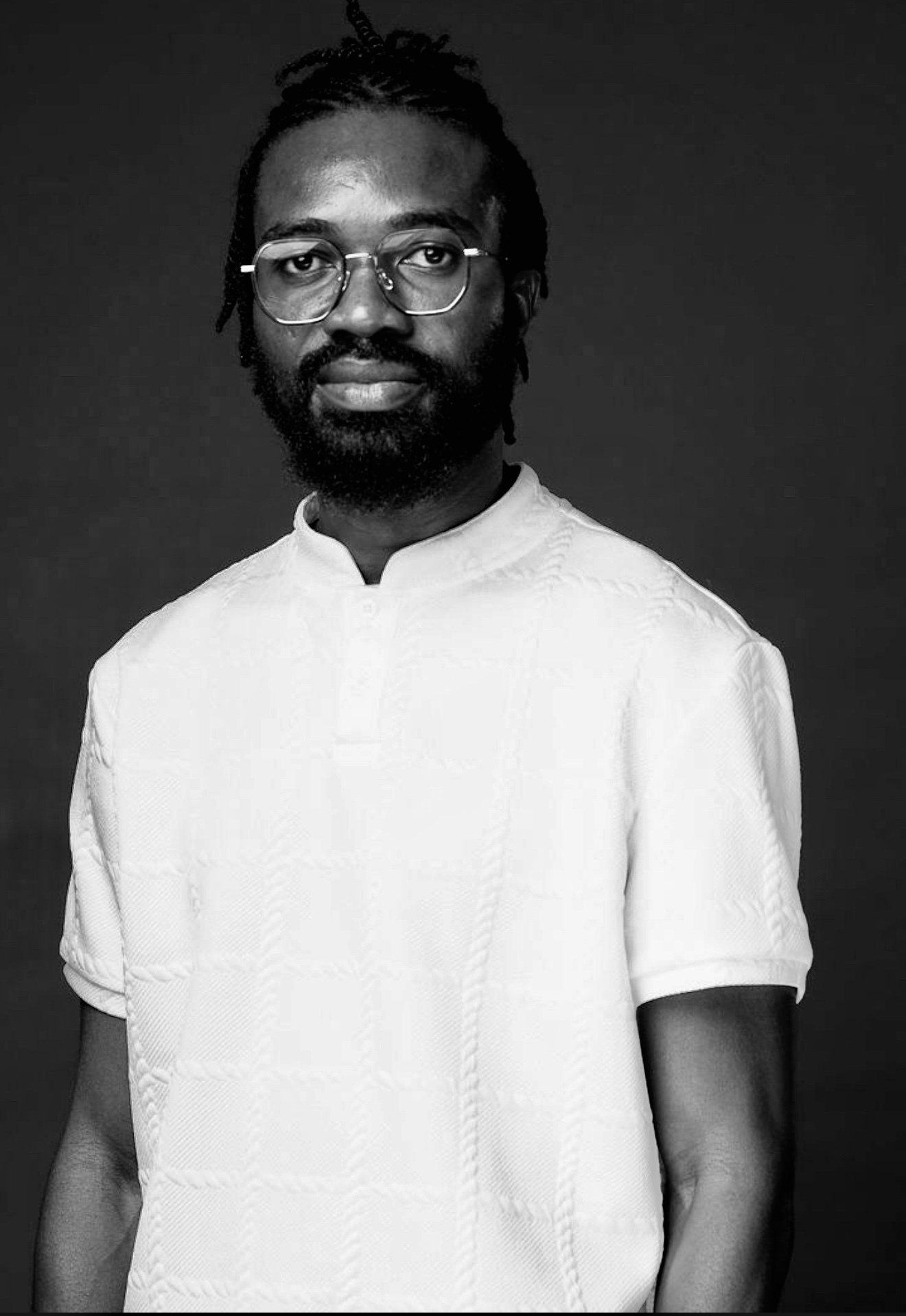
We’re looking forward to introducing you to Mortinno Morton. Check out our conversation below.
Hi Mortinno , thank you for taking the time to reflect back on your journey with us. I think our readers are in for a real treat. There is so much we can all learn from each other and so thank you again for opening up with us. Let’s get into it: Have any recent moments made you laugh or feel proud?
Demonstrating boldness in appropriate situations is essential. While most individuals exhibit boldness in small, comfortable groups, they often lack confidence in situations that offer greater fulfillment. This year, I took several bold steps in my career. Despite the potential costs and losses, I carefully considered each decision and exposed myself to a diverse range of creative perspectives within the industry. This approach allowed me to develop a comprehensive understanding of how to position myself to achieve a more ambitious goal than to settle for less. It makes me proud of the new me.
Can you briefly introduce yourself and share what makes you or your brand unique?
I am Mortinno Morton, a film director and editor based in Atlanta, Georgia. My work brings together bold visual storytelling and socially conscious themes, spanning documentaries, short films, and branded content. While I also produce, directing and editing are the core of my creative identity. In 2023, I was recognized as Ghana’s preeminent editor, and my films have screened internationally, exploring the intersections of culture, identity, and healing through art.
I lead mXquared Studios, a creative brand known for its innovative approach to visual narrative where experimental technique meets cultural depth to create emotionally resonant stories. mXquared is now expanded into a dedicated post-production studio, offering a space designed specifically for filmmakers seeking high-quality editing, color, sound, and finishing experiences.
I am currently developing Fistula, a 15 minute nonlinear short film inspired by true events. The project blends poetic realism with a deeply human narrative about cultural beliefs, social stigma, and resilience—continuing my commitment to storytelling that provokes thought, compassion, and transformation.
Appreciate your sharing that. Let’s talk about your life, growing up and some of topics and learnings around that. What’s a moment that really shaped how you see the world?
A moment that truly shaped how I see the world began in Accra, Ghana, where my creativity often had to fight for space between strong religious beliefs, community expectations, and the practical paths families preferred. Growing up, filmmaking wasn’t seen as a real future. In my own family, my desire to pursue film was met with worry, caution, and discouragement not out of lack of love, but out of fear of instability. Every step toward storytelling felt like I was pushing against a tide of doubt from the people closest to me.
But instead of crushing me, that tension sharpened me. It forced me to commit to the craft with clarity and purpose, to prove to myself first that this wasn’t just a dream; it was a calling.
Very early, I made a conscious choice that changed everything:
I surrounded myself with people older than me, people who had lived enough life to understand mistakes, growth, and reinvention. I observed them the way I study films: paying attention to choices, consequences, and turning points. Their experiences became my roadmap, helping me avoid the setbacks they had already survived.
That combination of growing up in a deeply religious community, facing family discouragement about film, and seeking wisdom from older mentors became the foundation of my worldview. It taught me that:
Art requires courage.
Vision requires resilience.
And growth requires learning from those who have walked ahead of you.
These lessons shape my work today. The challenges of my upbringing didn’t hold me back, they expanded my understanding of humanity, struggle, and purpose. They made me the artist I am becoming.
When did you stop hiding your pain and start using it as power?
I stopped hiding my pain and started using it as power when I realized that suppressing it was slowly dimming my voice. Growing up in Accra, I carried the weight of family discouragement and the pressure of strong religious and community expectations that didn’t see filmmaking as a real path. For years, I tried to push down the frustration, the fear of disappointing people, especially those close to me and the feeling of being misunderstood.
Everything shifted when I intentionally surrounded myself with older mentors—people whose honesty about their failures, regrets, and resilience showed me that pain is not something to conceal, but something to confront. Their vulnerability gave me permission to face my own.
That was the moment I began to transform my struggle into strength. I stopped pretending I was unaffected, and instead started pouring those emotions into my work. The doubt, the pressure, the early battles—they became the lens through which I create.
Once I embraced my pain, it stopped controlling me and started sharpening my perspective. It pushed me forward, shaped my voice, and became the fuel behind my purpose as an artist.
I think our readers would appreciate hearing more about your values and what you think matters in life and career, etc. So our next question is along those lines. Whom do you admire for their character, not their power?
I admire people whose character speaks louder than any position they held, and two figures who stand out for me are Ex-President Jerry John Rawlings (Ghana) and Bob Marley May their souls rest in peace.
What I admire about Ex-President J.J. Rawlings isn’t the power he commanded, but the fearlessness and raw honesty he carried as a person. Beyond politics, he had a rare kind of presence—direct, uncompromising, and deeply committed to accountability. Even when people didn’t agree with him, his courage to confront hard truths and stand firm in his convictions is something I respect. His character showed me that leadership is not about titles, but about owning your voice and living your principles with consistency.
With Bob Marley, it’s his spirit that moves me. His music was powerful, yes, but it’s the man behind the message that I admire. He lived with purpose, humility, and a kind of spiritual conviction that made everyone around him feel seen. His courage to speak about liberation, love, unity, and African identity—without fear of backlash—came from character, not influence. Bob Marley reminded the world that your voice can be a weapon for truth and healing, even when you come from humble beginnings.
Both men, in different ways, inspire me because they demonstrated that strength is not found in authority—it’s found in authenticity, integrity, and the willingness to stand for something deeper than yourself. They shaped how I think about responsibility as an artist, and what it means to use your gift to impact the world with honesty and purpose.
Okay, so let’s keep going with one more question that means a lot to us: What is the story you hope people tell about you when you’re gone?
I hope the story people tell about me when I’m gone is that I was someone who rose from circumstances that could have broken me, but instead used them to build something meaningful. Knowing that I didn’t have the full blueprint most people expect from parents, but I learned how to create my own, piece by piece.
I want people to say that I took those gaps, those wounds, and turned them into purpose. That I became the kind of man who proved that your beginning does not define your end. That despite the challenges, I still managed to achieve greatness, touch lives, and represent Ghana with pride on global stages.
I want my story to be one of courage, creativity, and transformation—evidence that a boy who grew up navigating uncertainty, expectations, and limited support can become a force of impact. I want the next generation to look at my journey as a case study: proof that you can break cycles, build your own path, and leave the world better than you found it.
If people remember me as someone who used the art of storytelling to heal, to challenge, and to elevate others—someone who turned personal struggle into a blueprint for possibility—then that will be the legacy I hoped to leave behind.
Contact Info:
- Website: https://mortinno.com
- Instagram: https://www.instagram.com/mortinno_
- Linkedin: https://www.linkedin.com/in/mortinnomorton
- Twitter: https://x.com/MortinnoM
- Facebook: https://www.facebook.com/Mortinno.Mor/
- Youtube: https://www.youtube.com/@mortinno_
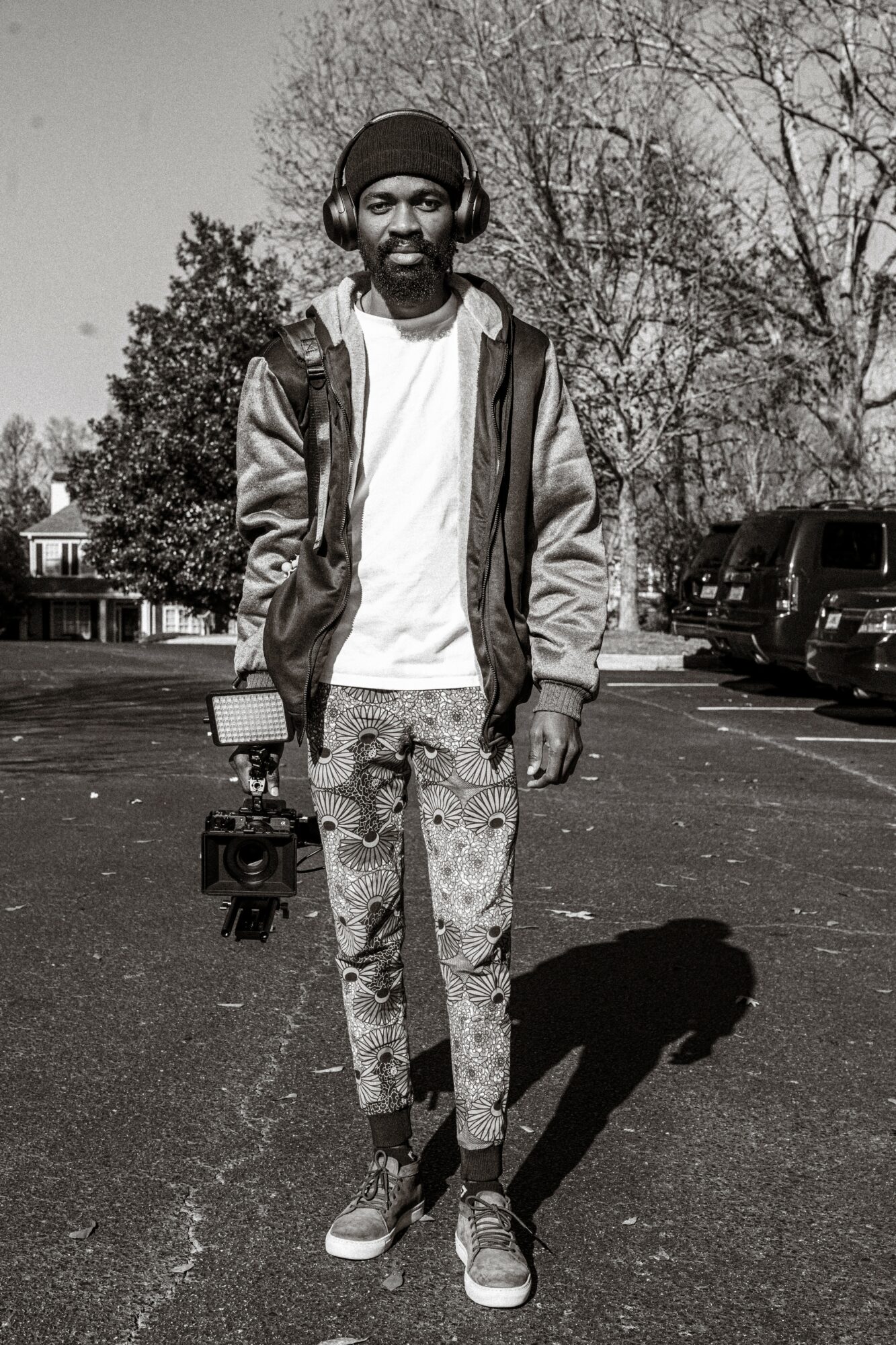
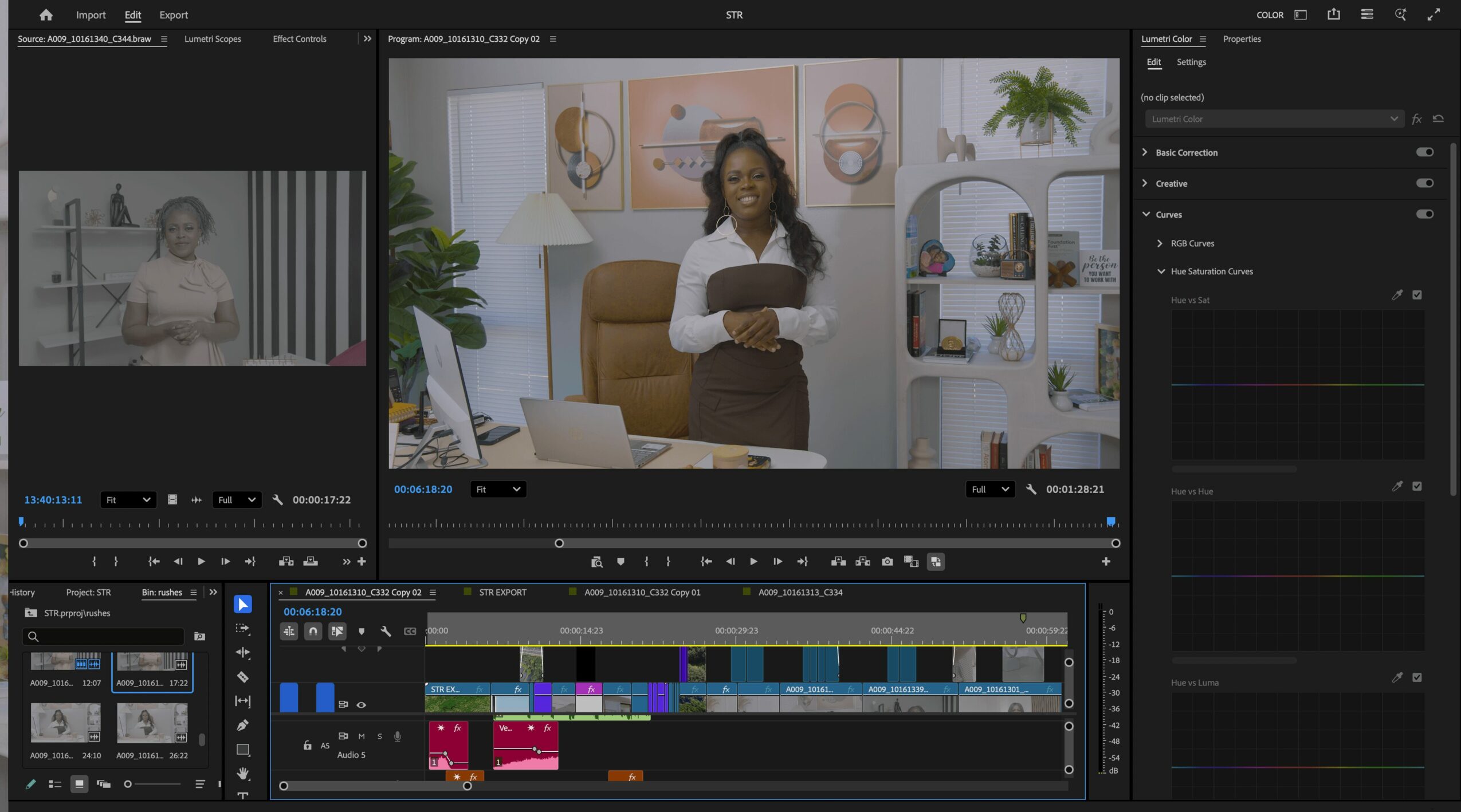
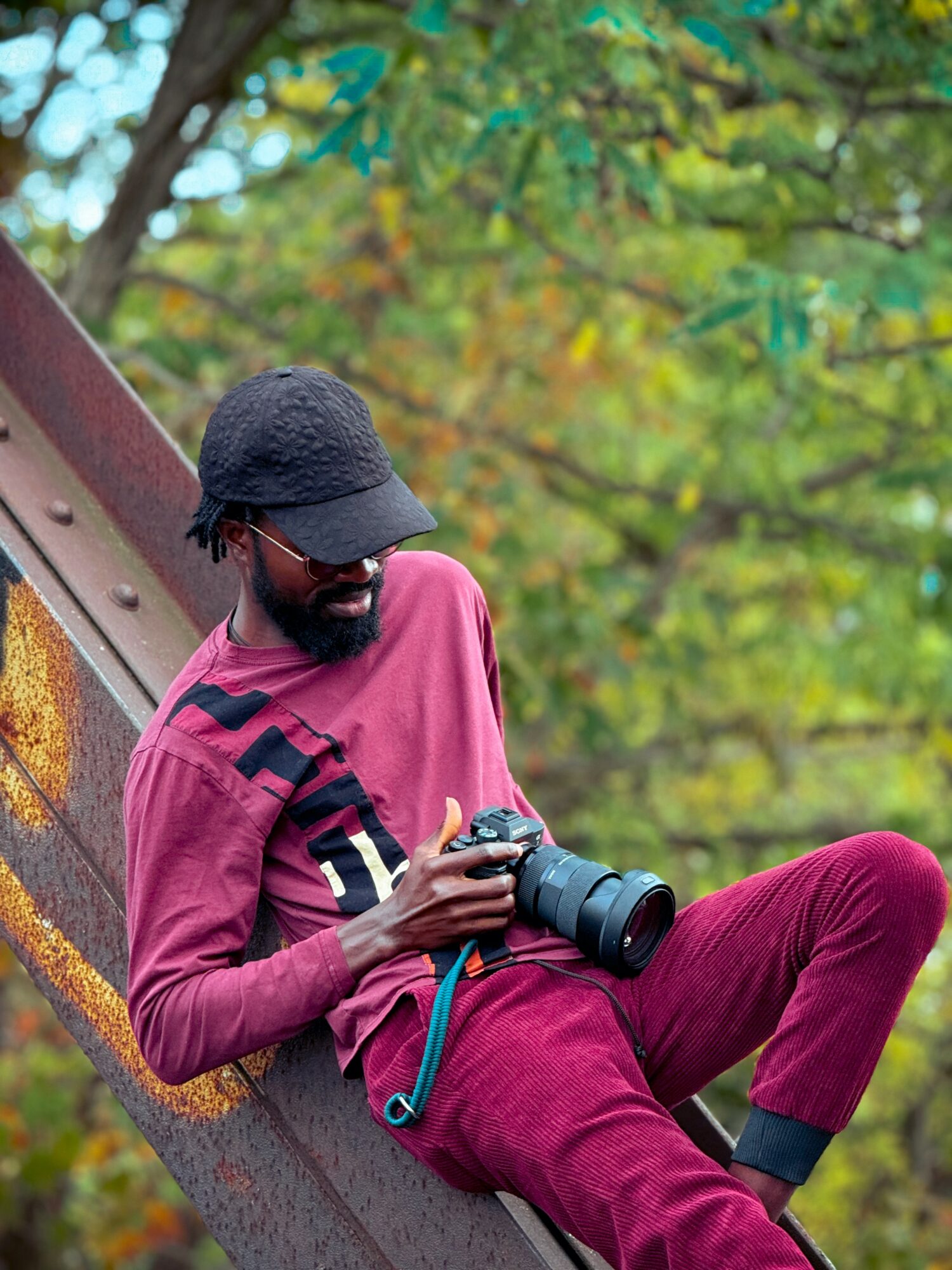
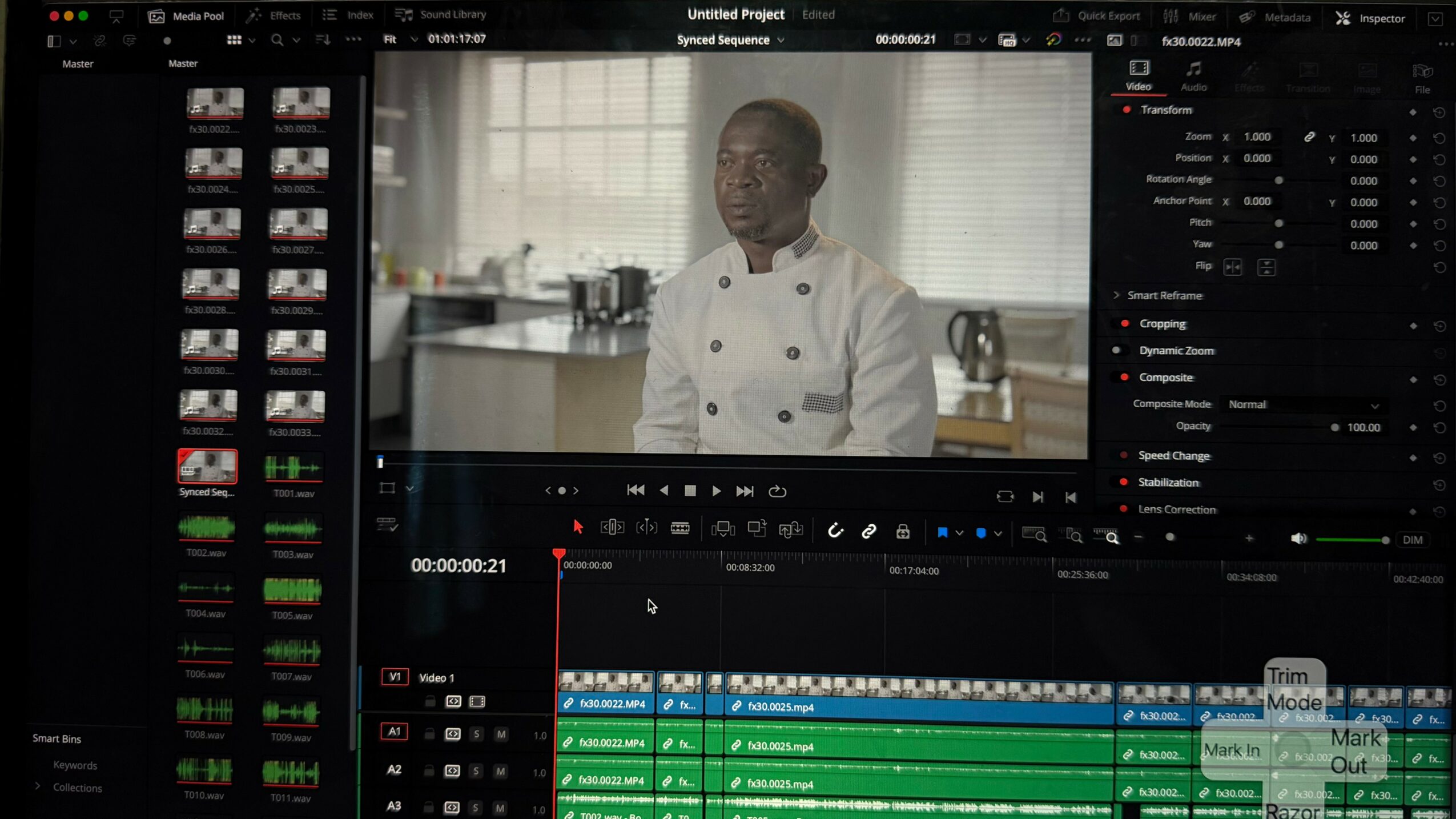
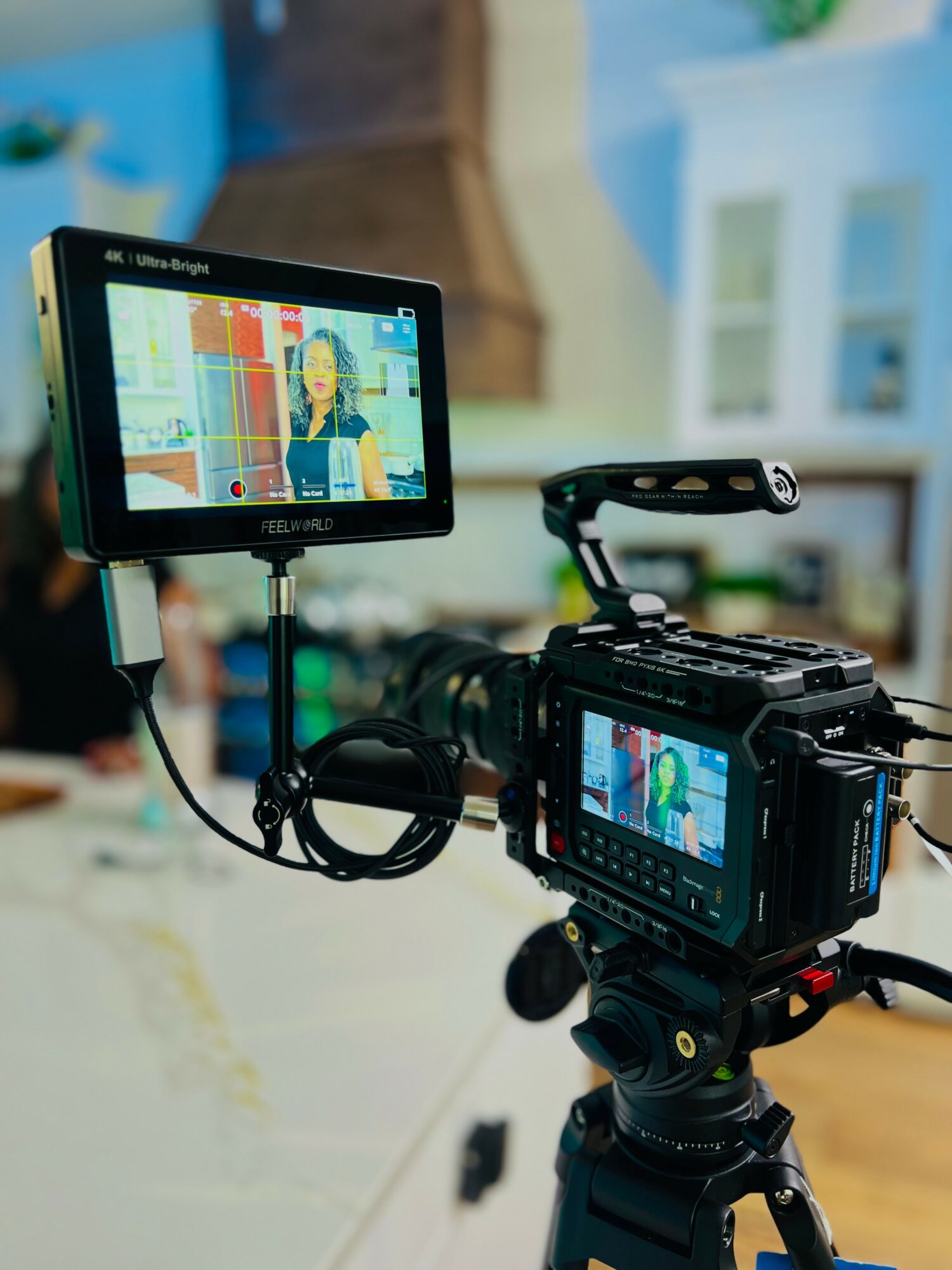
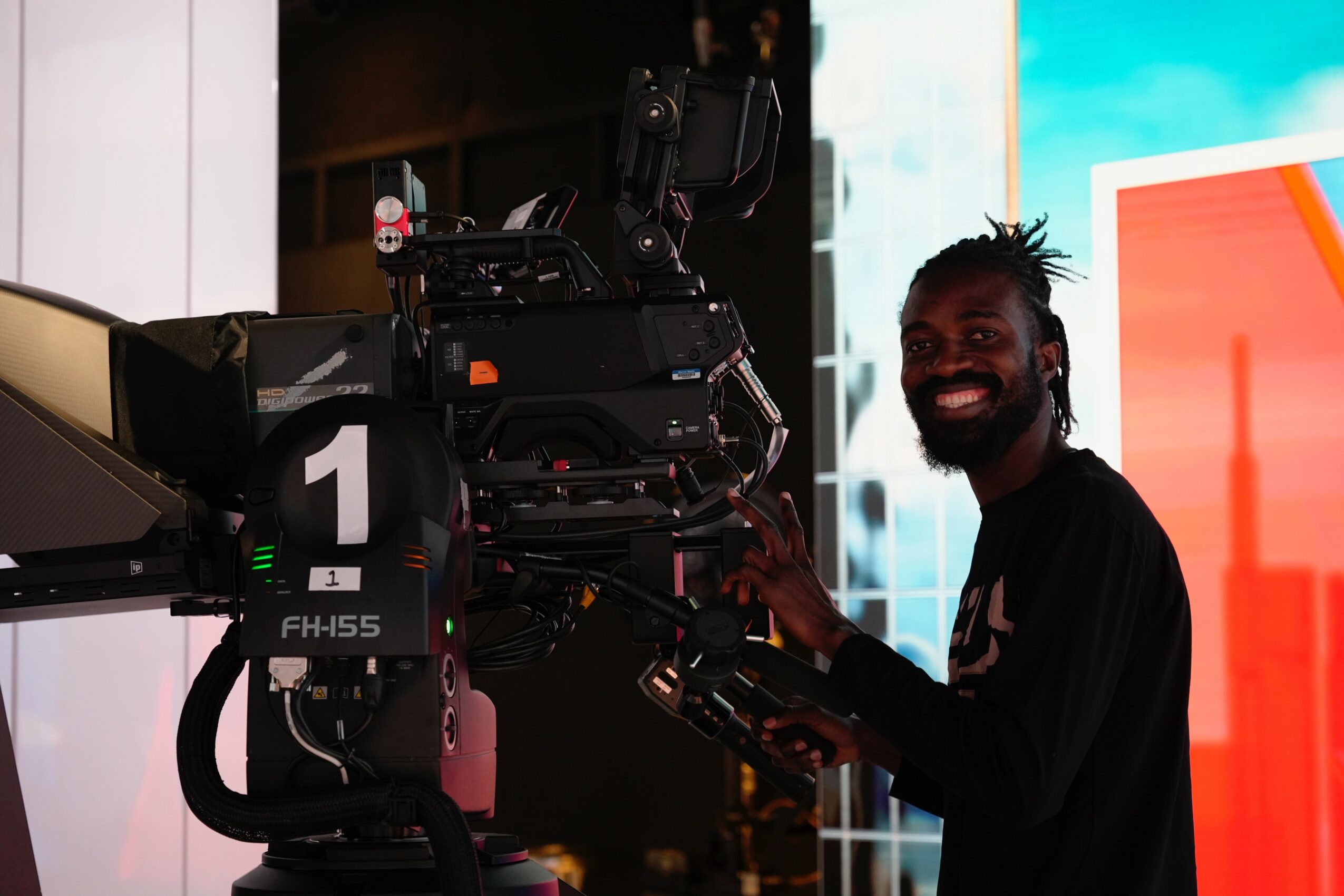
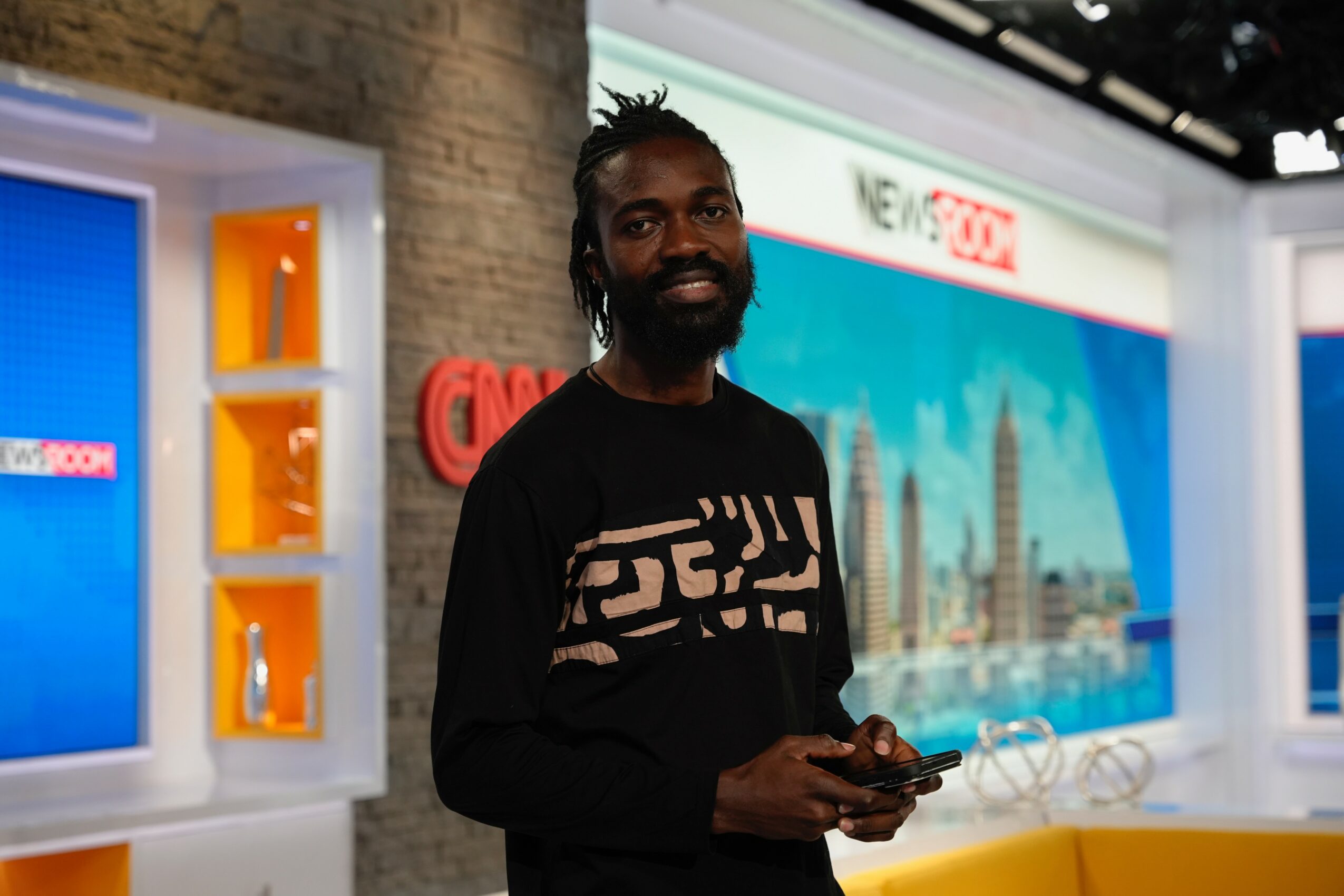



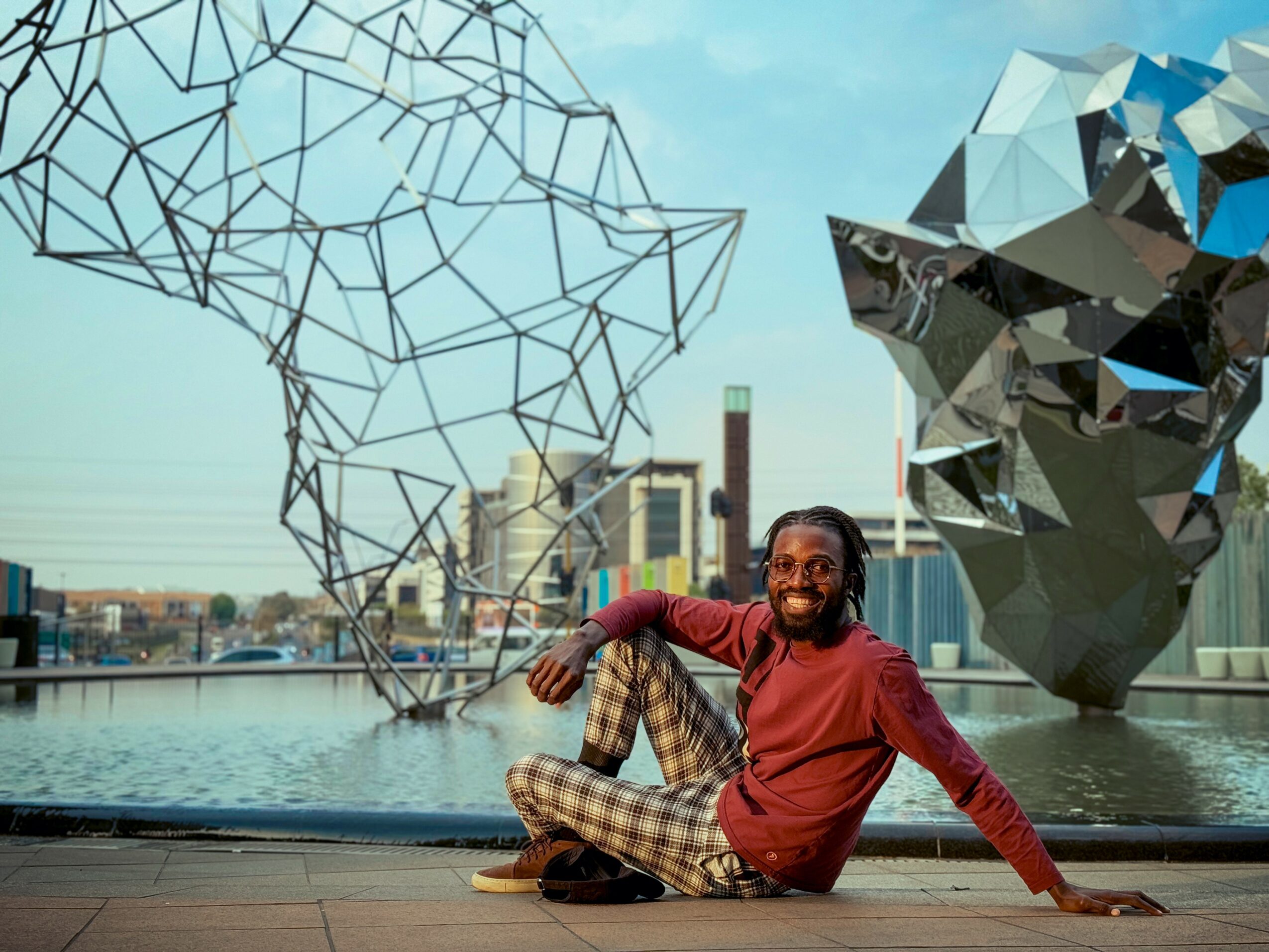
Image Credits
Forfoi Creative Media (FCM)
mxquared Studios
Popular
-

Hidden Gems: Local Businesses & Creatives You Should Know
-

ATL’s Most Inspiring Stories
-

Portraits of Atlanta
-
Dr. Hildiah Martin-Suggs Is Building Second Chances for Youth Who Were Almost Lost in the System
-
From Showing Up to Seeing His Face on a Billboard: Anthony Green Is Just Getting Started
-

Wayne Smith Jr on Survival, Psychological Thrillers, and the Cost of Staying Alive