





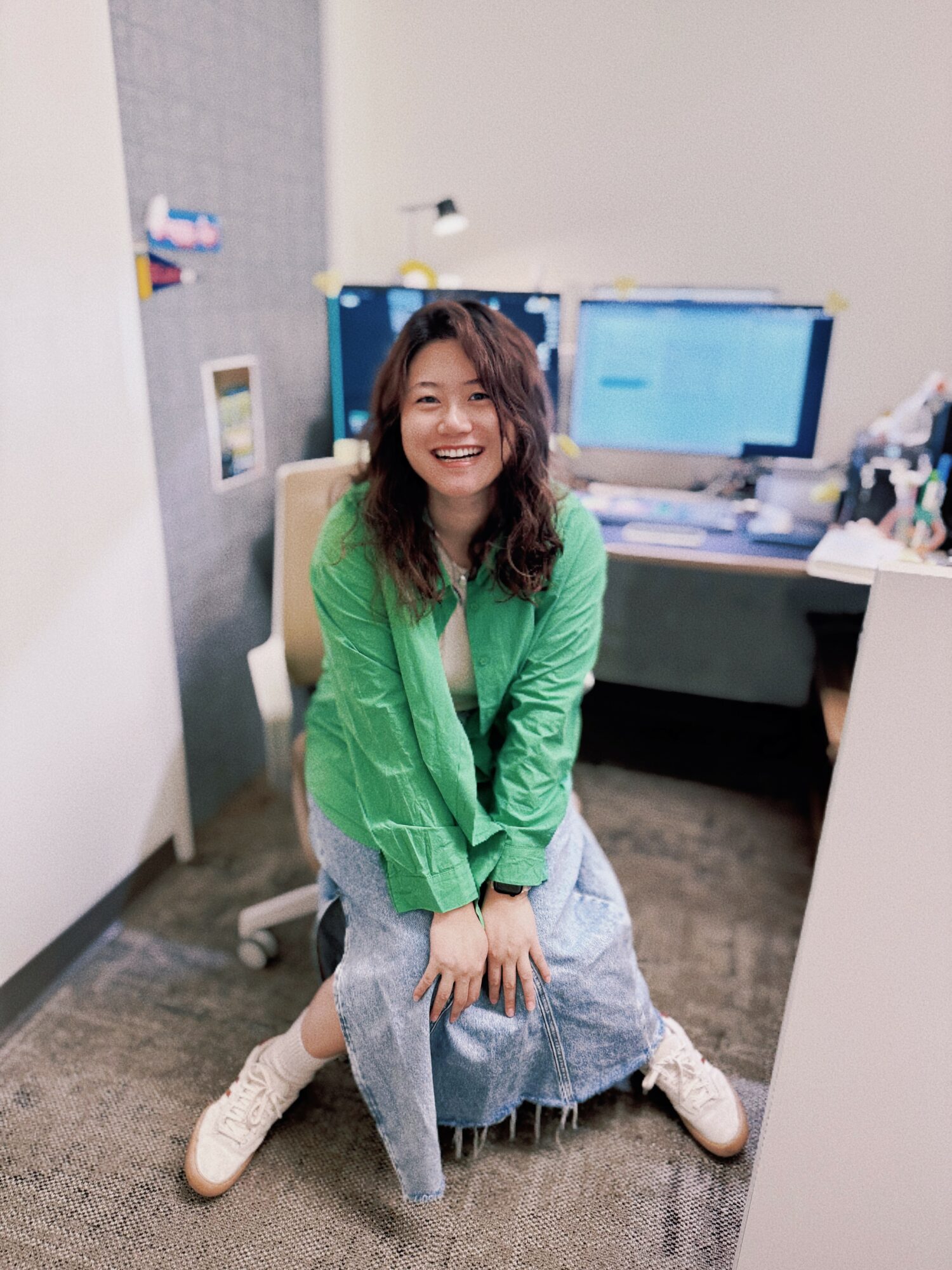
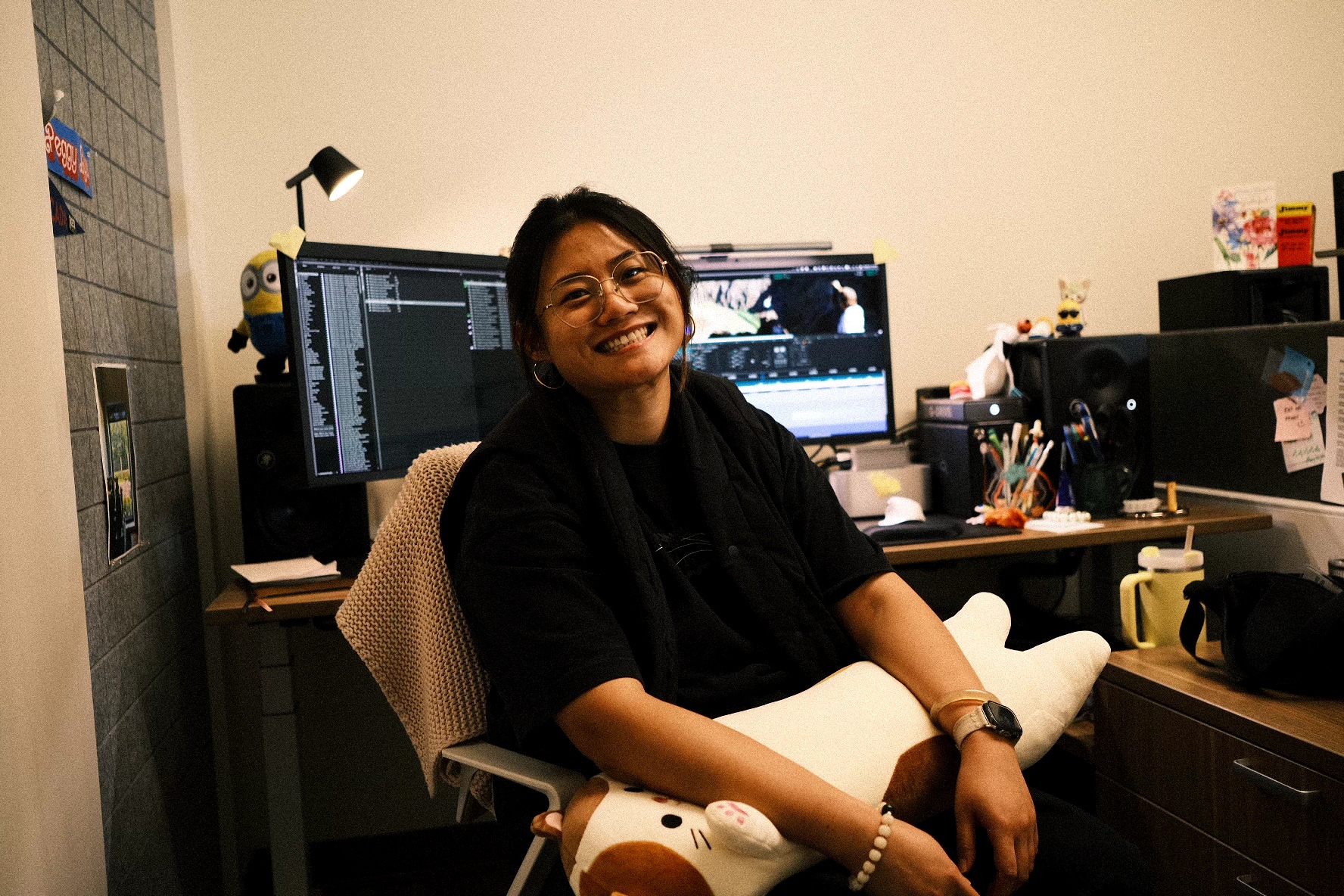
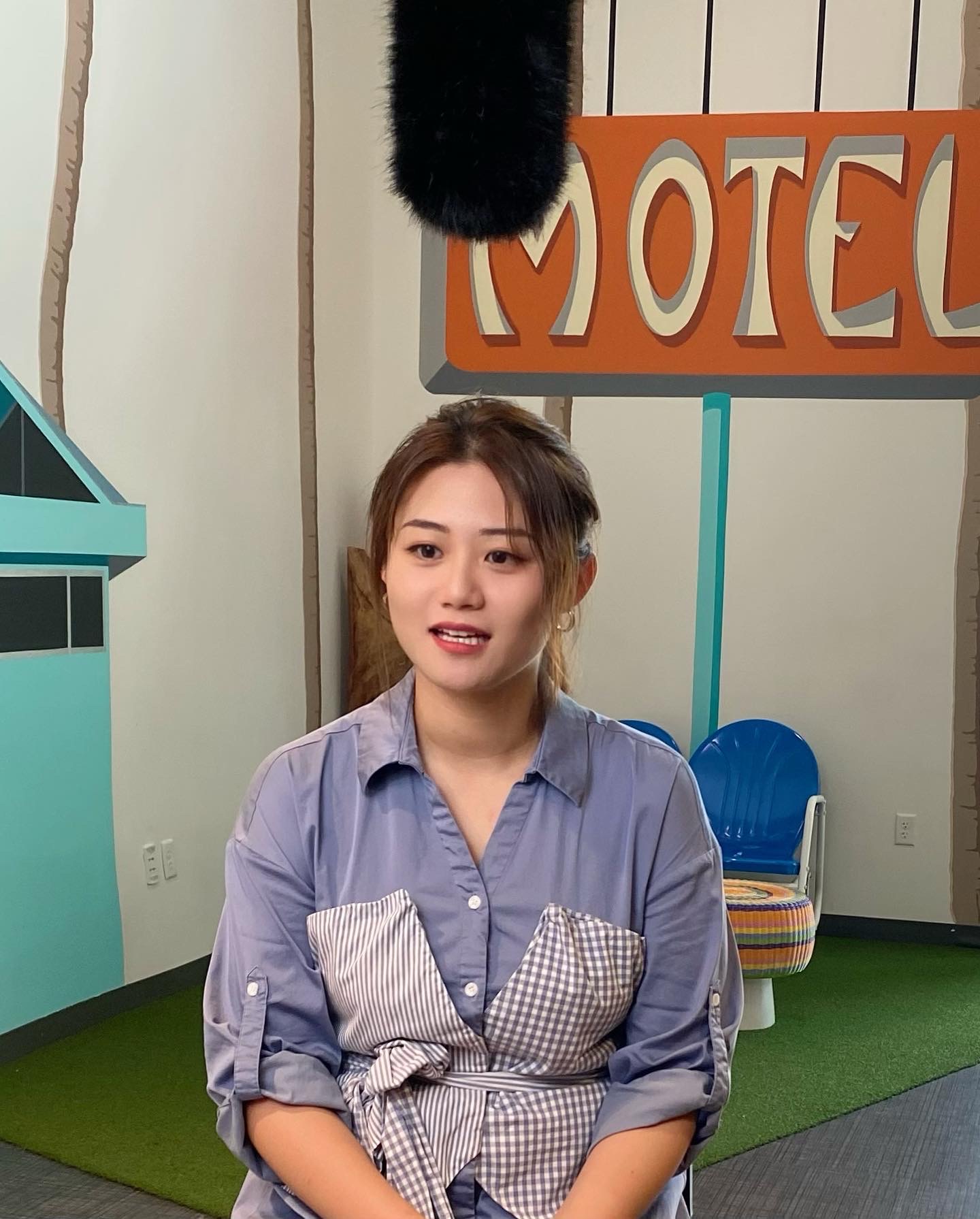
We recently had the chance to connect with Peiyao Lyu and have shared our conversation below.
Peiyao, so good to connect and we’re excited to share your story and insights with our audience. There’s a ton to learn from your story, but let’s start with a warm up before we get into the heart of the interview. What is a normal day like for you right now?
A normal day for me starts early. I wake up, play with my cat, make breakfast, and take a moment to mentally map out the day—sometimes with a bit of meditation if my mind needs settling.
Then I drive about twenty minutes to work, which has become one of my favorite daily rituals. I usually sing the entire way—loudly—just to clear my head and reset my energy. But the moment I’m about to exit the highway, something funny happens: I almost switch modes automatically, like the characters in Severance. Suddenly, I’m thinking about my to-do list, upcoming cuts, deadlines, and everything waiting for me in the editing room.
It’s a strange but satisfying rhythm: a little chaos, a little calm, and then full focus once I walk into the building.
Can you briefly introduce yourself and share what makes you or your brand unique?
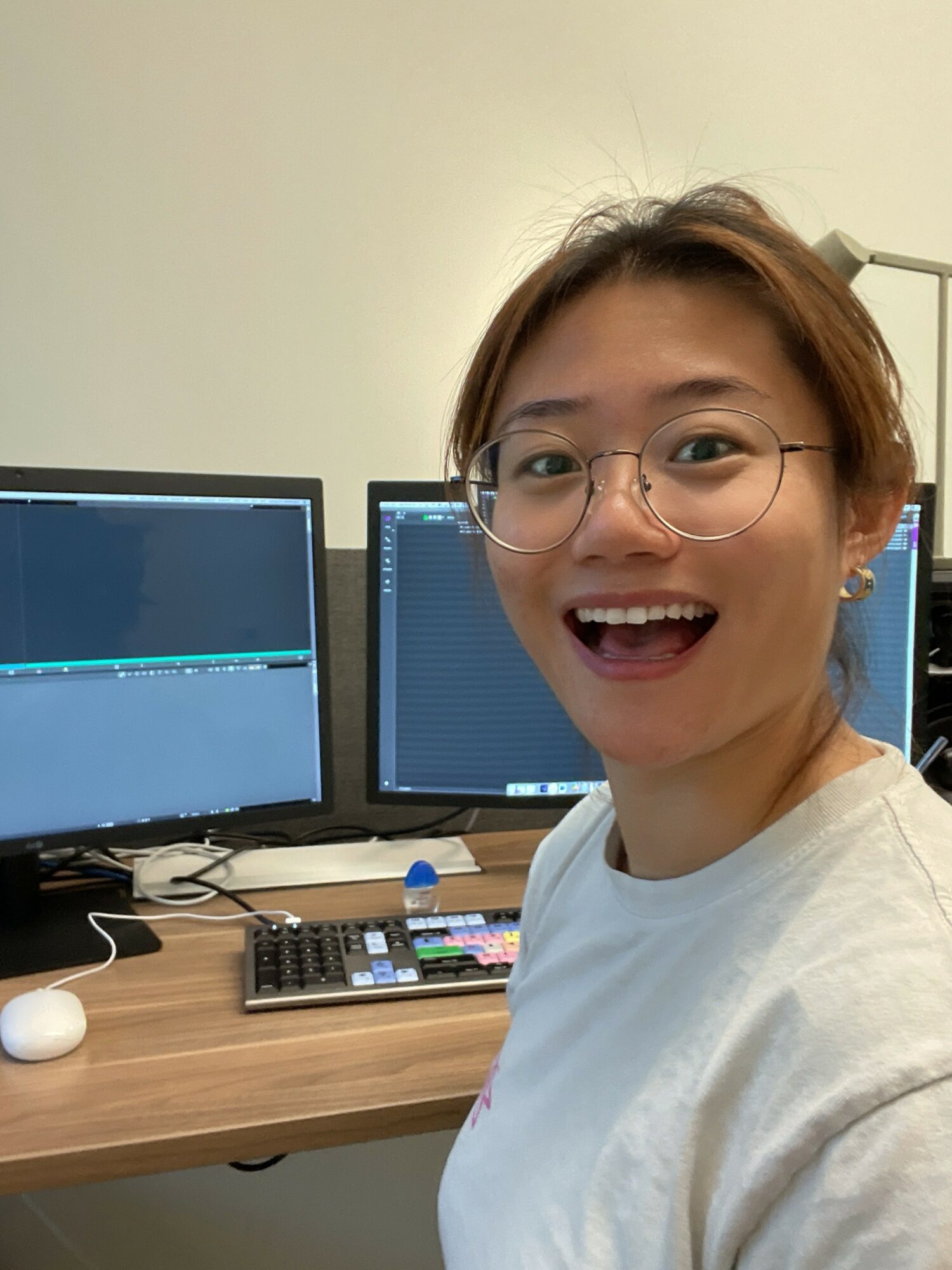
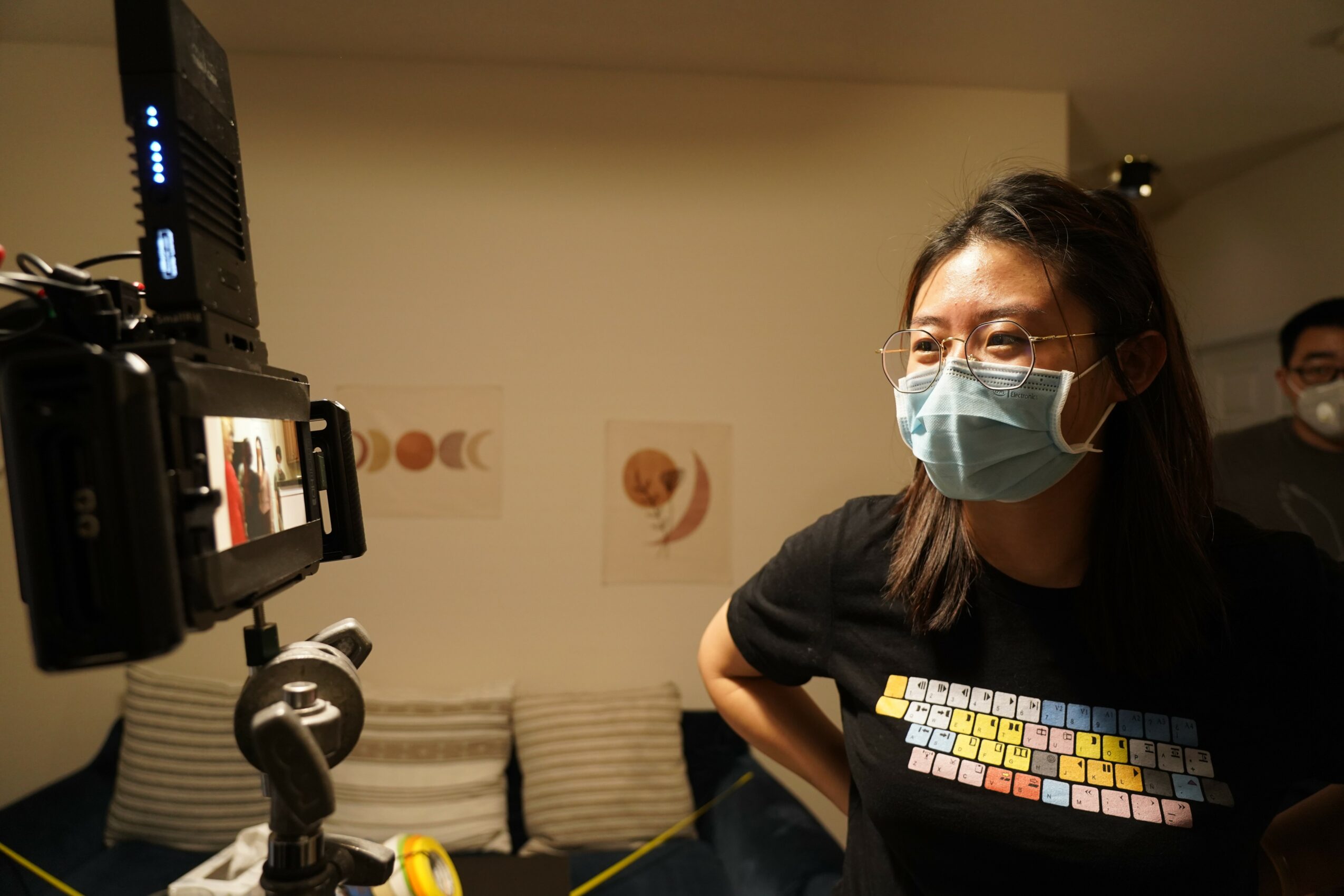
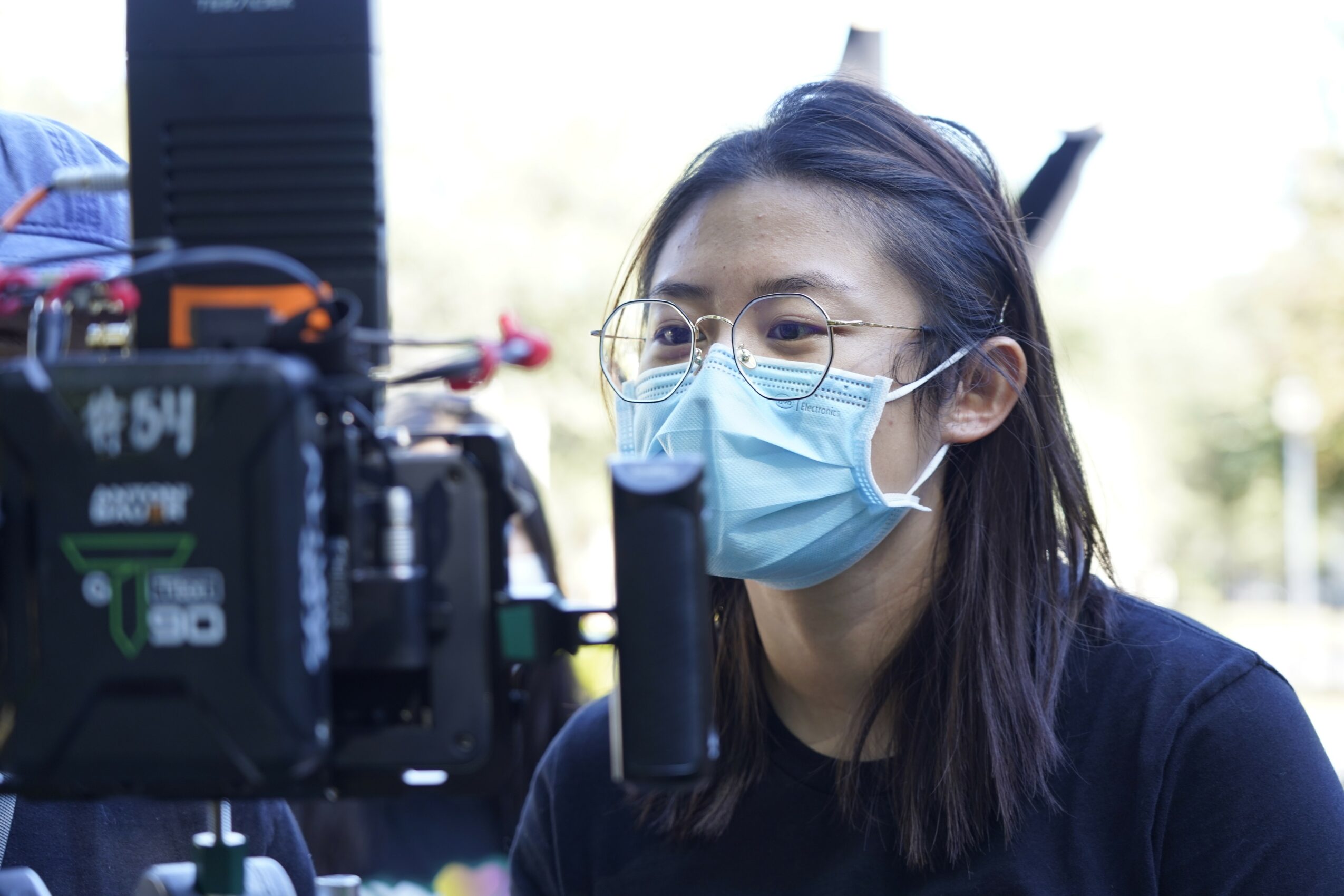
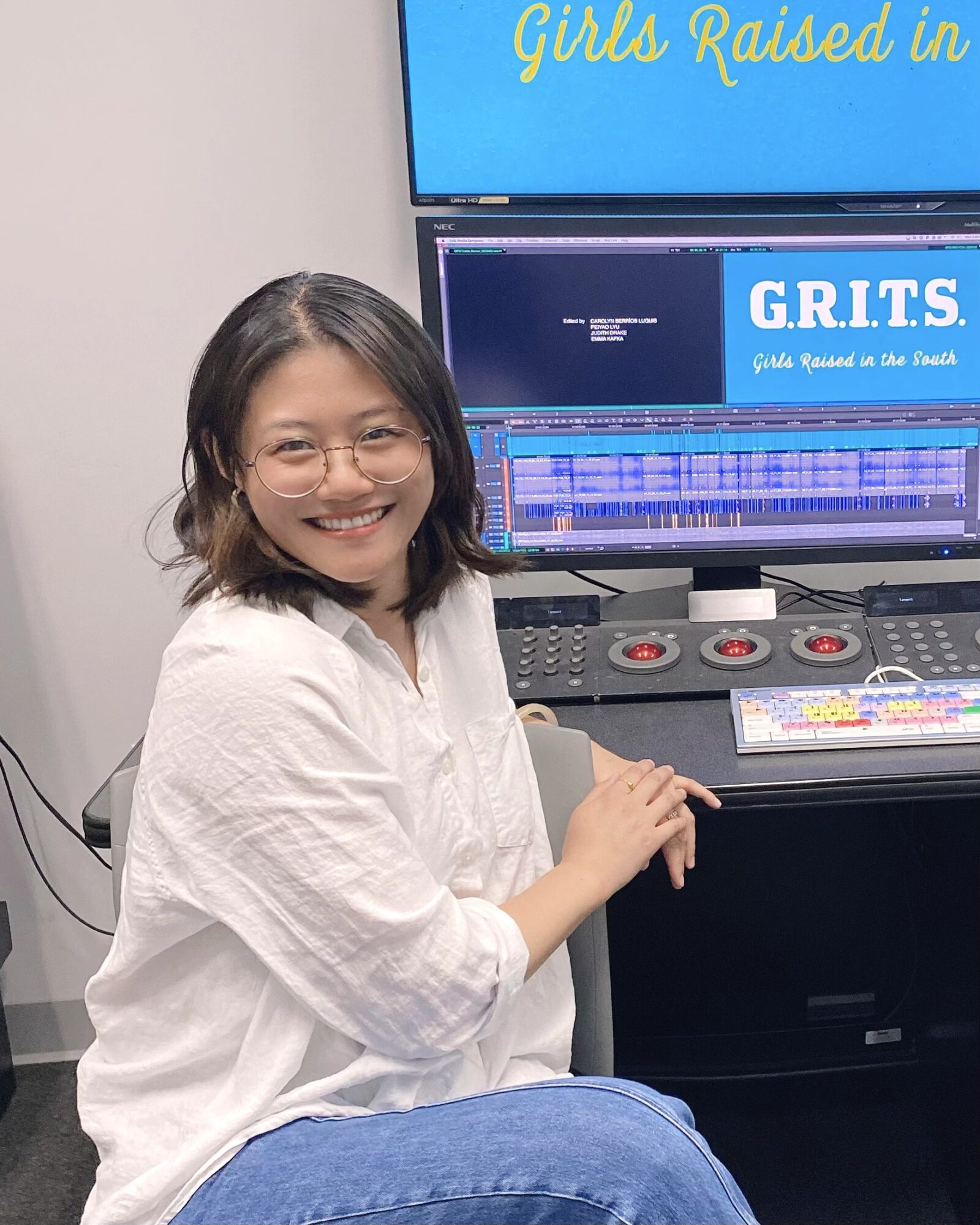
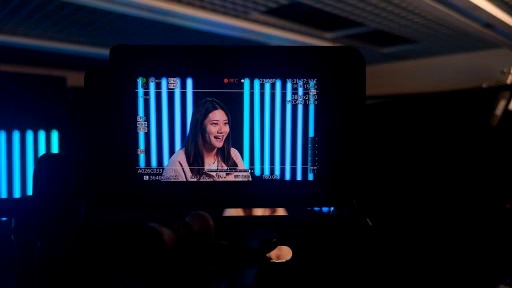
My name is Peiyao Lyu, and I’m a filmmaker and editor based in Savannah. In addition to my work as an Editor/Colorist at the Savannah College of Art and Design, I’m steadily developing my voice as a director.
I believe that a good film can shift how people see the world. I’m drawn to stories about ordinary people, because every person carries a quiet complexity beneath the surface. Their daily struggles, compromises, dreams, and hesitations—these small things are, to me, expressions of vitality. They’re subtle, but they are signs of life, growth, and movement. These moments deserve to be seen.
Right now, I’m directing a short film that will become the foundation for my first feature. I’ll be bringing it to investment and development events, with the intention of expanding it into a full-length project. The story explores how someone balances survival, ambition, and the need to feel alive—questions I think many of us encounter at some point.
At the same time, I’m working on a documentary series following emerging artists. I’m interested in how people negotiate the space between life, work, and creative practice. That negotiation—messy, honest, imperfect—is something we all face, whether we’re artists or not. And documenting it feels meaningful, because it shows the human side of trying.
Ultimately, my work is about capturing those small, vital signals of being alive. They may look ordinary from the outside, but to me, they reveal everything.
Appreciate your sharing that. Let’s talk about your life, growing up and some of topics and learnings around that. Who were you before the world told you who you had to be?
This is such an interesting question.
When I moved to the U.S. nine years ago to study, the only thing on my mind was trying to answer one question: Who am I? I wanted to understand what I wanted to do, what kind of life I wanted, and where I truly belonged.
I think I’ve figured out a little bit of it now. I genuinely love filmmaking—telling stories, creating worlds, observing people. I hope I’ll eventually become an independent filmmaker, and in many ways I’m already walking toward that version of myself.
But living abroad for so many years also changed my sense of identity. I don’t fully belong to the place I came from anymore, and I’ve never fully belonged to anywhere in the U.S. either. For a while that felt unsettling, but now I see it as part of my path—maybe my fate is to keep looking at the world from slightly outside of it, to observe it, question it, and translate it into stories.
In the past three years, I also realized how much I love plants and animals. I love the sun the same way they do. Being around them makes me feel connected again. It reminds me that life doesn’t have to be grand to feel meaningful—that small, ordinary things can be powerful expressions of vitality.
What did suffering teach you that success never could?
When I first started high school, I experienced a kind of suffering I didn’t even have the language for. My homeroom teacher bullied me to the point where I couldn’t go to school. She accused me of insulting her—something I never did—and told other teachers and students the same lie. She watched me constantly, and every small mistake became a reason to punish me.
For a long time, I thought it was my fault. I questioned myself the same way the person hurting me did. It took months of depression, and finally some distance, to realize that the problem wasn’t me—it was her.
Walking out of that period taught me something success never could:
don’t participate in your own destruction.
Don’t join the person hurting you in blaming yourself.
It also taught me perspective. Since then, whenever I face emotional or mental struggles, I rarely feel truly overwhelmed. Nothing has ever felt as dark as that time, and knowing I survived it gives me a strange sense of calm.
Because the bullying disrupted my early classes, I eventually had to rely on sports to get into college. The training was brutal. To this day I still have a kind of physical PTSD toward gyms. But that period also shaped my resilience. I learned discipline, endurance, and what it means to keep moving even when your body is begging you to stop.
Suffering taught me things success never will—clarity, self-awareness, boundaries, and a kind of quiet strength. It gave me compassion, too. Now, when I see someone struggling, I don’t assume weakness. I assume a story.
Sure, so let’s go deeper into your values and how you think. What would your closest friends say really matters to you?
My closest friends would say that what really matters to me is doing the things I say I’m going to do. In Chinese culture, people often say, “keep your plans quiet until they succeed,” but I’m the opposite. I’m the kind of person who tells everyone around me what I’m about to do—and then I go all in and make it big.
Part of it is accountability: once everyone knows, I can’t back out. It would feel embarrassing not to follow through, so I push myself to get it done. My friends find it both funny and admirable.
They also always mention my planning and execution skills. I’m the person who can dream something up and then immediately build a roadmap to make it real. Over time they started calling me “mamasita” because I naturally take charge—organizing, problem-solving, and making sure things actually happen.
Okay, we’ve made it essentially to the end. One last question before you go. If you knew you had 10 years left, what would you stop doing immediately?
If I knew I had ten years left, I would stop working immediately and start traveling the world. There are too many places I haven’t seen yet. I’d go to the Arctic to watch the northern lights, and to Antarctica—maybe even knit sweaters for the penguins. I’d eat barbecue in Brazil and join Carnival, watch the great migration on the African savanna, walk through orange trees in Spain, and spend long days lying by the Mediterranean.
There’s still so much of the world I haven’t explored, and I wouldn’t want to leave without seeing as much of its beauty as I can.
Contact Info:
- Instagram: https://www.instagram.com/peggyyyia_/
- Linkedin: https://www.linkedin.com/in/peiyao-lyu-0815/

Popular
-

Hidden Gems: Local Businesses & Creatives You Should Know
-

ATL’s Most Inspiring Stories
-

Portraits of Atlanta
-

Dr. Hildiah Martin-Suggs Is Building Second Chances for Youth Who Were Almost Lost in the System
-

From Showing Up to Seeing His Face on a Billboard: Anthony Green Is Just Getting Started
-
Wayne Smith Jr on Survival, Psychological Thrillers, and the Cost of Staying Alive