





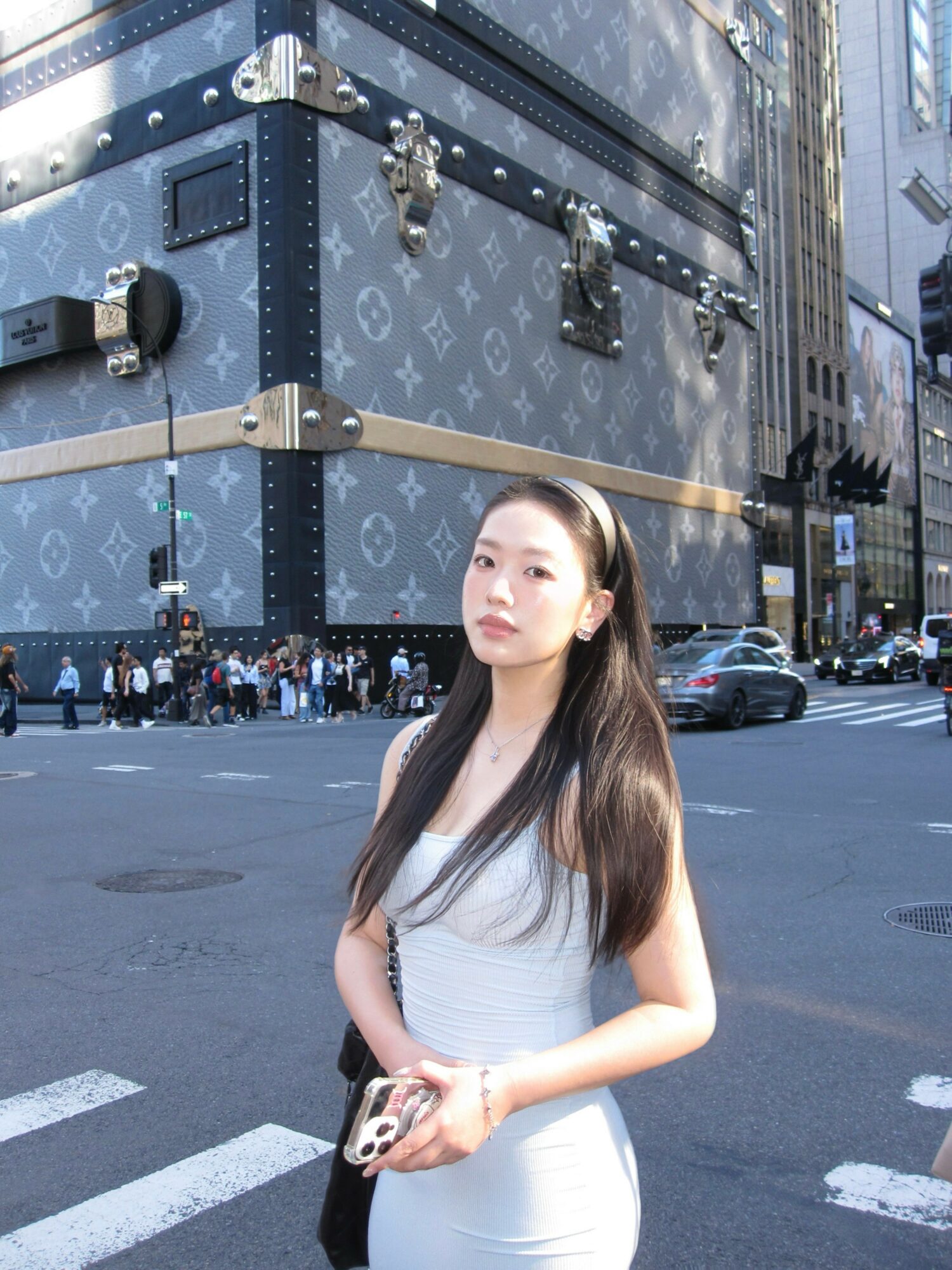
We’re looking forward to introducing you to Wenxin Yan. Check out our conversation below.
Wenxin, so good to connect and we’re excited to share your story and insights with our audience. There’s a ton to learn from your story, but let’s start with a warm up before we get into the heart of the interview. When was the last time you felt true joy?
The last time I felt true joy was right before I finished my internship at Tencent, when I saw my UI motion system go live in the LoK World open beta. We had just spent weeks fixing a tough ‘flickering glitch’ with the engineers. When I finally downloaded the game on my phone and saw thousands of players interacting with the buttons I designed—seeing that ‘celebration animation’ pop up smoothly and give them joy—it was an incredible feeling. I realized I wasn’t just making files on a computer; I was crafting experiences for real people. That connection between my work and the users brought me true joy.
Can you briefly introduce yourself and share what makes you or your brand unique?
I’m Wenxin, a Motion Designer based in Atlanta, currently finishing my Master’s at SCAD.
I use 3D and Motion to tell stories. My job is to take complex or abstract ideas—like ‘sustainability’ or ‘future tech’—and turn them into visuals that are easy to understand and beautiful to watch. I use tools like Cinema 4D, Redshift, and Unreal Engine to build these worlds.
I think my strength is that I have a ‘hybrid’ background. I started out in Graphic Design, so I’m very strict about composition and typography. But I also love the technical side of VFX. This means when I work, I’m not just making things move; I’m making sure they look designed and polished. For example, I recently won a Red Dot Award for a project where I used 3D animation to visualize ‘clean energy’ in a very emotional, artistic way.
I started my career in the gaming industry in China, working at big companies like Tencent and NetEase. That experience taught me how to be efficient and work in a fast-paced team. But I realized I wanted to focus more on storytelling and atmosphere, which brought me to the US to study Motion Media. Now, I try to combine that efficiency with a cinematic eye.
I’m experimenting with AI tools to see how they can help me brainstorm faster. I’m also looking for a role where I can bring my mix of 3D skills and design thinking to create high-quality visual experiences.
Appreciate your sharing that. Let’s talk about your life, growing up and some of topics and learnings around that. What was your earliest memory of feeling powerful?
I think my earliest memory of feeling true creative power was during my first narrative project at SCAD, the ‘Confessions’ title sequence.
Before that, I came from a Graphic Design background. I was used to making static images that were beautiful but silent. For the Confessions project, I tried something different. I used a simple red thread as a visual cue and synced the typography to appear exactly on the music’s beat to build tension.
When I played it for my class, my professor told me the bathroom scene felt genuinely ‘creepy’ and unsettling.
That was the moment. I realized I wasn’t just arranging pixels anymore; I was controlling the audience’s heartbeat. I had the power to make people feel a specific emotion just by manipulating timing and atmosphere. That transition from ‘static’ to ‘living’ was when I first felt the power of being a Motion Designer.
Was there ever a time you almost gave up?
To be honest, the moment I felt closest to giving up was actually during my early internship search, before I landed my role at Tencent.
I was sending out dozens of applications. I knew I had the skills—I had strong 3D work and a graphic design background—but I kept getting rejection letters or, even worse, just silence. It was really disheartening. I started to doubt myself: ‘Is my style not commercial enough? Am I not cut out for this industry?’
But then I stopped and thought: ‘I’m a designer. I solve problems for users. Why can’t I solve this problem for myself?’ I realized my portfolio was just a collection of ‘cool visuals,’ but it wasn’t telling a clear story about who I am. So, I treated my application process like a design project: Instead of just ‘Motion Designer,’ I focused on my niche: ‘3D Storytelling & System Design,I re-edited my reel to focus on the first 5 seconds to grab attention instantly,I reached out to mentors and peers to critique my work harshly.
That shift in mindset worked. Shortly after revamping my approach, I landed the internship at Tencent. That experience taught me that rejection isn’t a dead end; it’s just data telling you to iterate and improve your strategy.
Alright, so if you are open to it, let’s explore some philosophical questions that touch on your values and worldview. Is the public version of you the real you?
to be honest, not entirely. On LinkedIn, I put on my ‘adult suit’—I’m organized, professional, and deadline-driven. But deep down, I’m still a kid. I think you need that child-like curiosity to be a Motion Designer. The ‘adult’ in me handles the schedule and the files, but the ‘kid’ in me is the one who dreams up the stories and plays with 3D tools like they are Legos.
Okay, we’ve made it essentially to the end. One last question before you go. If you knew you had 10 years left, what would you stop doing immediately?
I would stop studying and job hunting immediately. I’d start spending my money and focus on falling in love.
Contact Info:
- Website: https://wenxinin.com/
- Instagram: https://www.instagram.com/wenxin_art/
- Linkedin: https://www.linkedin.com/in/wenxin-yan-347636272/


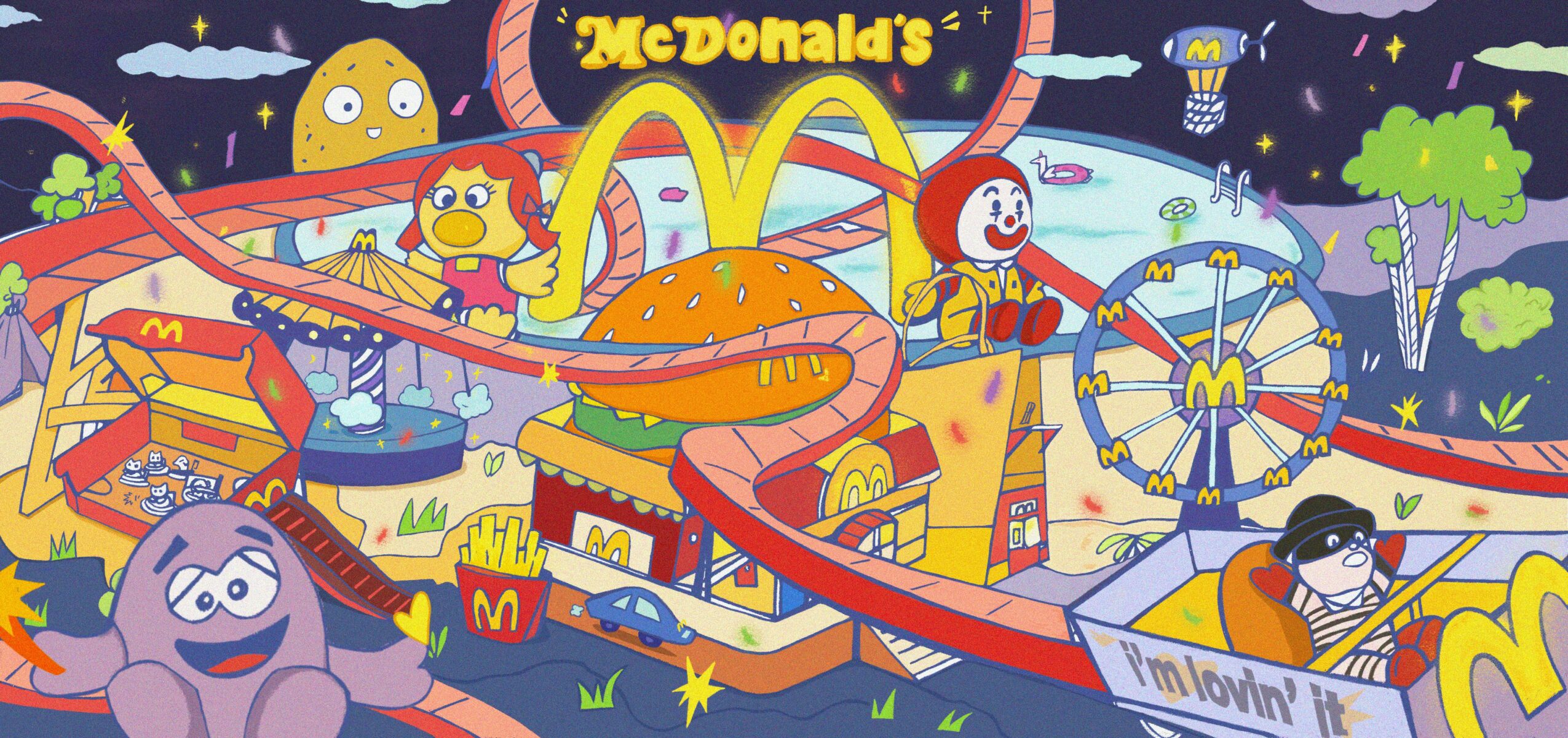
Image Credits
https://wenxinin.com/
Popular
-

Hidden Gems: Local Businesses & Creatives You Should Know
-

ATL’s Most Inspiring Stories
-

Portraits of Atlanta
-

Dr. Hildiah Martin-Suggs Is Building Second Chances for Youth Who Were Almost Lost in the System
-

From Showing Up to Seeing His Face on a Billboard: Anthony Green Is Just Getting Started
-

Wayne Smith Jr on Survival, Psychological Thrillers, and the Cost of Staying Alive