






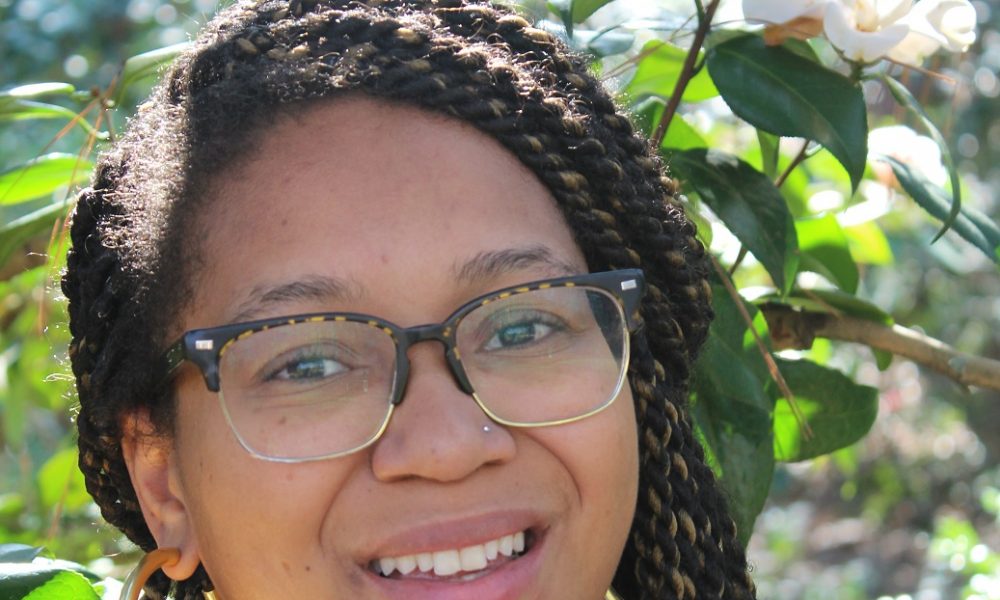
Today we’d like to introduce you to Dr. Janelle S. Peifer.
Dr. Peifer, please share your story with us. How did you get to where you are today?
My mother says that I have been a psychologist since birth. I have always delighted in the intricacies of the human experience and felt a strong sense of empathetic attunement to others. After graduating from a performing arts high school in central Virginia, I went on to study psychology at Wake Forest University in North Carolina. There, I had the life-changing opportunity to complete my first research project focused on identity development with young girls who had been orphaned in the Great Rift Valley in Kenya. The experience solidified my desire to become a clinical psychologist–a role that flows seamlessly between research, teaching, and clinical work. I felt drawn to the way clinical psychology blends science and practice. I loved how the field examines humanity with the aim of helping folks find and maintain wellness.
I, then, went on to pursue my Ph.D. at the University of Virginia. While there, I completed research all around the world and focused on intercultural competence, identity, and trauma. After completing my doctorate, I moved to Atlanta to work as a professor at Agnes Scott College. I also completed clinical work with Emory’s Department of Psychiatry and Behavioral Science’s Grady Nia Project focusing on the intersection of suicidal risk, trauma, gender, culture, and intimate partner violence. In early 2019, I launched my own therapy practice, Peifer Psychology, in Decatur.
Now, my work as a professor, researcher, and clinician are inextricably linked. I work to support people through life transitions that shape their identity. Whether graduating from college or trying to figure out how to maintain closeness in your marriage after bringing home a new baby, I help people as they navigate big changes. My work responds to the central query: how can I help people thrive as their true selves? I absolutely the work that I do and look forward to continuing to serve the community through it.
Has it been a smooth road?
The road to becoming a psychologist and professor has been difficult, yet deeply fulfilling. The lack of cultural representation in the field of psychology is striking. Less than five percent of clinical psychologists and with even fewer appointed to tenure-track faculty positions. I came to psychology with the desire to expand inclusivity in the field. I hoped to serve as a role model to other women of color in my clinical practice, classroom, and research laboratory. In order to do that, I have to overcome discrimination and perceived incompetence in addition to the inherent challenges and rigor necessary to complete a Ph.D. program and pursue tenure.
Additionally, as a woman and the mother of two young children (10 months and 3 years old), I flow between very different roles. I walk the winding path of engaging actively in the lives of my children, navigating the complexity of working as a clinical entrepreneur, and maintaining two active research projects. Nonetheless, I feel emboldened and energized by the barriers I encounter and hope to help knock some down for future generations.
We’d love to hear more about your work.
As a licensed clinical psychologist, I work alongside a vast diversity of clients as they navigate their lives. Some of my favorite work to do is with brand new parents. I work with families, as they navigate the “fourth trimester” and early parenthood, typically in the first six months after bringing a baby home. I believe in the importance of early work and prevention to set families on a positive path and avoid common pitfalls. I collaborate with couples as they work through challenges (e.g., post-partum anxiety and depressive symptoms, conflict with partner, processing birth trauma) and build relational and individual resilience to help build and sustain lasting whole family wellness.
While I have significant experience working with an array of a child, adult, and adolescent clients, I focus on providing therapy to people who have experienced trauma, young adults navigating their emerging identities, and couples and families processing life transitions. I have worked in schools, hospitals, college counseling centers, veteran’s affairs administrations, and community mental health clinics and believe in low-barrier, solution-focused therapy rooted in evidence-based practices. I make sure that all of my work honors the complexity of individuals sense of self in an inclusive, warm way.
Is our city a good place to do what you do?
Decatur and Atlanta are wonderful places to work as a clinical psychologist. The area is rich with a variety of mental health professional in a way that sparks collaboration, consultation, and constant learning. Moreover, you have the opportunity to work with clients from all walks of life. The work is never dull or repetitive. I do hope that the city continues to support low barrier, low-cost mental health options for individuals and families. Mental health strengthens the entire community!
Contact Info:
- Address: 209-B Swanton Way, Suite 204, Decatur, Georgia 30030
- Website: www.peiferpsychology.com
- Phone: 678.561.4187
- Email: janelle@peiferpsychology.com
- Other: https://www.psychologytoday.com/us/therapists/janelle-s-peifer-decatur-ga/446555


 Image Credit:
Calvin Burgamy, John T. S. Peifer
Getting in touch: VoyageATL is built on recommendations from the community; it’s how we uncover hidden gems, so if you know someone who deserves recognition please let us know here.
Popular
-

Hidden Gems: Local Businesses & Creatives You Should Know
-

ATL’s Most Inspiring Stories
-

Portraits of Atlanta
-

Alexander Lewis on Betting on Himself, Building Momentum at Coco Studios, and Turning Opportunity into Ownership
-

Satoya Hayes on Turning Beauty 2 Extensions into a Platform for Affordable Confidence and Entrepreneurial Opportunity
-

Asha Ford on Building Krystal Klear Motion and Creating Purpose-Driven Design for Women