





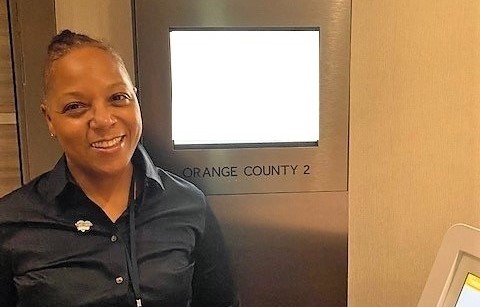
Today we’d like to introduce you to Cassandra Burton.
Hi Cassandra, so excited to have you on the platform. So before we get into questions about your work-life, maybe you can bring our readers up to speed on your story and how you got to where you are today?
I operate a Diversity, Equity, Inclusion, and Belonging consulting company. I intentionally include Belonging because I think in a world where DEI is becoming a buzzword for having Black, Hispanic and Asian people on staff, we forget that having a diverse staff does not mean having staff that feels as if they belong or that their voice matters. My work consists of conducting DEI needs assessments for companies, cultural competency training, and helping employees have challenging conversations around DEI issues through research and facilitation. I specialize in Black issues, older adult issues, and LGBTQ issues. My lived experience has created the path for me to do the work that I do both in my consulting business and in my professional career. Of course, when there is passion about the work one does, there is always a backstory— mine is chuck full of trauma and chaos.
For all intents and purposes, I should be a statistic. Instead, I am a first-generation college graduate who went off to undergrad with $25 and a suitcase and somehow defied the odds. I always knew that education was the key to a better life and an escape from my childhood and I was partially right. Life today is beautiful, but I have learned that you cannot escape those childhood wounds without doing a different kind of work. I used to be ashamed about some of the things I have been through, but once I was able to heal those wounds, I found my voice and learned that when I share my story with my clients or my students, their hearts and minds open. As an educator, my students thrive because my battered childhood makes them see that I am no different than they are. They can achieve great things if they just hold on. As a storyteller, I give my clients permission to let their guard down and begin to hear what I am sharing from a different posture. It facilitates empathy and compassion and ultimately is the driver to change.
I am the child of immigrant parents from Haiti. I grew up on the crux of two cultures American-born but Caribbean-raised. It wasn’t until I went to college that I realized I had little knowledge of Black culture and I had to learn how to be Black. There was no knowledge of grits, collards, no knowledge of black history. I got this education at Howard University– the Mecca… I boldly speak my truths and create safe spaces for others like me. My journey is just beginning…
Would you say it’s been a smooth road, and if not what are some of the biggest challenges you’ve faced along the way?
Though I love the work that I do professionally there have been some obstacles specifically around finding my niche. When I began my professional career, I did what I was called to do. I never questioned superiors, but as I began to grow into a more authentic version of myself, I began to be intentional about the issues that I work on in my day job. My professional career is now very aligned with who I am. As a consultant, the challenge and obstacles are typically around knowing your worth and understanding that not every contract is a good contract for you. Unfortunately, there are times when you invest a lot of time ahead of the actual contract. You spend time showcasing your skillset to that potential client through interviews and proposals only to realize it is not a good fit. For example, I have been approached with a contract that requires a substantial amount of tedious work. These types of contracts are not optimal given that my abilities, skills, and thought leadership are not being utilized. My time is better spent helping organizations and companies advance their cultural competencies and strategies and create better work environments for their employees. Understanding your pay rate can also be challenging as a consultant. I have been told by many that Black and Hispanic consultants typically undercharge for their services.
Thanks for sharing that. So, maybe next you can tell us a bit more about your business?
I operate a Diversity, Equity, Inclusion, and Belonging consulting company. What sets me apart is my integrity, relationship focus, years of experience, and thought leadership. I only take on clients that are invested in creating sustainable change within their organizations. I have subcontracted with an organization that hired the consultant group to do an assessment of their DEI initiative. This included conducting a survey of their employees (which I designed, analyzed, and shared the findings). The data spoke volumes about issues that were arising in the organization, but the executive team would not accept that there were areas for improvement. They instead said that the data was faulty. Ultimately, all I could do was share what was evident and allow the organizations to go back to the status quo. Cantave Solutions provides comprehensive consultations to help identify gaps and opportunities for employers and a comprehensive report. We do everything from survey design and analysis, focus groups, competency training, the creation of moderator guides, keynote speaking, and hosting workshops.
Any advice for finding a mentor or networking in general?
LinkedIn is a powerful tool. Find a person who is doing what you want to do and learn as much as you can about how they got there. Follow their LinkedIn profile and most importantly ask them for time. Get to know them before you as them about mentorship. We also need to not only look for mentors but look for sponsors. A sponsor will do more than teach and guide you, they will advocate for you and find opportunities that are a good fit for you. I build relationships with people, I become their cheerleader and support them. Once a rapport is built and I think we are aligned, I then determine if they are a good sponsor or mentor for me. Not everyone can be a mentor – Mentoring is an investment of time and energy and sometimes the best-intended person is just too busy. Mentoring also is a two-way street in that as much as this person is pouring into you, you have to pour back. you have to be willing to do the work and come armed with the right intention and willingness to do the work. You can also pour into your mentor three ways– figure out what you can do to lighten their load, mentor up (you have skills and knowledge that you can share with them), and lastly pay it forward (find someone who you can mentor).
Contact Info:
- Website: https://cantavesolutions.com/
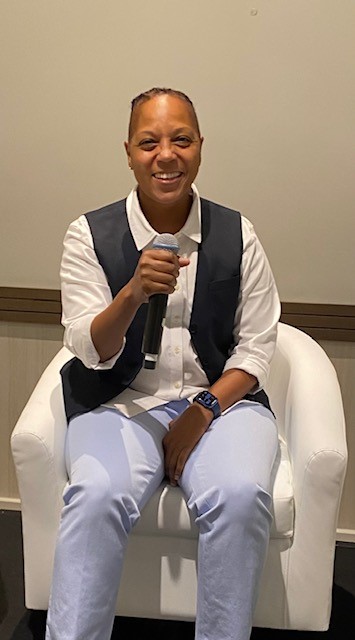
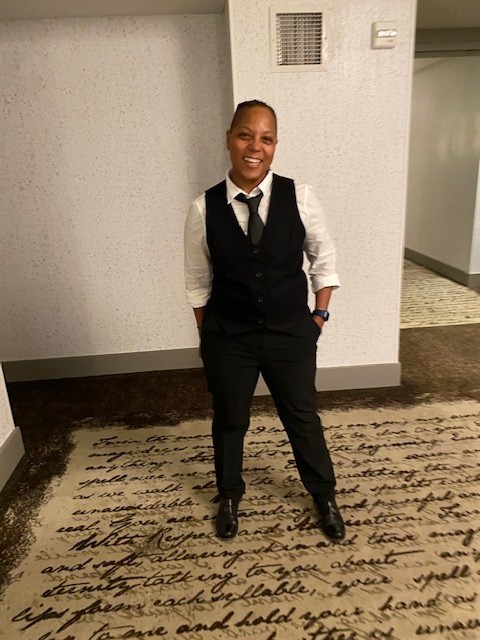
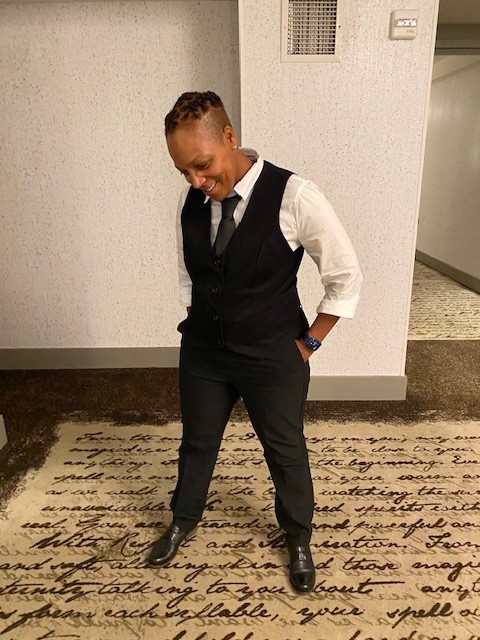
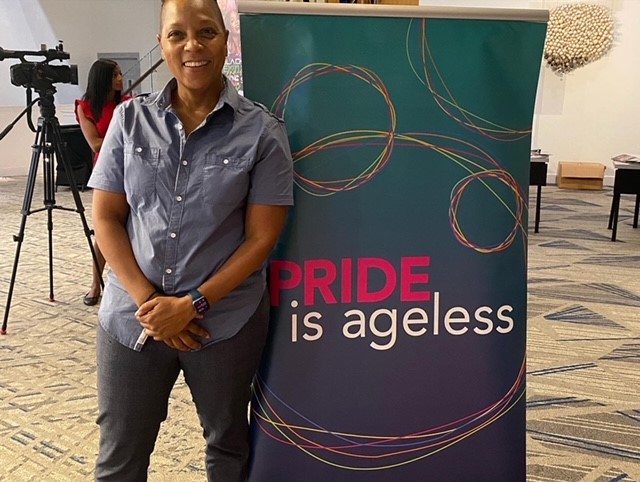
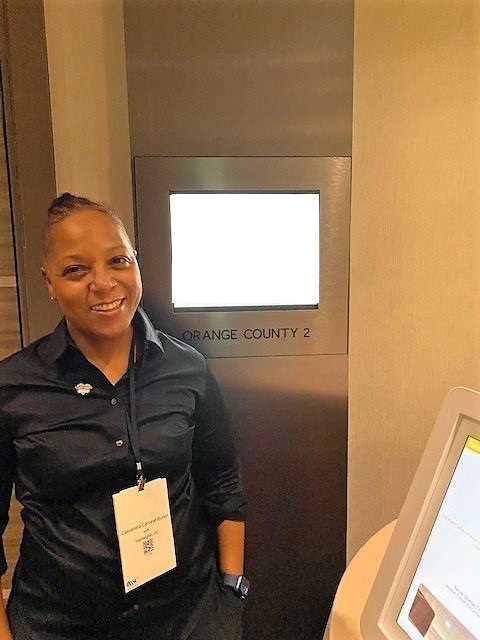
Image Credits
Cassandra Cantave
Popular
-

Kareem “Reemo Meerak” Tyson on Building The C.U.T.S. Podcast and Creating a Space Where Culture Lives and Breathes
-

Hidden Gems: Local Businesses & Creatives You Should Know
-

ATL’s Most Inspiring Stories
-

Portraits of Atlanta
-

Alexander Lewis on Betting on Himself, Building Momentum at Coco Studios, and Turning Opportunity into Ownership
-

Satoya Hayes on Turning Beauty 2 Extensions into a Platform for Affordable Confidence and Entrepreneurial Opportunity