



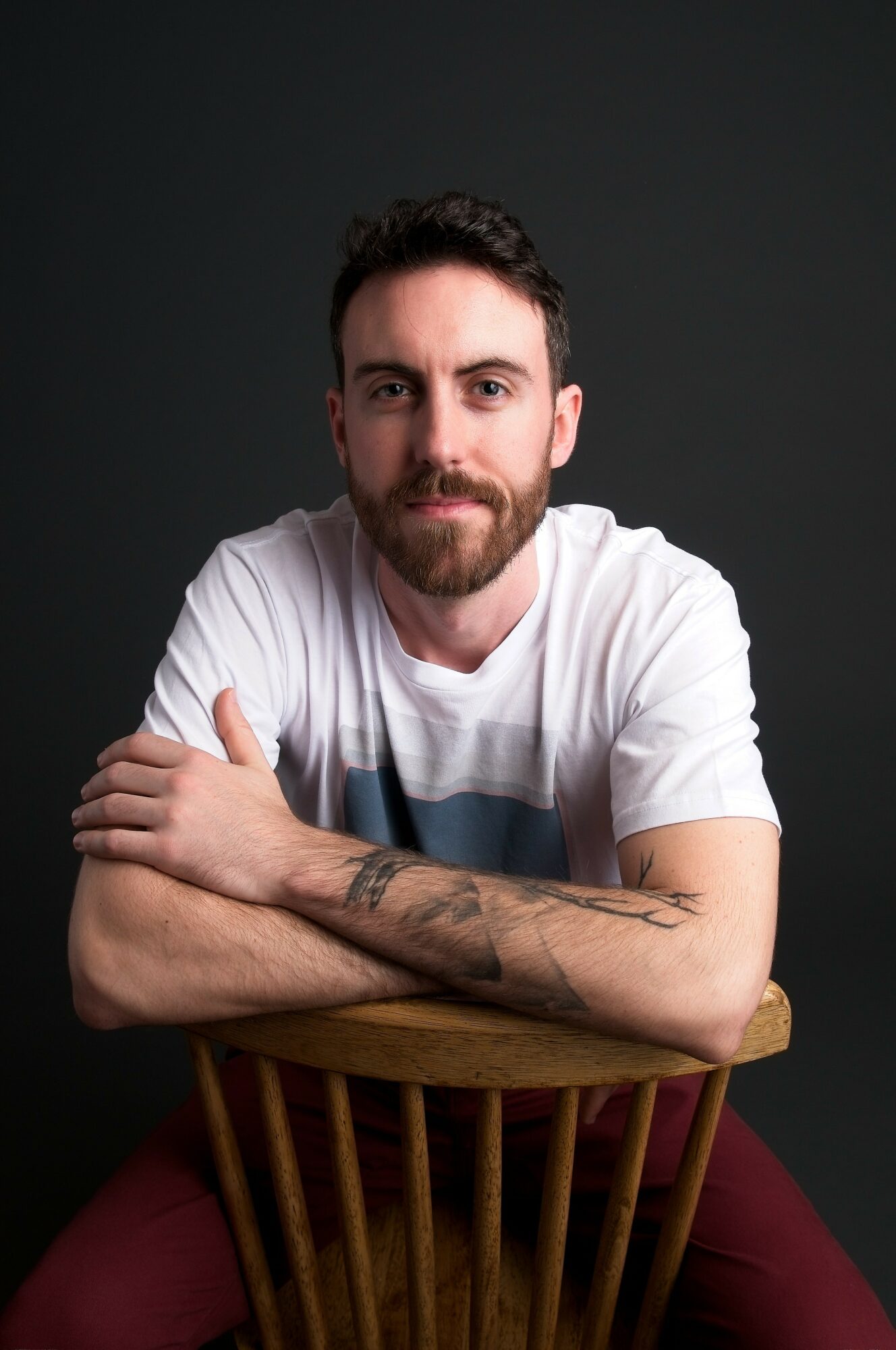
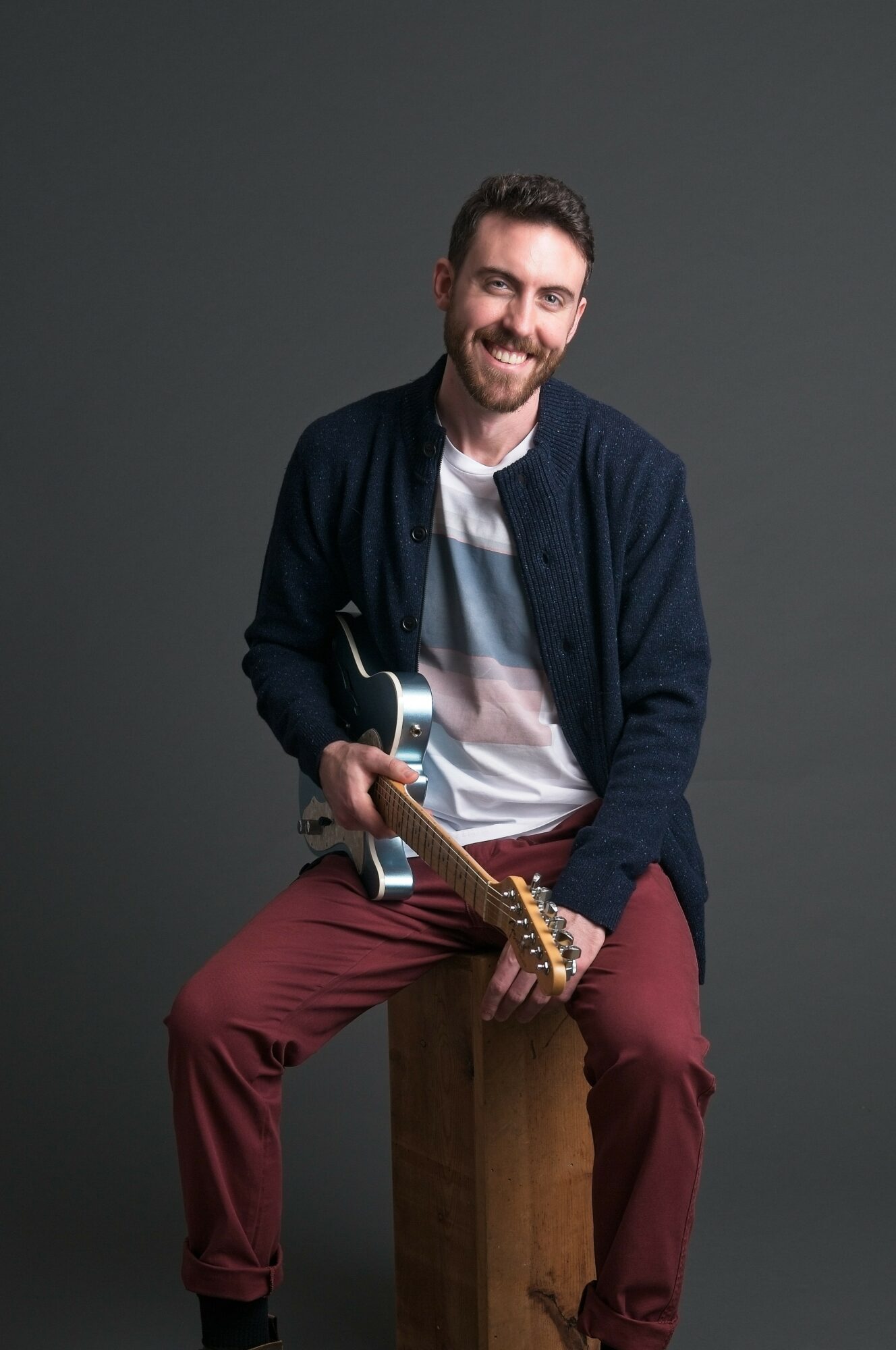
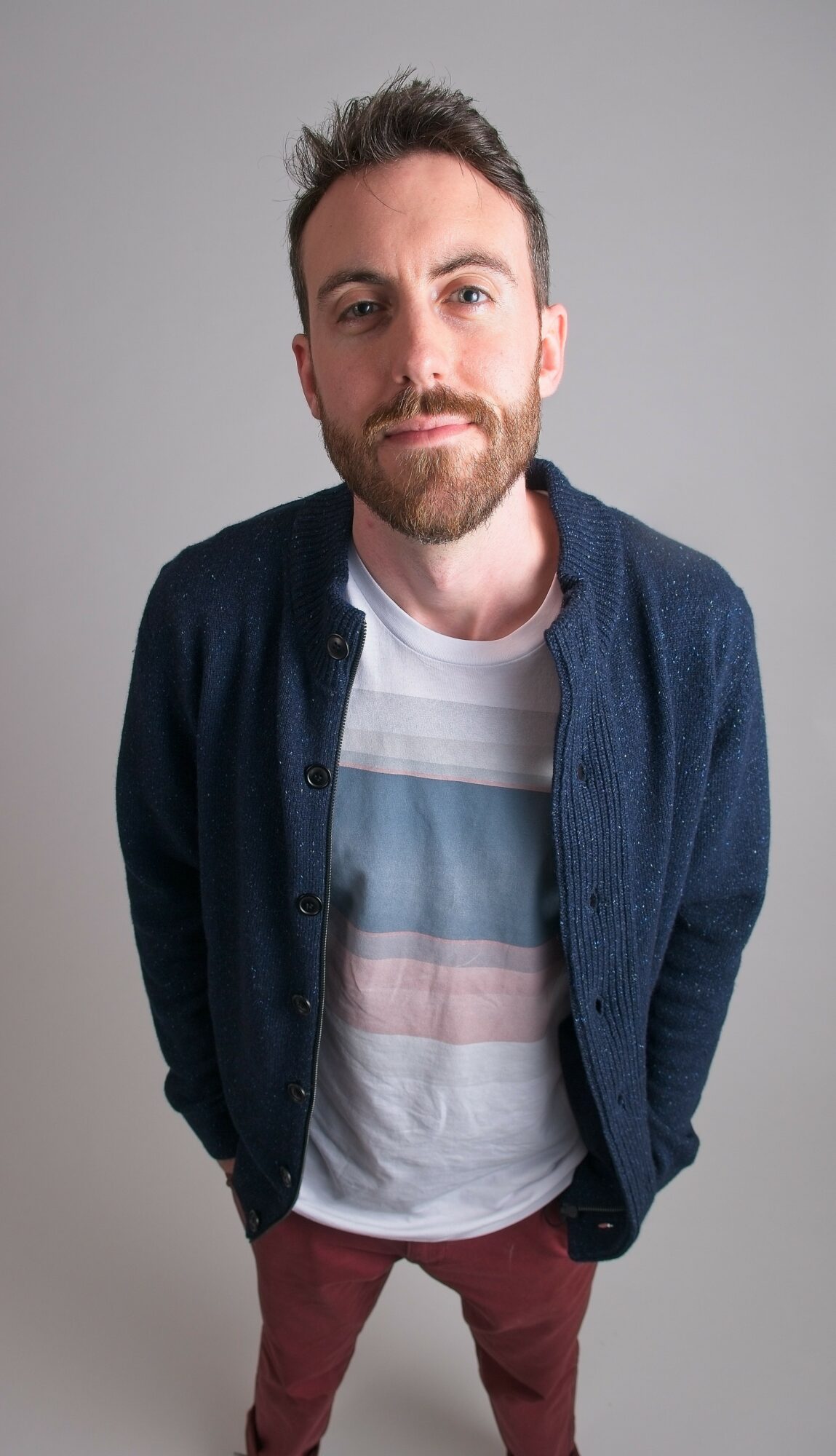
Today we’d like to introduce you to Tyler McLaughlin.
Alright, so thank you so much for sharing your story and insight with our readers. To kick things off, can you tell us a bit about how you got started?
I grew up in eastern North Carolina, and started music early with piano lessons around age six. Something about making music just felt natural to me. It was never something I was forced to do. I was self-motivated to pick up the instrument, explore it, and get better.
Once I found guitar, things opened up. I’d play for hours over jam tracks, just letting melodies evolve from the scales I was learning. I had a couple of cousins who were into music, and before I even played, I remember wanting a guitar just so I could join in with them.
In college, I studied mechanical engineering at ECU, but music was where my passion really lived. I took a few music electives, but there wasn’t a clear path toward a career in it, and I didn’t know how to channel that energy professionally. After graduating, I moved to Atlanta to pursue music seriously. I played gigs while working part-time and stayed in Atlanta for most of the year, but eventually moved back to North Carolina to help my family as my dad’s health declined.
Over the next several years, I bounced between NC and Atlanta, working different engineering jobs but never really feeling like I fit in. For about three years, I stopped making music entirely. Looking back, that period feels like a blur. In 2021, everything shifted. Coming out of COVID, I knew I had to make a change. I left engineering behind and threw myself into music full-time. It was one of the best decisions I’ve made.
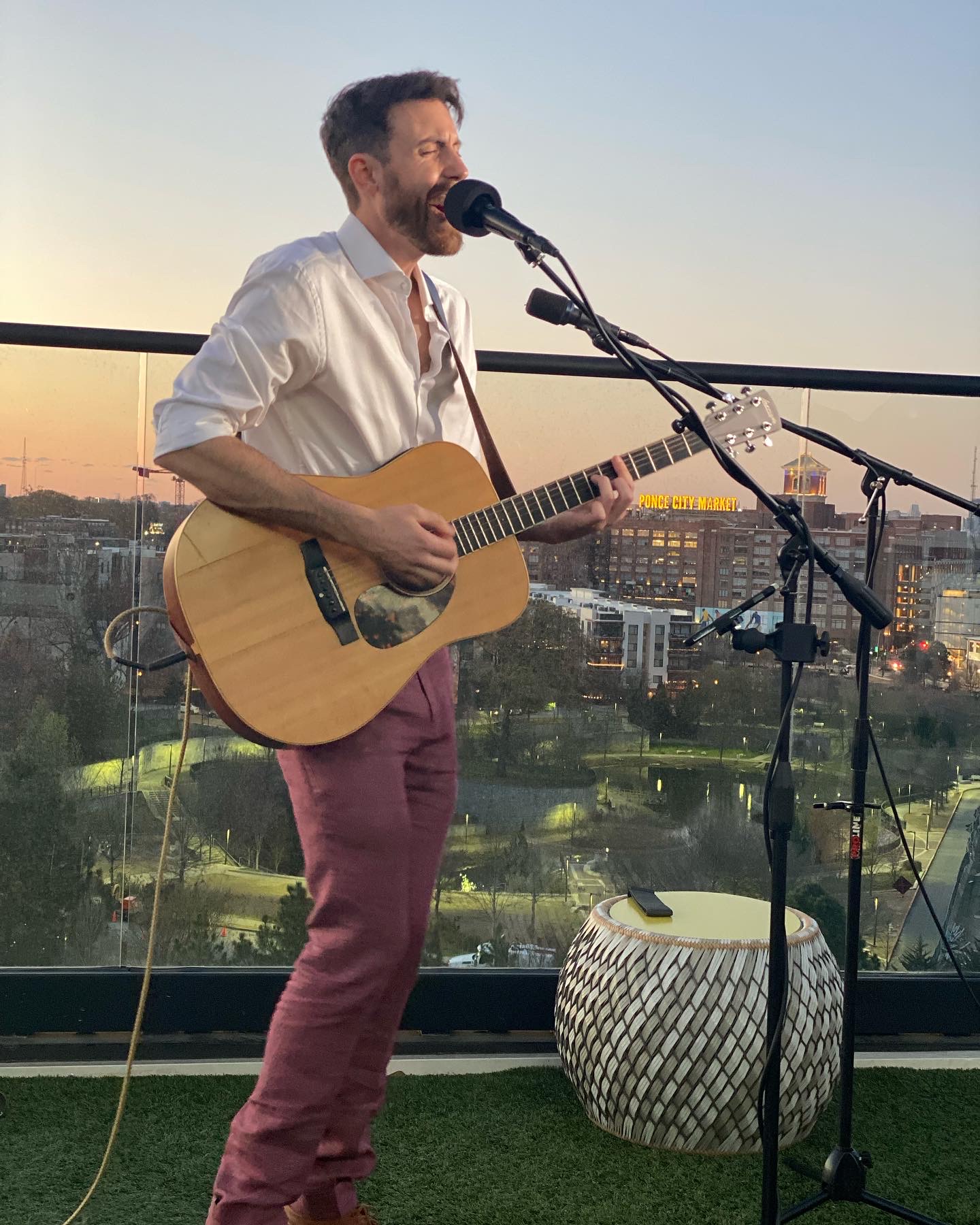
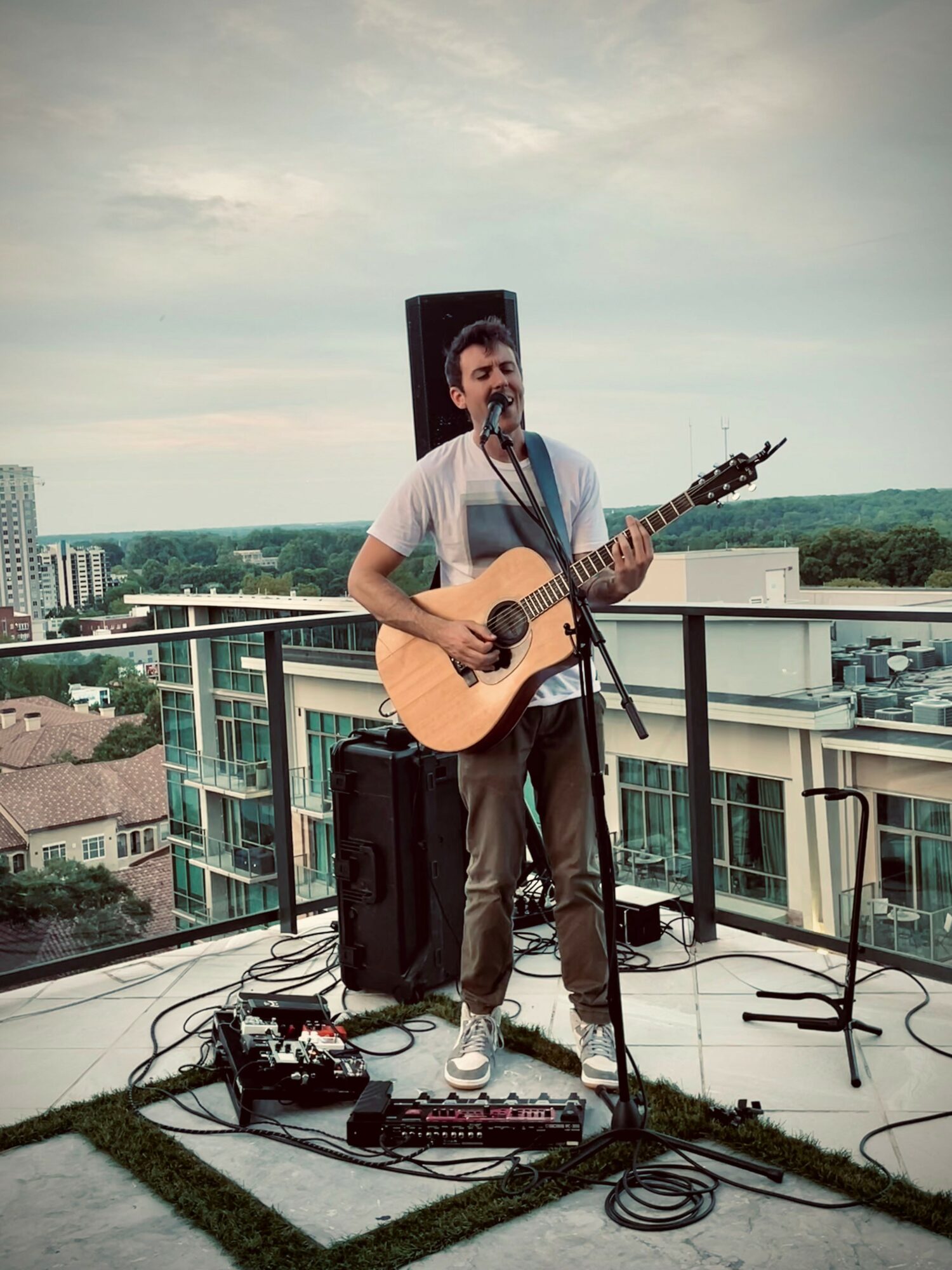
Since then, I’ve been able to live the life I dreamed of when I first came to Atlanta. I’ve performed at venues like State Farm Arena and Cobb Energy Performing Arts Centre, collaborated with incredible artists, and shifted into producing music under the name Tyyla.
Recording and production has fascinated me since I first picked up the guitar. I started experimenting on a bootleg copy of Cubase SX3 so I could record my solos. Eventually, my cousin Chanler Davis and I built a makeshift studio at the top of a 1900s-era barn. We called it “the shop”. It was above his dad’s auto workshop, with plywood floors and carpet from my parents’ house. We even built a drum room. You had to climb a 15-foot wooden ladder just to get up there, which wasn’t exactly ideal for hauling amps or gear, but we made it work.
For me, producing feels like the most customizable creative space imaginable. Like a video game where you build everything from scratch. I love digging into different genres, working with different kinds of artists, and blending it all into something that sounds fresh and unexpected.
Would you say it’s been a smooth road, and if not what are some of the biggest challenges you’ve faced along the way?
The hardest part of my journey has been feeling lost. Not knowing how to take something I loved and turn it into a sustainable career. When I first moved to Atlanta, I knew I wanted to do music, but I didn’t know how to build a life around it. I didn’t have a clear plan, and honestly, everyone around me didn’t think a career in music was realistic. Over time, that doubt started to take hold. I stepped away from it completely for a few years, focusing on stability and helping my family through my dad’s health struggles.
Coming back to music was like I had never left. It felt natural, and all the creative energy I’d pushed down for years came flooding back. I was ready to take the risk.
There’s been a learning curve at every stage. I remember when learning 30 songs for a cover gig felt impossible. Producing was the same, trying to master all the pieces of a track and get them to sound professional felt overwhelming at first. Luckily, being a multi-instrumentalist and spending years around great musicians helped me find my footing. The technical side was a learning process, but it was one I was excited to take on.
Can you tell our readers more about what you do and what you think sets you apart from others?
Right now, I’m working under the name Tyyla, a producer and multi-instrumentalist based in Atlanta. My sound blends live instrumentation, sound design, and a strong sense of feel. I’m always looking for ways to bridge genres: jazz and hip-hop, house and soul, or something totally unexpected. I’ve always been drawn to the energy that comes from mixing different influences and letting the sound evolve.
Collaboration is at the heart of what I do. Whether it’s working with vocalists, instrumentalists, or other producers. Atlanta is full of insanely talented musicians, and one of the best parts of being here is getting to help those voices shine. I try to create space where people can bring their full energy to the table. Whether we’re building a track from scratch or shaping the sound around a songwriter’s vision, that creative exchange is where the magic happens.
Recently, I produced a track called Can You Keep Up by Jacquees and Dej Loaf, which was a big moment for me. I also released a three-song EP featuring saxophonist Noah Sills, a fully improvised session we captured in one take. It was raw and live, exactly the kind of energy I love. I’m also working with R&B artist Ria Barkr on a new season of our social media series Where’s Ria, where we perform live music in unexpected places around Atlanta like the DMV or Whole Foods. It’s all very ridiculous and fun.
What makes my style unique is that I come at producing as a player. I love building most ideas live. That gives the music a rawness and energy that’s hard to fake. Even when I’m working in a DAW, I’m thinking like a live musician. How would this feel on stage?
At the end of the day, I see production as a conversation. Each track is a dialogue between the sounds, the people, and the feeling we’re trying to capture. That’s what excites me, bringing different voices together to make something honest and fresh.
What does success mean to you?
To me, success is about being able to wake up every day and do something that fulfills me. One of the biggest reasons I chose to pursue music as a career is because I knew I always wanted to make time for it. I didn’t want music to be something I squeezed in on nights and weekends. I wanted it to be the core of my life, something I could build around.
If I’m creating, collaborating with people I respect, and getting better at my craft then that’s success. It’s not about a specific outcome. It’s about having the freedom to live the kind of life I want and staying connected to what matters most to me.
Contact Info:
- Instagram: https://www.instagram.com/tyylamusic
- Youtube: https://www.youtube.com/@tyylamusic
- Other: https://open.spotify.com/artist/48xGENjBGTRlkRa8dM26hg?si=Em7pq4V4QJGW_TPuUauqBQ
Popular
-

Hidden Gems: Local Businesses & Creatives You Should Know
-

ATL’s Most Inspiring Stories
-

Portraits of Atlanta
-

Asha Ford on Building Krystal Klear Motion and Creating Purpose-Driven Design for Women
-

Truth in Every Verse: Jay Erve on Identity, Experience, and Creating Art That Lasts
-

Closing the Hidden Gap: M-T Strickland on Rethinking Youth Athlete Development Beyond the Field