





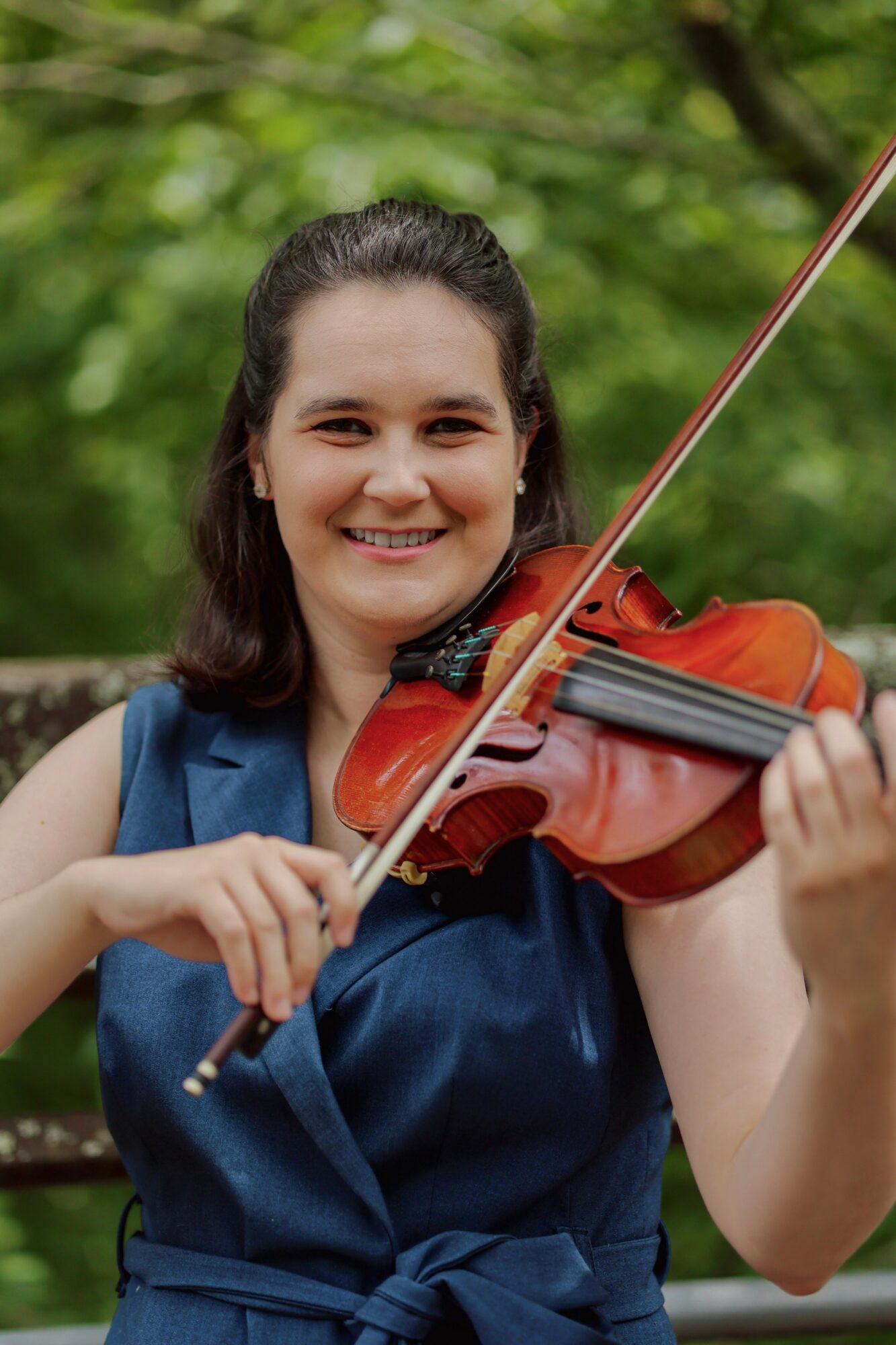
Today we’d like to introduce you to Monica Corliss.
Monica, we appreciate you taking the time to share your story with us today. Where does your story begin?
I am originally from Augusta, Georgia, where I started playing violin at age four with the local Suzuki Strings program. At age ten, my family moved overseas to England, and I continued my musical studies through local youth orchestras and private lessons. My family and I moved back to the States after I finished high school. In 2020, I received two Bachelor’s degrees in Music Education and Violin Performance from the University of Georgia (UGA). Go Dawgs!
By the time I was completing my music education degree in 2020, my student teaching in Gwinnett County got cut short, and the COVID pandemic hit. I received my two degrees, but was unable to obtain my teaching license until the fall, when testing centers finally opened up again. I moved back in with my parents in Augusta, applied for jobs and received an online summer position with the Heifetz Institute.
My area of expertise is strings/orchestra. However when the pandemic hit, orchestra teaching jobs became hard to come by, so I took a different opportunity. After finally receiving my teaching certificate in September, I was hired to teach general music at an elementary school in Gwinnett County. It was a fast turnaround, with only three weeks to find an apartment, move from Augusta, and start the position.
I started teaching towards the middle of October 2020, with half of the students online and the other half in person. My work day consisted of seeing every grade, K-5, but the same class would see me for music for one week. Then it would rotate, and I would have the next set of classes for the week. For example, a first grade class would see me in music for a week, then switch to art next week. Online lessons were asynchronous, so I would post activities and videos for students to complete.
Now throw in the fact I didn’t get access to those online students or Google classroom for a month, the mask wearing, social distancing, having to sanitize all the instruments in between classes with shorter instructional time, and no prior knowledge of what the previous instructor had taught students in the past. To top it all off, as mentioned before, general elementary music was not my specialty.
Because I started in the middle of the semester, I wasn’t on the county list for new teachers. So I wasn’t treated like a brand-new teacher. At the time, I didn’t know who to ask for specific elementary music guidance. The Gwinnett County music teaching standards were not given to me until 2-3 months after my hiring date. By the time I had finally given every child their first music lessons, it was Thanksgiving and Christmas breaks. I discovered in the following year of 2021 the previous teacher, along with most in Gwinnett County, was Orff certified. I finally understood a little of what she had previously taught, but at this point it was about a year since she left.
In January 2021, I finally received help from a county-wide arts representative. I also gained more elementary music teacher training, but it was too late. Administration at the school informed me my contract was not going to be renewed. Other candidates were already being interviewed. I was told I could reapply; however, it was suggested that I would not be hired again. It was difficult to get through the rest of that week let alone the school year. I had until the end of the school year before my contract finished. But with no job security in sight, I began applying for new positions. I started to work double time teaching privately on top of my public school job. Two weeks later, the school went back on its decision and offered to renew my contract. I ultimately declined and received an offer from a middle school, which offered me a position within my specialty, orchestra mixed in with music technology.
That summer, I returned to the Heifetz Institute this time in person in Virginia. I took that summer to heal from my first public school teaching experience and prepare for my new position in the fall. At Heifetz, I was able to get back into my performance mentality, and I began practicing properly again. I also kept teaching privately, and realized slowly I had a passion for teaching students individually instead of large classrooms. I could breathe again, and was ready for the next step.
Heading back to Georgia, I was excited to receive the training I needed for my new position and finally teach a subject in my expertise. There were still some new things to learn in music technology, but nothing compared to the cards I was dealt in my first year of teaching. However, when schedules were released for the school year, I was not teaching orchestra at all. Instead, I was the only Music Technology teacher in the school. I was not new to teaching a new subject on the fly, so I did my best for the first month or so. Eventually, I asked the other string teachers if I could switch classes with them. That way I could at least get SOME orchestra teaching experience. But now, I had to start all over again and get to know the orchestra kiddos. I was now teaching two classes of orchestra alongside another teacher, and four sections of music tech on my own. In the orchestra room, I wasn’t really making any lesson plans, planning concerts or anything, as I was sharing programs between two seasoned teachers. I eventually just recluded and became a teacher’s aide. This was not my orchestra program or my students, so what was the point? Eventually, I decided to leave for the sake of my mental health and the benefit of the students. I decided to teach privately full-time.
Leaving public school was the best decision of my life. I started taking on more performance gigs. I could finally breathe and actually teach the way I wanted to teach. I finally got to know the students, their families, and the Gwinnett County community. My schedule was easier to manage. My students started winning auditions, they shone during recitals, and I could see their progress as they grew.
After about a year, I decided to stay with one organization instead of two, and I downsized my teaching studio. I am now in my sixth year of teaching, now at a maximum of around 45 students. I currently teach violin, viola and cello, but in the past I have also taught double bass and piano. My students have made county-wide and state-wide auditions. Some students have chosen to study music at the university level. In addition, I opened availability to take on performance gigs and network with other musicians again. I now perform in professional gigs in the area, such as Augusta Symphony, the North GA Chamber Symphony, Gwinnett Symphony, and other events in the community.
Can you talk to us a bit about the challenges and lessons you’ve learned along the way. Looking back would you say it’s been easy or smooth in retrospect?
I think the above story says a lot about what I’ve worked towards! I am still a younger teacher, but I’ve learned a lot through experiences both good and bad. Over the years, with private teaching specifically, I have learned to put my foot down when it comes to my time, energy, and finances. I trust myself more in making decisions in teaching and guiding my students. I know way more methods of teaching strings and other fields of music education than a lot of my peers. I know how to stand up for myself and students when needed. Last but not least, I’ve learned that teachers need way more support than you think! Support your teachers as much as you can! You have no idea how much work they do.
Appreciate you sharing that. What else should we know about what you do?
As both a private teacher and performer, I am a huge advocate for accessibility in the arts. A big stereotype of being a private teacher is only teaching students who have the money for private lessons, which of course is not necessarily true. I’ve had students come through whose only extra-curricular is music lessons, and their parents work hard to make sure they can afford it. Some students have orchestra programs in their school, some do not, or are too young to join yet. I have students who struggle in orchestra, and students who thrive in it. Some students are with me for fun, others are more serious musicians. Everyone is from different locations, has different stories, different ideas, and different interests. I love being able to use that in my lessons to push each individual student to their own abilities.
In private teaching I have the ability to listen to students when life is rough for them, or if a student is struggling on a passage I can actually take the time to help them on it. I have had lessons where a student came in sobbing from something that just happened in life, and they just need an ear for 30 mins, or just to play their instrument to forget about life for a bit.
The last point I’ll mention is the “child prodigy” stereotype that students have to start playing at a certain age to become a professional. Recently a colleague of mine passed away at age 85 who started playing the violin in her 60s. I think that’s super inspiring. It’s not about your age, how long you’ve technically been playing, or any previous musical ability. It is about hard work, dedication, passion and commitment to music (to all of my students… PRACTICE!) that can turn a student into a well-rounded musician. Every child is talented in their own way. I pride myself in trying to bring this out of every individual student.
What does success mean to you?
It depends on the person and the situation. For the teaching side, it’s watching my students grow throughout their time with me, landing that audition, having fun performing a piece they love, or playing music with each other. For my own musical development, it’s nailing passages that are hard to master, performing with other groups, seeing an audience light up with excitement, or hearing comments from people saying music has helped them through a difficult point in their life.
I’ll finish with something that happened to me in high school. I had a small solo performance in a church service one day, and a woman who was also a teacher at my high school had just lost her son to a terminal illness. She came up to me and told me my playing was helping her through the grief. That has stuck with me for a long time, and it’s something that I continue to think about anytime I perform. To me, touching a soul through music is the ultimate success.
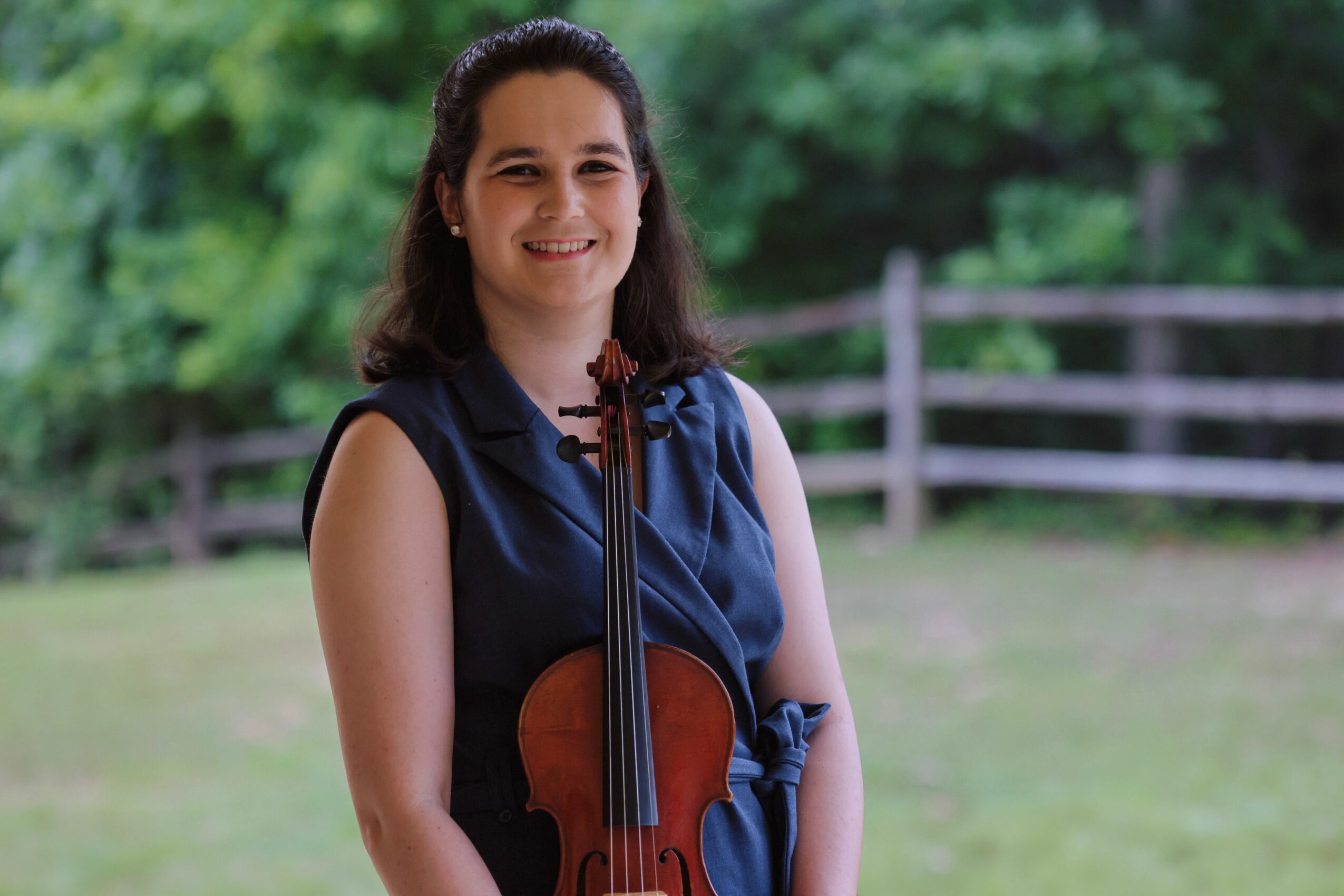
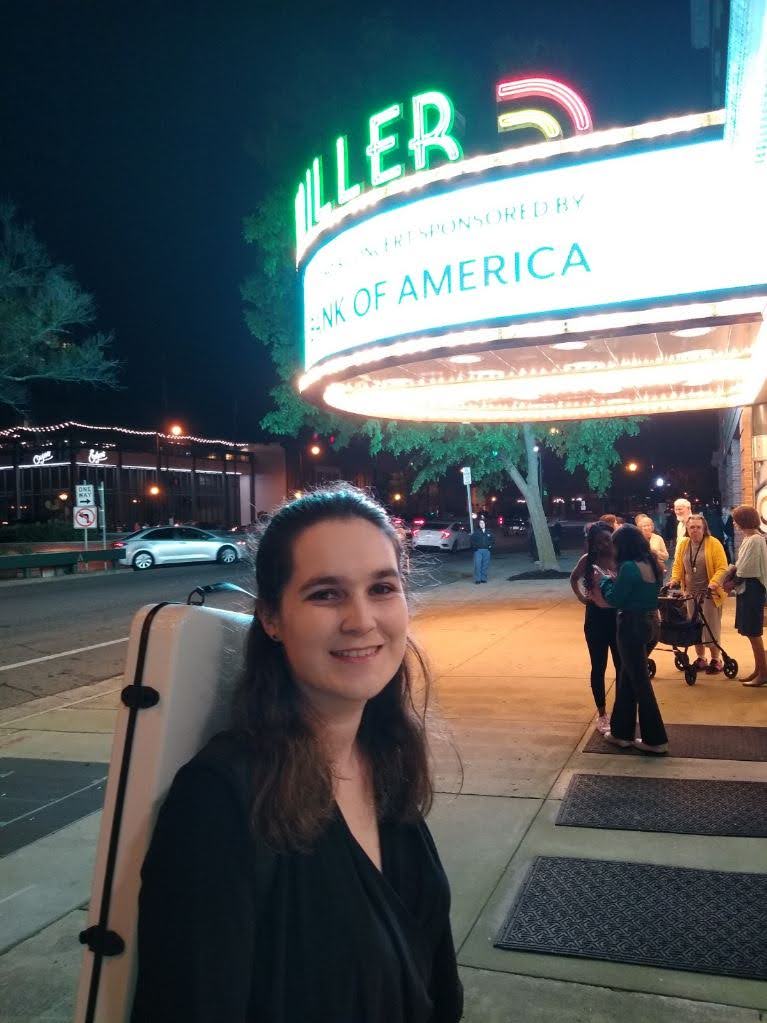
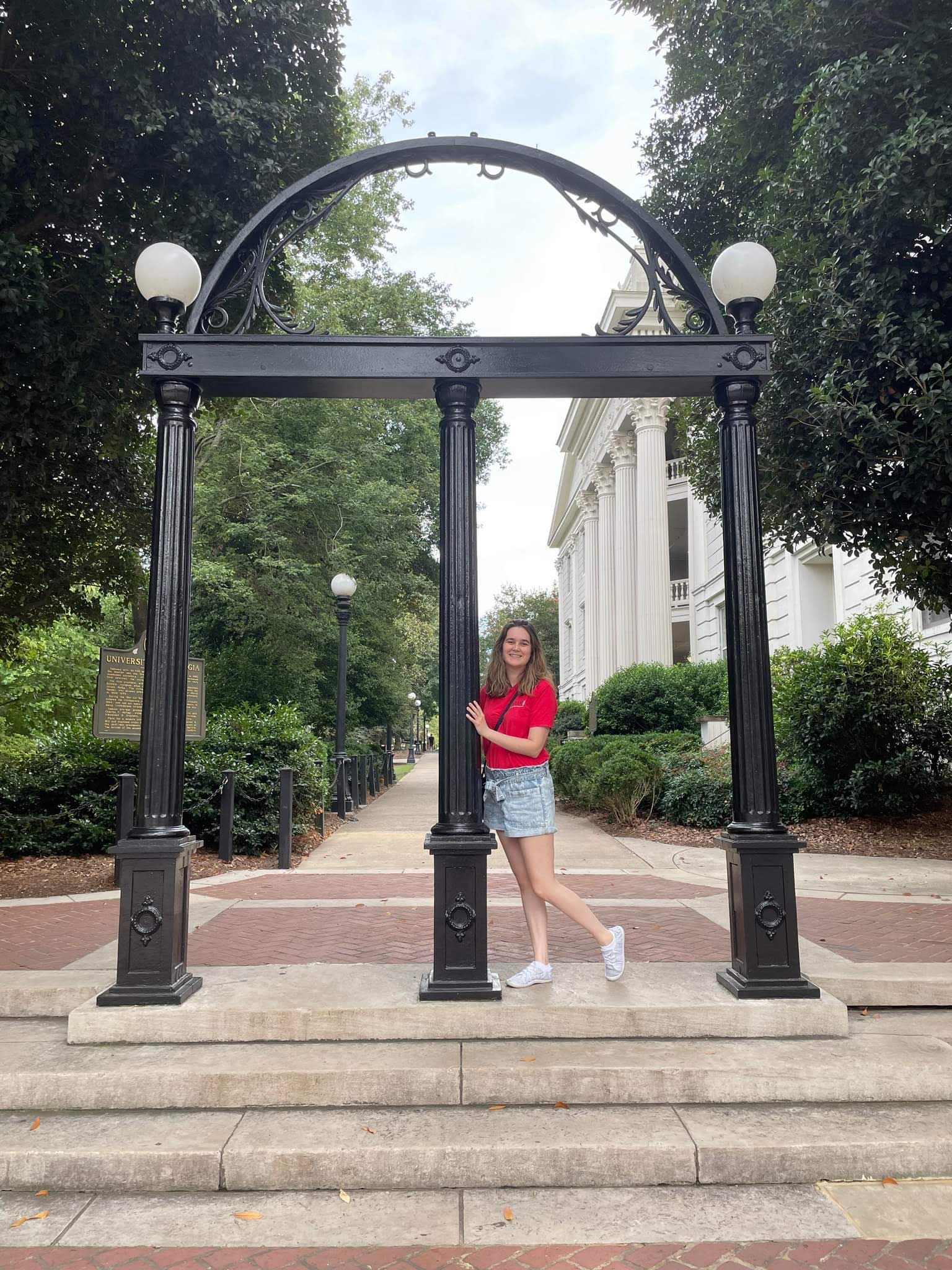
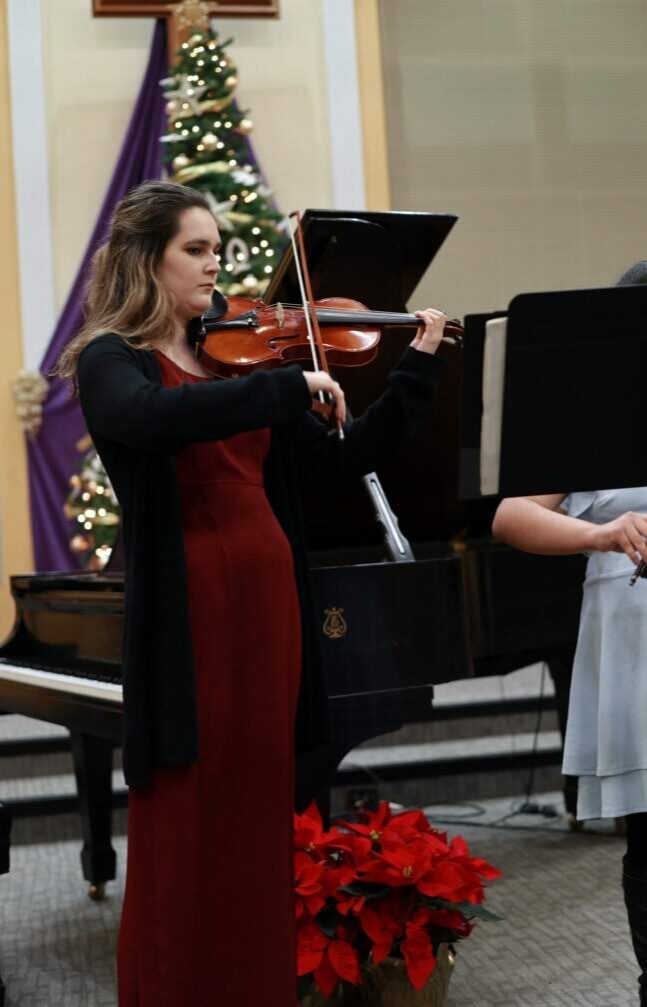
Image Credits
Alejandro Imperial, Alex Tchaykov, Mom and Dad 🙂
Popular
-

Kareem “Reemo Meerak” Tyson on Building The C.U.T.S. Podcast and Creating a Space Where Culture Lives and Breathes
-

Hidden Gems: Local Businesses & Creatives You Should Know
-

ATL’s Most Inspiring Stories
-

Portraits of Atlanta
-

Alexander Lewis on Betting on Himself, Building Momentum at Coco Studios, and Turning Opportunity into Ownership
-

Satoya Hayes on Turning Beauty 2 Extensions into a Platform for Affordable Confidence and Entrepreneurial Opportunity