





Today we’d like to introduce you to Boris Valiance.
Boris, we appreciate you taking the time to share your story with us today. Where does your story begin?
My career has been defined by one constant — service. From my earliest roles to my current academic and professional pursuits, I’ve been driven by a deep belief that leadership means showing up for others, especially in moments of crisis or uncertainty. I began my journey in humanitarian service with the American Red Cross, responding to disasters that disrupted lives and communities. Whether I was coordinating volunteers during the Home Fire Campaign, installing smoke alarms, or helping families recover from devastating storms, I found my calling in crisis response and community resilience. The experience taught me the importance of preparedness, empathy, and structure — and the power of calm leadership when everything around you feels uncertain.
My years with the Federal Emergency Management Agency (FEMA) were some of the most formative of my career. As an Applicant Services Specialist, Manufactured Housing Specialist, and later Public Assistance Program Delivery Manager and Task Force Leader, I helped deliver more than $30 million in recovery funding to communities rebuilding after disasters. I learned how to navigate complex systems while staying focused on people — the families and small towns depending on those resources to rebuild their lives. I also supported long-term recovery coordination and volunteer management, ensuring equitable service delivery to those most in need.
Eventually, I brought this experience into community development as Executive Director of Citizens Provisions, a social enterprise providing non-emergency medical transportation for rural and underserved populations. I led initiatives to address transportation gaps for people with disabilities, developed partnerships with state and local leaders, and managed sustainability projects to improve quality of life in the communities I served. The work reminded me that resilience isn’t just about recovery — it’s about creating systems that empower people every day.
Most recently, I’ve contributed as a Technical Assistance Coordinator with Endyna, where I helped communities navigate the EPA’s Community Change Grants program. In this role, I designed pre- and post-award technical assistance frameworks, supervised outreach to Tribal communities, and collaborated with stakeholders to promote environmental justice and equity. Supporting these communities as they pursued funding for local transformation was one of the most rewarding experiences of my career.
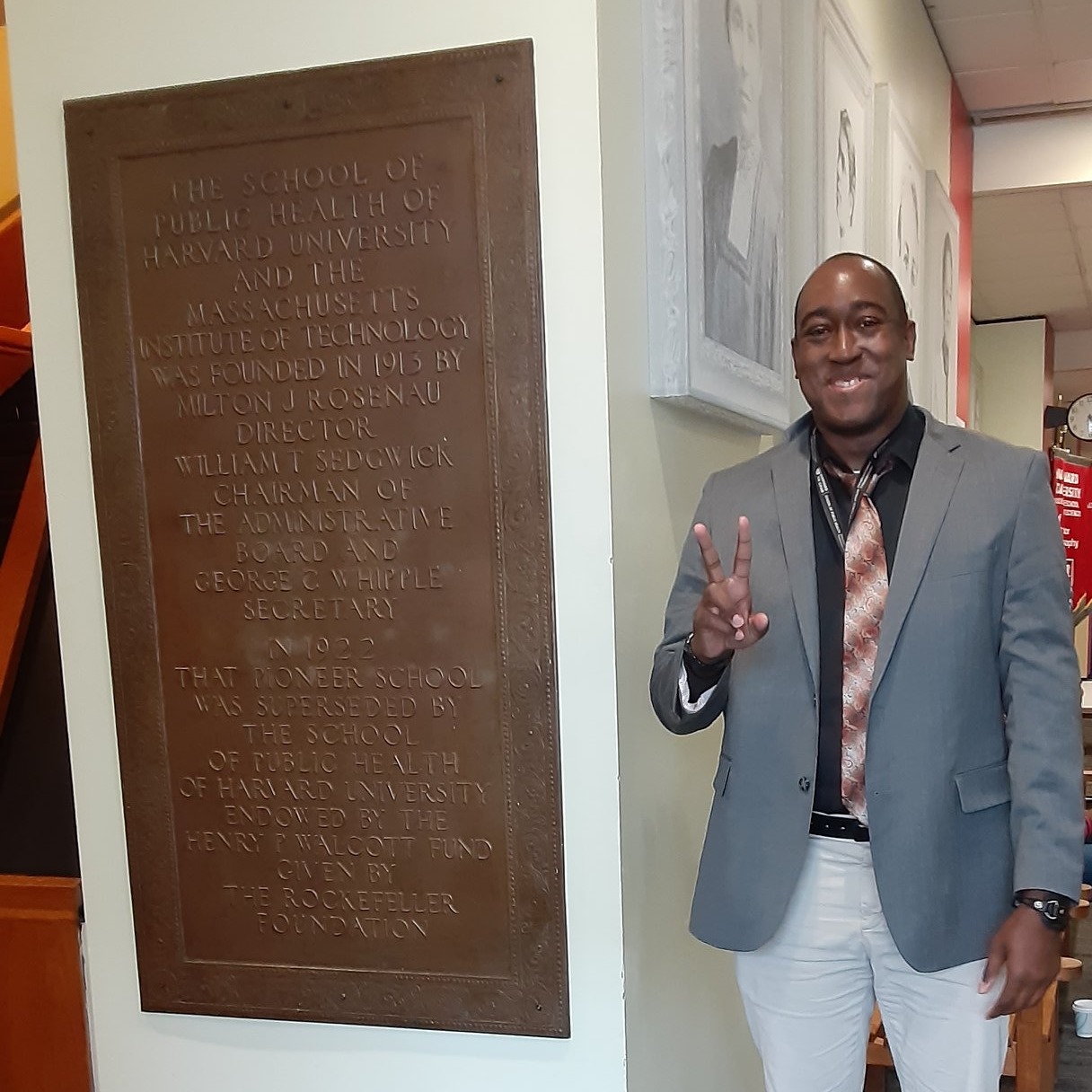
Parallel to my professional journey, I’ve pursued advanced education that reflects my commitment to understanding and improving the systems that shape our world. I earned my Bachelor’s and Master’s in Business Administration from Capella University, completed advanced studies at Harvard University in environmental health and emergency leadership, and am currently pursuing dual PhDs — one in Criminal Justice with a specialization in Emergency Management at Walden University, and another in International Relations and Diplomacy at the American Graduate School in Paris. My research at Walden University focuses on how to better incorporate inmates in disaster recovery. My research at American Graduate School in Paris focuses on disaster management in rural Kenya. That topic is relevant because im Kenyan, French,and Mediterranean, from the Luhya tribe. Additionally, i’ve done disaster management work with the Department of State in Kenya and Somalia, which was used in response to the Nairobi DusitD2 Attack. I presented at the 19th International Graduate Student Conference in Paris on “Foreign Aid, Economic Dependency, and Disaster Management: A Case Study of Rural Kenya.” It explores how aid dependency affects local resilience and self-determination — a topic that connects deeply with both my humanitarian and policy experience. The paper itself was published a few weeks ago.
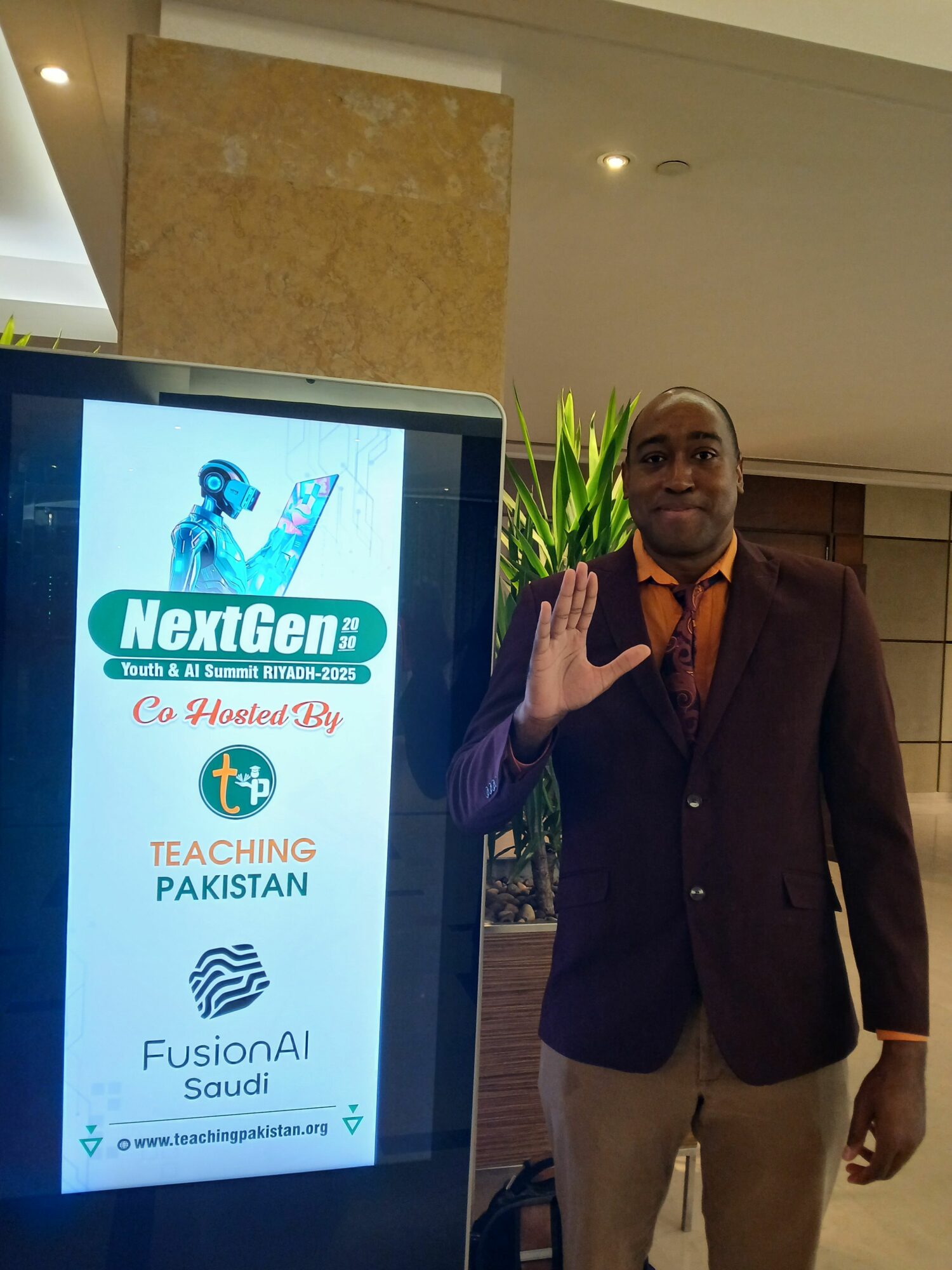
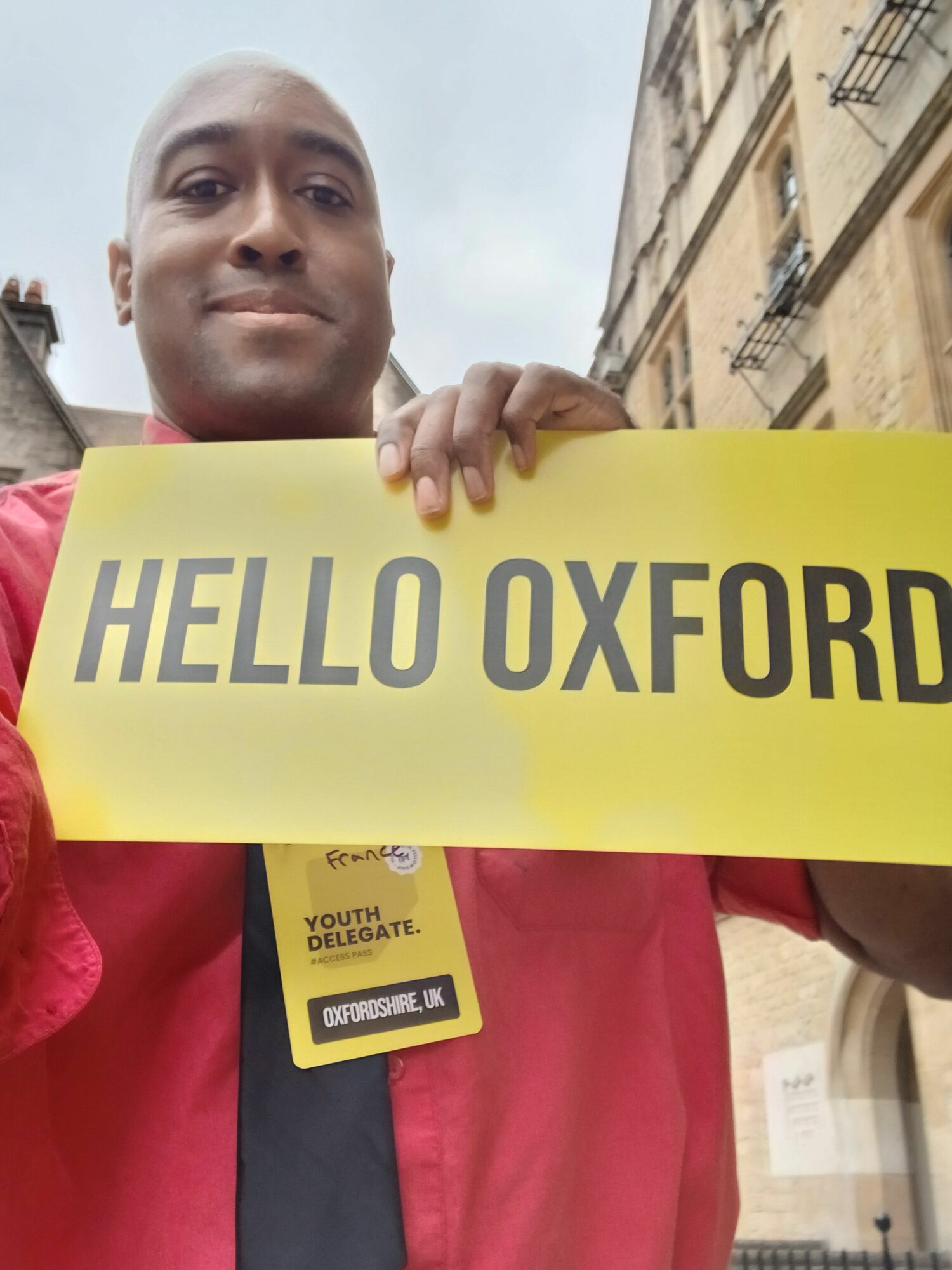
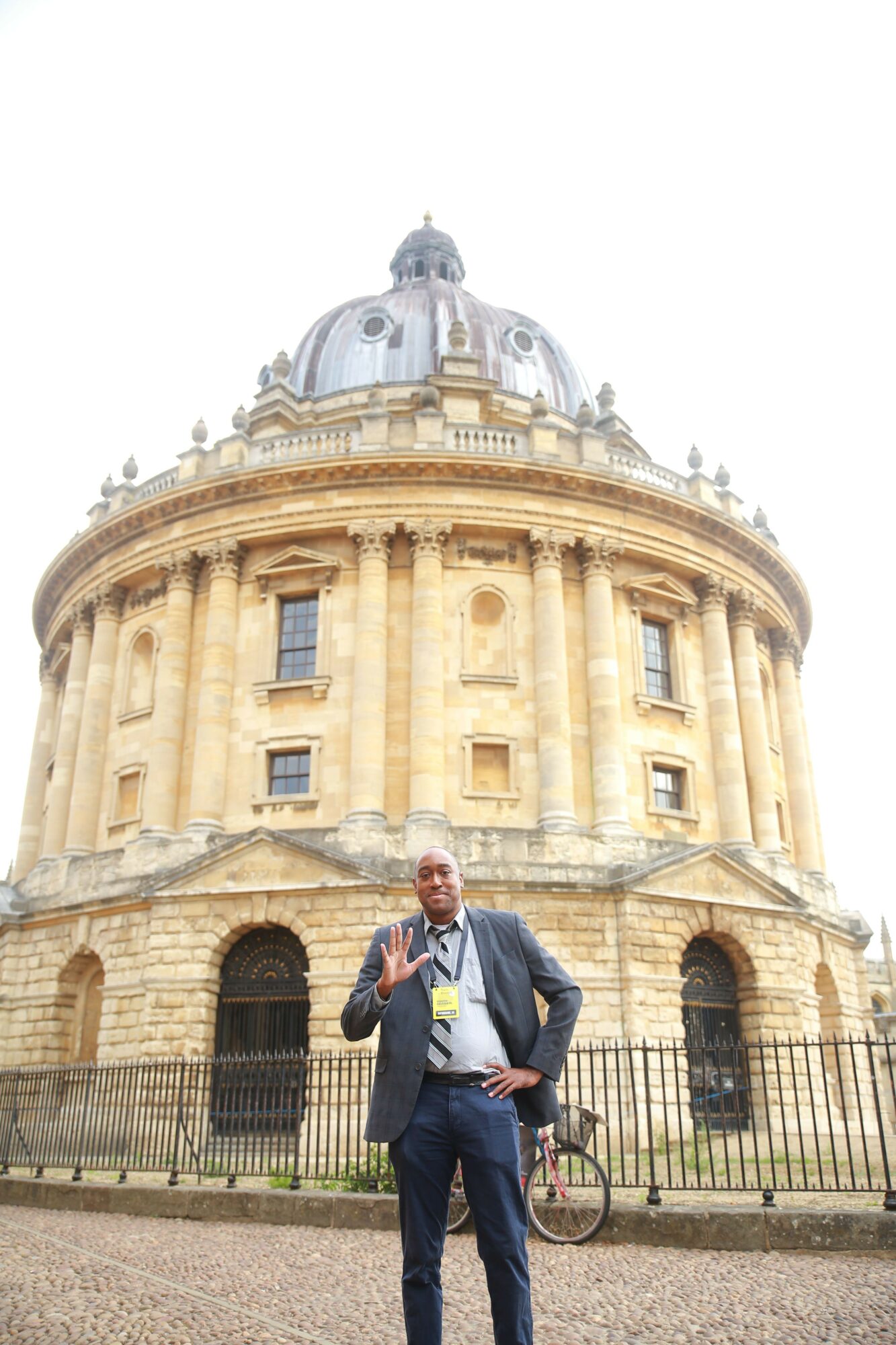
I’ve been honored to receive recognition through awards such as the Presidential Volunteer Service Award, Alpha Phi Sigma Honor Society, and fellowships with the University of Oxford and George Mason University. I’ve also had the privilege to learn how to incorporate AI into real world solutions at Youth & AI Summit in Riyadh, Saudi Arabia.
Looking back, my career has taken me from the frontlines of disaster response to boardrooms, classrooms, and international forums. But through every transition, one truth remains constant: my purpose is to build bridges — between people and institutions, between policy and practice, and between resilience and hope. My story is one of persistence, service, and the belief that real progress happens when empathy meets strategy — when we lead not just to manage crises, but to prevent them, and to create systems where every community can thrive.
I’m sure it wasn’t obstacle-free, but would you say the journey has been fairly smooth so far?
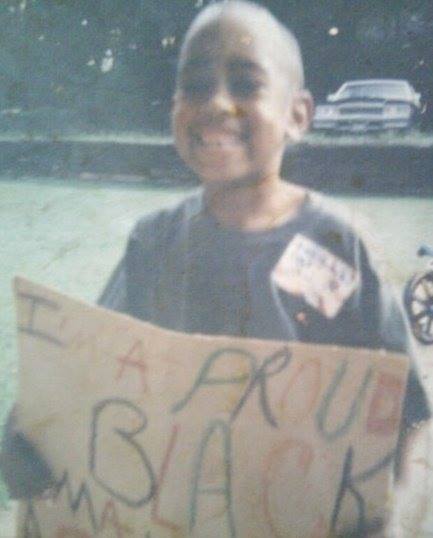
One of the biggest challenges I faced growing up was living with asthma. My health often felt unpredictable — flare-ups would strike suddenly, leaving me short of breath and drained. I missed school frequently because of doctor’s visits or days when I was simply too sick to attend, and every absence made it harder to keep up. Even when I was in class, I carried the constant worry that an attack might happen at any moment, making it difficult to focus.
On top of my health struggles, I also faced unfair obstacles within the education system — and I didn’t have much community support to lean on. In eighth grade, I was held back, not because I hadn’t done the work or couldn’t keep up, but because of one person’s opinion. That decision felt deeply discouraging, especially since I wasn’t allowed to move on to the new high school with my classmates. Without encouragement or guidance from teachers or mentors, I had to rely on my own determination to keep pushing forward.
Later, as I approached high school graduation, I faced another setback that tested my perseverance. I had completed and submitted my final English paper, which my regular teacher had graded before going on maternity leave. But after a new teacher took over, my paper was hidden, and I was suddenly told I didn’t have enough points to graduate. The substitute teacher seemed upset that I stood my ground, as she had a history of preventing minority students from graduating.
Between managing asthma, feeling isolated without community support, and navigating those educational barriers, I often felt like the odds were stacked against me. But those experiences taught me resilience. I learned how to advocate for myself, how to persevere when things seemed unfair, and how to stay focused on my goals no matter what challenges stood in my way.
As you know, we’re big fans of you and your work. For our readers who might not be as familiar what can you tell them about what you do?
I work at the intersection of disaster management, grant writing, and community development. My recent roles have centered on providing technical assistance to communities applying for federal funding, coordinating disaster recovery efforts with FEMA, and directing nonprofit initiatives that expanded access to transportation and housing in underserved areas. I specialize in building partnerships with government agencies, voluntary organizations, and community leaders to strengthen local capacity and resilience. In practice, this means designing and managing technical assistance programs, leading fast-track federal applications, and supporting long-term recovery groups. I have supervised staff and volunteers, overseen budgets, and advanced equity through environmental justice projects. My work consistently emphasizes empowering vulnerable populations—including individuals with disabilities, rural communities, and tribal nations—while ensuring compliance, transparency, and measurable outcomes.
Do you any memories from childhood that you can share with us?
One afternoon, my uncle and I decided to make a “quick stop” at Costco. But instead of shopping, we somehow turned it into an all-you-can-eat adventure. They had different kinds of cheesecakes and We must have looked too comfortable, circling back for seconds (and maybe thirds). Eventually, one of the employees caught on and politely told us we’d had enough… and that it was time to go. We laughed all the way to the parking lot.
Contact Info:
Popular
-

Hidden Gems: Local Businesses & Creatives You Should Know
-

ATL’s Most Inspiring Stories
-

Satoya Hayes on Turning Beauty 2 Extensions into a Platform for Affordable Confidence and Entrepreneurial Opportunity
-

Portraits of Atlanta
-

Asha Ford on Building Krystal Klear Motion and Creating Purpose-Driven Design for Women
-

Truth in Every Verse: Jay Erve on Identity, Experience, and Creating Art That Lasts