



Today we’d like to introduce you to Xinxun Liao.
Hi Xinxun, can you start by introducing yourself? We’d love to learn more about how you got to where you are today?
My practice began with an intuitive belief that visual refinement and aesthetic clarity were enough to communicate ideas effectively. In my early studies of animation and visual design, I focused heavily on form, composition, and visual appeal, trusting that “good-looking” work naturally led to good communication.
Through continued practice, I gradually realized that visual completeness does not guarantee understanding. Many works can appear smooth and polished, yet fail to truly guide viewers into the content. This realization led me to reconsider the role of motion in communication. Motion is not simply a way to make images move, but a language that organizes time, directs attention, and shapes how meaning unfolds.
As I continued studying and working, I came to understand that moving images expose intention more clearly than static visuals and leave less room to hide weak logic. This awareness encouraged me to approach motion with restraint, questioning whether each movement genuinely serves the content rather than existing only for visual effect.
Over time, my focus shifted from making images look better to asking whether they need to exist at all. I began closely examining whether motion supports understanding or unintentionally creates barriers to viewing. This shift gradually shaped a more human-centered approach to my work, with greater attention to rhythm, accessibility, and inclusivity.
Moving between personal projects and professional collaborations has taught me how to make decisions within real constraints. Where I am today is not an endpoint, but an ongoing process of calibration. I continue to explore how motion and design can clarify complex ideas and create experiences that are more thoughtful, restrained, and humane.
I’m sure it wasn’t obstacle-free, but would you say the journey has been fairly smooth so far?
Many of the challenges I encountered were internal rather than external. Early in my practice, I relied heavily on visual refinement as my primary measure of success, trusting that polish and aesthetic clarity were enough to communicate meaning. When I began to realize that “looking good” did not necessarily mean being understood, the real difficulty emerged. Letting go of familiar methods that had already been validated required me to rethink how I evaluate my own work.
This shift introduced a slower and less visible kind of resistance. As my criteria moved toward understanding, rhythm, and accessibility, results were no longer immediate. Work needed time to reveal its effectiveness, and that delay often brought doubt. Learning to stay with this uncertainty, rather than rushing toward surface clarity, became part of the process.
Moving between personal inquiry and commercial contexts further intensified this tension. Real-world constraints demand efficiency and compromise, while my practice increasingly depends on judgment and restraint. Finding ways to respond to practical limitations without losing conceptual clarity remains an ongoing negotiation.
There was also a period when my direction felt unclear. As older standards of visual impact stopped guiding my decisions and new ones had not yet fully formed, uncertainty became unavoidable. Over time, I came to understand this not as loss of direction, but as a necessary transition between value systems.
These experiences shaped how I work today. They taught me to accept that growth is not linear, and that practice is formed through continual calibration. The difficulties slowed me down, sharpened my judgment, and deepened my commitment to making work that allows understanding to emerge with care and intention.
Alright, so let’s switch gears a bit and talk business. What should we know about your work?
My work uses motion as a primary medium, but I approach it less as a finished output and more as a process of construction and revision. I often begin with ideas that are still unstable or unresolved, allowing motion, color, and rhythm to evolve through testing rather than being fixed too early.
Over time, I have developed a process-driven way of working. Across animation, branding, and narrative projects, I spend significant time in early exploration, breaking ideas apart and rebuilding them through iteration. This allows my work to remain visually open and expressive while staying structurally grounded.
Rather than specializing in a single style or technique, I focus on maintaining continuity across varied contexts. Moving between different types of projects has taught me how to adapt without relying on a fixed visual signature. In my practice, color and motion function as tools for adjustment and response, shaped by context rather than personal branding.
What I am most proud of is my ability to sustain a practice over time without being driven solely by immediate feedback. I value patience, consistency, and the slow accumulation of decisions that shape a body of work.
What sets me apart is not how my work looks at first glance, but how it is built. I prioritize process, iteration, and long-term development, allowing each project to take form through careful attention rather than quick definition.
We’d be interested to hear your thoughts on luck and what role, if any, you feel it’s played for you?
Luck has played a role in my life and career, but not in a simple or dramatic way. I see it less as a deciding force and more as a condition that creates openings or obstacles.
There were moments of good luck that gave me opportunities to learn, collaborate, or be seen at the right time. At the same time, there were periods of uncertainty and misalignment that slowed progress or forced difficult reassessments. In both cases, luck only set the circumstances; what mattered more was how I responded to them.
What experience has taught me is that luck tends to favor preparation and persistence. Many opportunities only became meaningful because I had spent time building skills, refining my thinking, and staying engaged even when outcomes were unclear. Similarly, moments that initially felt like bad luck often pushed me to rethink my assumptions and ultimately led to more grounded decisions.
In my professional life, I try not to rely on luck, good or bad. Instead, I focus on maintaining consistency, judgment, and adaptability. When opportunities appear, I want to be ready for them. When they do not, I continue working with the same level of care. Over time, this approach has made luck less about chance and more about timing meeting sustained effort.
Contact Info:
- Website: https://www.xinxunliao.com/
- LinkedIn: https://www.linkedin.com/in/xinxun-liao-344b8222b/

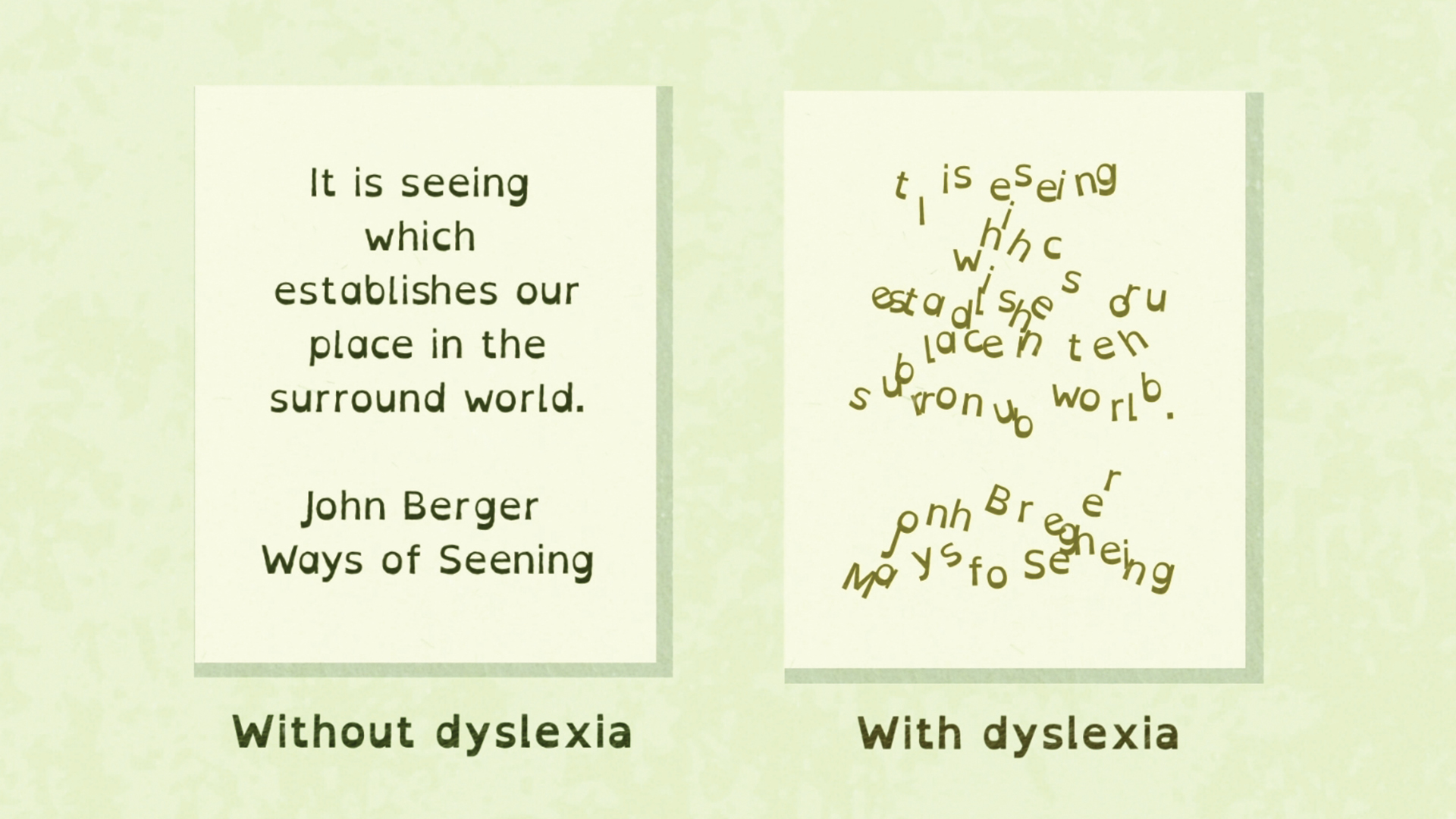
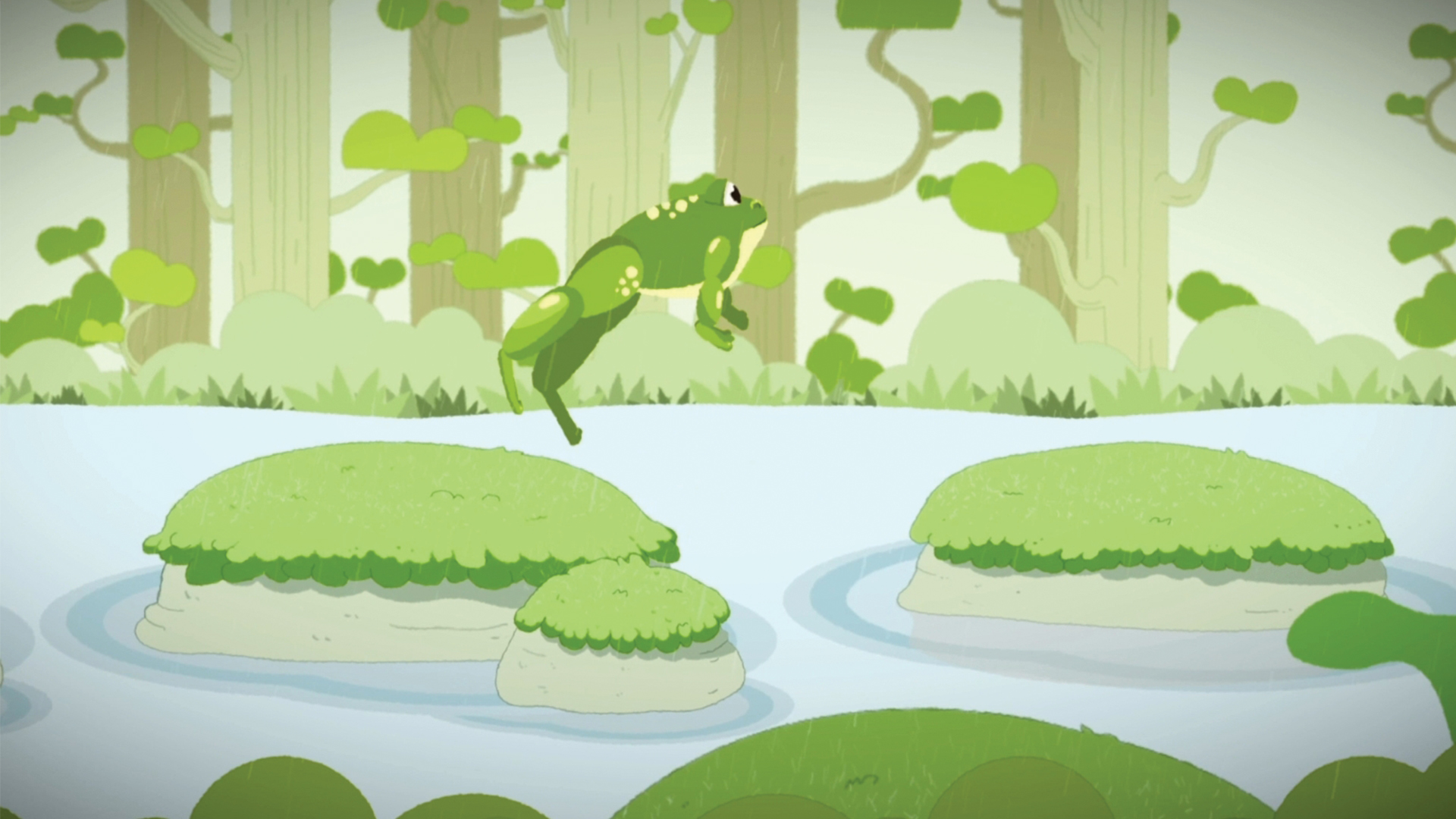
Image Credits
Xinxun Liao
Popular
-

Hidden Gems: Local Businesses & Creatives You Should Know
-

ATL’s Most Inspiring Stories
-

Satoya Hayes on Turning Beauty 2 Extensions into a Platform for Affordable Confidence and Entrepreneurial Opportunity
-

Portraits of Atlanta
-

Asha Ford on Building Krystal Klear Motion and Creating Purpose-Driven Design for Women
-

Truth in Every Verse: Jay Erve on Identity, Experience, and Creating Art That Lasts