






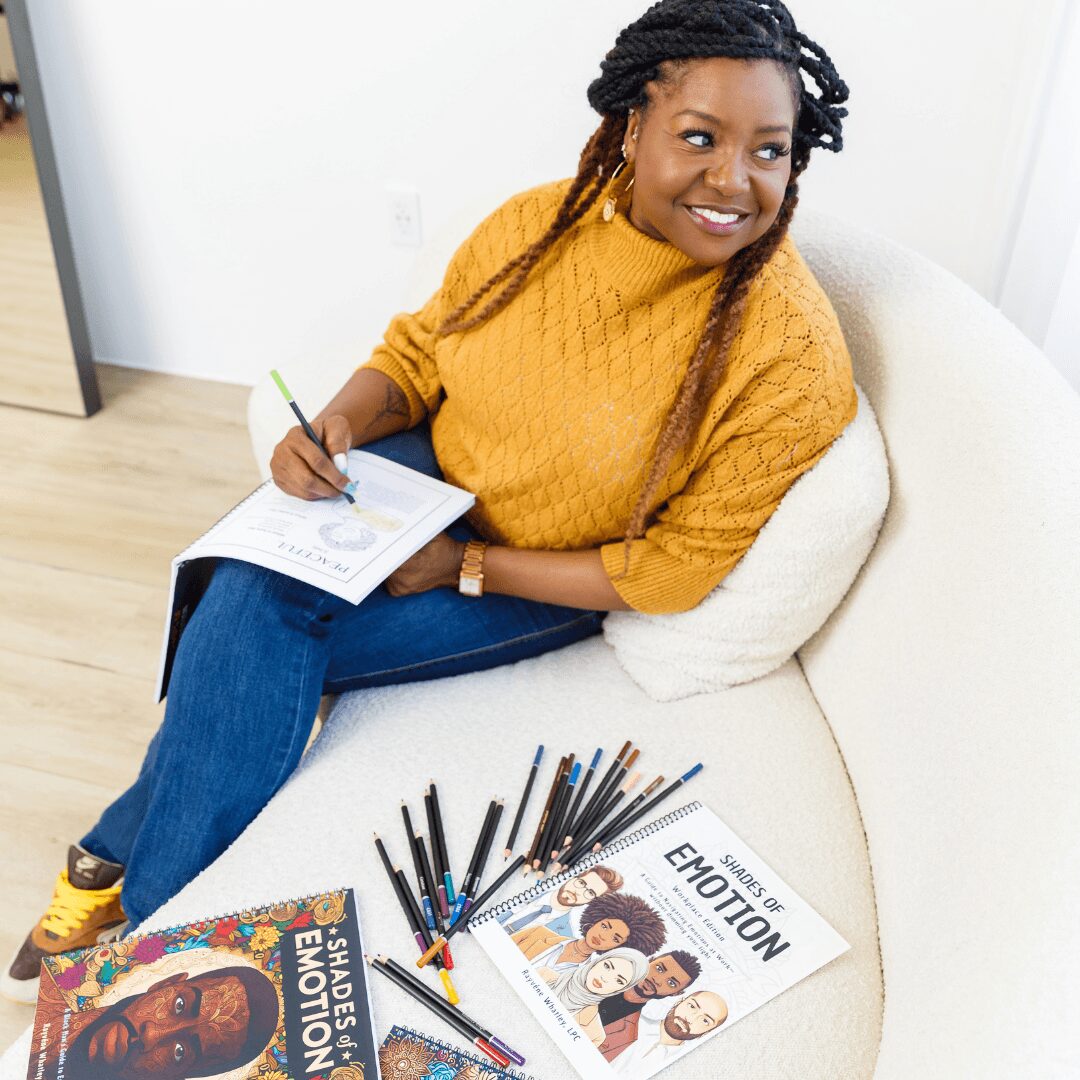
Today we’d like to introduce you to Rayvene Whatley.
Rayvene, we appreciate you taking the time to share your story with us today. Where does your story begin?
That’s always a big question, right?
I started out as a licensed professional counselor doing very traditional therapy work. Sitting across from people who were smart, capable, high-functioning… and quietly disconnected from what they were feeling. They could explain why they were stressed all day long, but when I asked, “What are you feeling?” things would stall out.
Over time, I realized it wasn’t resistance. It was a lack of emotional language and safe ways to access it.
That insight stayed with me and really shaped the direction of my work. I became more interested in how people learn to relate to their emotions in the first place, not just how they talk about them once they’re already in therapy.
What started as work inside the therapy room slowly expanded. I began creating tools and resources that helped people engage with their emotions in ways that felt less intimidating and more natural. That evolution is what eventually became the Shades of Emotion collection.
Today, my work still includes therapy, but Shades of Emotion has grown into a collection that I’m really proud of. It reflects a bigger shift in how I think about emotional health, not as something that only happens in session, but as something people can practice and build in everyday life.
Alright, so let’s dig a little deeper into the story – has it been an easy path overall and if not, what were the challenges you’ve had to overcome?
Definitely not smooth.
Honestly, one of the biggest struggles was wondering whether people would really get it. I knew the emotional impact of the work, but I wasn’t sure how it would land once it was out in the world. Coloring isn’t what most people immediately associate with healing, especially adults, and definitely not when we’re talking about emotions.
There were moments where I questioned whether people would see the connection between coloring and emotional processing, or if it would get dismissed as something too simple or misunderstood altogether. That mental hurdle was real. You’re putting something out there that asks people to slow down and feel, using a medium they may not take seriously at first.
What helped me move through that was staying grounded in what I was seeing work in real time. Watching people soften, open up, and access emotions they didn’t have words for reminded me that the vision didn’t need to make sense to everyone right away. It just needed to work for the people it was meant for.
Looking back, that doubt was less about the work itself and more about trusting that the right people would recognize what it offered once they experienced it.
Thanks – so what else should our readers know about your work and what you’re currently focused on?
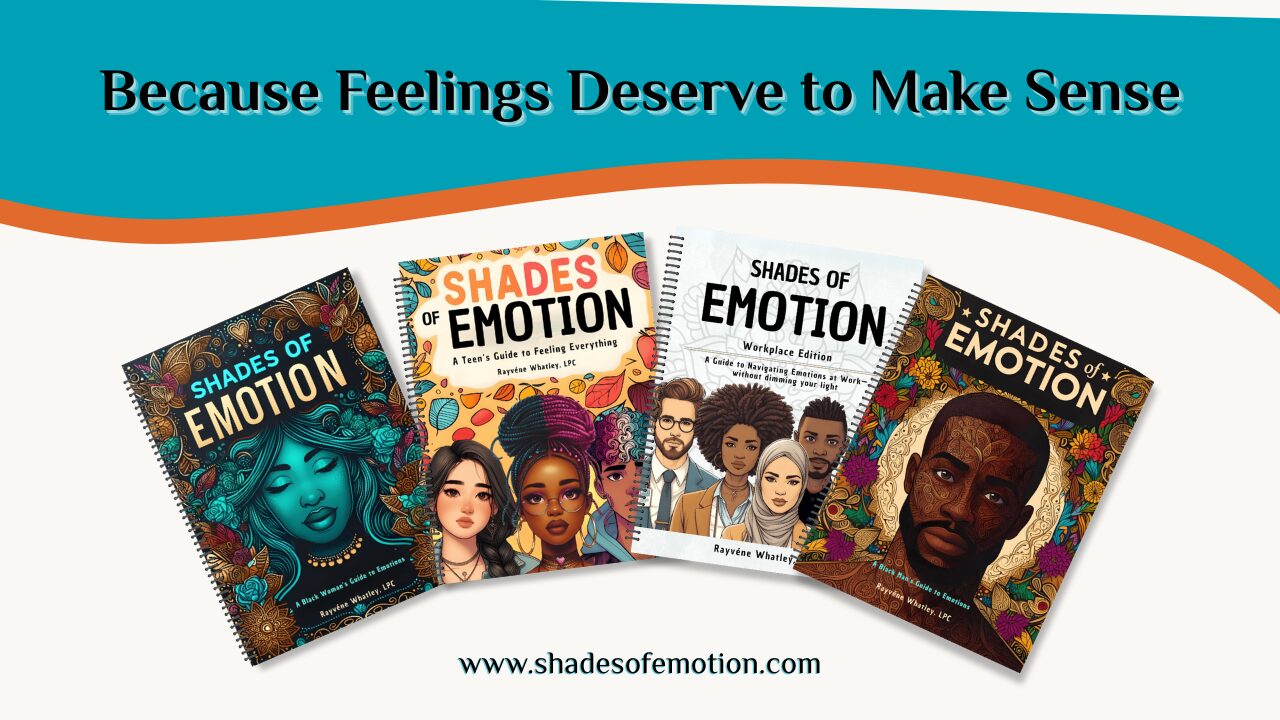
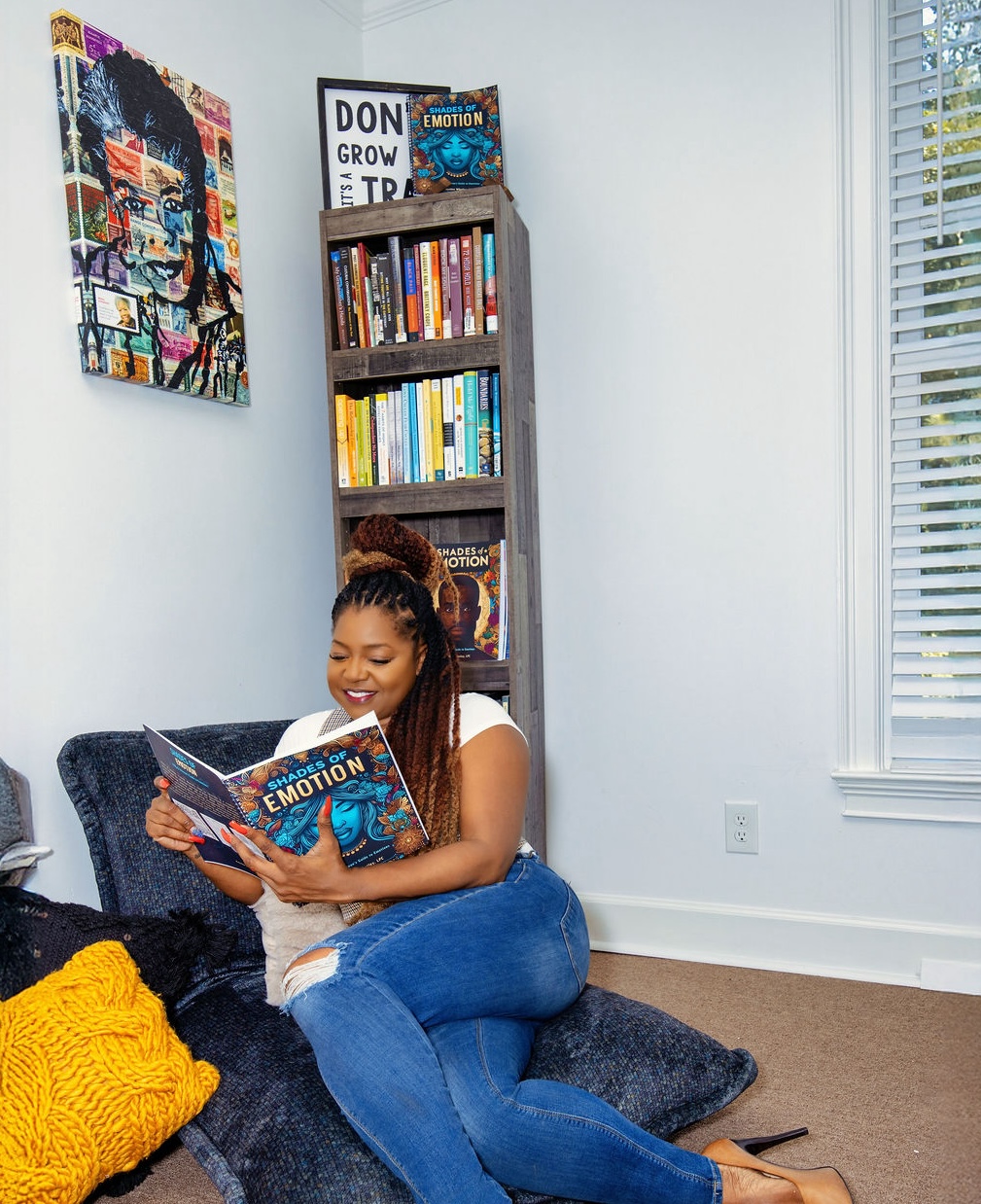
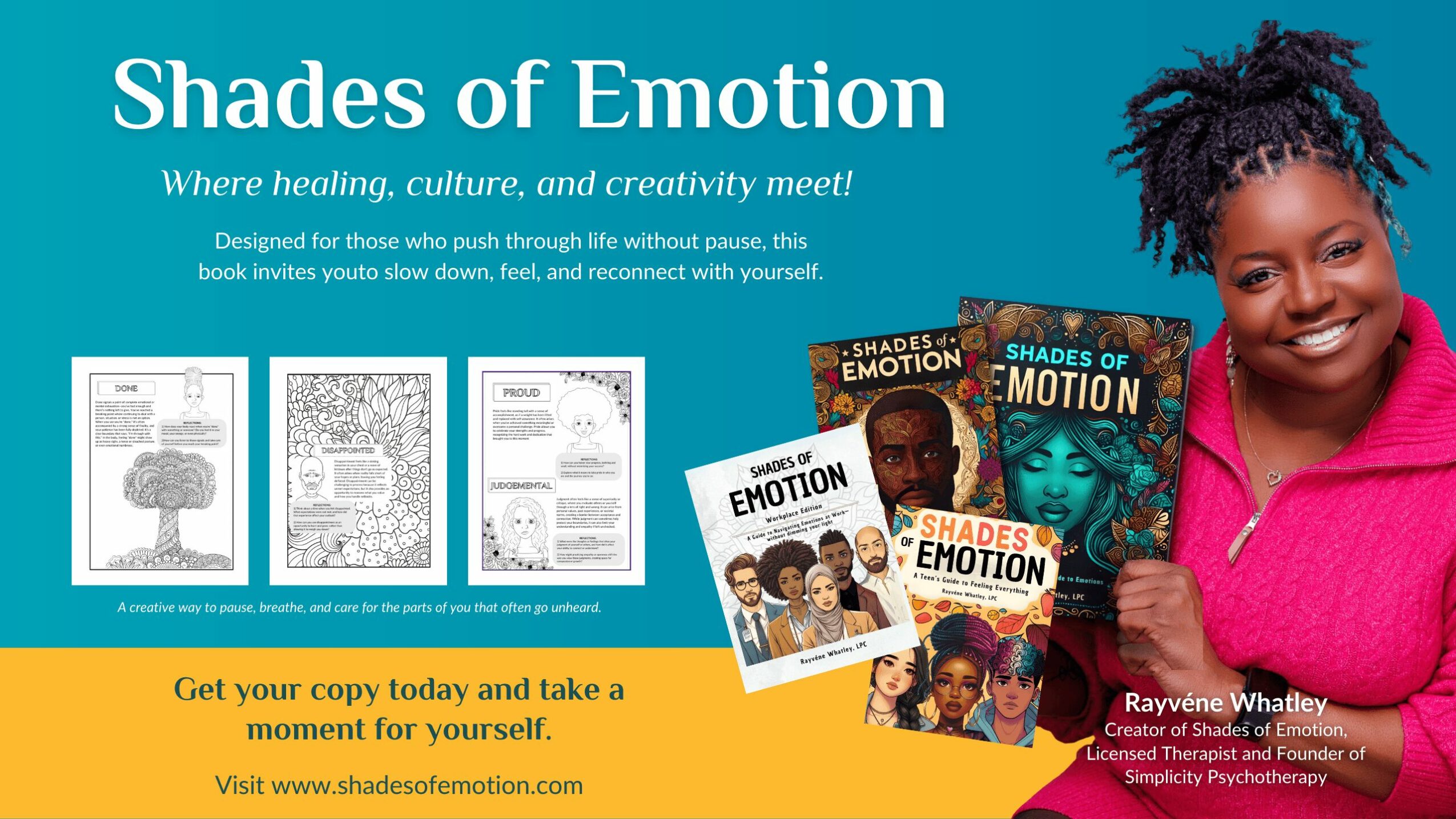
A big part of my work is the Shades of Emotion collection. It’s a series of art therapy books designed to help people explore and understand their emotions in a way that feels approachable, reflective, and grounded in real life.
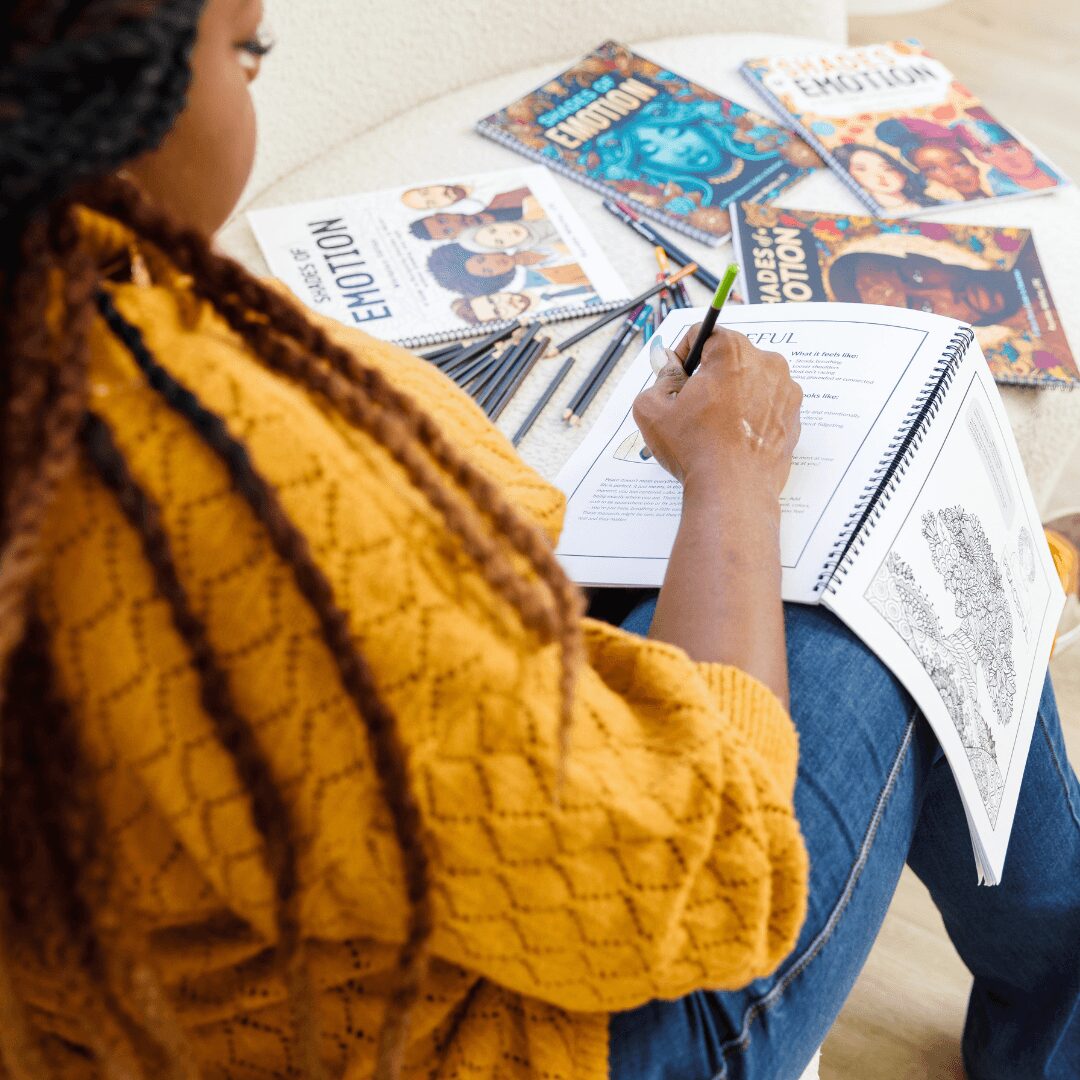
The books use coloring as a creative entry point, but the heart of the work is emotional literacy. Each book guides readers through identifying emotions, noticing patterns, and reflecting on how feelings show up in their bodies, relationships, and daily experiences. It’s about giving people a way to engage with emotions without needing to already have the right words or feel comfortable being vulnerable.
What I focus on through this work is creating tools that make emotional exploration feel less intimidating and more doable, because how we experience emotions shifts depending on where we are in life and what’s being asked of us. The collection includes editions for Black women, Black men, teens, and workplaces, all built on the same emotional framework and adapted to the settings where people need it most.
Emotional awareness doesn’t exist in a vacuum. It shows up across life stages and environments, and people need language and space to process it wherever they are.
What I’m most proud of is how accessible the books are. They meet people where they are, whether they’re already in therapy, curious about their emotions, or not ready for traditional therapeutic spaces. I’ve seen people use them quietly at home, in group settings, and even in workplaces to start conversations that wouldn’t have happened otherwise.
What sets this work apart is the way it blends art therapy, emotional education, and cultural relevance without feeling clinical. Shades of Emotion isn’t about fixing or diagnosing. It’s about creating space, slowing down, and making emotional awareness something people can actually practice.
In terms of your work and the industry, what are some of the changes you are expecting to see over the next five to ten years?
I think we’re already seeing a shift in how people think about emotional health. Over the next 5-10 years, what counts as mental wellness work is going to keep expanding. It is not going to live only in therapy offices or clinical settings. People are going to expect tools that feel practical, creative, and relevant to their everyday lives. Tools that help them make sense of their emotional experience while they are living it, not only in appointments or workshops.
I also think people will continue looking for ways to engage with emotions that do not feel intimidating or overly clinical. Traditional therapy is not going anywhere, but the ecosystem around emotional awareness is getting broader. Creative and expressive approaches, including art-based work, are becoming more accepted as legitimate ways of building emotional insight.
There is also a cultural shift in how we talk about emotions. More people are willing to say, “I’m struggling,” or “I feel this,” without automatically seeing that as weakness. As that continues, we will likely see workplaces, schools, and communities taking emotional literacy more seriously as a real skill that can be learned and practiced.
For me, that is what feels most exciting. It means work like Shades of Emotion fits into a bigger movement toward emotional understanding that feels human, accessible, and part of everyday life.
Contact Info:
- Website: https://www.shadesofemotion.com
- Instagram: https://www.instagram.com/despiteanxiety/
- Facebook: https://www.facebook.com/simplicitypsychotherapy
- LinkedIn: https://www.linkedin.com/in/rayvene-whatley/

Popular
-

Hidden Gems: Local Businesses & Creatives You Should Know
-

ATL’s Most Inspiring Stories
-

Portraits of Atlanta
-

Alexander Lewis on Betting on Himself, Building Momentum at Coco Studios, and Turning Opportunity into Ownership
-

Satoya Hayes on Turning Beauty 2 Extensions into a Platform for Affordable Confidence and Entrepreneurial Opportunity
-

Asha Ford on Building Krystal Klear Motion and Creating Purpose-Driven Design for Women