





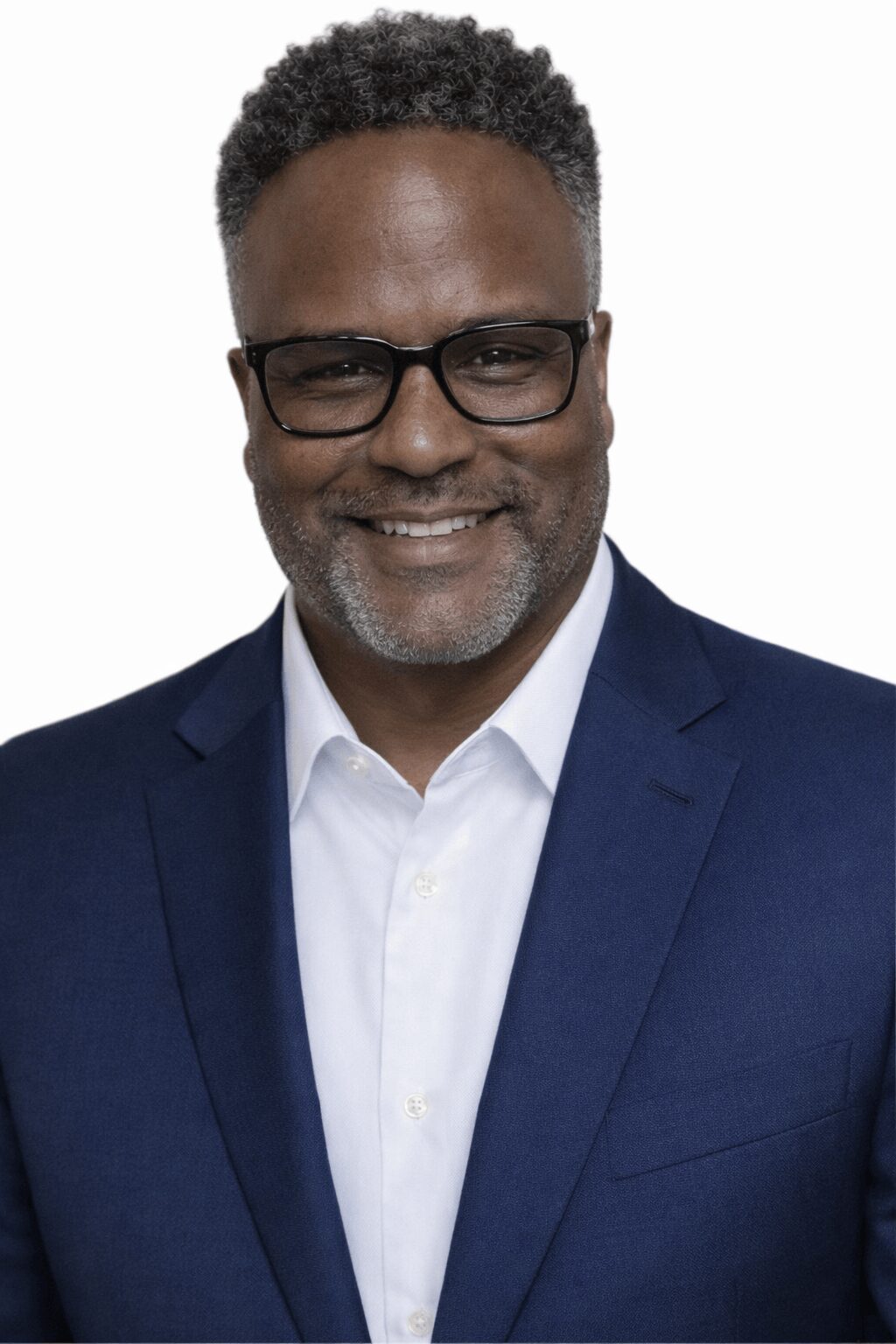
Today we’d like to introduce you to Frederick Huff.
Hi Frederick, can you start by introducing yourself? We’d love to learn more about how you got to where you are today?
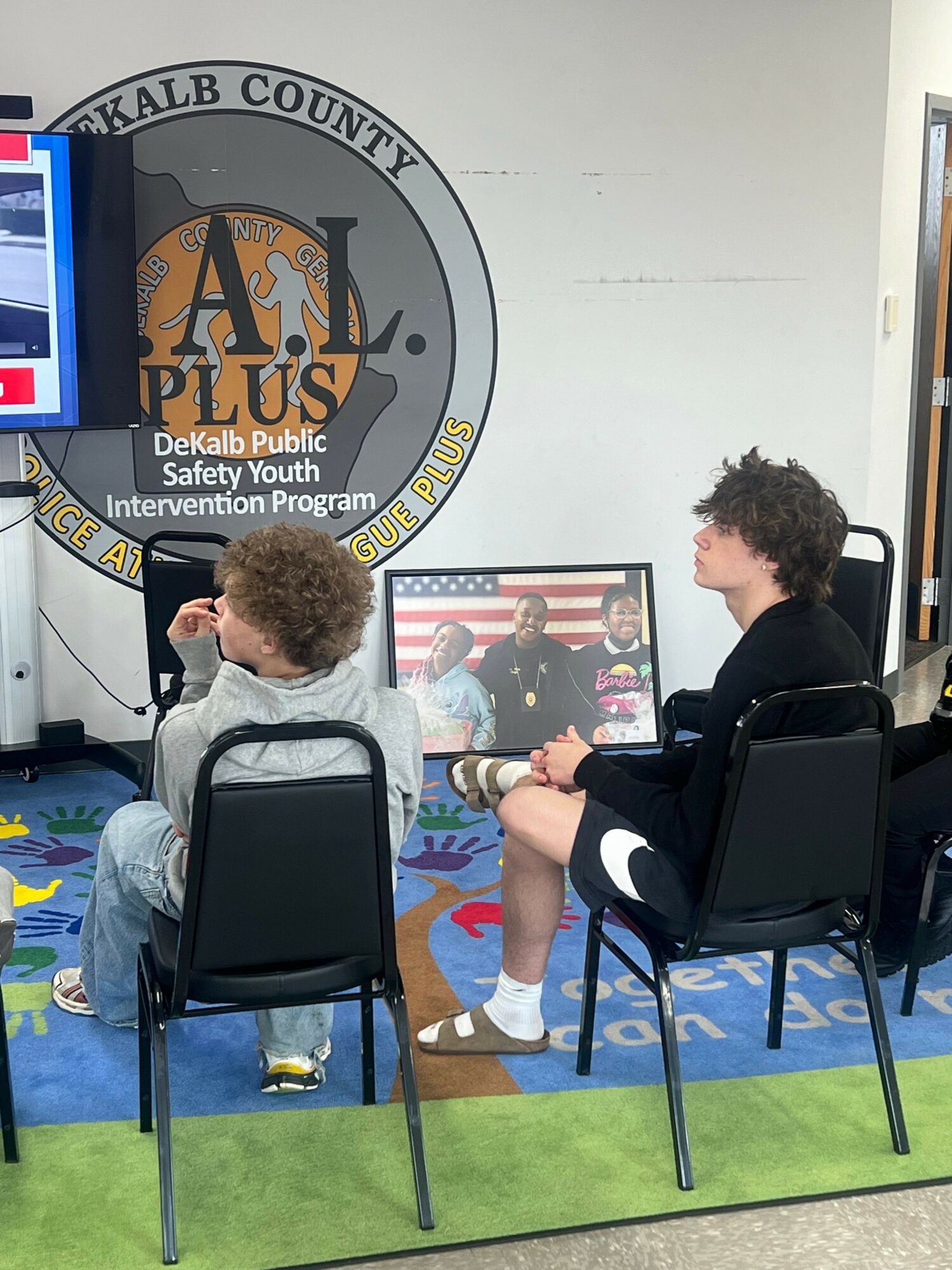
My journey really started with a dream of playing professional football. That dream came to an end after an injury, which forced me to step back and rethink my path. At the time, I was planning to pursue a degree in Physical Therapy, but when Clark Atlanta University discontinued their program, I pivoted into Health Education—and that decision ended up shaping my entire career.
While in school, I found myself deeply engaged in my classes, especially when guest professionals from organizations like the Centers for Disease Control and Prevention came to speak. Those experiences opened my eyes to the impact of public health, and I became inspired to one day pursue a career as an epidemiologist.
Interestingly, my passion for public health actually started earlier, back in high school. I remember when representatives from the Fulton County Health Department came to speak to our football team about safe sex and sexually transmitted diseases. That experience stuck with me—and I later volunteered with the health department to lead teen health talks among my peers, helping educate other students on these important topics. It was during this time that I realized how powerful education could be in shaping behavior and saving lives, and I became fascinated with the study of disease and prevention.
As I approached graduation, I secured an internship with the Fulton County Health Department in their Health Education division. That experience changed everything for me—I fell in love with the work. And the crazy part is, I ended up working alongside the very same health educator who had come to my high school years earlier. That full-circle moment was surreal and really confirmed that I was exactly where I was supposed to be.
From there, opportunities really began to take off—as life truly started for me. Right before graduation, my supervisor at the health department asked me if I knew how to write a grant. I confidently said yes… but in reality, I had no idea. She looked at me and said, “If you can write one, you have a job.” That moment changed everything.
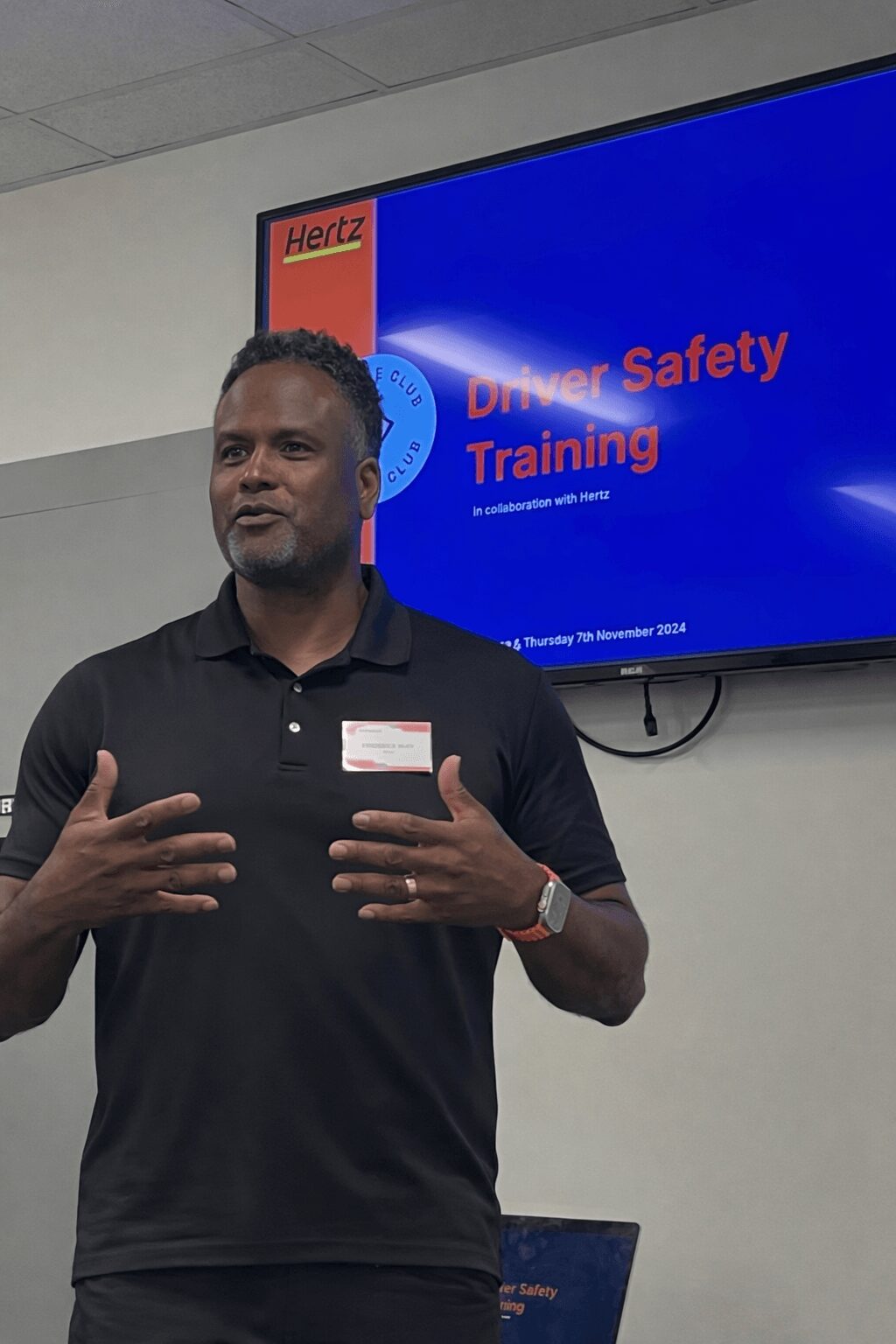
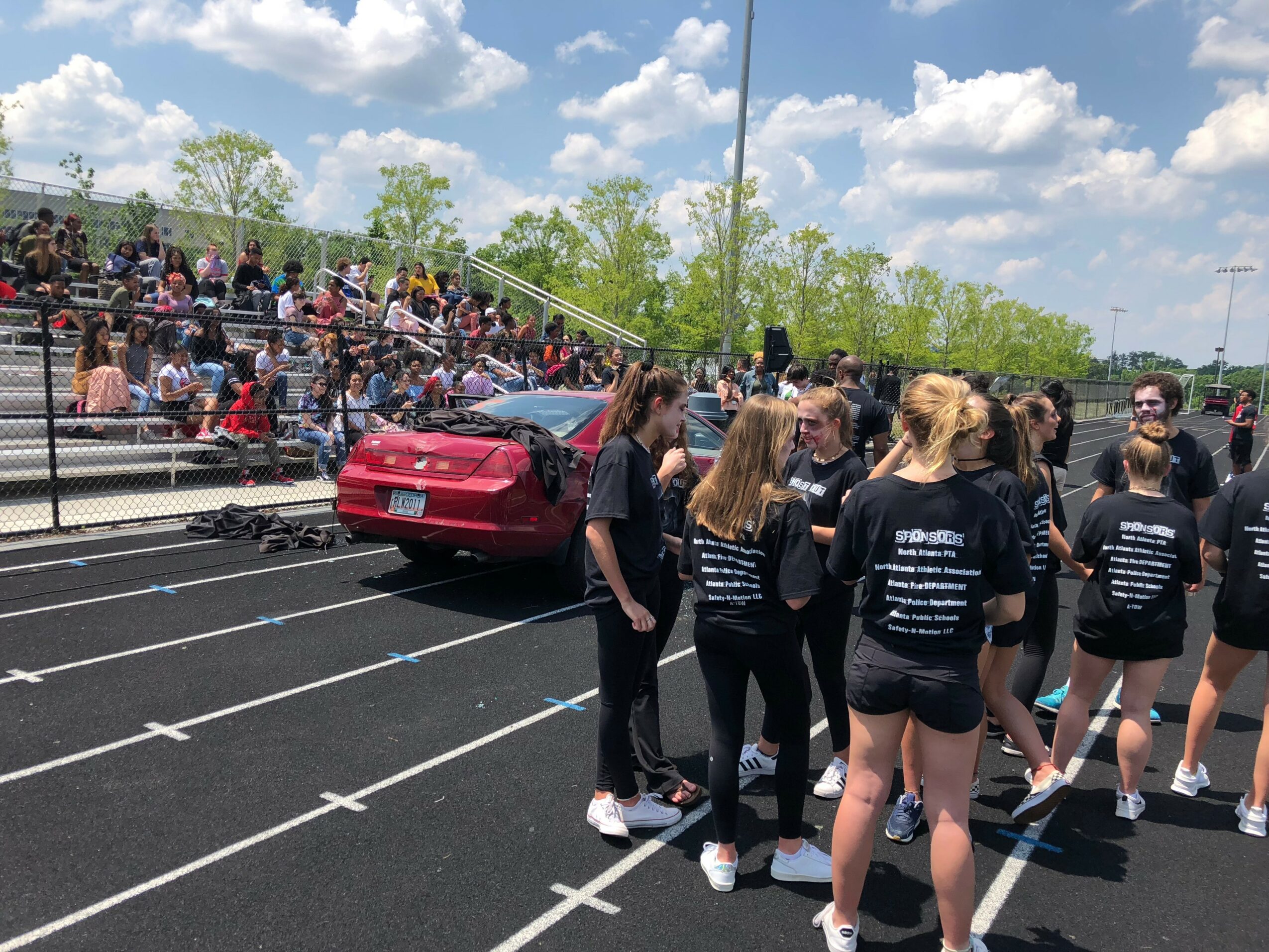
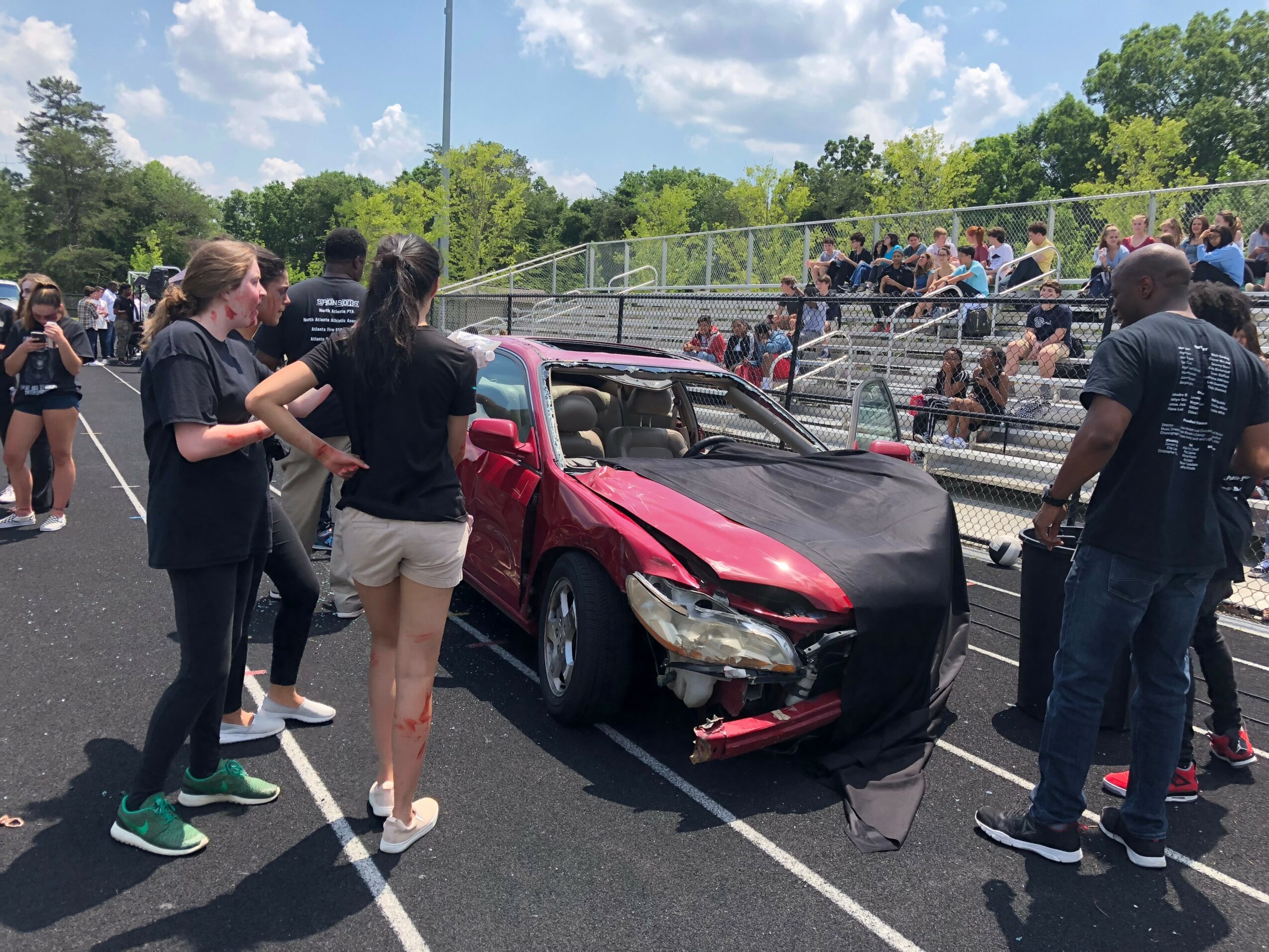
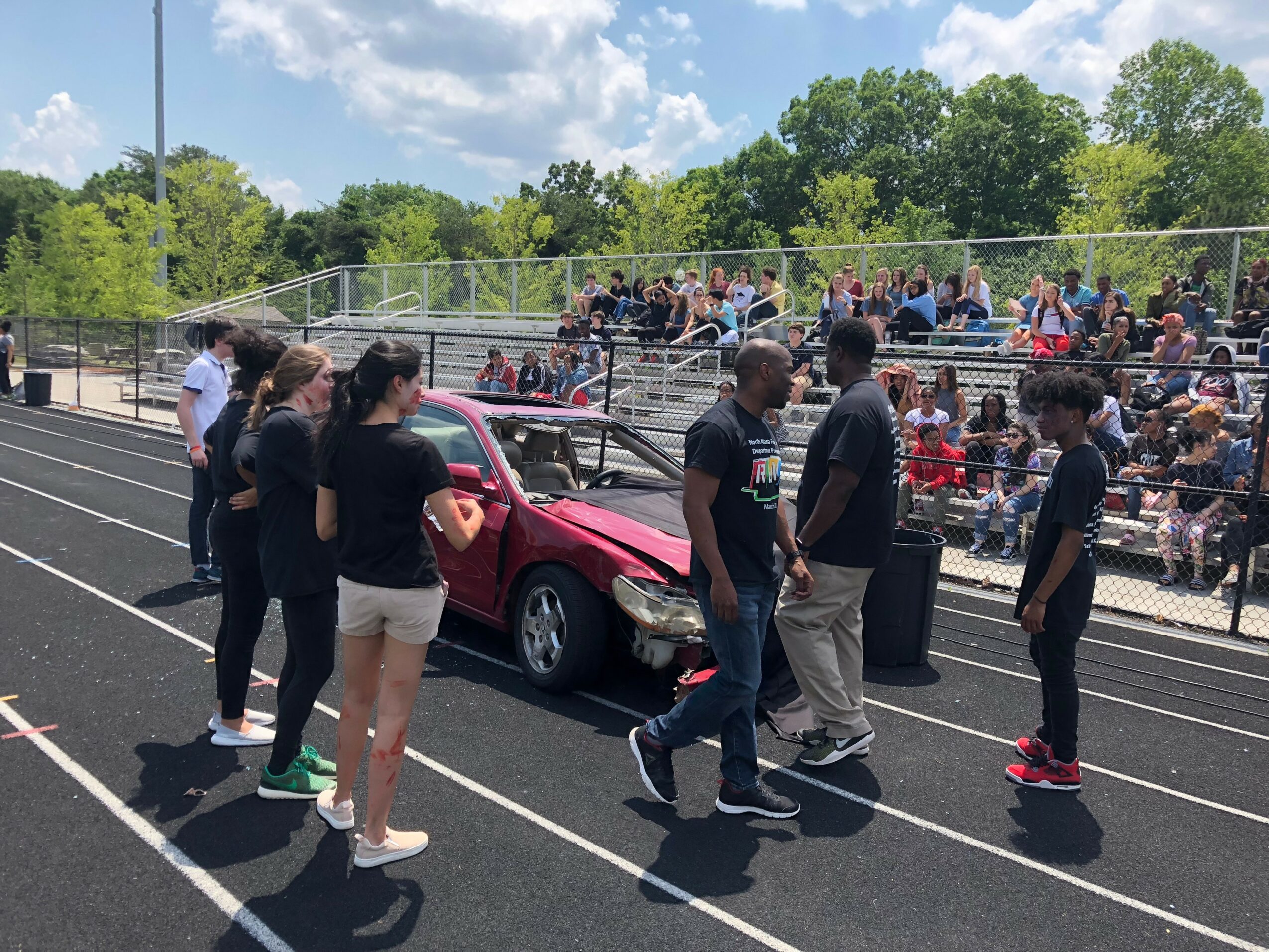
Around that same time, the Centers for Disease Control and Prevention released data on the leading causes of death by age group. The findings were eye-opening: infant mortality rates were high among newborns and toddlers due to improper car seat use, pre-teens were at risk from pedestrian crashes and drowning, and motor vehicle crashes were the leading cause of death among teenagers.
In response, the Safe Communities initiative was launched, supported by nearly $30 million in grant funding distributed to local governments to reduce these risks through prevention and education. I stepped into a leadership role in helping to build and implement these programs. Despite not having formal grant-writing experience at the time, I was determined to figure it out—and I did.
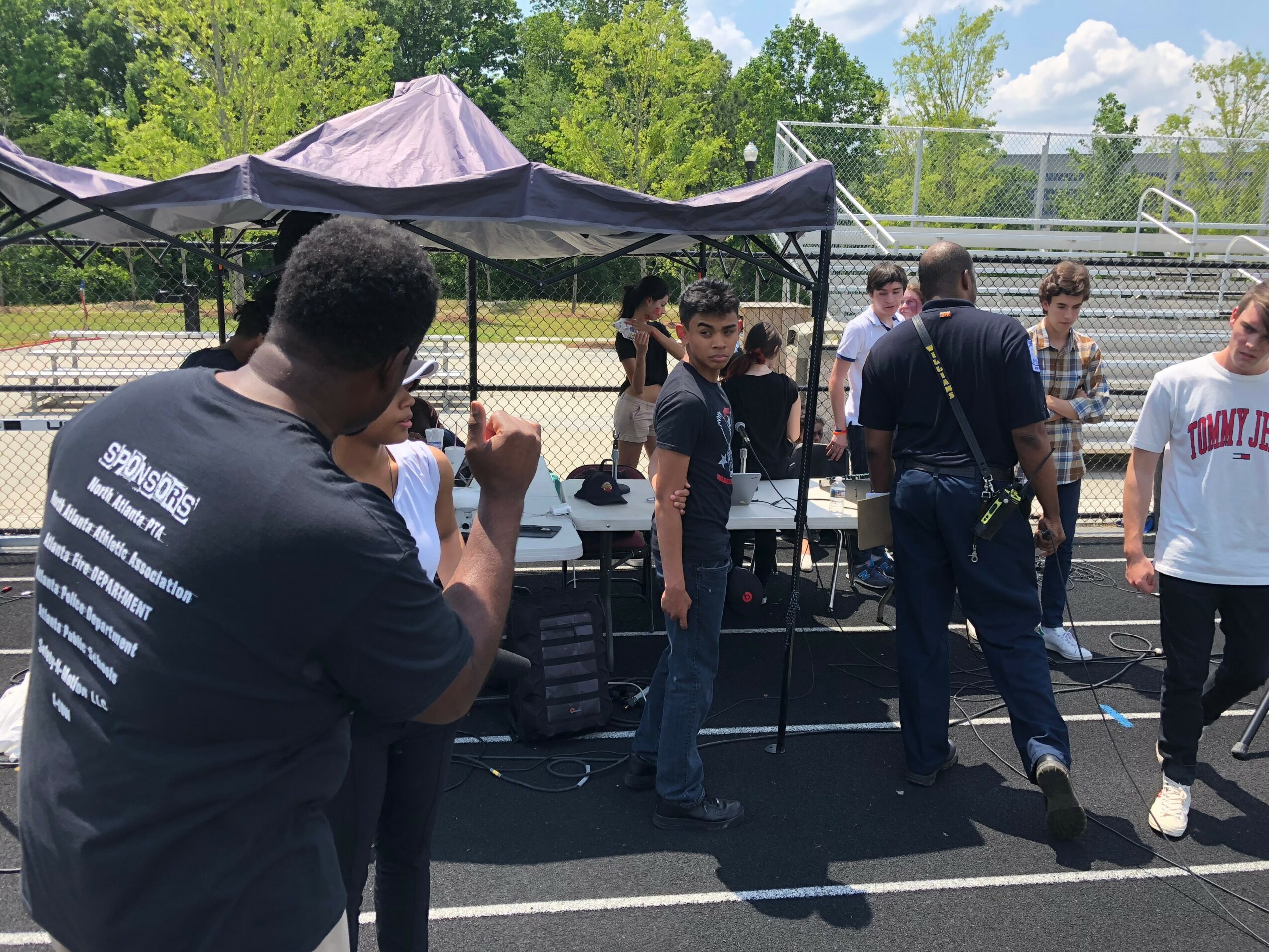
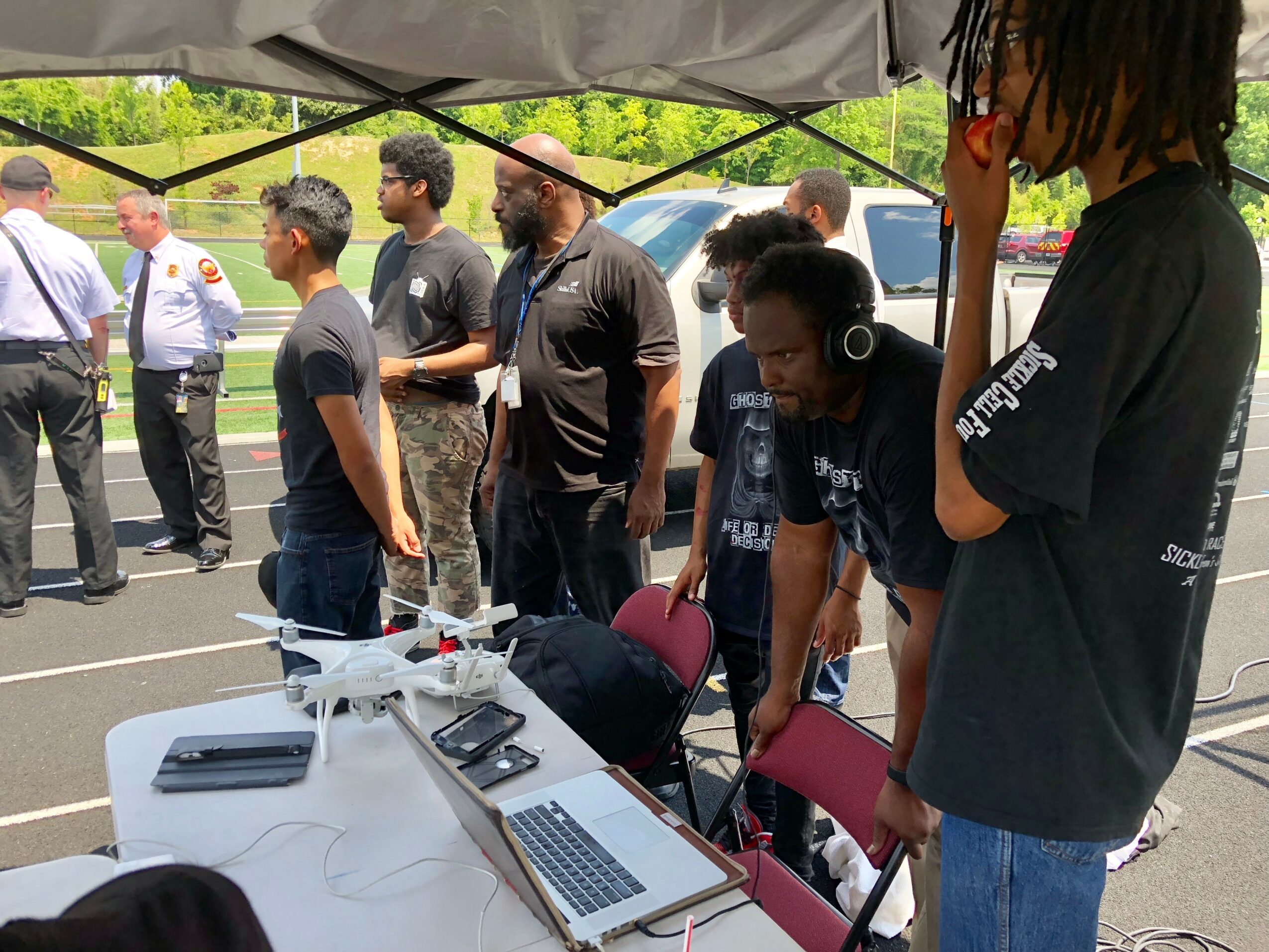
I helped develop Safe Communities coalitions across multiple counties throughout the metropolitan Atlanta area, bringing together local leaders, law enforcement, educators, and health professionals to address these issues head-on. At the same time, National Highway Traffic Safety Administration partnered with Ford to distribute millions of car seats nationwide, and we played a role locally in supporting that effort—getting resources directly into the hands of families who needed them most.
Those early experiences laid the foundation for everything I do today. They taught me how to lead, how to educate, and how to build programs that truly impact lives. What started as uncertainty turned into purpose—and that purpose continues to drive my work in safety, education, and community impact today.
Can you talk to us a bit about the challenges and lessons you’ve learned along the way. Looking back would you say it’s been easy or smooth in retrospect?
One of the biggest transitions—and challenges—in my career came when I moved from the Fulton County Health Department to the Georgia Governor’s Office of Highway Safety. I was recruited by the state to help lead a new wave of public safety initiatives driven by a federal push to improve the lives of everyday Americans through prevention and education. For me, this was everything I had studied—public health, safety, and community impact all coming together in real time.
Despite encouragement from friends and colleagues to stay where I was, I chose to take the challenge head-on. I wanted to grow, and I wanted to be part of something bigger. But stepping into that environment, I quickly realized there was a lot I didn’t know—especially when it came to navigating organizational dynamics and office culture.
It wasn’t that the environment was negative—it was that I had to mature. I had to learn how to read the landscape, understand different leadership styles, and recognize that experience doesn’t always look the way you expect it to. Early on, I thought I had to prove myself by always having the answers. Over time, I learned the power of slowing down, listening more, and being open to growth. It was a humbling experience, but one that helped me better understand my strengths, my weaknesses, and who I wanted to become as a professional.
That period pushed me to grow not just as a leader, but as a person.
At the same time, it was one of the most impactful and exciting chapters of my career. I had the opportunity to lead and support a wide range of safety initiatives—teen driving programs, bicycle and pedestrian safety, motorcycle awareness, and even partnerships tied to major platforms like NASCAR. One of the highlights was organizing a 1,000-mile motorcycle safety ride across Georgia, Alabama, and Florida, which helped elevate awareness and contributed to messaging like “Look Twice, Save a Life” appearing on digital highway signs.
We also helped bring energy and innovation to safety campaigns—developing teen driver programs, promoting scooter safety, and supporting early efforts that contributed to the growth of the Atlanta Bicycle Coalition through funding and community awareness events like night rides.
I made my share of mistakes during that time—but those mistakes became some of my greatest teachers. They helped shape how I lead today, how I communicate, and how I approach both people and purpose.
Appreciate you sharing that. What else should we know about what you do?
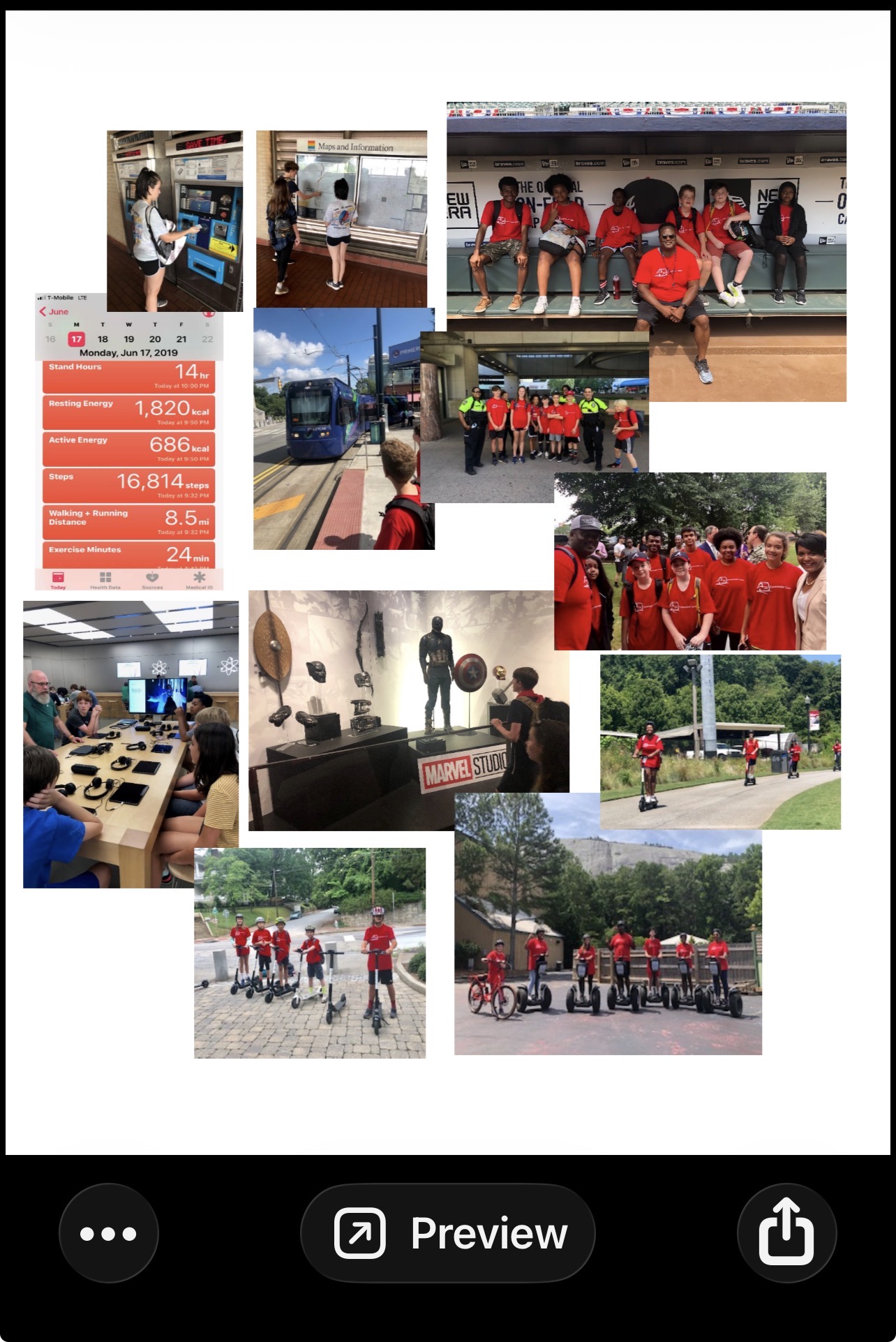
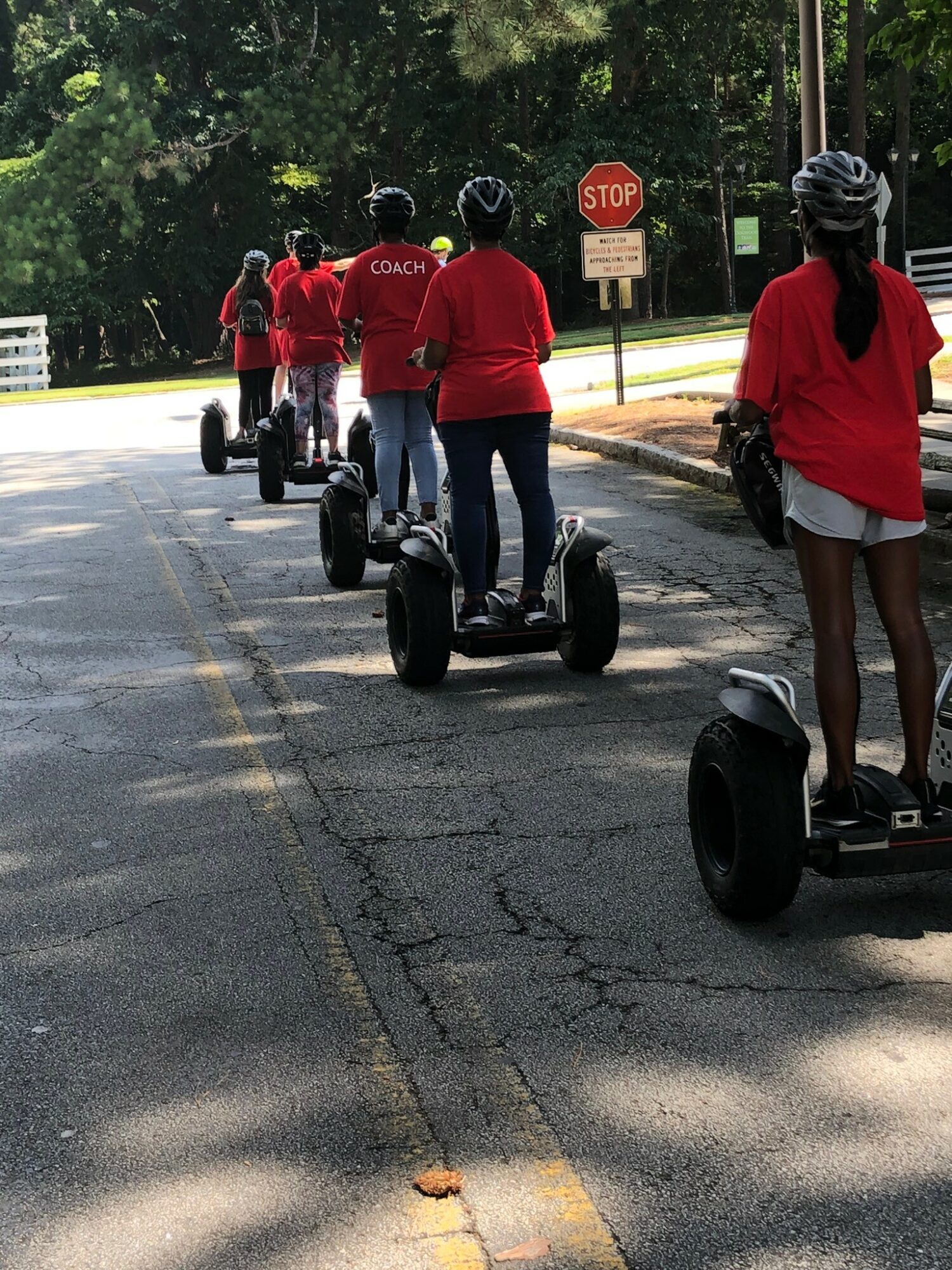
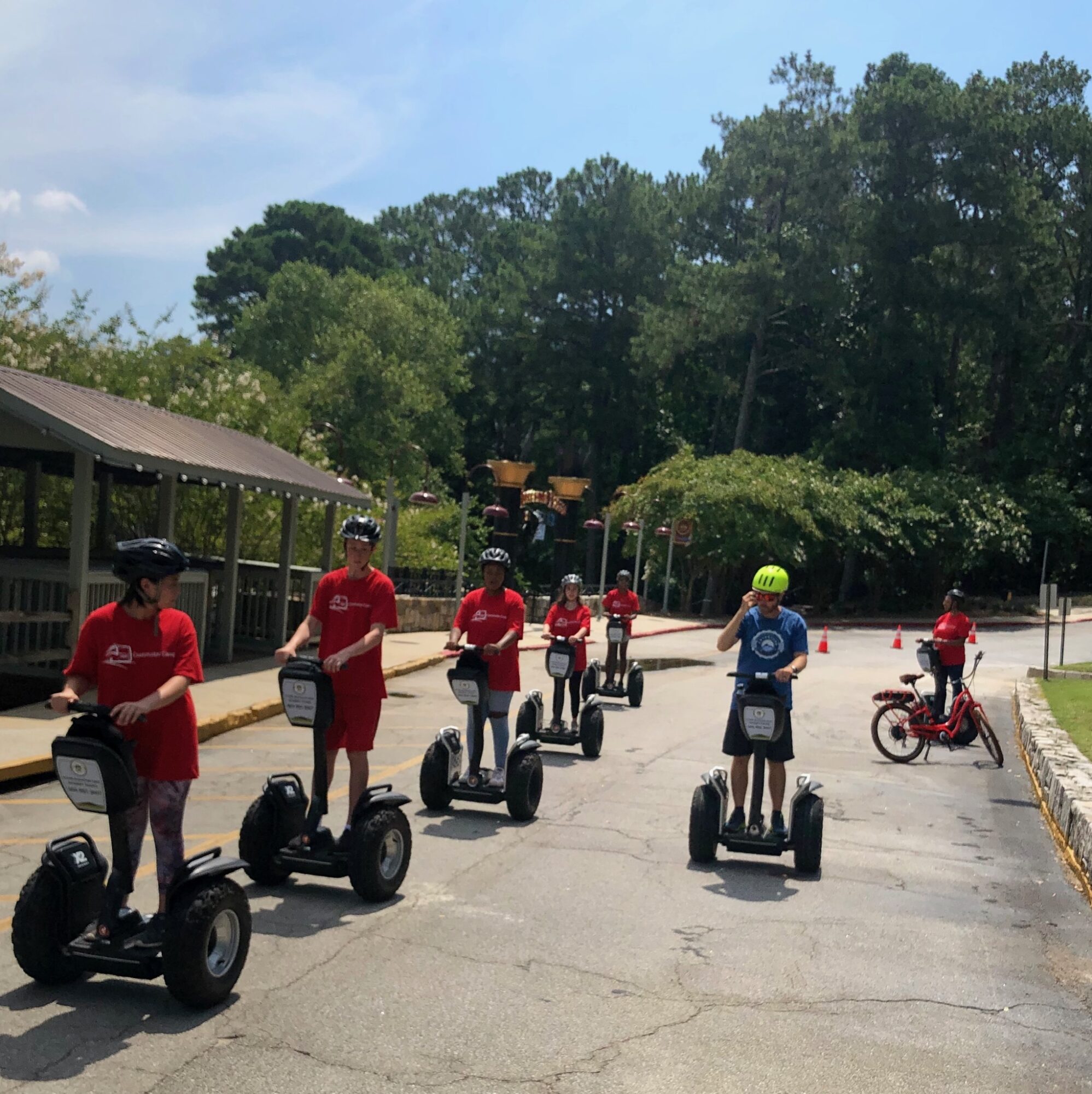
One of the most meaningful initiatives I’ve created is Commuter Camp, a program my wife and I launched after realizing our own child lacked opportunities to navigate the city independently. While there were plenty of structured activities—school trips, sports, and supervised events—there was very little that required real-world decision-making. We wanted to change that. Commuter Camp is a four-week summer experience designed to help pre-teens build independence, confidence, and critical thinking skills while exploring the city of Atlanta.
Rooted in my background as a health educator with the Fulton County Health Department and my work in highway safety, the program blends adventure with practical life skills. Each day begins and ends using the Metropolitan Atlanta Rapid Transit Authority (MARTA), where campers learn how to navigate bus routes and rail lines, reload Breeze cards, use transit apps, and plan their own routes safely and efficiently. They also receive hands-on guidance in personal safety, supported by daily briefings from MARTA Police.
Unlike traditional camps, Commuter Camp is built around movement and exploration. Campers travel across the city using multiple modes of transportation—including biking, hiking, e-scooters, and public transit—while discovering Atlanta’s landmarks, technology, and culture. From BeltLine adventures to scavenger hunts, each day is designed to promote independence, social connection, and real-world awareness.
To date, we’ve introduced more than 60 young riders to Atlanta’s transit system, equipping them with skills they can carry into high school and beyond. For me, Commuter Camp represents more than a summer program—it’s about preparing the next generation to move through their city with confidence, awareness, and purpose.
How do you think about happiness?
What truly makes me happy is seeing growth—especially when someone goes from uncertainty to confidence.
Whether it’s a teen driver who starts off nervous and unsure but eventually makes decisions on their own with clarity, or a young person learning how to navigate the city independently through programs like Commuter Camp, those moments mean everything to me. I’ve always believed that confidence comes from preparation and experience, and being a part of that transformation is incredibly rewarding.
My background in public health—starting with the Fulton County Health Department and later working with statewide safety initiatives—taught me that education can truly change lives. Today, I get to see that impact up close and in real time. It’s not just theory—it’s real people making better decisions that keep them safe.
I also find a lot of joy in building something meaningful. Whether it’s growing my business, developing new programs, or creating opportunities for families and communities, there’s a sense of purpose in knowing that the work I do matters beyond just the moment.
And honestly, I enjoy being out there—on the road, in the community, working with people face-to-face. In a world that’s becoming more digital and disconnected, I value those real human interactions. Seeing a student succeed, hearing a parent say they feel more at ease, or watching a young person gain independence—that’s what fulfills me.
At the end of the day, happiness for me comes from impact—knowing that what I do helps someone else move through life a little safer, a little smarter, and a lot more confident.
Pricing:
- Pricing Information • Teen Driver Package (Basic) – $500 Includes 6 hours of behind-the-wheel training (3 sessions × 2 hours). Ideal for students with prior driving experience who need skill refinement and test preparation. • Road Ready Package – $500 Includes 6 hours of driving plus Joshua’s Law online course. Designed for teens completing Georgia licensing requirements. • Ultimate Confidence Package – $650 Includes 10 hours of behind-the-wheel training (5 sessions). Best for new or less experienced drivers needing more hands-on practice. • Elite Driver Package – $1,100–$1,260 Comprehensive program designed to help students reach 40 hours of driving experience. Includes extended training and road test preparation. • Road Test Service – $200 Use of instructor vehicle and guidance for the Georgia road test. • Defensive Driving Course – $95 Classroom-based course for licensed drivers; may help with insurance discounts. • Monthly Maintenance Package – $125/month Includes two 1-hour sessions per month to reinforce skills and maintain confidence. • Commuter Camp (Summer Program) – Pricing varies 4-week program focused on transit training, independence, and city navigation skills for pre-teens. • Parent Coaching App (Launching Summer 2026) – $29–$49/month A new digital platform designed to help parents track driving progress, set milestones, and coach their teens with confidence. Be on the lookout for its official release.
- 🟢 Starter Confidence Package – $500 • 6 Hours Behind-the-Wheel (3 sessions)
- Road Ready Package – $650 • 10 Hours Behind-the-Wheel (5 sessions)
- Ultimate Confidence Package – $895 • 14 Hours Behind-the-Wheel (7
- Teen Driver + Parent Course (Digital) – $29–$49/month • App-based coaching (your upcoming product)
Contact Info:
- Website: https://safetynmotion.com/
- Facebook: https://www.facebook.com/share/1DWQeEx6ma/

Popular
-

Hidden Gems: Local Businesses & Creatives You Should Know
-

ATL’s Most Inspiring Stories
-

Portraits of Atlanta
-

Asha Ford on Building Krystal Klear Motion and Creating Purpose-Driven Design for Women
-

Truth in Every Verse: Jay Erve on Identity, Experience, and Creating Art That Lasts
-
Closing the Hidden Gap: M-T Strickland on Rethinking Youth Athlete Development Beyond the Field