






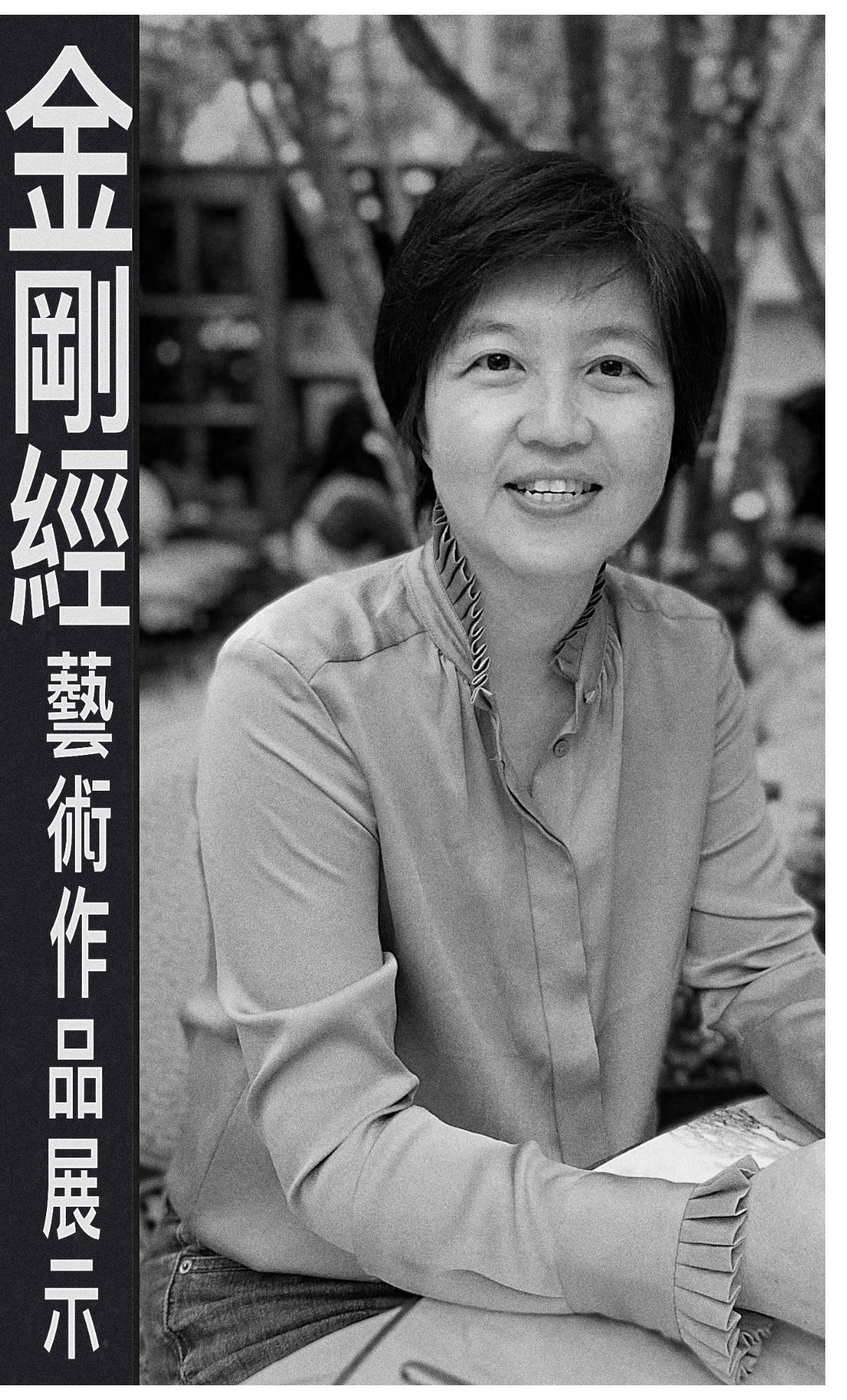
Today we’d like to introduce you to Leng Kar Chang.
Hi Leng Kar, can you start by introducing yourself? We’d love to learn more about how you got to where you are today?
My journey began through a deep love for art, which gradually became more than creative expression—it became a path of inner cultivation. Over time, I came to see art as a bridge between traditional wisdom and contemporary life, allowing both myself and others to experience stillness, clarity, and compassion through the creative process.
This vision led me to establish SKA Academy of Art and Design, an education initiative dedicated not only to developing artistic skills, but also to nurturing mindfulness, character, and a sense of purpose in students. Through teaching and community engagement, I have worked with students of diverse backgrounds, including those from underserved communities, using art as a tool for growth and connection.
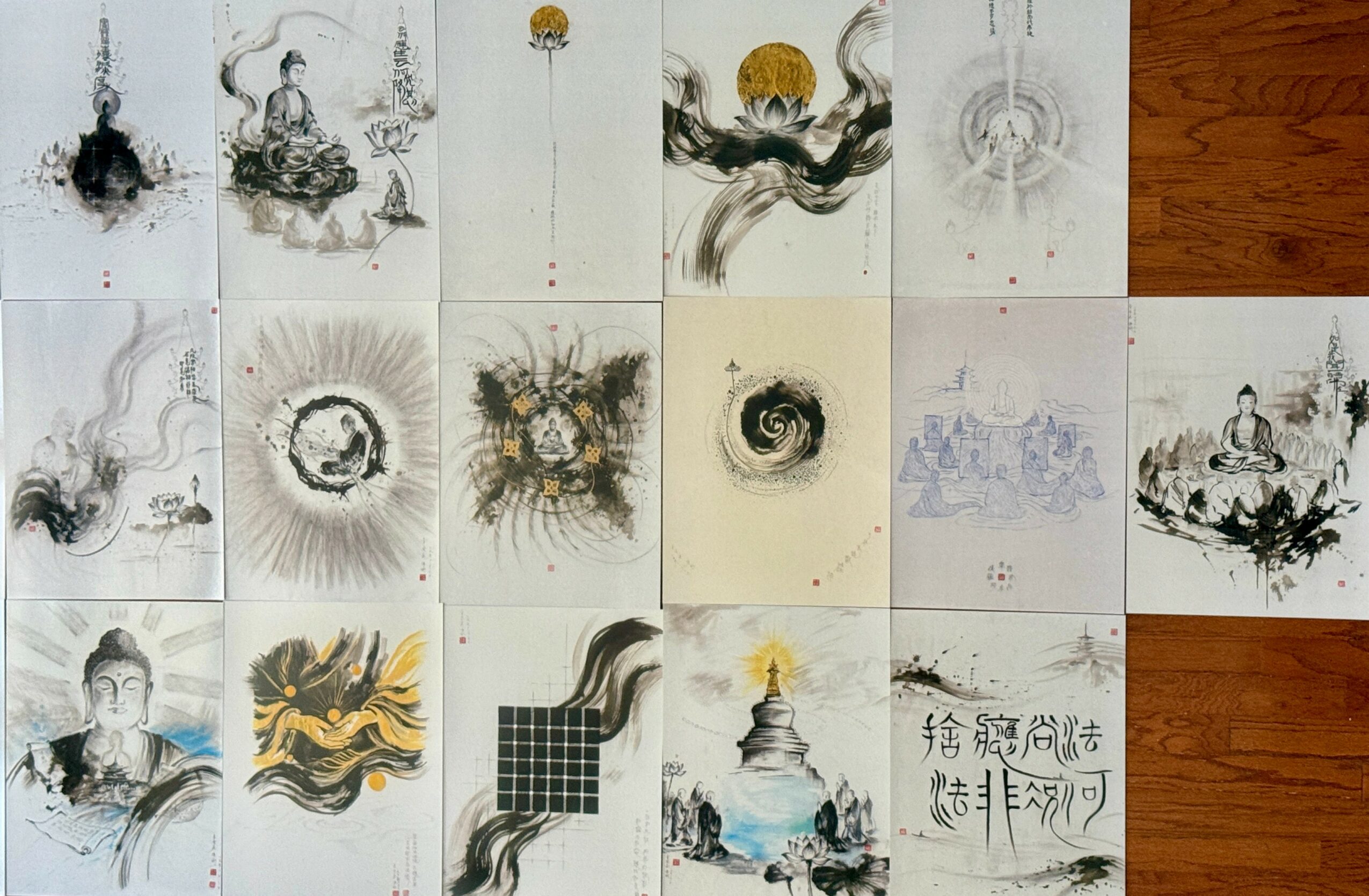
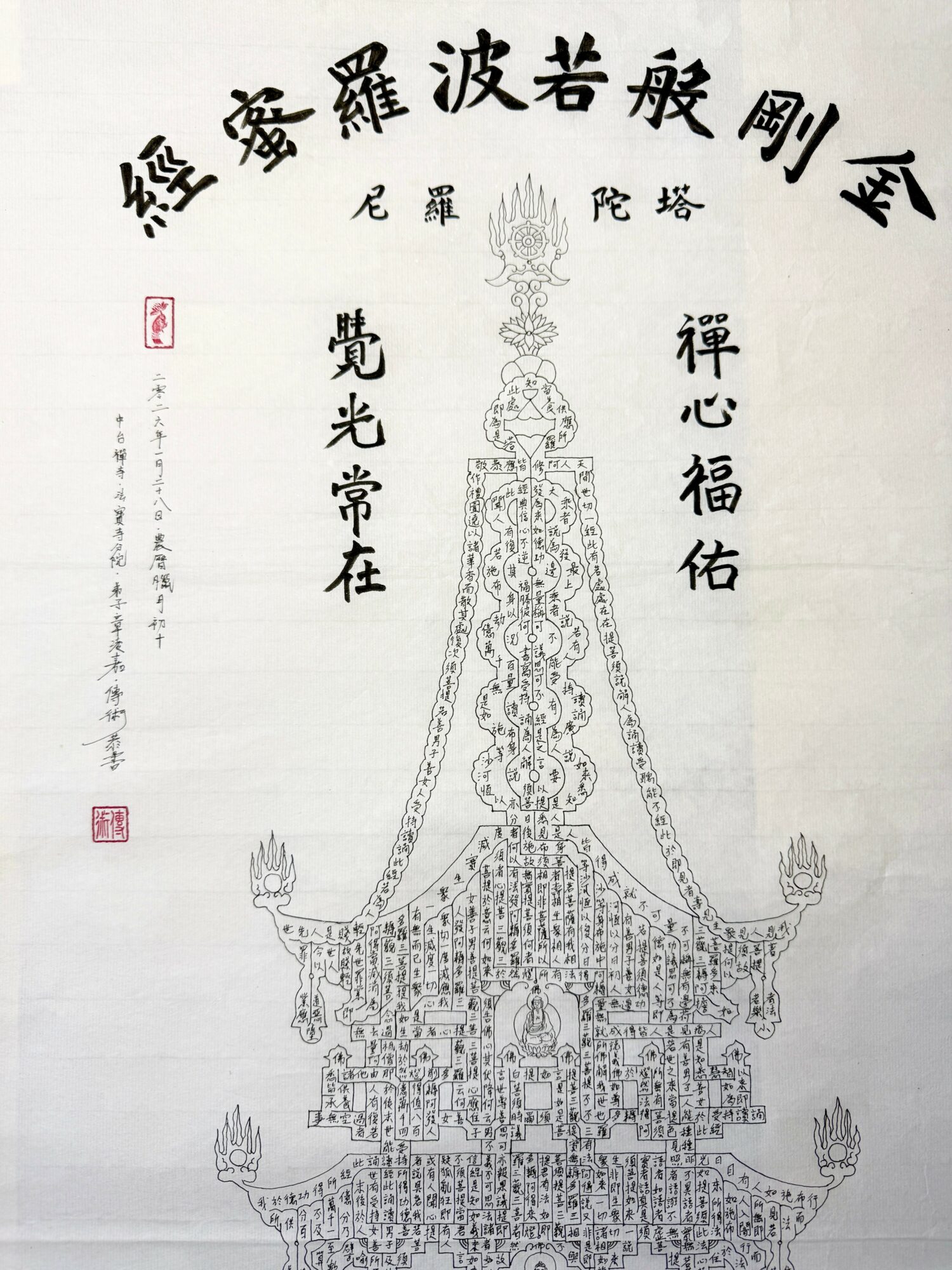
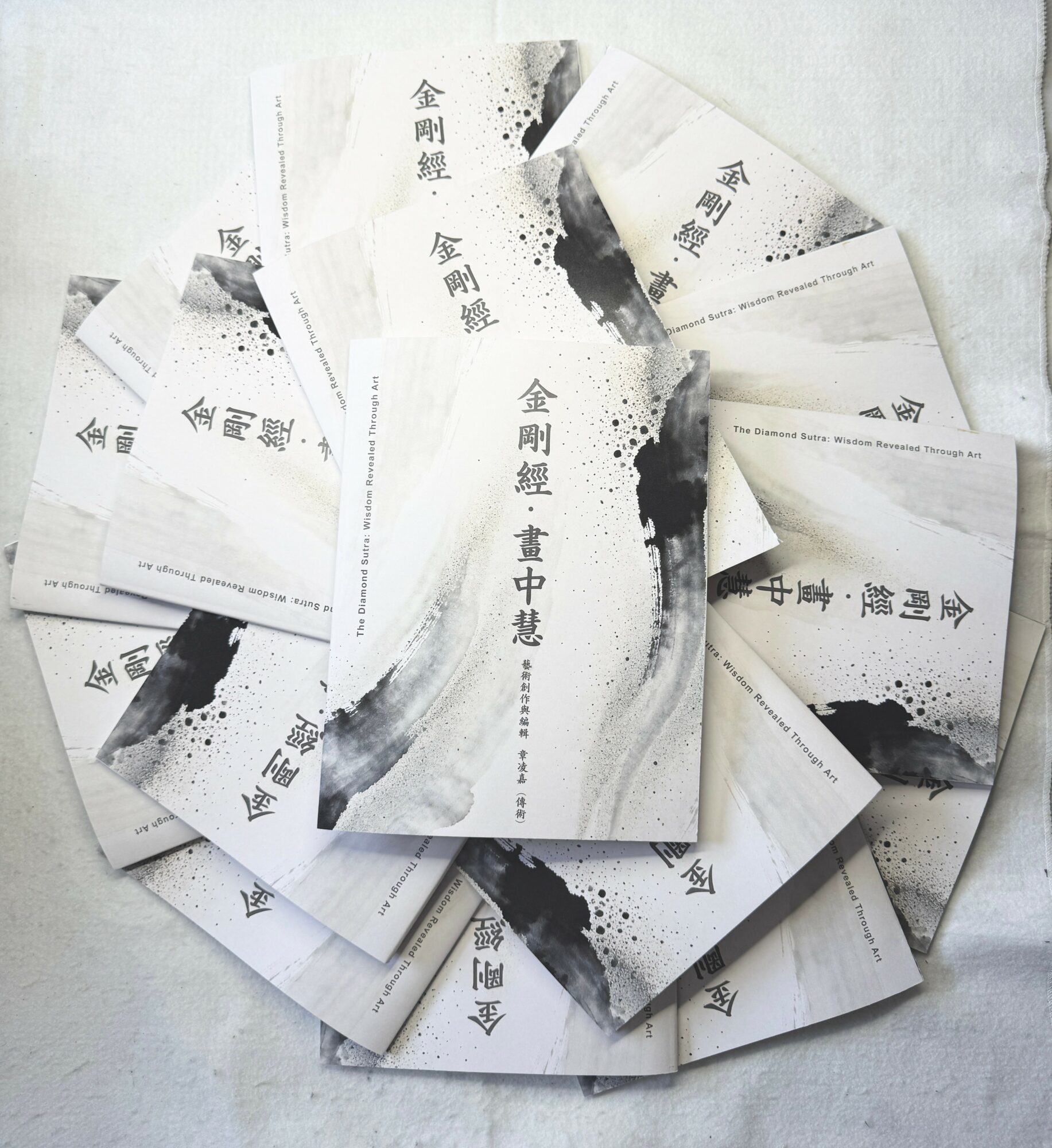
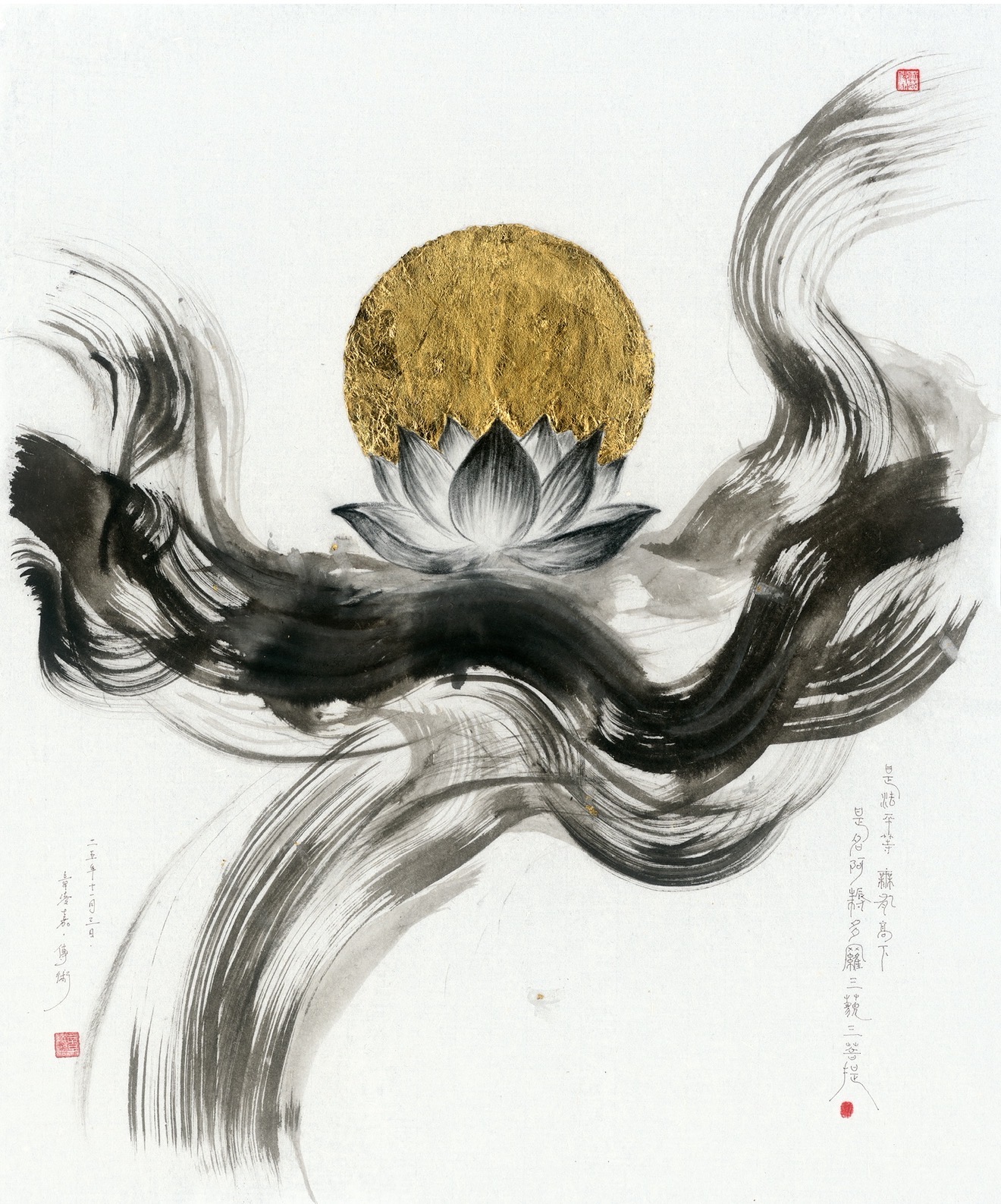
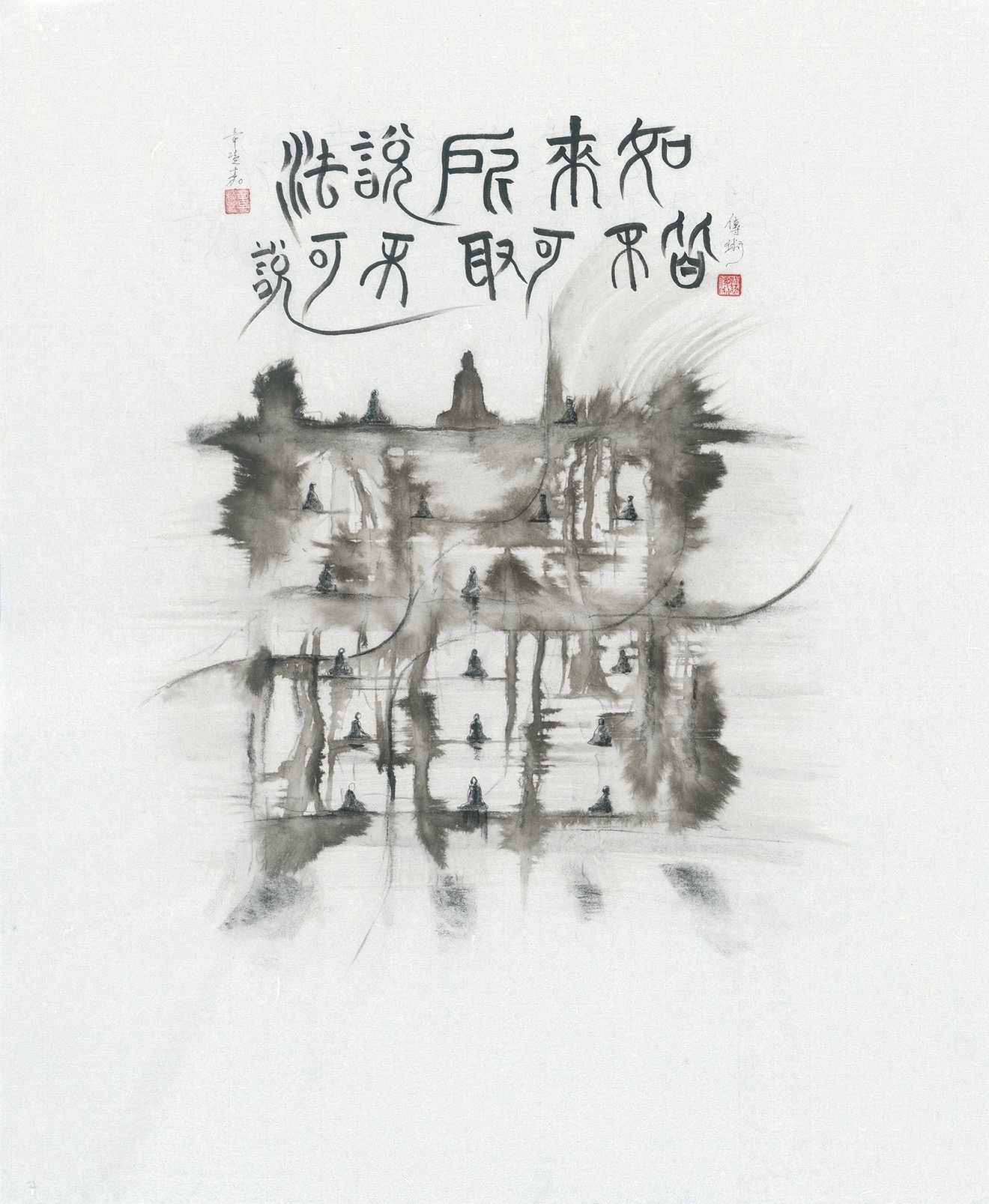
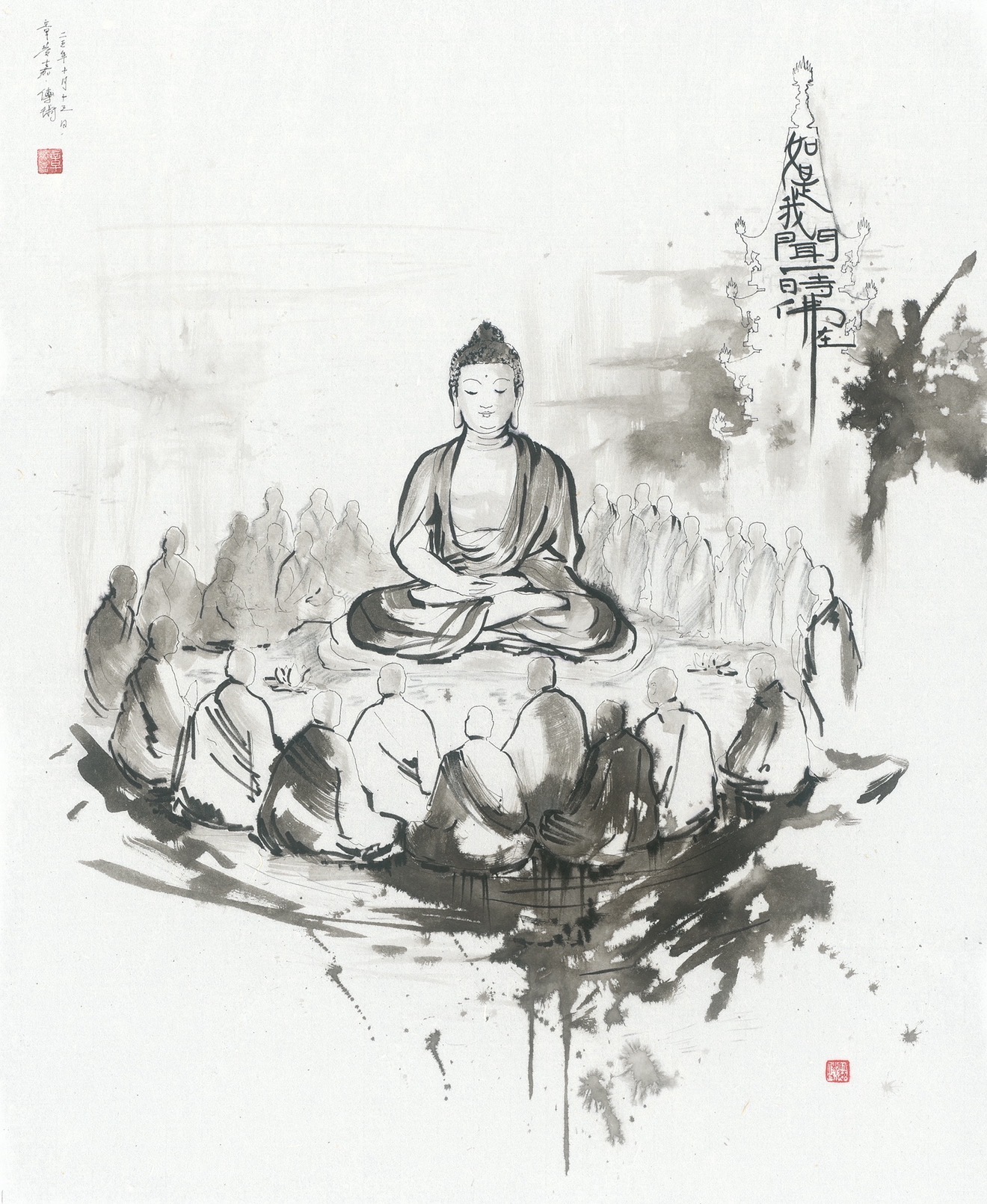
Alongside my work in education, my personal meditation practice deepened, especially through my engagement with the Diamond Sutra. This inspired me to create and publish an illustrated book based on the sutra, translating its profound teachings into visual form. The project became a meaningful offering—making ancient wisdom more accessible and relatable to modern audiences.
Today, my work continues to integrate art, education, and spiritual practice—whether through teaching, publishing, or community projects—with the aspiration to cultivate both creative excellence and inner awareness in everyday life.
Would you say it’s been a smooth road, and if not what are some of the biggest challenges you’ve faced along the way?
It has not been a completely smooth road—though every challenge has been part of the learning.
In building SKA Academy of Art and Design, one of the main struggles was balancing vision with reality. I wanted the academy to be more than just an art school—it had to carry values like mindfulness, discipline, and compassion. Communicating this deeper purpose to students and parents, while still sustaining the business side of education, required patience and constant adjustment. There were also practical challenges—building a stable student base, managing operations, and maintaining quality teaching while growing.
The journey of developing the Diamond Sutra illustrated book brought a different kind of challenge—more internal than external. The teachings of the sutra are profound and subtle, so translating them into visual form required not just artistic skill, but sincere contemplation and understanding. There were moments of doubt—questioning whether I was truly doing justice to the depth of the teaching. It took time, stillness, and continuous refinement to allow the work to mature naturally.
At times, managing both the academy and the publication project simultaneously was demanding. But looking back, these challenges were not obstacles—they were part of the path, shaping both the work and my own practice. They taught me resilience, clarity of intention, and the importance of staying grounded in purpose.
Alright, so let’s switch gears a bit and talk business. What should we know about your work?
My work sits at the intersection of art education, contemplative practice, and community engagement. Through SKA Academy of Art and Design, I focus on guiding students not only in developing strong artistic foundations, but also in cultivating focus, sensitivity, and inner awareness. My approach goes beyond technical training—I see art as a way to nurture the whole person.
I would say I specialize in integrating creativity with mindfulness. Whether I’m teaching, designing curriculum, or working on community projects, the intention is always the same: to use art as a bridge—connecting skill, self-understanding, and a deeper sense of meaning.
One of the works I am most proud of is my illustrated “The Diamond Sutra: Wisdom Revealed Through Art” publication. This project is especially close to my heart because it grew out of years of meditation practice and personal study. The Diamond Sutra is known for its profound and subtle teachings on emptiness and non-attachment, which can be difficult to access through text alone. Through illustration, I sought to translate these teachings into visual language—creating images that gently invite reflection rather than simply explain concepts.
What makes this work unique is that it is not purely artistic, nor purely religious—it is experiential. Each illustration is created as a form of practice, with the hope that viewers can encounter the teaching directly through stillness and observation. The book has also been shared as a form of offering, making the wisdom of the sutra more accessible to a wider audience, including those who may not normally engage with traditional texts.
What sets my work apart overall is this integration. I do not separate art from life, or creativity from cultivation. Whether in the classroom or through publications, my work is grounded in the belief that art can be a quiet but powerful path toward clarity, compassion, and inner transformation.
We love surprises, fun facts and unexpected stories. Is there something you can share that might surprise us?
Something that may surprise people is that, although my work is centered around art and teaching, much of what I create actually comes from stillness rather than constant activity.
People often see the finished works—whether through SKA Academy of Art and Design or “The Diamond Sutra: Wisdom Revealed Through Art”—and assume it is the result of continuous production or inspiration. But in reality, a large part of my process is quiet observation, reflection, and even stepping away from creating.
There are periods where I intentionally do not draw or design, and instead focus on meditation and inner cultivation. It is during these quieter phases that the direction of my work becomes clearer. By the time I return to creating, the ideas feel more natural and grounded, rather than forced.
Another thing many people may not realize is that I don’t see the Diamond Sutra illustration book as a finished achievement. To me, it is part of an ongoing practice—a reflection of where my understanding was at that moment in time. In that sense, the work continues to evolve as I do.
So while my work may appear structured from the outside, internally it is guided more by listening, patience, and allowing things to unfold naturally.
Contact Info:
Popular
-

Hidden Gems: Local Businesses & Creatives You Should Know
-

ATL’s Most Inspiring Stories
-

From Showing Up to Seeing His Face on a Billboard: Anthony Green Is Just Getting Started
-

Portraits of Atlanta
-

Wayne Smith Jr on Survival, Psychological Thrillers, and the Cost of Staying Alive
-

Meet Laya Hoffman | Award-Winning Voice Actor, Live Announcer & Champion for Authentic Storytelling