






Today we’d like to introduce you to Drew McLeod.
Alright, so thank you so much for sharing your story and insight with our readers. To kick things off, can you tell us a bit about how you got started?
Ever since I was in middle school I always wanted to be an entrepreneur. Before middle school I had many of the same aspirations as other kids of the 90’s, astronaut, professional chef, NBA player, etc. I remember two main influences that changed my trajectory. The first was when my computer teacher in 7th grade had us play a game called “Cashflow for Kids”. It taught us about buying assets, creating cashflow, and escaping the “rat race”. The second influence was when one day my Aunt from my dad’s side of the family told me “Drew, you’re never going to make any real money unless you sign your own paychecks”. I’m not sure about the order of these two events, but I remember at home one day I told my parents that “they worked for someone and one day I was going to be my own boss!”. From that time onwards being “my own boss one day” has been an immutable part of my identity.
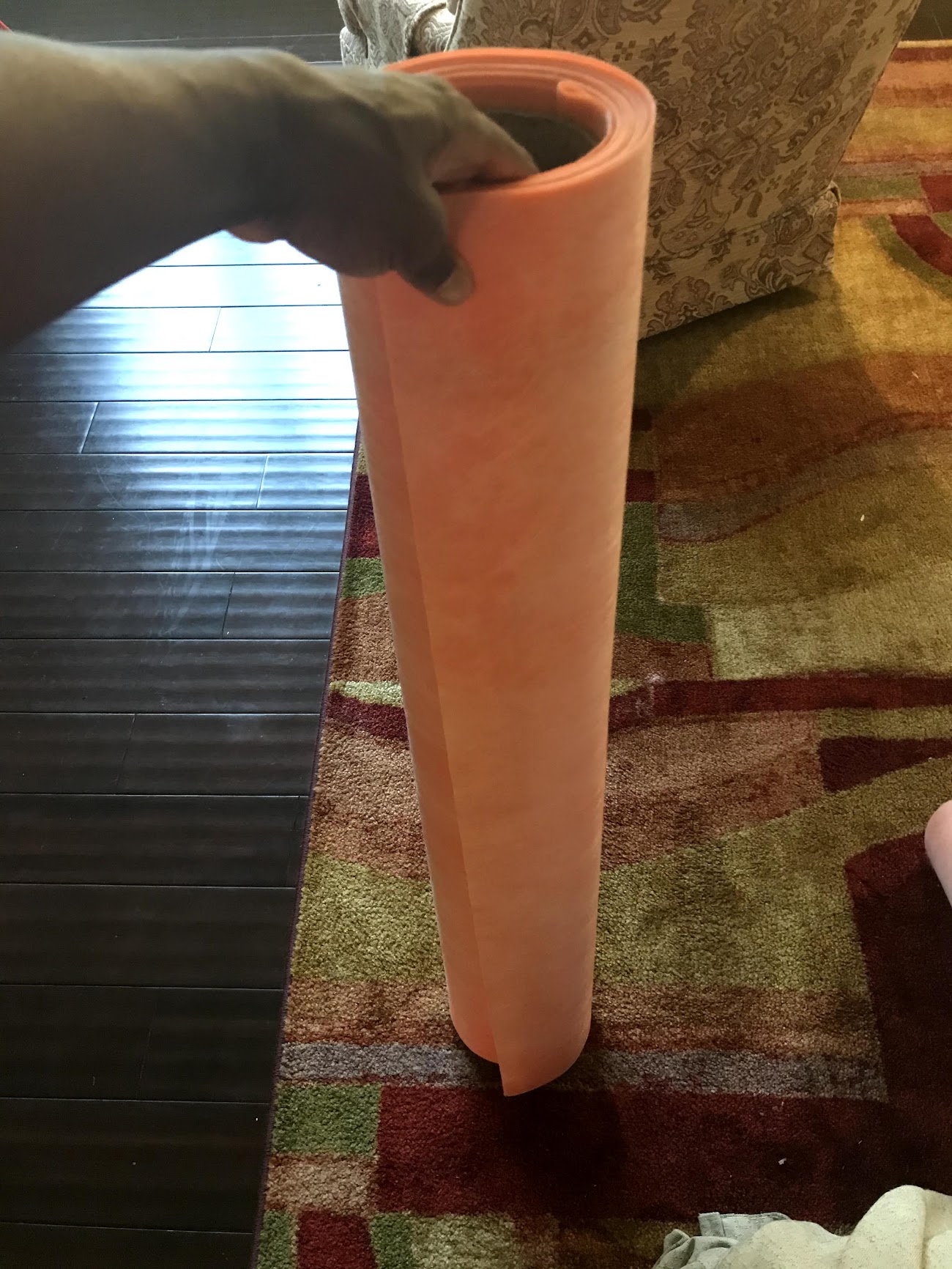
Fast forward over 20 years later and since then I’ve started and quit/failed several businesses ranging from wholesaling real estate, selling “Make the SEC Great Again” college football t-shirts (seemed like a great idea in 2016), throwing an all-you-can-drink Crown Royal party called Take The Crown (modeled after Hennypalooza), buying and flipping raw land, selling waterproof membranes on Amazon that I bought from China, part-owning Renegade Golf, the golf company (prior Voyage article), trying to be a crypto Tik-Tok influencer, and even running an Airbnb. Today I run a company that connects buyers and seller of authorized-user tradelines, and it’s probably the most obscure business so far.
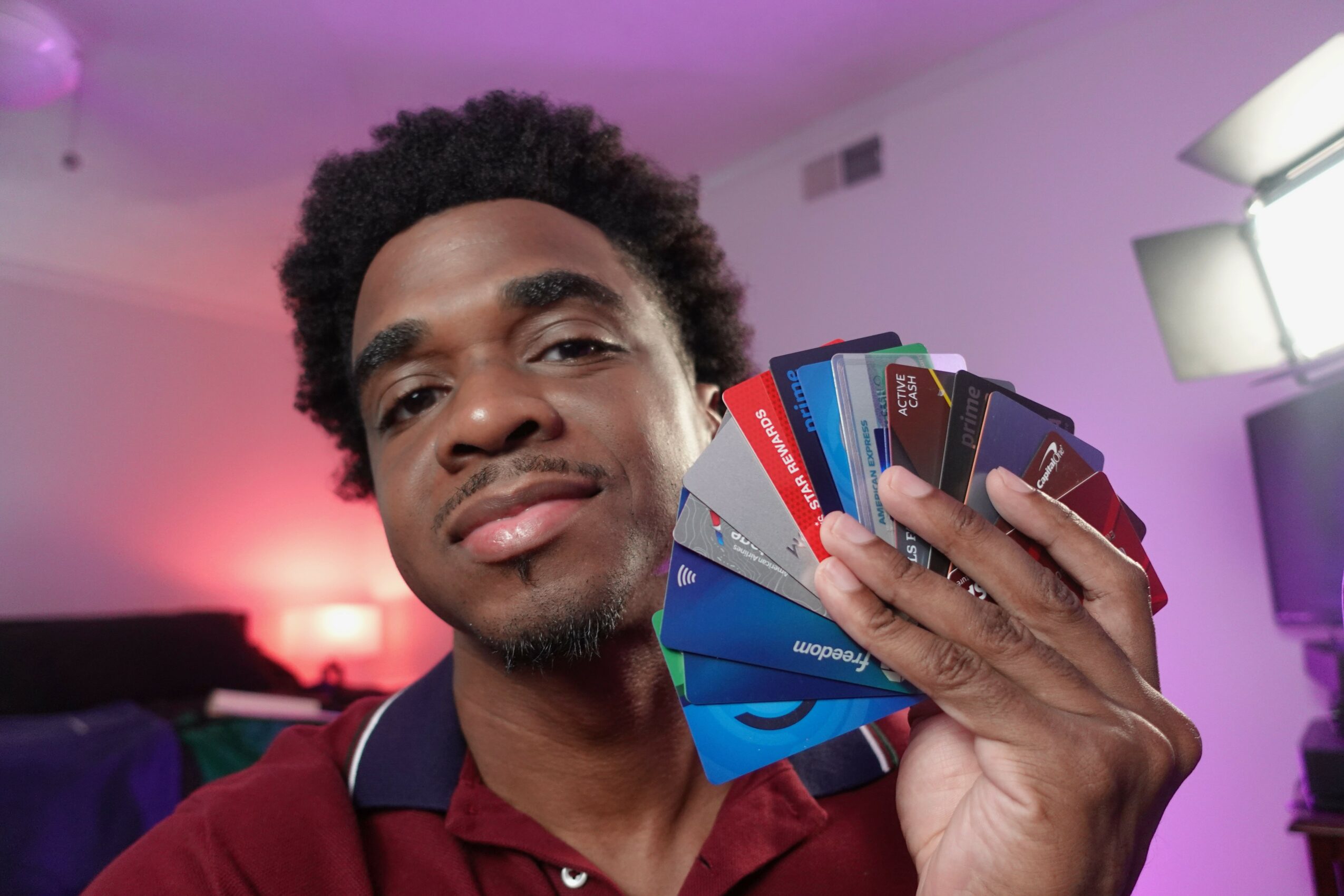
Back near the end of 2020 I listened to a podcast where a guy explained that people were willing to pay money to be added as an authorized user to your credit cards. He said that just like how parents add their kids to credit cards to give them a head start on establishing good credit, adults also use this credit score loophole when they don’t have someone that allows them to be added as an AU for free.
This concept blew my mind at the time and I personally had about 9 credit cards (I was a total credit nerd) so it felt like it was right up my alley. I was already running 3 businesses, plus 2 Airbnbs, and driving Lyft, so one more side hustle couldn’t hurt, right…….right?! After many years of failed businesses I had developed a feel for what good and bad business models were, and I reaped after a couple of years that I should just go all-in on this tradeline business. So for the past 2 years that’s what I’ve tried to do. I got a little distracted last year (old habits die hard), but since last fall I feel like I’m catching my stride and gaining momentum.
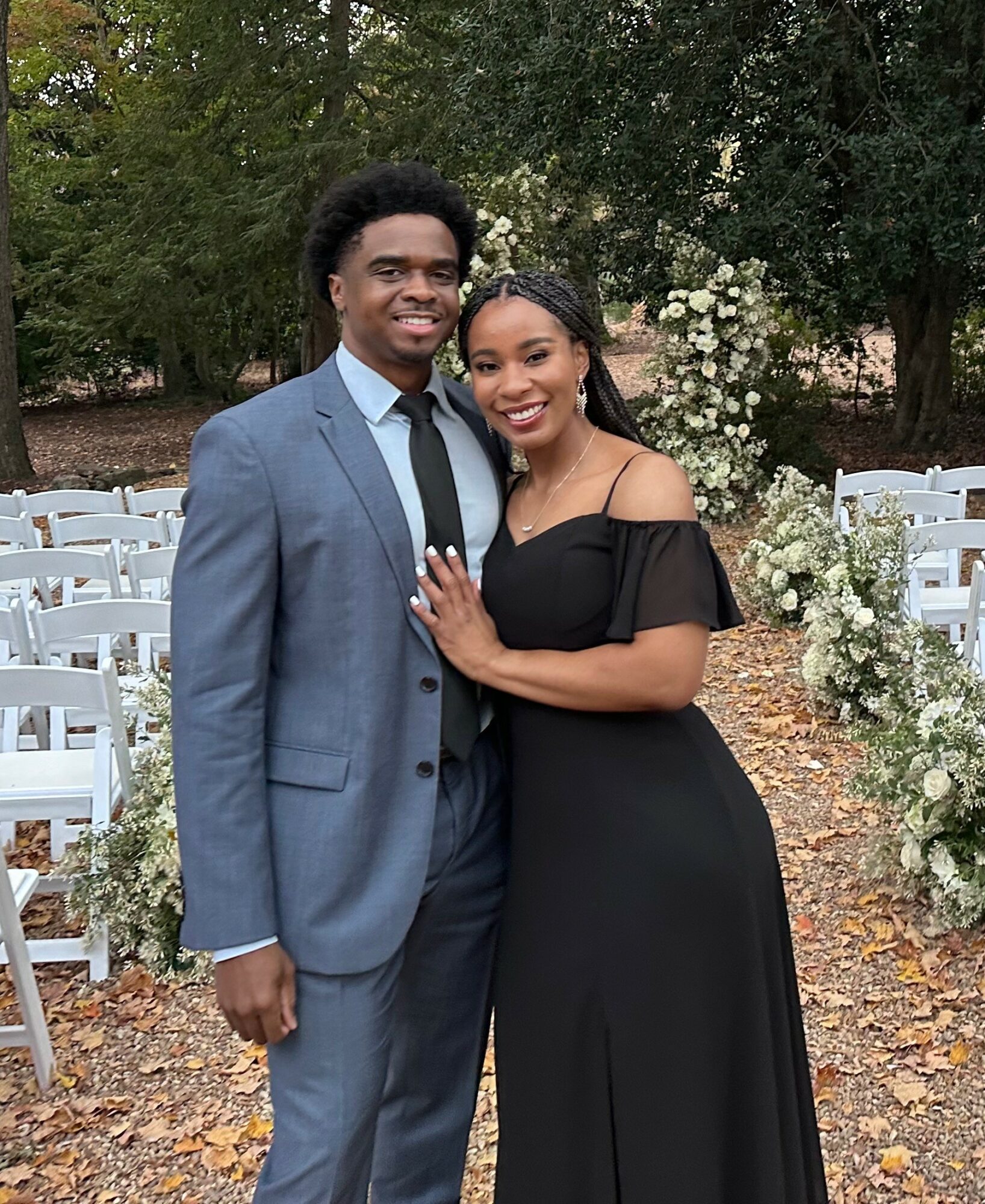
As someone who’s about to get married to the love of my life in August, I really can’t afford to mess around anymore.
Can you talk to us a bit about the challenges and lessons you’ve learned along the way. Looking back would you say it’s been easy or smooth in retrospect?
There have been plenty of ups and downs. I used to work as a financial analyst at Mercedes-Benz and I have ADHD so when I left my job in 2019 to be a full-time entrepreneur it wasn’t easy for me to be organized and structured on my own at first. I’ve had to improve a lot of my bad habits and learn so much about different businesses. The main thing I’ve learned in the value of focus. Getting the ball rolling on a business is extremely difficult and trying to get 3-4 balls rolling when you don’t have a lot of money felt almost impossible.
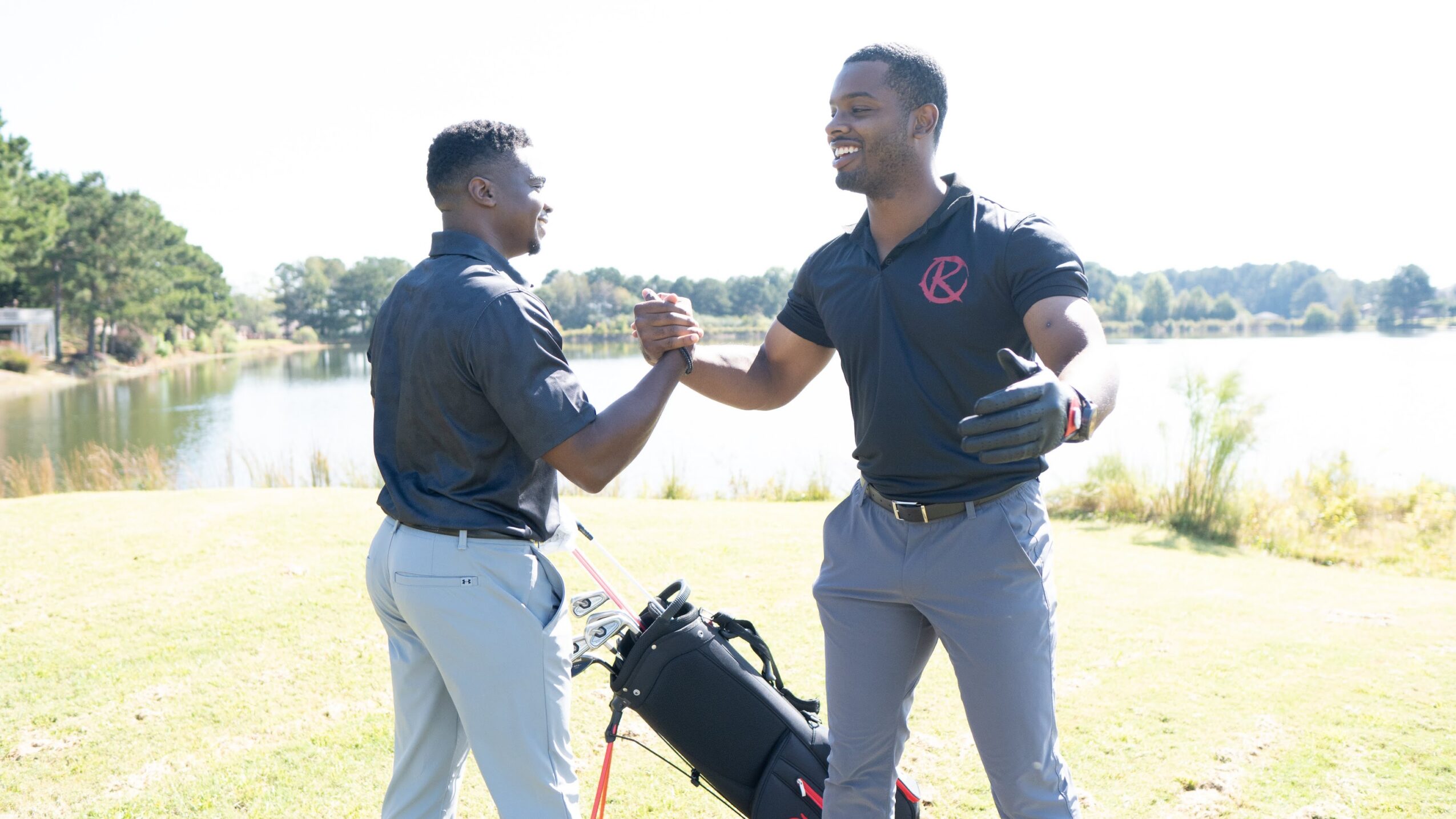
My involvement in Renegade Golf also didn’t work out as well as I would have liked since my business partner and I didn’t see eye-to-eye on our strategic direction of the business. Being in a business partnership with someone is a special relationship and you don’t get any practice and people barely talk about how to do it the right way. My business parter had a nice consulting job at the time and I had left my job already, and if anyone who’s reading this as ever run a business where you need to manage inventory you know that it isn’t feasible to pay yourself a salary unless you have massive operating margins. Since my partner was heavy into golfing, we had decided to split up our holding company with him taking majority shares in Renegade, and I took majority shares in the Amazon business (waterproofing membrane).
Since then I think we’re both better off and it’s been cool to see how much golf has grown in popularity since we started the business back in 2019. Our thesis about being a millennial/gen-z centric golf brand was spot on and I can see a bright future for Renegade.
That’s probably the most painful experience since it put a strain on our once-strong friendship.
Alright, so let’s switch gears a bit and talk business. What should we know?
As I stated before, my business connects buyers and sellers of authorized-user tradelines, so I serve people in the credit repair industry and individuals who need a temporary boost in their credit score so that they can get more favorable terms on various loan products like cars, homes, etc. With interest rates being so high nowadays, your credit score is more important than ever.
The thing I’m most proud of brand-wise is that I refuse to sell my product to people that don’t need it. If you have a collections account or missed payments on your credit report, adding a tradeline isn’t going to help you get a car loan or a house. When people need credit repair or just old-fashioned credit building, I try not to sell to them but I can’t say the same thing for my competition. When you operate in an industry like mine that is heavily scrutinized by regulators, it’s usually because there are a lot of businesses that overpromised and underdelivered.
There are a lot of businessmen, big and small, that don’t try to do what’s in the best interest of their customers, from Mark Zuckerberg valuing growth over the mental health of the youth and Volkswagen’s “dieselgate”, to the local casino enabling gambling addiction, and the auto-mechanic recommending $2,000 worth of repairs that the customer doesn’t need.
I routinely turn down business in order to do what I think is right, and that’s something I’m proud of.
More Urls
Mark Zuckerberg – https://www.france24.com/en/technology/20260219-zuckerberg-defends-meta-policies-on-children-at-landmark-social-media-harm-trial
Dieselgate – https://www.bbc.com/news/business-34324772
Enabling gambling addiction – https://www.instagram.com/reels/DWRzRz3jYQx/
Auto-mechanics – https://www.cbsnews.com/news/dont-let-mechanics-sell-you-unneeded-repairs/
Do you have any advice for those just starting out?
I have a few pieces of advice for the entrepreneur just starting out.
1. Not all businesses are great businesses from an economic perspective. A business that sells Customer Relationship Management (CRM) software to accountants is going to have completely different economics, challenges, and benefits than a sushi restaurant. If you get into a business that is easy for YOU to run, you’ll be better off.
2. Selling to the rich is usually better than selling to the poor. They pay better and complain less. I made this sound blunt for a reason. The purchasing power of your customer matters.
3. Having competition is a good thing. It means people are willing to buy what you’re selling. Having bad competition is even better.
4. Having people know that you exist and then providing good customer service is the name of the game. The biggest reason businesses fail is a lack of customers. They usually lack customers because they are unknown to their target market, so embrace every form of marketing that you can and spend at least half of your time on it every day. Trust me, it will pay off.
5. Read all of Alex Hormozi’s books more than once. They’ll give you a great head start on many of the fundamentals of business.
Contact Info:
- Website: https://tradelineexpress.co/


Popular
-

Hidden Gems: Local Businesses & Creatives You Should Know
-

ATL’s Most Inspiring Stories
-

Portraits of Atlanta
-

Asha Ford on Building Krystal Klear Motion and Creating Purpose-Driven Design for Women
-

Truth in Every Verse: Jay Erve on Identity, Experience, and Creating Art That Lasts
-

Closing the Hidden Gap: M-T Strickland on Rethinking Youth Athlete Development Beyond the Field