






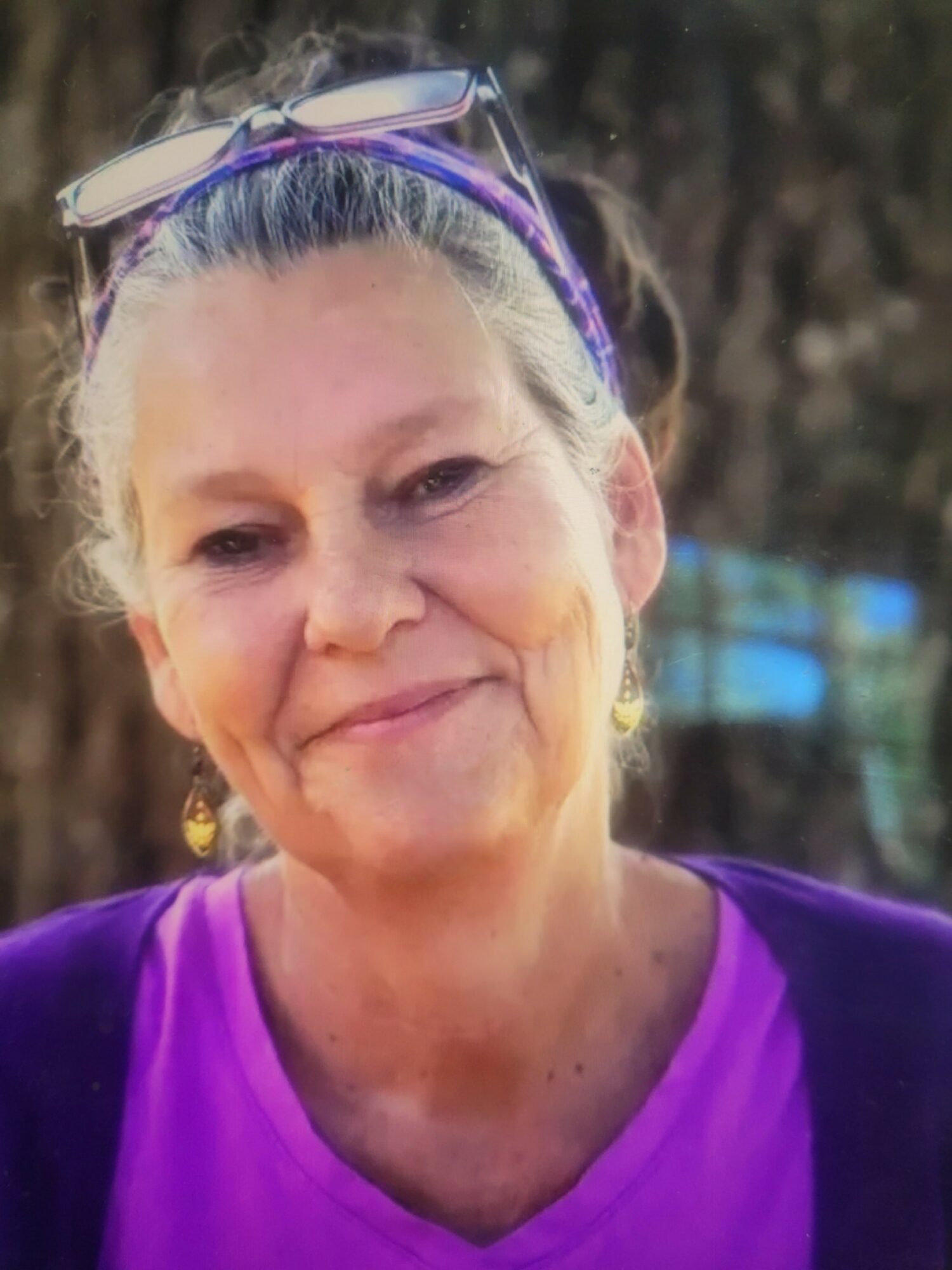
Today we’d like to introduce you to Laila Stamer.
Hi Laila, we’re thrilled to have a chance to learn your story today. So, before we get into specifics, maybe you can briefly walk us through how you got to where you are today?
The Tulip Place – Dementia Day Center is born out of one clear belief: people living with dementia still deserve joy, purpose, dignity, and meaningful connection.
I have spent more than 25 years working with people living with dementia, and over that time I saw the same problem again and again. Families were exhausted, overwhelmed, and often forced into impossible choices. Their loved one was no longer safe or thriving at home alone, but they were not ready for long-term care. And in between those two realities, there was often very little that truly fit.
Too many services focus only on decline, loss, and limitations. Too often, people living with dementia are managed instead of engaged. Caregivers are left carrying the weight with almost no relief.
My work in Amsterdam 28 years ago, through the University of Amsterdam, deeply shaped the way I see dementia care. It was there that an early day program for people living with dementia began, and I witnessed first hand a way of supporting people — one rooted in dignity, connection, and meaningful engagement. People living with dementia still needed laughter, structure, belonging, creativity, excersise and a reason to get up in the morning.
When I came to Georgia, I saw a major gap. Families needed more than supervision. They needed a place designed specifically for people living with dementia — a place that felt calm, purposeful, personal, and alive. A place where caregivers could breathe, and where their loved one could still have a good day.
That is why I founded The Tulip Place.
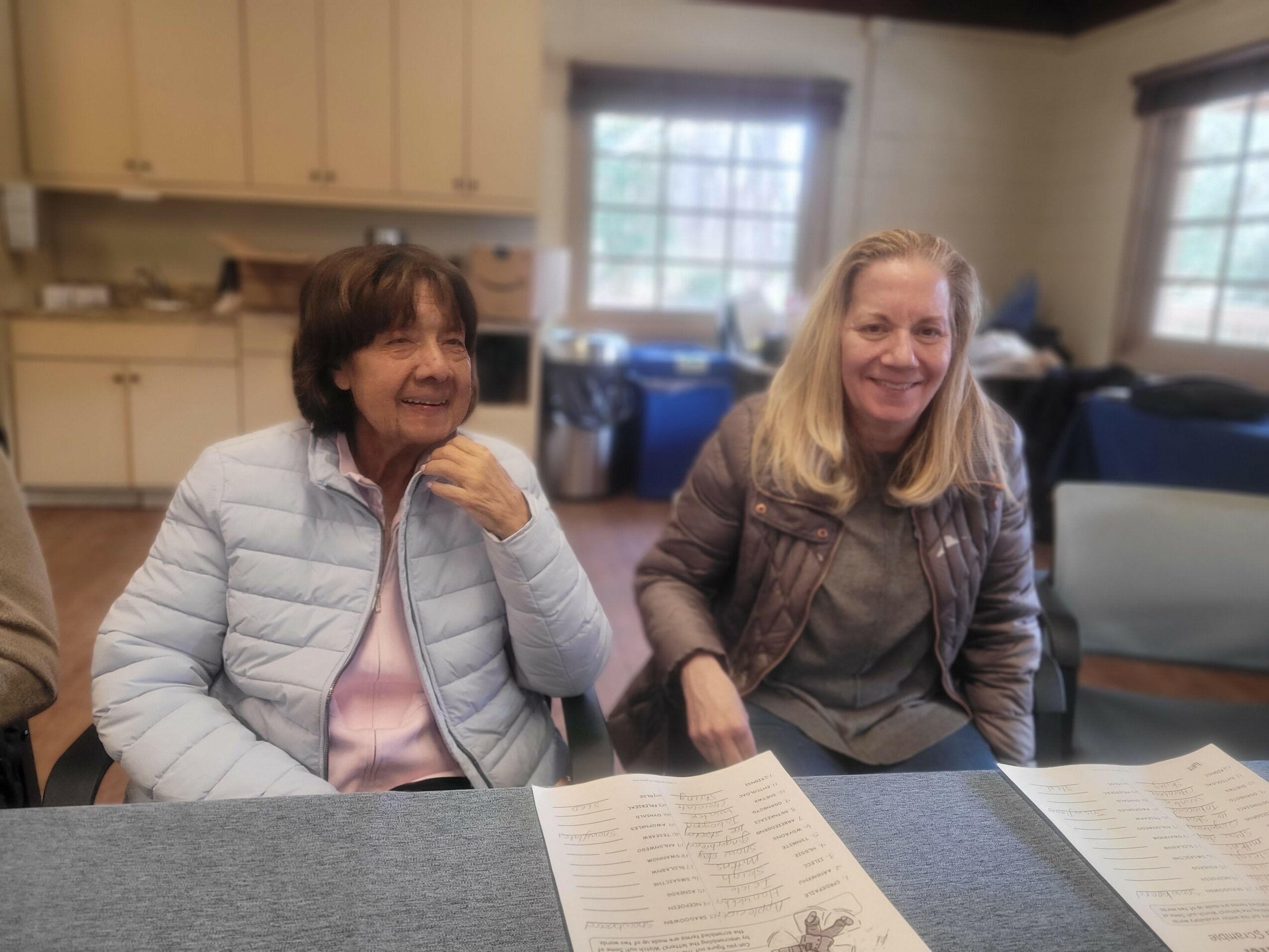
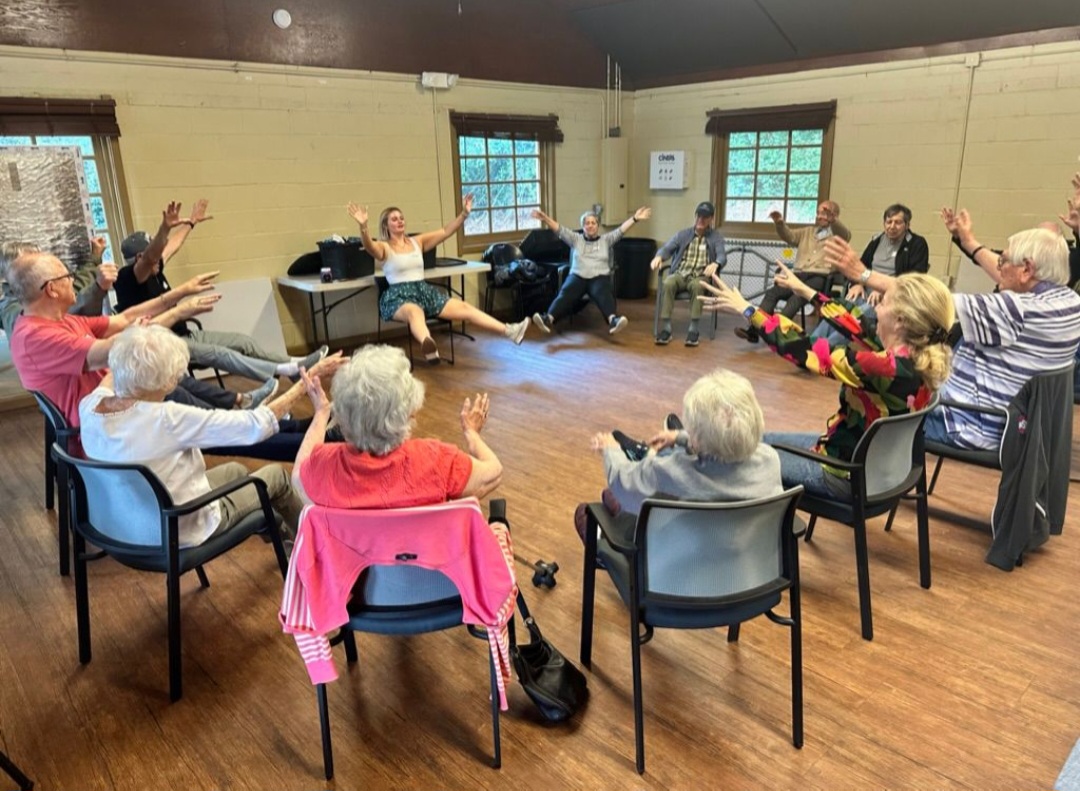
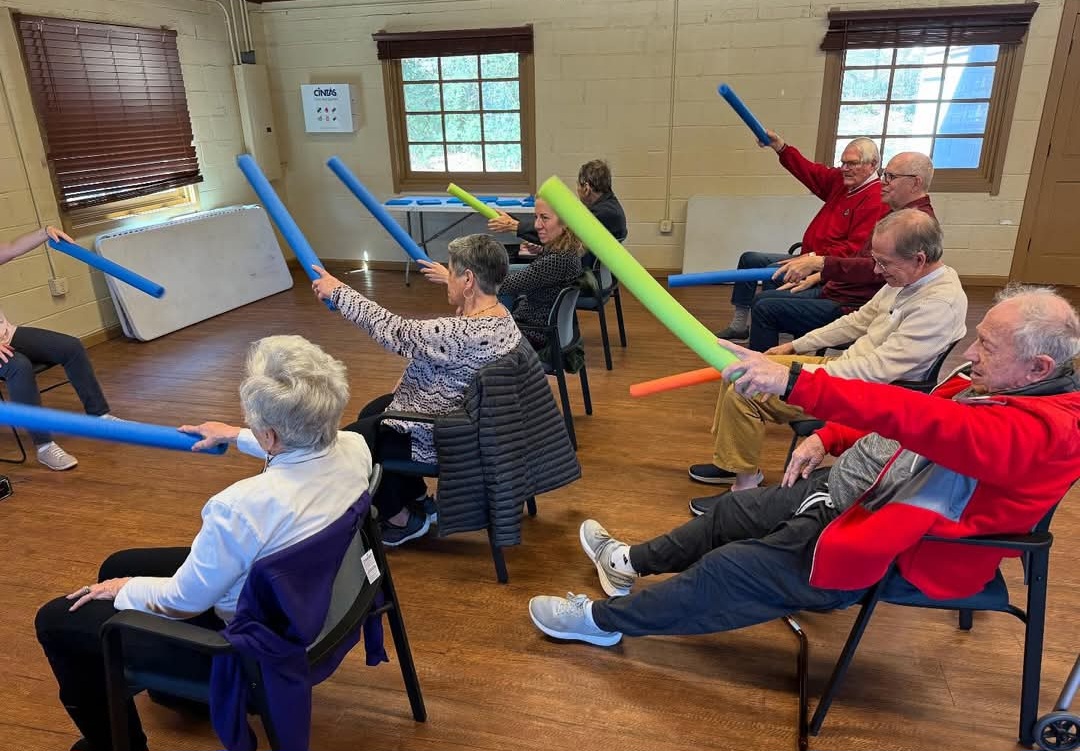
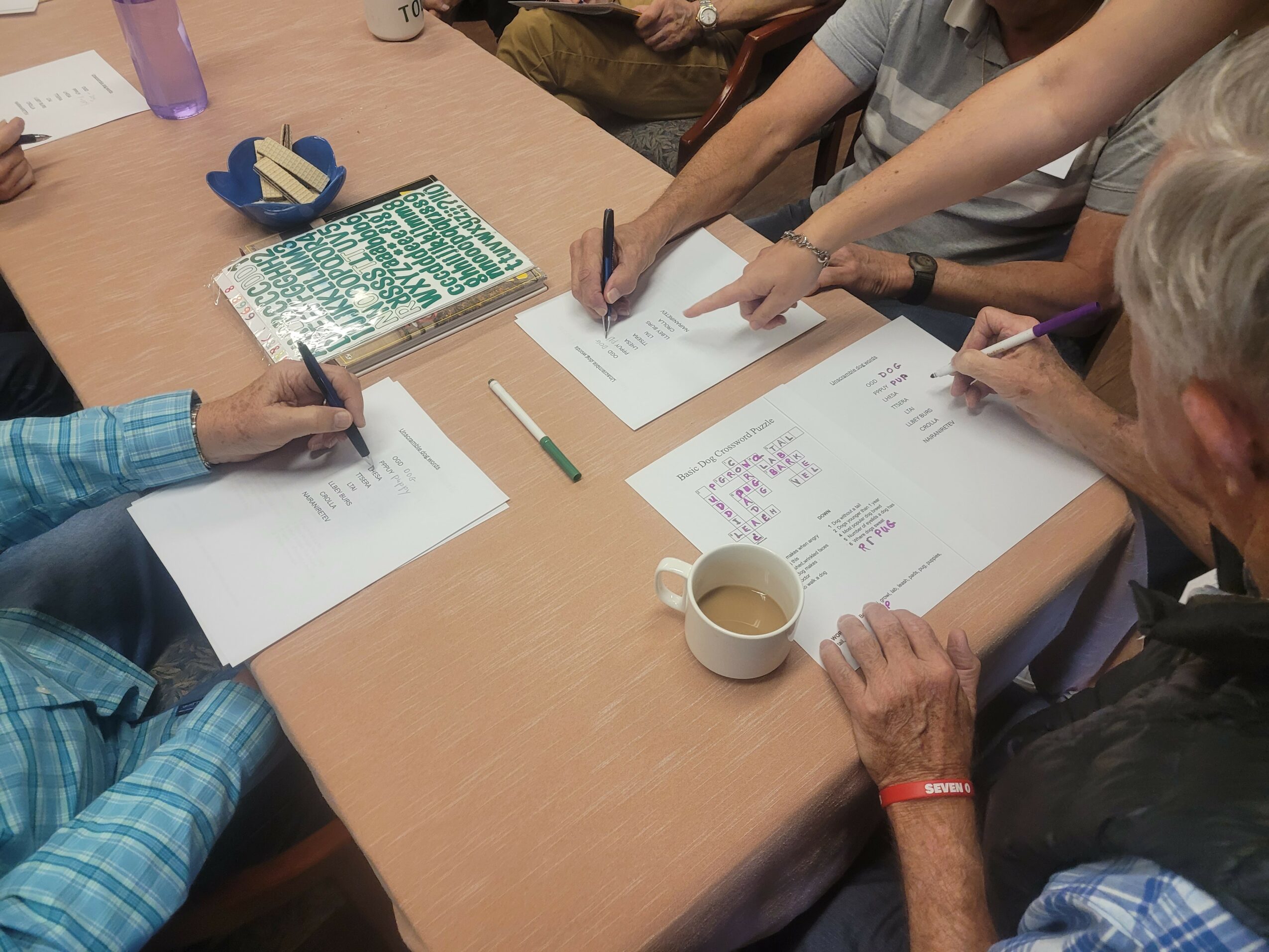
The Tulip Place is not a medical facility. It is a dementia-focused day center built around meaningful engagement, cognitive support, emotional safety, and genuine human connection. We create small-group days filled with music, movement, conversation, creativity, routine, humor, and purpose. We do not believe the day should just be “filled.” We believe it should matter.
For families, Tulip offers something just as important: peace of mind. A trusted place. A break without guilt. Support without judgment. Hope in the middle of a hard season.
I built The Tulip Place because I knew families deserved more than burnout, and people living with dementia deserved more than being overlooked.
They deserve meaningful days.
And caregivers deserve room to breathe.
Would you say it’s been a smooth road, and if not what are some of the biggest challenges you’ve faced along the way?
The hardest part of starting The Tulip Place was carrying the vision before anyone else could fully see it. I knew families needed this. I knew people living with dementia deserved more than just being watched over. But building something new means fighting through doubt, explaining yourself over and over, and holding onto the mission even when you are exhausted.
There were so many layers to it — the emotional weight of the work itself, the pressure of building a real business, and the challenge of helping people understand why this kind of place matters so much.
Appreciate you sharing that. What else should we know about what you do?
My work centers on supporting people living with dementia and the families who care for them. I specialize in creating meaningful, engaging days for people with dementia while also giving care partners real respite and peace of mind. After more than 25 years in this field, what I am known for most is my way of communicating and connecting with people in a way that helps them feel safe, respected, and successful.
A big part of my work is what I call the TULIP Method of communication. It is rooted in warmth, calm, validation, and knowing how to meet someone where they are instead of correcting, forcing, or escalating. I believe dementia care should feel human. It should have dignity, but it should also have joy. Fun matters. Laughter matters. Purpose matters. People living with dementia still deserve beautiful, meaningful days.
What I am most proud of is building The Tulip Place into a place where families can truly exhale. I am proud that we have created an environment that is calm, personal, engaging, and full of heart. I am also proud that we do not treat people like tasks to manage. We see the person first. We look for what is still possible, what still brings joy, and what helps someone feel connected.
What sets me apart is that I do not believe good dementia care is only about safety and supervision. Of course those things matter, but that is not enough. I bring a deeply human, relationship-based approach that focuses on emotional safety, meaningful engagement, and supporting the whole family. I think that combination of experience, intuition, creativity, and genuine understanding is what makes my work different.
What sort of changes are you expecting over the next 5-10 years?
I think dementia care is going to move more and more toward specialized, person-centered support and away from one-size-fits-all care. The need is growing fast, and more families want support that helps their loved one stay engaged and at home longer, while also giving care partners real respite.
I believe we will see a bigger demand for dementia-specific day programs, better care navigation, more age-friendly models, and more attention to caregiver burnout. Families want more than supervision, they want trust, understanding, meaningful engagement, and support that feels human.
I also think the industry will be pushed to raise the bar on training and communication. Dementia care is skilled work, and the programs that truly understand that, and know how to create joy, dignity, and peace of mind, are the ones that will stand out in the years ahead.
Contact Info:
- Website: https://www.thetulipplace.com
- Instagram: https://www.instagram.com/thetulipplacedementia/
- Facebook: https://www.facebook.com/TheTulipPlace/
- LinkedIn: LinkedIn: The Tulip Place Dementia Day Center

Popular
-

Hidden Gems: Local Businesses & Creatives You Should Know
-

ATL’s Most Inspiring Stories
-

Portraits of Atlanta
-

Asha Ford on Building Krystal Klear Motion and Creating Purpose-Driven Design for Women
-

Truth in Every Verse: Jay Erve on Identity, Experience, and Creating Art That Lasts
-

Closing the Hidden Gap: M-T Strickland on Rethinking Youth Athlete Development Beyond the Field