




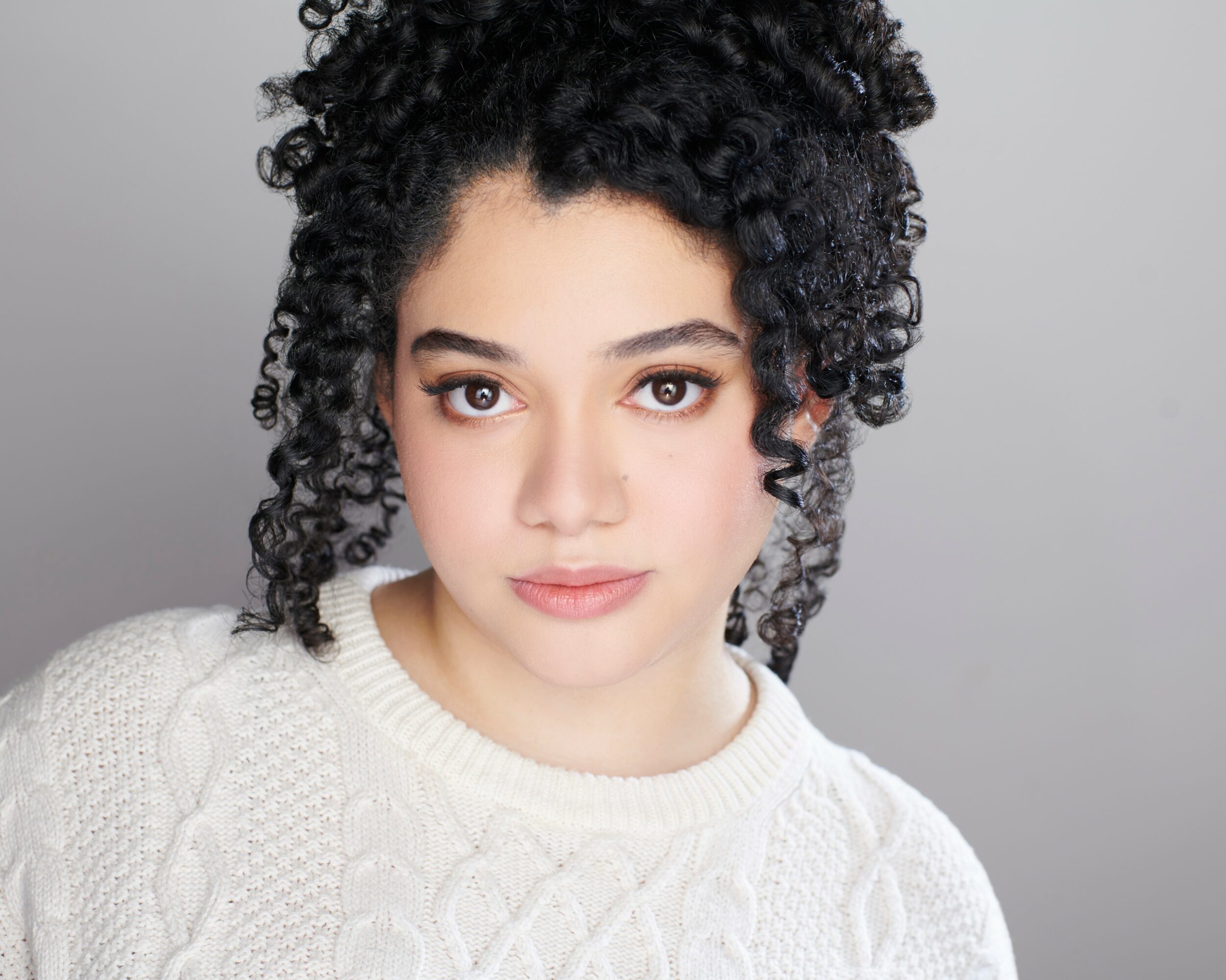
Today we’d like to introduce you to Gizem Toksöz.
Hi Gizem, please kick things off for us with an introduction to yourself and your story.
For as long as I can remember (and with the many stories my mom has told about younger me) I’ve always had a knack for storytelling. My mom used reading time as a way to bond with me when I was a kid and it not only helped me feel more connected and confident in my reading comprehension skills BUT it gave both my mom and me the freedom to play pretend, getting lost in the worlds of Dr. Seuss and Curious George for a few hours. While I always loved listening to and telling stories, I was a child who couldn’t sit still no matter how hard I tried. I was a mover, and to the relief of my mother, my younger sister and I were both “scouted” in our local grocery store by a woman who owned a dance studio in the area. To add a little context, we had just moved to the United States from Switzerland, and before that, from Türkiye, where my sister and I were born.
After a few years, I had just turned eight-years-old, and I’m about to go en point in ballet for the first time. This is considered extremely rare given that most girls don’t go en pointe until at least ten or eleven-years-old. Dance gave me a creative outlet that allowed me to express myself in a way I knew was different. I struggled a lot with making friends and understanding proper social cues, and I tended to be used as the butt of jokes because of my underdeveloped socialization within American customs and society. It forced me into a box of isolation. I feared saying or doing the wrong thing. At the time, I didn’t understand why people were picking on me, but I threw a lot of that frustration with myself, and the circumstances I was in, into my dancing. It gave me a voice without actually needing one. I could be seen and valued for my talent and the time I put in, rather than being the weird foreigner from overseas. As I moved up in rank and in skill, the need to prove that I wanted and deserved to be there consumed me and everything I did. Those first years of intense training from ages eight to ten, were filled with relentless amounts of racism, the bulk of which came from the other dance moms. I don’t have enough fingers to count the amount of grievances that mothers told me to my face of how I’m undeserving of being there simply because of what I looked like and how people “like me” behave. It made me train harder. I spent more time drilling combos, begging my teachers for small moments after classes to perfect my technique, and pushing myself to expand my extensions. I wanted to prove that I could be just as good, if not better than, everyone who doubted my abilities and my passion for the craft.
Becoming a professional ballet dancer had been the end goal for me, but life had very different plans.
In February 2014, my elementary school was hosting a skate night at a local rink, I got into a catastrophic accident that caused my shin to cleanly snap in half, thus ending my entire ballet career. I was in a cast for five months, and in a boot for another four after. Those months were probably the first time I had ever experienced what depression felt like. The humiliation of everyone looking at your broken body, the bitter taste of everyone pitying you and being scared for you, it made me feel pathetic and even more isolated. While the loneliness I experienced before could’ve been quelled by dance and my ability to dance out my grievances, this time I was completely and entirely alone. I found myself falling deeper into existentialism, wondering what the point of it all was. Pouring hours into training, in dreaming of the moment I’d debut as either Aurora in Sleeping Beauty, or Juliette in Romeo and Juliet, or even maybe as Sugarplum in a Nutcracker season… but I don’t think anything could’ve prepared me for the day I would come back to the studio months after the initial accident to reconnect, only to find that most of my classmates didn’t remember me or even realized that I was gone.
Quite literally, no one cared. No one even knew that I’d been gone for months. I was just as invisible while I was doing my passion as I was when I was stuck in a cast, unable to move for months.
As I moved into middle school, I eventually did make friends of my own and found communities of creativity, but I was very noticeably on autopilot throughout. I was struggling with finding my voice in presentations and light public speaking, and needed a creative outlet that allowed me to scratch the itch of being on stage in some way again, so I enrolled in acting classes. That first taste of stage acting was probably the most exciting thing to have happened to me since going en pointe for the first time. While it took a while, I grew into my voice, and I found something that gave me a similar feeling of freedom and lightness that dance brought me. Acting felt like an expansion of the playing that my mom, sister, and I used to do all the time. That play and the fun of discovering the characters in the moment are what make acting completely different from dance for me. While the rigidity of ballet both comforted and consumed me with the need to always do everything “right,” acting is fluid. It allows for a messiness that I hadn’t allowed myself to show. And that feeling of relief of not needing to mask so much is what made me fall in love with it.
I started to cultivate better relationships, having a higher sense of respect for myself, and carving out my own space with people who had similar interests to mine wanting to be friends with me. That feeling of safety is what allowed me to muster up the courage to approach my mom about taking performance, as a career, more seriously. My mother has always been my biggest supporter and has sacrificed so much to help me get to where I am now. She ended up finding a small boutique performing arts school about an hour away. After a fairly emotionally grueling audition process, I got in and transferred from public schooling to a private performing arts school. I was so excited to start this new chapter of my life and to commemorate the moment that would be the start of my career. I could finally get back to doing what I loved in a new environment with new people and a new laser focused mindset of wanting to train and become the best artist I could be. The school specialized in a true conservatory curriculum of acting, singing, and dance, with either a focus of musical theatre or classical ballet. I was originally on the classical ballet track, but like everyone else, I still did all the styles along with acting and singing.
During the first couple of weeks of adjusting, or at least trying to, I would get into a groove where I would start to very slowly feel comfortable. I had a lot of great things going for me, I was in my first real play and took it to competitions, I was progressing in my dance classes, and even though singing gave me anxiety, the exposure gave me a reason to improve. But after the first few months, there was an energy shift amongthe entire school, and the relationships I had started to develop suddenly took a very harsh turn. At the time, while I made a lot of progress and developed skills that made me the artist I am today, those achievements would be often undermined by the endless comparisons between myself and other students, along with endless misunderstandings that would turn what was once a neutral space into an increasingly hostile environment. The school would fall into a lot of performing arts school stereotypes of “child abuse with an annual tuition fee.” The culture of these kinds of schools breed a student body not only plagued with competition and perfectionism, but it upholds and promotes standards of being that are impossible to hit every single day, normalizing the fear of inadequacy. These institutions serve students between the ages of twelve and eighteen, while providing a very hands on experience that is very akin to how the industry operates, but they completely ignore the nuance that their students are still children—children who are being taught to ignore the humanity inside of them and to “suck it up” under the guise of “if you want it bad enough, you’ll take what you get and be grateful for it.” To have “grit” meant that, in the eyes of the department heads, you were willing to do whatever it took to be seen as good enough. Most of the time that meant developing eating disorders to measure up to the thinness of your other classmates, pushing past your body’s limit to make sure you were still in a teachers good graces, suppressing yourself mentally and emotionally to be seen as “professional,” dancing on injuries for fear of being accused of not working hard enough, and fighting panic attacks every single day. We were working ourselves so hard that we’d pass out from exhaustion, get injured in class, and still be told we’re not trying hard enough; which turned into resentment for the craft.
Having my dream of becoming a ballet dancer shattered in the palms of my hands, a goal I’ve chased since I was eight, feeling impossible at the age of sixteen broke me in a way that I still don’t know how to properly describe. The amount of injuries I’d accumulated, the blood, sweat, and tears I’d put into it, practicing every day… I was forced to change my major to acting, specifically musical theatre. From then on, even though I loved acting, for the months that followed I wasn’t present mentally and the decline in my physical health was causing me to contract illnesses over and over again. That lack of presence reflected in how I was being perceived. Going from having teachers that believed in me, to those same teachers believing I had a work ethic problem. The rest of my schooling became a downward spiral of my mental and physical health as I failed to keep up with what was demanded of me to the point where my reputation was severely damaged among my peers, and the pandemic certainly didn’t help make things any better. I graduated high school in 2021 a husk of the person I was. I left the way everyone expected me to. Invisible and feeling absolutely insignificant.
When I left for college, my self esteem was so shot that I didn’t bother applying to other conservatories. I played it safe with schools nearby, with only a couple high hitters. I eventually settled at a school in Washington, DC, trying to continue acting and treating it as an opportunity to start over. But the problem with an experience that’s as traumatic as my high school experience was, is while I may have been on autopilot the whole time mentally, the body still keeps score. Every slap against my arms while holding second position. Every push against the ground by a foot on my back for push ups. Every panic attack and mental spiral and pretending for years that I was okay, eventually caught up to me. And in that moment, I realized that I went from one cage to another. And unfortunately that feeling of hopelessness would manifest into an endless insecurity that still lingers in me to this day.
Everywhere I went, every new experience I tried, I was haunted by the ghosts of teachers and fellow students mocking my inability to keep up. I would eventually stop acting after my first year, and tried to pivot into anything to find a major I liked.
I couldn’t find one.
With every week that passed, my GPA sunk further and further below, my mental health was the worst it had ever been, and at that point I lost contact with the friends I had left. I wasn’t able to make new ones on campus. In a frenzy, I called my mom in the middle of the night before my 3rd semester finals and told her that I couldn’t do it anymore. I needed to leave school, figure something else out and at least try to work on myself. So I dropped out after my second year, got a therapist, and started actually trying to get back on track with what I wanted, not what people expected out of me. That summer in 2023, I was nineteen, and for the first time in almost five years, I took a break. I went back home and worked on living with myself and trying to find who the real me was behind the layers of insecurity and unresolved PTSD. An unexpected trip to South Korea with my mom and my sister would be the first moment where I felt hope for the future, and I reconnected with my love of writing and creating stories of my own. The fast-paced lifestyle of Seoul that made the city feel alive was a major contrast with the depression and extreme anxiety rotting in a deep pit inside me. It allowed for a fresh perspective that was almost akin to a new lease on life. Getting lost in the mundane-ness of it, finding my favorite cafes and people-watching in temples, watching my sister in her dance intensives, eating ramen and chicken curry in the hotel room.
From the outside it probably seemed like I was incredibly antisocial, but it was actually the steps in my finding who I was again. I hadn’t spent that much time with my family since before high school, and after spending too much time in isolation, I remembered how much I missed them. Coming back from that trip, I would make a transfer request to a conservatory film school in New York City, The New York Film Academy (NYFA). That first year was an incredibly rough transition, but I made a vow to myself that I would give this one last try before I gave up on it entirely. It ended up being the best decision of my entire life. I made friends that expanded my perspective, found people that appreciated my artistry, and have similar experiences and interests in creating art. Was it perfect? No. There have been plenty of experiences and moments of growth and unlearning during my first year especially. But packing up my life and taking the risk to move to New York proved that I was simply in the wrong environments, surrounded by the wrong people.
Now at twenty-two, and in my last year of college at NYFA, I can safely say that I made it out of the hell I was trapped in. Something I learned after my first year at NYFA that allowed me to fully rebuild my self-esteem and my confidence as an artis was the ability to let myself “be bad” at it: To release the pressure that has been shackled to me since I was a child that forced me into a box I never fit into in the first place. To fall flat on my face and learn that failure doesn’t mean catastrophe. How through that failure, you figure out who you are authentically. I’ve realized that so much of what makes the craft of any medium of art so engaging is the human aspect—hat we are human beings, not human doings—and to allow ourselves to be human in this industry, is to find love in the process. While I didn’t need the abuse or any of the grief and years of therapy that came with it, I wouldn’t be who I am now with my perspective as an artist, as a writer, a business owner with her own production company, and a performer who can finally express herself in her most authentic and creative self, if it wasn’t for everything I learned and experienced. I’ve always been of the opinion that there really is no such thing as a “bad actor,” as long as you’re trying. But if I could only give one piece of advice, it would be: What separates a good actor from a truly great one, is the ability to allow yourself to be “bad” at it. To see those experiences as learning opportunities to improve. To fall in love with the process of doing it instead of plagued by the need to meet an expectation of what success is. I fell back in love with acting, singing, and dance in a way that works in a healthier way for me now. And sure, it may be cliche, but within the span of a couple years, I changed my mindset from a place of self loathing and blaming myself for my supposed inadequacy in comparison to everyone around me, to someone who is okay with growing through the struggle, instead of being afraid of it, and understanding that every aspect of this has to come from a place of curiosity and love for yourself in spite of the trauma inflicted on you. As Marry Poppins would say, “In every job that must be done, there is an element of fun. You find the fun and snap! The job’s a game!” I am bigger than my misery and the people who tried to snuff the light out of me. And while it may not be what I originally planned or expected, after years of chasing a community that I’ve dreamed to be a part of, I’ve finally found one. And I wouldn’t trade it for anything.
Would you say it’s been a smooth road, and if not what are some of the biggest challenges you’ve faced along the way?
As you can probably tell, I’ve definitely had my fair share of lessons and I’m still always learning, but the biggest struggle I had growing up in this industry was the need to prove that I belonged. Feeling inferior for a larger part of my life gave me a deep desire to overcompensate. I think my biggest fear is not only disappointing people around me and “letting people down,” but more so disappointing myself. And the hardest thing to overcome was learning to be okay with myself as I am and to recognize that I’m more than enough with what I can bring to the table.
Great, so let’s talk business. Can you tell our readers more about what you do and what you think sets you apart from others?
I started my production company with the desire to tell stories that sit in the “in-between” of identity. Being an artist who is bi-racial, half Turkish and half African American, and someone who has dealt with issues with mental health and navigating a neurotypical world with my very neurodivergent mind, a lot of stories in media haven’t allowed for the care and nuance that is needed for those stories to be properly told. And after ten years of training as a performer, I’m excited to finally share my craft and tell my own stories.
My goal with the stories I create, is to not only nurture the storyteller in me and the reason why I started my journey in performance, but to allow people who haven’t been given visibility to finally see themselves and their stories be showcased authentically.
Alright so before we go can you talk to us a bit about how people can work with you, collaborate with you or support you?
Along with writing and performance, I also script edit and assist in story development. I am always looking forward to hearing new and compelling stories and always willing to help if needed. I am currently writing an animated series titled “Life/Death,” a magical girl inspired detective series following protagonists Serena Amari and Dimitri Markovich as they uncover the mystery behind the bio-terrorist, ADONIS. I am looking forward to showing what I have been cooking up very soon. You can find me on Instagram to keep up with my latest adventures in performance, writing, or just sharing moments from my life.
Contact Info:
- Instagram: https://www.instagram.com/gizemmariatoksoz
- LinkedIn: https://www.linkedin.com/in/gizem-maria-toks%C3%B6z-9a308528a
- Twitter: https://x.com/gizem_en_rose?s=21
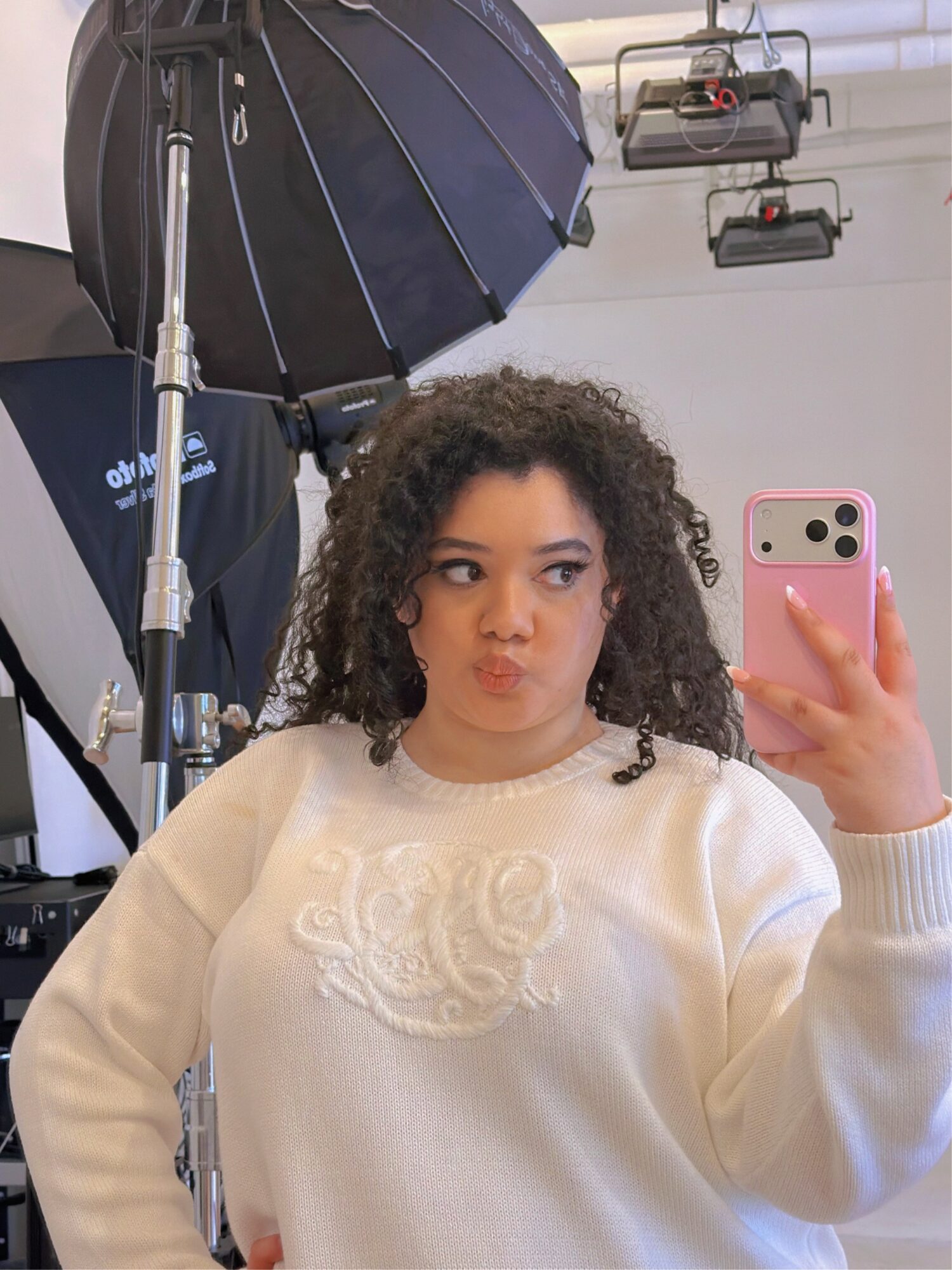
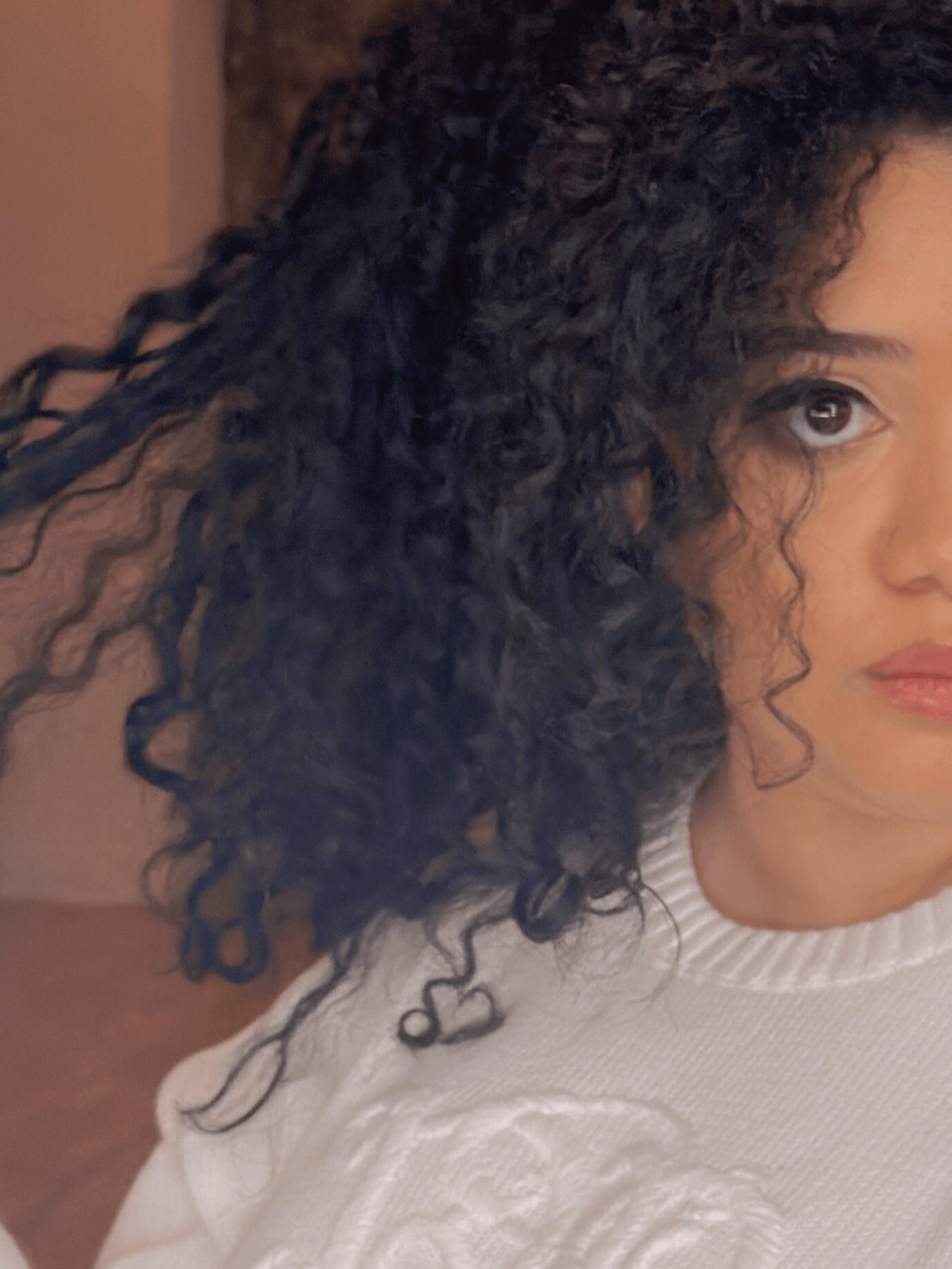
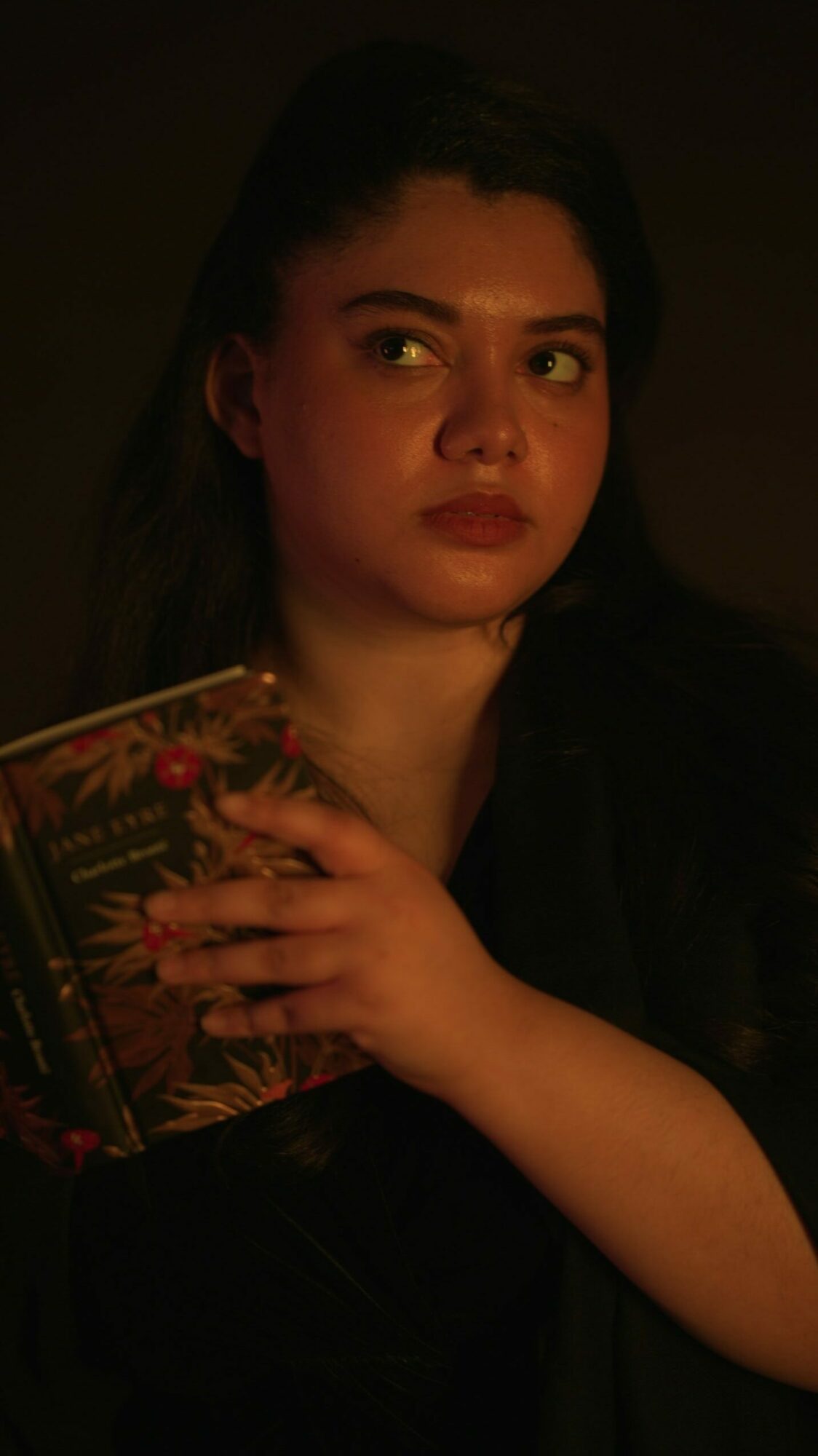
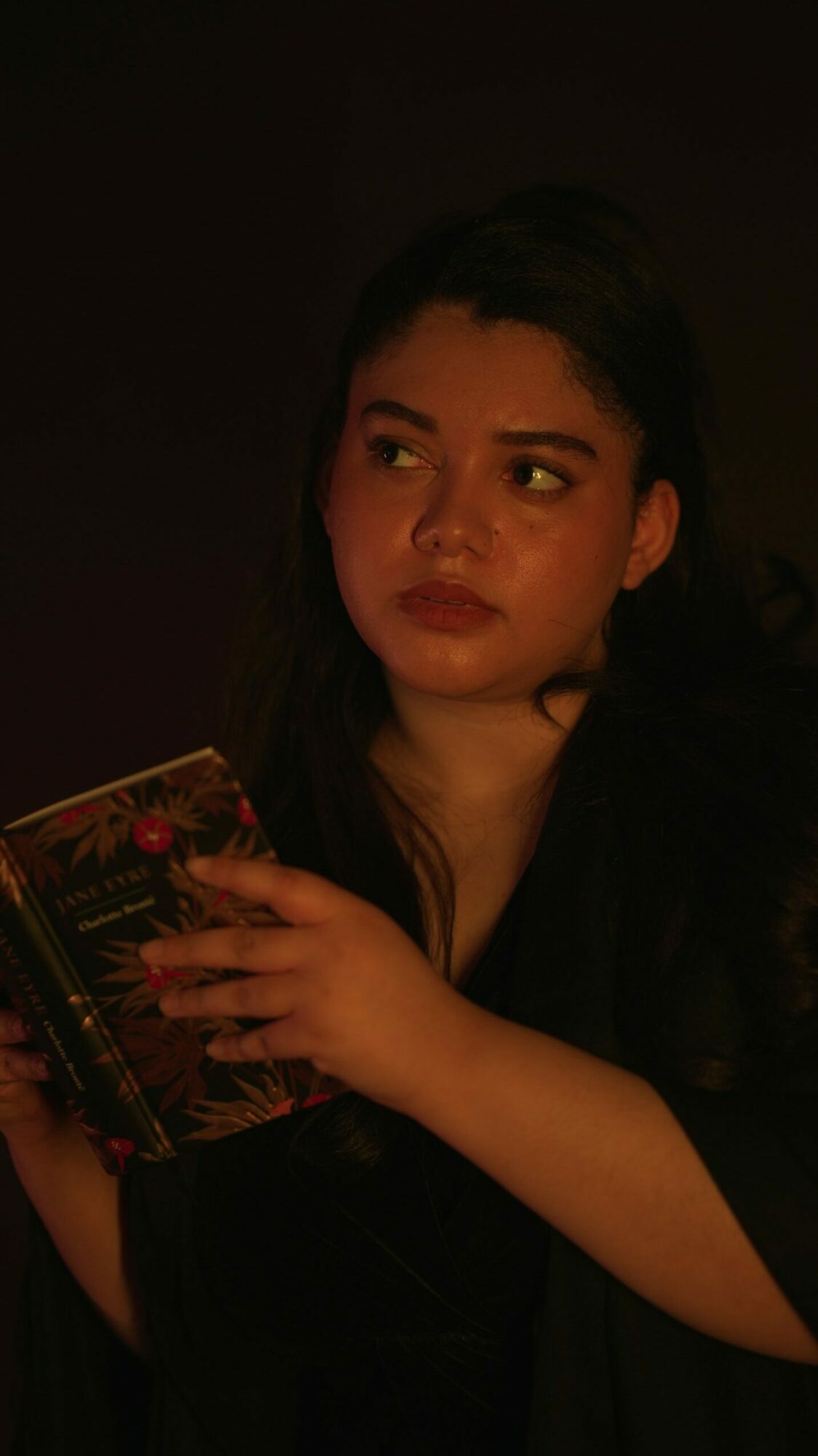
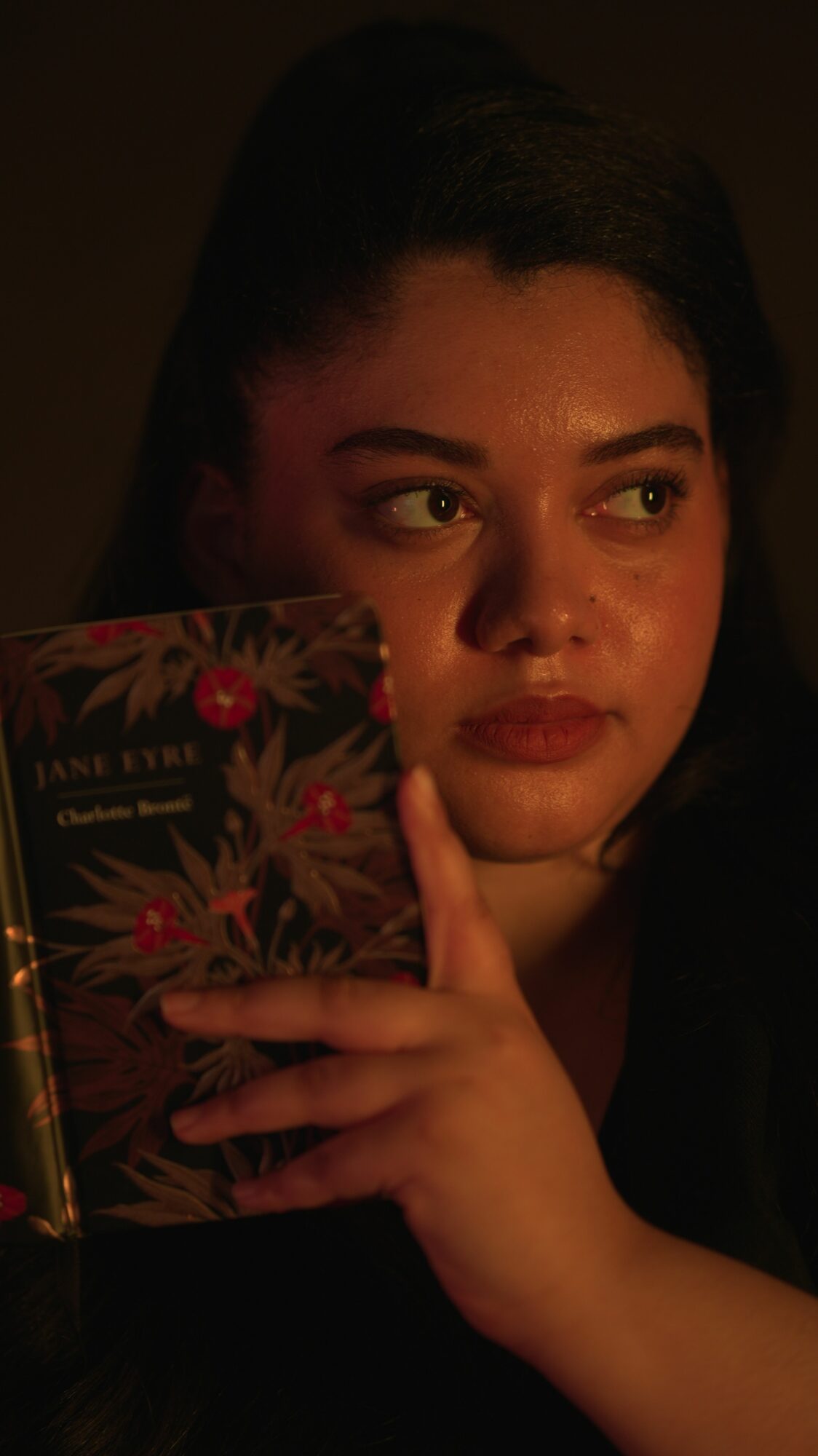
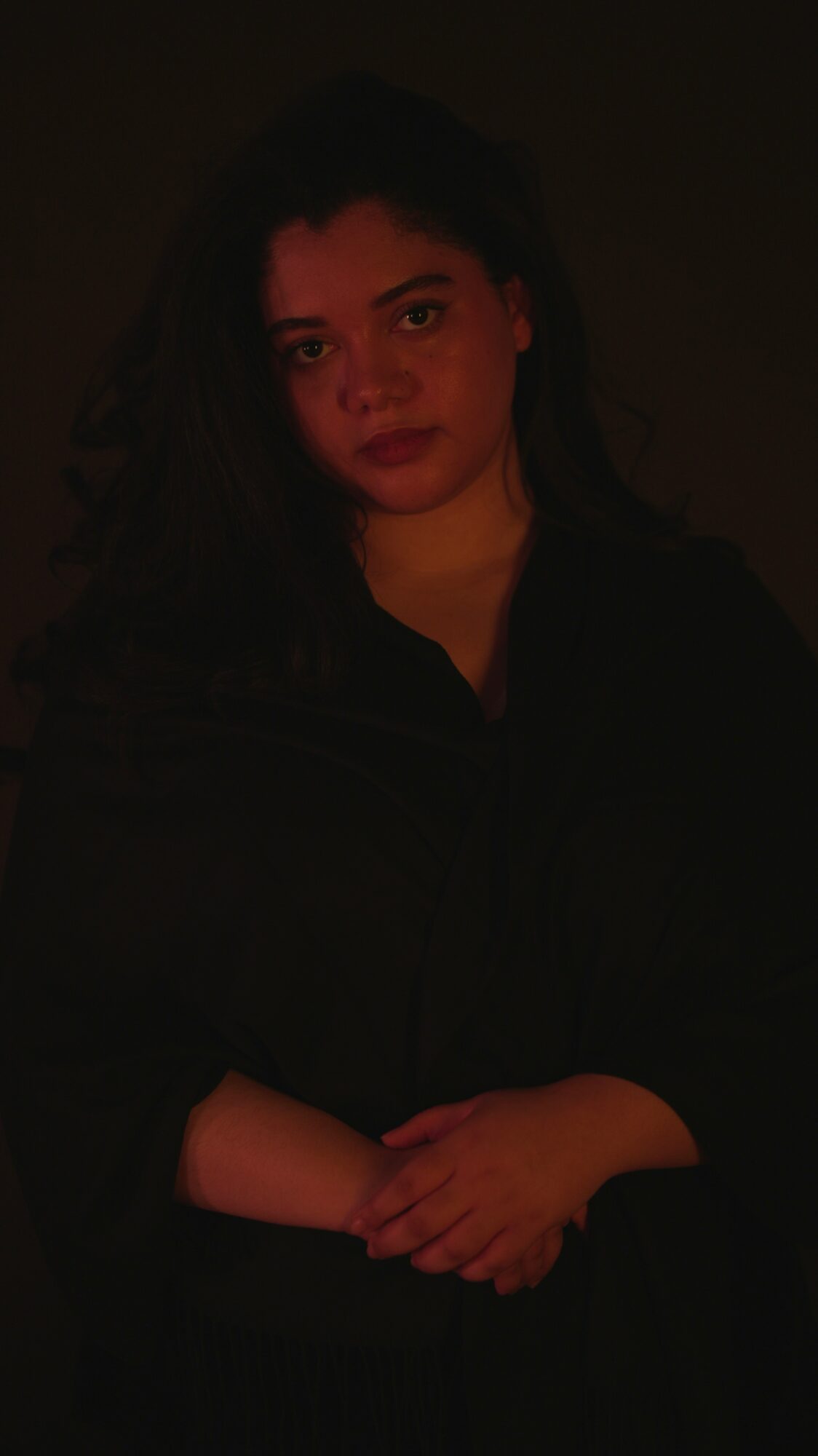
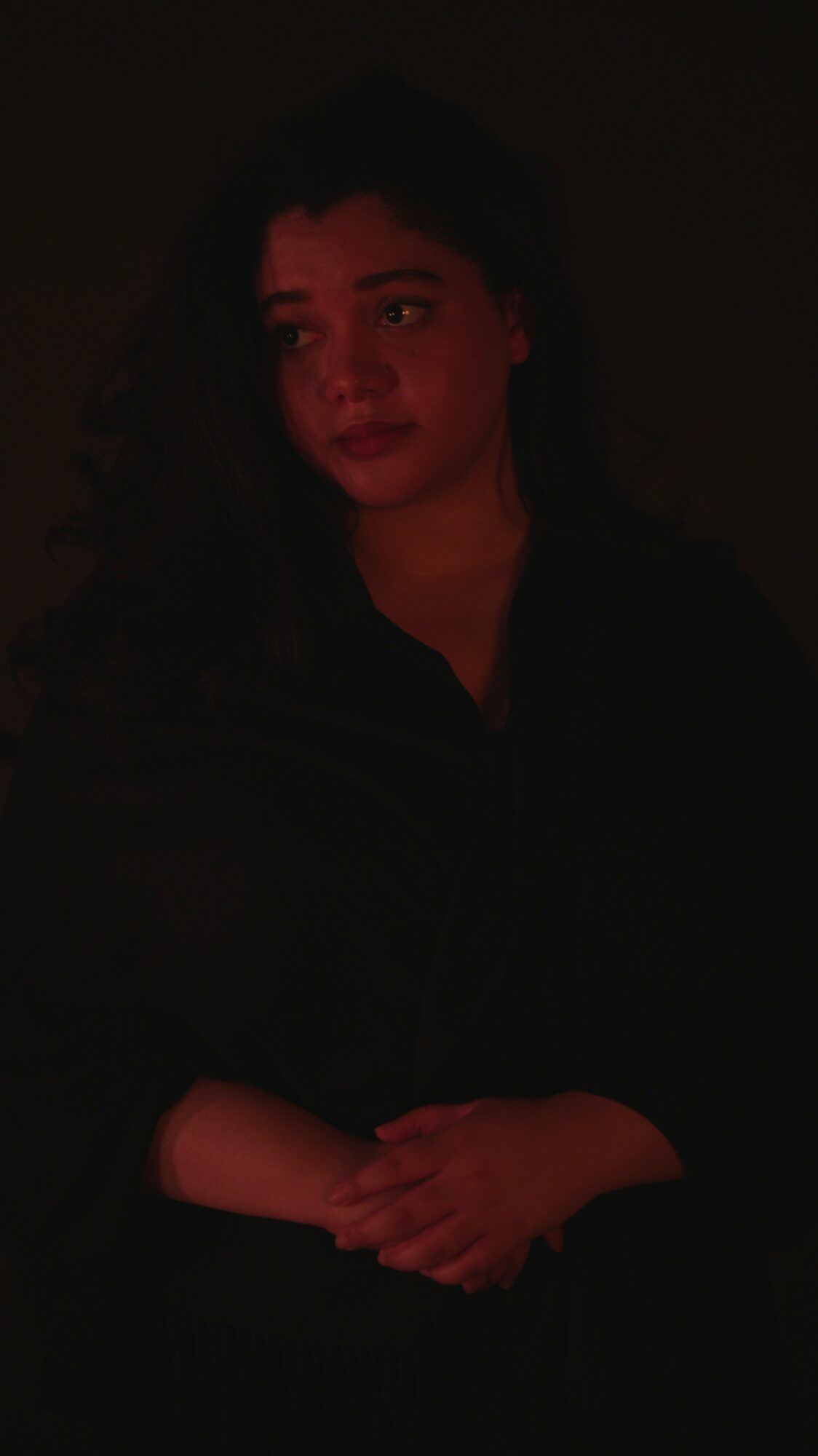
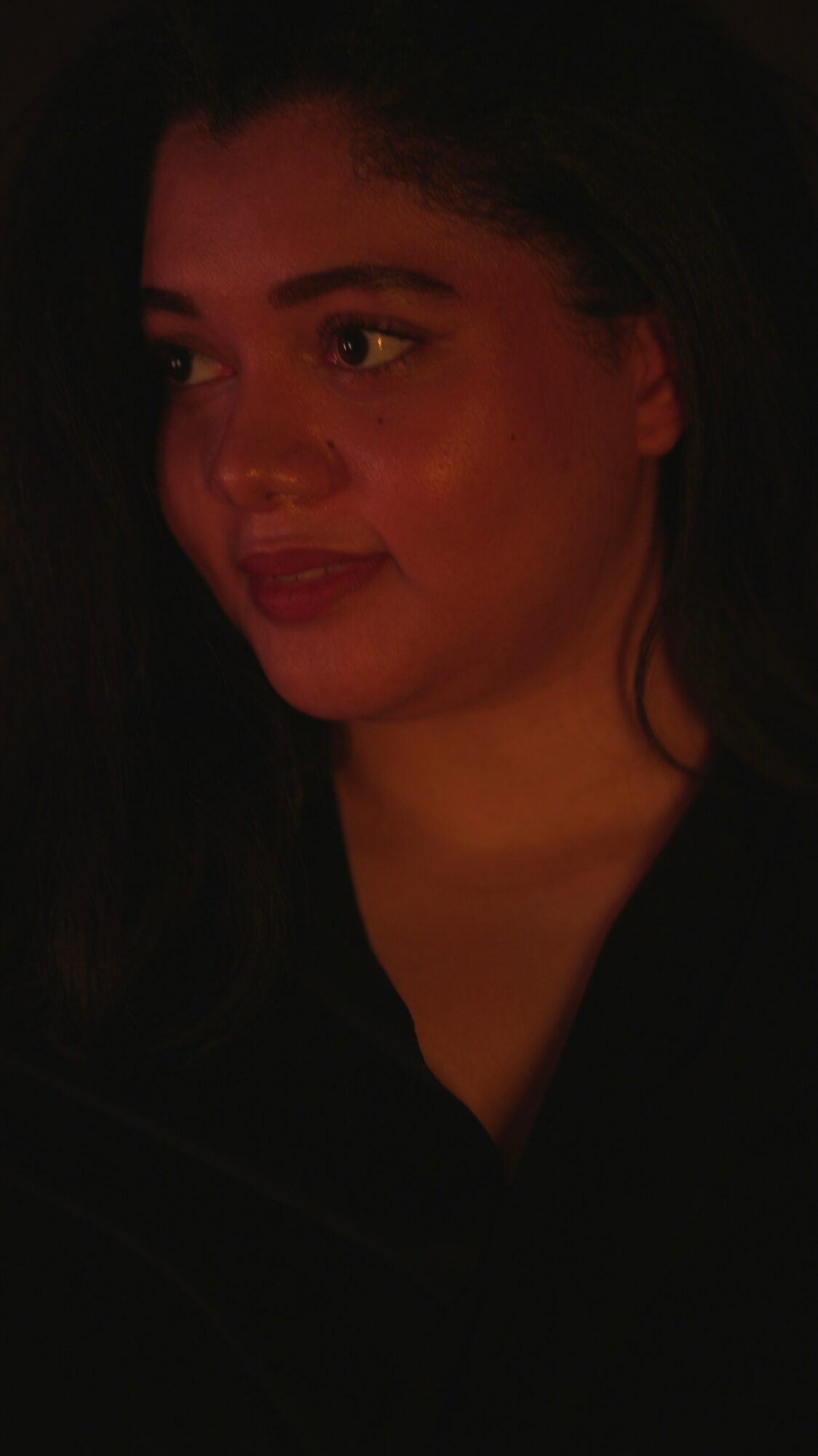
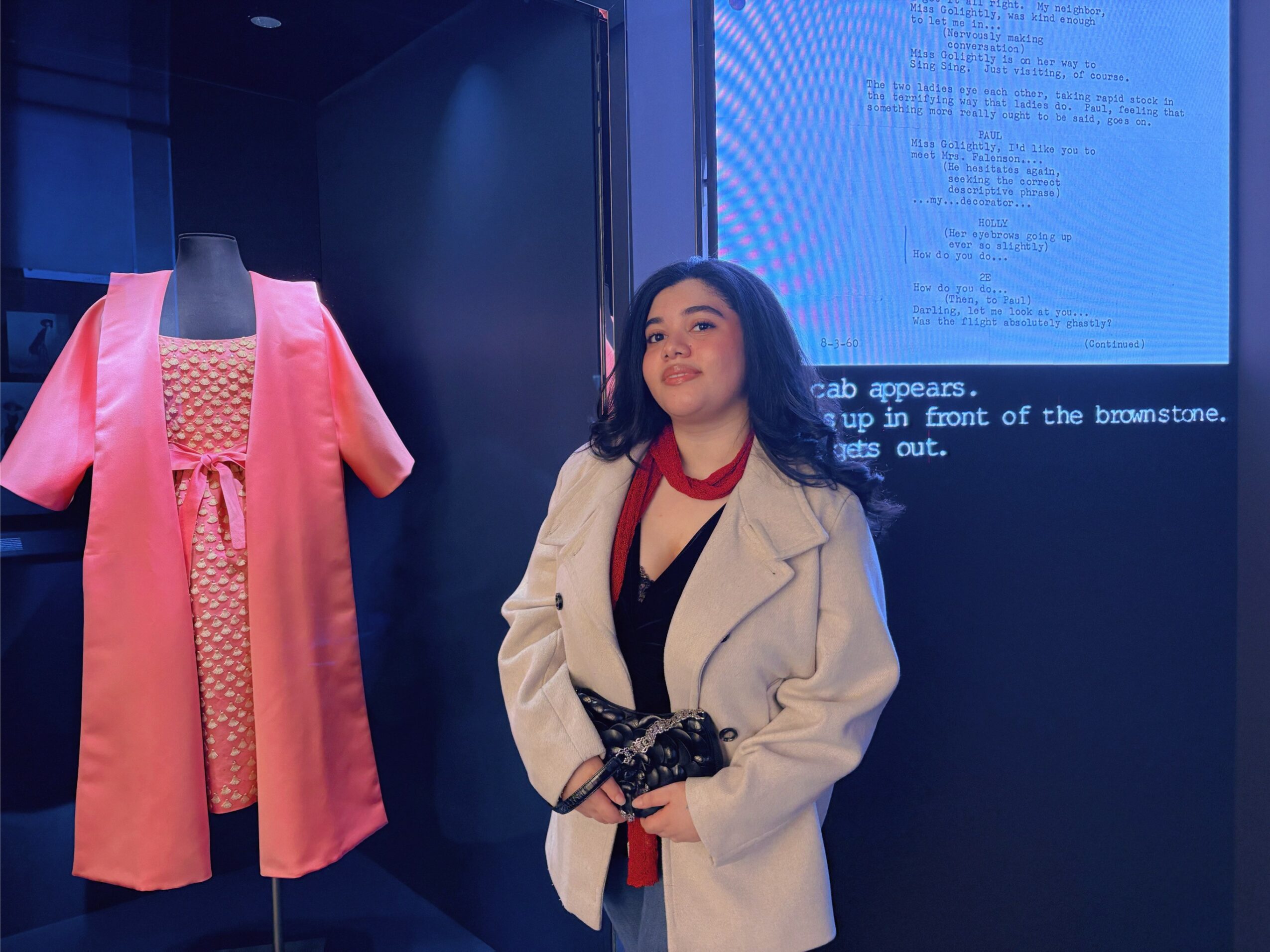
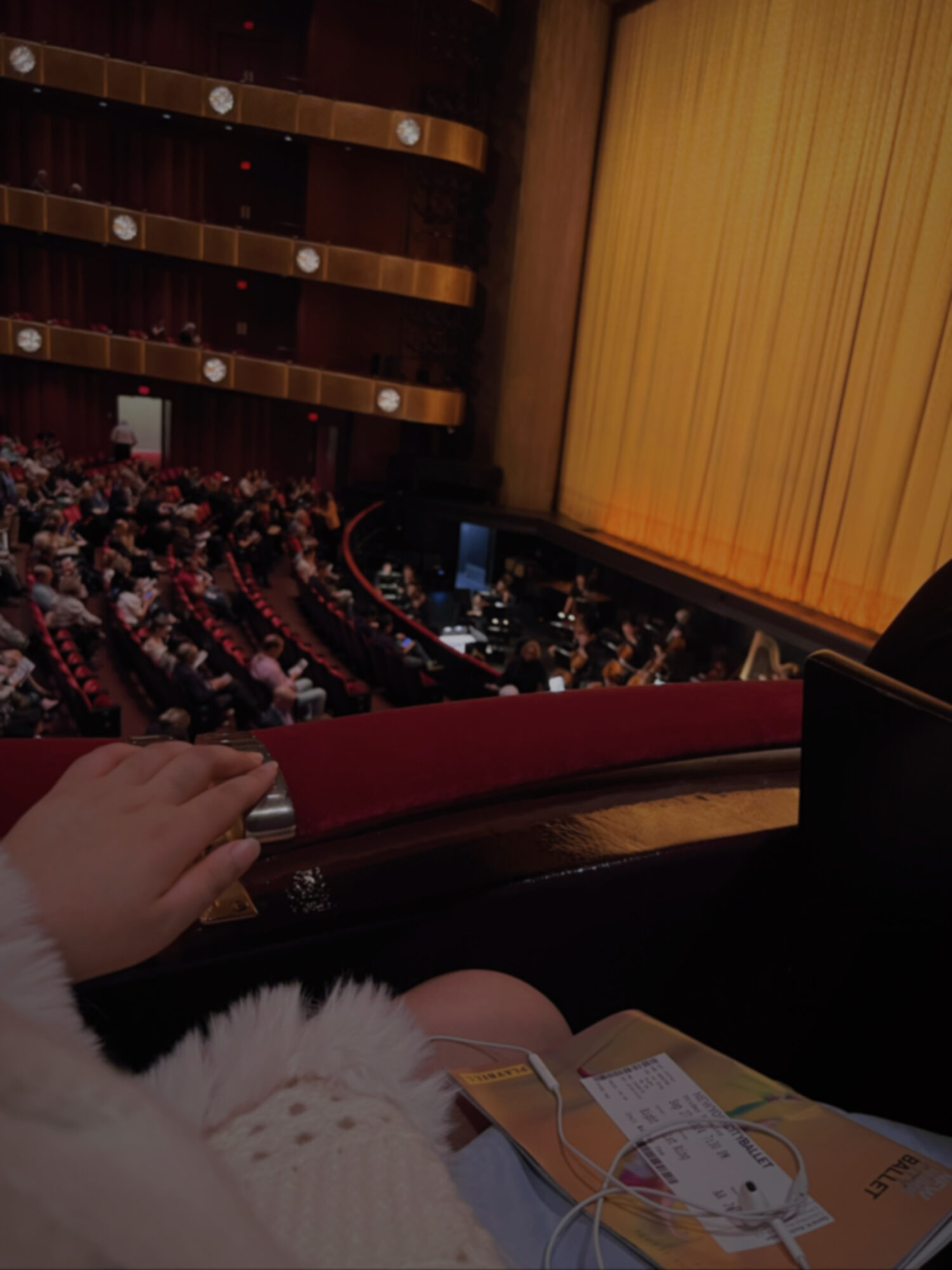
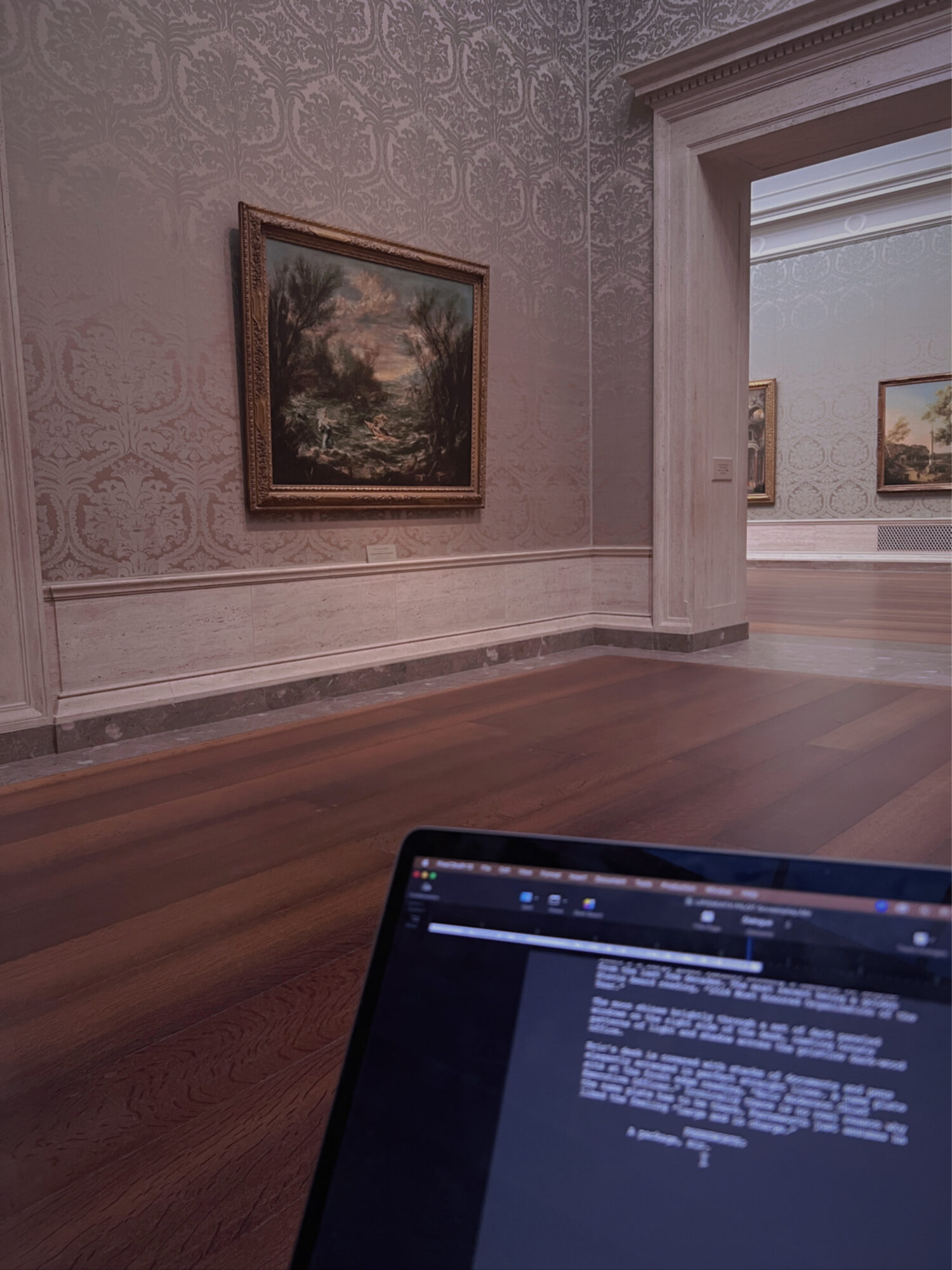
Image Credits
Tim Coburn
Arturo de las Fuentes
Popular
-

Hidden Gems: Local Businesses & Creatives You Should Know
-

ATL’s Most Inspiring Stories
-

Portraits of Atlanta
-

Asha Ford on Building Krystal Klear Motion and Creating Purpose-Driven Design for Women
-

Truth in Every Verse: Jay Erve on Identity, Experience, and Creating Art That Lasts
-

Closing the Hidden Gap: M-T Strickland on Rethinking Youth Athlete Development Beyond the Field