



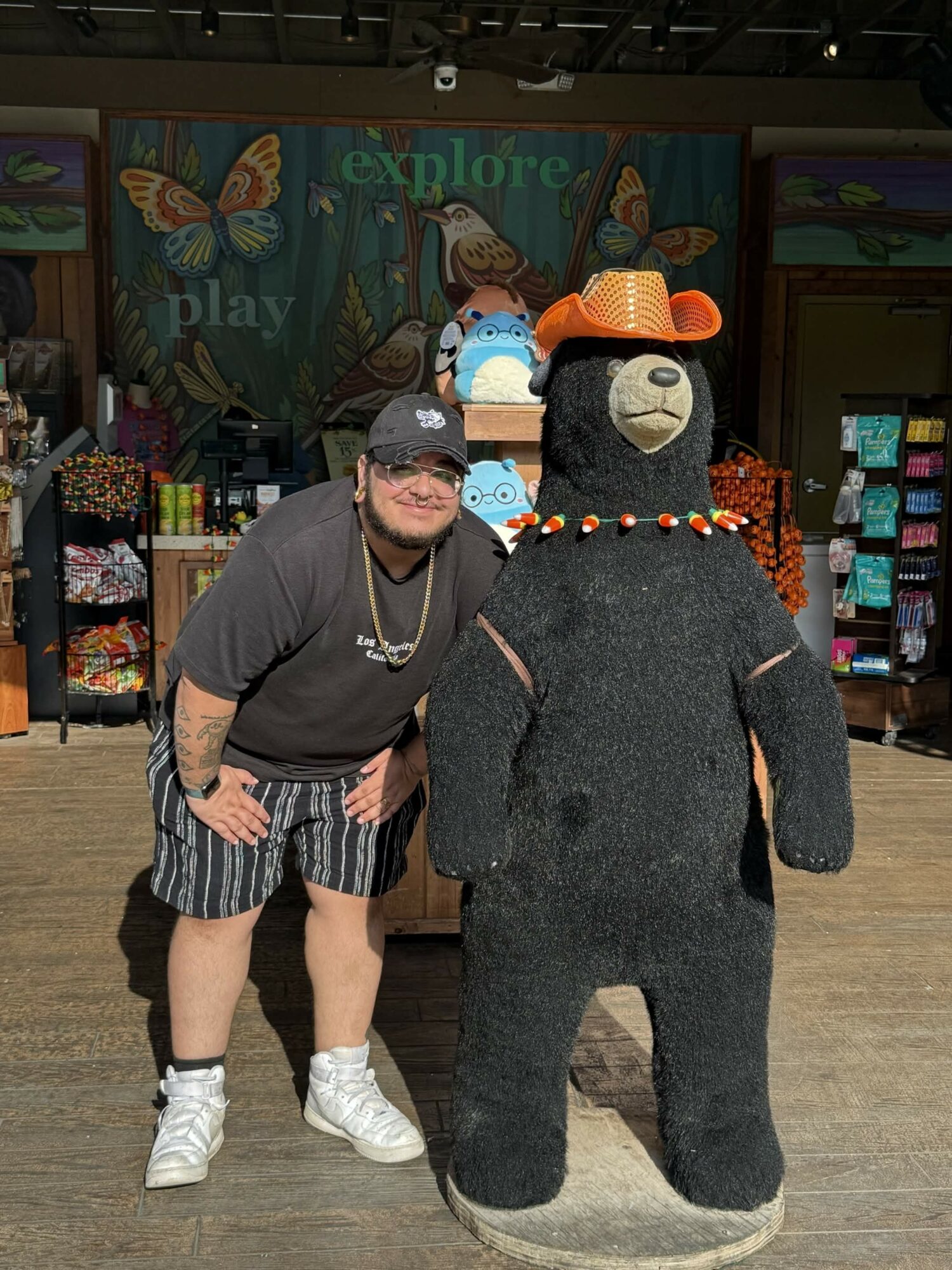
Today we’d like to introduce you to Atlas Ursen.
Hi Atlas, it’s an honor to have you on the platform. Thanks for taking the time to share your story with us – to start maybe you can share some of your backstory with our readers?
Dysthymia has taken many forms throughout its long development. Only recently did I finally decide to shape it into an RPG. Before that, it was going to be an experimental album reflecting a wide range of mental illnesses- especially those I’m more familiar with, or those I felt were ostracised in some way.
I’ve always wanted Dysthymia to tell my story in some way. Even though I’m only 26, I feel like I’ve lived a full life. I’m grateful for both the good and the difficult experiences I’ve had, because they’ve shaped me into who I am today.
As Dysthymia continued to evolve, it was heavily influenced by the different types of media I’ve consumed over the years, as well as the unique opportunity I’ve had to connect with so many creatives from different fields- from audio technicians like myself to storyboard artists, animators, and more. I always knew I wanted to create something, but I never felt particularly skilled in any one area.
We all face challenges, but looking back would you describe it as a relatively smooth road?
Haha, I wish it had been much smoother of a road than it really has been so far. I think anyone who’s ever worked on a game proper can relate to how surprising it is how many steps there are before actual production. There’s a hell of a ton of planning, iteration, and problem-solving that happens behind the scenes, and having to stop when you get a great idea for a specific scene makes things so much rougher!
Finances have also been an ongoing challenge, especially with the evolution of the project over the years, getting Dysthymia simply on the road itself felt like the biggest hurdle of them all. On a bit of a more personal level, one of the most difficult periods during its initial development was experiencing homelessness, which has contributed to the story changing a lot. It has however, als reinforced just how important i feel it is to keep going on this project.
Now that I have a amazing team working alongside me on visuals, I feel much more confident about the direction of the project and the production of it as a whole.
Can you tell our readers more about what you do and what you think sets you apart from others?
My background started originally in live audio production, which I feel gave me a very strong foundation in working under pressure, collaboration, and understanding how different creative elements actually come together to make a final product. My role however with Dysthymia is much more broad.
I’m the lead writer, director, and developer of the game, so I’m responsible for shaping its overall vision and bringing all the pieces of my life story together in a way that makes sense. It’s a bit hard to pick which moments over the last 26 years to put into the game! Currently, my main focus is on the storytelling aspects, building that narrative that feels personal, intentional, and emotionally grounded. I’m very interested in creating an experience that stays with people and makes them reflect on their own.
With Dysthymia, I’m absolutely not approaching it in the traditional indie dev style, and more like a big artistic project I’m collaborating on with friends. Every element in the game is meant to support the themes and emotional experience of that moment. That perspective is something I hope sets my work apart from others.
I’m very proud of being able to take an idea that started as something so personal such as the things that have happened to me growing up, and continue to develop it into the project I hope it becomes. Even through these major changes and challenges, staying committed to my vision and getting to see it expand piece by piece brings so much joy to my heart.
Is there a quality that you most attribute to your success?
I think the most important quality to achieving success with Dysthymia is simply persistence. There have been many moments where I felt I should simply give it up, or shift tactics to a more easier to understand game, something that works better as a trial run for my first ever project rather than something so deeply personal to me. I feel that that fact may be my biggest regret with the project – simply not giving myself enough time to get more skilled to fully flesh it out in a way that makes the most logical sense.
Between my personal obstacles, and simply being very new to the entire world of Indie Development, just showing up and even putting in a hour towards the project has been the biggest push in keeping me moving forward, even when I felt my direction was going nuts, I kept pushing forward to refine the vision I want to give. That persistence despite everything, is what’s allowed the project to grow into something much more fully realized, and it’s what continues to drive me as I move further into development.
Pricing:
- The game is estimated to cost around $15 USD!
- Development for the entire demo currently sits around $4,500!
- Each person on my team is paid a salary of their choosing, within reason (haha!), I’ve picked up multiple part time jobs in order to ensure they’re paid fairly and timely, while managing my own bills. (Tip your DoorDash drivers, they’re making a video game!)
Contact Info:
- Twitter: https://x.com/Ursen_
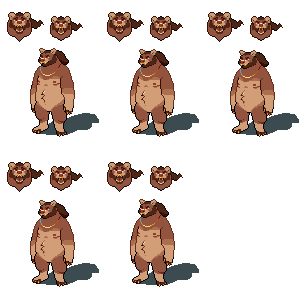
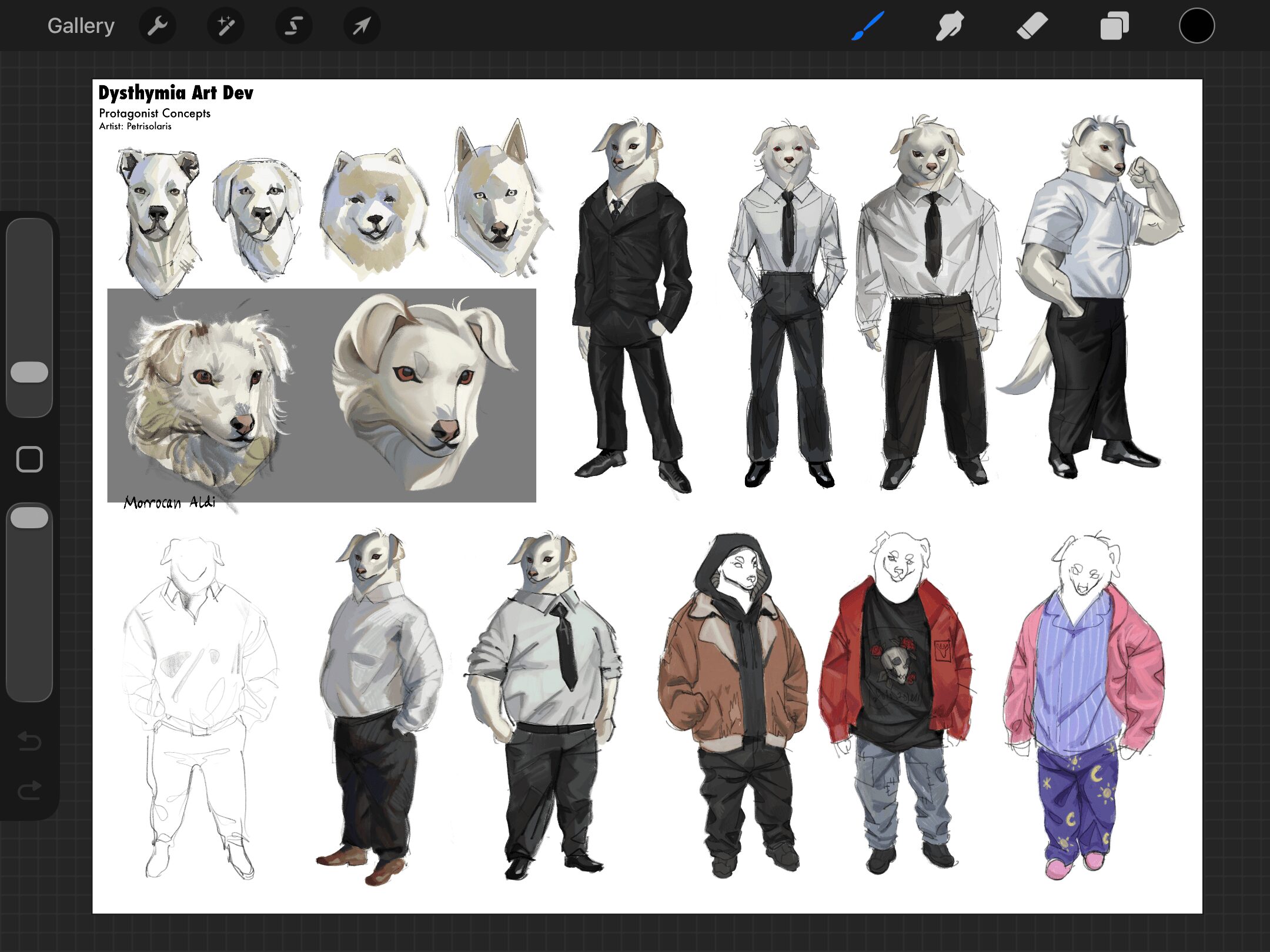
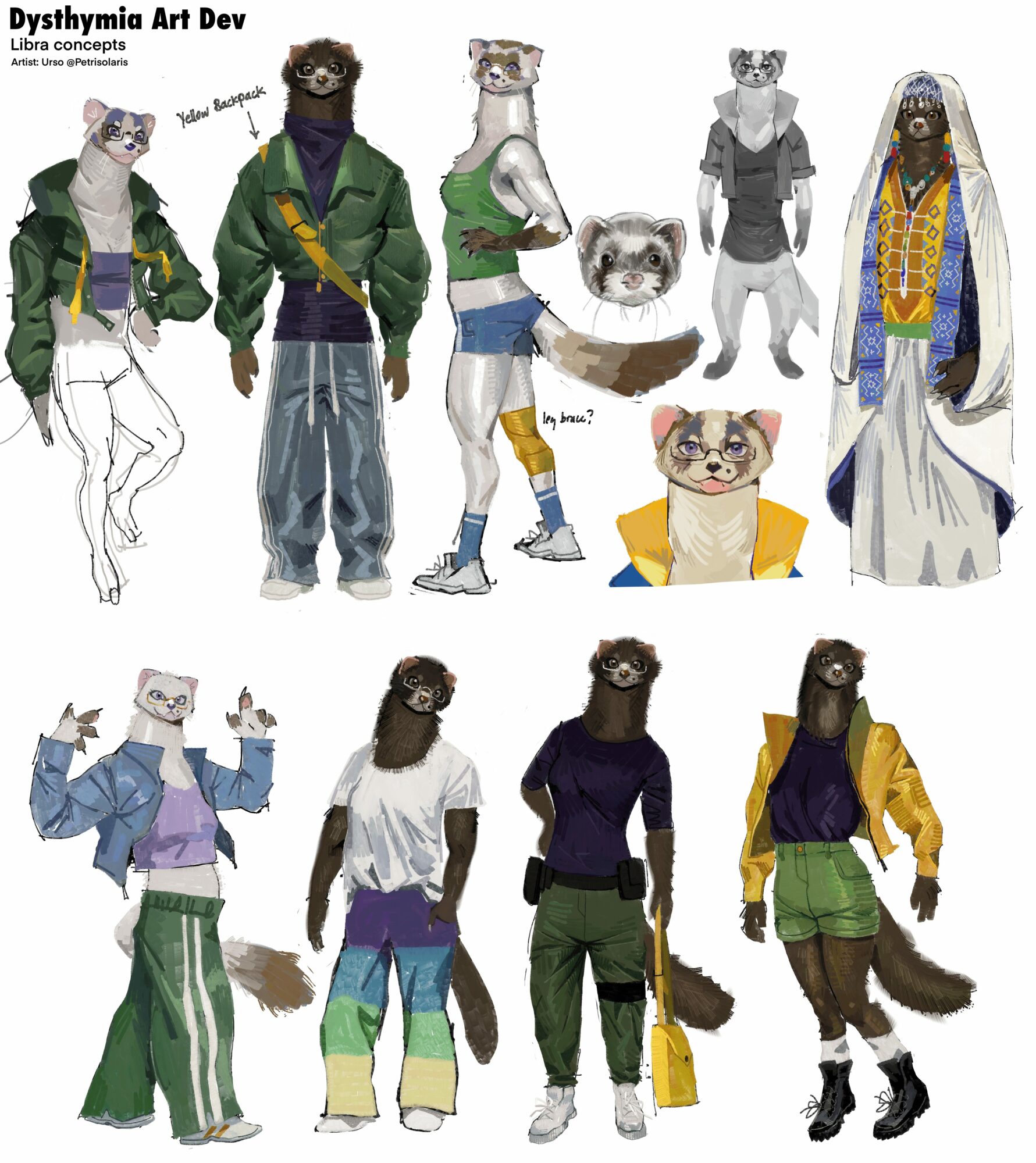
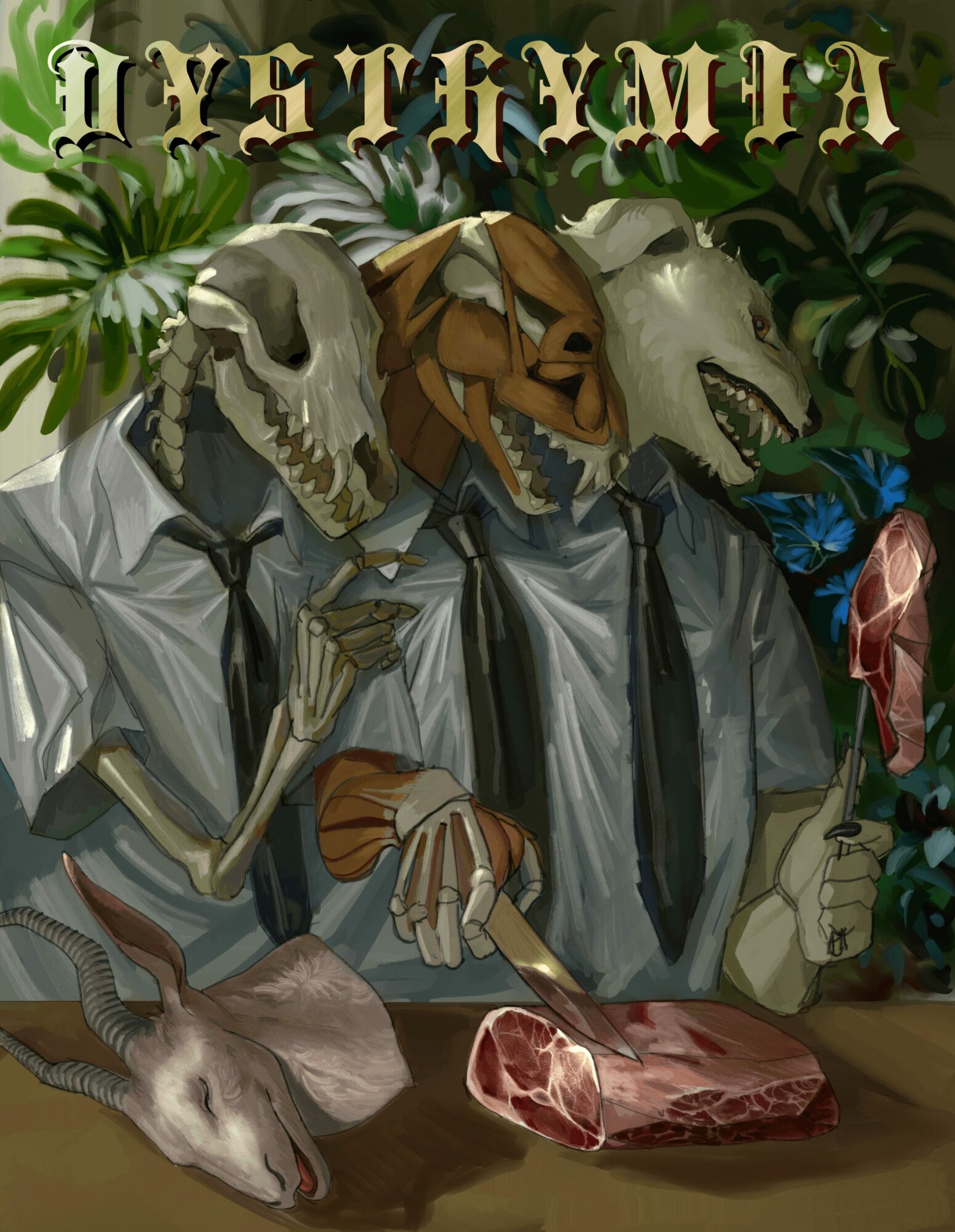
Image Credits
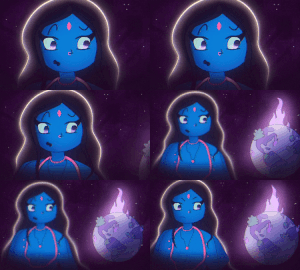
Artistic Work by Art Lead: Tucker (Petrisolaris) https://x.com/Petrisolaris
Popular
-

Hidden Gems: Local Businesses & Creatives You Should Know
-

ATL’s Most Inspiring Stories
-

Portraits of Atlanta
-

Satoya Hayes on Turning Beauty 2 Extensions into a Platform for Affordable Confidence and Entrepreneurial Opportunity
-
Asha Ford on Building Krystal Klear Motion and Creating Purpose-Driven Design for Women
-

Truth in Every Verse: Jay Erve on Identity, Experience, and Creating Art That Lasts