





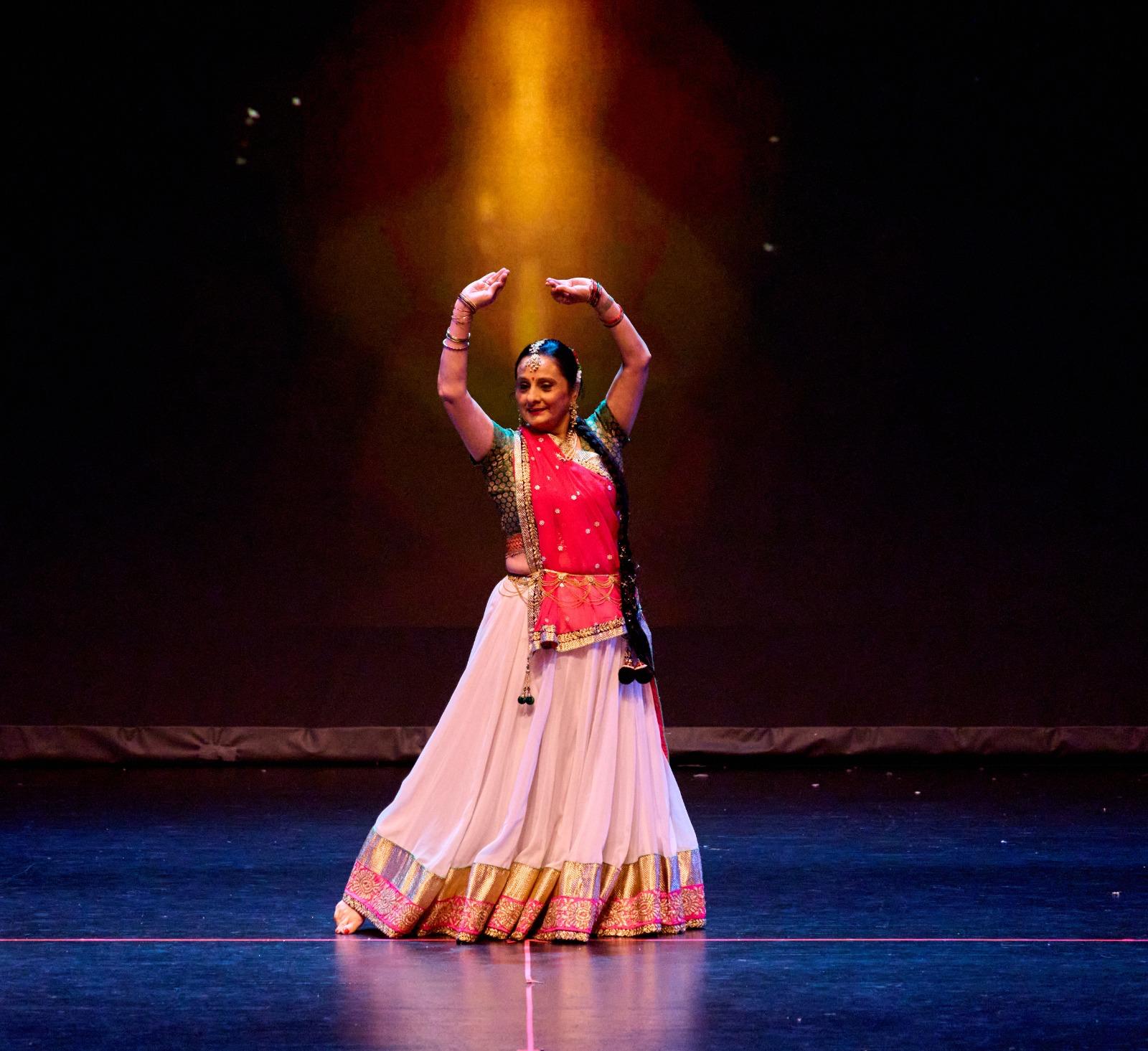
Today we’d like to introduce you to Kumud Savla.
Hi Kumud, thanks for joining us today. We’d love for you to start by introducing yourself.
My devotion to dance began at the age of five in my hometown of Bhuj, Kutch, India. My foundational influence was my mother, Ushaben Thacker, an artist who introduced me to the discipline and set me upon this lifelong path.
When I was seven, she choreographed a piece for me to perform, and it was about rain during what had been a five-year drought in Bhuj. On the day of the performance, the skies opened and it poured for the first time in half a decade! For everyone there, both performers and audience, it felt like magic. That was the day from which my dance journey truly began.
Throughout my childhood I performed across my community, and in the summers I traveled to the city of Nagpur to learn Kathak. I was captivated by the intricate footwork and the fast spins, and I fell in love with the dance form. Recognizing my dedication, my family supported my enrollment at the prestigious Kathak Kendra in New Delhi. There, I had the immense privilege of training under legendary gurus, Pandit Kundan Lal Gangani Ji and subsequently Pandit Durga Lal Ji. Under Pandit Durga Lal Ji’s guidance, I entered the international stage, touring and performing across Russia, Mauritius, Indonesia, and all over India.
Studying at Kathak Kendra meant leaving my family in Bhuj and living in a hostel, which was a formative experience that shaped me as much as a person as it did as a performer. Alongside my Kathak training, I also studied at the National School of Drama, which was housed on the same campus. Those years of training still inform how I teach today.
In 1989, following my marriage, I relocated to Atlanta. My debut performance was hosted by the Indian American Cultural Association (IACA), and the overwhelming reception underscored a deep, unmet desire within the diaspora for classical Kathak instruction. Though I had not initially anticipated a career in dance education upon moving to the United States, I chose to give it a try. My first classes were held in a garage with just 25 students. Over time, I expanded beyond pure Kathak to include folk dance styles as well, partly to engage younger students who were encountering Indian classical dance for the very first time and to appeal to the audiences in local performances.
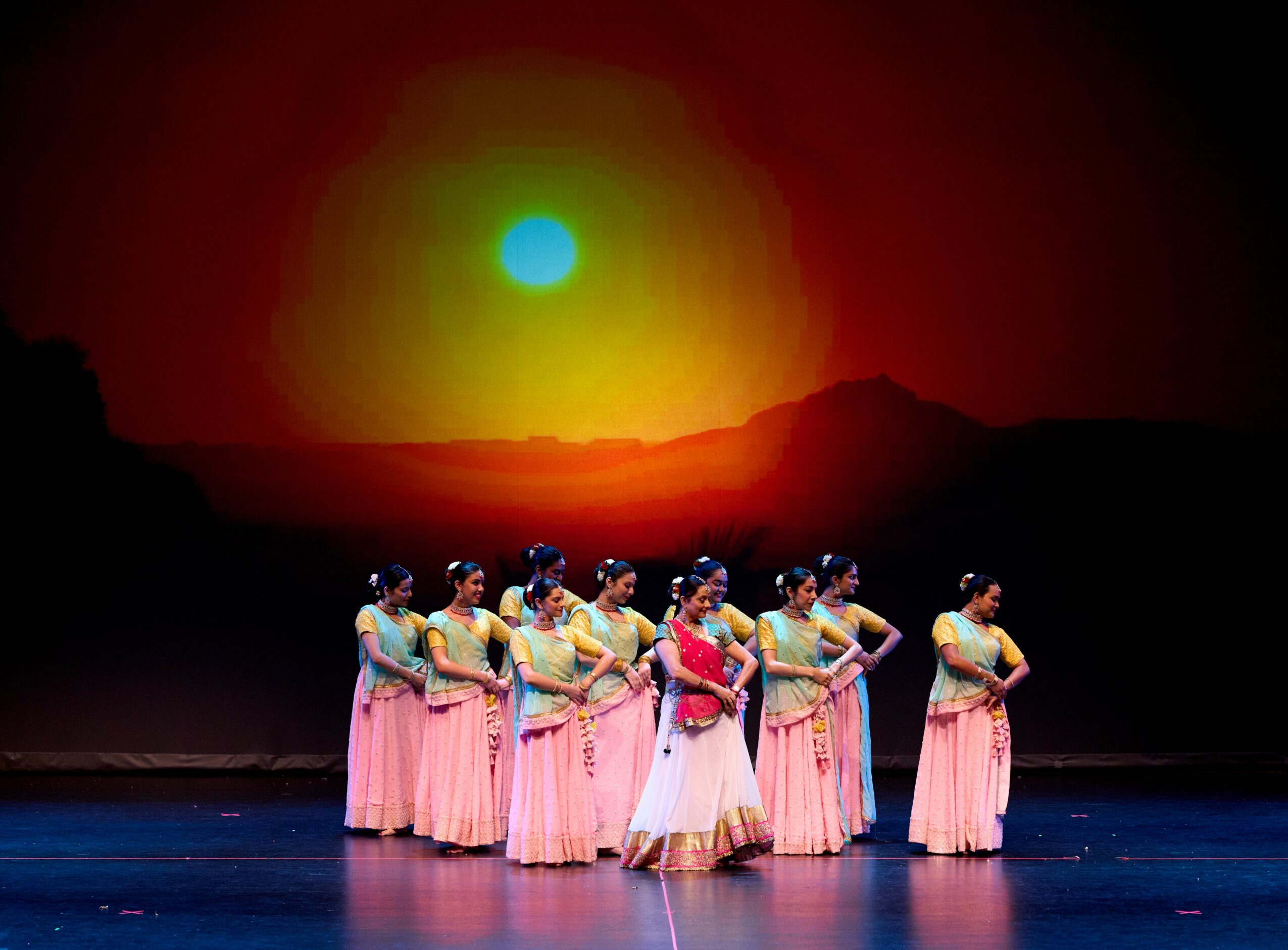
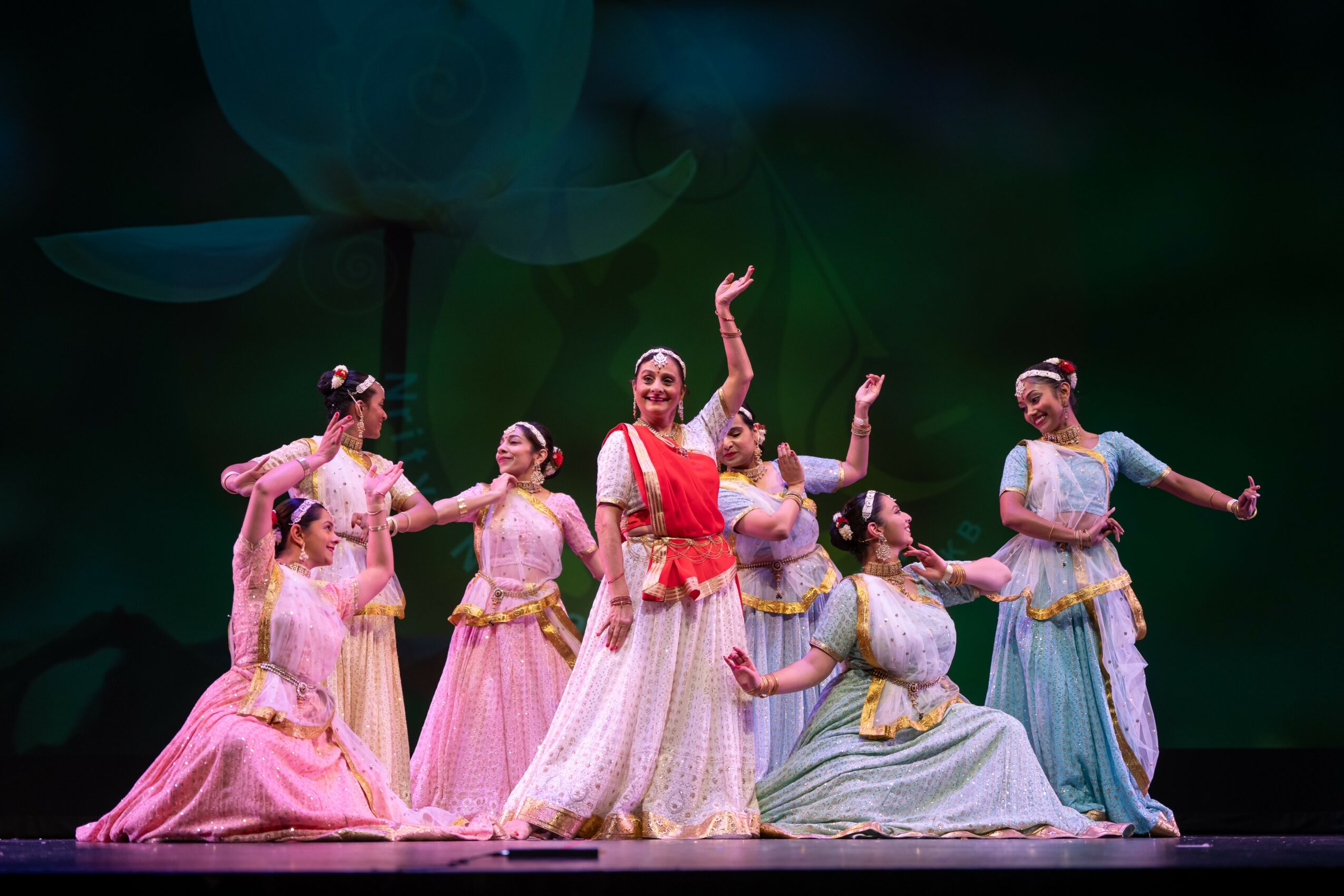
Today, our school, Nritya Natya Kala Bharti (NNKB), is one of Atlanta’s premier classical dance institutions. We train students in Kathak through a program recognized by the Georgia Nonpublic
Postsecondary Education Commission, and we have graduated hundreds of students, many of whom have gone on to perform their Rangmanch Pravesh, a dancer’s formal debut as a solo professional. What I treasure most is that even after our students leave for college and careers, they stay connected to NNKB. From the very beginning, my goal has been not just to train dancers, but to build a lasting community through this art.
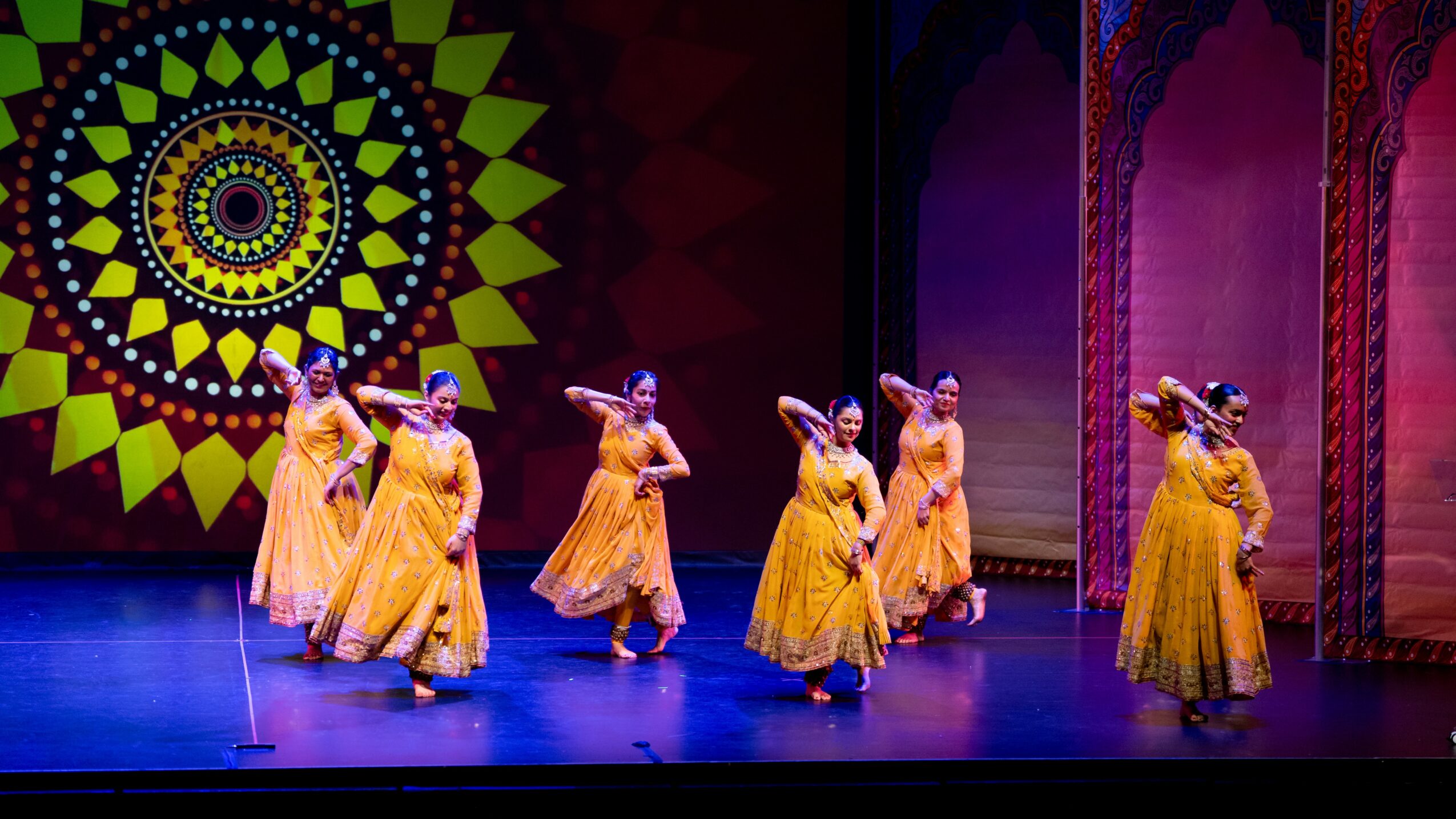
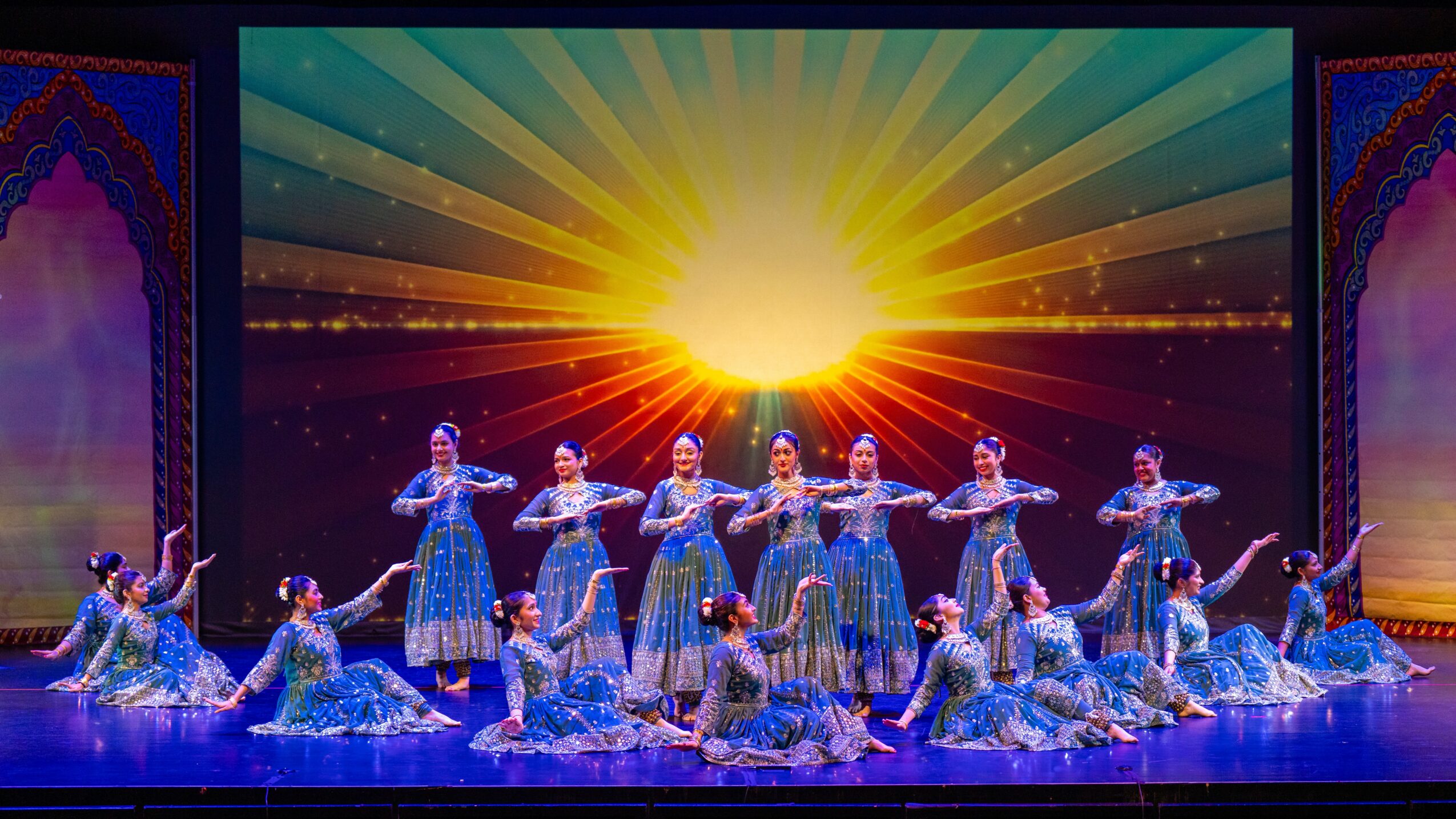
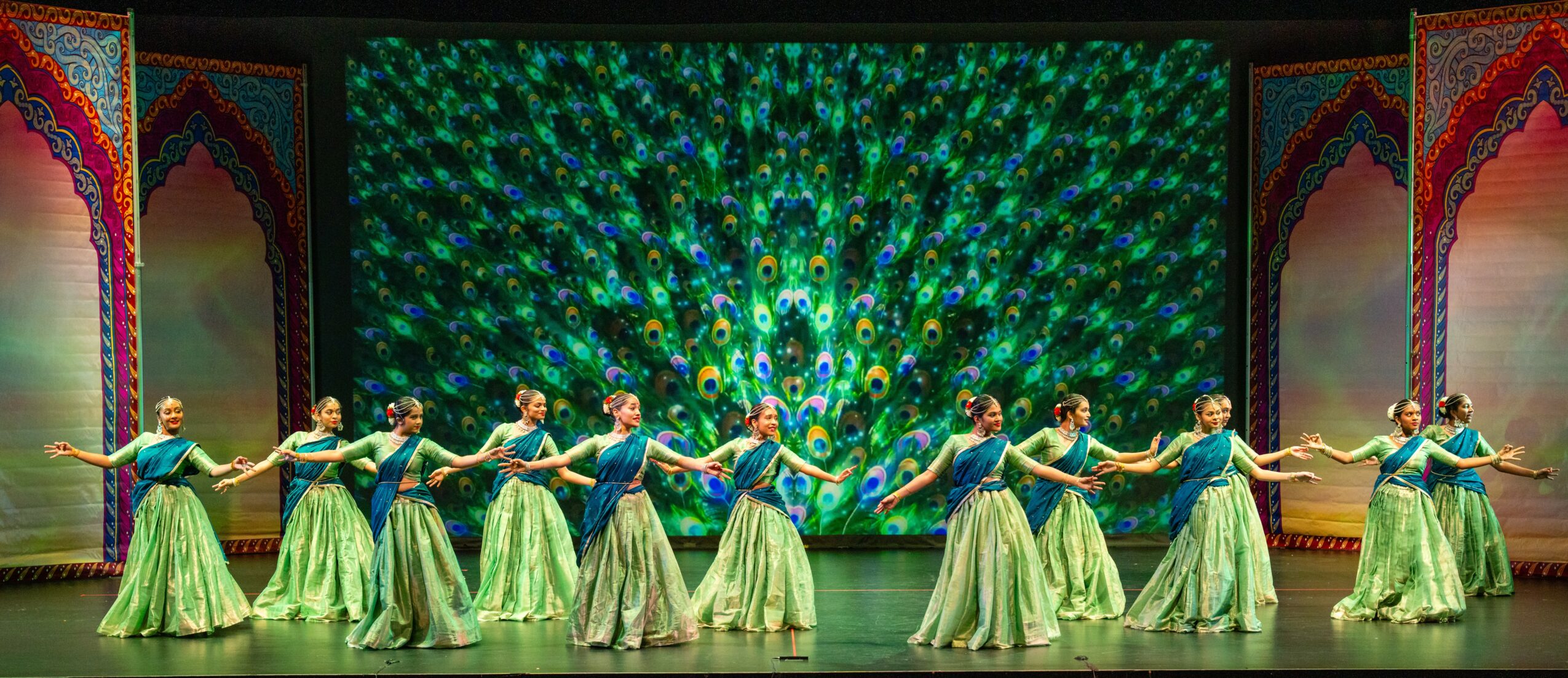
Every weekend, our students perform at shows across Atlanta, and we’ve traveled out of state as well to performances, including the Diwali Dance Festival at Walt Disney World. Through each performance, my students and alumni carry forward the tradition and lineage of my gurus.
Alright, so let’s dig a little deeper into the story – has it been an easy path overall and if not, what were the challenges you’ve had to overcome?
Like any journey of this kind, mine has had its ups and downs. When I first started teaching in Atlanta, the cultural landscape was very different. Parents wanted their children to learn Kathak, but the children themselves weren’t always interested. Meanwhile, many parents saw classical dance as secondary to careers in medicine or law. It was something nice to have, but not necessary to invest in seriously.
Over the years, through performances, teaching, and community outreach, I worked to shift those perceptions. I made it a priority not just to teach dance, but to share Kathak’s cultural depth, the discipline it demands, and the way classical arts shape confident, well-rounded people. Kathak provides students today the opportunity to stay connected to their roots as their world continuously changes and develops. Today’s families understand this in a way that earlier generations didn’t, and the Kathak certification our students earn at NNKB has helped them stand out academically and professionally as well.
Aside from the cultural shift from India to the United States, there were practical challenges to face. When I first began performing and teaching here, I was the only Kathak artist in Atlanta performing with live music, even though South Indian classical forms like Bharatanatyam had a well-established live-music tradition. Coordinating with musicians, building those relationships, and rehearsing for performances took patience and diligence.
At the same time as navigating my dance career, I was raising two children. My husband and I learned to manage packed weekends of teaching and performances alongside weekday evenings spent at our kids’ own activities. NNKB grew up alongside our family in a beautiful way, for which I am endlessly grateful.
Thanks for sharing that. So, maybe next you can tell us a bit more about your work?
I’m a professional Kathak classical dancer, specializing in the Jaipur Gharana, one of the major schools within the Kathak tradition. Over the years, my work as a guru has taken me across the US and internationally, but what I’m proudest of is the range of students I get to teach, reaching from five-year-olds taking their very first class to adults discovering Kathak for the first time and all of them growing into beautiful dancers.
What truly distinguishes Nritya Natya Kala Bharti is that our mission extends far beyond training dancers; we are dedicated to personal development as well. Kathak is inherently a holistic art form. Through its intricate narrative and technical frameworks, it naturally cultivates public speaking, compelling storytelling, rigorous time management, and even advanced mathematical acumen via its complex rhythmic structures. The discipline and confidence our students build in the studio carries into school, into their careers, and into their social lives. Being able to pass on the teachings of my gurus and watch my students take it forward into their lives and the wider community is what makes this work meaningful.
Are there any apps, books, podcasts, blogs or other resources you think our readers should check out?
The resources that help me most aren’t necessarily apps or podcasts. In my free time, I read Hindi and Gujarati literature, I meditate daily, and I spend time outdoors, whether walking in a local park or among trees. Each of these keeps me grounded and also shapes how I teach in the studio. Meditation is essential in sharpening my focus, both in and out of the studio. I believe that the work I do for myself outside the studio is what allows me to be fully present for my students inside it.
Contact Info:
- Website: https://www.nnkbacademy.com/
- Instagram: http://instagram.com/nnkbacademy/
- Facebook: https://www.facebook.com/NrityaNatyaKalaBharti/
- Youtube: https://www.youtube.com/c/NNKBAcademy
- Other: [email protected]
Popular
-

Hidden Gems: Local Businesses & Creatives You Should Know
-

ATL’s Most Inspiring Stories
-

Portraits of Atlanta
-

Natasha Dillard on Redefining Beauty Standards and Empowering Women Through Unapologetic Self-Expression
-

Darren Paltrowitz on Blending Investigation, Media, and Culture to Uncover the Stories Behind the Stories
-

Naeemah Jade on Redefining Networking Through Trust, Proximity, and Intentional Community