




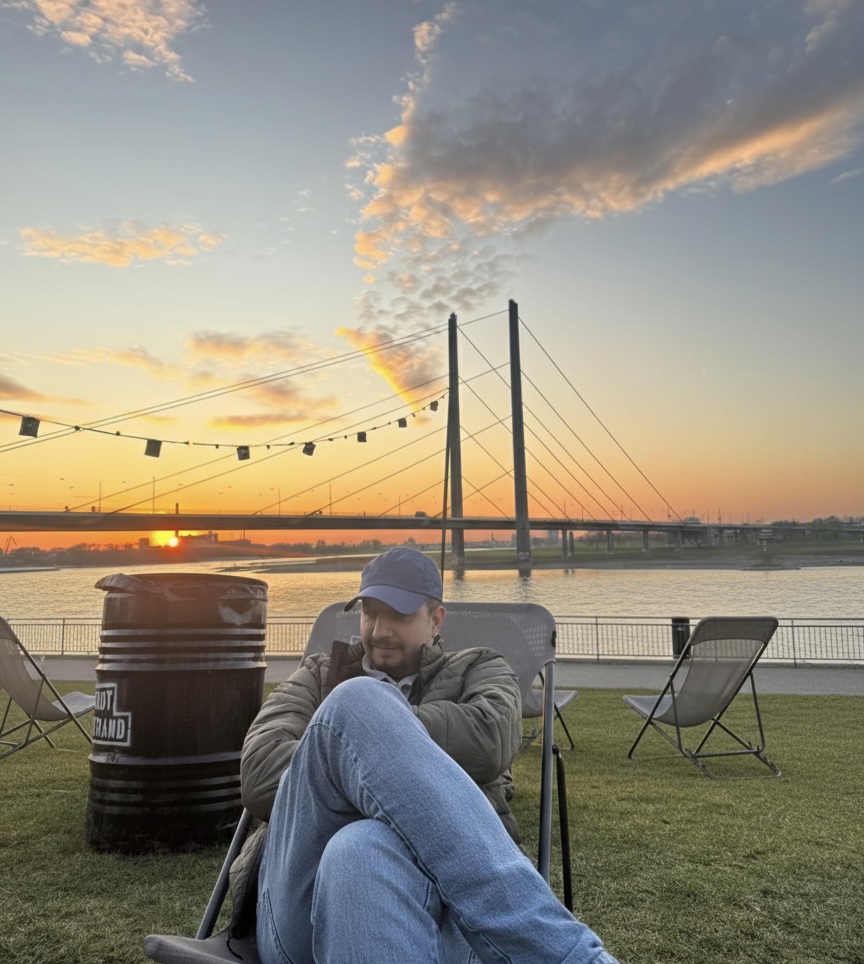
Today we’d like to introduce you to Moe Fard.
Hi Moe, we’re thrilled to have a chance to learn your story today. So, before we get into specifics, maybe you can briefly walk us through how you got to where you are today?
I originally started in architecture, where I became deeply interested in how space affects emotion, memory, and perception. While studying and working in the field, I realized I was less drawn to architecture as pure function and more fascinated by atmosphere, the invisible emotional weight that certain spaces can carry.
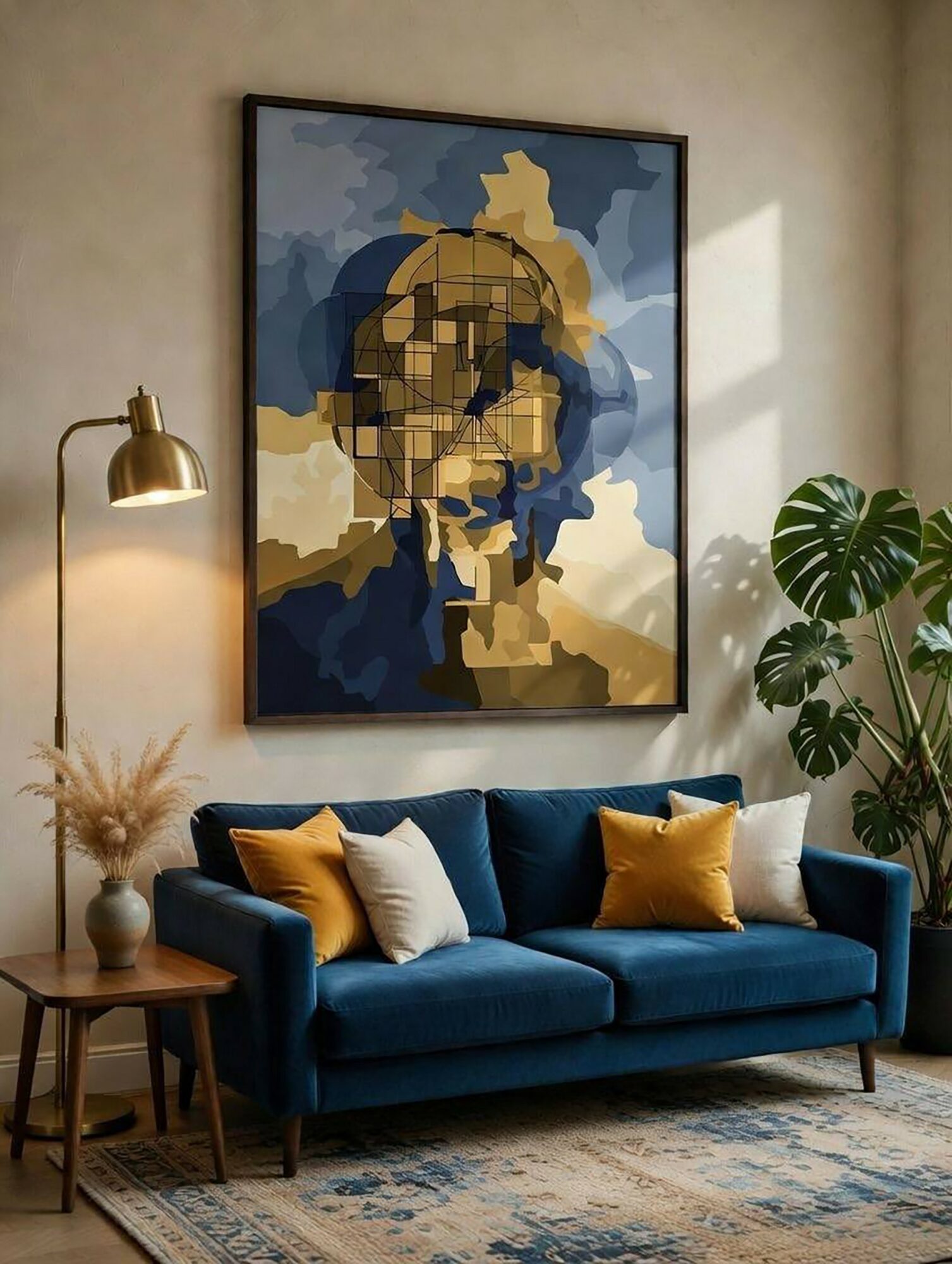
Over time, that curiosity gradually pushed me toward visual art. I began constructing psychological spaces through images: minimal, quiet environments that explore absence, ambiguity, fragmentation, and memory. My work often sits somewhere between architecture and emotional landscape, influenced by both physical spaces and the experience of displacement and transition.
Moving to Germany became another important layer in that process. Starting over in a new environment changed the way I looked at identity, distance, silence, and familiarity. Many of my works reflect that tension spaces that feel recognizable but emotionally distant at the same time.
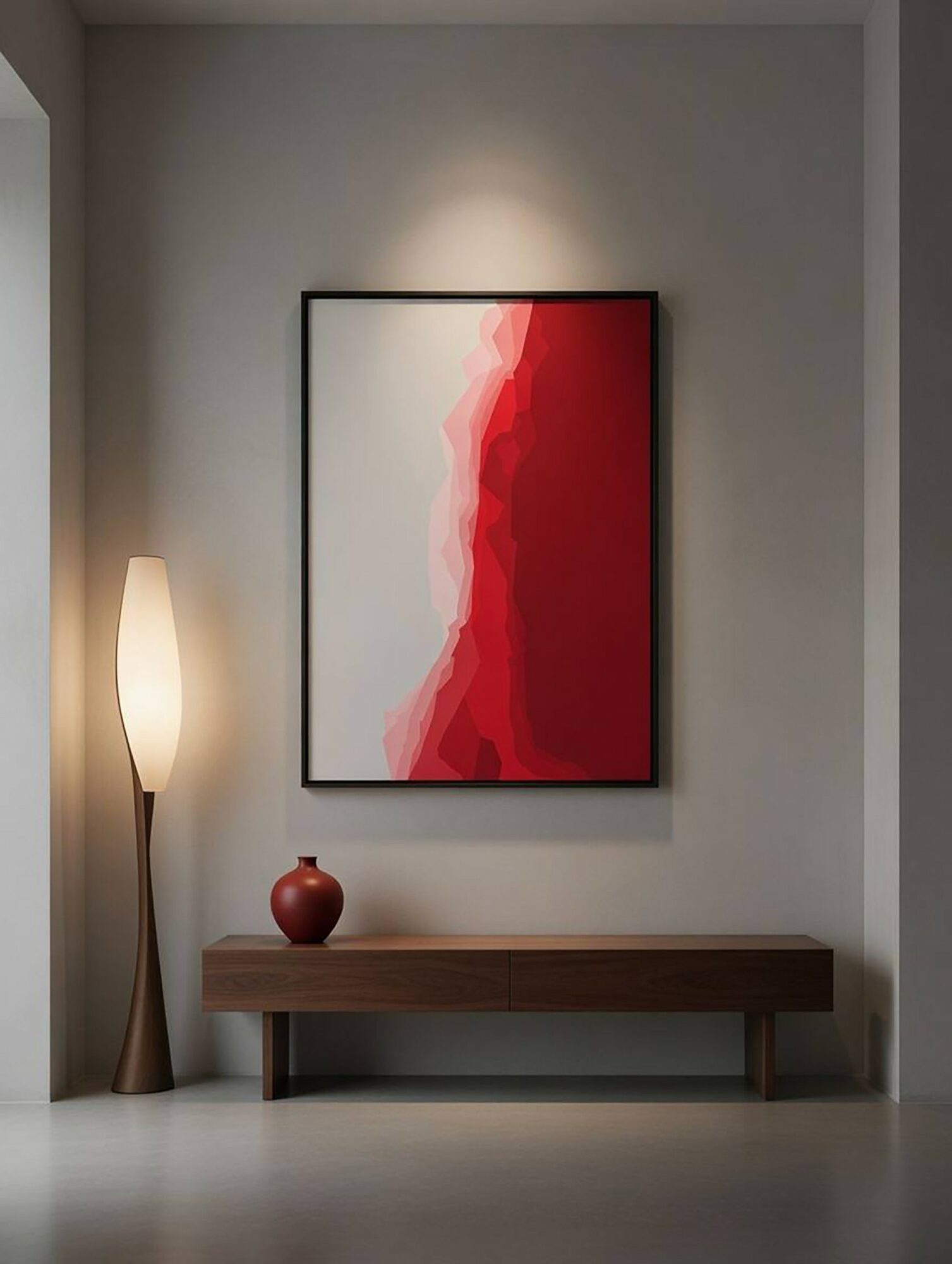
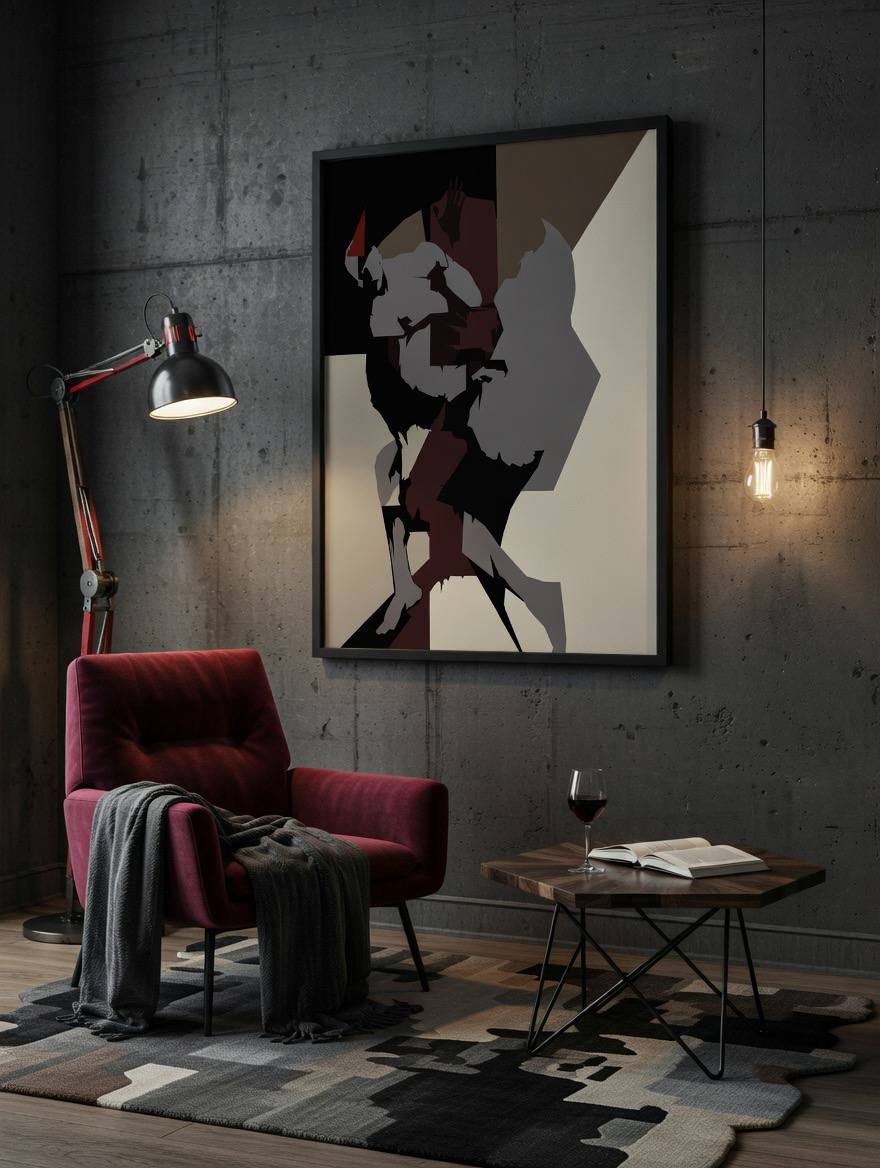
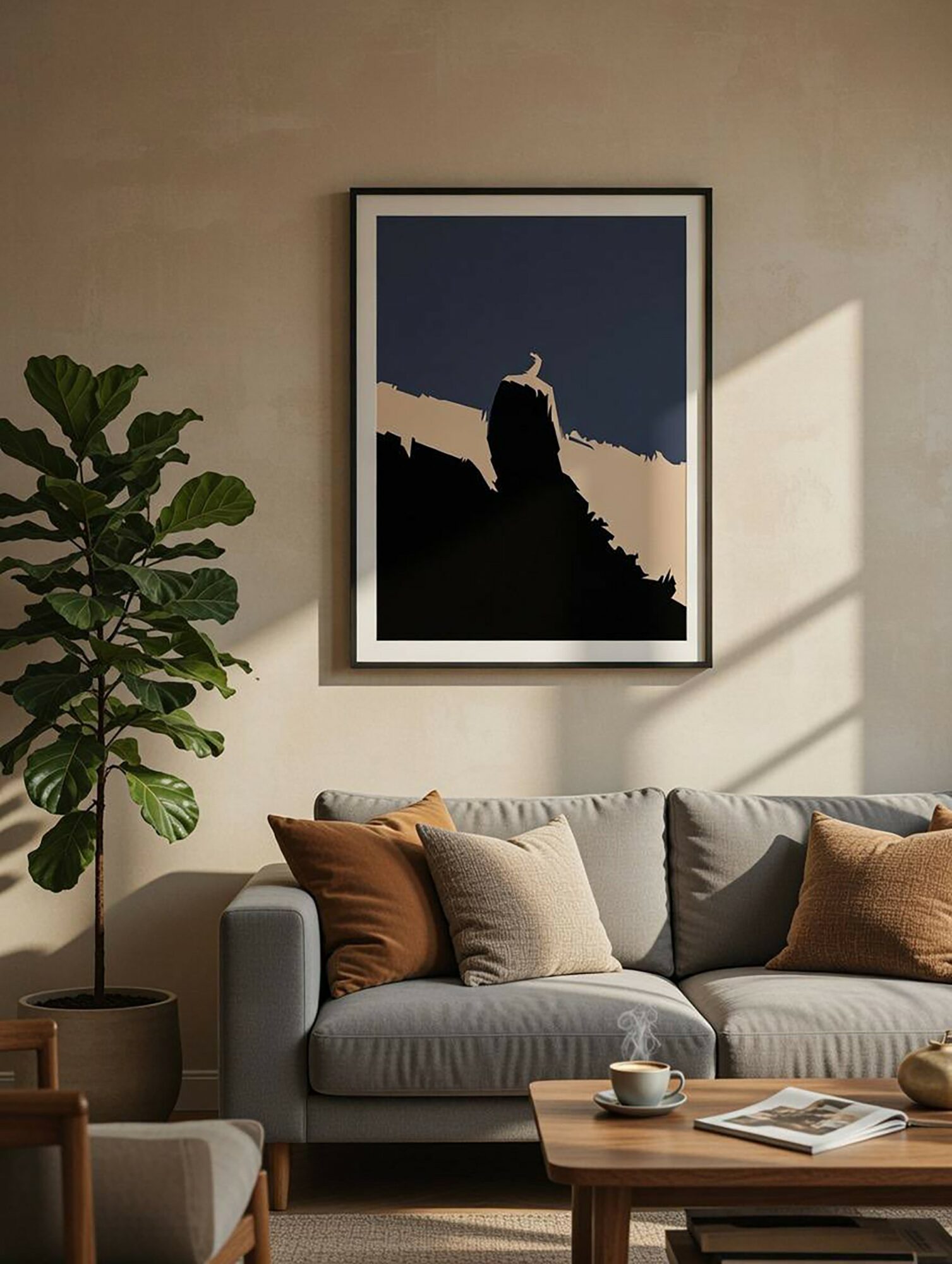
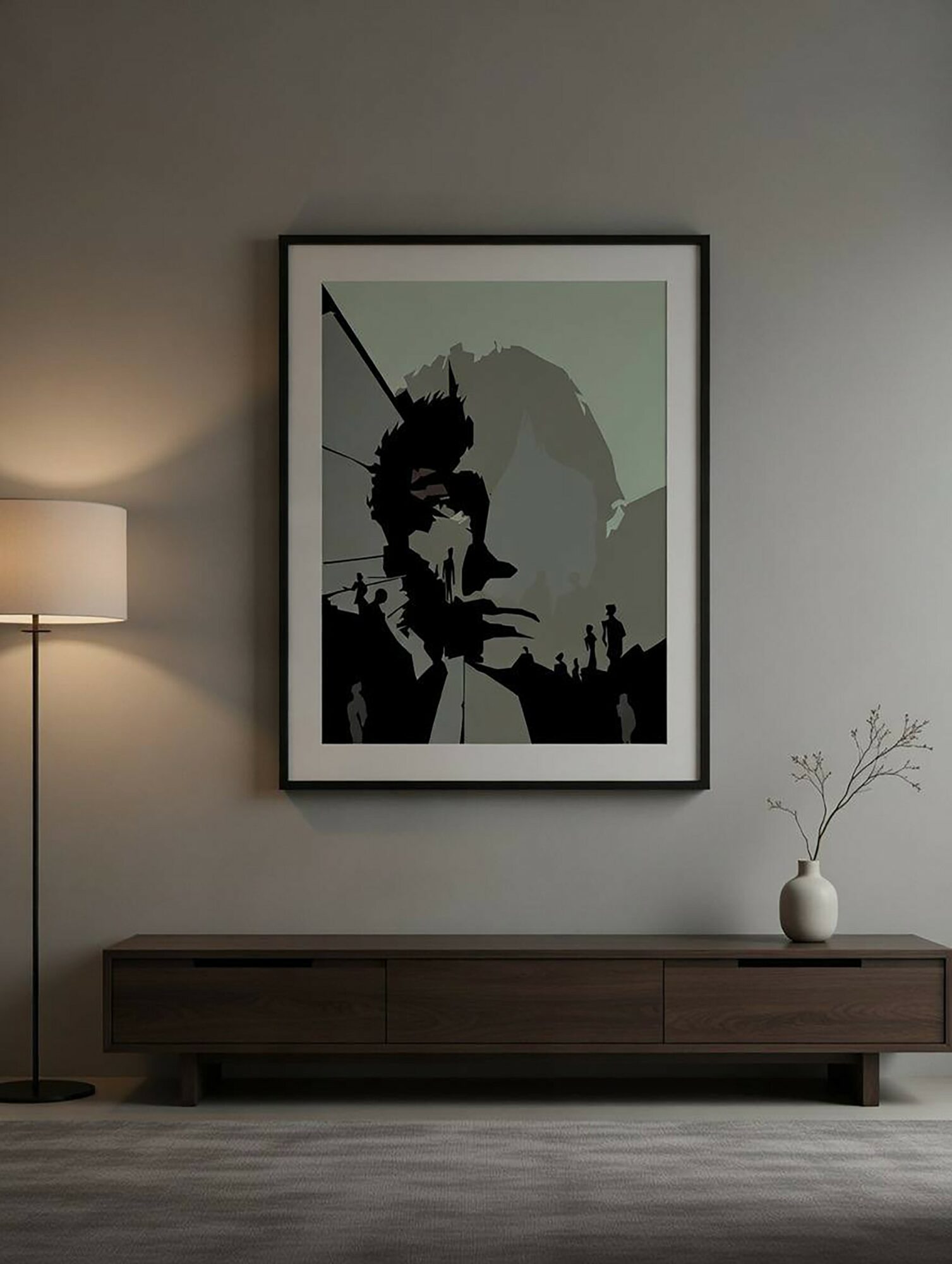
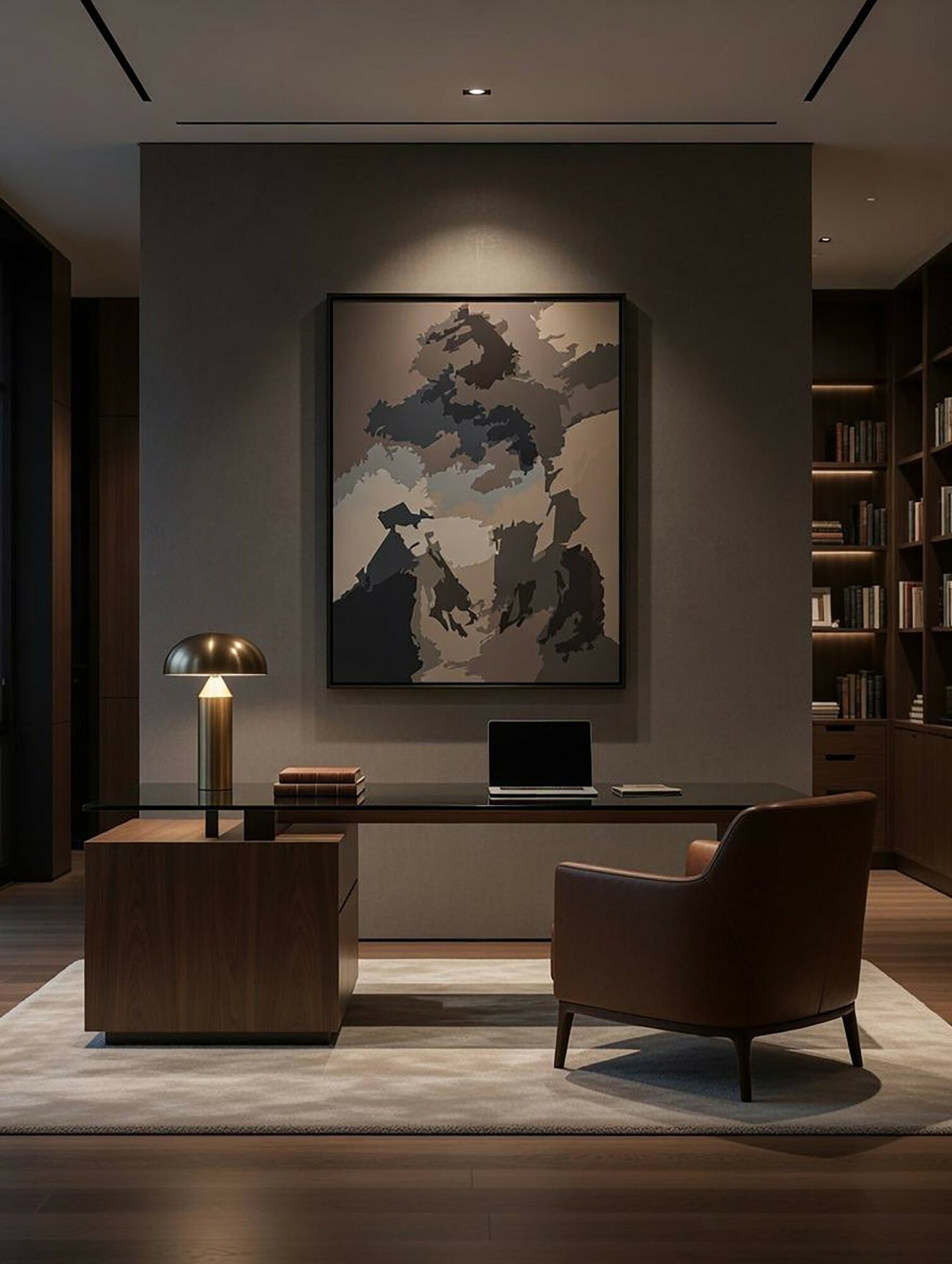
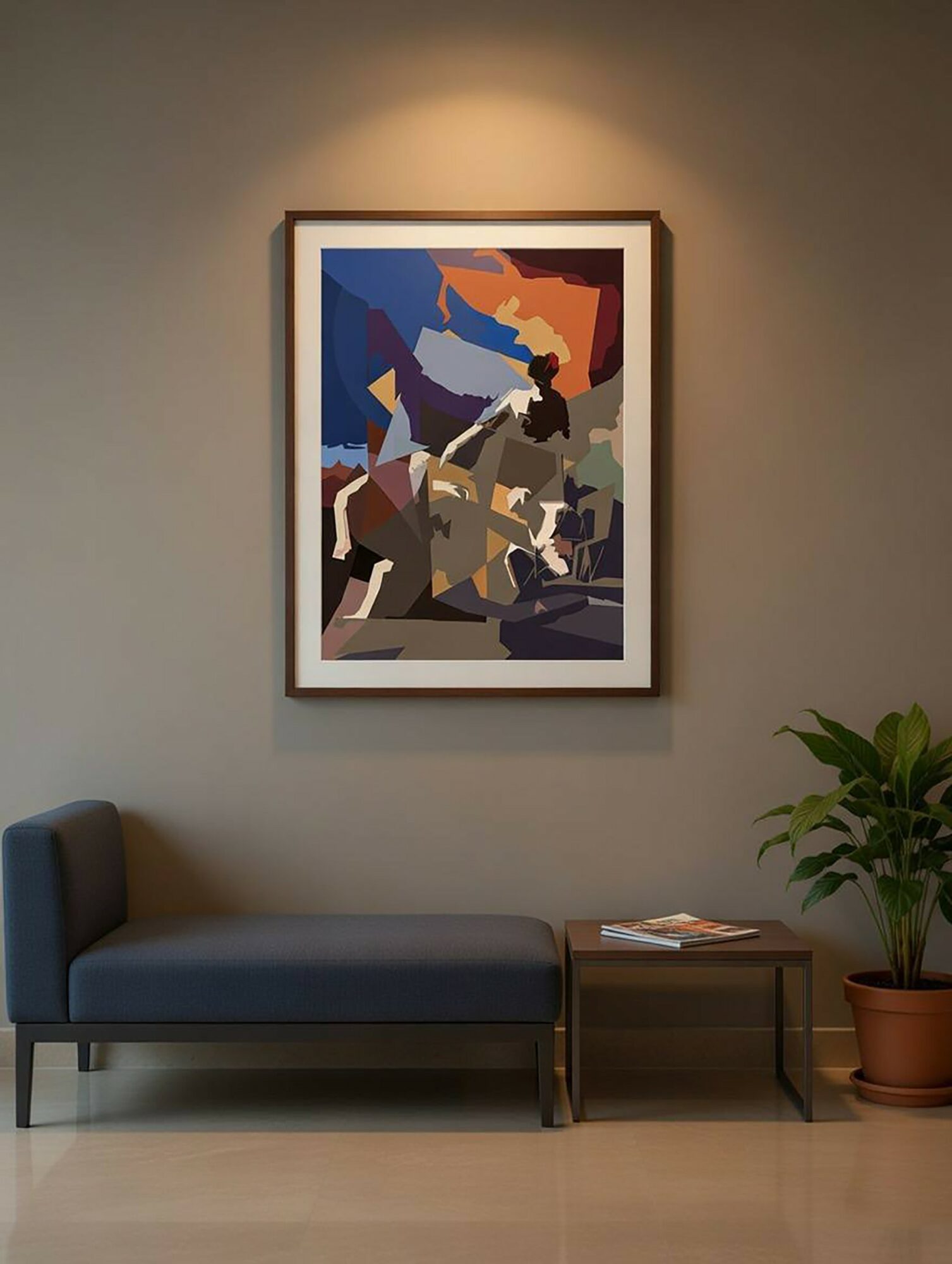
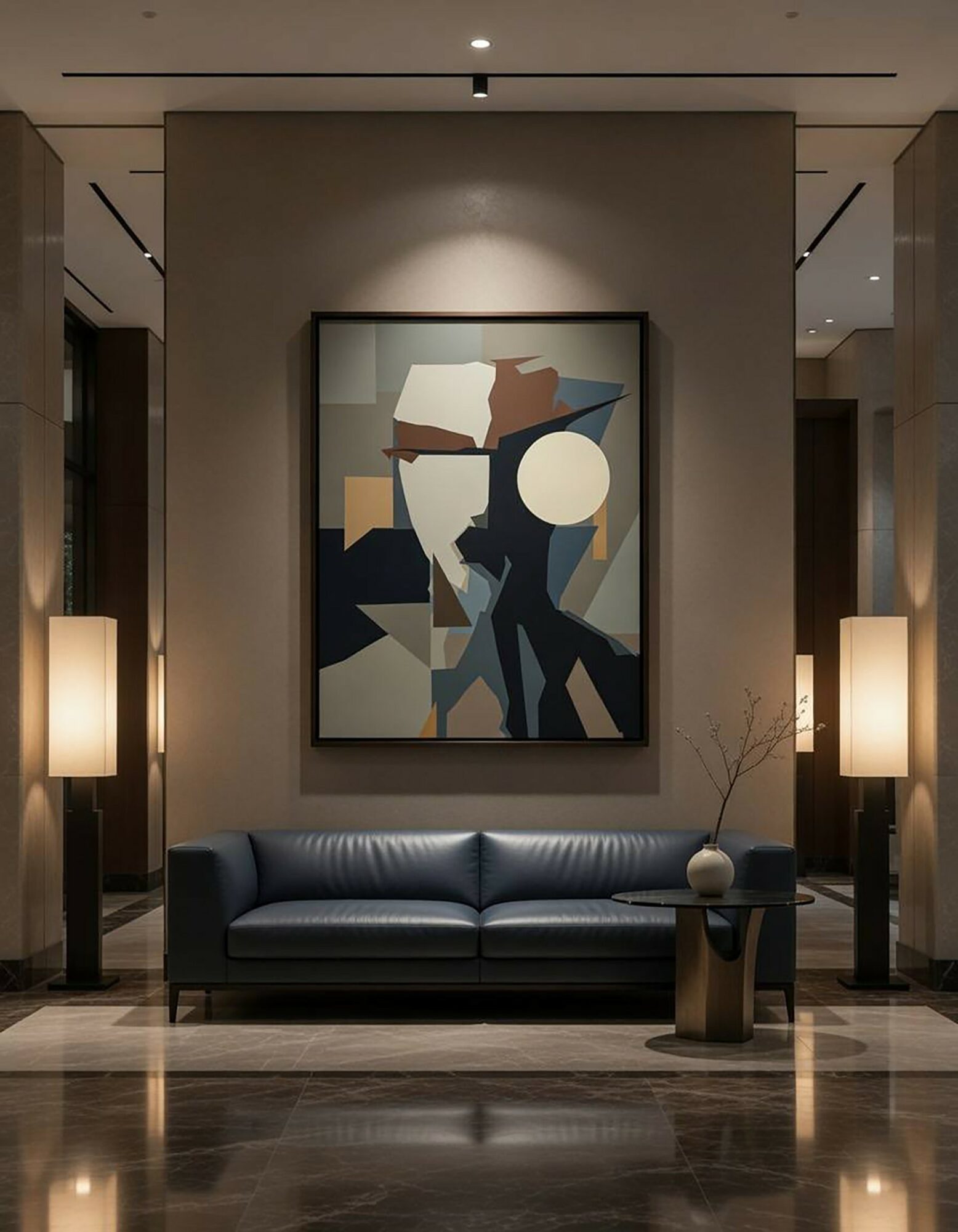
What began as a personal exploration slowly evolved into a more focused artistic practice. Today, I work at the intersection of architecture and conceptual art, creating atmospheric compositions that are meant less to explain something directly and more to create a psychological experience for the viewer. I’m also increasingly interested in how art can become part of spatial identity within interiors, hospitality environments, and architecture itself.
Would you say it’s been a smooth road, and if not what are some of the biggest challenges you’ve faced along the way?
It definitely hasn’t been a completely smooth road. One of the biggest challenges was navigating the space between architecture and art, especially early on. Architecture is often driven by function, constraints, and practical outcomes, while the kind of work I was drawn to was more psychological and atmospheric. It took time to fully accept that I wanted to pursue something more conceptual and emotionally driven.
Another major challenge was rebuilding my life and creative identity after moving to Germany. Starting over in a new country comes with a lot of uncertainty professionally, culturally, and personally. There’s a period where you feel disconnected from both your past and your future, and that experience naturally found its way into my work. In many ways, themes like absence, distance, silence, and fragmented memory came directly from that transition.
Like many artists, balancing creative integrity with practical realities has also been difficult at times. There’s always pressure to make work that is more commercial, more immediate, or easier to categorize. My work tends to be quiet and minimal, so part of the challenge has been trusting that subtlety can still have emotional impact.
At the same time, those struggles became part of the foundation of the work itself. The uncertainty, displacement, and constant process of rebuilding perspective ultimately pushed me toward a more honest and focused artistic voice.
Appreciate you sharing that. What else should we know about what you do?
My work exists somewhere between architecture, atmosphere, and psychological space. I create minimal, conceptual visual compositions that explore themes like memory, absence, ambiguity, fragmentation, and perception. Even though the work is visual, I often approach it spatially, almost as if I’m constructing emotional environments rather than simply making images.
Because of my background in architecture, I’m especially interested in how space can influence emotion. That influence still shapes everything I do. Instead of focusing on narrative in a direct sense, I try to create quiet, suspended moments that leave room for interpretation and emotional projection. Many of the spaces in my work feel familiar but slightly distant or unresolved, which is intentional. I’m interested in the tension between presence and absence, clarity and uncertainty.
Over time, I’ve also become increasingly interested in how art interacts with interiors and architecture itself, particularly within hospitality, residential, and spatial design environments. I see artwork not just as decoration, but as something that can shape the psychological identity and atmosphere of a space.
What I’m most proud of is developing a visual language that feels genuinely personal rather than trend-driven. In a time where images are constantly competing for attention, I’ve been committed to restraint, silence, and emotional subtlety. That choice isn’t always the easiest path, but it feels honest to the kind of experience I want the work to create.
I think what sets my work apart is the combination of architectural thinking and emotional minimalism. My process is influenced as much by spatial perception and atmosphere as by traditional image-making. Rather than presenting answers or fixed meanings, I try to create spaces where viewers can bring their own memories, emotions, and interpretations into the work.
What matters most to you?
What matters most to me is creating work that feels honest, emotionally honest, even when it’s quiet or ambiguous. I’m not interested in making images that simply fill space or demand attention for a few seconds. I care much more about creating an atmosphere or emotional condition that stays with someone in a subtle way.
I think that comes from both architecture and personal experience. Architecture taught me that spaces can affect us psychologically without us even realizing it, and life experiences, especially transition, displacement, and rebuilding, made me more aware of how memory and emotion shape the way we perceive the world around us.
Because of that, authenticity matters to me more than visibility or trends. I’d rather create something restrained and meaningful than something louder but disconnected from my real perspective. I’m also deeply interested in the relationship between people and spaces, how environments can hold silence, tension, comfort, distance, or memory. A lot of my work grows out of that fascination.
Ultimately, what matters most is making work that creates a genuine emotional connection, even if it happens quietly. If someone can look at a piece and feel something they can’t fully explain but still recognize internally, that’s meaningful to me.
Pricing:
- Original works and limited editions are available through my studio and online platforms.
- Pricing varies depending on size, medium, and whether the work is part of a limited series or a one-of-one piece.
- https://www.saatchiart.com/moe-fard
Contact Info:
- Website: https://www.saatchiart.com/moe-fard
- Instagram: https://www.instagram.com/moefard.art
- Facebook: https://www.facebook.com/moefard.art
- Twitter: https://www.twitter.com/moefard
- Other: https://www.pinterest.com/moefard.art
Popular
-

Hidden Gems: Local Businesses & Creatives You Should Know
-

ATL’s Most Inspiring Stories
-

Portraits of Atlanta
-

Natasha Dillard on Redefining Beauty Standards and Empowering Women Through Unapologetic Self-Expression
-

Darren Paltrowitz on Blending Investigation, Media, and Culture to Uncover the Stories Behind the Stories
-

Naeemah Jade on Redefining Networking Through Trust, Proximity, and Intentional Community