






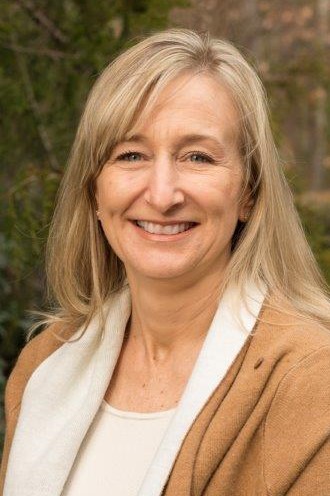
Today we’d like to introduce you to Mary Margaret Mauer.
Hi Mary Margaret, please kick things off for us with an introduction to yourself and your story.
Serving alongside our neighbor was a value that was instilled in me as a child, modeled by my parents, and part of the fabric of the small south GA community of Homerville that I was blessed to grow up in. As I grew up, I was drawn especially to service opportunities focused on children and youth. After getting married and having 3 children, I got involved through my local church in Rome, GA with an organization that provided residential care for children and youth and that trained and supported foster parents. Together with my family, I enjoyed planning fun activities and events for the children, making campus spaces welcoming and child-friendly, and helping raise funds to support needed services. Exposure to the foster care system made me aware of the dire need for more families who would open their homes to care well for children in state care. This led to my husband and I contemplating, “What if we didn’t have family members or close friends who would step in and take care of our kids if something happened to us? What would we want for our children?” The answer to that question led to us training to become foster parents. That opened my eyes even further to the deep needs within our child and family welfare system and broader related systems of care.
Amidst our foster journey, our county in Northwest Georgia had one of the highest ratios of children in care to available beds of the 159 Georgia counties. I began voicing to local churches and service organizations the great need for foster and adoptive families, care communities to wrap around them, volunteers such as Court-Appointed Special Advocates (CASAs) to walk alongside children in care, and encouragement for DFCS caseworkers and other service providers. As I expected, folks were often moved by the needs they learned of and interested in getting engaged, but follow-through suffered because I was pointing them in many different directions geographically- and service-wise.
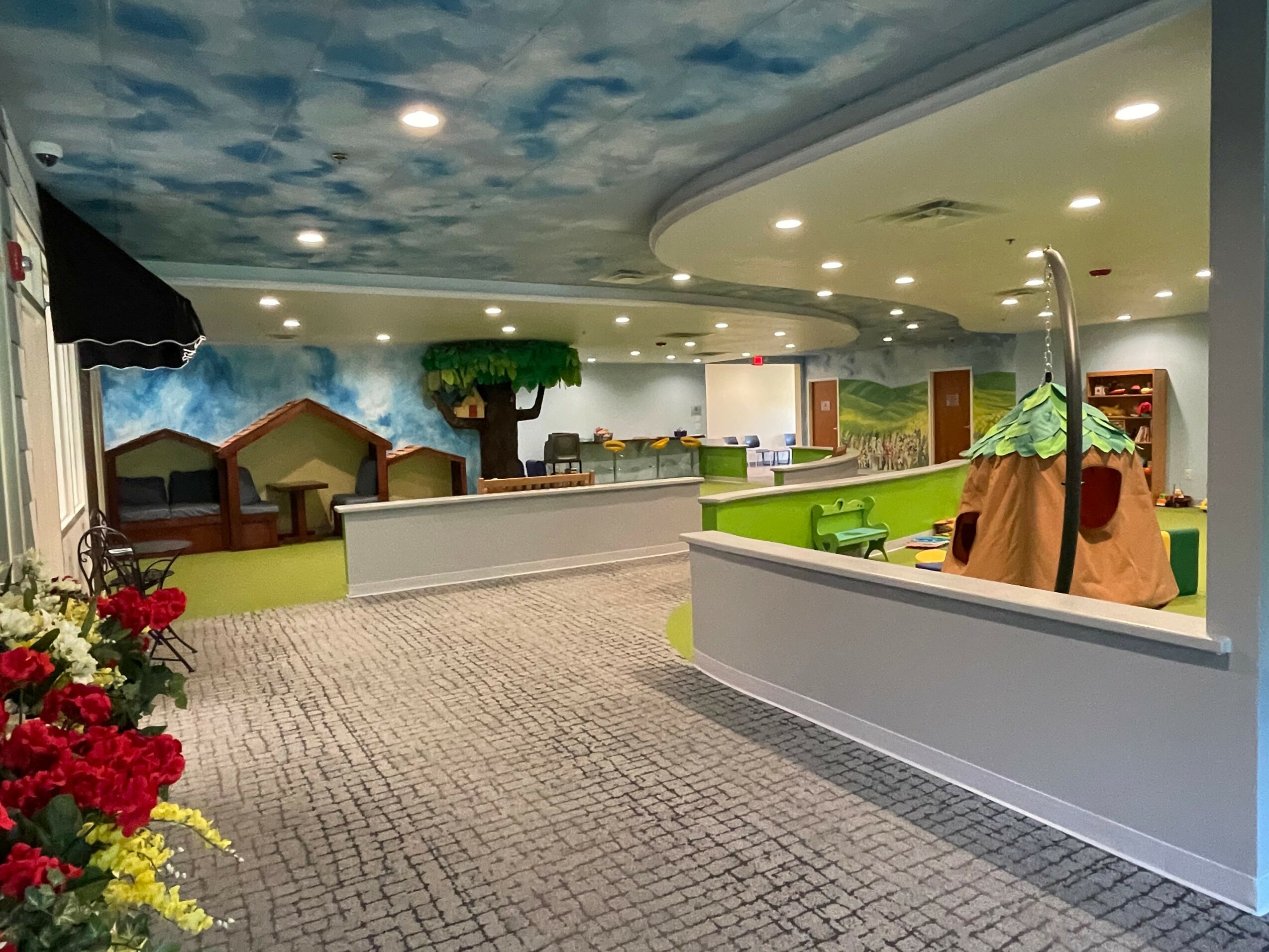
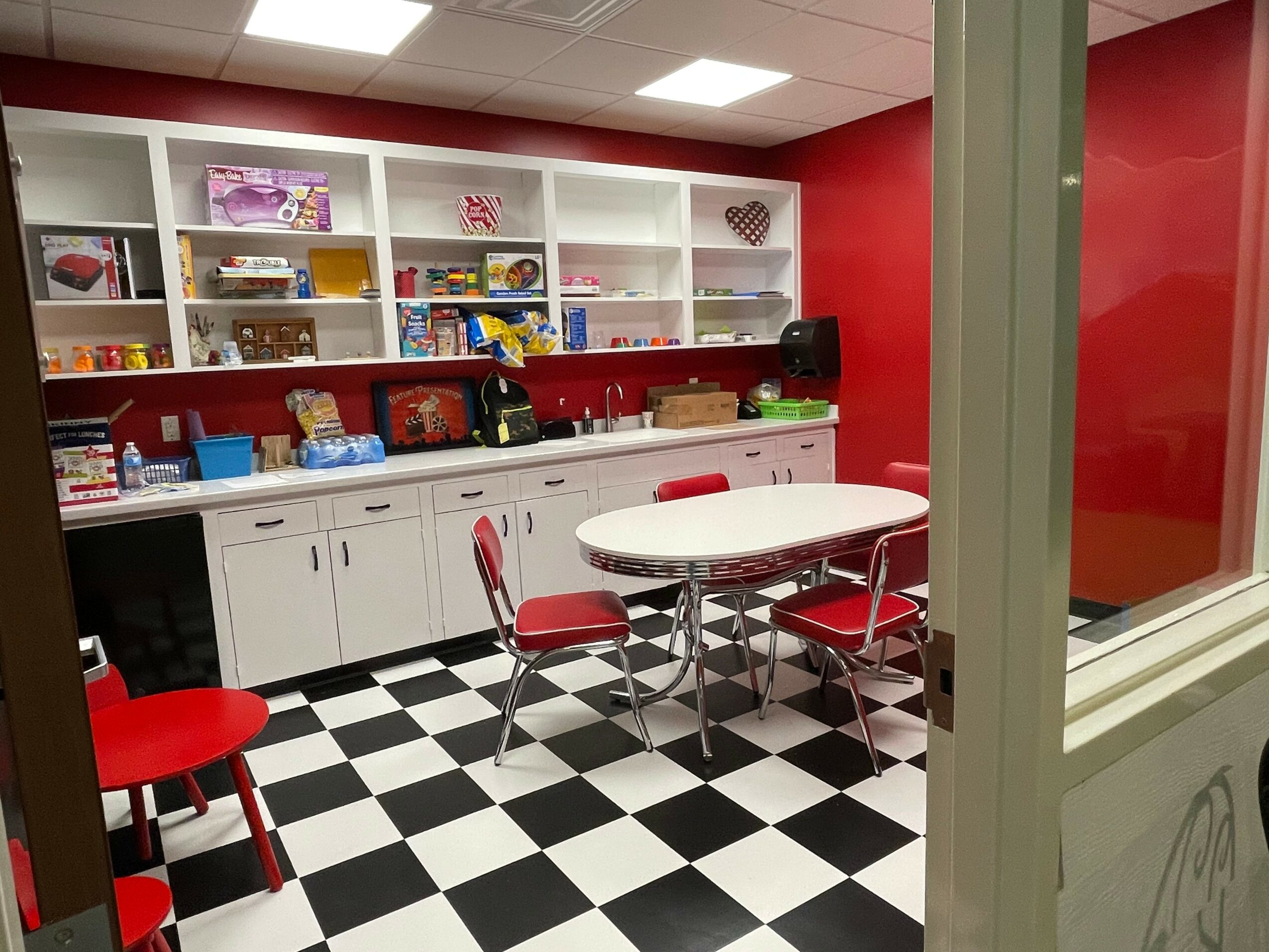
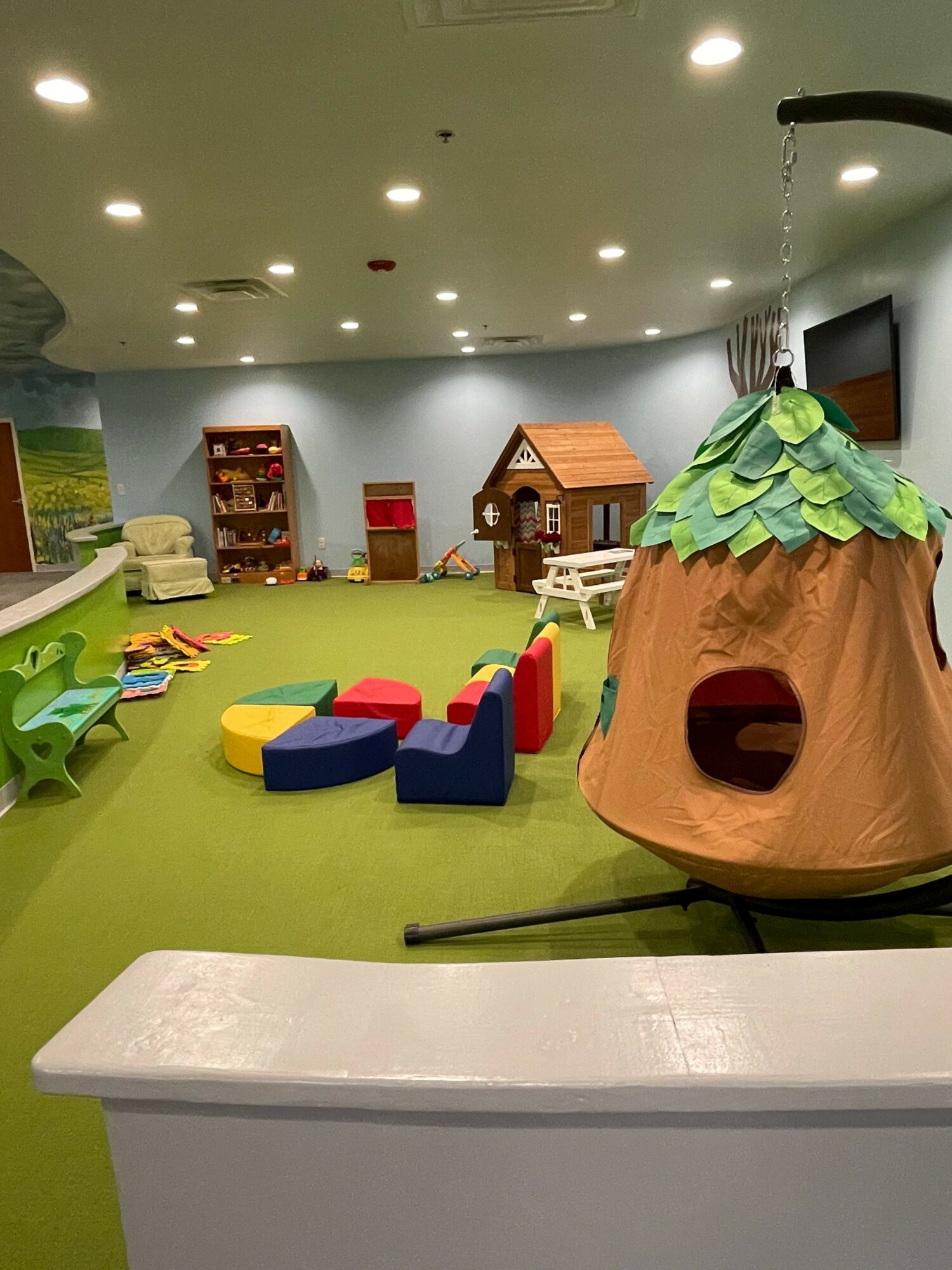
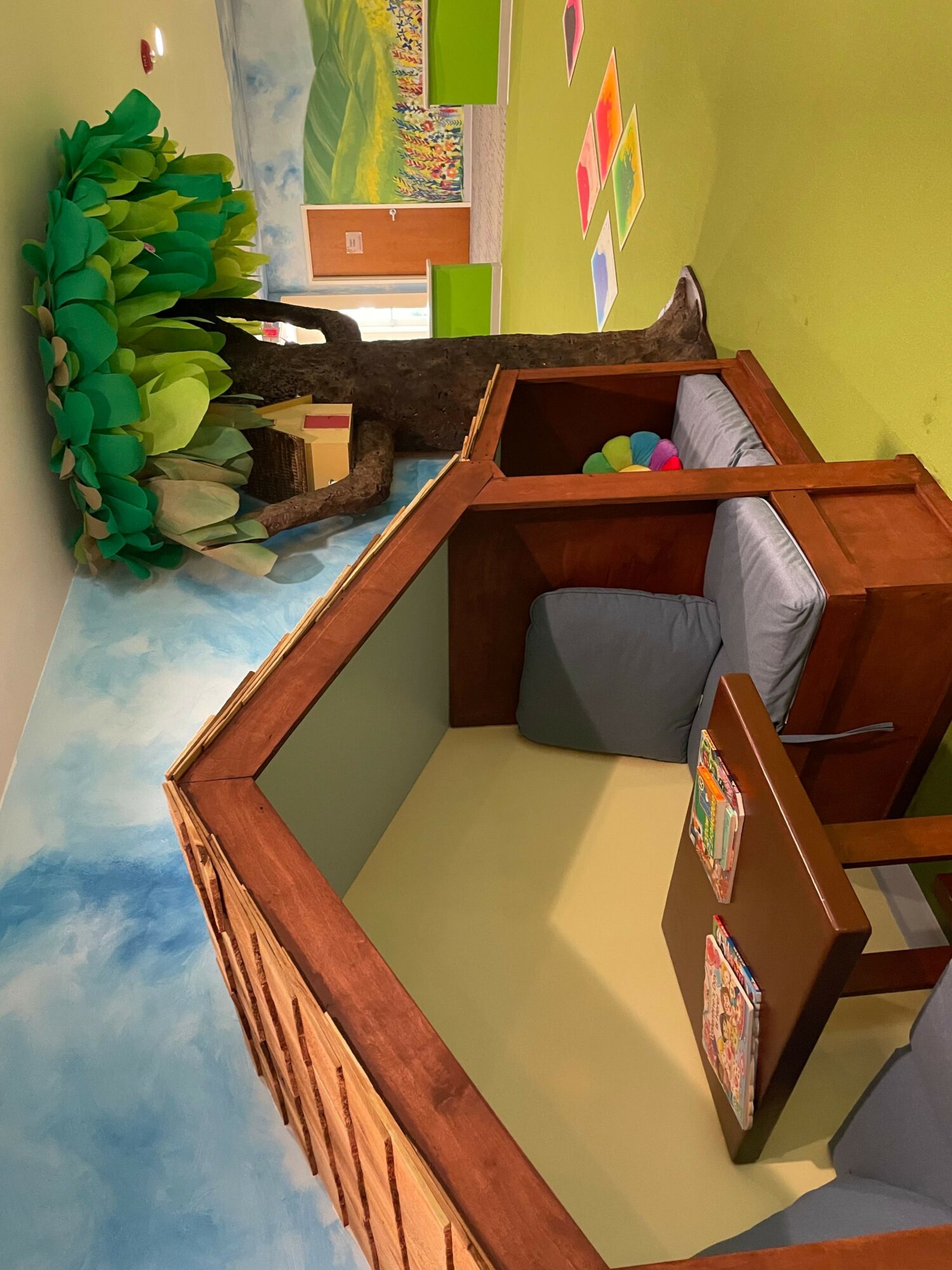
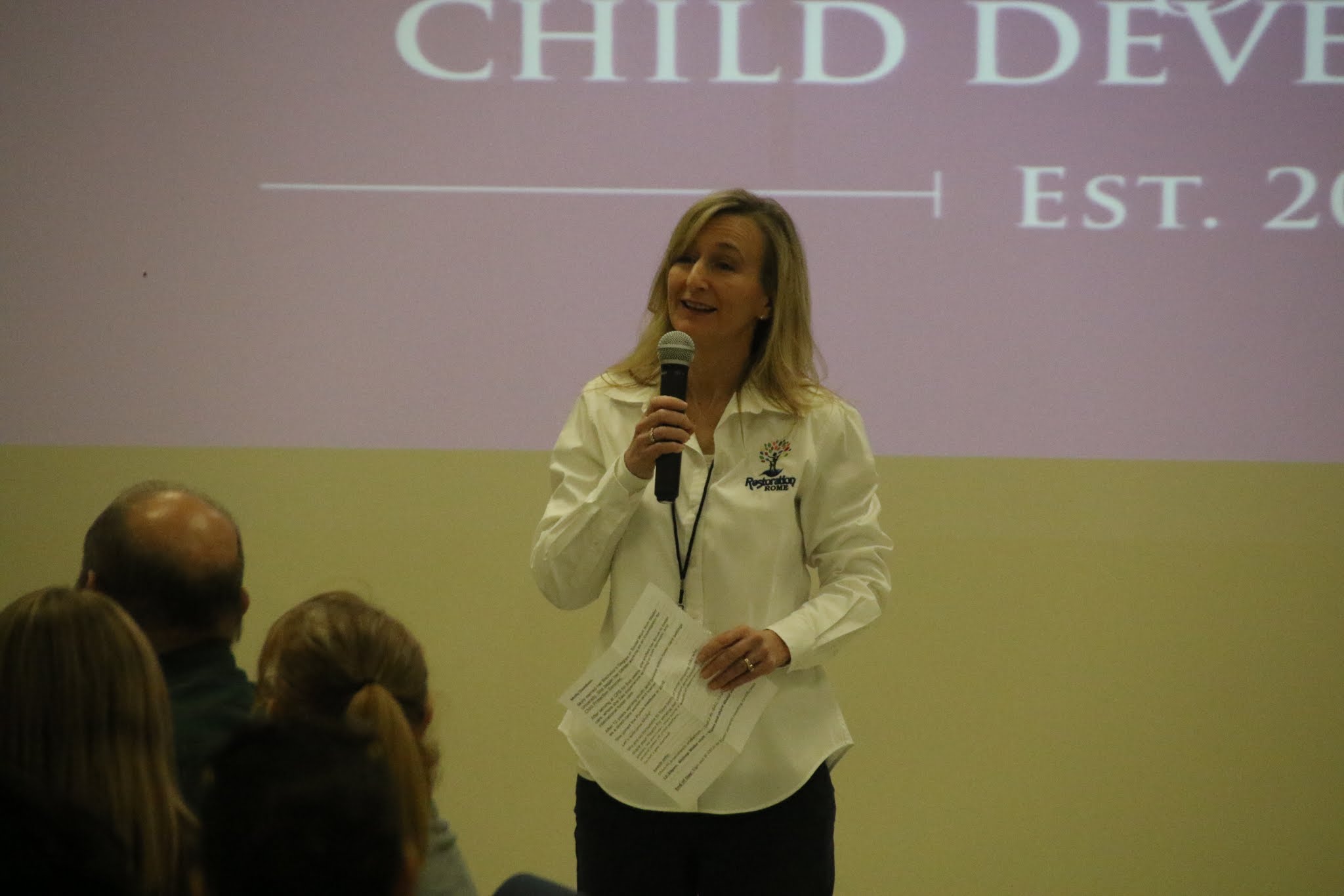
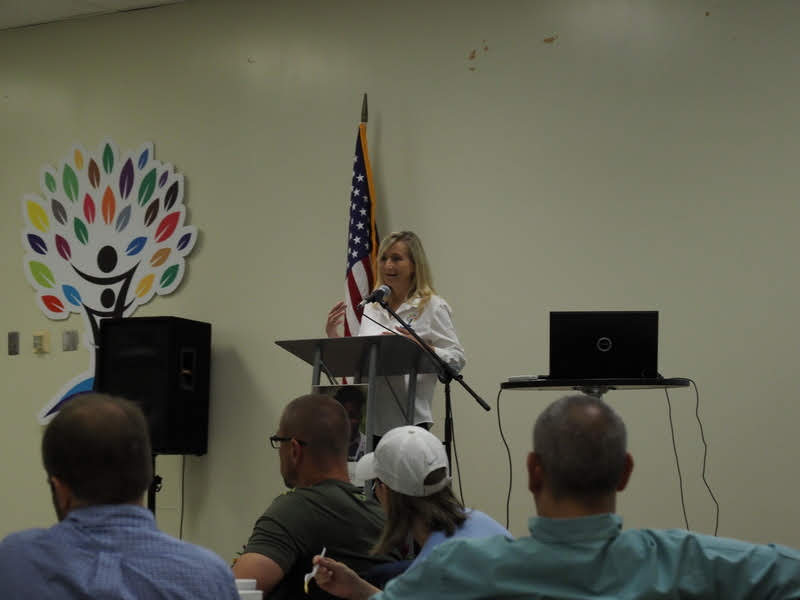
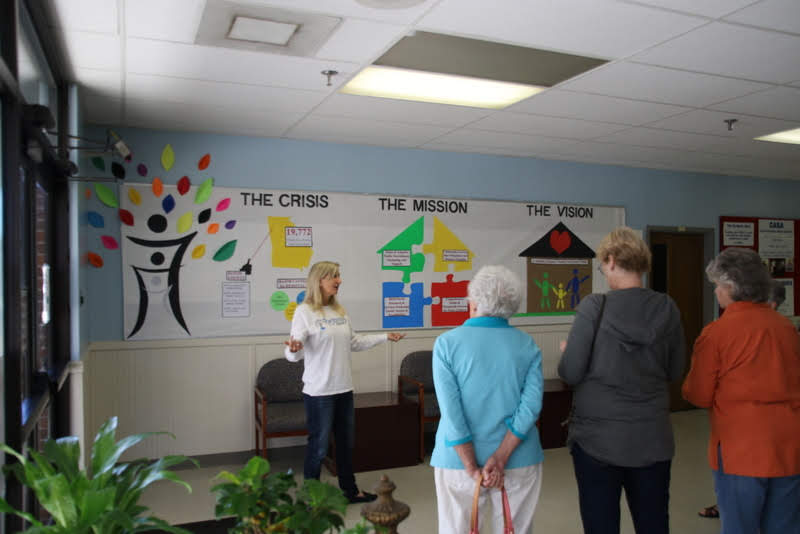
Enter Restoration Rome. In August of 2015, I learned that an abandoned school in an underserved area of our community was available for purchase. My husband and I put together a proposal for utilization of the building as a hub for foster, adoption, and family services. Thanks to our like-minded City Commission, we were able to acquire the building and co-found Restoration Rome with a mission of bringing together public, private, and faith-based partners to strengthen and restore children and families in Christ’s name. Having the hub solved for two needs that we were keenly aware of by this point – 1) accessibility for those seeking services and for those seeking to serve and 2) improved communication among service providers to ensure better stewardship of resources and promote collaborative, holistic care of families.
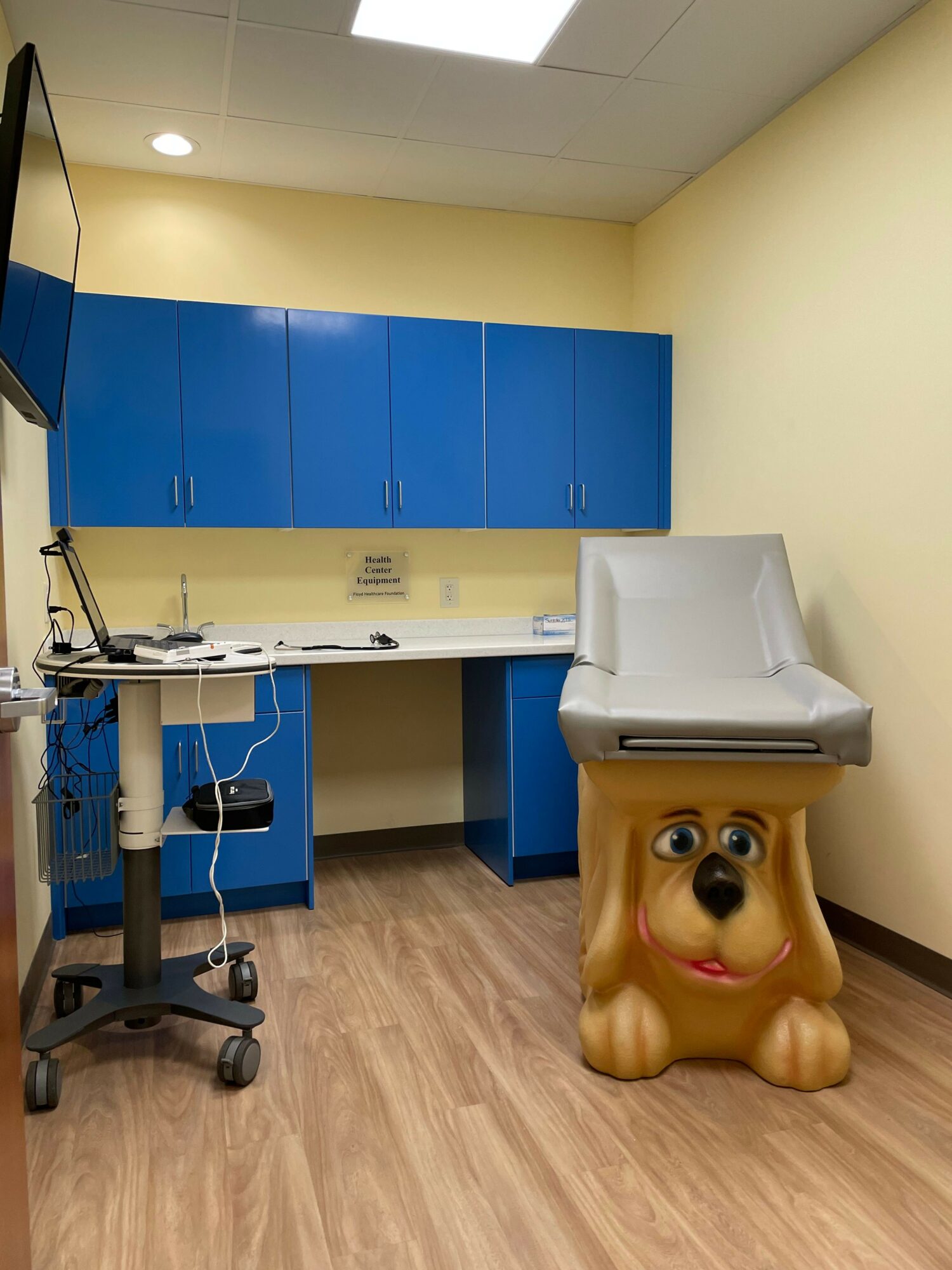
After 10 years in our building, we have completed 3 of 4 phases of buildout. RR is home to 15 separate service organizations partnering to deliver a comprehensive and holistic array of prevention and intervention services. In addition to recruiting, supporting, and training foster, adoptive, and kinship caregivers, we walk closely with parents struggling with substance misuse, mental health, and poverty issues to assist them in getting healthy so that their children can return home. We also strive to reduce the trauma that children and families experience in the child welfare system and build compassionate community around them.
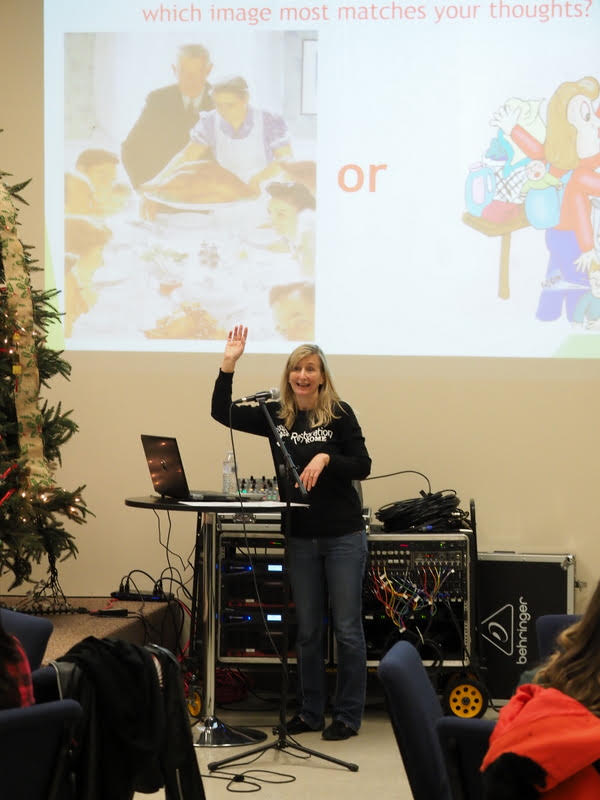
One of the foundational pieces of Restoration Rome is Trust-Based Relational Intervention® or TBRI®. TBRI is a trauma-informed, attachment-centered approach to helping children, youth, or adults who have experienced trauma build trust, feel safe, and develop healthy ways of getting their needs met. It was developed at Texas Christian University by Dr. David Cross and the late Dr. Karyn Purvis. My husband Jeff and I discovered TBRI when we attended Show Hope’s “Empowered to Connect” Simulcast as foster parents seeking better equipping to care for children. We quickly realized that what we were learning applied not just to caring for children in foster care, but to ALL relationships. It is foundational to our efforts at Restoration Rome because trust unlocks the opportunity to make a real difference in the lives of others. Because we are so passionate about equipping others with the TBRI tool, we were identified by the Karyn Purvis Institute for Child Development as their Ambassador Organization for the state of Georgia. As such, Jeff and I lead the TBRI Georgia Collaborative state-wide initiative to equip the adults in children’s lives — parents, other caregivers, caseworkers, teachers, therapists, judges, physicians, and policymakers — with the tools, compassion, and skills to create felt-safety, build trust, and foster secure relationships. Ultimately, the hope is to promote a culture of care across our state that leads to deep healing for our children and families, as well as those serving them.
I’m sure it wasn’t obstacle-free, but would you say the journey has been fairly smooth so far?
The path to Restoration Rome as it stands today has not always been a smooth road. When we got into the old school building, we had a plan to begin repurposing the school’s media center as supervised visitation and a child-friendly intake area; however, school had just gotten out for the summer, and we had over a dozen young children knocking on the glass doors each day looking for a place to be and needing a snack. We did not want to send children away hungry or just hand them a snack out the door but instead hoped to build relationships with them and their families. Thankfully, our local YMCA responded to our request for assistance and set up Restoration Rome as a Summer Food and Fun site within two weeks. It was the most heavily used site in the county with 75 to 80 children served each day. The YMCA has continued to expand services at RR to include afterschool and teen programs, a food co-op, mobile market, emergency food pantry, and commodity supplemental food program for low-income seniors – many of whom are caring for grandchildren. Like that particular bump in the road that led to a great partnership, most challenges that we face in our efforts to serve children and families are just unmet needs being revealed. While they may slow our plan a bit, they are usually wonderful opportunities to expand service provision and meet real needs.
Regarding the TBRI Georgia implementation effort, the struggle remains that we live and work in complex systems that are designed for risk reduction rather than deep healing – and that value compliance over connection and relational safety. Efforts to shift these systems of care are hindered by leadership changes and the compassion fatigue of caregivers and providers fueled by systemic issues. These hurdles point to endless opportunities to shift Georgia’s culture of care by helping individuals, organizations, and systems understand what really drives human behavior and respond to challenging behaviors in ways that meet needs and prevent re-traumatization of individuals who have experienced adversity. Towards that end, we continue to build capacity in GA by training a TBRI Practitioner cohort each year and providing ongoing training, coaching, and learning opportunities for them.
Thanks for sharing that. So, maybe next you can tell us a bit more about your work?
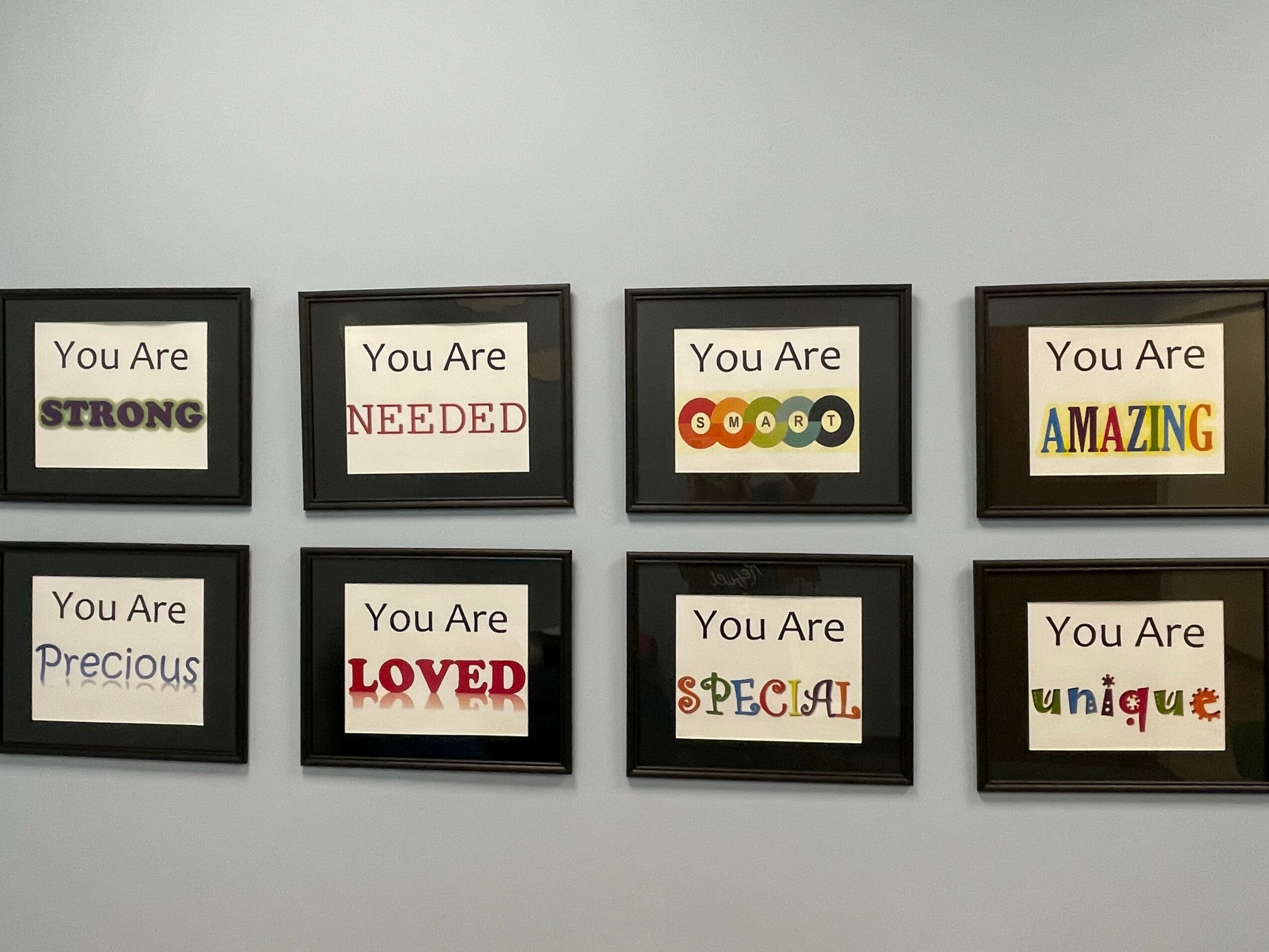
As co-founder of Restoration Rome, I focus on community engagement and programming while my husband Jeff (who comes out of the business world) focuses on funding, service contracts, and other fiscal matters. I am viewed by our staff as “Nurture” and he is “Structure” – a great balance! I generally convene and lead gatherings of our service providers, community partners, and other stakeholders. I also develop and provide trainings and coaching around TBRI – one of my favorite tasks! That allows me to combine what I learned about the brain, while earning my Ph.D. in Biological Sciences, with the practical experience I have gained from parenting. My hope at the end of each day is that, as I work to influence policy and models of care at the state level, I don’t miss opportunities to help the precious children, parents, grandparents, and service providers that enter the doors of RR feel seen, heard, and valued.
I am most proud of the team we have built at Restoration Rome and, through TBRI, across the state. Our shared vision for transforming Georgia’s culture of care is having a positive impact on child and family welfare and is informing national efforts as the TBRI GA implementation effort serves as a model for other states.
We love surprises, fun facts and unexpected stories. Is there something you can share that might surprise us?
My husband and I are commercial blueberry growers with a farm in South Georgia. We have a wonderful team that works year-round, so that we can give our time to the Restoration Rome and TBRI Georgia efforts. During harvest season, we take our June “sabbatical” from child welfare to help drive harvesters on the farm. That brain break is so helpful, but more importantly, farming has taught me invaluable lessons that inform my efforts in child welfare. First, it has given me great appreciation for all that goes into fruit production – from preparing the ground properly to sowing seeds to nurturing tiny plants to pruning the fully grown plants for maximal growth – steps that aren’t so different from what is required to support healthy families. Farming has also helped me understand that while all that effort can be executed perfectly, there are many factors like weather that are simply beyond my control. That understanding relieves me of any notion that I can control the actions of others and subsequent outcomes and instead pushes me to be content in connecting with and empowering others the best way I can.
Contact Info:
- Website: https://www.restorationrome.org
- Facebook: https://www.facebook.com/restorationrome/
Popular
-

Hidden Gems: Local Businesses & Creatives You Should Know
-

ATL’s Most Inspiring Stories
-

Portraits of Atlanta
-
Natasha Dillard on Redefining Beauty Standards and Empowering Women Through Unapologetic Self-Expression
-

Darren Paltrowitz on Blending Investigation, Media, and Culture to Uncover the Stories Behind the Stories
-

Naeemah Jade on Redefining Networking Through Trust, Proximity, and Intentional Community