
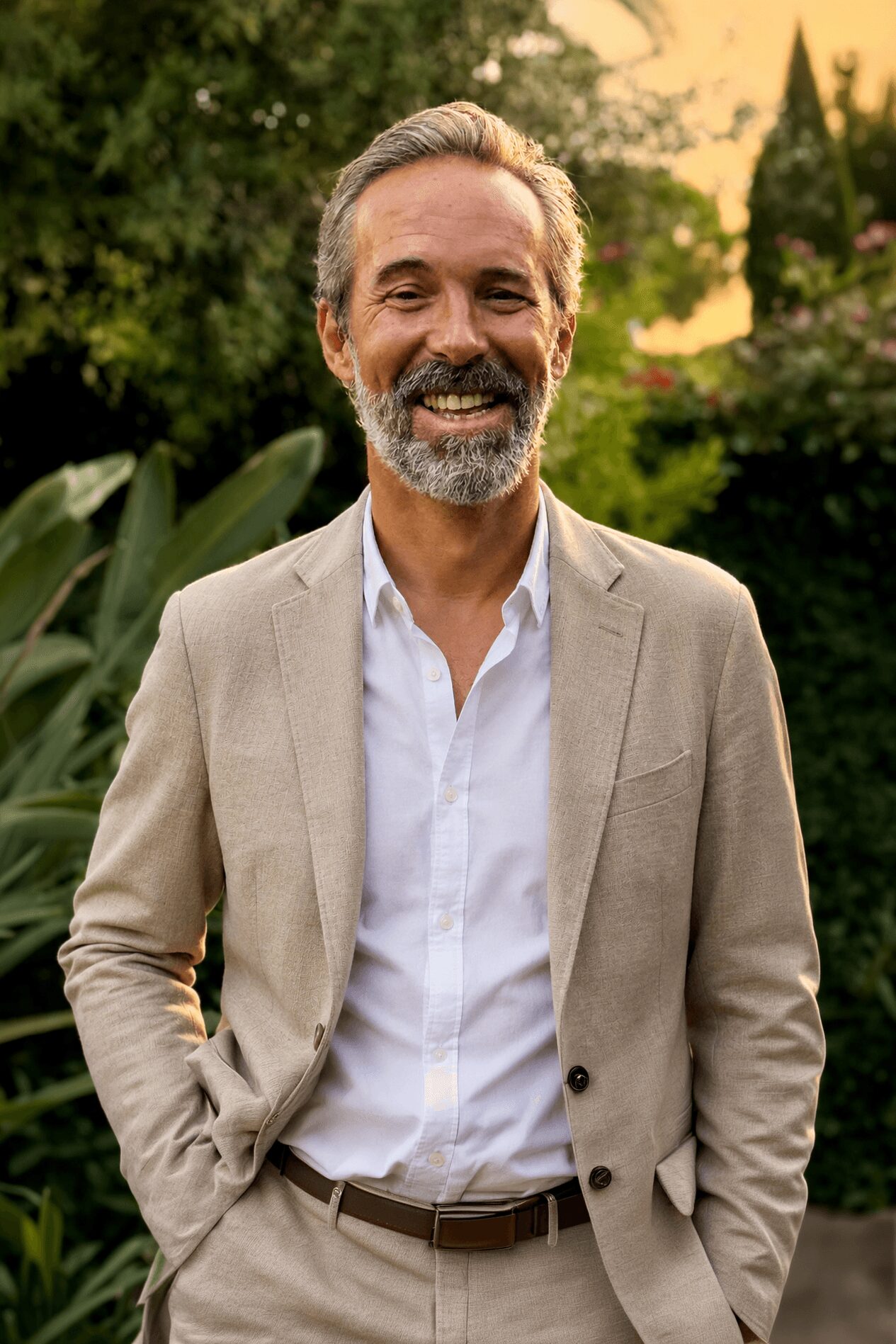
Today we’d like to introduce you to Alecse (Alexandre) Jardel.
Hi Alecse (Alexandre), so excited to have you on the platform. So before we get into questions about your work-life, maybe you can bring our readers up to speed on your story and how you got to where you are today?
I’m Alecse, a French poster artist and the founder of Myretroposter.
I grew up in a deeply artistic environment. My father was both an architect and a painter whose work was described as “optical surrealism” by Victor Vasarely and exhibited internationally. He took me to countless museums and exhibitions in France, and whenever we travelled abroad. Through him, I was exposed early on to all forms of art, and a way of thinking about images not just as visuals, but as compositions with rhythm, balance, and intention.
Later on, while already working as an art director, I exhibited my own paintings in New York in 1998 and in Paris in 2000. These exhibitions were well received, but I chose to continue building my professional career, which felt like a more solid path at the time, especially through creative direction, copywriting, and ultimately entrepreneurship.
The real turning point came when my wife Charlotte and I moved to Sri Lanka, where we designed and ran a glamping surf resort in one of the wildest and most preserved parts of the country. It was there, almost incidentally, that I began creating travel posters as a way to capture the atmosphere of the places around us.
What started as a personal project quickly resonated with others and gradually evolved into Myretroposter. The idea was to revisit the tradition of vintage travel posters with a contemporary approach. Each piece is based on a real location, often from my own photographs, and reinterpreted through drawing and painting to create a stylized and timeless image.
Today, Myretroposter includes more than 1,300 artworks covering over 130 countries, all published as limited editions. Charlotte, who is also an artist, plays a central role in the evolution of the brand. Her work approaches destinations differently, with a strong focus on visual storytelling that draws from cultural icons, everyday scenes, and elements of popular culture. She works with carefully restrained color palettes, where each tone is chosen with intention, creating images that feel both bold and harmonious. Her universe brings a distinct voice to Myretroposter, one that complements mine while expanding the emotional and narrative range of the collection.
At its core, my work is about memory and projection, creating images that are not just representations of places, but invitations to travel, or to reconnect with moments that matter.
I’m sure it wasn’t obstacle-free, but would you say the journey has been fairly smooth so far?
It hasn’t been a smooth road, and I don’t think it has been for most people, especially in the kind of times we’ve been living through. When you look at what a large part of the world has gone through, it also puts our own challenges into perspective.
Of course there have been setbacks, but also a fair amount of luck along the way, and I remain deeply grateful for that. One of the most defining moments was Covid. We lost everything we had built over nearly ten years in Sri Lanka, where we had invested our time, energy, and resources into developing a surf resort. At the time, Myretroposter was more of a side project. Almost overnight, it became our main activity, and in a way, it gave me the opportunity to reconnect with an artistic path later in life.
More recently, the rise of AI generated imagery has been another shock. It has dramatically increased the volume of content online, making it harder for original work to remain visible. We’ve felt that shift quite directly, with a noticeable loss of visibility across digital channels. But again, timing played in our favor. Around that same period, we opened our first physical galleries, which allowed us to reconnect with people in a more direct and tangible way, and helped rebalance the business.
There are also ongoing challenges such as counterfeiting, which has become a real issue for independent artists. We’ve had to adapt constantly, both creatively and technically, to protect our work, reinforce our identity, and stay ahead.
In the end, it has never been a straight path. It’s been a mix of losses, adjustments, and unexpected opportunities. But we’ve been fortunate to navigate these storms, and each of these moments has helped us build something more resilient, and more aligned with who we are.
Thanks – so what else should our readers know about your work and what you’re currently focused on?
What I do goes beyond representing places. I try to translate how we actually perceive and remember them.
My work is built on a treatment that deliberately blurs the boundaries between photography, drawing, and painting. The goal is to create an image that is no longer clearly one or the other, but something in between. A space where reality is reinterpreted rather than reproduced. The result is often slightly dreamlike, intentionally distant from pure realism.
This comes from a simple idea. You cannot reduce a place to a single image, a single viewpoint, or a single moment. In the same way, we don’t carry a perfectly accurate image of the people we love most. What we retain is more like a mental map, made of key elements, strong lines, fragments. It is then the mind that connects these points and creates meaning.
I try to work in that space.
Through the use of blur, light, and a halftone texture, I leave room for the viewer. The image is not fully imposed. It invites interpretation, allowing each person to find their own focus, and to reconnect with their own memory of a place, or even to project one.
I sometimes refer to this approach as a form of soft focus. Not as a technical effect, but as an intention. A way to create images that are open rather than fixed.
Charlotte’s work explores a different but complementary direction. She builds visual narratives rooted in cultural references, everyday scenes, and elements of popular culture, using very restrained color palettes to create strong and immediate emotional impact. Where my work leans toward interpretation and perception, hers often leans toward storytelling and symbolism.
What I’m most proud of is having developed a singular visual language. While my work is rooted in the tradition of travel posters, it is also an attempt to reinterpret and expand that genre. It’s something that many of our collectors recognize and often mention, which is probably the most meaningful validation.
I’m also driven by a long term ambition to create at least one poster for every country in the world. It’s an ongoing project that gives a sense of direction to the whole body of work, and allows collectors to build personal walls of travel through the collection. Some of them have acquired dozens of pieces over time, sometimes more than forty, which is something I find both humbling and deeply rewarding.
I’m also proud of creating work that remains accessible. The poster format allows a form of shared ownership, where an artwork can exist in multiple homes while still being part of a limited edition. It’s a way to move away from a model where art is reserved for a single collector, and instead create something that people can truly live with.
What sets us apart is probably this combination of intention, consistency, and the desire to create images that people can truly connect with, rather than just consume.
Can you talk to us a bit about the role of luck?
It’s an interesting question, especially since I’ve already touched on it earlier.
I wouldn’t describe myself as superstitious, but I have to admit that I sometimes behave like one. I don’t like the idea of superstition, yet I still hesitate before walking under a ladder. And over time, I’ve also inherited some of the small rituals of the people around me. My wife, for example, would never pass salt directly from hand to hand, and after more than twenty years together, I find myself doing the same without ever really questioning it.
So there is something there, even if I try to keep a distance from it.
That said, I do believe in luck, and by extension, in bad luck as well. You can’t really believe in one without accepting the other. From a more pragmatic point of view, having built several businesses over the years, I’ve come to see how important that factor is. You can have a strong idea, work hard, stay consistent, but without a certain alignment of circumstances, it is very difficult to go far.
In our case, I genuinely feel that we have been fortunate. To be able to build a life around what we create, in a world where there are so many talented and deserving artists, is not something I take for granted.
If anything, that awareness of luck tends to keep me grounded. It reminds me that beyond effort and intention, there is always a part that remains out of our control.
Pricing:
- Limited edition travel posters from $40 to $370 depending on size
- Collector editions (very limited runs of 20 or 50) from $200 to $1,600 depending on format
- Commissioned custom posters from $680 to $2,000+ depending on scope, size, and usage rights
- Available worldwide online and in our galleries, with framing options
Contact Info:
- Website: https://www.myretroposter.com
- Instagram: https://www.instagram.com/myretroposter
- Other: https://www.alecse.com
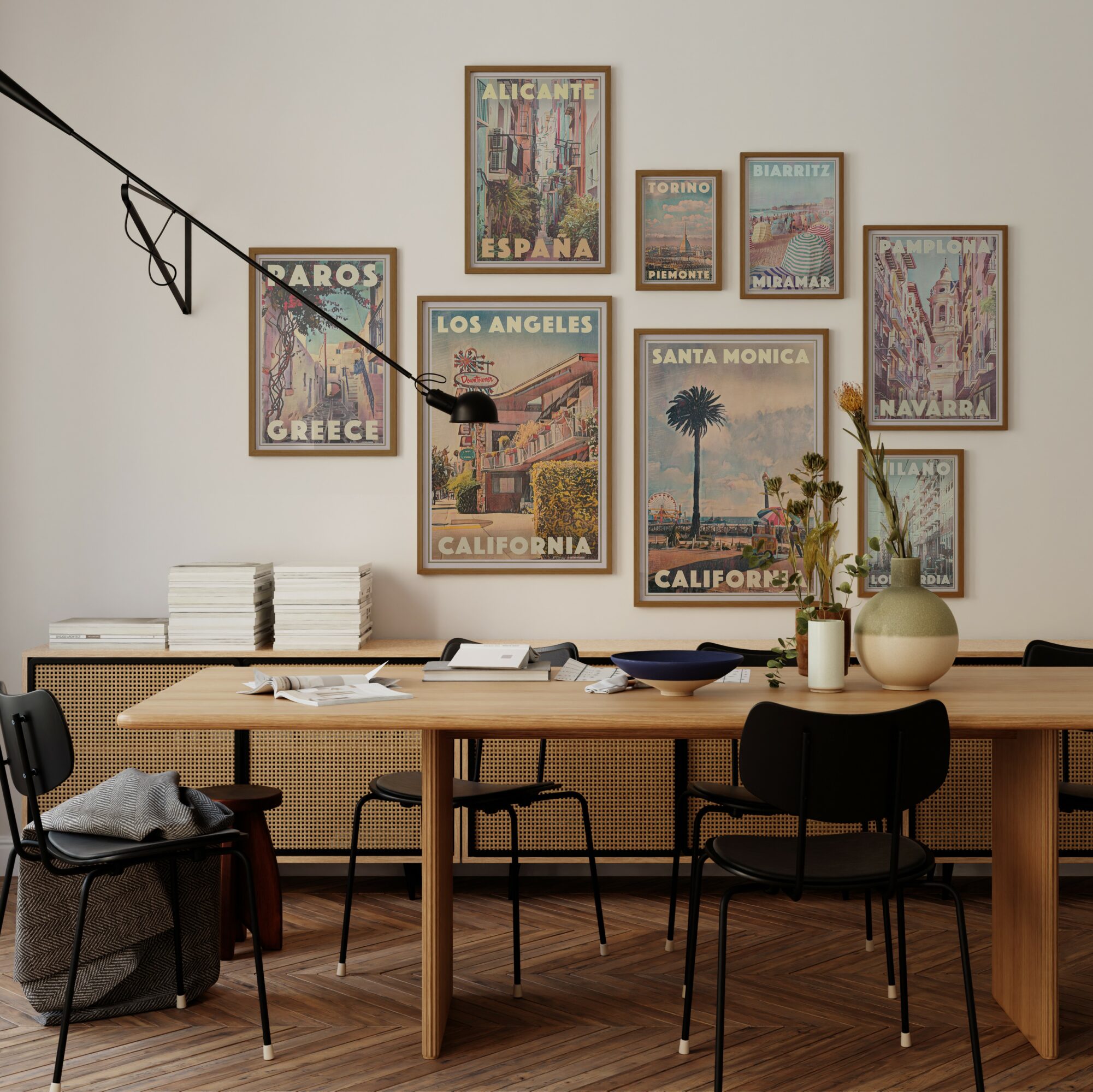
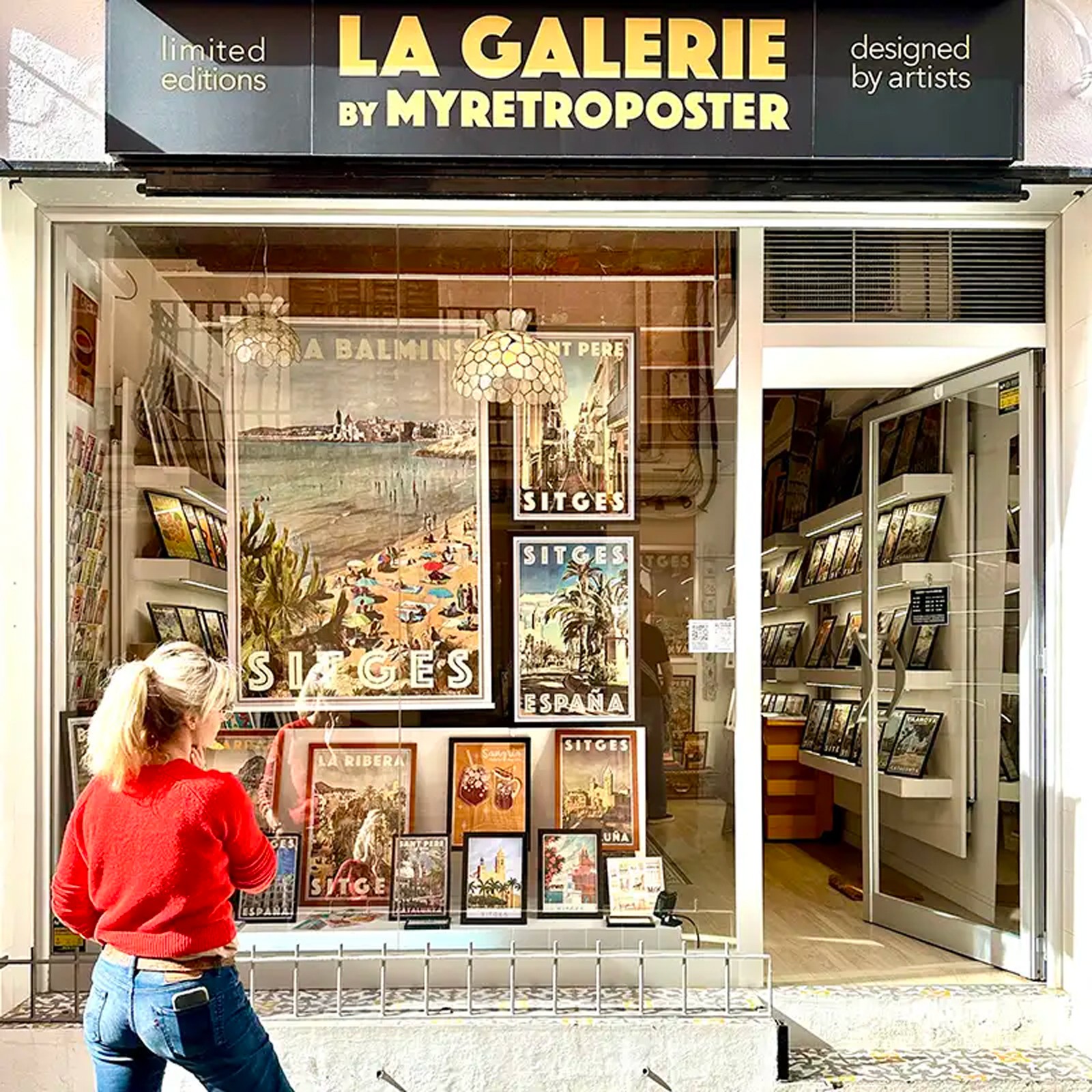
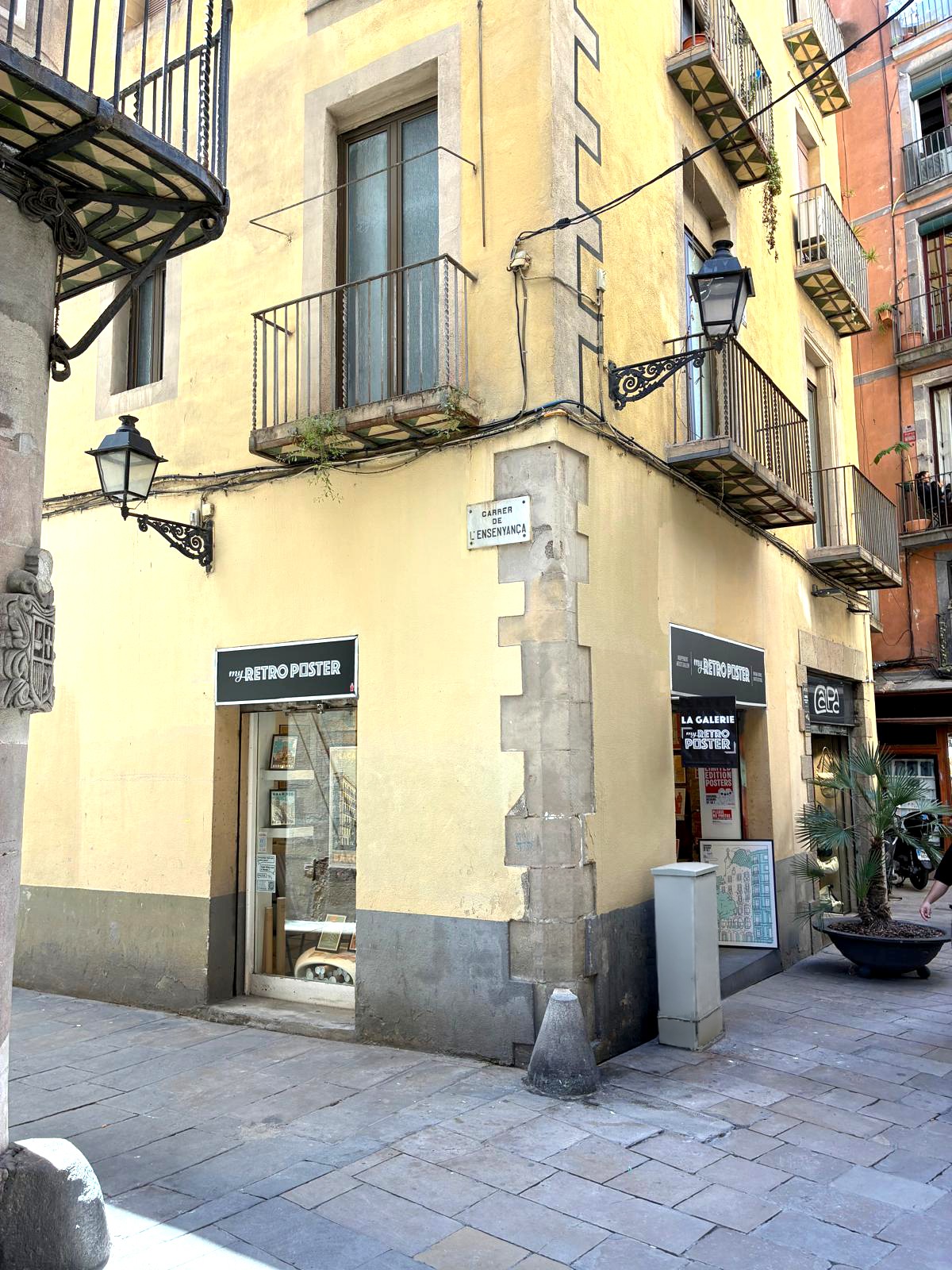
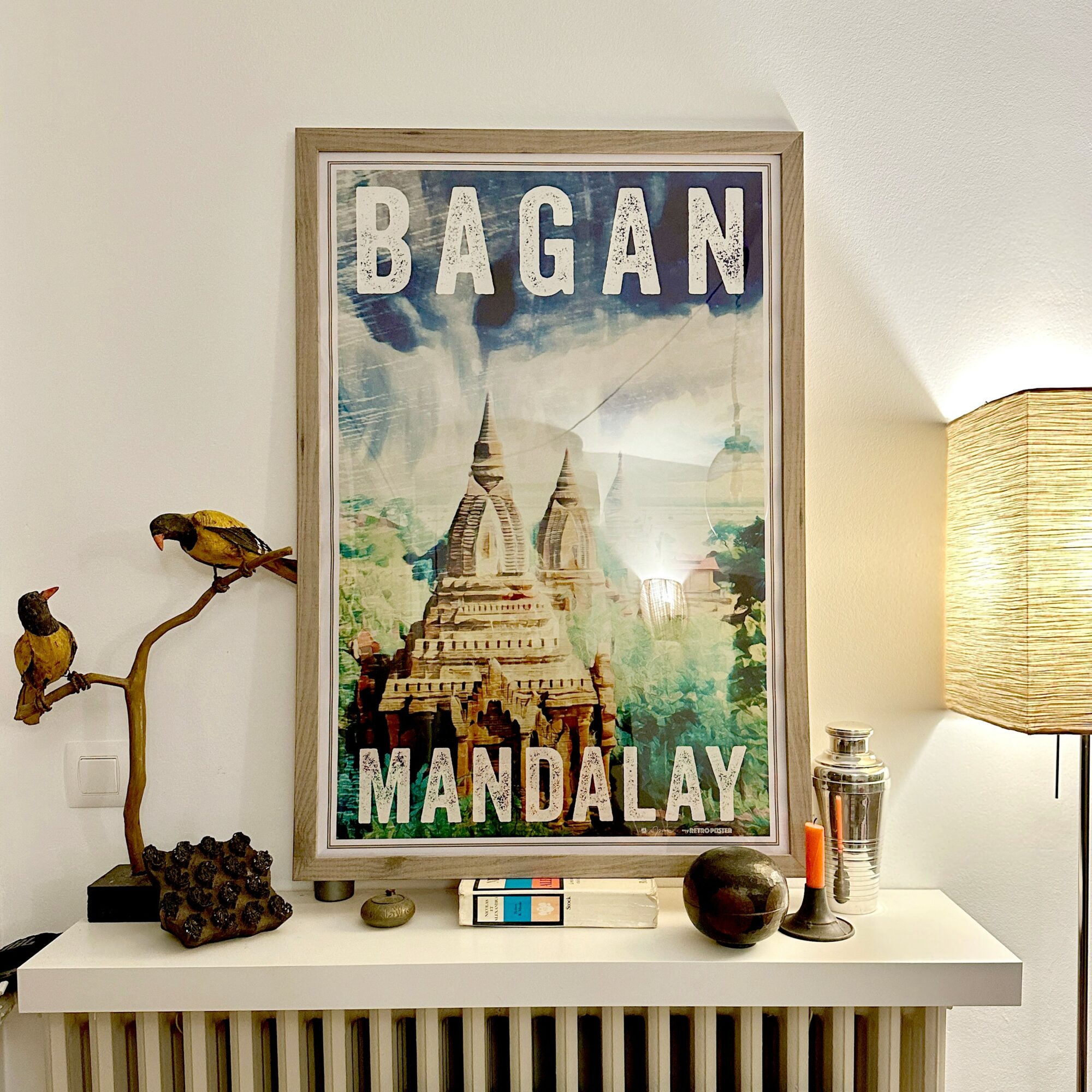
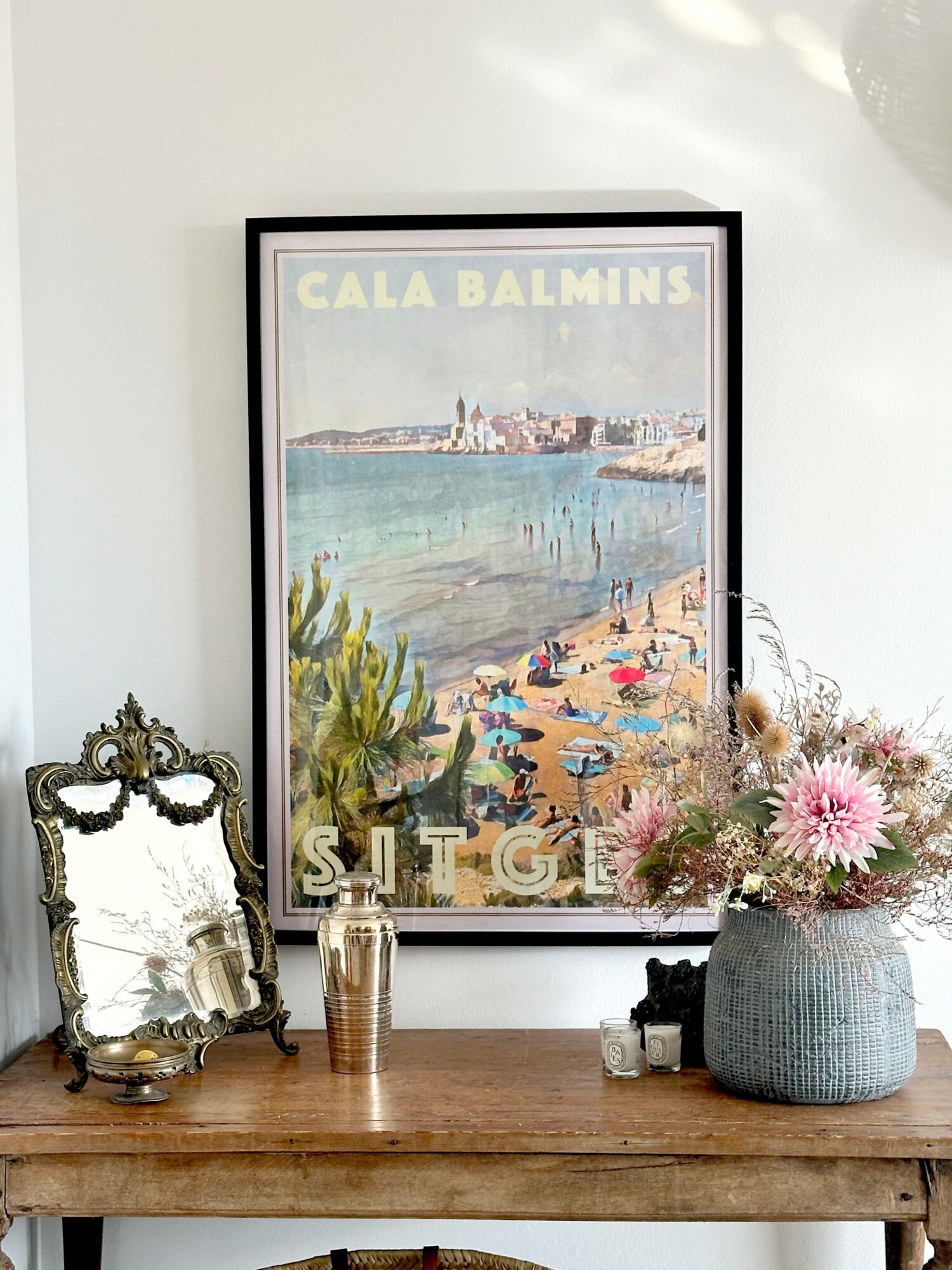
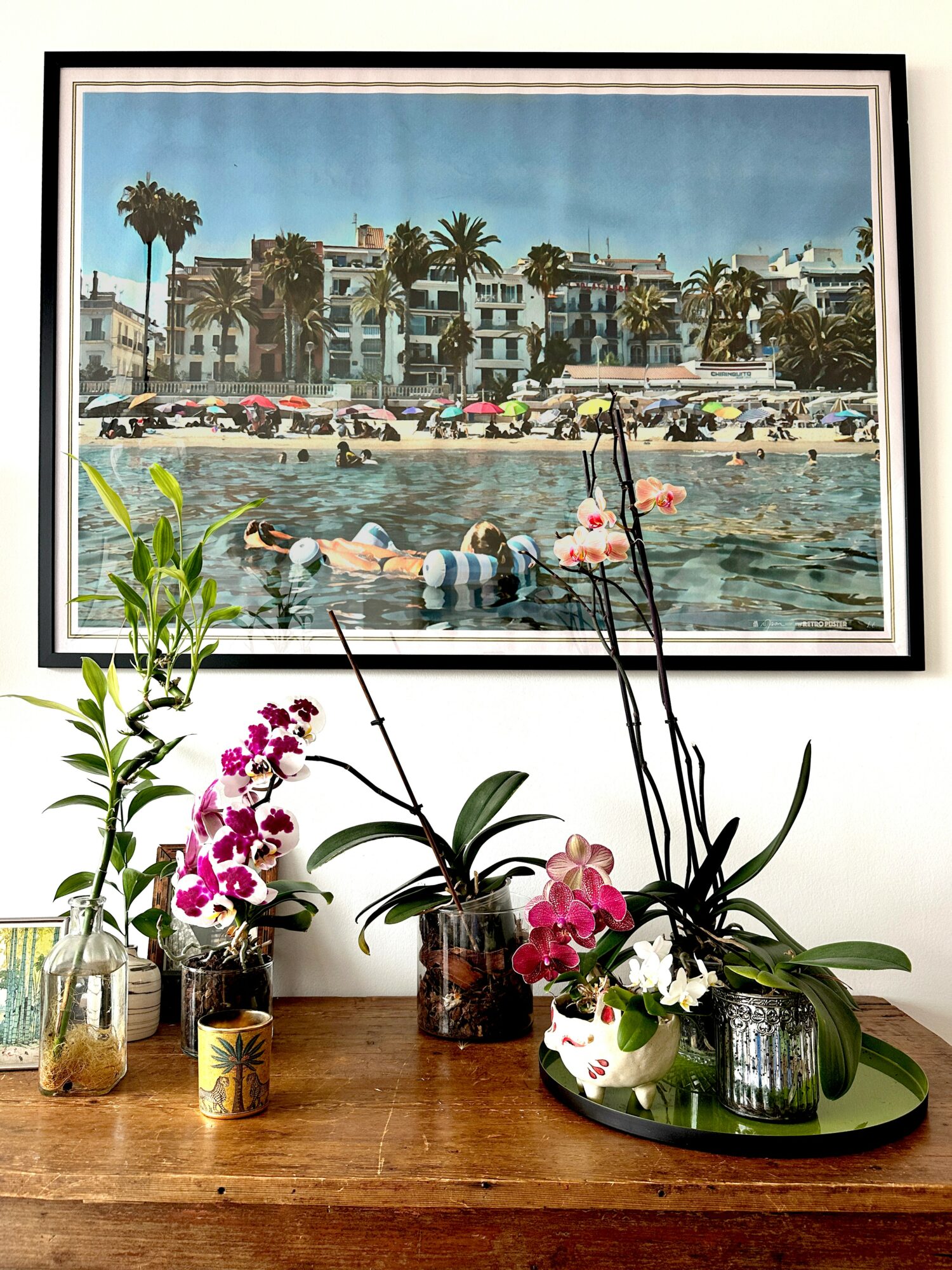
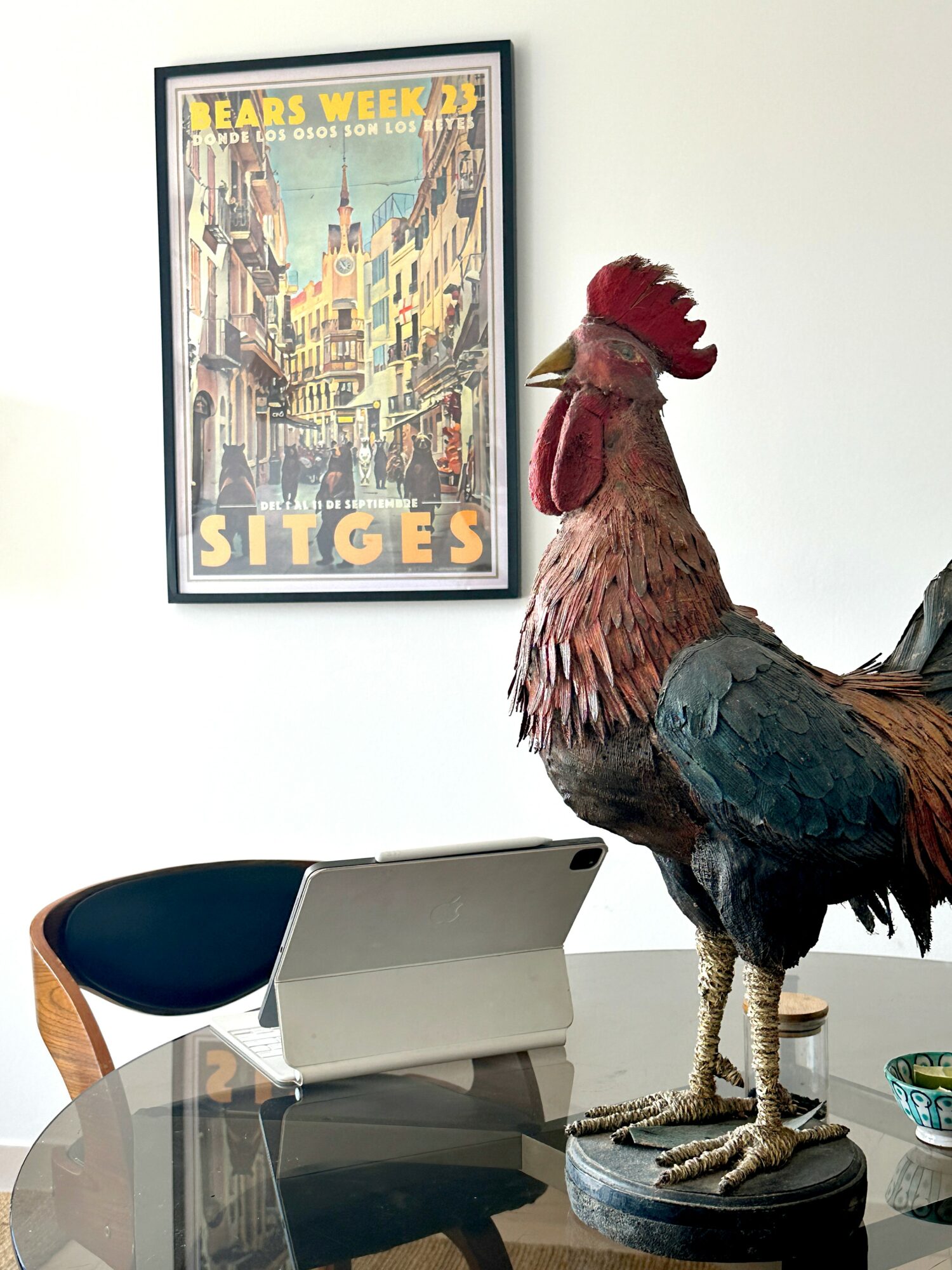
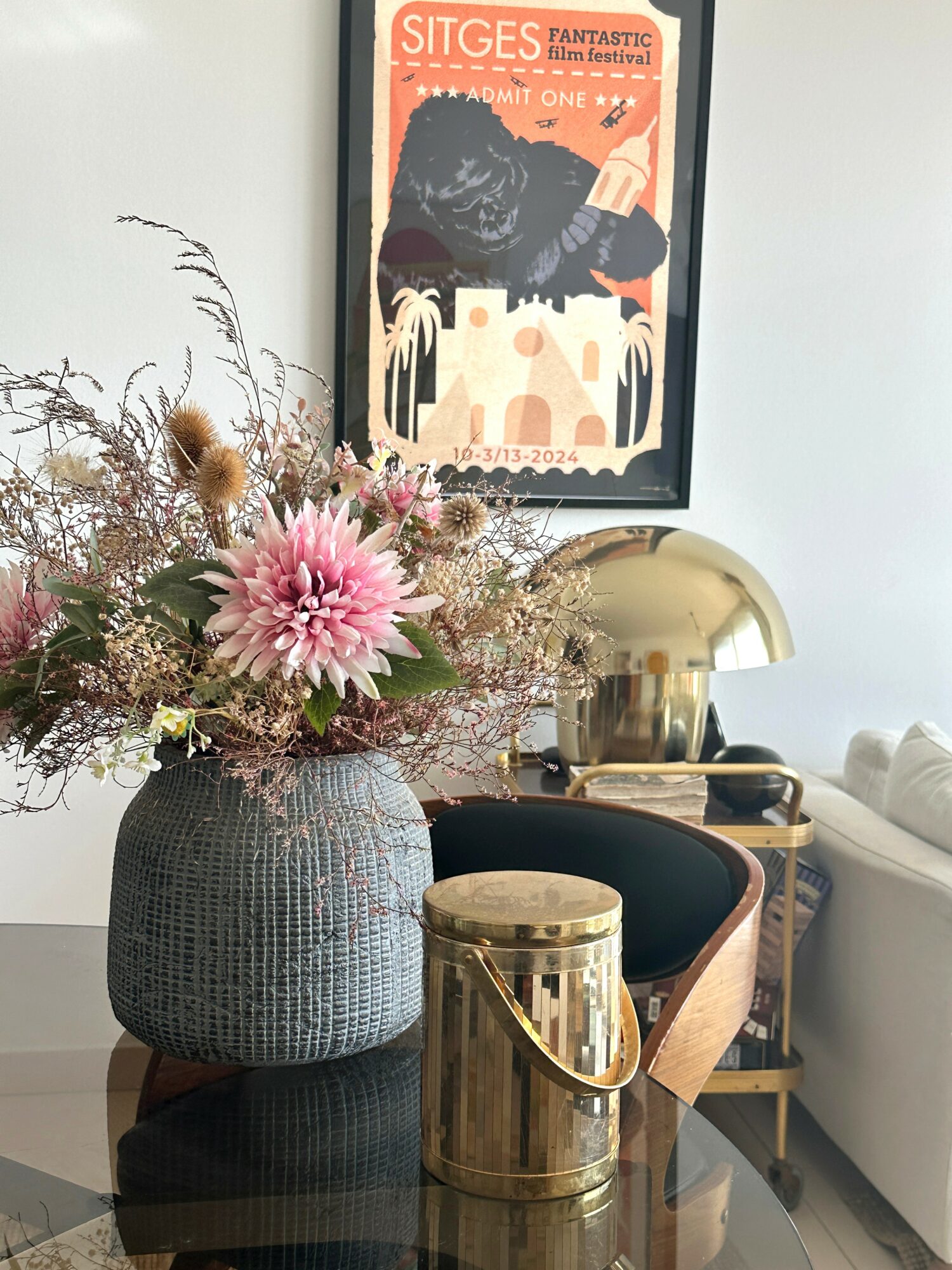
Image Credits
All artworks and gallery photographs courtesy of Alecse & Cha / Myretroposter unless otherwise specified.
Popular
-

Hidden Gems: Local Businesses & Creatives You Should Know
-

ATL’s Most Inspiring Stories
-

Portraits of Atlanta
-

Natasha Dillard on Redefining Beauty Standards and Empowering Women Through Unapologetic Self-Expression
-
Darren Paltrowitz on Blending Investigation, Media, and Culture to Uncover the Stories Behind the Stories
-

Naeemah Jade on Redefining Networking Through Trust, Proximity, and Intentional Community