





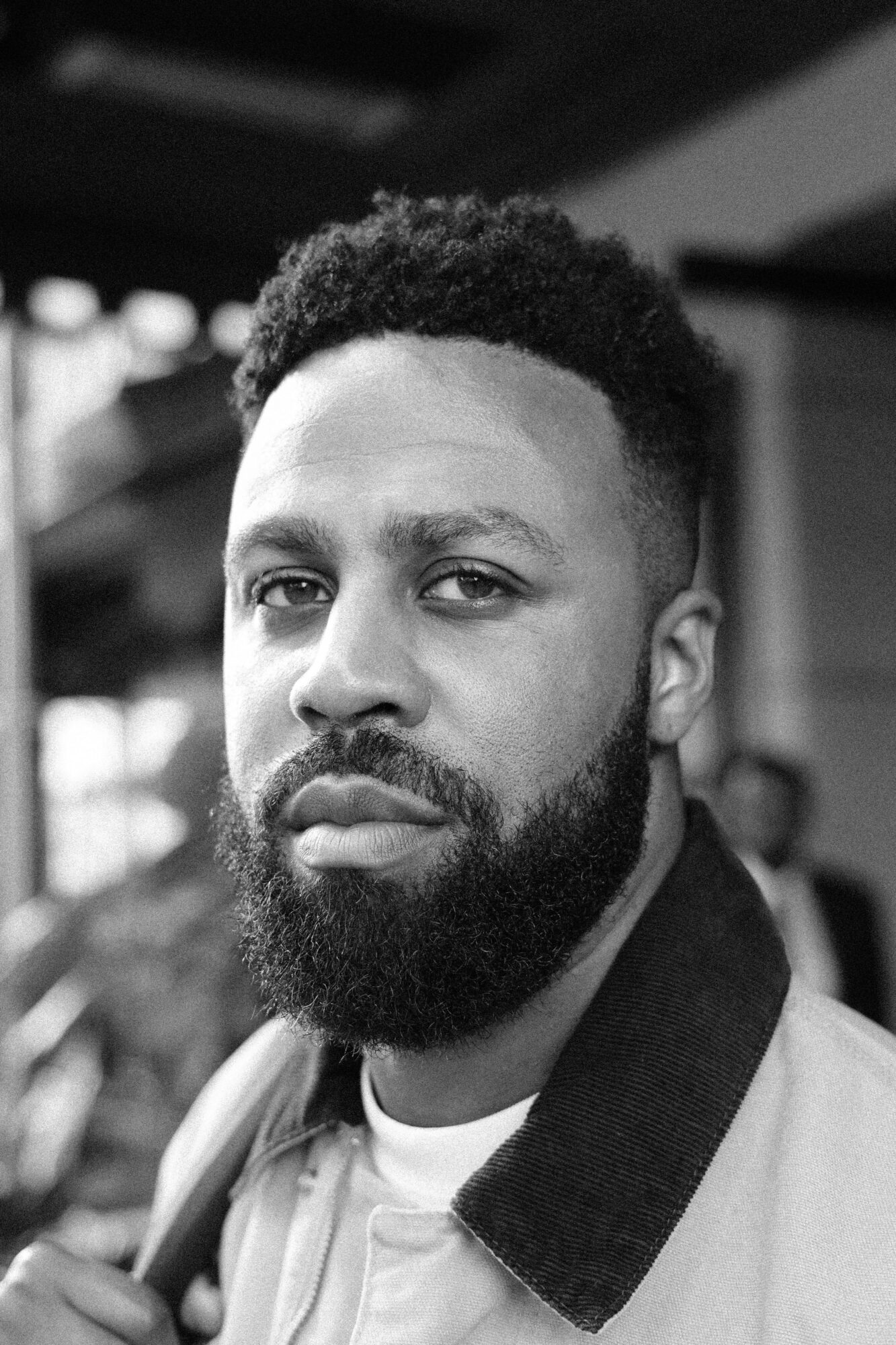
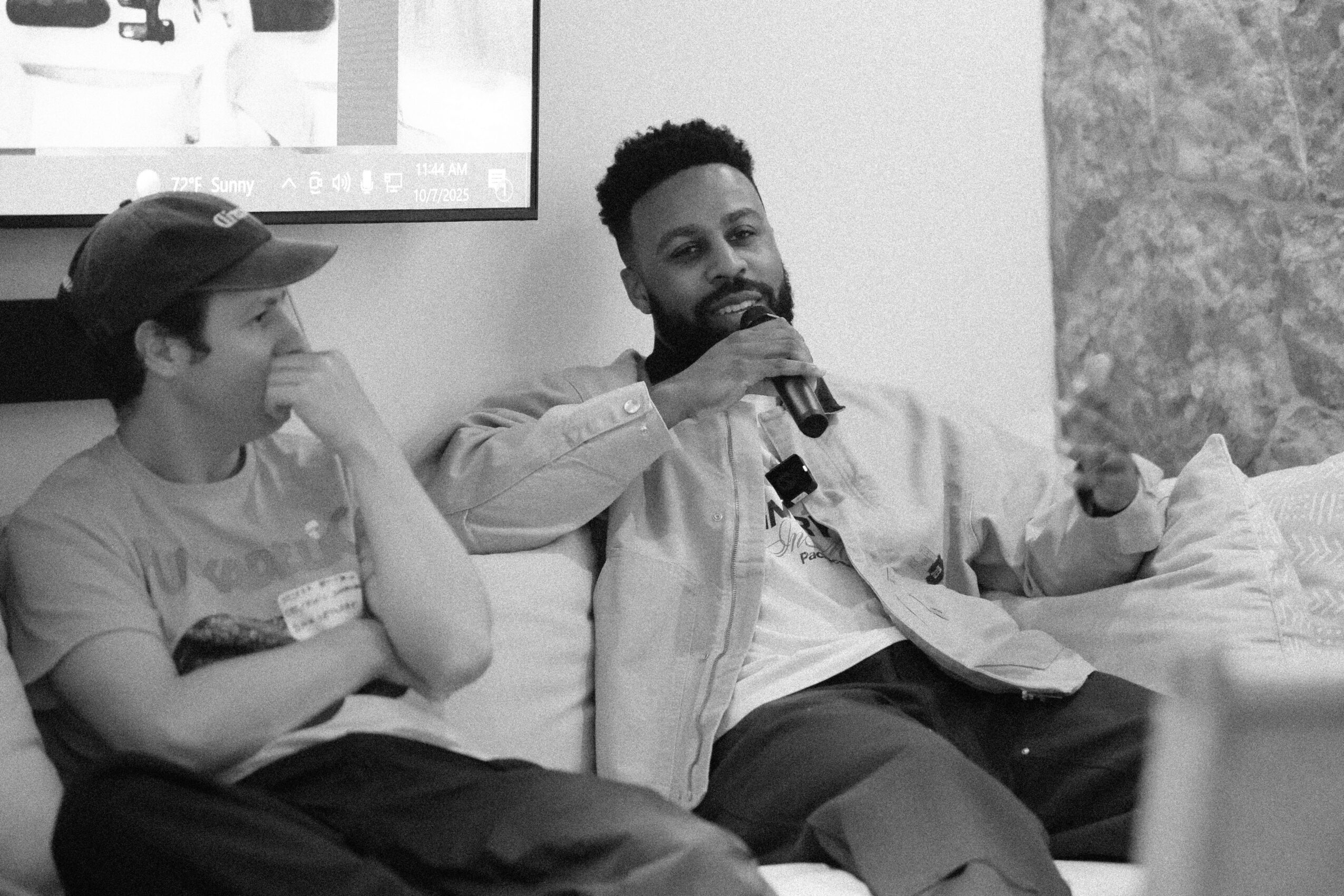
Today we’d like to introduce you to Kevin Taylor.
Hi Kevin, we’d love for you to start by introducing yourself.
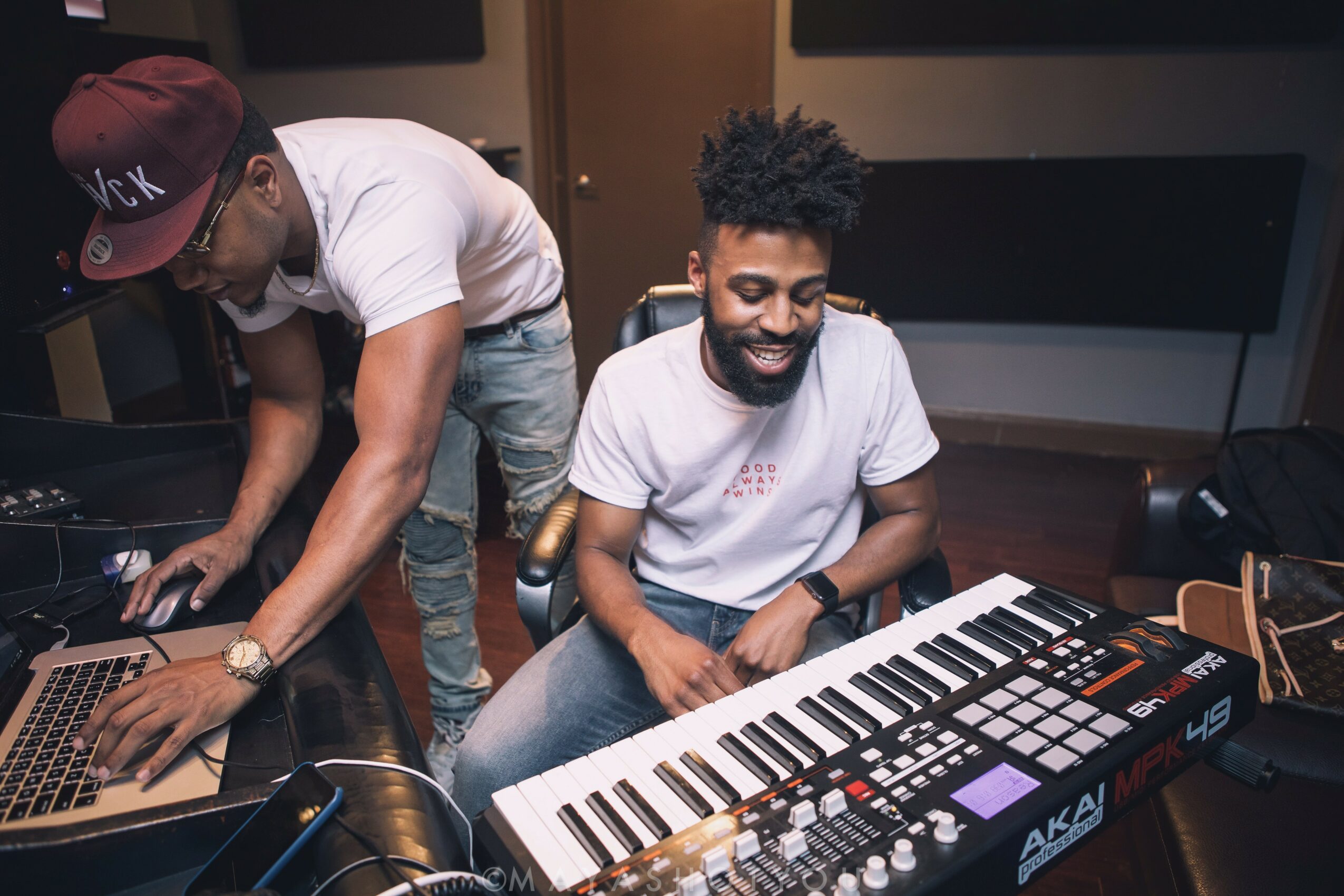
My story really starts at a piano, long before the studio. I grew up in Alabama in a house where gospel was the soundtrack on Sundays and jazz was playing the rest of the week, and I was classically trained from a young age. Hip hop is what actually grabbed me though, and that tension between disciplined training and the freedom of hip hop ended up shaping everything about how I make music today.
I never felt like I had to pick a lane. Outkast, Mozart, Pink Floyd… all lived in the same headspace for me growing up, and instead of treating that as a mismatch, I leaned into it. People eventually started describing my sound as a funky blend of Timbaland and Pharrell, and honestly, that’s exactly the kind of genre blending I was always chasing.
Over the past 20 years, that sound evolved even more and turned into hundreds of releases across just about every lane imaginable. I’ve produced for Grammy nominated songwriters, Audie Award winning audiobook narrators, and international motivational speakers, which sounds weird until you notice the thread running through all of it. Whether it’s a song, an audiobook, or a keynote, my job is the same. Build the soundtrack that makes someone else’s story stand out. Soundtracks for storytellers.
The project that really shifted things for me was Inky Johnson’s Empty The Bucket album. Inky is a former star collegiate athlete turned global motivational speaker, and when he brought me in to produce that project, it went on to generate millions of streams worldwide. That’s when I really understood that the instincts that work for an artist’s album work just as well for a brand trying to say something memorable.
That realization pulled me into sync licensing and brand work. My music has placed with ESPN, Church’s Chicken, T-Mobile, Fox Sports 1, Netflix and many more. Brands are storytellers too, they just don’t always think of themselves that way, and a lot of what I do now is help them find a sound that’s actually theirs instead of something generic that disappears the moment it’s heard. Make it personal and connect directly with their audience in an authentic way.
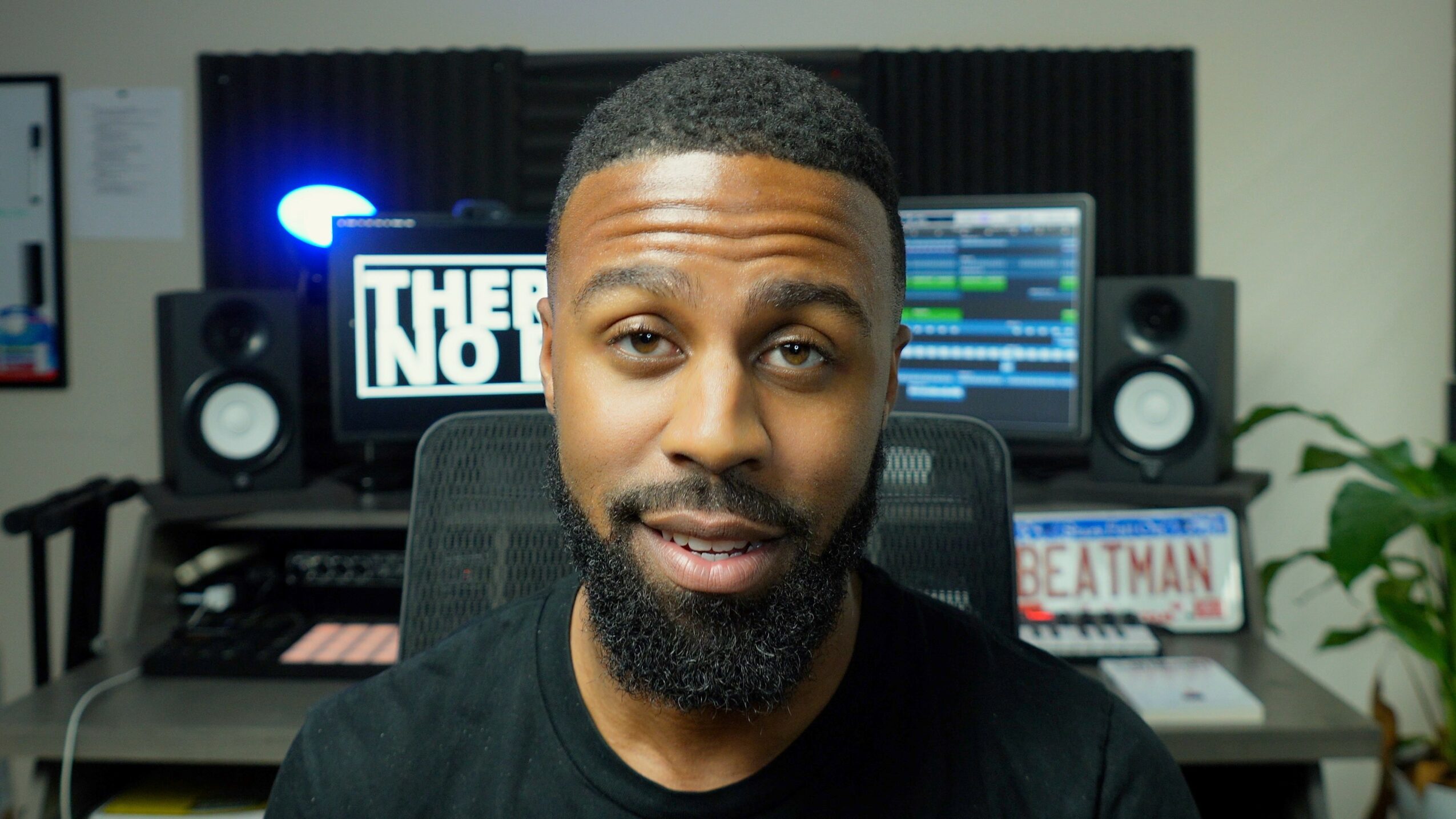
That’s also why I’m intentional about who I work with. I built my company, KTGotBeats LLC, around keeping it out of the box and ensuring my clients get what will connect, not just what “works”. And most recently I created the No Box Collective to teach other up-and-coming producers how to do the same for themselves.
Today I split my time between producing, coaching other producers, and consulting on music and brand strategy with global music tech companies. Atlanta is home base, but the work shows up everywhere, from a 30 second spot to a feature film to a brand building its entire sonic identity. Twenty years in, I’m still doing what I was doing at that piano as a kid. Just at a much bigger scale now. Finding the sound that makes someone else’s story unforgettable.
We all face challenges, but looking back would you describe it as a relatively smooth road?
No, it hasn’t been smooth at all, and I’d be skeptical of anyone in this business who tells you it was.
I’ve been flat broke more than once, including during a stretch when I was building a music tech startup. What got me through those periods was having a strong enough why to keep going, a system that kept me productive even when the numbers looked bad, and relationships I’d actually invested in (super important). I’m talking about the kind of people willing to extend grace, time, or an opportunity when I needed it most. Being broke teaches you things comfort never will as a producer, but only if you have those three things in place. Without them, broke WILL be the story.
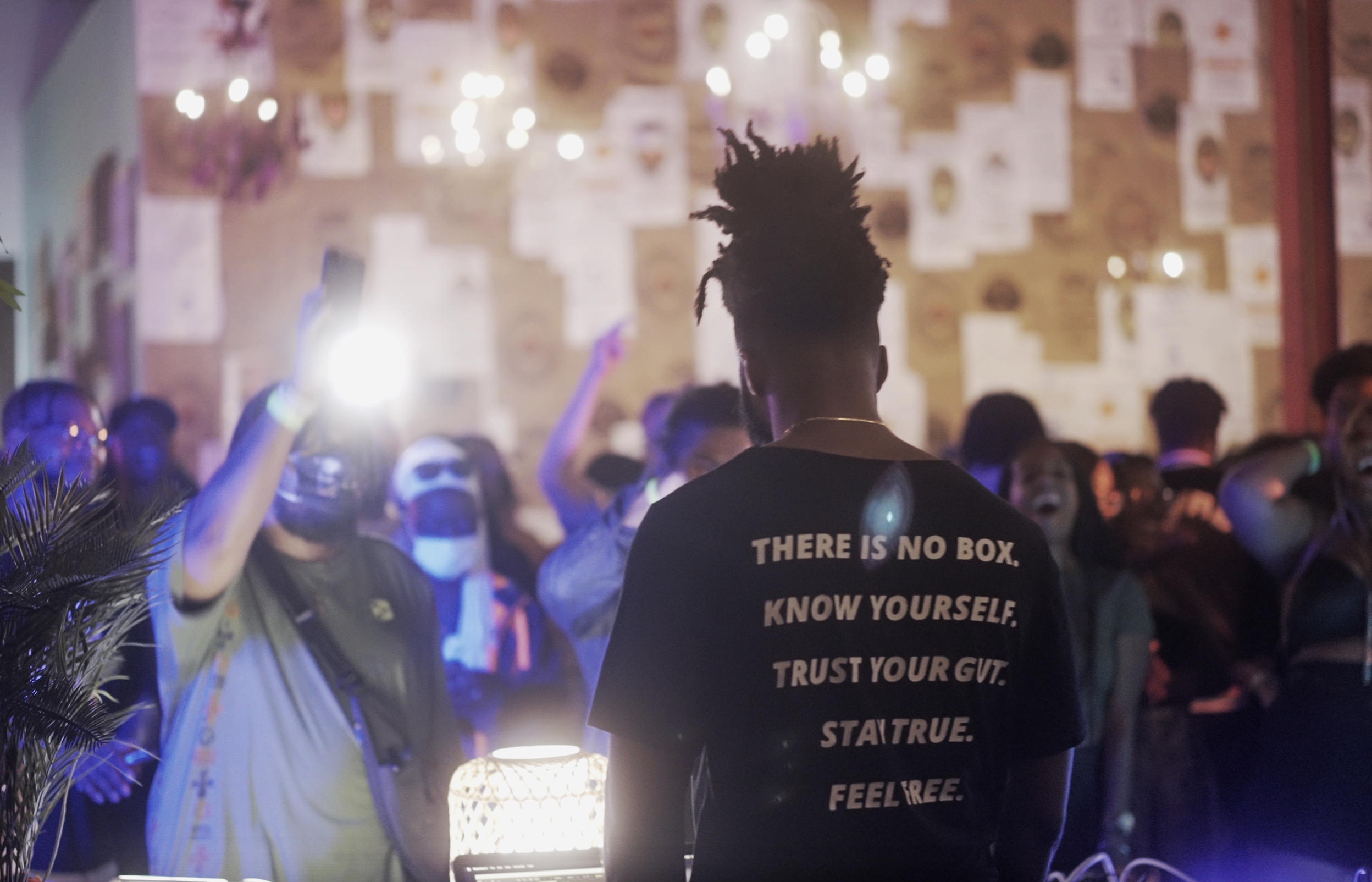
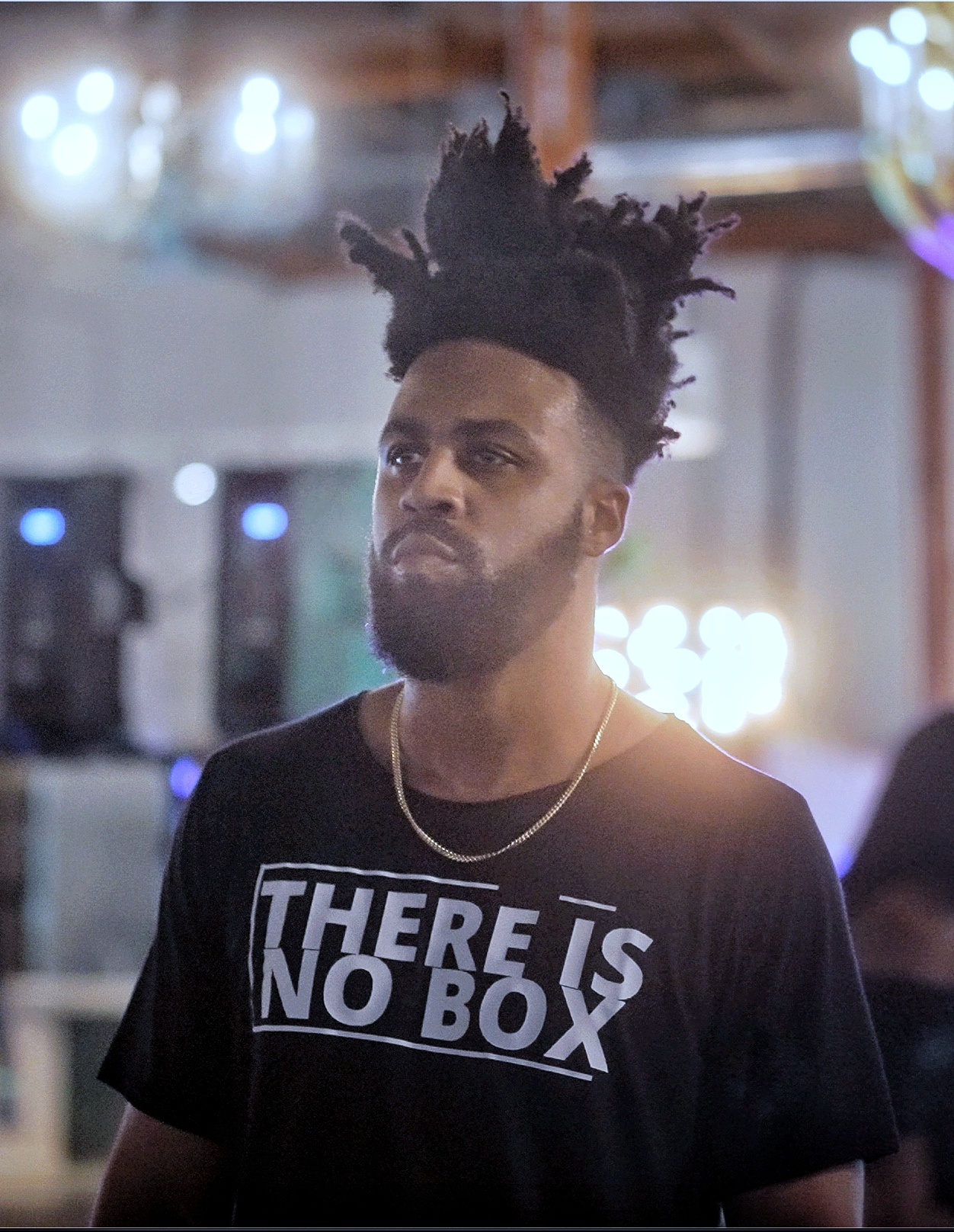
The burnout came from a different problem. I was taking on too much, but the real issue underneath that was a lack of boundaries, especially around pricing. When you don’t value your own work correctly, you end up needing to take on more of it just to make the math work, and eventually the math doesn’t math anymore. It will break something. For me it broke literally. I ruptured my Achilles in 2018, and that injury forced a stop I never would have chosen for myself. Which is when I came up with the There Is No Box concept. Meaning that no matter where you feel like you get stuck or you get labeled, there is no box. There’s always a pivot you can make. And typically all things work together.
Stepping away wasn’t graceful, it was forced on me, and that’s probably the more honest version of this story than the one where I made some wise, intentional decision to slow down. But it reset how I thought about pricing, boundaries, and what was actually worth my yes. I came back producing less out of urgency and more out of intention.
On top of those seasons, life has its own timeline. Becoming a father changed the calculation completely. My son is sixteen months old now, and there’s no studio session important enough to take priority over this season of his life, which means the work has to fit around real life now instead of the other way around. That part is still something I’m actively learning to balance, not something I’ve fully figured out.
What I’ve come to believe, and what I think actually separates the amateurs from the pros, is that talent gets you in the room, but a strong why, a good creative regimen, healthy boundaries, and relationships you’ve actually invested in are what keep you in the room when things get hard. Anybody can make good music when everything is going right. The real test is whether you can still find the discipline and the creativity when you’re broke, burnt out, or up at three in the morning with a teething toddler. That’s the muscle I had to build, and it’s still the one I lean on more than any plugin or piece of gear.
Thanks for sharing that. So, maybe next you can tell us a bit more about your business?
No Box Collective comes directly out of the same philosophy that runs through everything else I do, there is no box. For producers, that shows up as one specific problem I see constantly: talented people with hundreds of unfinished beats sitting on a hard drive, stuck chasing the next plugin, the next YouTube tutorial, or the next genre, instead of actually finishing and releasing music.
Right now No Box Collective is mostly built around helping producers solve this problem directly with my course, Music Producer Powerstart, and almost 800 producers who I reach out to and work through these struggles with directly. The people I work with are mostly up and coming producers who want to build an actual sustainable career around music, not just a hobby that eats their evenings and never turns into anything.
What I bring to that is over two decades of living the problem myself. I started as a bedroom producer making beats on an old keyboard with no major label placements and no industry connections, and I built everything from a small setup and a repeatable workflow. That eventually turned into placements with national brands, major TV networks, and award winning artists, and the exact process I now teach producers is the same one I still use with my own paying clients today.
The honest version of what changed for me is this. For years, nobody cared about my beats. I thought I had it figured out by making what I considered “the best” beats, but they weren’t selling, and what I didn’t realize was that I was a perfectionist building music for my own liking and for other producers, not for buyers. The second I shifted to actually finishing beats as products instead of endless experiments, the same kind of ideas that used to sit untouched started selling for thousands of dollars.
That shift is the entire foundation of Music Producer Powerstart. It walks producers through a sell first mindset, a repeatable workflow for moving from a blank session to a finished beat, and a way to focus only on what actually moves a beat toward getting sold instead of chasing every new technique. Most producer education is built around gear and technique. Mine is built around finishing, because that’s the part that actually determines whether someone builds a career or just keeps collecting unfinished projects.
What I’m proudest of are the specific shifts I get to watch happen. One student, an artist and producer himself, used these frameworks to start presenting himself like a professional, and he’s getting regular clients now instead of chasing perfect mixes and burning hours on YouTube. Those are the wins that matter to me more than any number.
If there’s one thing I want readers to take from this, it’s that No Box Collective isn’t about teaching a new genre or a new plugin. It’s about helping producers finish what they start so they can build a life around music instead of treating music like a job that never quite pays off.
Networking and finding a mentor can have such a positive impact on one’s life and career. Any advice?
My first instinct is to tell you to grab Music Producer Powerstart and join No Box Collective, you’d have direct access to me. But that’s the easy answer, so let me give you the real one.
The best advice I can give is to focus on what you can add to a mentor’s life, even in small ways, instead of focusing on what you need from them. “I need help” isn’t a strong enough reason for someone to take time and energy out of their day. People are busy and dealing with their own struggles, so you have to give them an actual reason to want to help you, the same way you’d want a reason before giving away your own time.
That reason usually comes down to two things, showing them some way you’d add value, and showing them you’ll actually follow through. Following through is the part people underestimate. A lot of people ask for help, get it, and then never execute, and mentors remember that. Once someone believes you’ll actually do something with their time, helping you becomes a much easier decision for them.
I’d also say don’t wait around for one perfect mentor. Have multiple. A mentor doesn’t have to be someone twenty years ahead of you, they can be someone just five steps ahead who remembers exactly what you’re going through right now. You can learn something real and different from both of those people, so don’t limit yourself to chasing one big name.
And honestly, the best networking move is just being visibly in motion. When a mentor can see you’re already making moves on your own, finishing things, showing up consistently, putting in the work, it removes almost all the friction from the relationship. Nobody wants to pour energy into someone who’s waiting to be rescued. People want to back someone who’s already running and just needs a little more speed.
But for real… if you’re a producer, No Box Collective is your first stop.
Contact Info:
- Website: https://noboxcollective.com
- Instagram: https://www.instagram.com/ktgotbeats/
Popular
-

Hidden Gems: Local Businesses & Creatives You Should Know
-

ATL’s Most Inspiring Stories
-

Portraits of Atlanta
-

Dr. Hildiah Martin-Suggs Is Building Second Chances for Youth Who Were Almost Lost in the System
-

From Showing Up to Seeing His Face on a Billboard: Anthony Green Is Just Getting Started
-

Wayne Smith Jr on Survival, Psychological Thrillers, and the Cost of Staying Alive