





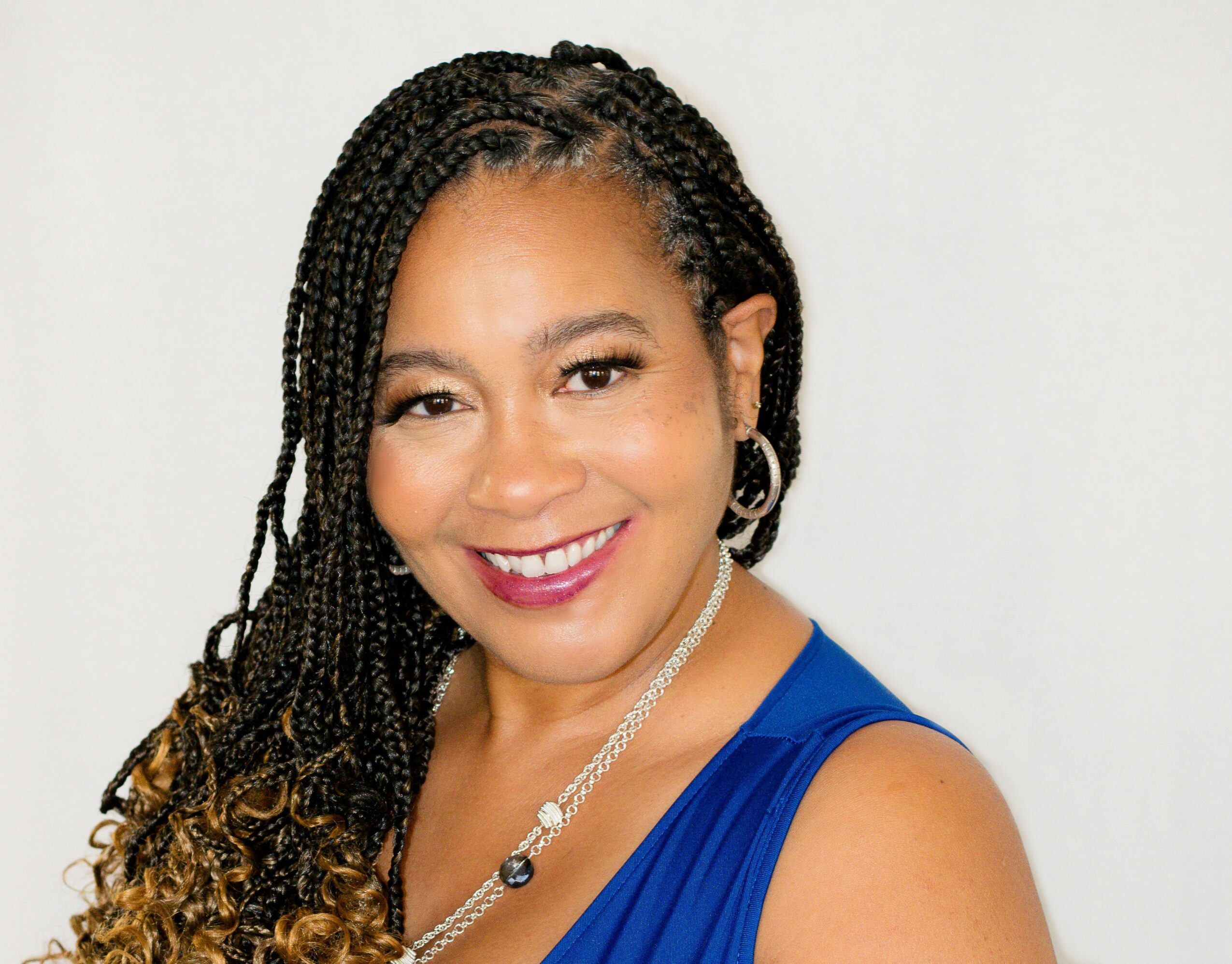
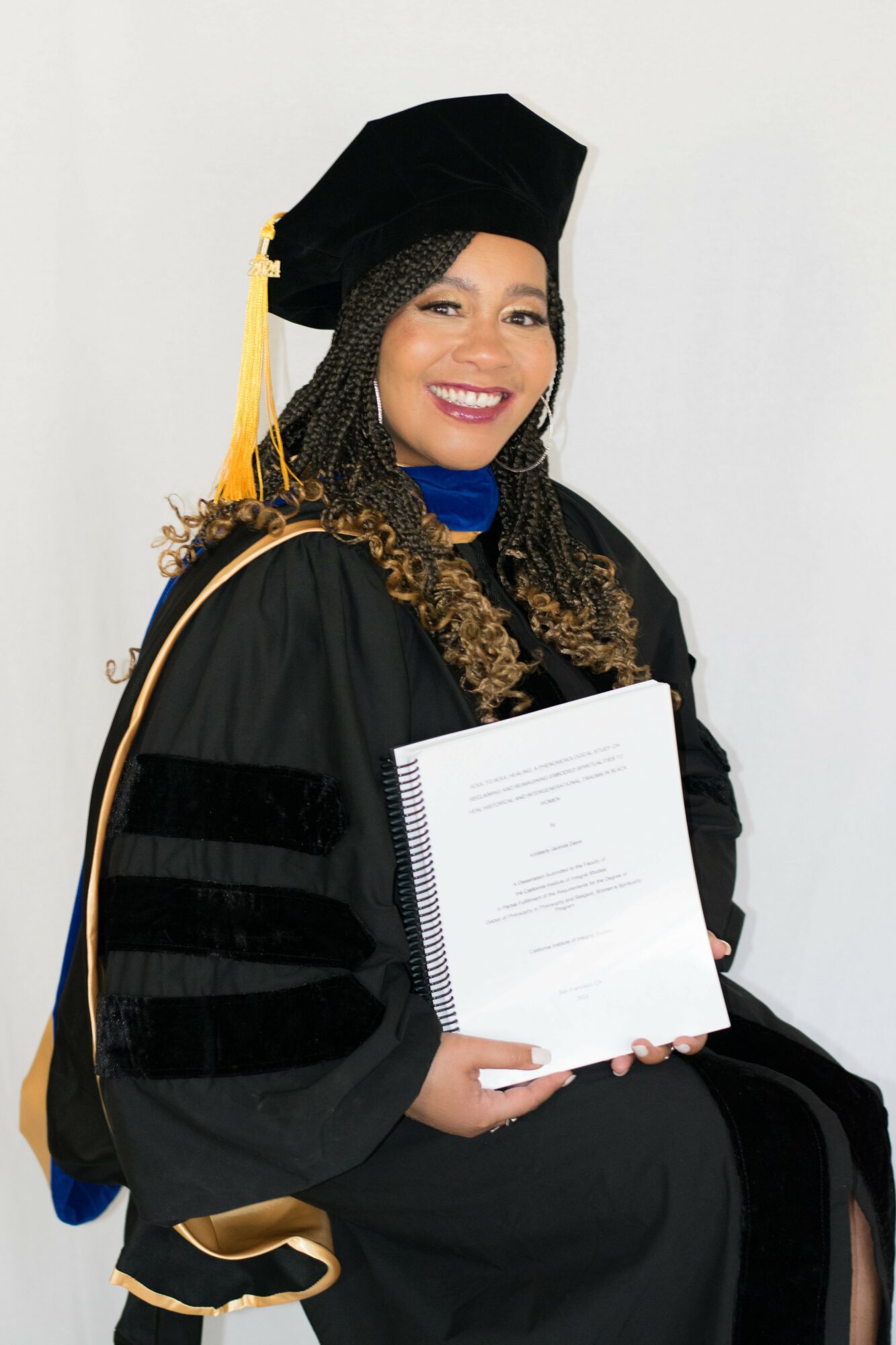
Today we’d like to introduce you to Dr. Kimberly J. Davis.
Hi Dr. Kimberly J., thanks for sharing your story with us. To start, maybe you can tell our readers some of your backstory.
My story begins, as so many stories of Black women do, with being taught to overachieve, overgive, and overfunction. I was conditioned to believe that success was measured by how hard I worked, how much I sacrificed, and how valuable I could make myself to others. As long as I earned the degrees, collected the accolades, achieved professionally, and took care of everyone else, I was considered successful. Very little attention was given to my inner life, my emotional and mental well-being, or whether I was truly at peace.
For more than twenty-five years, I built a successful career in corporate America while raising two sons as a single mother. Like many Black women, I carried multiple responsibilities at once. I earned an MBA in Finance, advanced into executive leadership roles, and worked diligently to create opportunities and stability for my family. At the same time, much of my life revolved around protecting and providing for my sons, keeping them engaged in sports and positive activities, and doing everything I could to ensure they had a strong foundation.
From the outside, I appeared to have achieved many of the traditional markers of success. But in professional spaces, I also understood the pressure of constantly having to prove that I belonged, justify my presence, and work harder to demonstrate my value. Over time, that way of living became mentally, emotionally, physically, and spiritually exhausting.
Eventually, I reached a point where I realized I could no longer sustain a life built solely on achievement and productivity. I had to reconcile my outer success with my inner well-being. That realization led me into my own healing journey, where I began uncovering the hidden insecurities, family wounds, experiences of abandonment, and societal messages that had shaped my understanding of success, scarcity, and worthiness. I recognized how those beliefs had kept me in jobs, relationships, and patterns long after they had stopped serving me.
My search for healing led me beyond the confines of organized religion and into practices that helped me reconnect with my body, spirit, ancestors, and inner wisdom. That journey eventually led me to pursue a Ph.D. in Philosophy and Religion with a specialization in Women’s Spirituality. Through my studies, I began connecting the personal with the historical and understanding how intergenerational trauma, identity, spirituality, and healing are deeply intertwined, particularly in the lives of Black women.
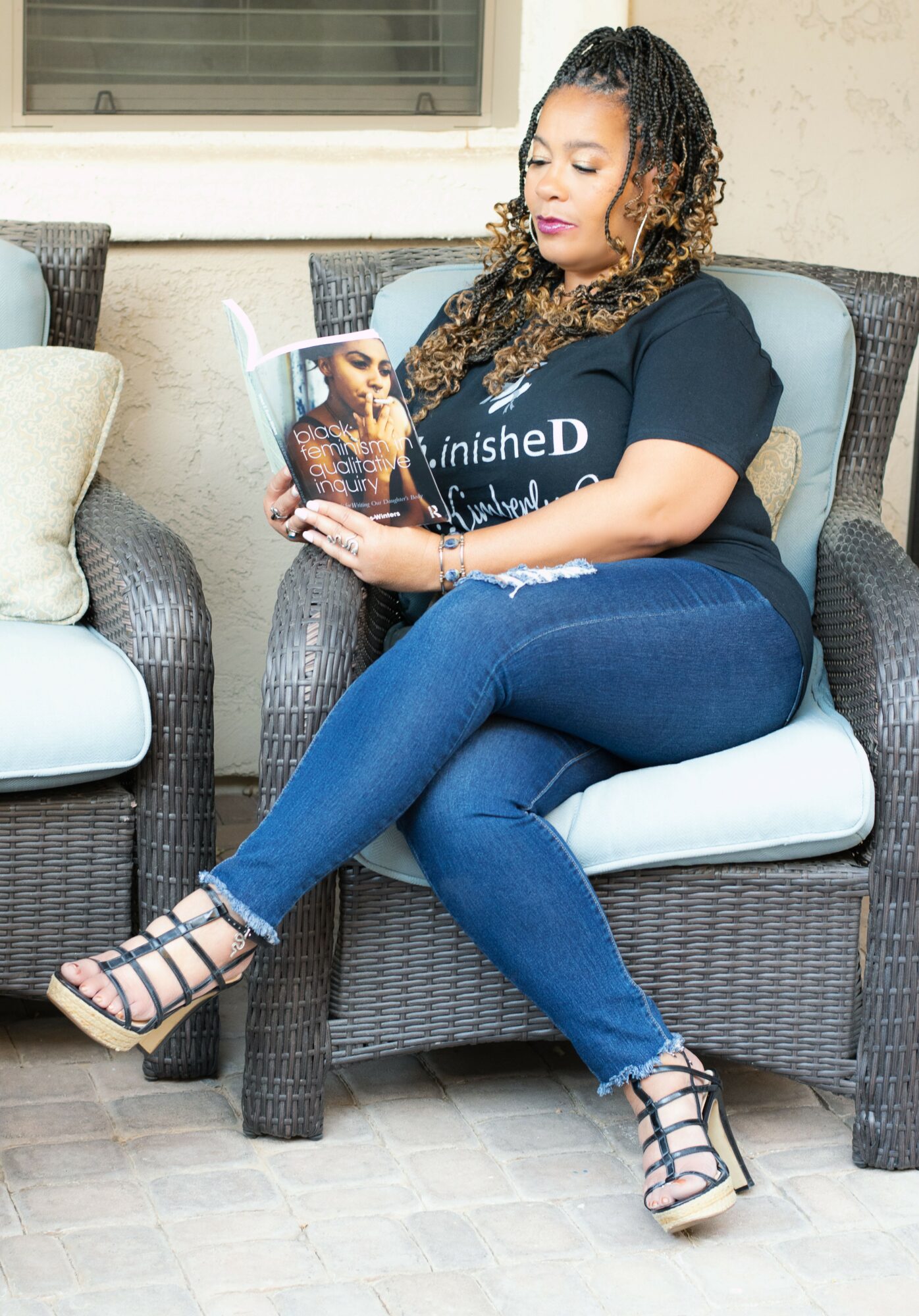
Today, I am a scholar, educator, author, and founder of the Soul-II-Soul Healing Institute, a healing-centered educational space that exists at the intersection of scholarship, spirituality, embodiment, and transformative healing practices. My work centers Black, Indigenous, and other women seeking to reconnect with themselves, their histories, and their innate capacity to heal.
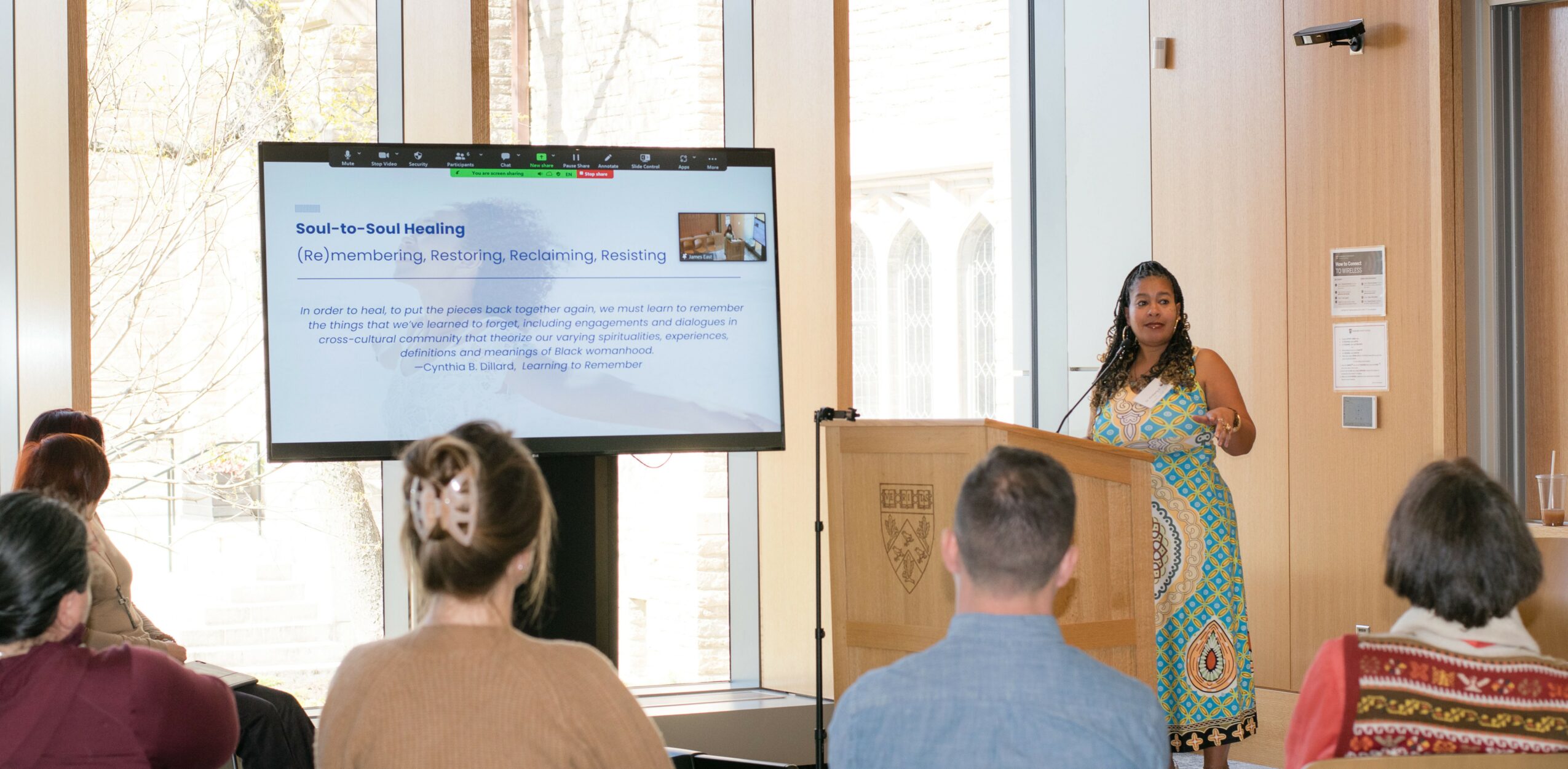
Through courses, research, scholarship, writing, book studies, and spiritual education, I create spaces where women can explore identity, intergenerational trauma, ancestral wisdom, and practices that support emotional, mental, and spiritual well-being. Much of my work focuses on the historical and contemporary experiences of Black women and the ways spirituality, embodiment, and ancestral knowledge can support healing and transformation.
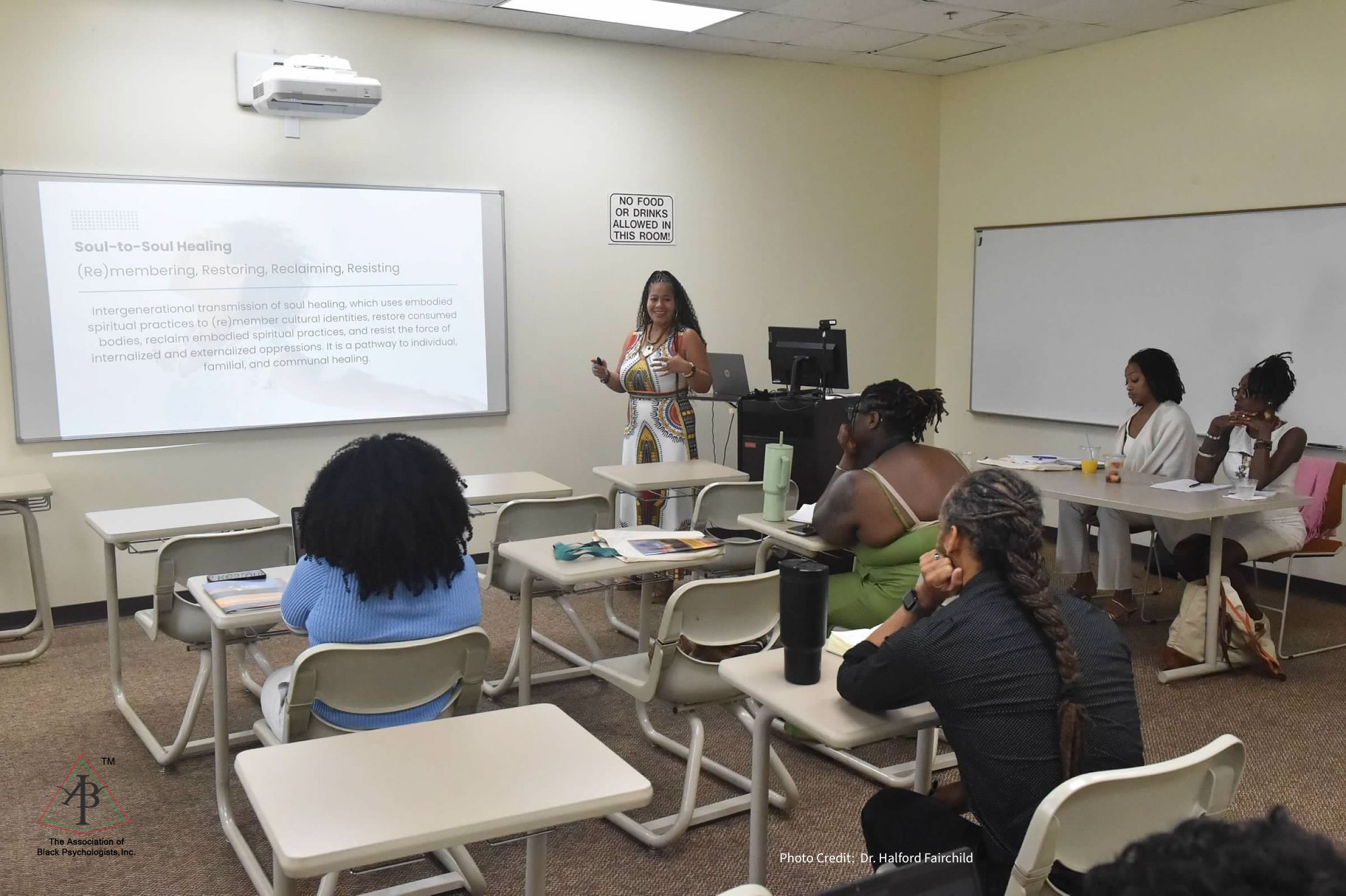
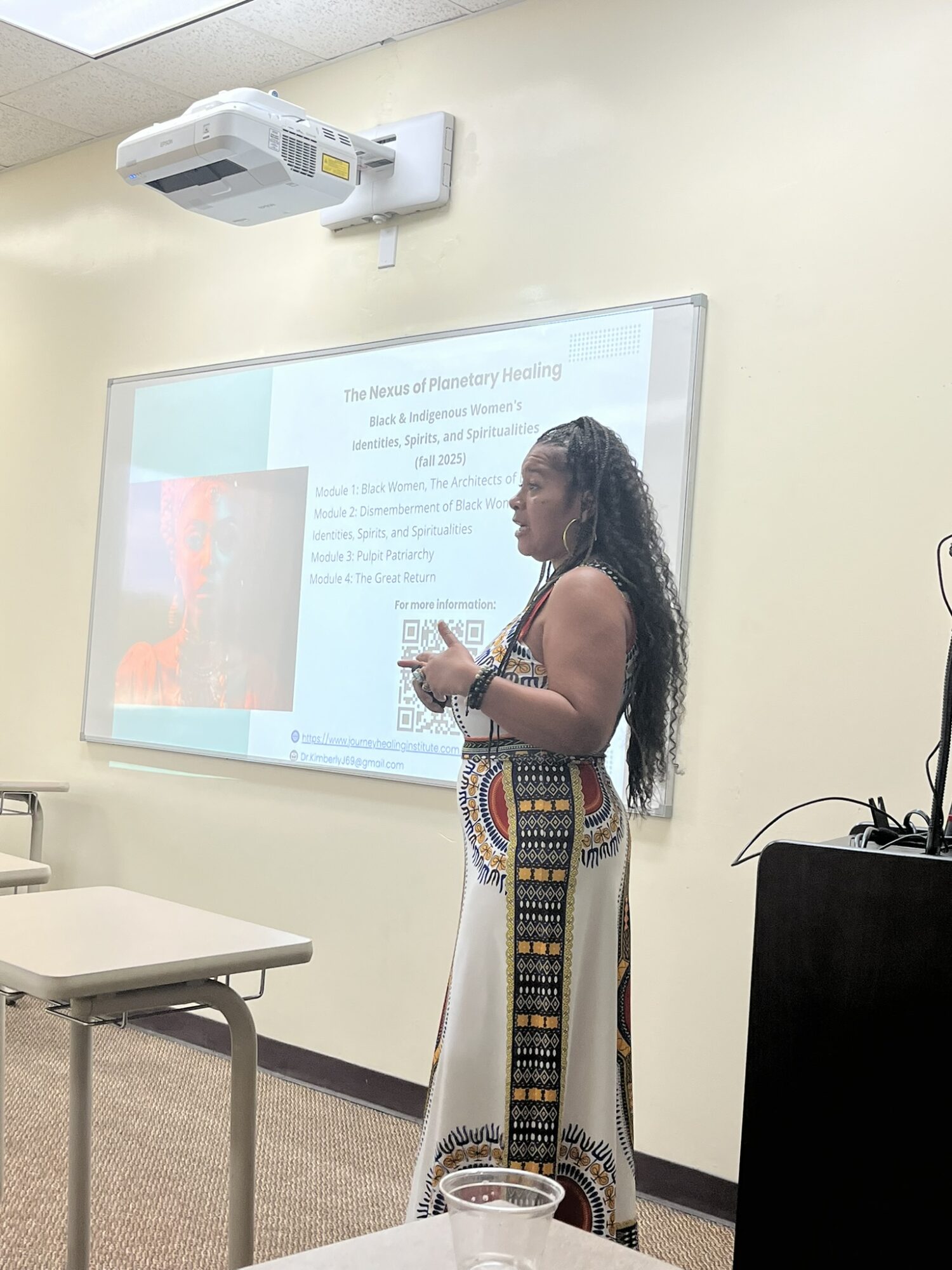
One of our flagship offerings is the Black Women’s Identities, Spirits, and Spiritualities program, which explores the histories, spiritual traditions, and lived experiences of Black women while supporting participants in reclaiming a more expansive understanding of themselves and their sacred traditions. I am also developing the Soul-to-Soul Mystery School, a longer journey focused on mastery, cosmology, ancestral healing, embodiment, and spiritual development.
Whether through teaching, research, writing, or community-building, my commitment is to help women move beyond survival and reconnect with joy, purpose, reciprocity, and wholeness. At the heart of everything I do is a belief that healing ourselves also has the power to heal families, communities, and future generations.
We all face challenges, but looking back would you describe it as a relatively smooth road?
No, it has not been a smooth road.
Like many Black women, much of my life has involved navigating spaces where I was expected to give more, prove more, and carry more. While raising two sons and building a career in corporate America, I often felt like I was living two full-time lives. I was committed to providing for my family while also doing everything possible to keep my sons safe, supported, and engaged in positive activities. Motherhood came with responsibilities that were not always understood or respected.
Professionally, I spent more than twenty-five years in corporate leadership roles where I frequently experienced the pressure many Black women know all too well—the constant need to prove your worth, justify your presence, and exceed expectations simply to receive the same recognition afforded to others. I experienced both subtle and overt forms of bias and often felt that I had to work twice as hard to demonstrate my value. Beyond the demands of the work itself, there were expectations around networking, travel, and always being available, often with little regard for the responsibilities many women carried outside of work. Balancing professional success with motherhood often felt impossible.
One of the greatest challenges I faced was walking away from the security of corporate America to build something from the ground up. Building a holistic healing and wellness center and later expanding into broader educational and healing work required tremendous courage and personal sacrifice. I invested my own resources, including money I had saved over many years, into a vision that was far from guaranteed. There were many moments of uncertainty and fear, especially knowing that I was investing resources that many people are encouraged to preserve for security and retirement.
Creating work rooted in healing, spirituality, and transformation is very different from building a traditional business with a predictable path to financial success. There have been seasons when I questioned myself, worried about the future, and wondered whether I had taken too great a risk. Yet I continued to trust the vision, trust my spiritual grounding, and trust the wisdom passed down through my ancestors.
While establishing my holistic healing and wellness center, I encountered resistance and assumptions that reflected misunderstanding, bias, and fear. As a Black woman introducing holistic and spiritual healing practices, I faced skepticism from multiple directions. In predominantly white spaces, there were questions about the legitimacy of my work and assumptions about what kind of business I was trying to create. At the same time, I also encountered hesitation within parts of the Black community from individuals who had been disconnected from or taught to fear spiritual traditions outside of mainstream religious frameworks.
Over time, I came to understand that much of that resistance was rooted not only in misunderstanding, but also in generations of conditioning, historical erasure, and the demonization of many ancestral traditions. Despite those challenges, I remained committed to the vision and continued building spaces where people could explore healing without shame or fear.
Whether in business or academia, centering Black women’s experiences and ways of knowing has often required pushing against systems that were not designed to recognize them. My journey through academia brought its own challenges. I have intentionally centered Black women, Black spiritual traditions, and the scholarship of Black women thinkers in my work. Historically, these voices have often been marginalized or treated as less legitimate within traditional academic spaces. Continuing to advocate for the importance of Black women’s histories, lived experiences, and spiritual traditions has been both a responsibility and a struggle.
More than anything, entrepreneurship has taught me that building something meaningful often requires believing in possibilities that do not yet exist. It has required me to move beyond survival and trust that the work I am creating has the potential to serve not only myself, but future generations and the communities I care deeply about.
Looking back, many of my challenges have revolved around the same questions: Whose stories are considered worthy? Whose knowledge is taken seriously? Whose humanity is fully seen? Those experiences have only strengthened my commitment to creating spaces where Black women and others can feel seen, affirmed, and supported in their healing journeys.
Alright, so let’s switch gears a bit and talk business. What should we know about your work?
I am an educator, scholar, author, and healing practitioner whose work exists at the intersection of scholarship, spirituality, embodiment, and transformative healing practices. Much of my work focuses on the historical and contemporary experiences of Black women and the ways identity, spirituality, ancestral wisdom, and embodied practices can support healing and transformation.
Over the years, I have come to specialize in creating spaces that bridge academic knowledge with lived experience. Rather than separating scholarship from spirituality, I believe both have something valuable to offer. My work integrates research, history, ritual, and community in ways that make knowledge accessible, practical, and deeply meaningful.
What I am most proud of is creating the Soul-II-Soul Healing Institute, a healing-centered educational space that centers Black, Indigenous, and other women seeking deeper connection, healing, and self-understanding. Through courses, book studies, workshops, healing experiences, and healing intensives, the institute creates opportunities for people to engage healing as both a personal and collective practice.
One of our flagship offerings is the Black Women’s Identities, Spirits, and Spiritualities program. The course integrates scholarship, ritual, history, and the lived experiences of Black women while exploring spiritual traditions, wisdom, and histories that have often been overlooked or erased. Creating a space where Black women can see themselves reflected in the material and reconnect with their own sacred histories has been one of the most meaningful accomplishments of my career.
I am equally excited about the upcoming Soul-to-Soul Healing Mystery School, which will bring together Black women scholars, healers, priestesses, and practitioners to teach courses, facilitate workshops and healing circles, and share traditions that have too often been marginalized or excluded from mainstream conversations about spirituality and wellness.
Much of my work is also rooted in helping people reconnect with their indigenous and ancestral roots and exploring the wisdom of the Divine Mother, womb consciousness, and cosmologies that understand creation, relationship, and healing from a more holistic perspective.
What sets my work apart is my commitment to centering voices and traditions that have historically been overlooked while bringing together scholarship, spirituality, and healing in ways that honor both intellect and lived experience. I believe healing is not simply an individual journey. It has the power to transform families, communities, and future generations.
How do you think about happiness?
What brings me the greatest joy is living with a level of freedom that many of my ancestors were denied. I do not take that freedom for granted. Being able to create my own path, make my own decisions, and live according to my values brings me tremendous happiness.
I enjoy the freedom to create my own schedule, travel when I choose, and live a life that is no longer dictated by someone else’s vision for me. After spending many years in demanding corporate environments, I appreciate simple things that once felt out of reach, having ownership over my time, moving at my own pace, and creating a life that feels aligned with who I am.
Nothing brings me more joy than my family. Watching my sons thrive and become heart-centered, compassionate adults has been one of the greatest blessings of my life. Seeing them embody what I consider healthy expressions of the divine masculine, men who love, support, create, and nurture themselves and others, fills me with immense pride and gratitude.
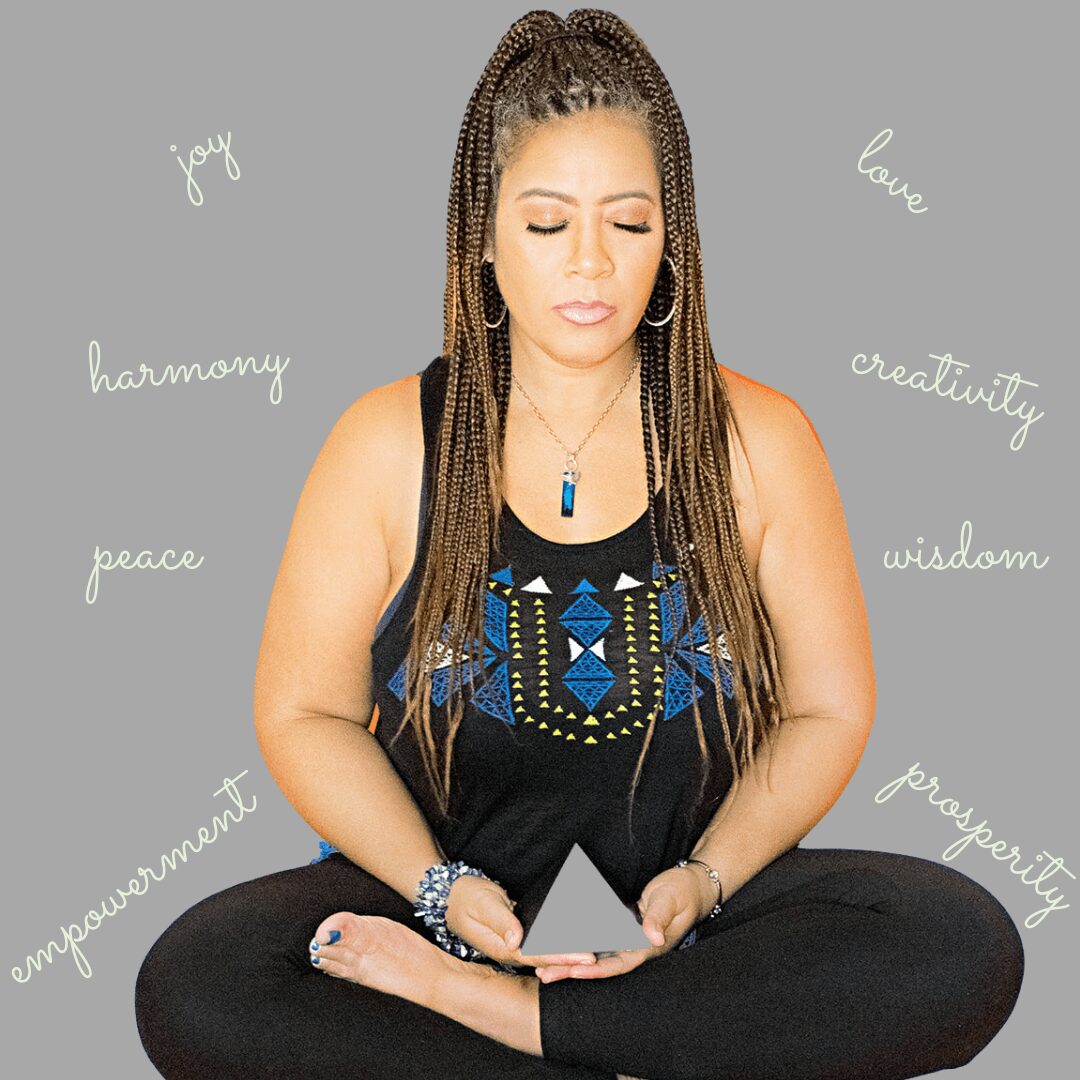
I also find joy in healing generational patterns, loving unapologetically, and embodying the work that I teach. For me, healing is not just something I talk about or study; it is something I strive to live every day. Some of my happiest moments are spent in nature, near water, in conversation with my ancestors, journaling, writing, creating, and allowing Spirit to guide the process.
Music, dancing, and live concerts are some of my greatest forms of therapy. Music has always been one of the ways I return to myself. I love to dance, celebrate life, and experience the joy, connection, and memories that music creates. Joy, movement, creativity, and freedom are all sacred practices for me.
Contact Info:
- Website: https://soultosoulinstitute.mykajabi.com/
- Instagram: https://www.instagram.com/drkimberlyj_spiritualteacher/
- Facebook: https://www.facebook.com/profile.php?id=61577068834843
- LinkedIn: https://www.linkedin.com/in/dr-kimberly-j-davis-phd-mba-a1b37229/
- Youtube: https://www.youtube.com/@Dr.kimberlyj-spiritualteacher/
Popular
-

Hidden Gems: Local Businesses & Creatives You Should Know
-

ATL’s Most Inspiring Stories
-

Summer McIntyre Is Building a Career at the Intersection of Sports, Media, Entertainment, and Digital Storytelling
-

DeAnna McIntosh Is Helping Entrepreneurs Move Bold Ideas From Vision to Reality Through Strategy, Innovation, and Execution
-

Portraits of Atlanta
-

Dr. Nicole Brown Expands Her Vision Beyond Design to Inspire Women Through Storytelling, Reinvention, and Intentional Living