

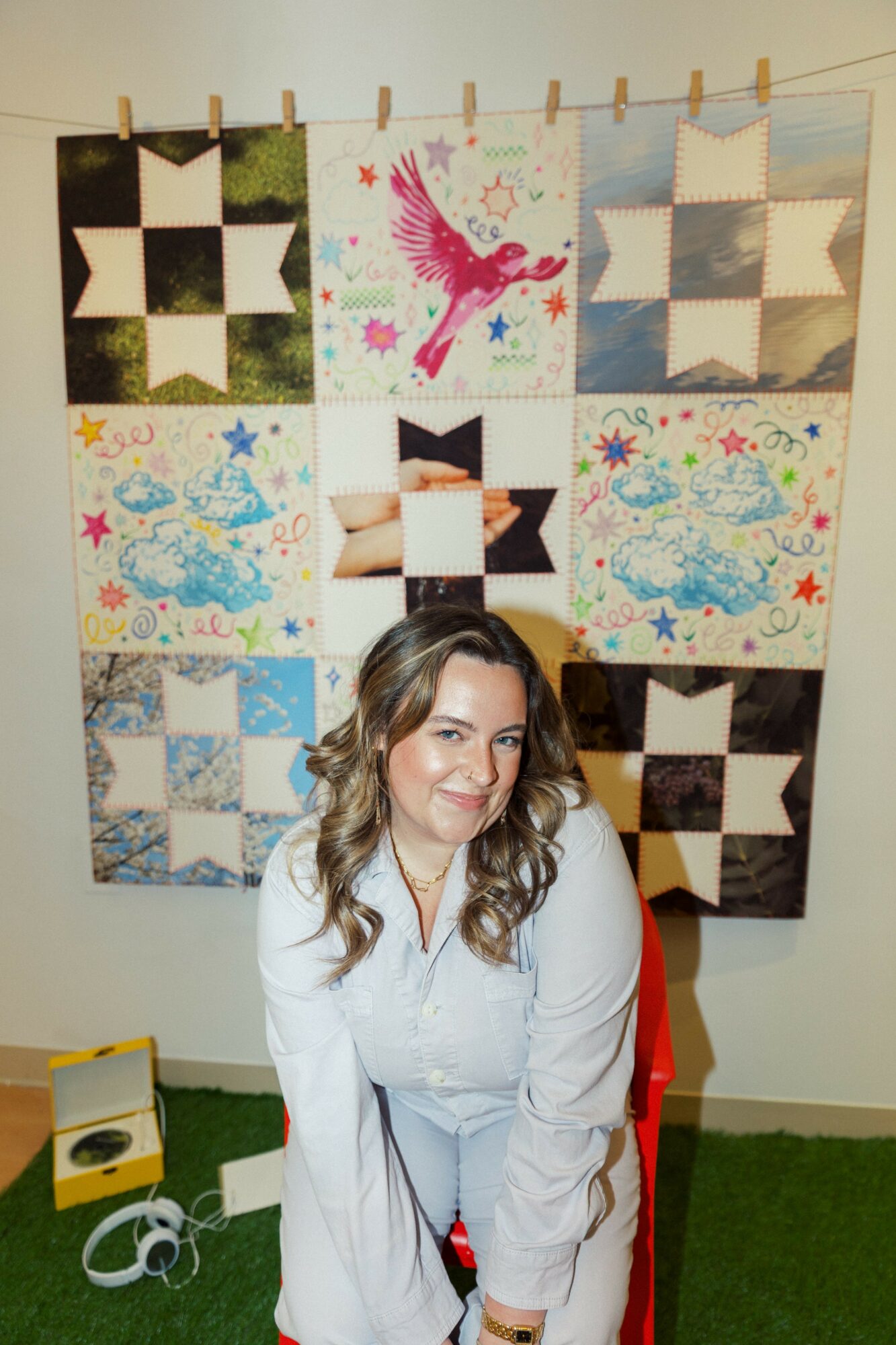
Today we’d like to introduce you to Kaley Miller.
Hi Kaley, thanks for joining us today. We’d love for you to start by introducing yourself.
My journey with art started when I was a little kid. I’ve always enjoyed anything that exercised my creative muscles. I was very crafty as a child and loved making things with my hands.
I took art classes here and there growing up, and later took art as an elective in high school, where I began to really enjoy experimenting and exploring different creative processes.
When I started college, I initially chose to pursue a degree in journalism. I’ve always had a deep appreciation for storytelling and a strong interest in creative writing. However, I quickly realized I had little interest in fitting stories into a box, so I decided to branch out and switch my major to art.
During my time as a fine arts major, I fell even deeper in love with creating by hand and developed a greater appreciation for storytelling through visual art. I became part of a sweet community of local artists and found like-minded, lifelong friends who inspired me and pushed my creative boundaries.
I began sharing my work in different spaces—on social media, in local businesses, and even through a few exhibitions.
After college, I felt unsure of where my practice was headed. As I continued creating, I realized that what I loved wasn’t just sharing my art with others, but the language that art gave me to connect and communicate with people. I loved watching others create and tell their own stories through art-making. I loved considering things from different perspectives, both literally and figuratively. Without fully realizing it at the time, art education was becoming a new path that my artistic journey was leading me toward.
Rather than viewing art education as something I have to impart to others, I see it as fostering a safe space where people can come into themselves, learn about themselves and one another, and take creative risks.
Art has become about so much more to me than making something beautiful or traditionally “good.” I believe art and creativity have the potential to foster deep connection—even in unlikely places—help us better understand ourselves and the world around us, and give us outlets to make sense of the lives we live. Art-making is an act of risk-taking that often leads us to vulnerable and meaningful places.
All of that led me to a crossroads. After considering starting a business in art and graphic design, I ultimately decided to pursue a career as an art teacher in public education. Going into education made me nervous that I might lose some of my whimsy or feel pressured to fit myself and my approach into a box. Instead, I’ve learned that there is so much I can bring to the table in this space, and that teaching has become a meaningful extension of my creative practice.
Alright, so let’s dig a little deeper into the story – has it been an easy path overall and if not, what were the challenges you’ve had to overcome?
The journey of becoming an artist and an art educator hasn’t been what I might describe as “smooth” or “traditional,” but it has been natural and beautiful in its own unique way.
After school, I had no idea what I was doing. While I was excited by the thought of creating my own schedule and working with a broad variety of clients, I also longed for stability. I liked the thought of having a consistent schedule, but I also felt like I needed to “be free” and avoid giving in to the typical 9-to-5 work life.
A lot of my struggle during this season came from letting go of expectations—both my own and those I felt from others. I had to learn to stop trying to force my journey into a particular shape and instead give myself permission to try new things, say yes to unexpected opportunities, make mistakes, and trust that growth would come from those experiences. Getting out of my head and embracing uncertainty was often easier said than done.
I accepted a job working in special education with nothing but a leap of faith. Although I come from a family of educators, I had no background in education and wasn’t really sure what I was doing. I did, however, have peace about stepping into this role and trusted that God would carry me along the way.
My personal practice looked very different over the last year. I made much less formal “art” and shared far less of my work compared to the years I spent in college. Even though I wasn’t sharing my work publicly, I continued to create in my free time simply for the sake of making. I experimented with a variety of materials, sent handmade letters to friends, and created without the pressure of monetizing or broadcasting everything I made.
As someone who values the conversations that come from art and the act of sharing it, this season almost felt like a period of hibernation. I made when I wanted to make, and when I was tired, I took breaks. I gave much of my time to learning a new role and providing the best support in the classroom that I could.
At first, I couldn’t help but wonder if I was giving up on a dream of mine. Over time, though, I realized that my dream wasn’t disappearing—it was changing shape and taking on new life. I began to see that success didn’t have to look the way I once imagined it would.
While my dream is still to make art, be expressive, and share what I cannot express through words, I think my even bigger dream is to create opportunities for others to do the same. My dreams involve more than myself and my own practice. They involve helping others find connection, confidence, and a voice through art as well.
Thanks – so what else should our readers know about your work and what you’re currently focused on?
My artistic background is in printmaking, graphic design, and photography. I spent my college years devoting myself to these crafts and learning to appreciate their unique qualities. Through each of these mediums, I focused on exploring storytelling and the many ways stories can be communicated visually.
I would like to think I am known as an artist who is not afraid to say yes to things that may not traditionally fit inside the box of what an artist is “supposed” to do. My personal work often incorporates mixed media, draws inspiration from nature, and explores our design and purpose as people made to create. Much of my work is a response to what I believe the Lord is doing around me, in me, and through me. It can be difficult to put those experiences into words—which is probably why I feel compelled to make art in the first place!
If I’m being transparent, my focus over the last year has shifted quite a bit. At times, it has felt like I specialize more in behavior management, worksheet design, and document organization than printmaking or photography. Jokes aside, my role has looked very different than I once expected it would.
I am still very much learning what my personal practice looks like in light of being an educator. My hope is that my own relationship with art will continue to inform the way I teach and share the creative process with my students. I want to teach from a place of honesty, curiosity, and authenticity. After all, I think it matters that an art teacher not only teaches art, but also believes in its value enough so to continues to engage with it personally. I view the opportunity to share art with young people as a precious gift and responsibility—one that I do not take lightly.
While I am proud of specific pieces I have created, I am even more proud of where those pieces have led me. I am deeply grateful that making meaningful art has opened doors to a classroom where I get to share something so valuable with young, formative people. I believe seeing students take creative risks, discover new ways of expressing themselves, and gain confidence in their own voices is the reward of this role.
If there is something that sets me apart as both an artist and educator, I hope it is my passion, honesty, and genuine care for others. More than creating impressive work, I want to create spaces where people feel seen, encouraged, and empowered to create for themselves.
Can you talk to us about how you think about risk?
I kind of feel like a fraud in conversations about “taking risks.”
I think a risk has to be defined by the person taking it, and before we talk about risks, we have to talk about fear.
For a long time, I viewed fear as something inherently bad. If I felt afraid of something, I assumed it meant I lacked confidence, faith, or conviction. I was almost afraid of being afraid? Any hint of fear felt like a personal failure, and I wanted to wish it away as quickly as possible.
Over time, though, I have experienced a lot of freedom in allowing myself to acknowledge fear instead of resisting it. After all, would a risk really be a risk if there wasn’t some fear involved? As I’ve learned to pause and recognize fear for what it is, I’ve realized that what matters most is not whether fear is present, but what I choose to do next.
One of the biggest risks I’ve taken was stepping into education. On paper, I wasn’t the obvious candidate. I had no formal background in education and very little idea of what I was doing. The risk wasn’t becoming a teacher—it was accepting the very real possibility that I might fail. If I had let fear make the decision for me, I probably never would have applied in the first place.
For me, risk-taking has become less about overcoming fear and more about refusing to let fear have the final say. I think that’s why the phrase “do it scared,” as cheesy as it may sound, has taken on a deeper meaning for me.
An earlier version of myself interpreted that phrase to mean: push through the fear until everything works out the way you wanted it to and your ego comes out unscathed. Now, I think it means something very different. I think doing it scared means moving forward even when success isn’t guaranteed. It means accepting that you might make mistakes, you might fail, and things may not unfold the way you imagined—and choosing to move forward anyway.
The more I’ve reflected on risk, the more I’ve realized that my greatest obstacle isn’t fear but perfectionism. Perfectionism tells me not to try unless I can be certain of the outcome. It tells me to avoid situations where I might fail, look foolish, or get something wrong. But when perfection is the goal, risk-taking becomes almost impossible.
My faith has played a significant role in changing that perspective. I’ve found a lot of peace in trusting that the burden of the outcome is not mine to carry. Rather than trying to eliminate fear altogether, I have found rest in knowing that God has faithfully led and guided me this far. Fear still shows up, but it no longer has the same authority over me. In many ways, I have watched fear be softened and tamed by God’s love.
So yes, I have taken risks—which also means I have made mistakes. I’m still learning what it looks like to do things scared, especially in light of my perfectionism. But I’ve found that when perfection is no longer the goal, risk-taking becomes much more approachable.
Contact Info:
- Website: https://creationsbykmill.com
- Instagram: https://www.instagram.com/creationsbykmill/
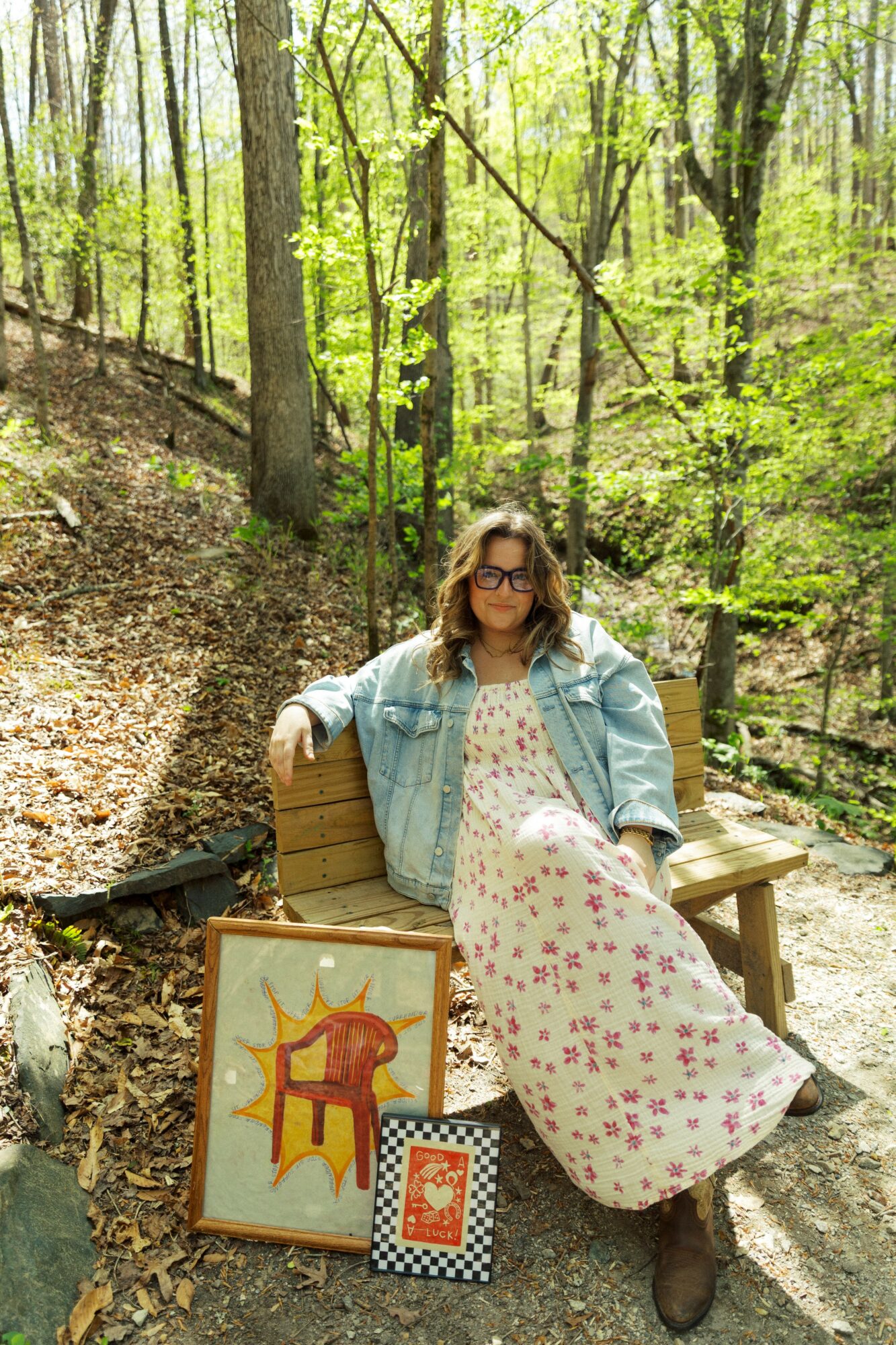
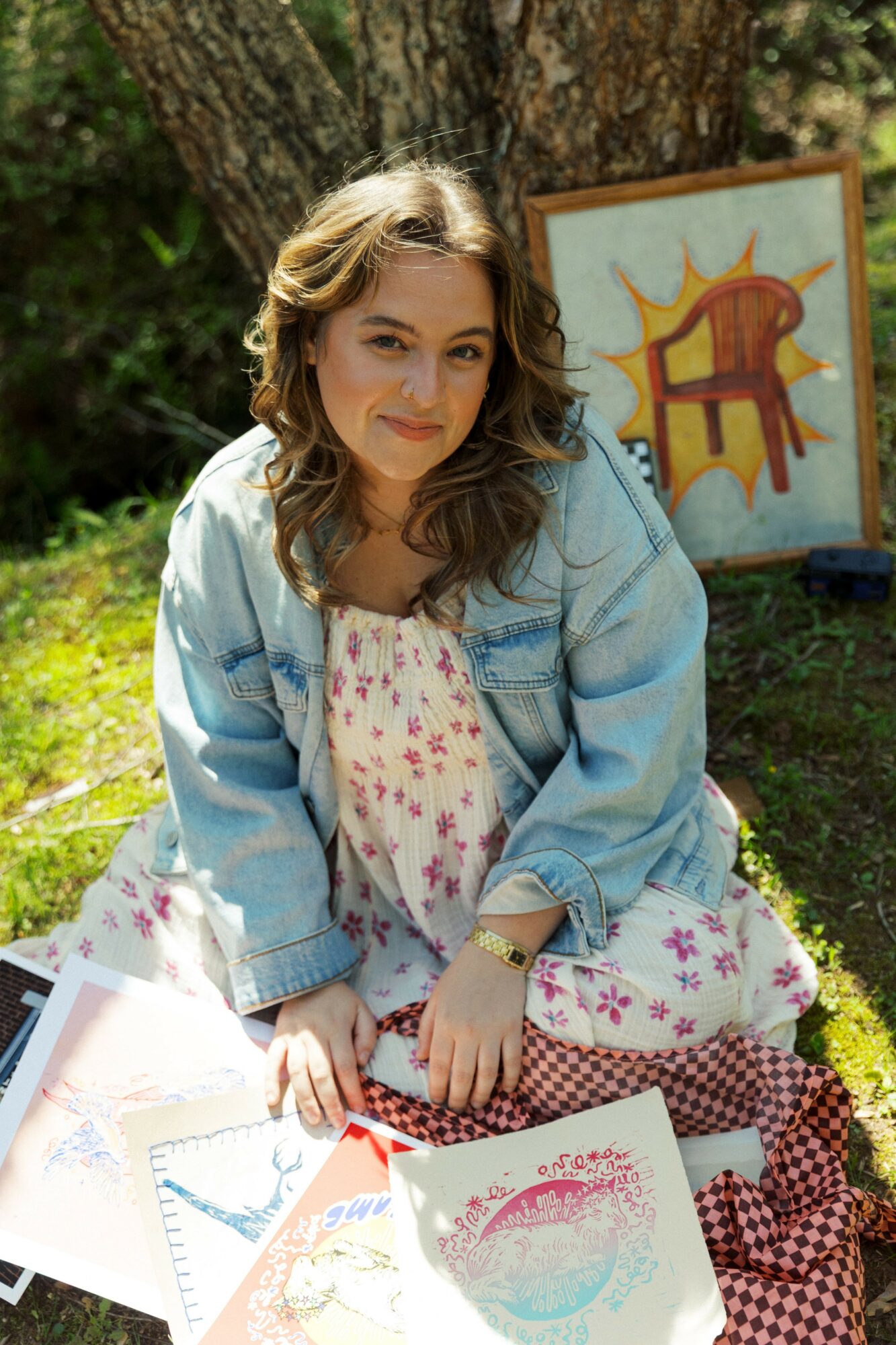
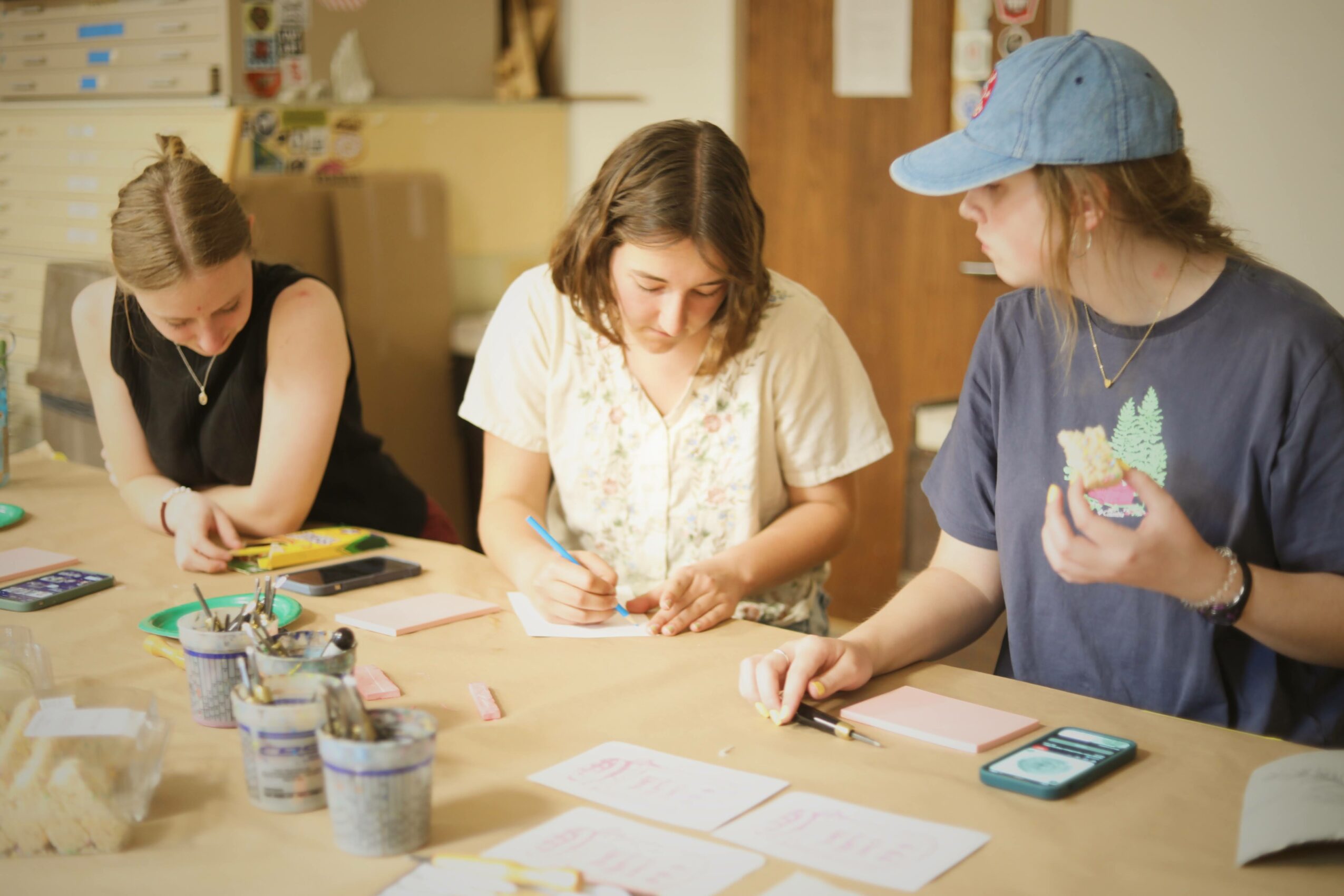
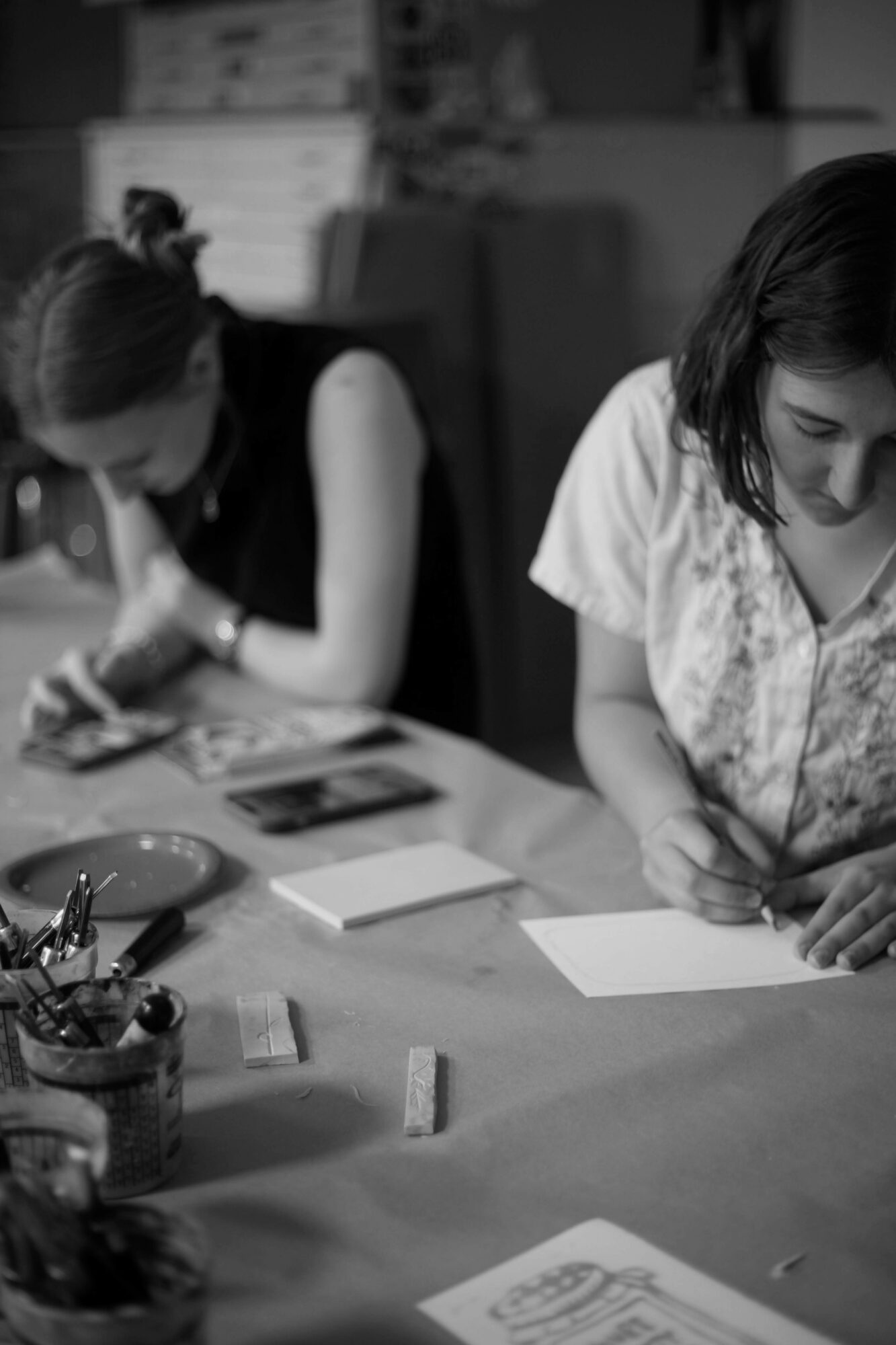
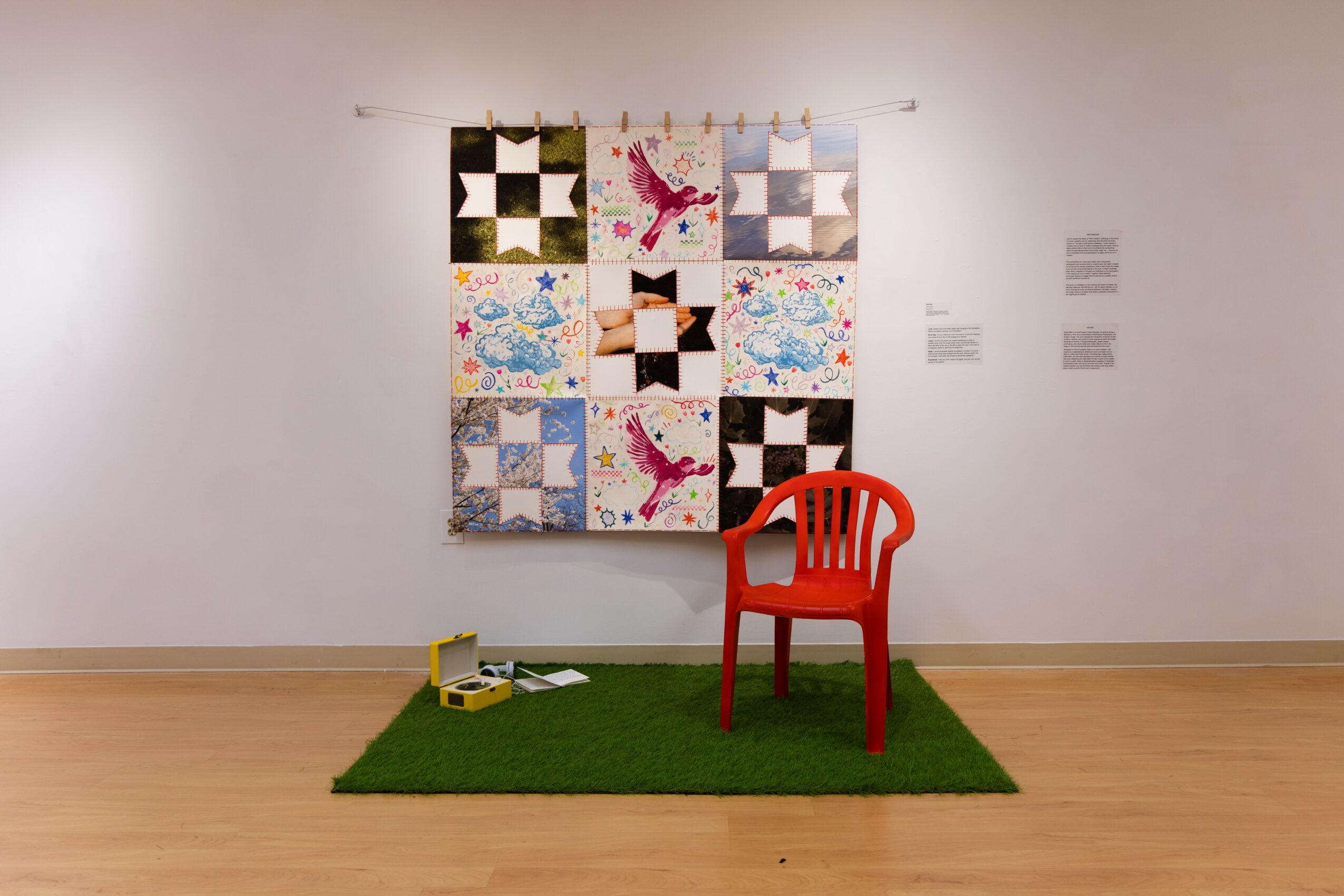
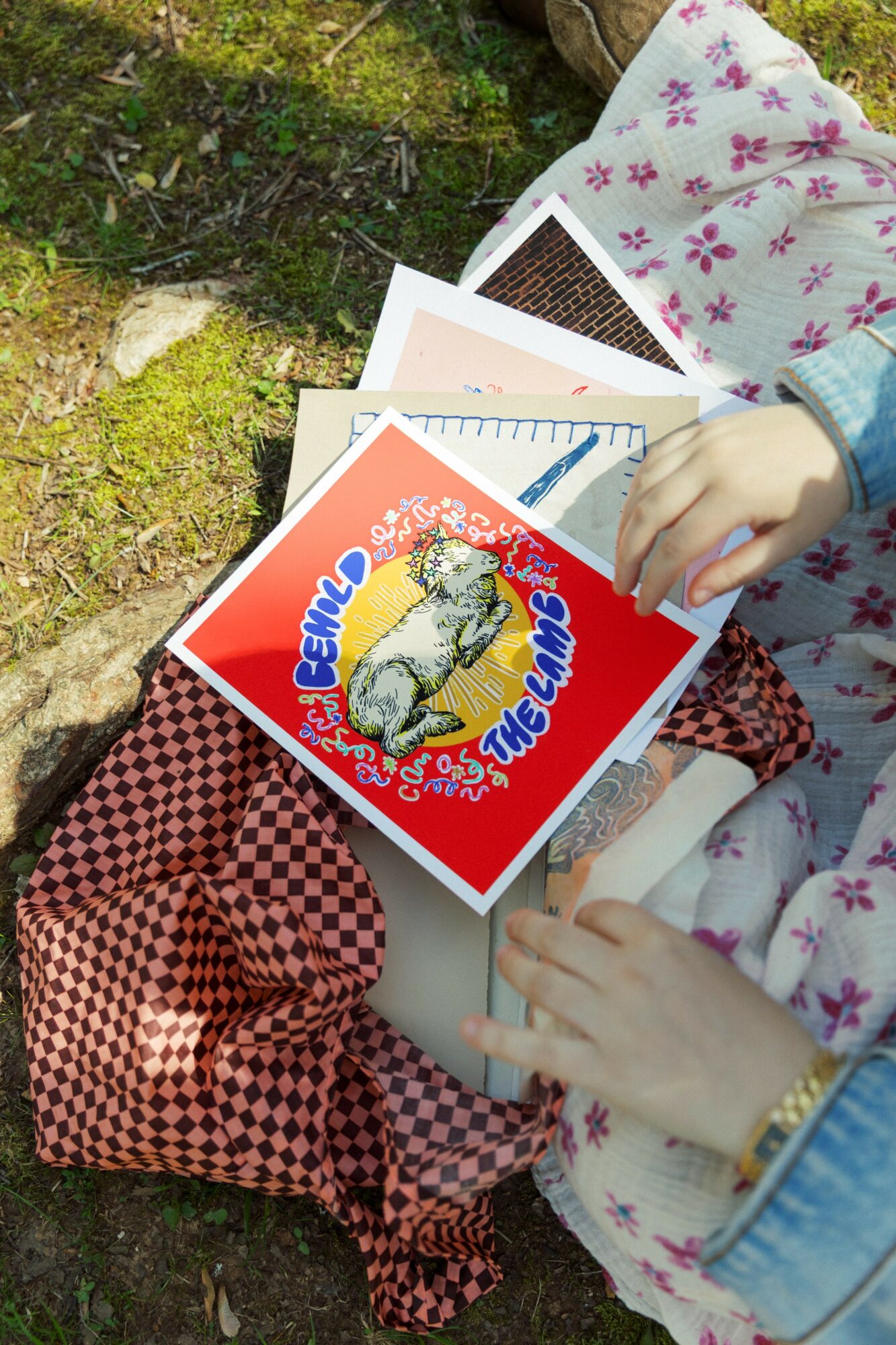
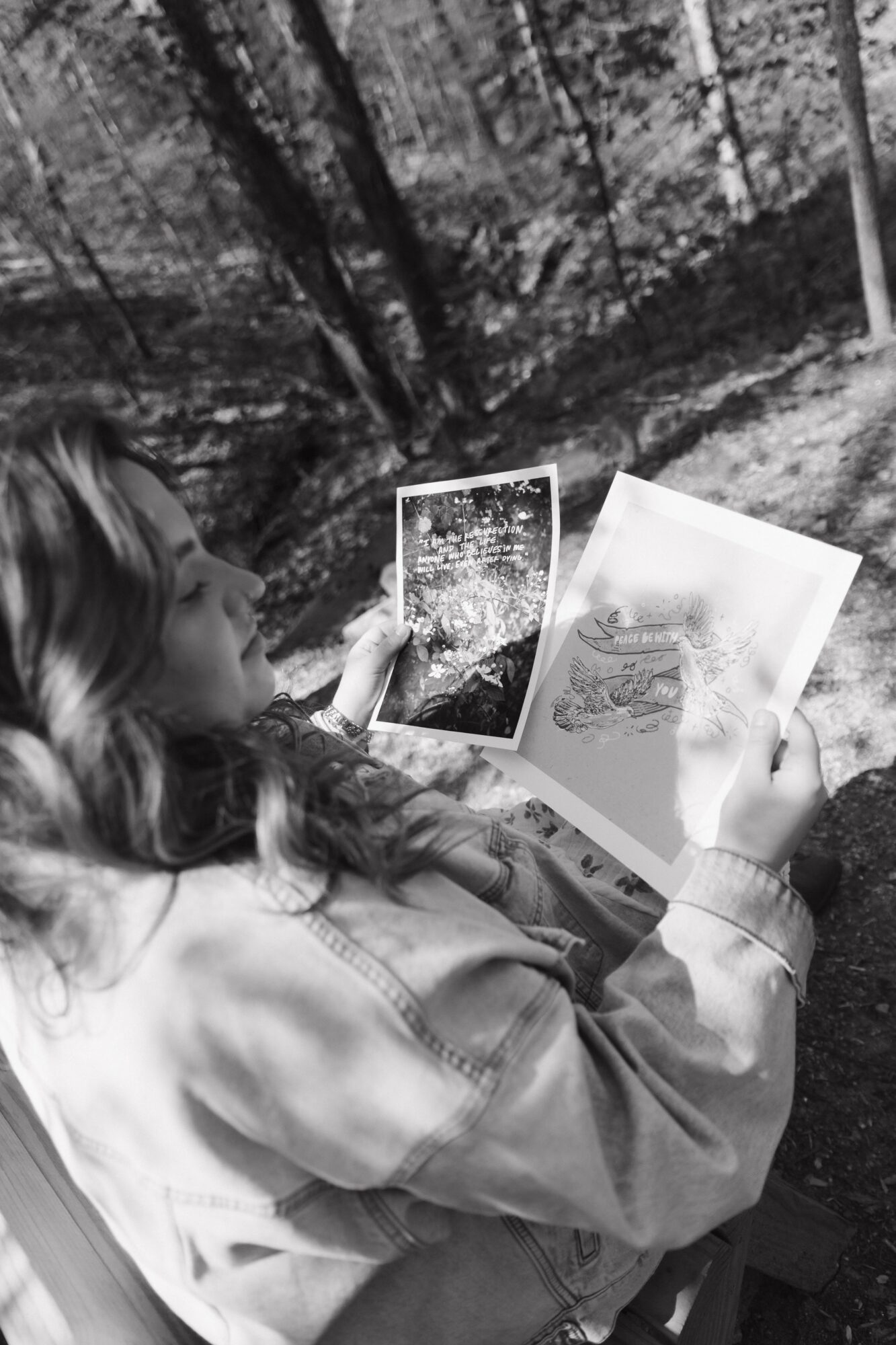
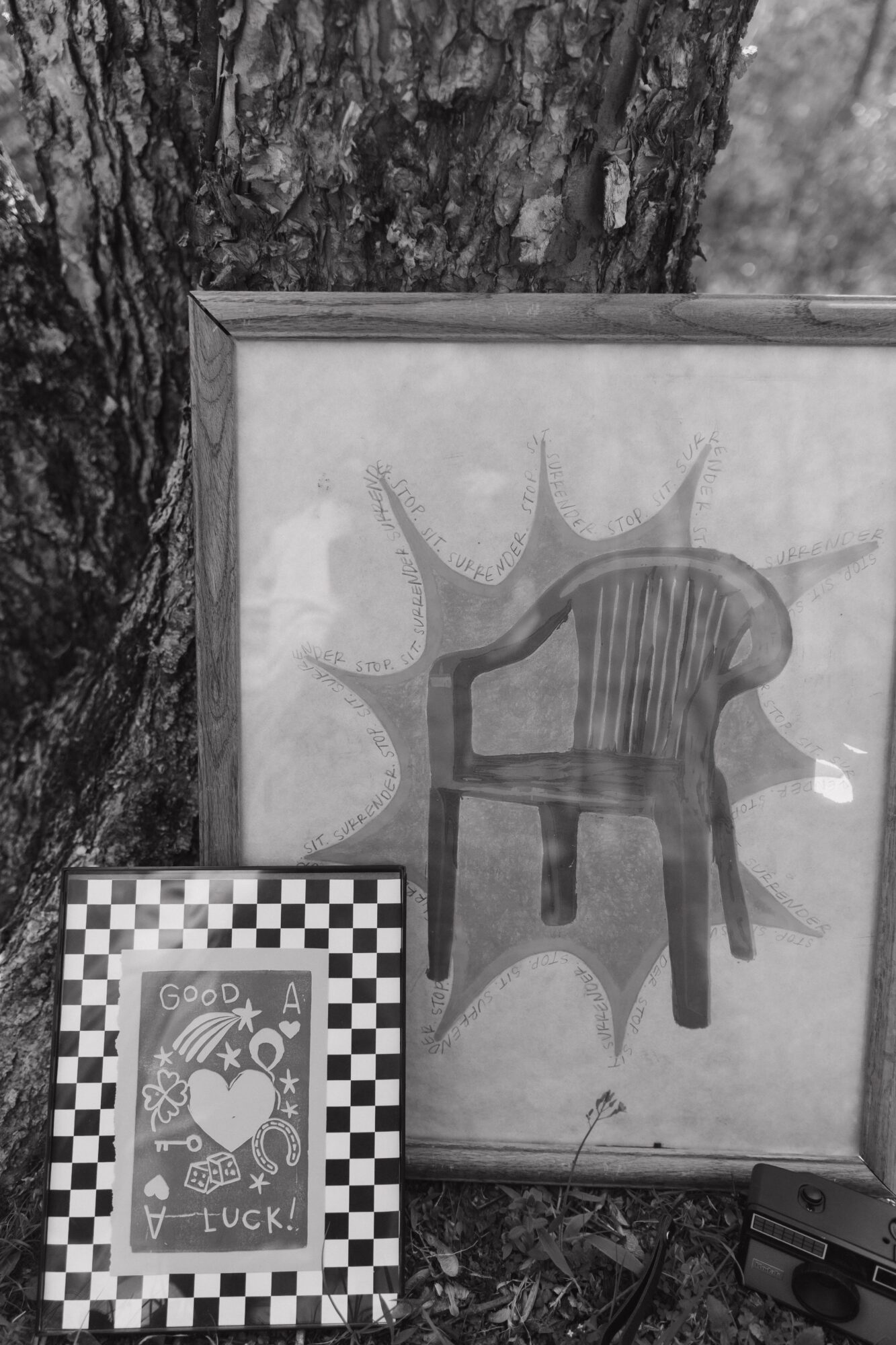
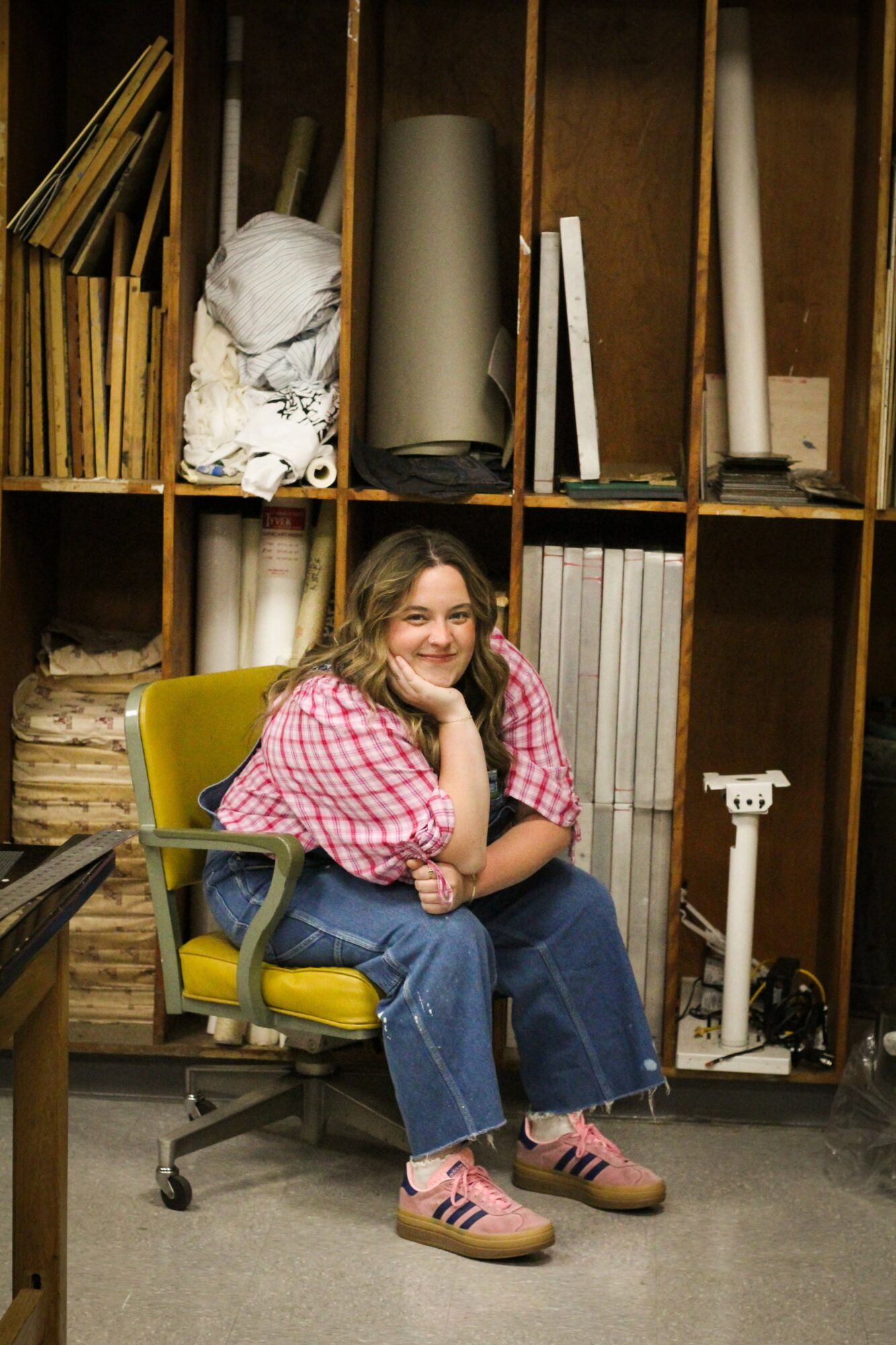
Image Credits
Chloe Beth Photography
Popular
-

Hidden Gems: Local Businesses & Creatives You Should Know
-

ATL’s Most Inspiring Stories
-
Summer McIntyre Is Building a Career at the Intersection of Sports, Media, Entertainment, and Digital Storytelling
-
DeAnna McIntosh Is Helping Entrepreneurs Move Bold Ideas From Vision to Reality Through Strategy, Innovation, and Execution
-

Portraits of Atlanta
-

Dr. Nicole Brown Expands Her Vision Beyond Design to Inspire Women Through Storytelling, Reinvention, and Intentional Living