





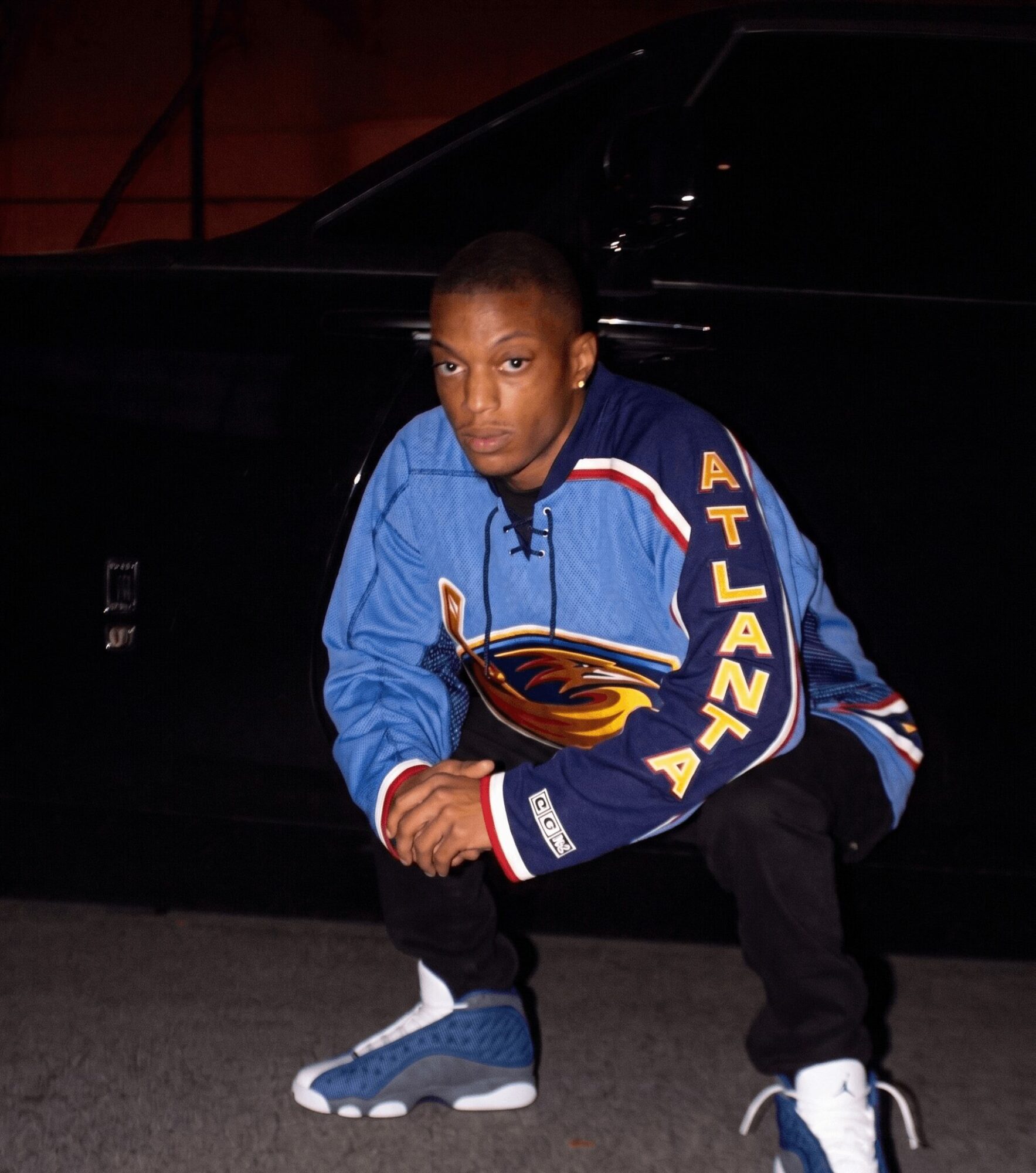
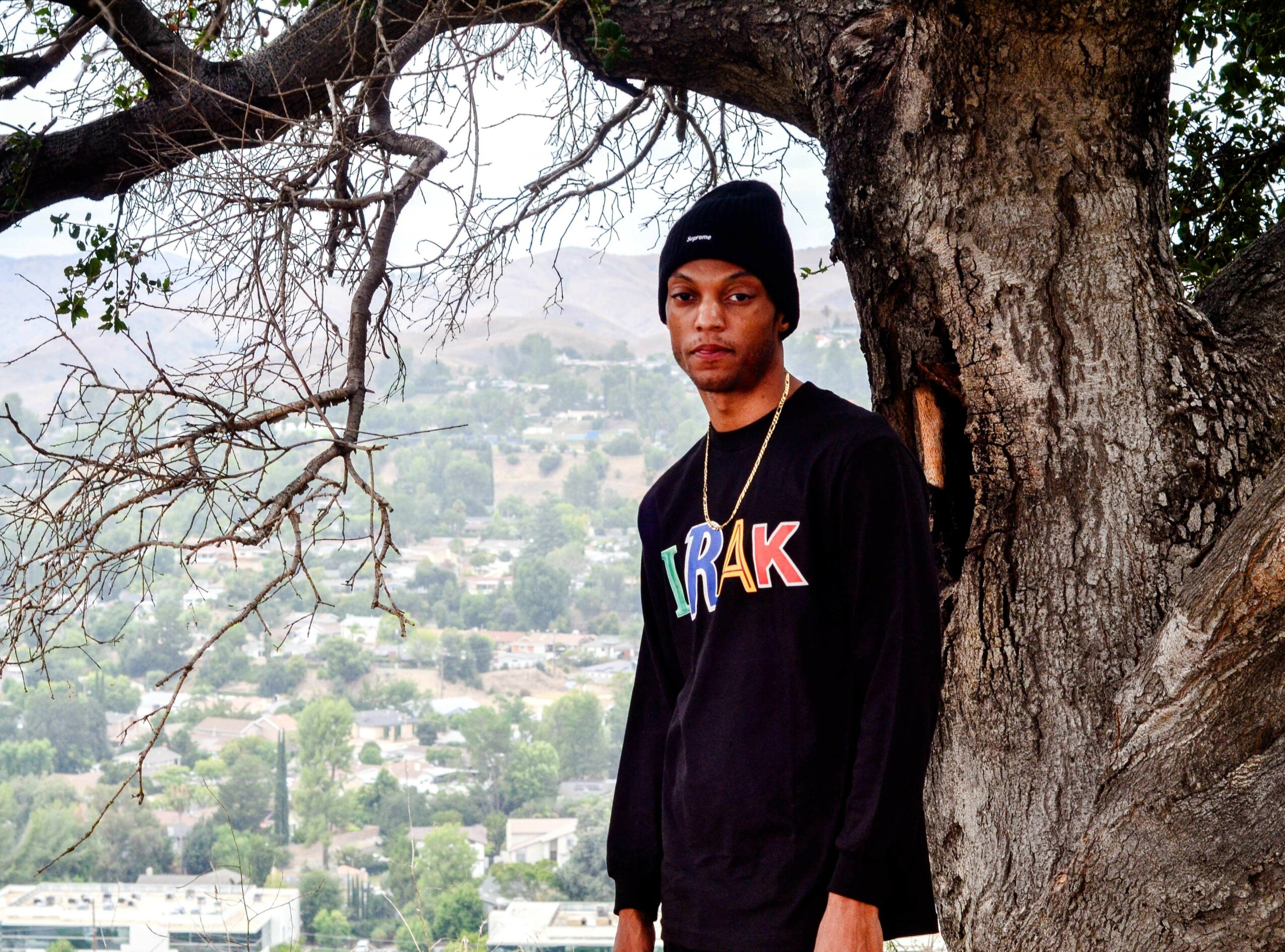
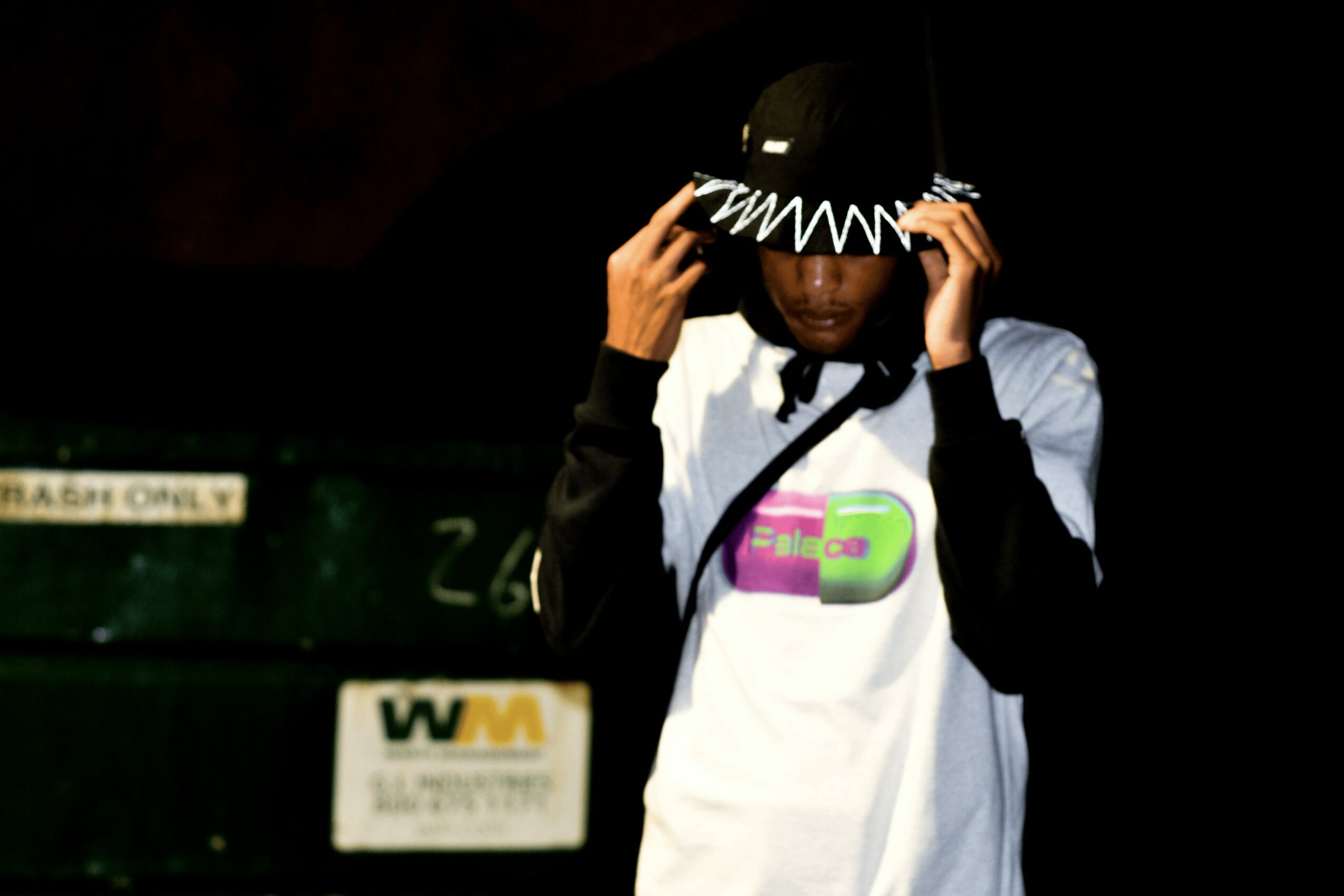
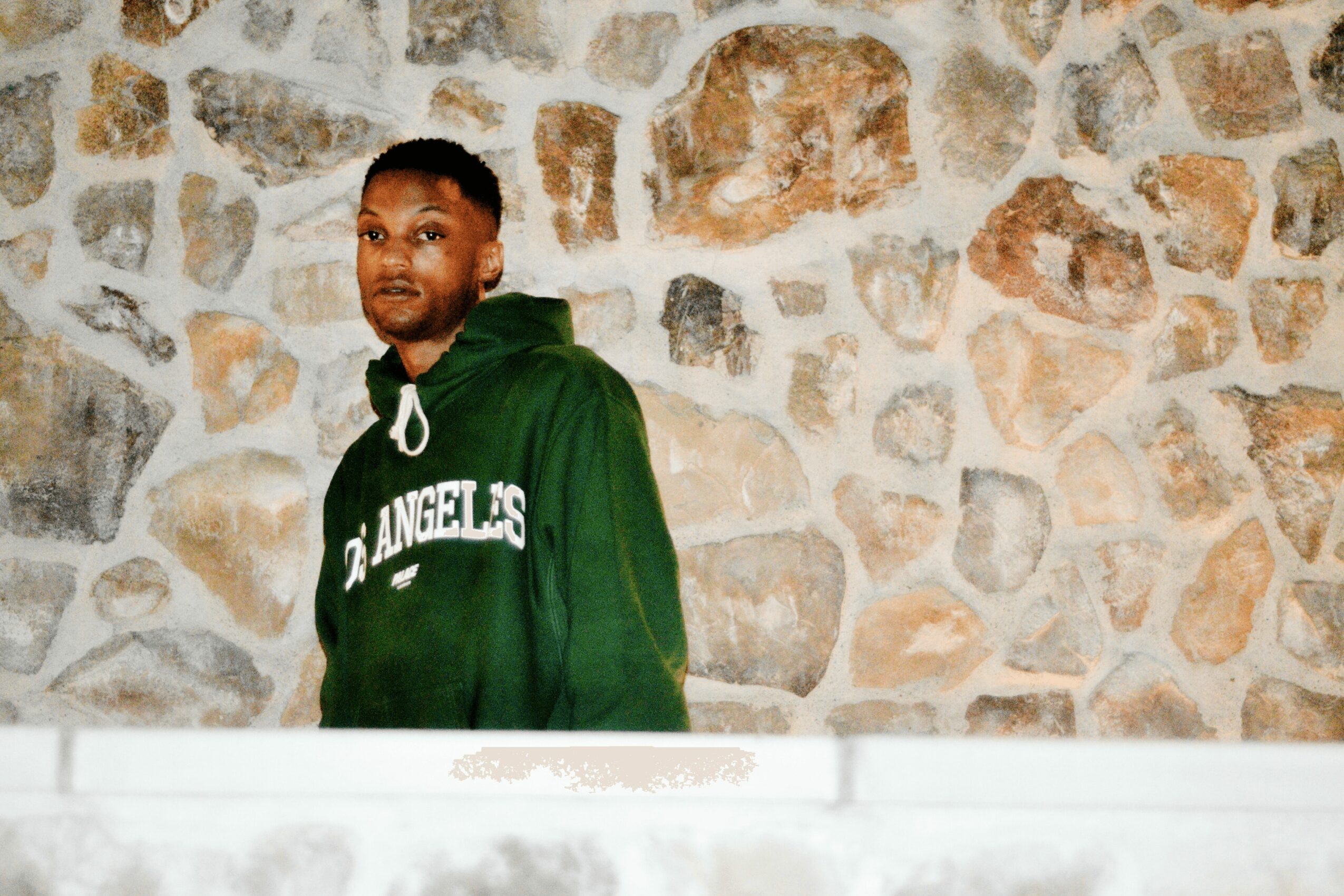
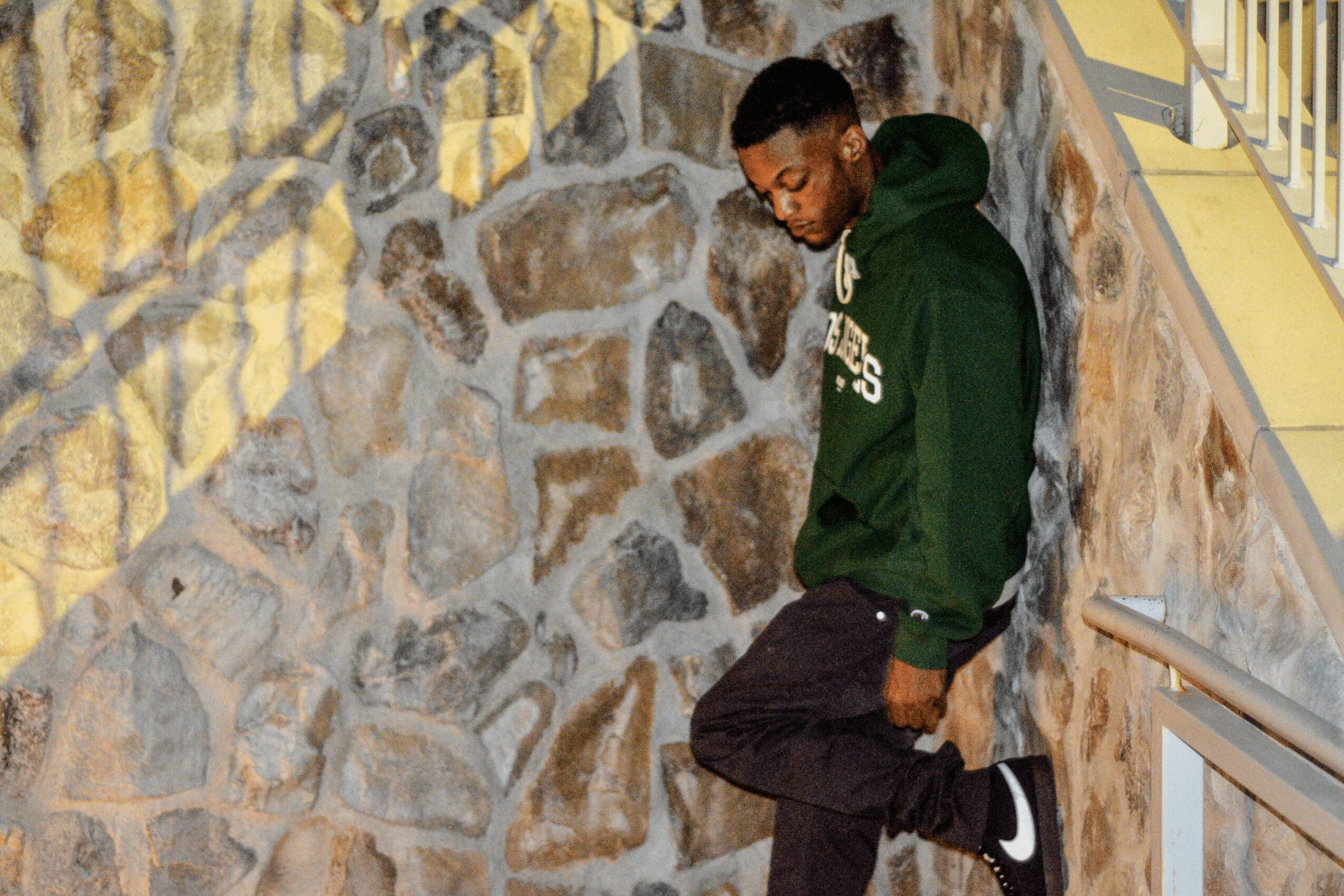
Today we’d like to introduce you to Anthony McCullough.
Hi Anthony, so excited to have you on the platform. So before we get into questions about your work-life, maybe you can bring our readers up to speed on your story and how you got to where you are today?
My journey started because I refused to let anyone put me in a box. I never looked at music, design, and business as separate lanes they’re all part of the same ecosystem, and I wanted to control the whole board. Operating under the name AntTheVillain means you don’t ask for permission; you just rewrite the rules. I wasn’t about to sit around waiting for someone else to build my vision, so I locked in and mastered the whole stack myself from writing and tracking vocals in the studio to coding out web apps and designing heavy apparel drops with clean typography.
I was born in the South Suburbs of Chicago, but I packed up and moved to Phoenix at 17 to anchor my main corporate operations. Still, Atlanta is stitched directly into AntTheVillain DNA. I keep a crib out here now, splitting my time between both hubs to keep the energy flowing. My history with the A goes all the way back to when I was just 9 years old, recording my first track at the Atlanta Underground in one of those old karaoke booths. I was rapping over a Lil Bow Wow beat: “Hair nappy but I’m happy, pocket full of dough.” I still remember that feeling like it was yesterday. Growing up, I spent a lot of my summers out here, and over time, Touching down for 404 Day became a mandatory tradition. Living between Phoenix and Atlanta gives me the perfect balance the West Coast infrastructure keeps the business sharp, but the culture in the ATL is just different what’s the saying Atlanta is not a real place?
Right now, my main focus is heavy development and pushing past traditional boundaries. I’ve been locked in experimenting with VR and XR development, getting my hands on Snapchat’s new Spectacles early to build out next-level spatial experiences. For me, it’s about tying the music, the apparel, and the tech into a seamless digital infrastructure. It takes time to prove to people that you aren’t just dabbling in different spaces, but executing at a high level across the entire board. I don’t argue with the noise; I just let the output speak for itself. It hasn’t been a traditional path, but then again, villains rarely follow the script.
Alright, so let’s dig a little deeper into the story – has it been an easy path overall and if not, what were the challenges you’ve had to overcome?
The realest challenge isn’t the workload, it’s the isolated focus it takes to build on the bleeding edge. When you’re locked in experimenting with VR and spatial tech like the new Spectacles, you’re operating completely without a manual. There are no tutorial videos or pre-made blueprints for where this technology is going. It’s just endless hours of trial, error, and debugging in a room by yourself, pushing hardware to do things it wasn’t originally designed to do.
The struggle is maintaining that intense, long-term discipline when the rest of the world only sees the finished product. It’s easy to get stuck in your own head when you’re deep in the lab for months, managing the backend infrastructure and executing everything independently. But I don’t argue with the skepticism or the silence, I just let the output speak for itself. Every setback in the lab is just data to optimize the blueprint, and every pivot just sharpens the overall execution.
Thanks – so what else should our readers know about your work and what you’re currently focused on?
When it comes to the music, I keep things low-key but high-impact. I specialize in those smooth, melodic, late-night frequencies the exact kind of soundtrack you want playing when you’re cruising through the city at 2 AM. But the real twist is how I approach the pen. I don’t just write songs; I write scripts. Every track is a cinematic story built straight from real experience, detailed to the point where you feel completely immersed in a movie. I’m engineering the entire temperature and visual of the room, letting that effortless delivery and sharp storytelling paint the picture.
Because I’m writing scripts, the visuals and production have to match that same level of curation. I look at my visual concepts through a directorial lens heavy shadow play and minimal aesthetics while picking production that scores the story perfectly with heavy bass and atmospheric space.
What I’m most proud of is the pure independence of the play. Looking back, going from a 9-year-old kid recording a Lil Bow Wow track in an Atlanta Underground karaoke booth to completely owning my masters, writing my own scripts, and engineering my own records is a beautiful trajectory. I move on my own time, set my own frequency, and don’t wait on anybody to hand me a key to the room. That demand is nationwide now whether I’m tapping back in Atlanta or touching down in Los Angeles to headline shows, the movement is growing organically.
What sets me apart is that I’m playing chess while everybody else is just trying to check the board. Most artists are just looking for a hot beat, but I’m an architect building an entire universe. The cinematic stories in the music tie directly into the heavy apparel drops, and the gear feeds into the advanced tech development I’m cooking up. I don’t have to chase trends or wave my hands to get noticed. The output is smooth, the execution is calculated, and the villain always controls the narrative without ever breaking a sweat.
Before we let you go, we’ve got to ask if you have any advice for those who are just starting out?
My advice for anyone coming up is simple: stop waiting for a green light, and absolutely refuse to let people put you in a box. When you’re trying to do things differently whether it’s music, design, or tech people are naturally gonna try to label you because it makes it easier for them to process what you do. Don’t let them dictate your lanes.
The main thing I wish I knew early on is that true independence isn’t just a flex; it’s a necessity. You have to lock in and master the stack yourself. Don’t just be a voice on a track or a designer with a sketch learn the gears, handle the backend infrastructure, and understand the business side of your plays. When you own the entire blueprint from execution to distribution, you don’t ever have to sit around waiting for someone to hand you a key to the room.
Lastly, just keep it smooth and let the output do the talking. You don’t have to shout to be heard, and you don’t have to argue with the skepticism. Just stay deep in the lab, optimize your play, and stay two steps ahead. When you’re playing chess and moving with calculated intention, the noise doesn’t even matter.
Pricing:
- Live Performances & Headlining $2,500
- Vocal Features $1,000
Contact Info:
- Website: https://www.antthevillain.com
- Instagram: https://www.instagram.com/antthevillain
- Other: Booking@antthevillain.com
Popular
-

Hidden Gems: Local Businesses & Creatives You Should Know
-

ATL’s Most Inspiring Stories
-

Summer McIntyre Is Building a Career at the Intersection of Sports, Media, Entertainment, and Digital Storytelling
-

DeAnna McIntosh Is Helping Entrepreneurs Move Bold Ideas From Vision to Reality Through Strategy, Innovation, and Execution
-

Portraits of Atlanta
-

Dr. Nicole Brown Expands Her Vision Beyond Design to Inspire Women Through Storytelling, Reinvention, and Intentional Living