

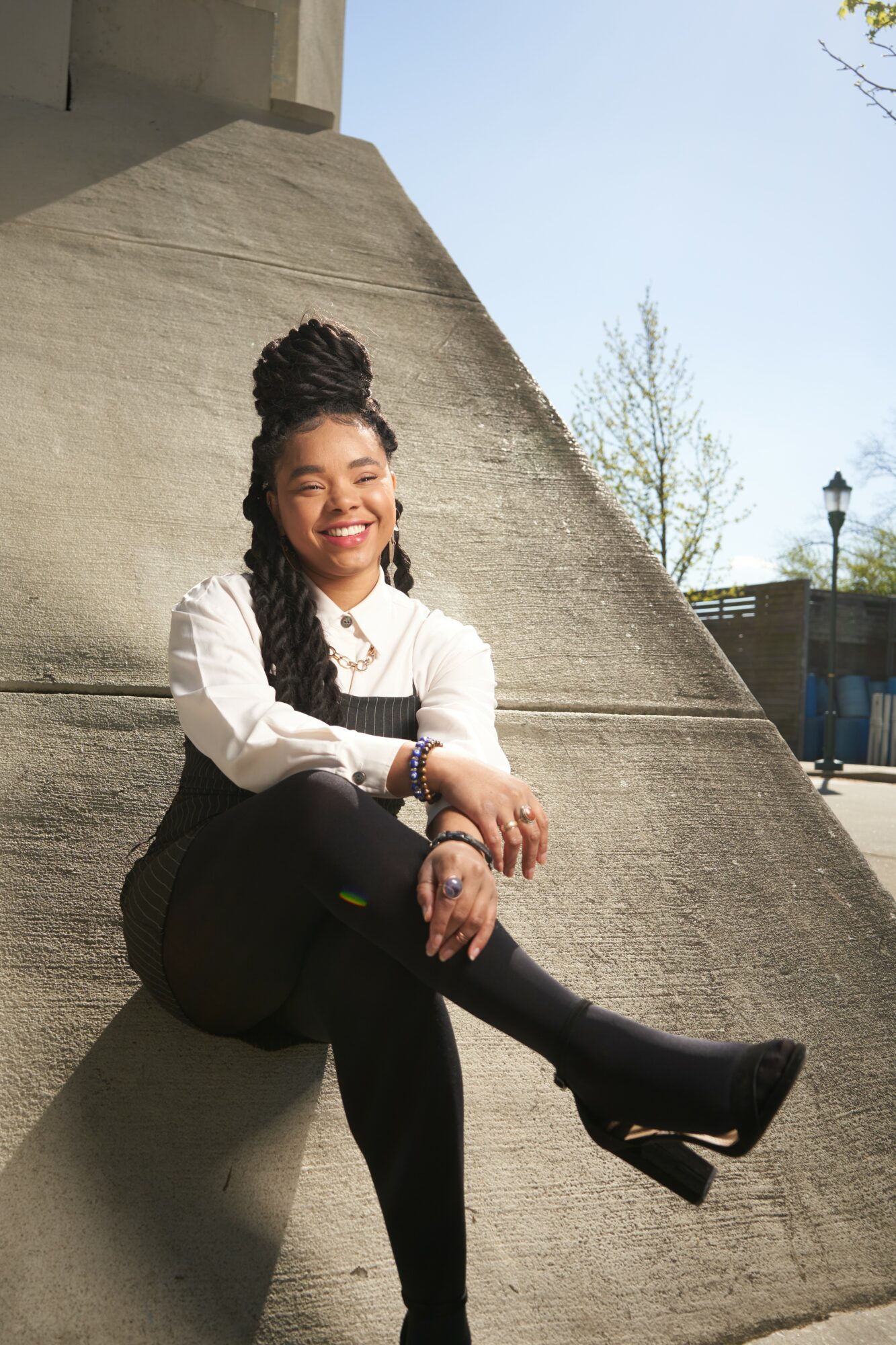
Today we’d like to introduce you to Taylor Maddox.
Hi Taylor, please kick things off for us with an introduction to yourself and your story.
It’s always a little surreal to talk about my journey because I don’t feel as though I’ve arrived anywhere. If anything, each project convinces me that I’m standing at the beginning of something new. I see my career less as a ladder to climb and more as an evolving body of work, each experience revealing another layer of who I am as an artist.
I’ve always been drawn to creativity in its many forms. As a child, I wasn’t searching for whether I’d become an artist, but which language my creativity wanted to speak. I immersed myself in music, interior design, graphic design, fashion, and anything that allowed me to transform an idea into something tangible. Looking back, I wasn’t changing passions so much as collecting tools. Each discipline taught me a different way to tell a story.
Film was the medium that quietly waited for all of those pieces to come together. I’ve always been fascinated by the worlds that exist both in front of and behind the camera. Every creative decision, from the wardrobe and production design to the score, lighting, and rhythm of an edit, contributes to the emotional language of a film. I found myself obsessing over not only what directors created, but how they thought. I wanted to understand the invisible architecture beneath a story, the choices that shaped its atmosphere, and the emotions audiences carried with them long after the credits rolled. It felt less like discovering a career and more like recognizing a place I had always belonged.
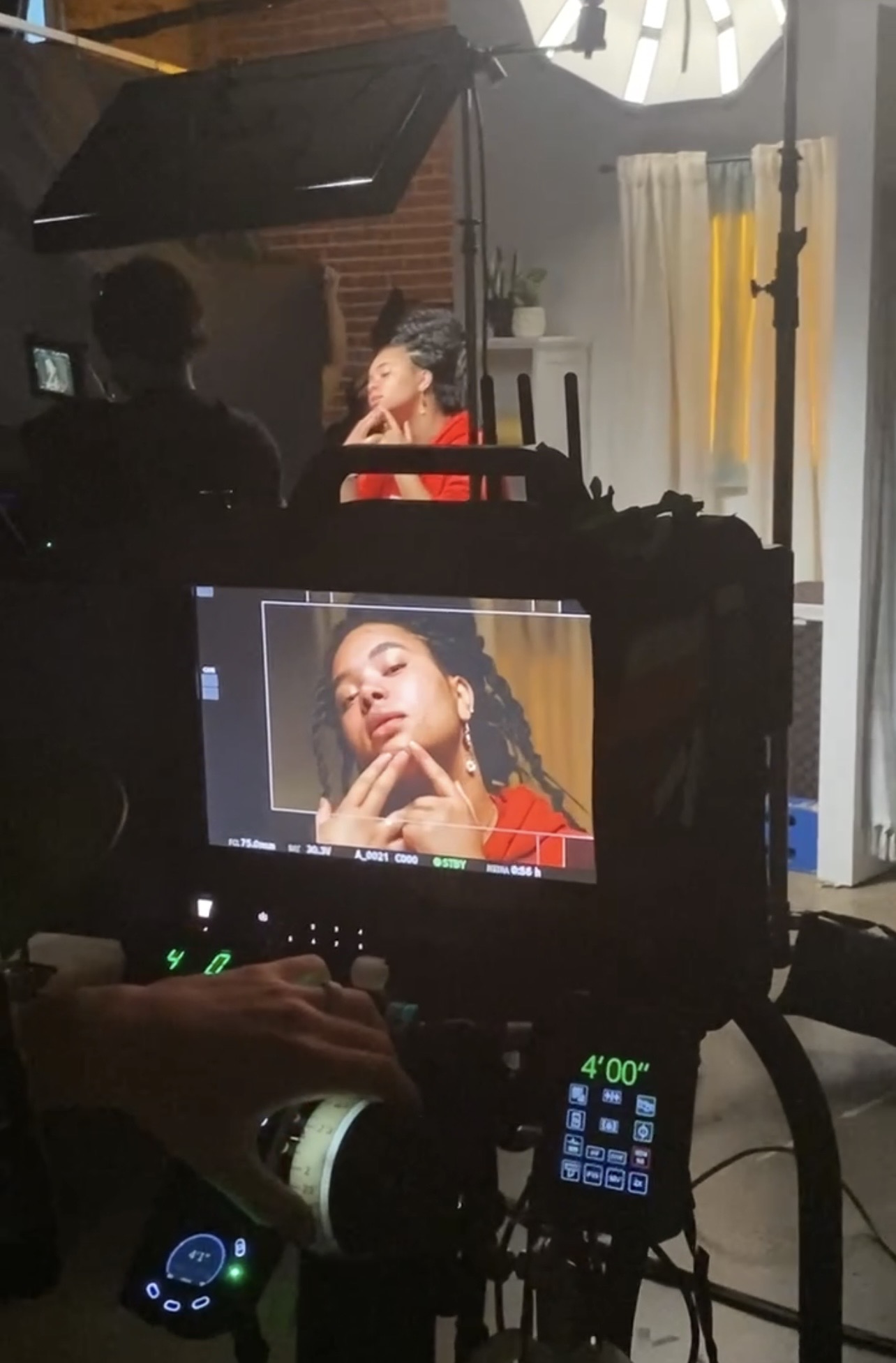
When I graduated in 2020 with a BFA in Graphic Design and a minor in Italian, the world had come to a standstill. Rather than waiting for an opportunity to find me, I decided to create it. I launched my sustainable fashion label, Madd.apparel, where I designed garments rooted in narrative and visual identity. What surprised me most was that my favorite part wasn’t designing the collections themselves, but creating the worlds around them. I became captivated by directing the promotional films, shaping the atmosphere, the pacing, the emotion, and the visual language that gave each piece its life.
Around that same time, I began working on professional film sets as a production assistant. Being immersed in that environment confirmed everything I had been searching for. It was the first place where every creative interest I’d cultivated over the years could exist in conversation with one another. From that point forward, film stopped feeling like an aspiration and became a calling.
Can you talk to us a bit about the challenges and lessons you’ve learned along the way. Looking back would you say it’s been easy or smooth in retrospect?
I don’t think any creative path is ever a smooth one, but I’ve come to appreciate that my personal challenges and my artistic challenges are rarely separate. They’re usually the same obstacle viewed from different angles.
For a long time, my biggest hurdle was believing I was worthy of telling the stories I wanted to tell. Imposter syndrome has a way of convincing you that your perspective isn’t valuable, even when every opportunity in front of you suggests otherwise. Learning to trust my own voice has been just as important as learning the technical craft of filmmaking.
These days, my challenges look different. Right now, it’s writing. On the surface, it seems like a creative block, but I’ve realized it’s really an internal dialogue. The difficulty isn’t putting words on a page; it’s quieting the part of myself that wants every idea to be perfect before it exists. Every project asks me to become a different version of myself, and I’ve learned that growth as an artist often begins long before the camera starts rolling.
I’ve also learned that the obstacles don’t disappear as your career grows; they simply evolve. The work has taught me to stop seeing those moments as signs that I’m on the wrong path. More often than not, they’re invitations to become a better storyteller and, ultimately, a better person.
Thanks – so what else should our readers know about your work and what you’re currently focused on?
Like many artists, I wear several hats, but the one that feels most like home is directing. I also work as a creative director and brand strategist; those disciplines naturally inform one another. At the center of everything I create is storytelling. I’m fascinated by the details that often go unnoticed: the symbolism, emotional subtext, and visual language that quietly shape how a story is experienced. I love creating work that invites people to look a little closer, where each viewing has the potential to reveal something new.
I’ve always viewed my projects as living things. They require patience, care, and a willingness to let them evolve into what they’re meant to become. Once they’re complete, I release them into the world and begin listening for the next idea. As much as I cherish each project, I’m always looking ahead to the next opportunity to grow.
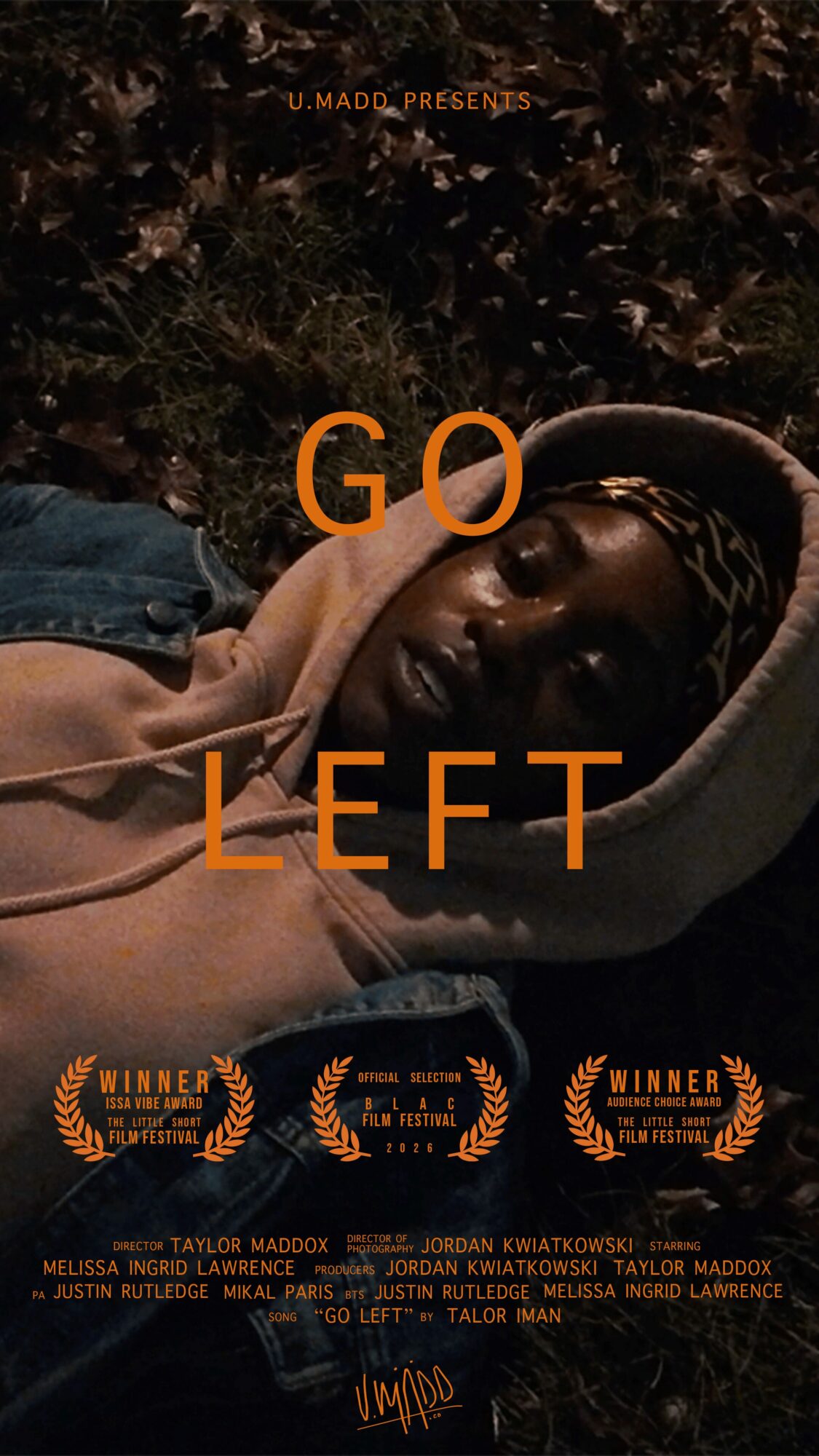
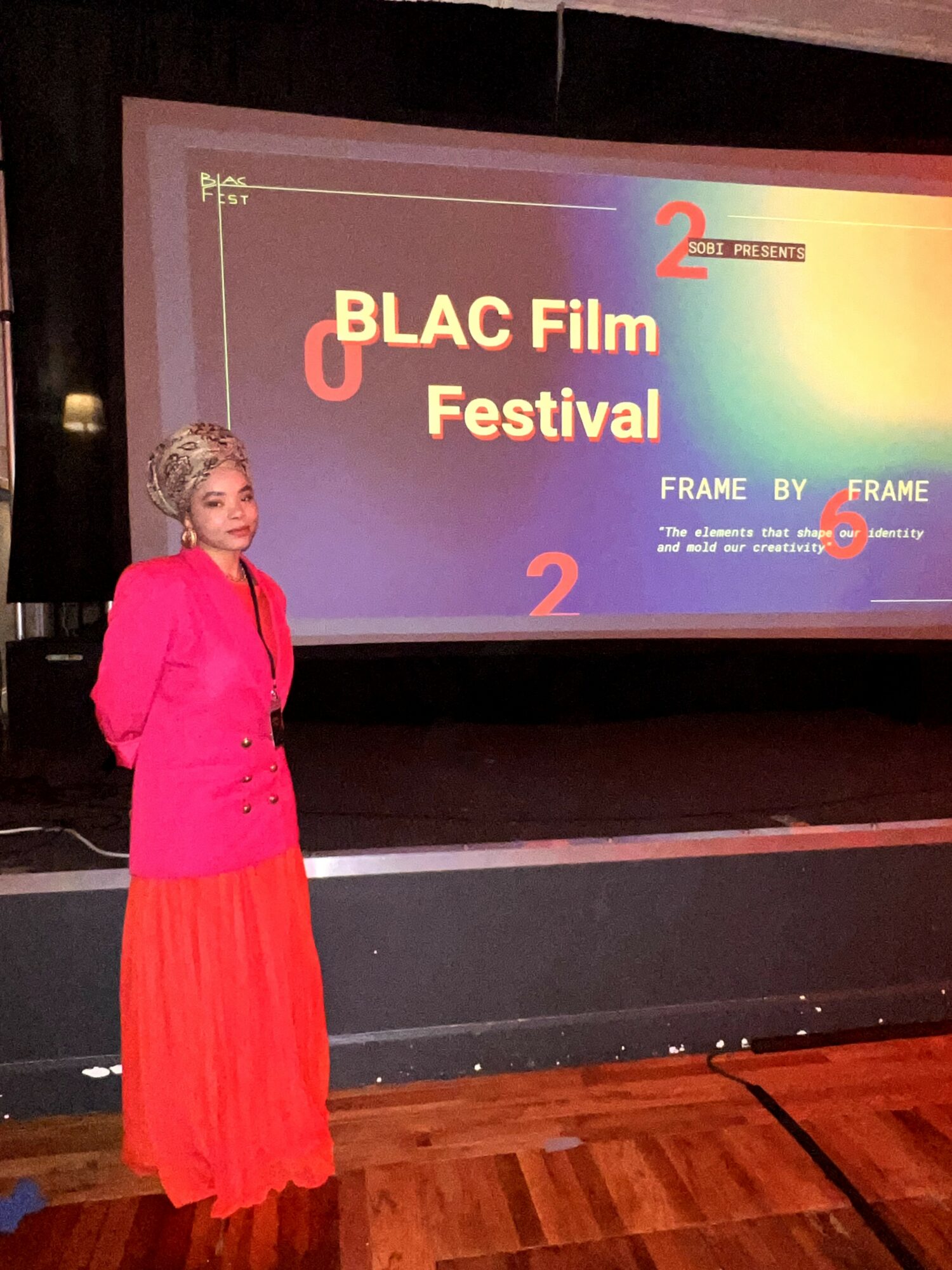
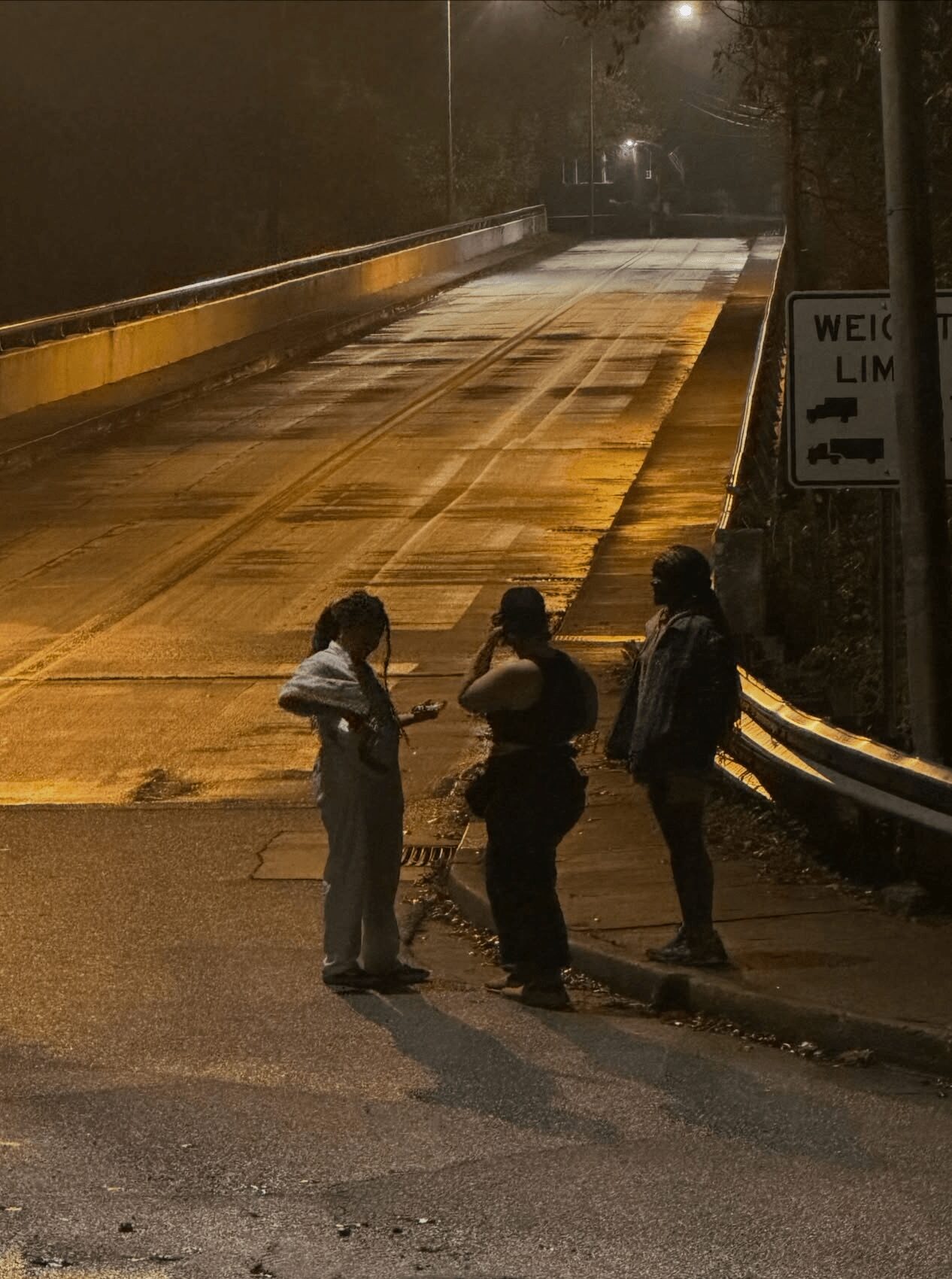
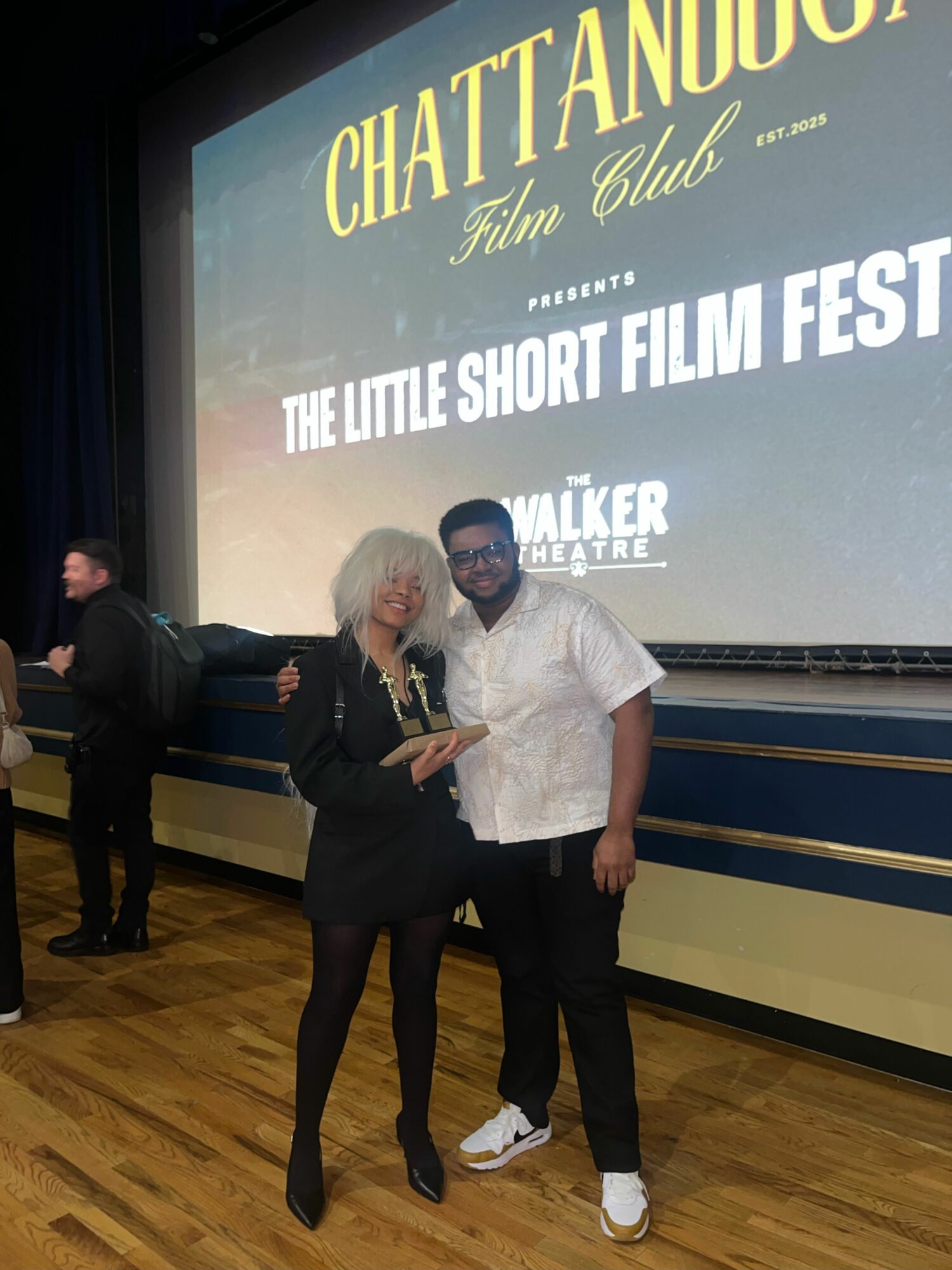
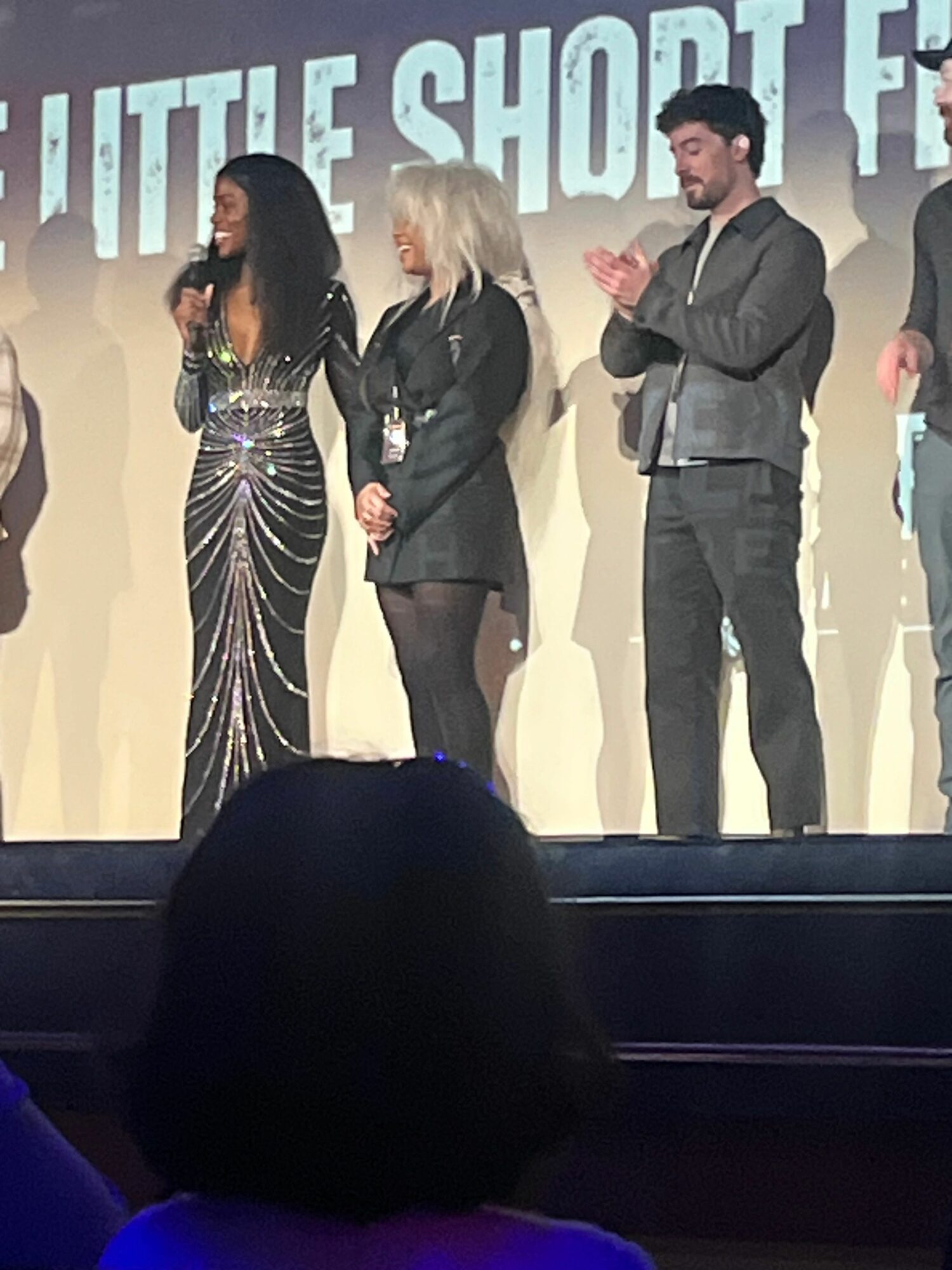
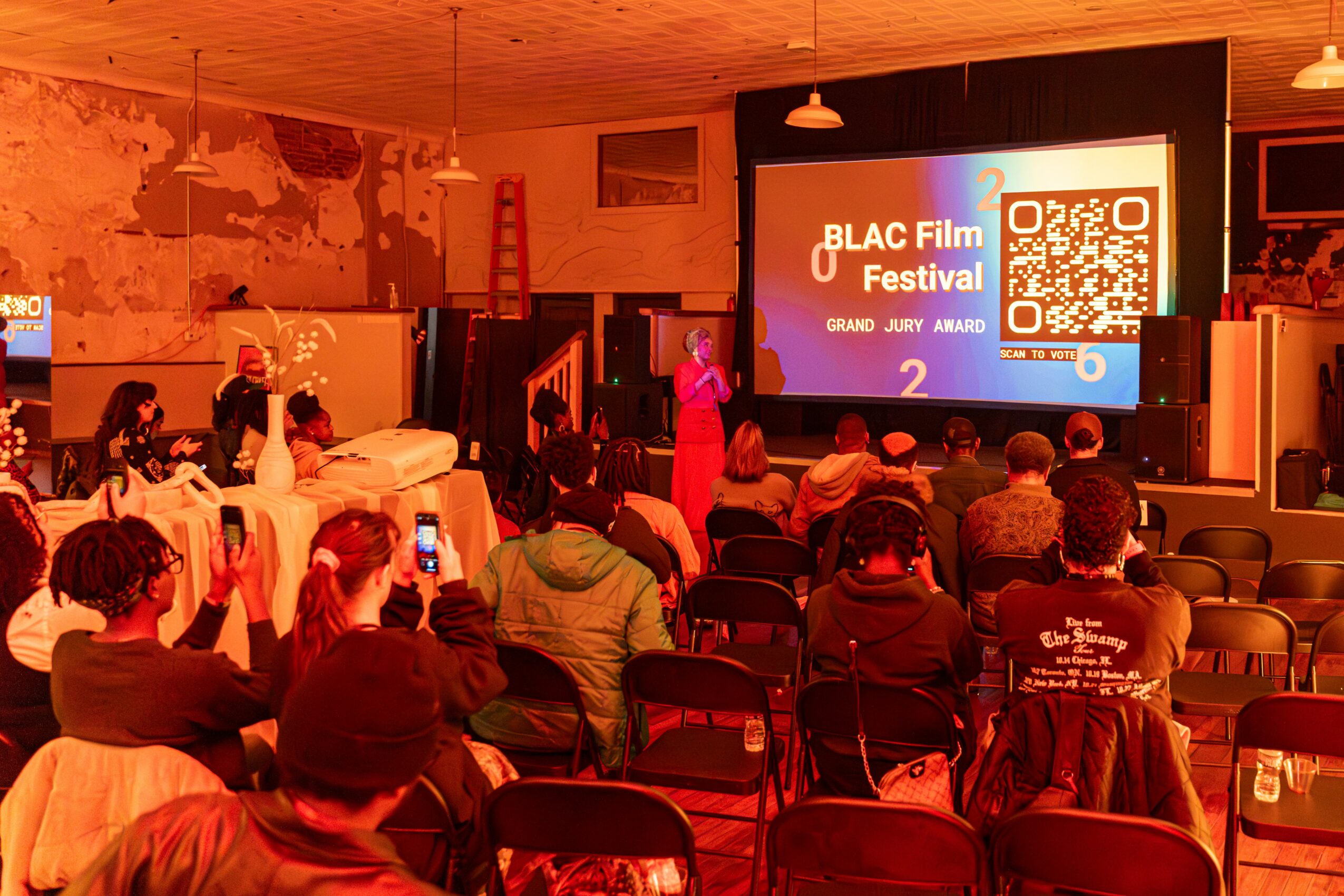
I’m incredibly grateful for the recognition my first short film, “Go Left,” received, including the Issa Vibe and People’s Champ awards. Producing and hosting Chattanooga’s first BLAC Film Festival during Black History Month was another milestone that reminded me how powerful storytelling can be when it brings a community together.
As for what sets me apart, I don’t spend much time thinking in those terms. Comparison has never been a healthy compass for my work. Instead, I try to create from a place of curiosity and honesty. My hope is that every project leaves someone feeling a little more connected; to themselves, to someone else, or simply to an idea they hadn’t considered before. If my work can spark reflection, conversation, or even a moment of healing, then I know I’ve done what I set out to do.
What has been the most important lesson you’ve learned along your journey?
One of the biggest lessons I’ve learned is that curiosity will take you much further than ego ever will. The creative industry has a way of humbling you, and I’m grateful that I’ve embraced that lesson early.
No matter what role I step into, even as a director, I never want to walk into a room believing I’m the smartest person there. Leadership isn’t about having all the answers; it’s about creating an environment where everyone feels seen, respected, and encouraged to contribute. Some people have decades of experience. Others have a fresh perspective you’ve never considered. Both are invaluable if you’re willing to listen.
I often think of the idea that the wisest people understand how much they still have left to learn. That’s something I try to carry with me every day. I ask questions often, and I genuinely enjoy learning from the people around me. To me, humility isn’t making yourself smaller; it’s having enough confidence to remain teachable. I think people recognize and appreciate that, and ultimately, it makes both the work and the relationships stronger.
Contact Info:
- Website: http://tmcreativemethods.squarespace.com/
- Instagram: https://www.instagram.com/tailesmaddox
- LinkedIn: https://www.linkedin.com/in/taylorjmaddox
Popular
-

William Nash Believes the Light Within Us Never Truly Goes Out
-

How Cameron Jo’van Turned Uncertainty Into a New Vision for Homeownership
-
How Kundalini Yoga and World Travel Led Trinity Faith to Build Spaces for Transformation
-

Hidden Gems: Local Businesses & Creatives You Should Know
-

ATL’s Most Inspiring Stories
-

Portraits of Atlanta