






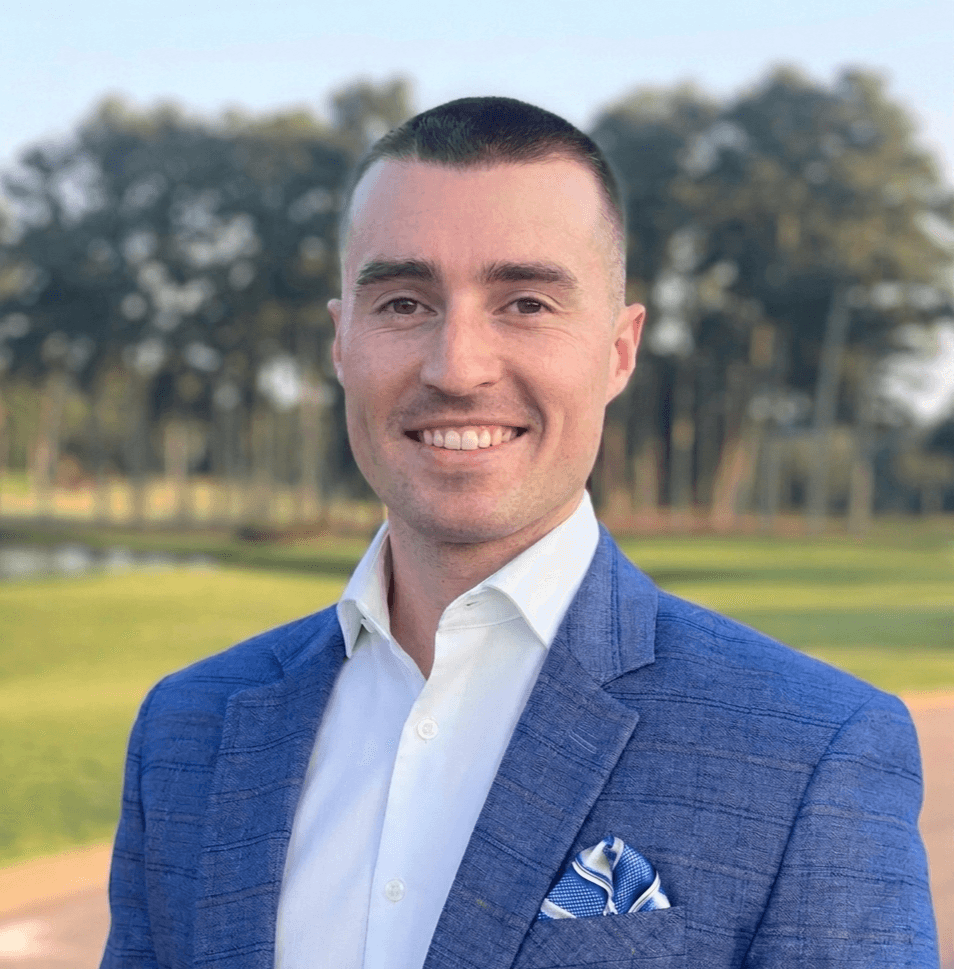
Today we’d like to introduce you to Timothy Mahoney, M.S..
Hi Timothy, please kick things off for us with an introduction to yourself and your story.
I was a late bloomer as an athlete, not just in lacrosse. I was always undersized, but I’m extremely competitive, and I care. I’ve always cared, about everything, and I’ve always been willing to work. In high school I had the physical tools but not the confidence to use them, so I played it safe and had a pretty unremarkable lacrosse career because of it.
Then my JV coach named me speaking captain. “It became clear early on that Tim was different. Where others looked for the easy path, Tim chose the right one. He reinforced the same values I emphasized—hard work, accountability, and doing things the right way.” – Brian Wright, Vice President, The Green Pet Shop. That’s also when he gave me the best advice I’ve ever gotten. He said he needed me to make more mistakes and take more risks. That one line rewired how I played, and I still give athletes a version of it today.
My path from there wasn’t clean. I bet everything on one school that didn’t recruit me and ended up with nowhere to play in the fall. So I did what I’ve always done. When I don’t like the doors in front of me, I build my own. I’ll do whatever I can, as long as it’s the right way, even when it means getting uncomfortable and challenging myself. I enrolled in community college, walked on as a practice player for the basketball team, and started coaching. By 18 I was the head JV coach at my old high school. That’s where I first saw the thing that became my career. My athletes were improving technically and then hitting mental walls I had no tools for. The overthinking, the fear of failure, the confidence stuff. I recognized all of it, because I’d lived it. I just couldn’t coach it yet.
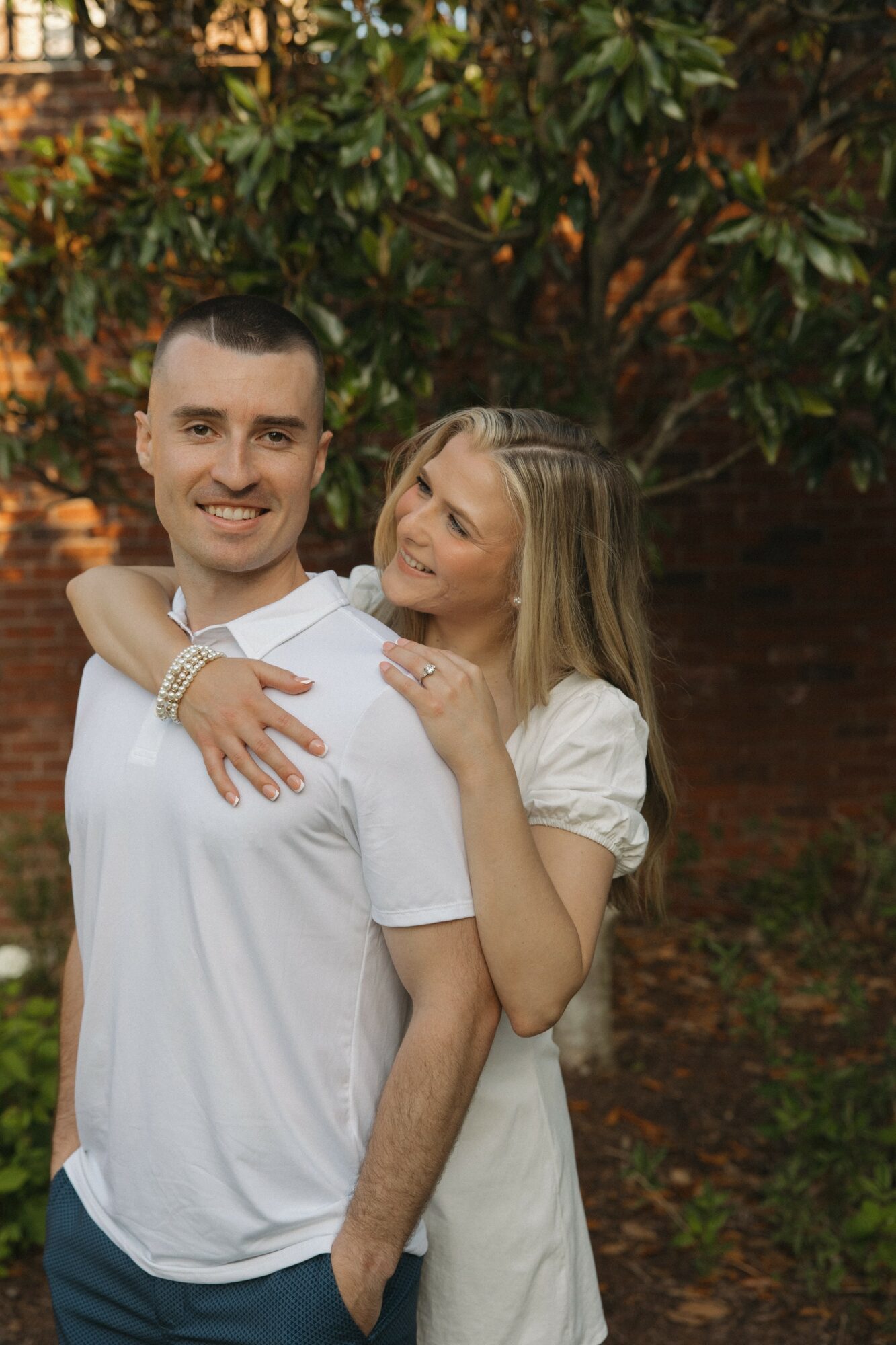
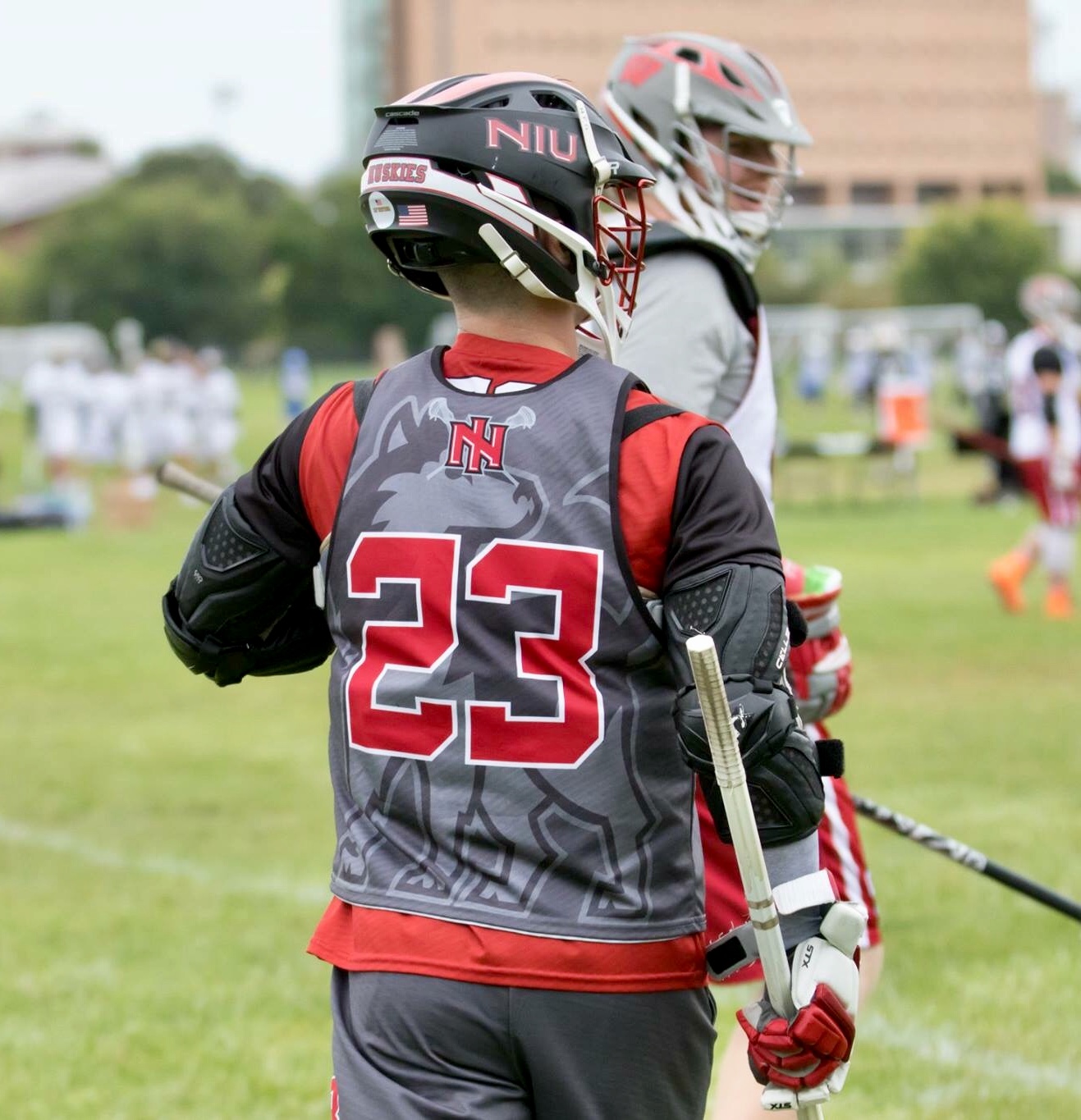
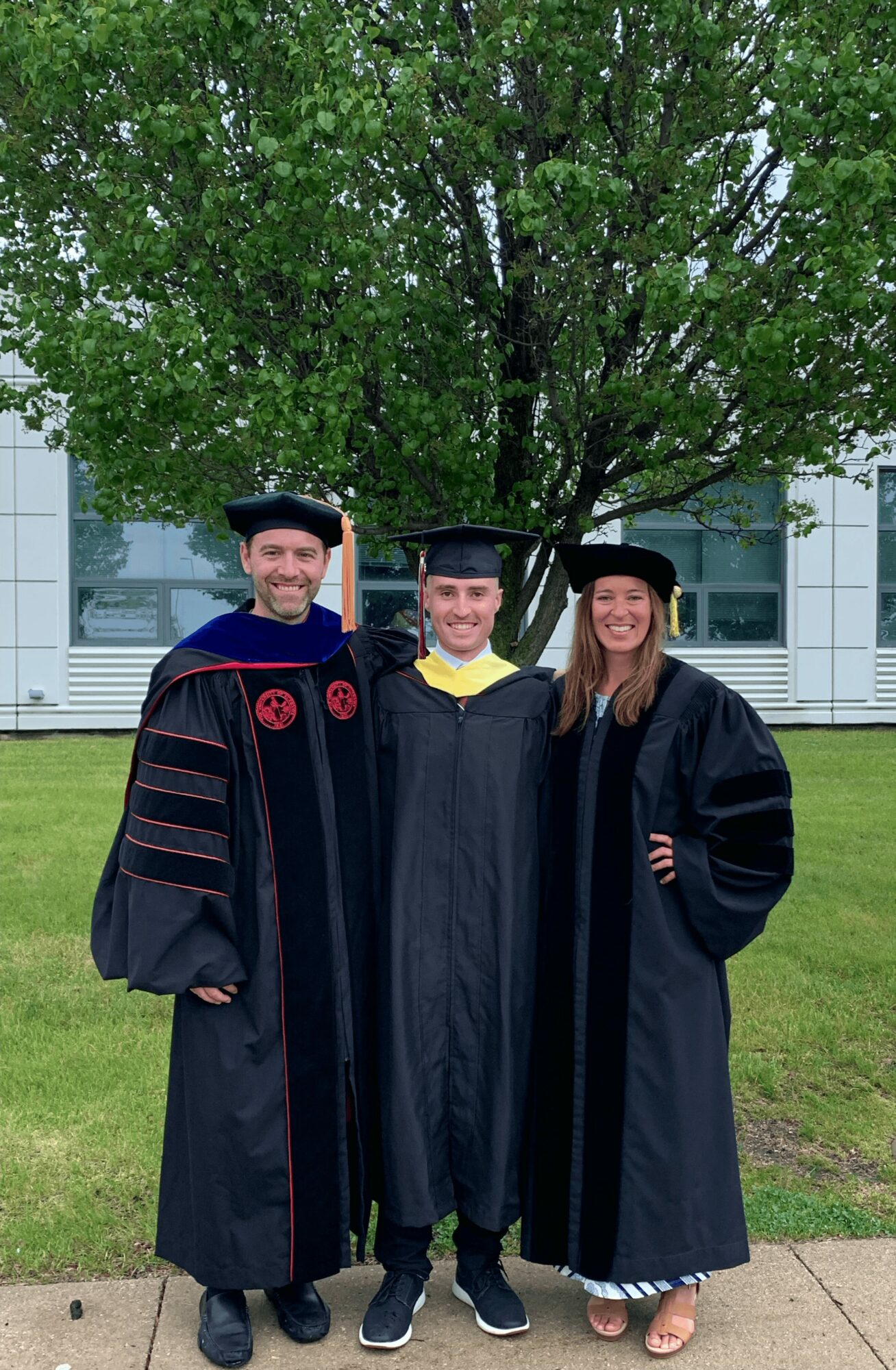
I transferred to Northern Illinois, played club lacrosse, and was eventually named a captain. But things took a turn when we played Wisconsin and I hurt my ankle. Six weeks on the sideline taught me how fast your identity as an athlete can fall apart when you’re not ready for it. My grades slipped, and one of my professors pulled me aside because he thought I’d fail his class. When I told him what was going on, he told me to look into sport psychology, not just to help myself, but as a career. I signed up for Intro to Applied Sport Psychology. On the first day, I knew that was what I wanted to do with my life, and I asked the instructor, Dr. Jenn Jacob’s (Dr. J) to mentor me. She’s the reason I ended up back at NIU for grad school. That class turned out to be the best thing that ever happened to me, in more ways than one. I met my fiancée in it.
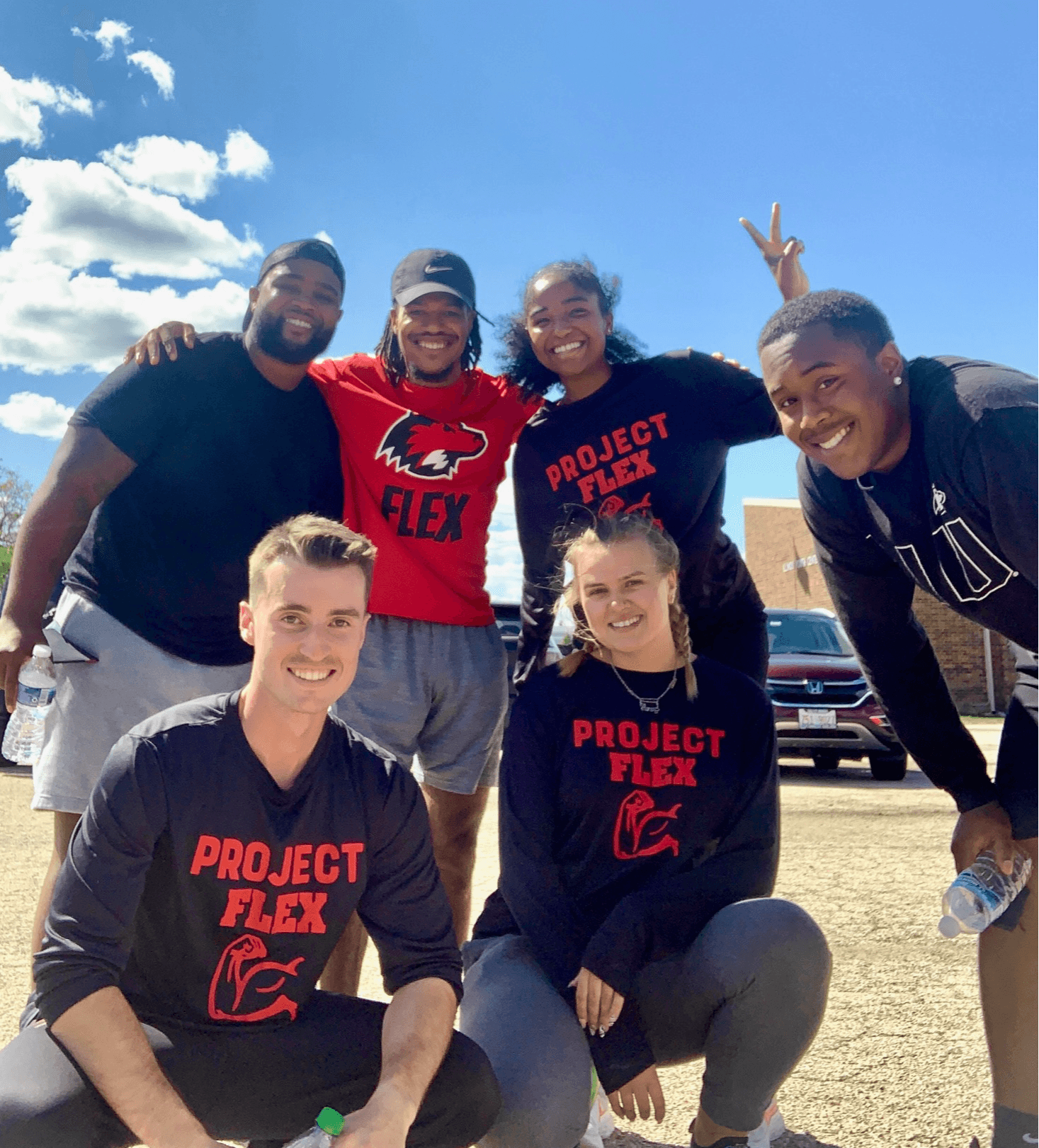
That mentorship is how I got recruited into NIU’s master’s in Sport and Exercise Psychology, with full funding. That still surprises me to say. School was never easy for me. My assistantship was with Project FLEX, teaching life skills to incarcerated youth in a maximum-security facility. That’s where I actually became a consultant. Not on a comfortable field. In a room where the work had to be real. Where if you said you weren’t a little nervous about going to the jail, you were probably lying. I launched Paragon Mental Performance Consulting in my second year of grad school and built it from nothing while juggling classes, research, and travel. I remember deciding on the logo when I was in Las Vegas hours away from presenting research. I’d done good enough work somewhere else that when I left, the two athletes came with me. In under a year I went from two clients to seventeen while I was still in grad school. But the goal was always lacrosse.
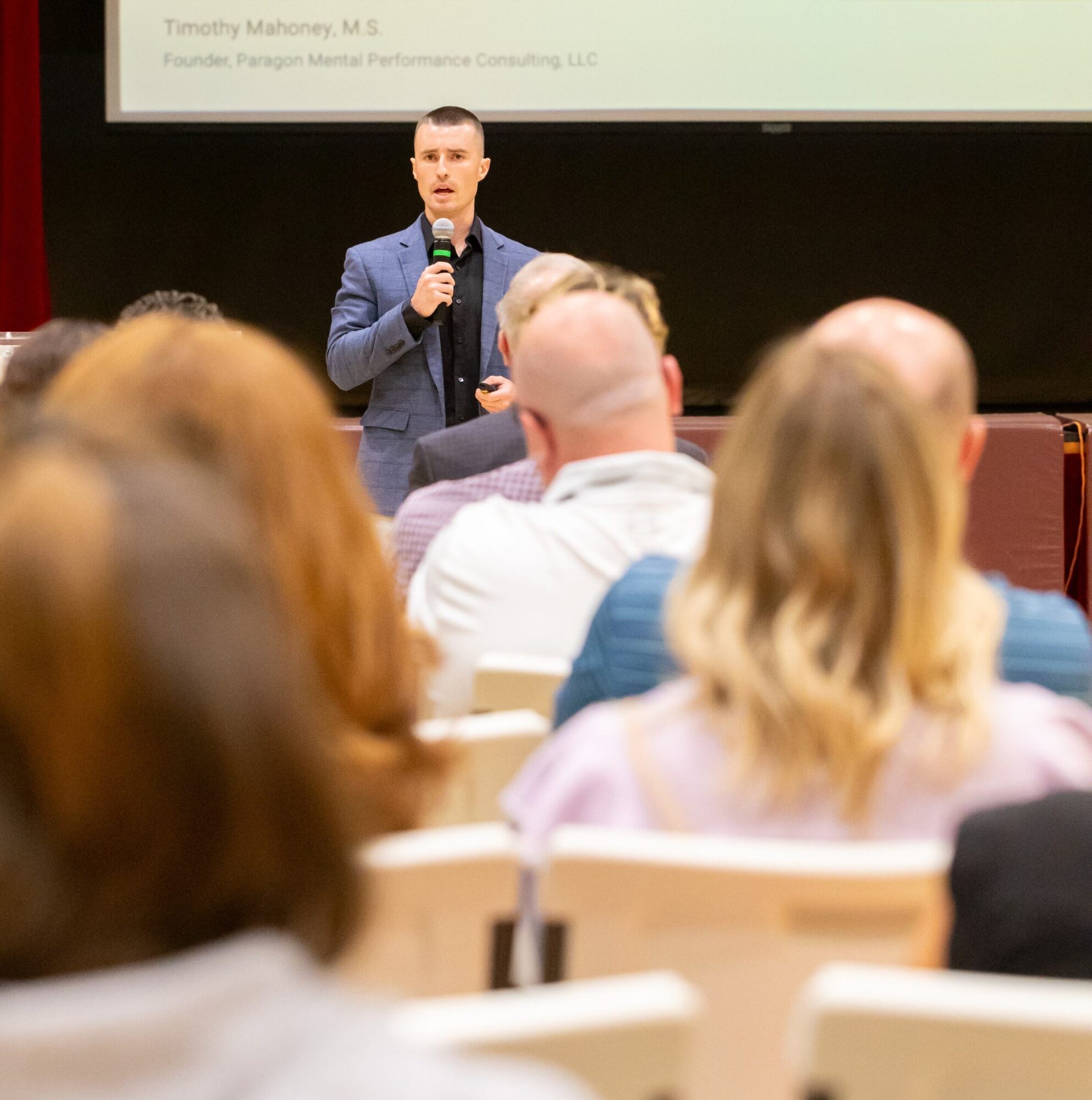
I moved to Atlanta when my fiancée finished her master’s here, and took whatever work I could find while I got established. The director of athletics for a country club where I worked noticed how I connected with the members and asked me to run mental performance seminars for them. The catch was I had to leave the job to do it. So I did. I took a part-time role at Kennesaw State as the success coach for their Coca-Cola Scholarship students to pay rent while I rebuilt Paragon in a new city. And eventually, I was convinced to join the University full-time. Then the waitlist to work with me through Paragon got so long that I couldn’t reach the lacrosse players I most wanted to help. So on April 17, 2026, I left KSU to run Paragon full-time. It’s the scariest thing I’ve done since moving to Atlanta, and one of the biggest decisions of my life, right alongside proposing to my fiancée.
Today I run Paragon out of the Atlanta area, and lacrosse players from youth through college and pro are my main focus. But over the years I’ve been trusted by more than 2,000 athletes, from middle schoolers building confidence to pros managing pressure to break plateaus. I regularly work in-person and virtually with High school All-Americans, Collegiate National Champions, D1/GFL/UFL/NFL quarterbacks, Olympic cyclists, world-ranked competitors, and high-performing military personnel preparing for special operations selection pipelines, including USASOC and NSW. I’m extremely fortunate to be trusted by some of sport’s hungriest competitors.
Can you talk to us a bit about the challenges and lessons you’ve learned along the way. Looking back would you say it’s been easy or smooth in retrospect?
No, definitely not. And I’d be lying if I made it sound smooth.
The hardest stretch was money. When I moved to Atlanta I was close to broke and leaning on my parents for a few months while I looked for work. I’d already built a client base once in grad school, and now I was starting over from zero in a city where everything cost more, while trying to save for a wedding. Almost none of the jobs I could actually get had anything to do with athletics. Rebuilding Paragon from scratch, in a new place, with no local reputation, took longer than I’d like to admit.
Then there’s the field itself. Sport psychology is brutally competitive to break into. Early on, my advisor gave a speech about how hard the field is, and a third of the room packed up and left throughout the semester. I stayed. But she wasn’t wrong. There’s no clean, obvious path in. You either work for a university or sports team, or build it yourself.
The struggle I didn’t see coming is how hard it is to sell something people can’t see immediately. A parent will pay for a shooting coach or a speed trainer without blinking, because they can watch the improvement happen. The mental side is invisible until it isn’t, and usually that shows up in the biggest moment of a season. A lot of my job is helping players (and families) understand that the mental game is trainable, and worth building before a crisis instead of after one.
We’ve been impressed with Paragon Mental Performance Consulting, LLC, but for folks who might not be as familiar, what can you share with them about what you do and what sets you apart from others?
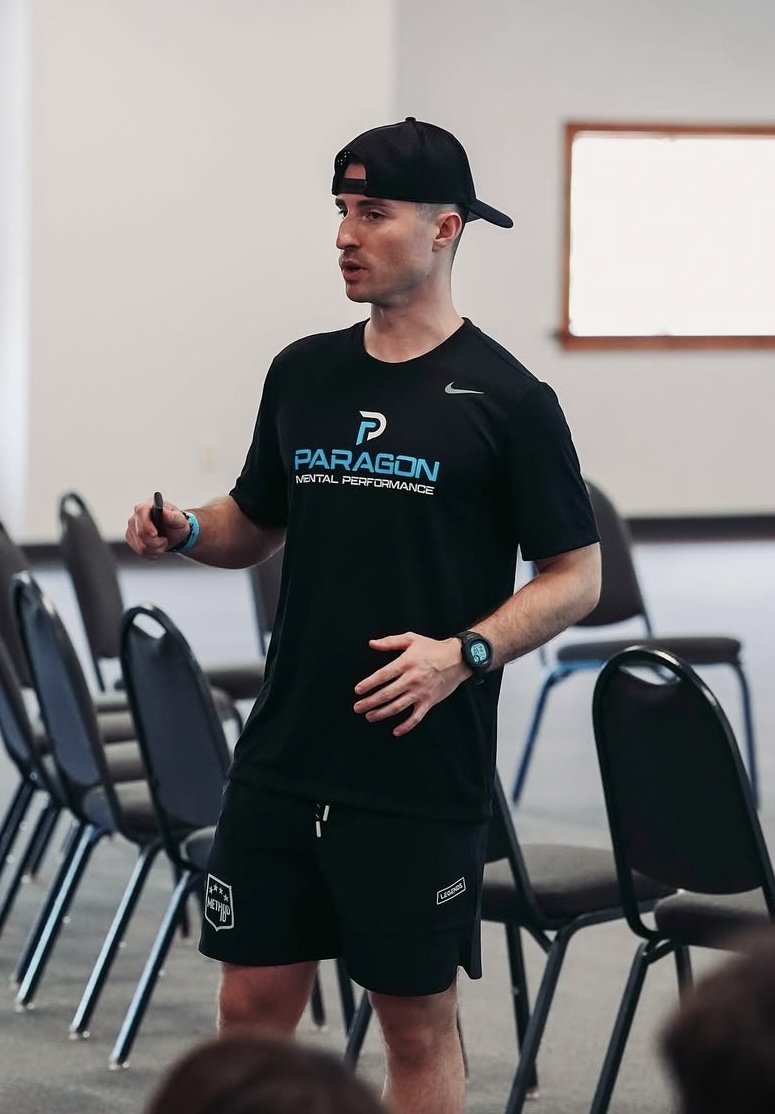
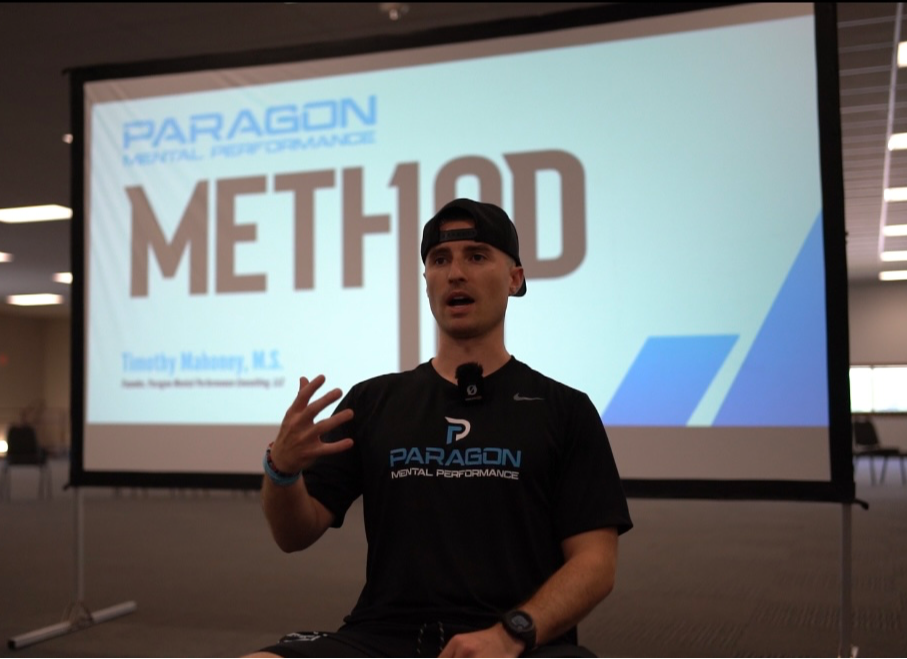
Paragon Mental Performance, LLC is my mental performance practice. Most people assume the mental game is just staying calm in the last two minutes of a tight game. That’s part of it, but it’s a small part. The mental game is your whole relationship with your sport and with you as a participant. It’s how you carry a recruiting process that feels like it’s deciding your future when you’ve just gotten your driver’s license. It’s what you do after a bad play or game instead of dragging it into the next one. It’s comparison, and the pressure you put on yourself, and the gap between the athlete you are and the one you’re chasing. It’s who you are when the sport isn’t going the way you planned. I work with athletes on all of it. Lacrosse players from youth through college and pro are my main focus, and I also work with athletes in other sports, business leaders, and members of the military. Privacy is something I take very seriously out of respect for those who trust me to be in their corner.
What sets me apart starts with the foundation. Everything I do is grounded in peer-reviewed research, not whatever went viral this week, and I definitely didn’t take someone’s course. You wouldn’t hire a strength coach who learned from YouTube. You shouldn’t hire a mental performance coach who watched a few videos or sat in on one team meeting in college when they were a college athlete. The reality is that the field of mental performance isn’t regulated, so anyone can use the title. Behind mine is a master’s in Sport and Exercise Psychology, years of supervised work, and my own research. That’s not a credential I hang on the wall. It’s the reason I always have more than one way into a problem and can pivot the second an athlete decides to shift their focus in a session or in a workshop.
Here’s the part most people get wrong about what I actually do. Everything I do is performance enhancement. You aren’t broken because you’re coming to work with me. I don’t tell an athlete what to do. A session with me looks less like instruction and more like a conversation you can’t have anywhere else. Somewhere to be honest about the things you’d never say in the locker room or at the dinner table, with someone who’s trained to help you make sense of those things and won’t judge you for any of it. My job isn’t to hand you answers. It’s to ask the right questions, bring the science, and help you arrive to your own answers, because the breakthroughs athletes reach themselves are the ones that hold up under pressure. The advice that sounds good to say out loud from someone untrained hands you will fall apart the first time a game gets hard. We have real conversations and explore parts of an athlete and their relationship with competition that can be challenging and uncomfortable to face head on at times, but will give them more consistent performances.
Now the part I care about most, and where I part ways with a lot of what’s out there. The old model says a confident athlete is one with no doubt, so the goal is to silence the nerves and clear your head. I don’t buy it. The problem is that trying to force those feelings out tends to backfire. It would be like me saying “close your eyes and don’t think about the pink elephant standing in front of you”. Doubt, fear, and nerves show up for everyone, at every level, all the way up. What separates athletes isn’t whether they feel those things. It’s their relationship to them. When you try to force them out, you end up monitoring your own mechanics, and that’s the exact moment execution falls apart. So I don’t teach athletes to get rid of the fear. I teach them to feel all of it and still do the thing that matters. You’re not broken and you don’t need fixing. You’re a high performer ready for the next step. I bring the science and the questions. You bring the commitment. We build the rest together.
Brand-wise, what I’m proudest of is that I’m authentic. There’s no guru act, no persona I switch on for a session or workshop. What you get is Tim, someone who actually cares about the person in front of him, not just their stats or their next talk. I care first, and I think athletes and their families feel that from the first conversation. In a space full of hype, being real and caring this much is the part I’ll never compromise. How you’ll see me in a 1:1 session, in a workshop, or on the sidelines is how you’ll see me in public with my fiancée and how I am when I’m by myself. I’m proud that I get to be Coach Tim or “the sport psych guy with the deep voice you met one time at that camp you went to”.
What matters most to you?
People. That’s the honest answer.
I was raised to be a helper. My generation got told to look for the people running toward a problem instead of away from it, the ones who wanted to do some good, and I always wanted to be one of them. It sounds corny written down. It’s also just true. I like solving hard problems, I like watching someone get somewhere they didn’t think they could, and I like connecting people with others who can help them get there too.
What that looks like day to day is curiosity. I don’t do surface-level with people. When someone tells me something about their life, their family, what they’re actually worried about, I remember it, and not as a technique. I’m just genuinely interested in who a person is. That’s true with the athletes I coach and it’s true with people I’ve only met once. It’s probably the single trait that’s opened the most doors for me, and it’s one of reasons why I’ve been able to be successful. You can’t help someone you haven’t bothered to understand.
Lacrosse is where all of that comes together for me. The game started as a medicine game, played for healing and community, and it’s meant to be played with respect. Not everyone honors that, but I’ve always tried to. For me the field was the one place the noise went quiet. I wasn’t thinking about a class I was having a hard time in or anything going on at home. I could be myself and feel a strange kind of calm inside the chaos of a game. I want to protect that for the next kid who needs it as much as I did.
My sport psych mentor, and friend, Dr. J said it best: “I’ve always known your ambition, this year I’ve learned firsthand about your compassion”. So what matters most to me is pretty simple. Being genuinely there for people, caring past the surface, and using whatever I’m good at to grow the game of lacrosse. If I can do those things with my sense of humor, I’m unstoppable. Paragon Mental Performance just happens to be the best tool I have for fostering the development of the next generation of high-performers.
Pricing:
- Every athlete starts with a Performance Diagnostic month ($450): a mental performance assessment and intake session to map out your needs and goals.
- Ongoing individual plans run $300–$750/month, based on level and how often we meet.
- Elite and professional athletes: custom.
- Teams and programs: custom.
- Flexible pricing, plus 2–3 scholarships a year. Never hesitate to ask about payment options.
Contact Info:
- Website: https://www.paragonmp.com/
- Instagram: https://www.instagram.com/tim.sportpsych?igsh=enZ6dnA2ZmNxb3E1&utm_source=qr
- LinkedIn: https://www.linkedin.com/in/timothy-mahoney-023

Popular
-

William Nash Believes the Light Within Us Never Truly Goes Out
-

How Cameron Jo’van Turned Uncertainty Into a New Vision for Homeownership
-

How Kundalini Yoga and World Travel Led Trinity Faith to Build Spaces for Transformation
-

Hidden Gems: Local Businesses & Creatives You Should Know
-

ATL’s Most Inspiring Stories
-

Portraits of Atlanta