


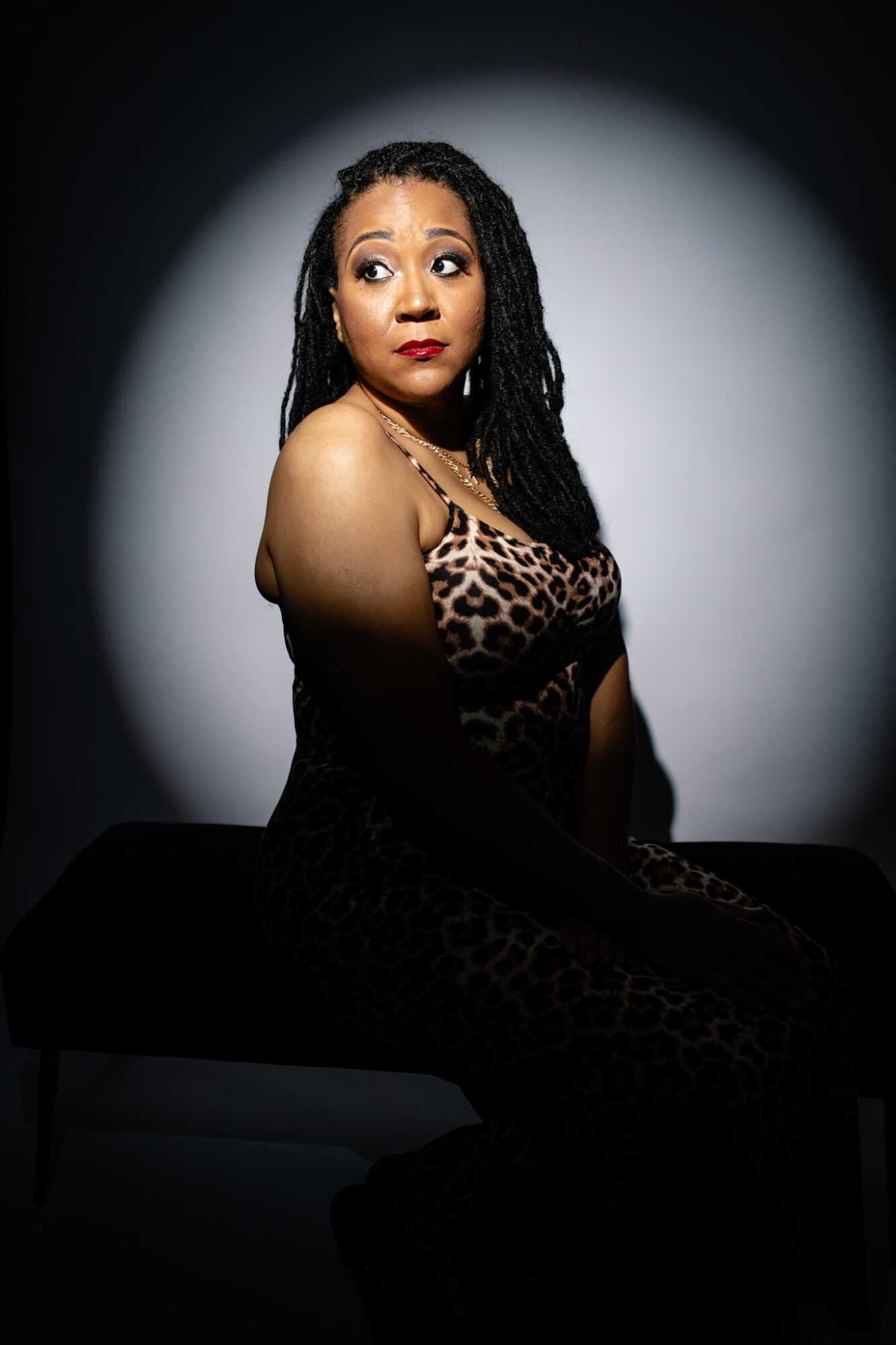
Today we’d like to introduce you to Tamika (Tami) Lee.
Tamika (Tami), we appreciate you taking the time to share your story with us today. Where does your story begin?
Sure. I’d say my story started to take shape in the early 2010s when I was living in Miramar, Florida. I loved it there—it was vibrant, full of culture—but it was also expensive. Eventually, I had to pack up and move back to my hometown of Jacksonville. I cried the whole ride home. It felt like taking a step backward, but life has a way of rerouting us with a purpose.
When I got back, things had changed. Most of the people I grew up with had moved on—started families, new lives. Opportunities felt scarce. Time had passed, and I felt like I was catching up to a moving train.
I’ve always been a writer at heart—crafting songs, blogs, poetry, short stories. Even when life got heavy, I tried to hold onto that part of me. But eventually, my Mom sat me down and gave it to me straight: “You’ve got two options—go back to school and stay here, or move out.
So, I made her a promise. I told her, “I’ve never been the best student, but if I find a path that feels like me, I’ll go all in.” She told me to Google art schools in Jacksonville. Honestly, I rolled my eyes. Jacksonville? An art school? But to my surprise, there it was—the Art Institute of Jacksonville.
At first, I enrolled in photography because I wanted to be a traveling poet. I dreamed of doing slam poetry across the country—even though I was shy, that fire to perform never left me. I figured photography would be a cool side hustle.
But while enrolling, someone in admissions suggested I join the film program instead. The admissions counselor said I’d learn how to write screenplays, operate cameras, edit—basically, I’d learn how to make movies. And that was it. The moment she said, “You’ll learn to write movies,” something clicked. I’d never considered myself a screenwriter. I was just a Black girl from the South who didn’t know any Black women writing for TV or film. But something in me said, “Why not?”
That decision changed my life. Those four years at the Art Institute taught me how to tell stories through a different lens—literally and figuratively. I learned editing, production, cinematography, and most importantly, screenwriting. Since 2014, I’ve been freelancing in digital media. I’ve worked with people like Yoanna House, created content for musicians and local legends, and even received an award from the Film Commissioner of Jacksonville.
I produced a video for an exhibit at the MOSH Museum that tackled racial injustices in America. I’ve taught youth in grades 6–9 how to write screenplays and create content. I’ve done more cool, soul-filling, creatively-charged work than I ever would have if I’d stayed working in a call center.
Eventually, I moved away from Jacksonville and landed in Atlanta. The filming slowed down—no more chasing talent with cameras or producing every little short film idea that came to mind. These days, I’m still editing and doing a little production work, but my main focus has shifted back to writing. And in that shift, something beautiful happened.
One day, I was working on a book about the power of green algae for women over 40—and out of nowhere, it hit me: “Girl, you could write a book about yourself.”
See, I’ve been writing fictional stories for the screen for years—horror, sci-fi, comedies, dramas—but they were never about me. They were always about made-up characters. And suddenly, I felt called to turn the lens inward. That’s how In the Frame: A Memoir in Scenes & Verses was born.
It’s a return to my roots—back to the poetry I wrote in high school, the personal stories I’ve carried, the moments that made me who I am. I wanted to write something real, something that speaks to anyone who’s ever doubted themselves as a creative. Folks battling imposter syndrome or feeling like they’re not enough. I still feel that way sometimes, even after all I’ve done—but it doesn’t stop me from creating.
In the Frame is an ode to that little girl in fifth grade who wanted to be Maya Angelou or Zora Neale Hurston but ended up building a life telling stories through cameras instead.
This memoir is different—it’s snapshots, little scenes from my life that I hope inspire others to be the main character in their own story, whether they’re in front of the camera or behind it. It’s my way of saying that you can be vulnerable and powerful, poetic and practical, unseen and still deeply valuable.
I’m still growing, still creating, still working toward what’s next. But this—this book—is a love letter to the artist I’ve always been.
Would you say it’s been a smooth road, and if not what are some of the biggest challenges you’ve faced along the way?
Life is a highway—and let’s be real, sometimes it’s full of potholes, roadblocks, and unexpected detours.
During college, I got really sick and had to have a tumor removed from my chest. After the first surgery, I needed another one to fix complications from the first. I missed an entire semester just trying to heal. It was a rough time—not just physically, but emotionally too.
My immediate family always believed in me, especially my Mom, but not everyone shared that same faith. Some friends—and even certain family members—thought my dream of being a filmmaker was a joke. That kind of energy can be heavy. I lost a couple of friends over it. And when you’re chasing big visions on a shoestring budget? It tests your faith. But luckily, I had people in my corner who dreamed just as boldly. We made it work with what we had.
I also started producing a mental health talk show with my Mom, which was important to both of us. Then I left the country to begin filming a documentary on my Dad, the Rastafari order, and cannabis culture in Jamaica. But then COVID hit. My Mom got sick. The documentary paused. The talk show paused. Everything shifted.
It was after that period—after the stillness and chaos of the pandemic—that I ended a seven-year romantic and creative relationship. He wasn’t just my man; he was my production partner, too. He handled the sound editing, lighting, and camera work—the stuff I didn’t always enjoy doing. So that breakup wasn’t just emotional—it disrupted the whole creative rhythm I’d gotten used to. And that was hard.
Even writing my book was a battle. I dealt with serious anxiety, wondering if my words even mattered. I’d sit on edits for months, too overwhelmed to touch them. The doubt got loud.
But I kept going—because that’s who I am. Even when I don’t have it all figured out, I keep pushing. And somehow, things always work out, maybe not in the exact way I pictured, but in the ways they were meant to.
As you know, we’re big fans of you and your work. For our readers who might not be as familiar what can you tell them about what you do?
I’m a writer—first and always. I have a BFA in Digital Film and Video Production. For over a decade, I’ve worked across the full spectrum of storytelling, from behind-the-scenes camera work to crafting narratives that people enjoy. Whether it’s a screenplay, a short film, a blog post, or a book, it all starts with the same spark—story.
I’ve written scripts for authors who wanted to turn their books into films. I’ve developed an original sci-fi and horror series that I’m actively pitching. I’ve produced content ranging from short films and a mental health talk show to impactful documentaries, as well as creative workshops for kids who also want to create content and share their stories. I don’t just write stories—I build worlds, nurture voices, and help shape visions into tangible art.
What am I most proud of? Honestly, it’s that I never let doubt—mine or anyone else’s—take me off course. I’ve had people laugh at the idea of me being a filmmaker or a writer. I’ve faced moments of deep anxiety, creative fatigue, and even heartbreak. But I kept going. I kept writing, creating, editing, and sharing. That’s the work I’m proud of. Not just the finished products, but the commitment to the journey.
I may not have the attention of major studios—yet—but I’ve built something real: a body of work rooted in truth, creativity, and intention. My latest project, In the Frame: A Memoir in Scenes & Verses, is a deeply personal collection of poetry and short stories that reflect my life both behind and beyond the camera. It’s my return to the heart of who I am: a storyteller with something to say.
What sets me apart? Honestly, I don’t focus on that too much. I stay in my lane. I create from a place of love and purpose. Maybe that’s what makes me different. I’m not here to chase trends—I’m here to tell stories that reach people.
Why should people pay attention to me?
Because if you’ve ever felt too old to create, underqualified, under-experienced, or just not “creative enough,” you’re not alone. I’ve felt that way, too—more than I care to admit. But I still create. Because I know, deep down, I have something to say.
And in a sea of content made by people with very different lived experiences, I believe I deserve a space in this industry.
My ideas matter.
My stories matter.
I matter.
And so do you, reader.
Sure, more attention would be great—but ultimately, I want to inspire others to keep going. If my work reminds even one person that their voice is valid, their dream is still alive, and they’re not too late to create something meaningful—then I’ve done what I was meant to do.
If you had to, what characteristic of yours would you give the most credit to?
Believing that I can— because I should. Creatives have a right to create, to take up space, to tell our stories without needing permission.
I also believe that being a little delusional and highly disciplined has helped me significantly. Delusional enough to dream big, even when the world feels silent. Disciplined enough to keep showing up, even when imposter syndrome is yelling that no one’s watching.
Contact Info:
- Instagram: https://www.instagram.com/videogoddess84/
- Facebook: https://www.facebook.com/tamika.n.lee
- LinkedIn: https://www.linkedin.com/in/tamikalee7/
- Youtube: https://www.youtube.com/@TamiLee8414
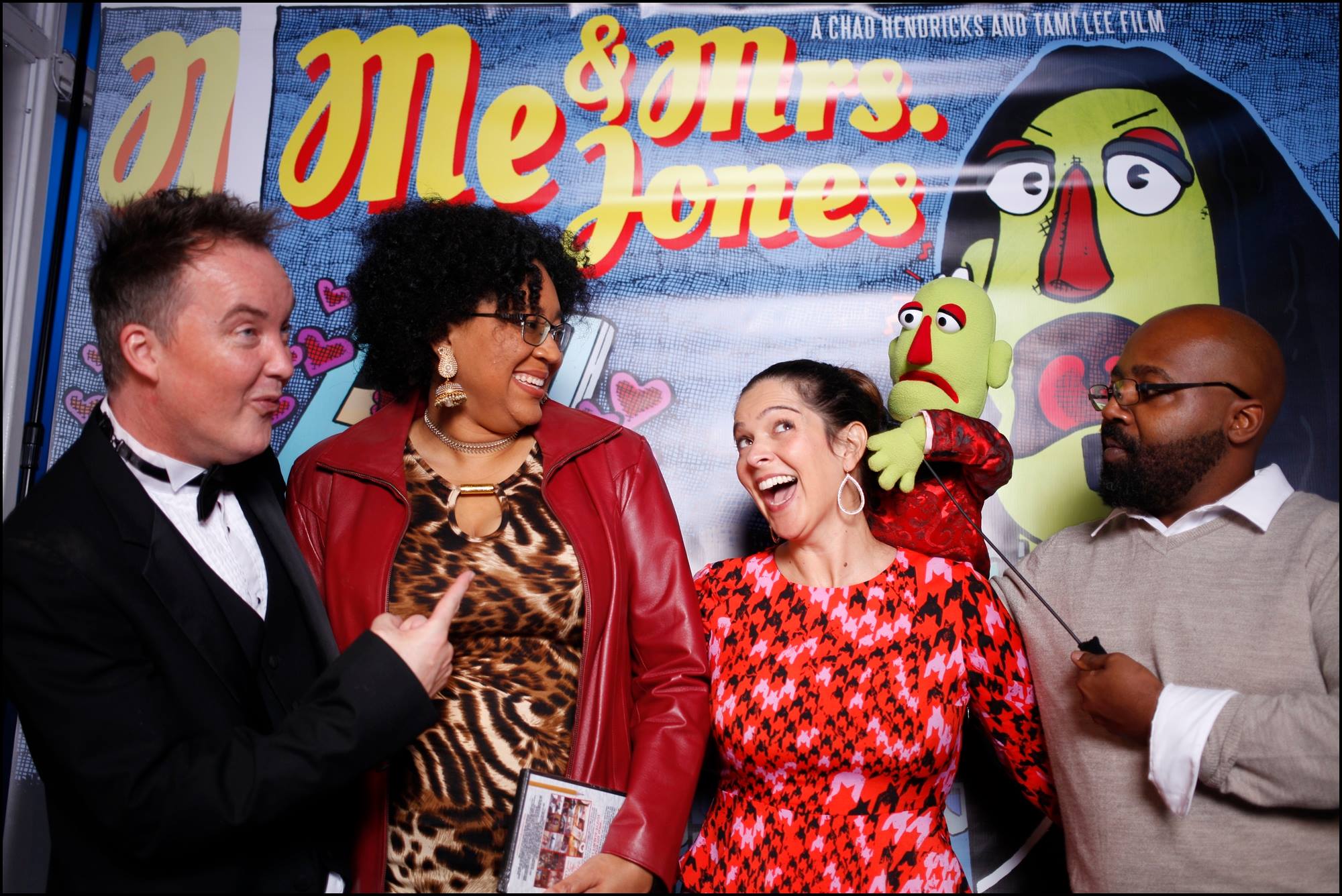
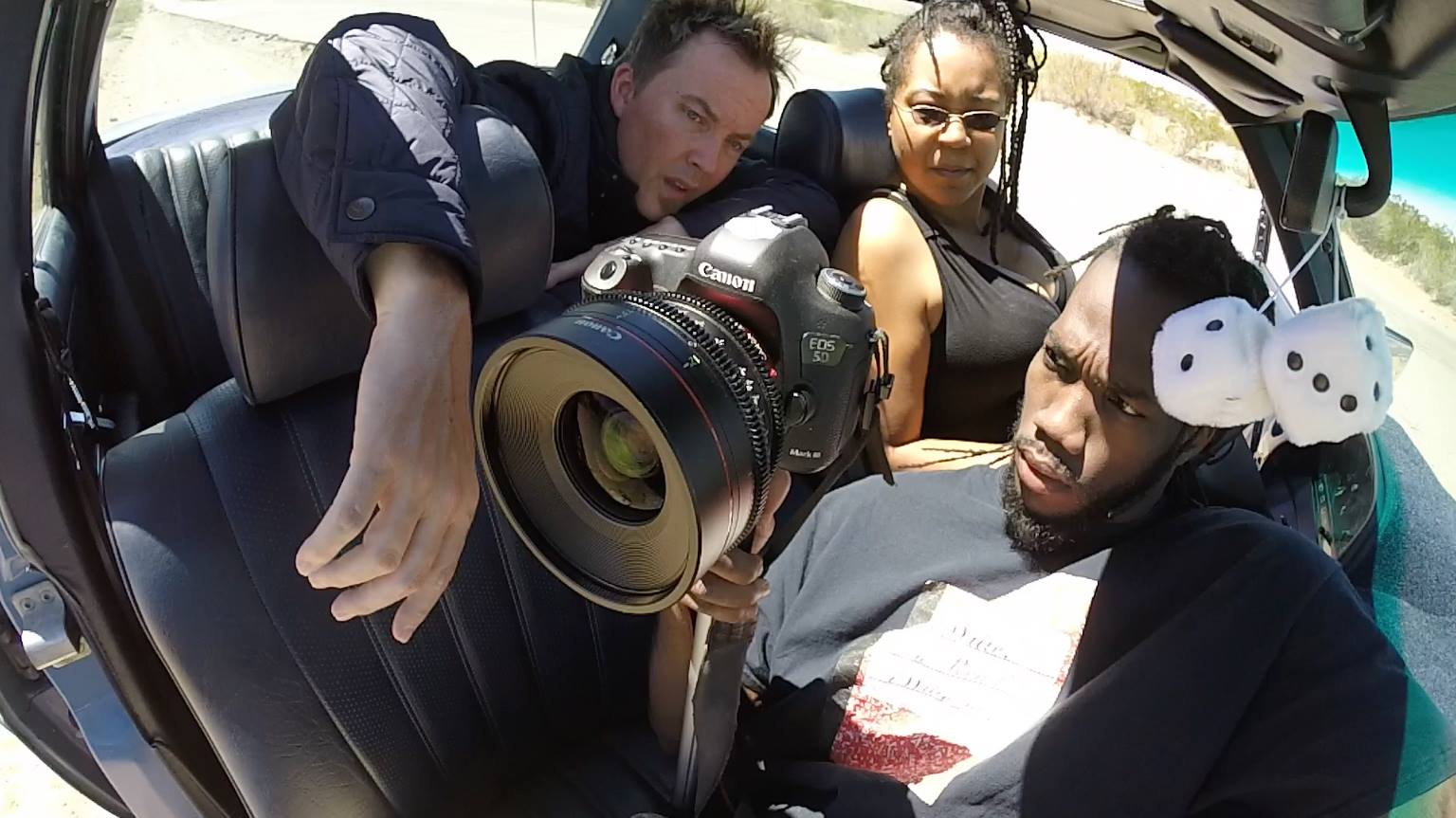
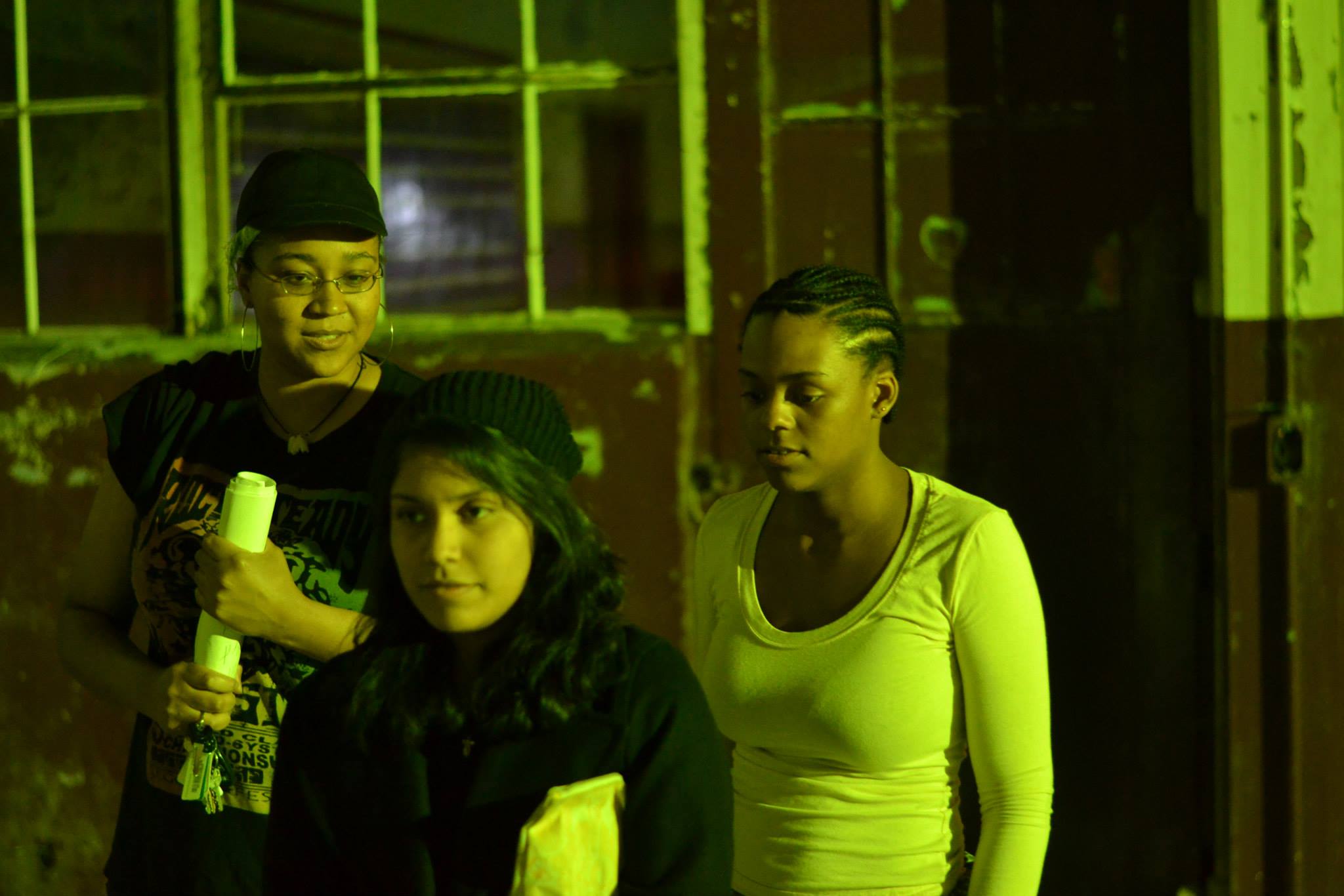
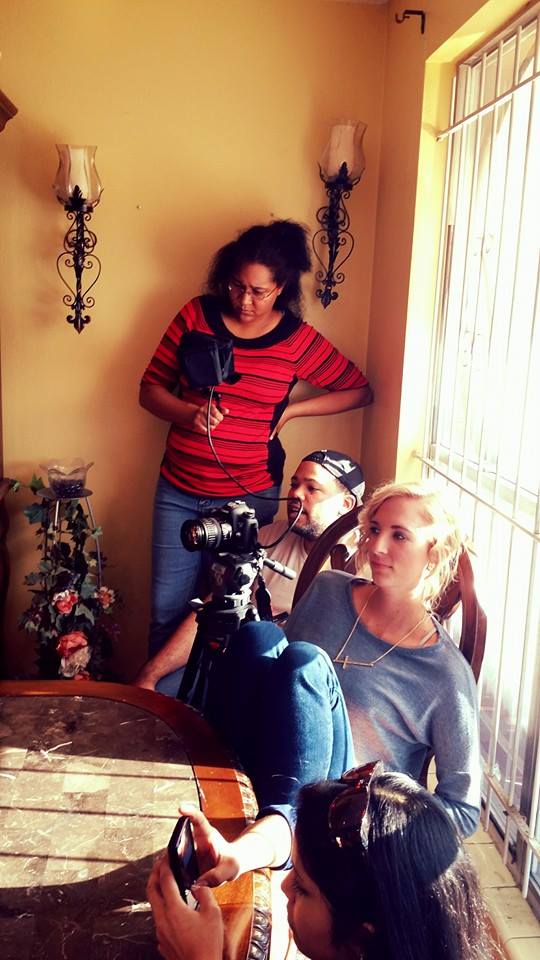
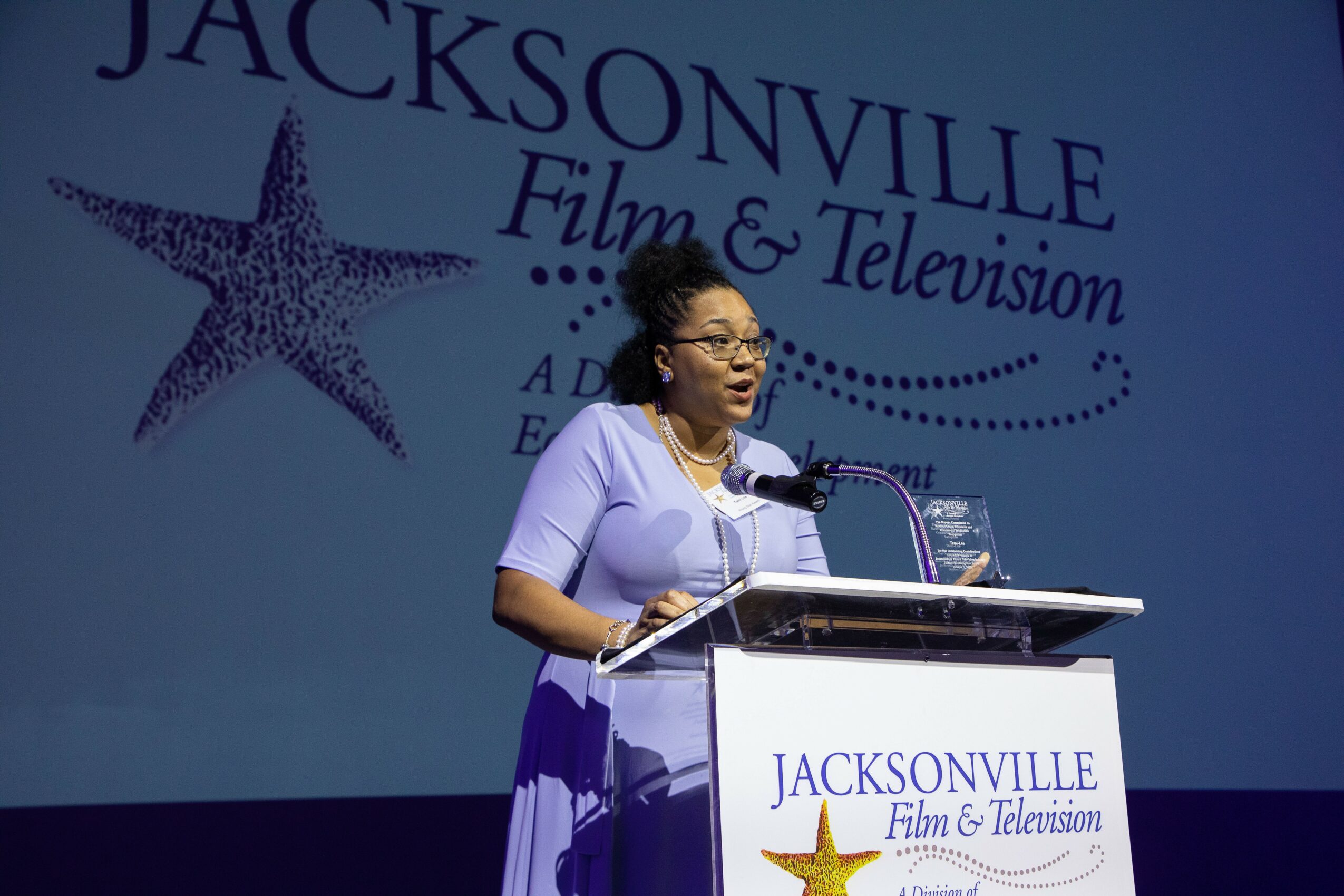
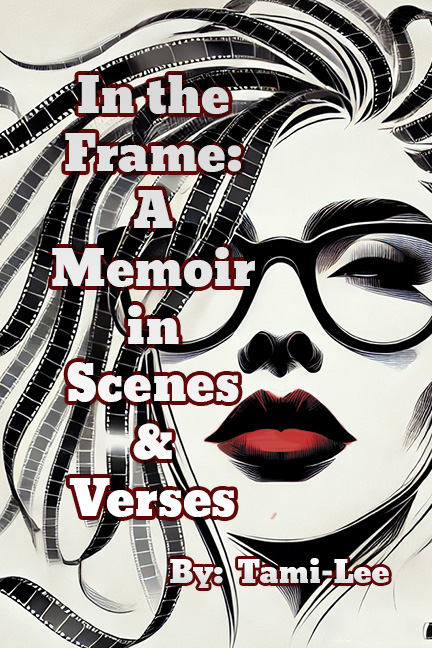
Image Credits
Personal Photo By: Means Images
Popular
-
Melody Laney on Turning Self-Investment into Business Excellence and Empowering Small Businesses Through Customer Experience
-

Jennifer Sarrett on Helping Scientists Become Stronger Leaders and Building Healthier Research Cultures
-

Makiko Kobayashi on Empowering Young Dancers, Building a Career Across Cultures, and Creating Her Own Path in Atlanta
-

ATL’s Most Inspiring Stories
-

Hidden Gems: Local Businesses & Creatives You Should Know
-

Portraits of Atlanta